1/5
Free shed
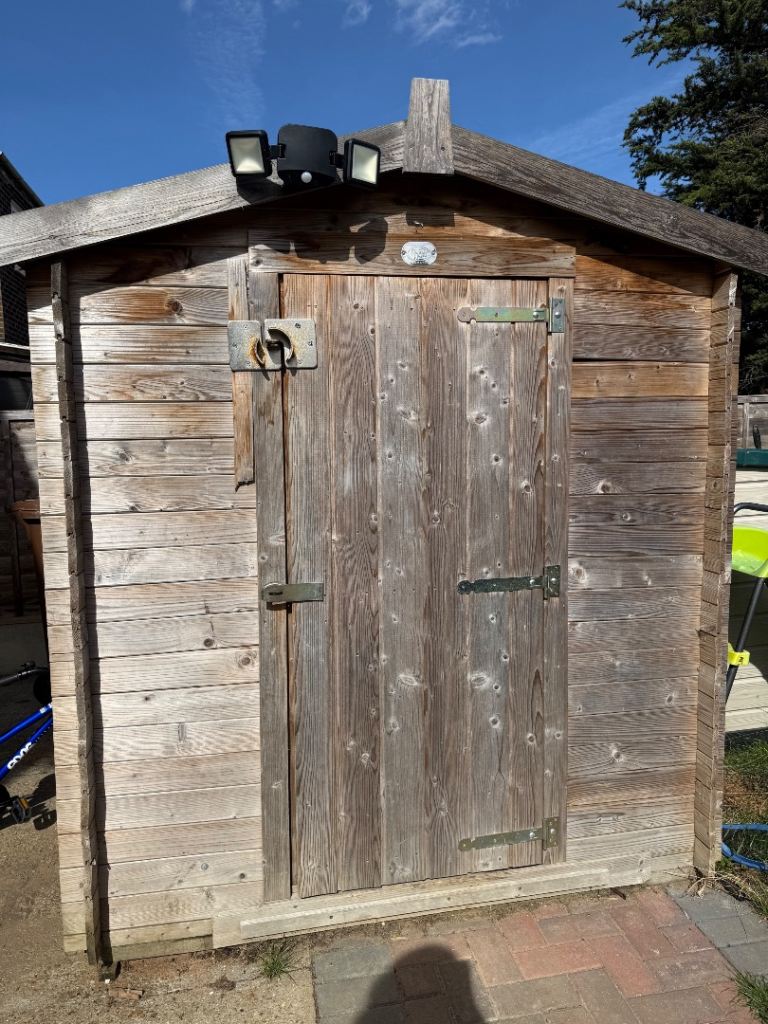
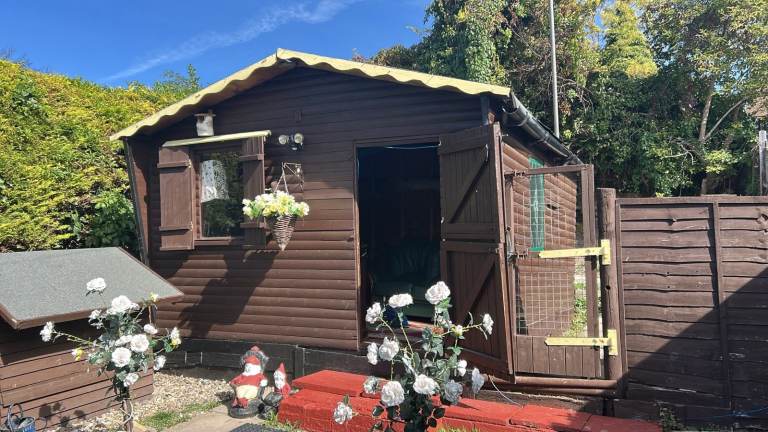
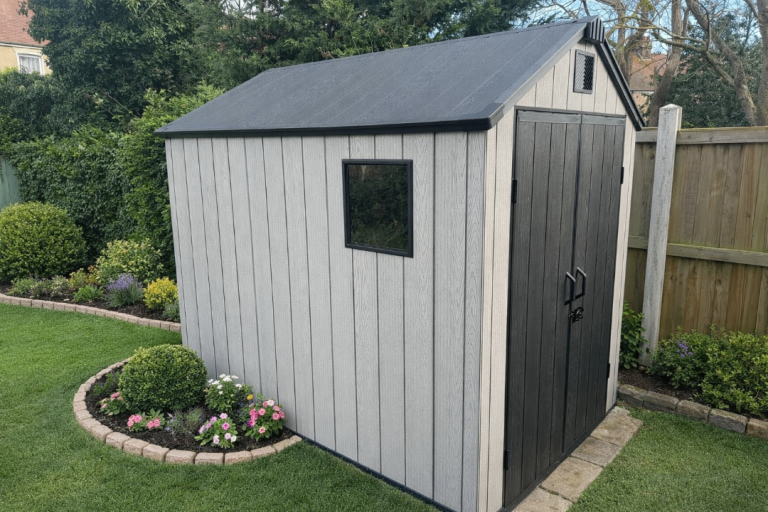
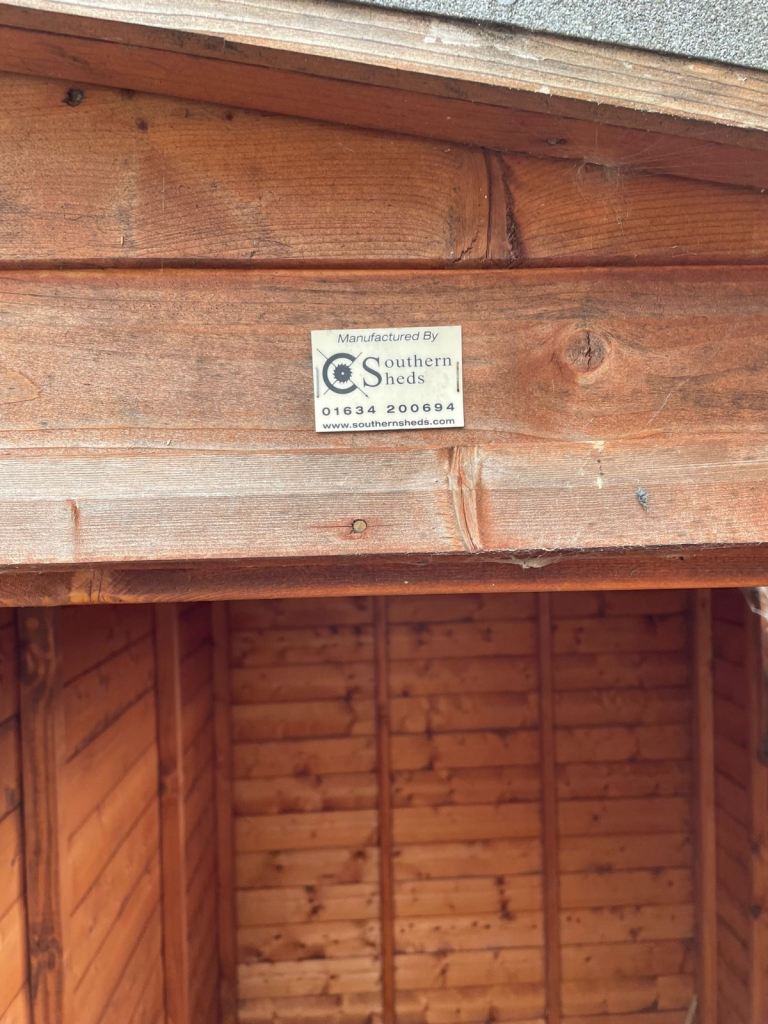
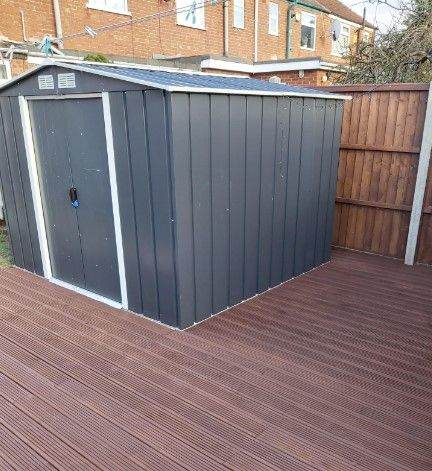
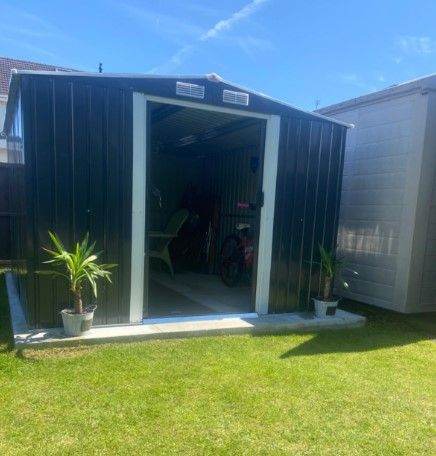
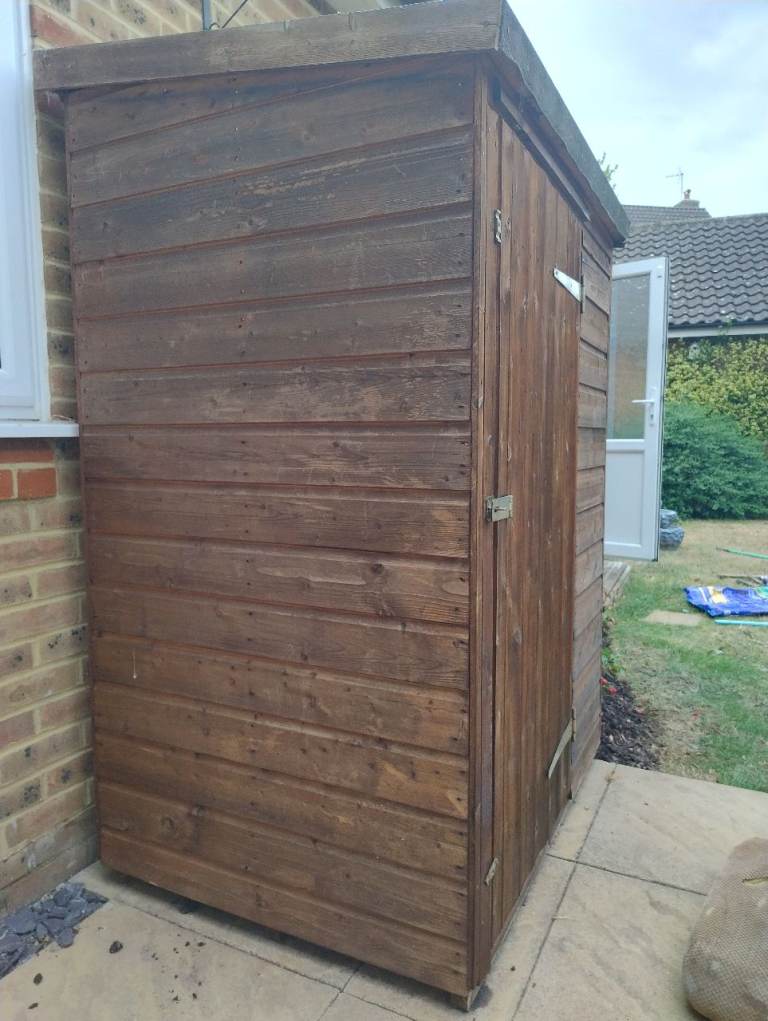
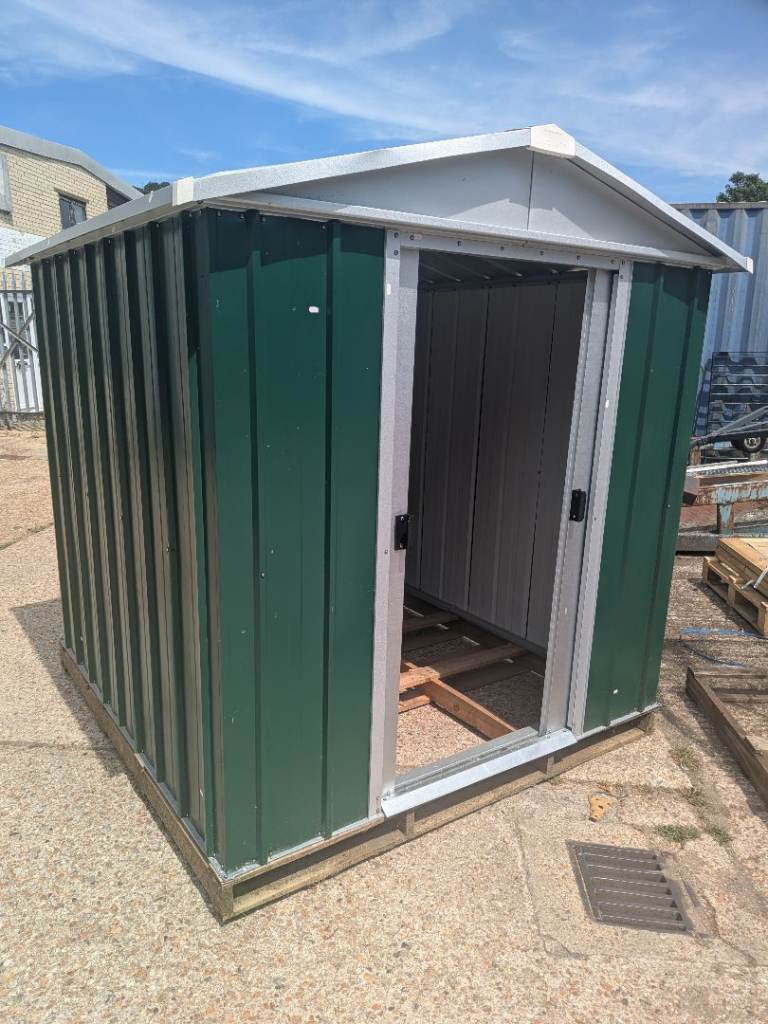
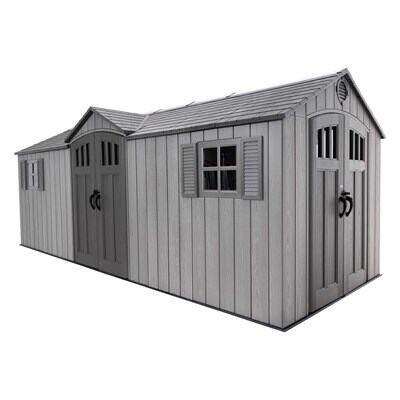
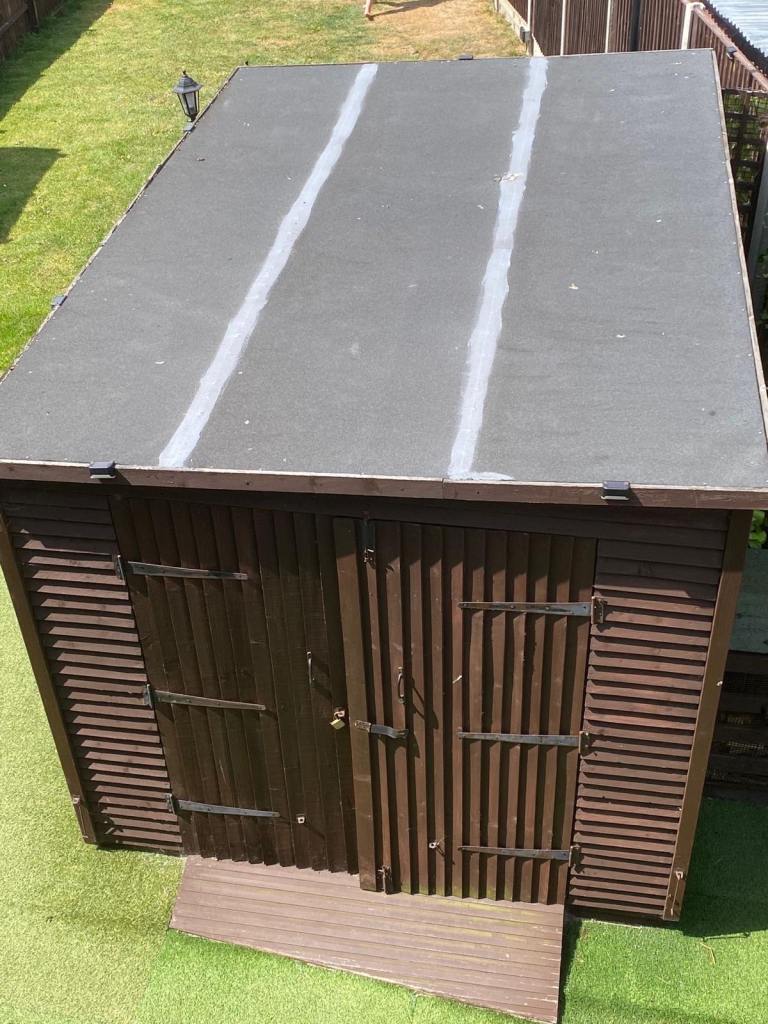
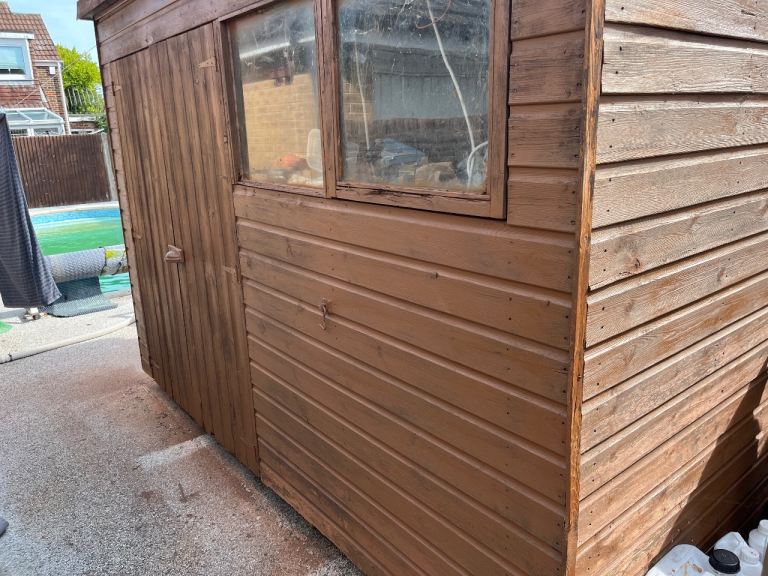
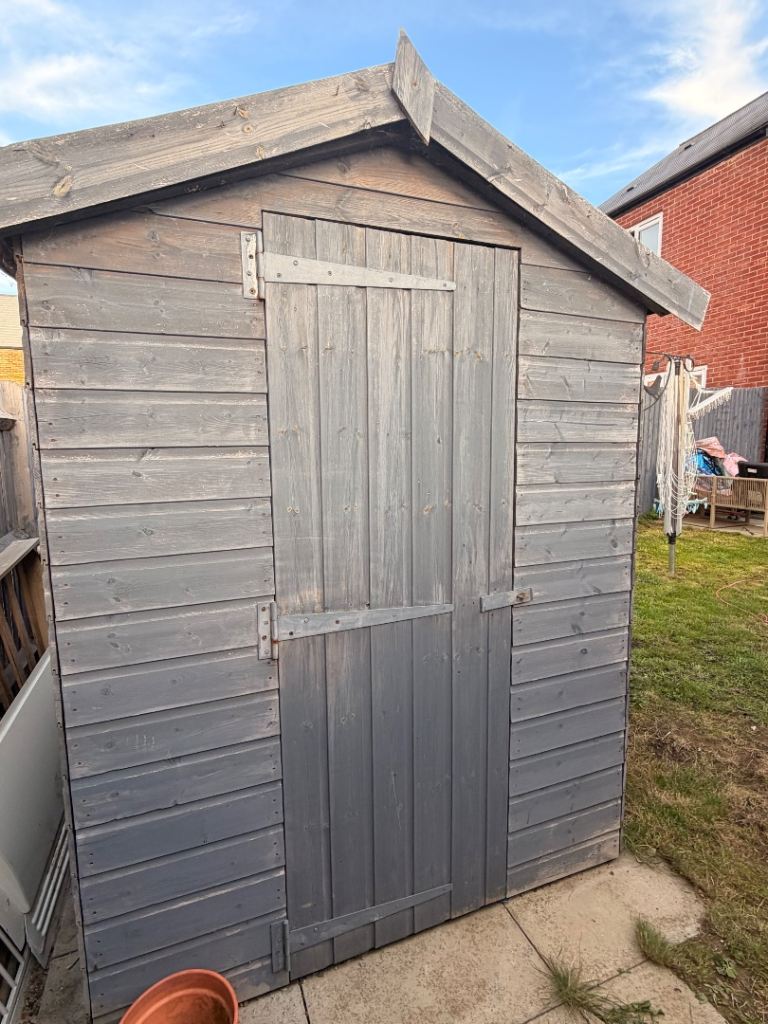
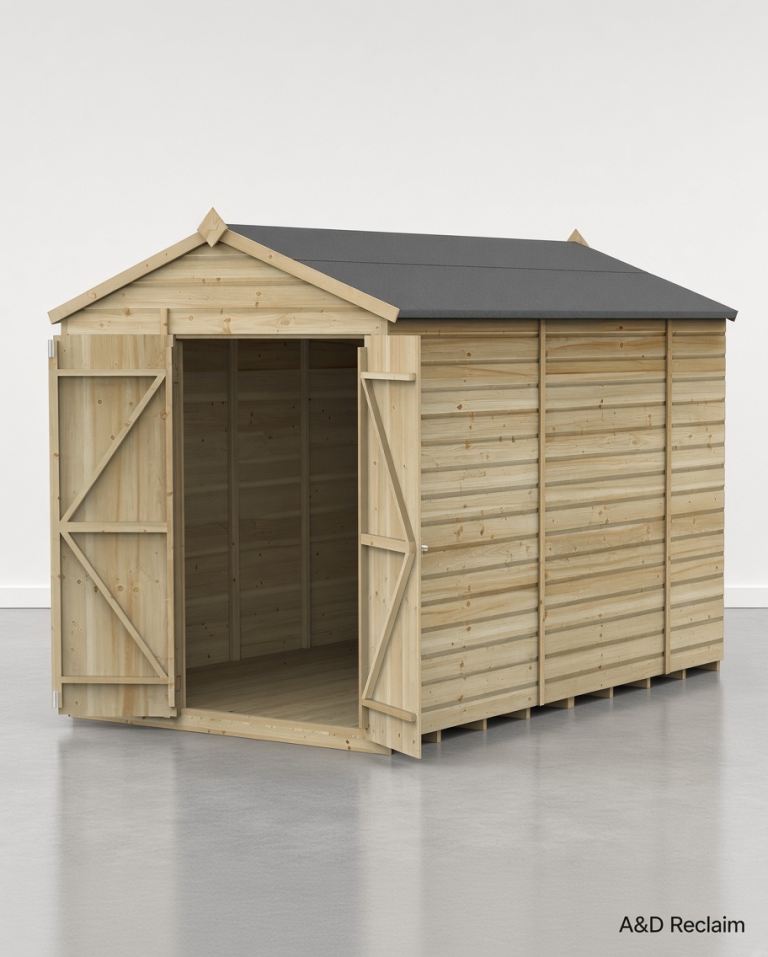
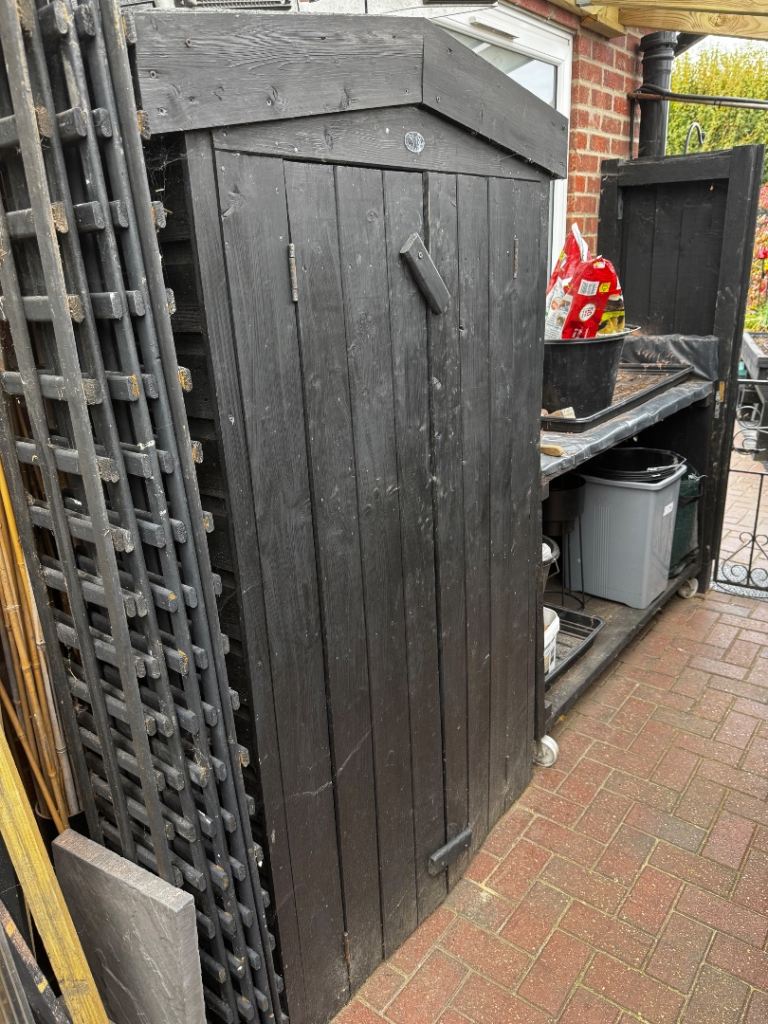
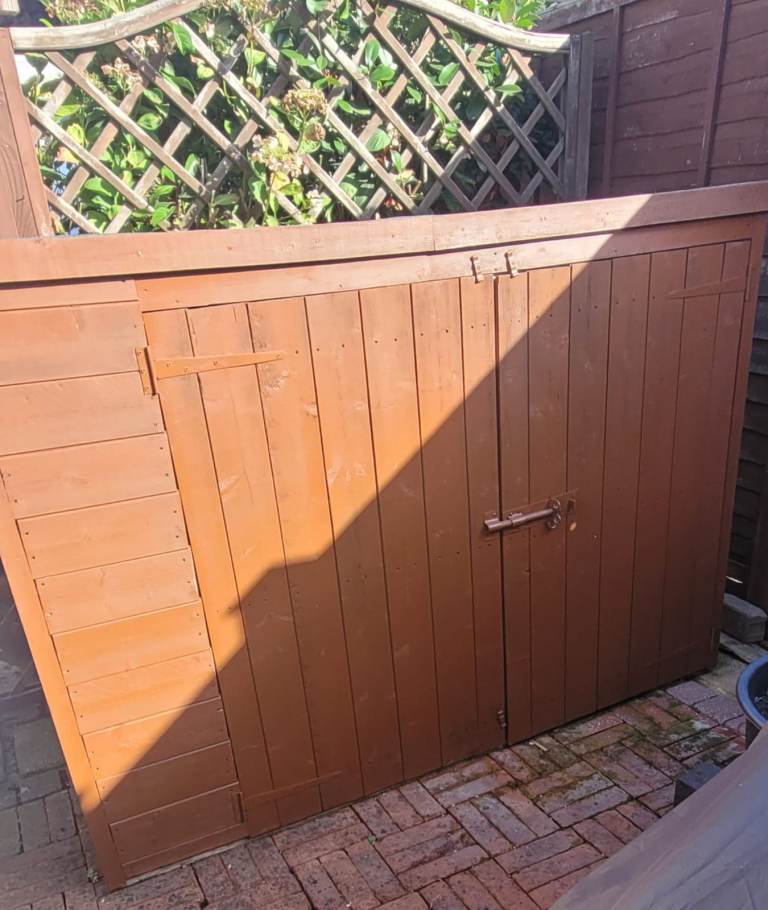
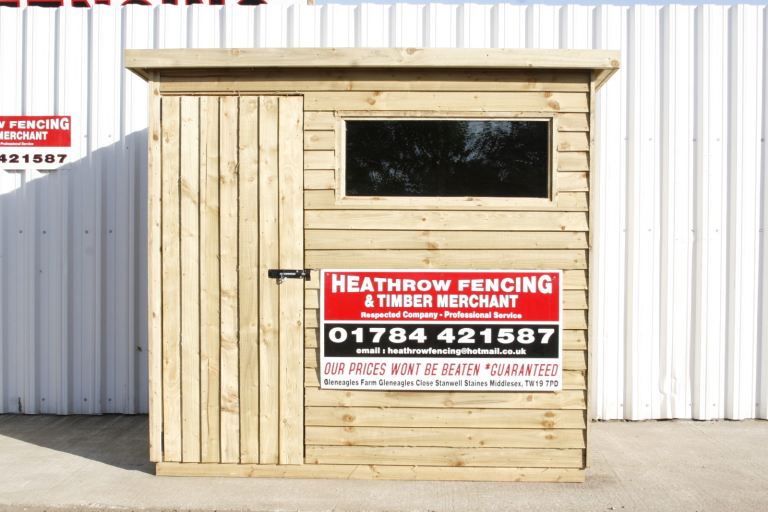
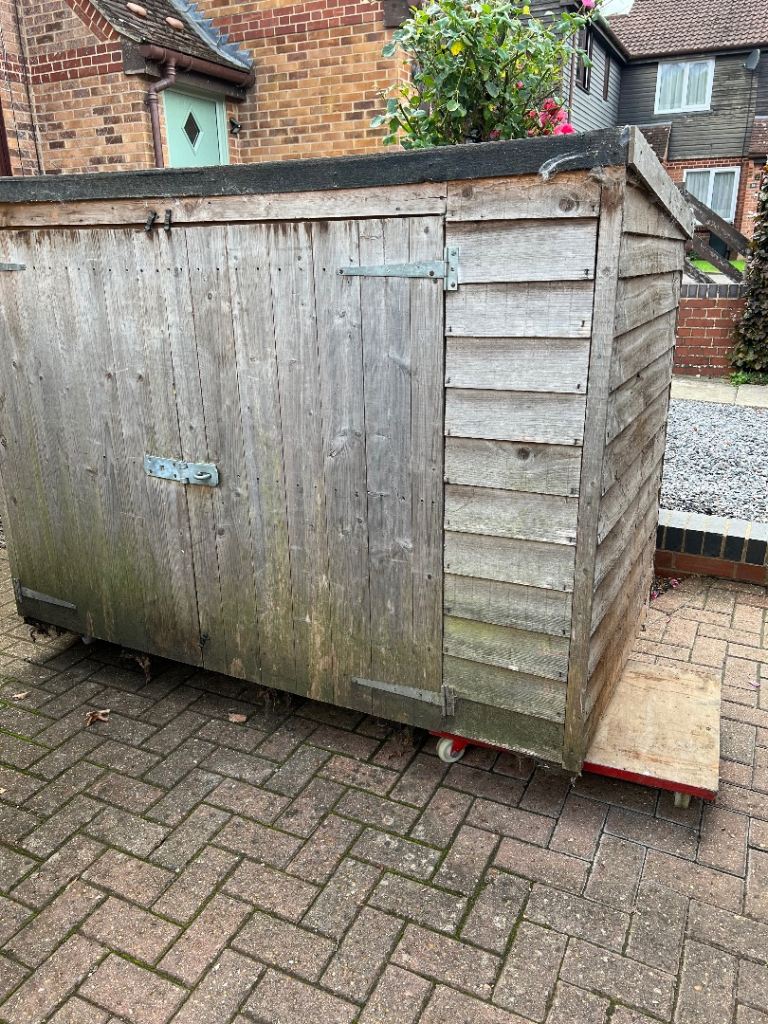
Free shed needs repair to back of shed Size in pictures Collection only
Maidstone, Kent
FREE
Inspect the shed thoroughly for signs of rot, damp, or insect infestation, especially around the base and roof. Check the structural integrity of the frame and ensure the doors and windows open and close properly. Also, consider the size and whether it meets your storage needs. Ensure the shed can be disassembled and transported easily, or factor in the cost of professional removal.
In many cases, garden sheds are permitted development and don't require planning permission, provided they meet certain criteria. Generally, the shed should not take up more than 50% of the garden area, should not be forward of the principal elevation of the house, and should not exceed a certain height (e.g., 2.5m for sheds within 2m of a boundary). However, it's always best to check with your local council in Kent to confirm specific regulations, especially if you live in a conservation area or listed building.
A solid, level base is crucial for the longevity of your garden shed. Common options include concrete slabs, a timber frame base, or a gravel base. Concrete slabs provide a stable and durable foundation. A timber frame base allows for airflow underneath the shed, reducing the risk of rot. A gravel base is a cheaper option but may require more maintenance to keep level. Consider the size and weight of the shed when choosing a base.
Wear appropriate safety gear, including gloves, eye protection, and sturdy footwear. Use the correct tools for the job and follow the manufacturer's instructions carefully. If the shed is large or heavy, enlist help from others to avoid injury. Be mindful of overhead power lines when working with long pieces of timber or metal. Dispose of packaging materials responsibly.
Apply a wood preservative or sealant to protect the shed from rain, sun, and frost. Regularly inspect the shed for signs of damage and repair any cracks or holes promptly. Ensure the roof is watertight and that gutters are clear of debris. Consider adding a layer of insulation to protect stored items from extreme temperatures. Secure the shed to its base to prevent it from being blown over in strong winds.