Featured
5
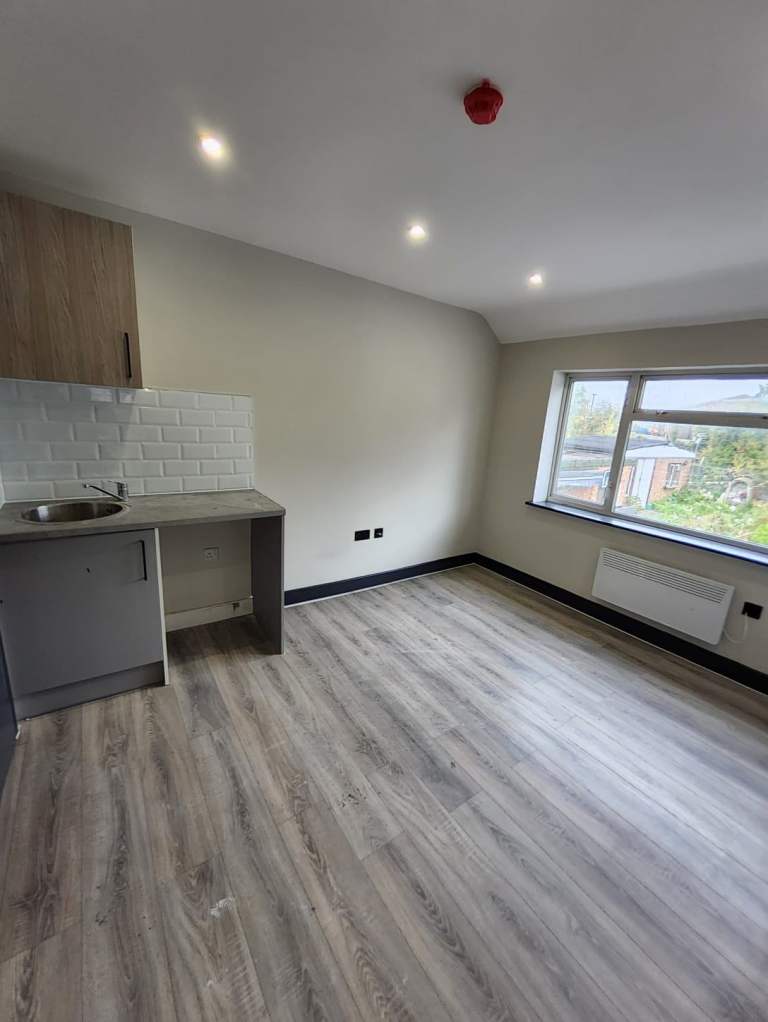
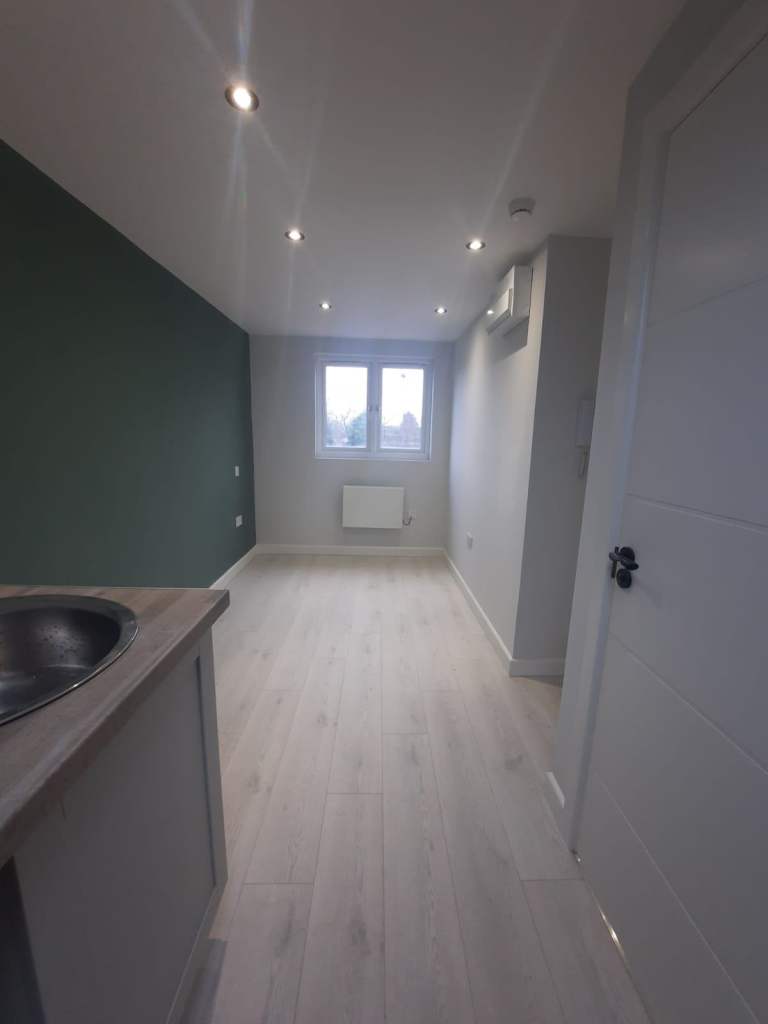
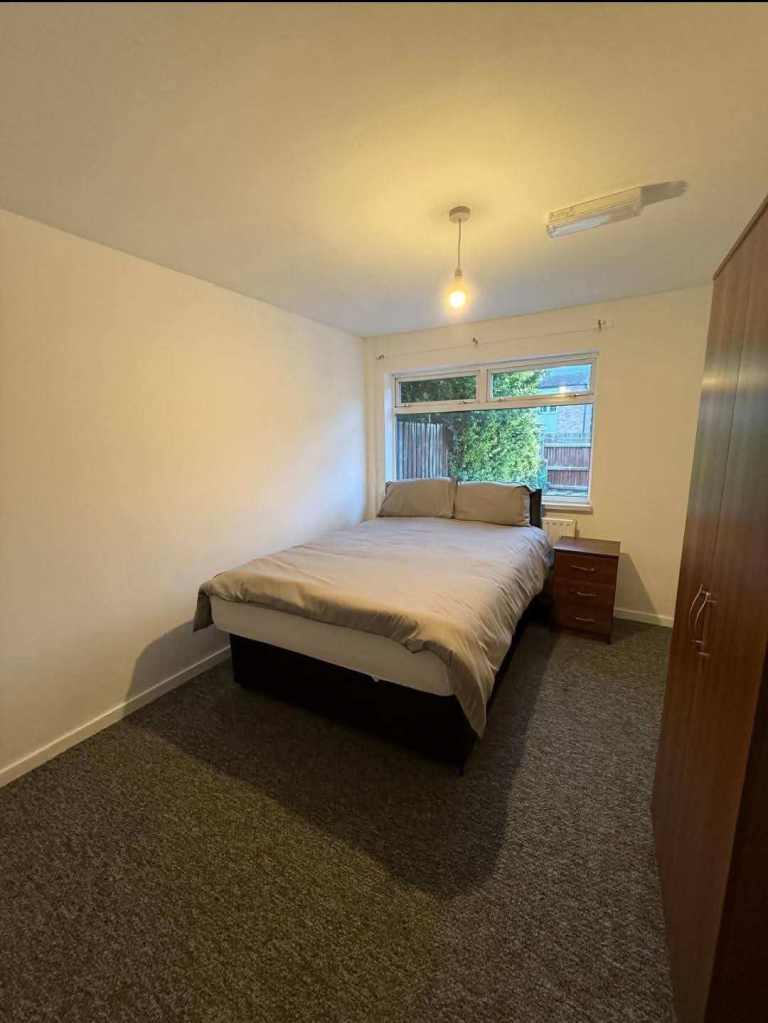
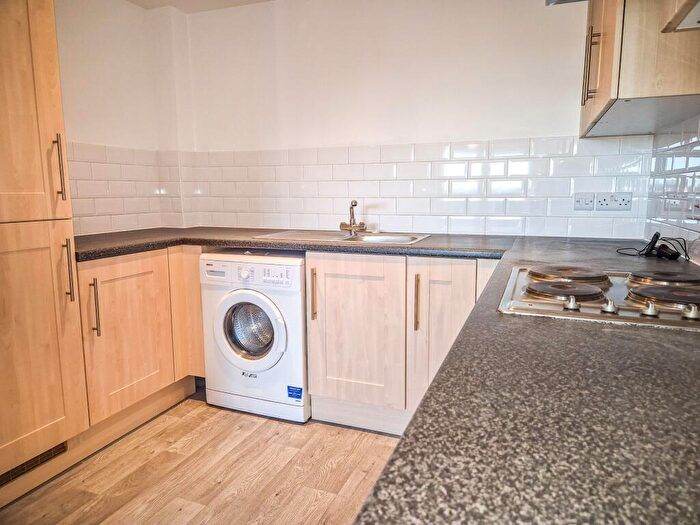
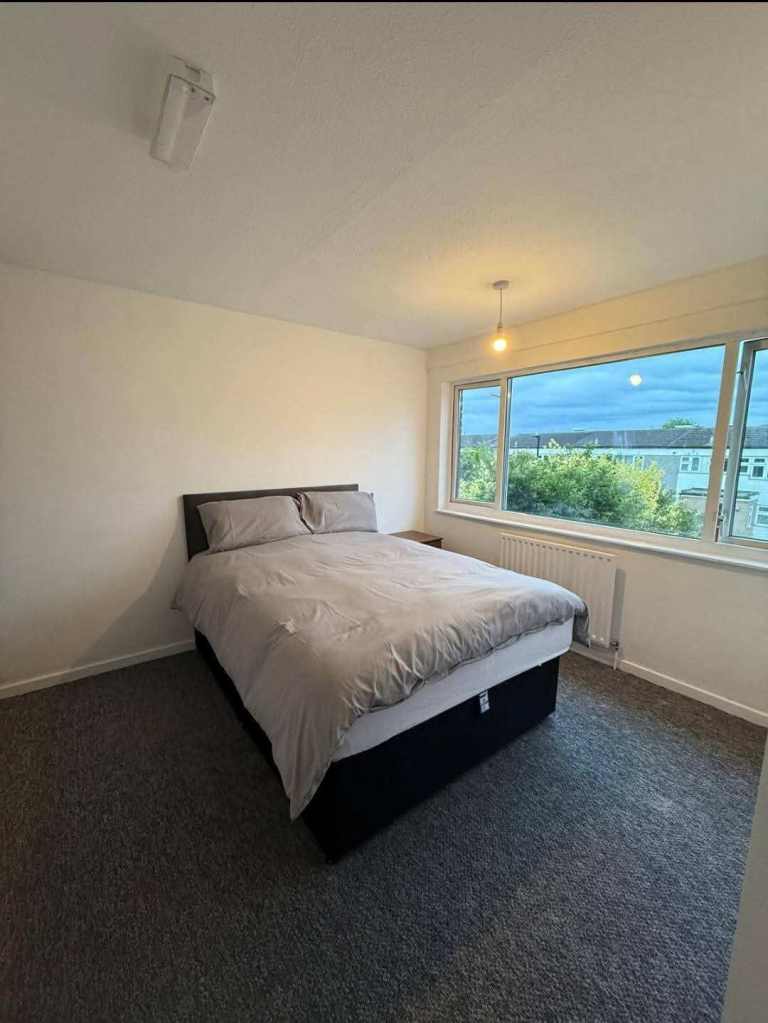
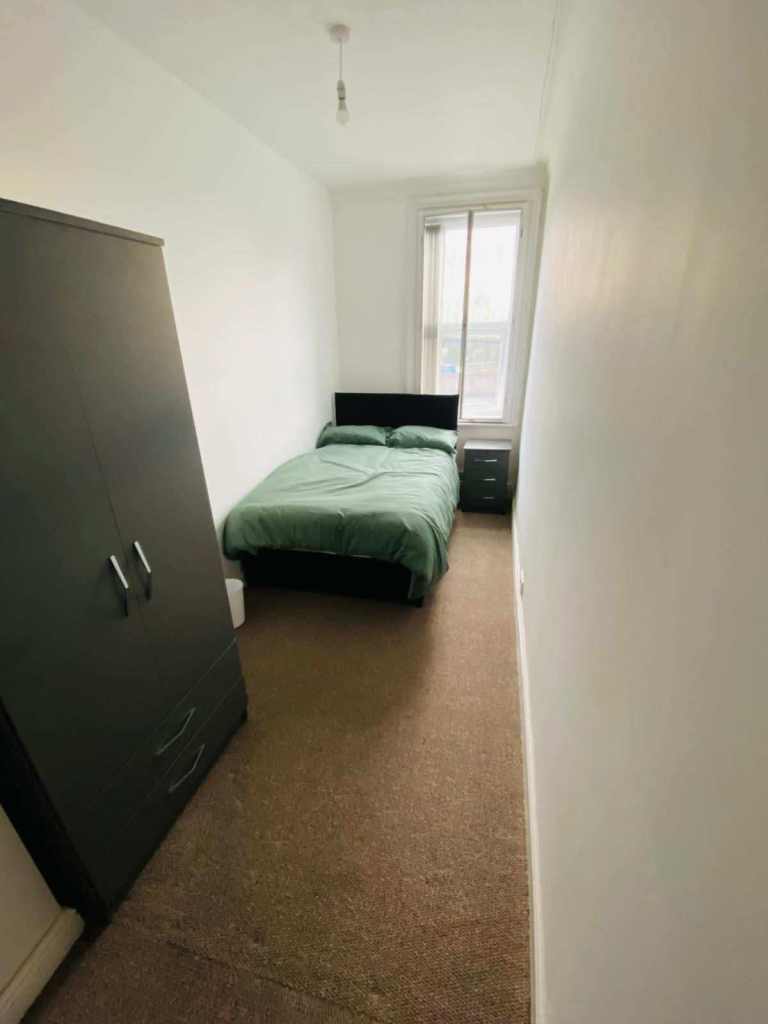
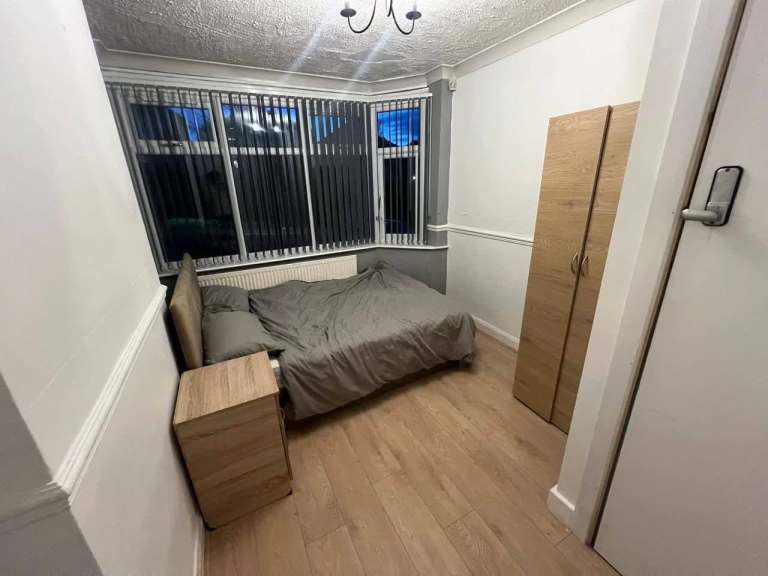
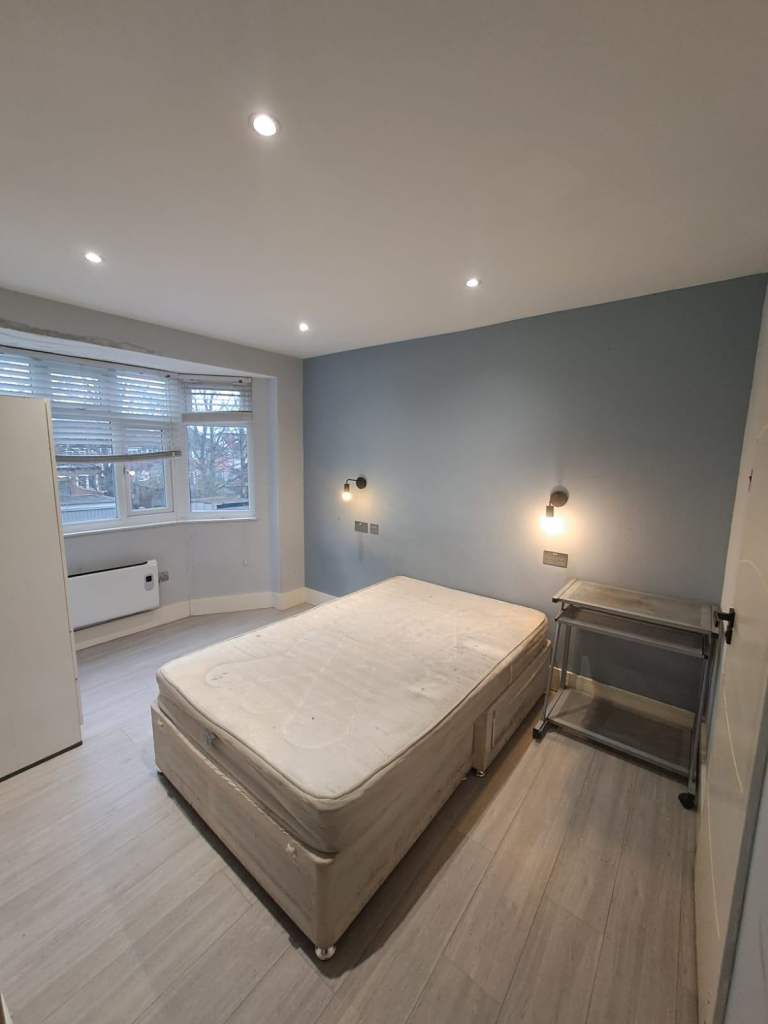
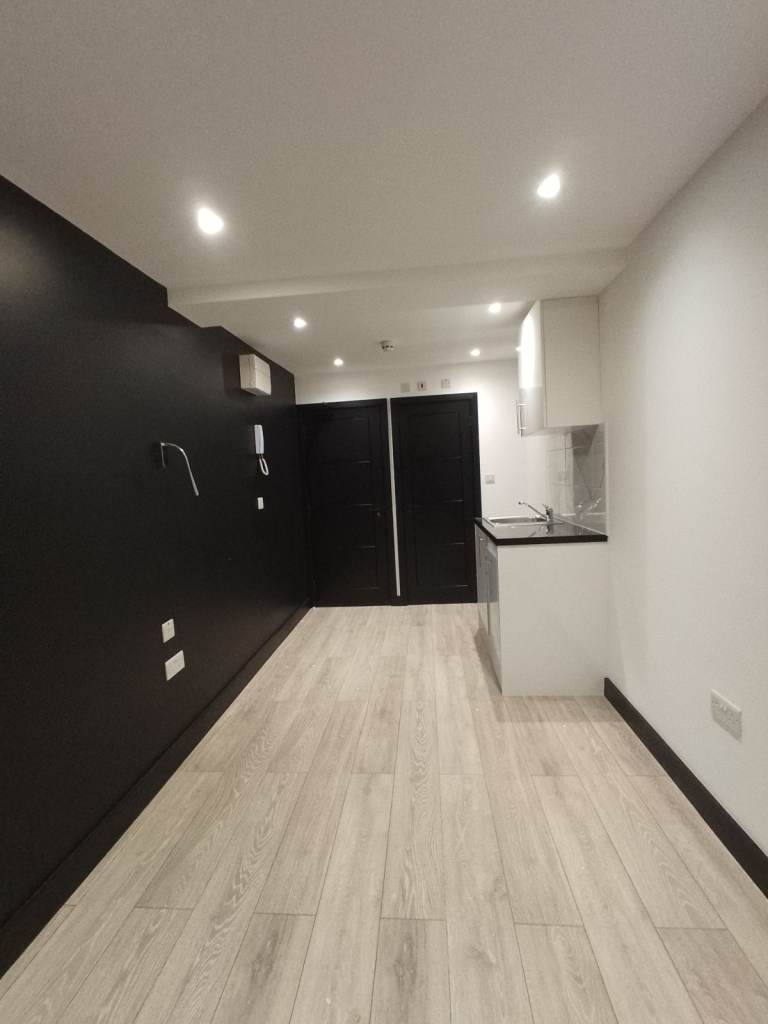
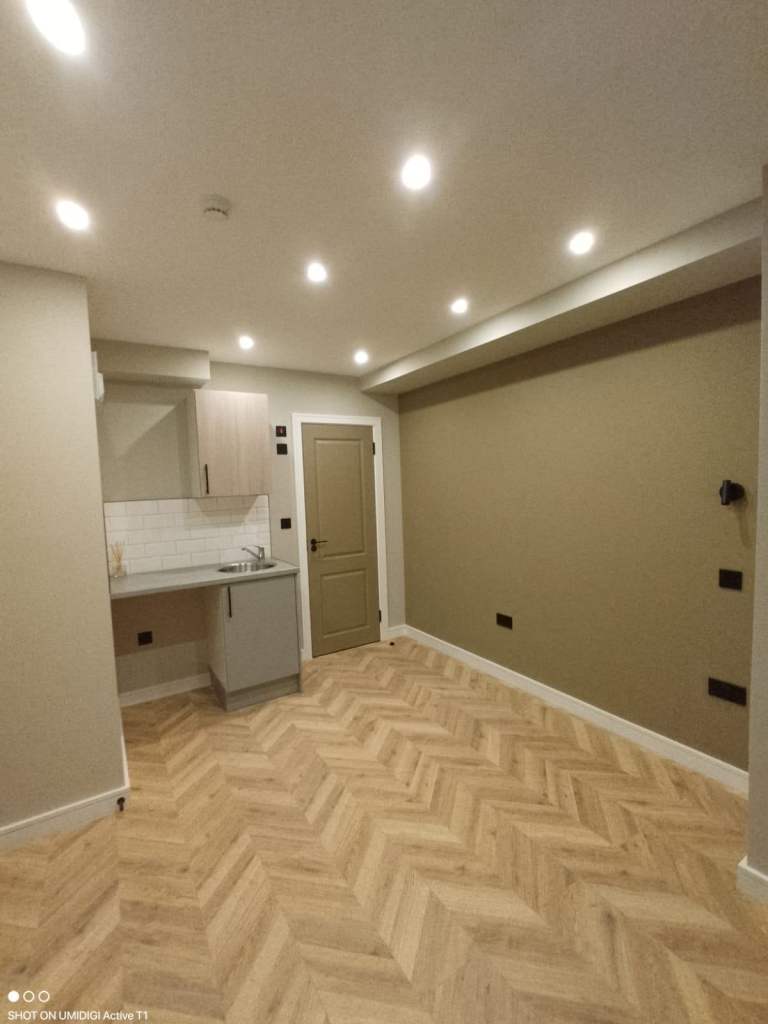
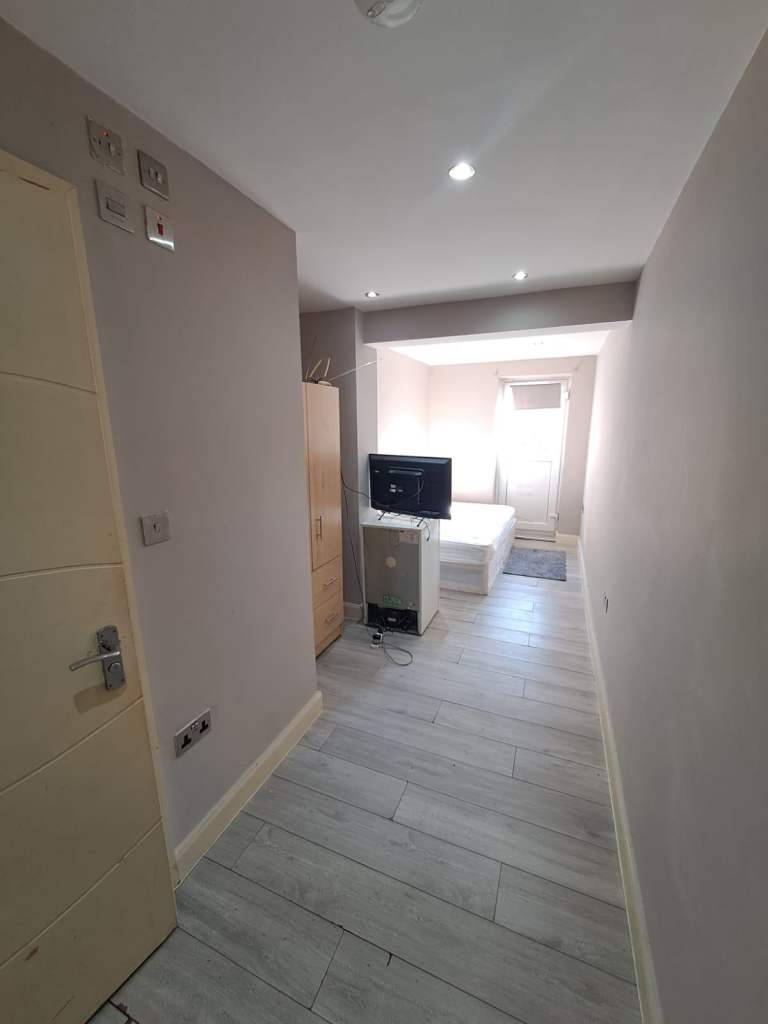
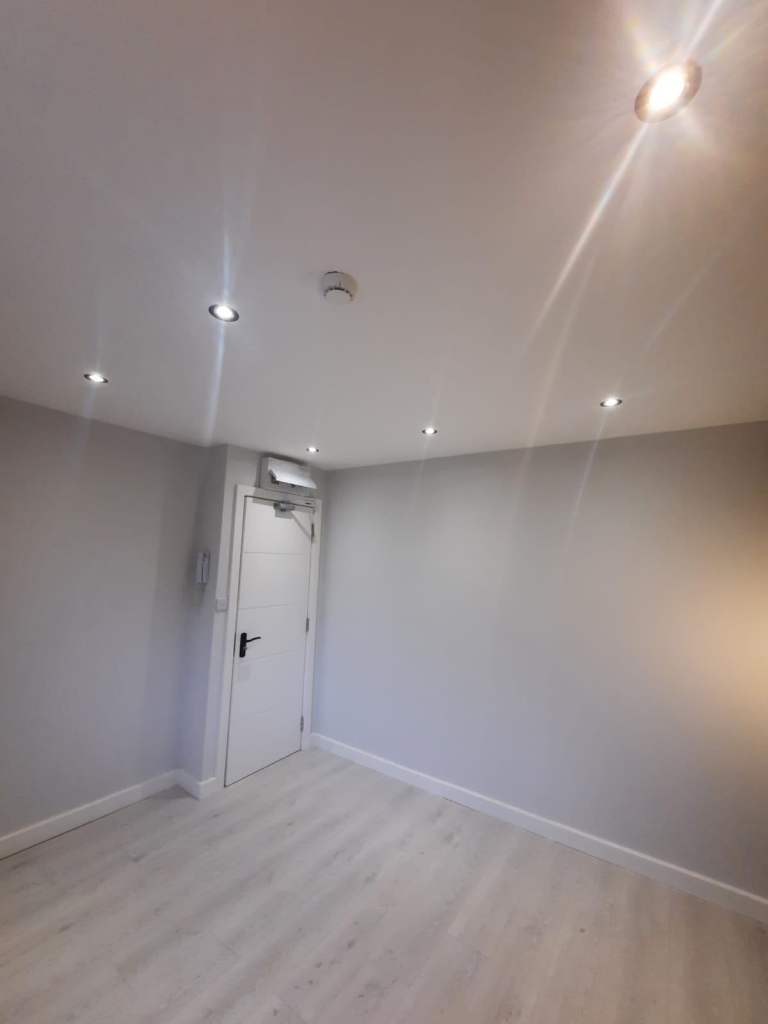
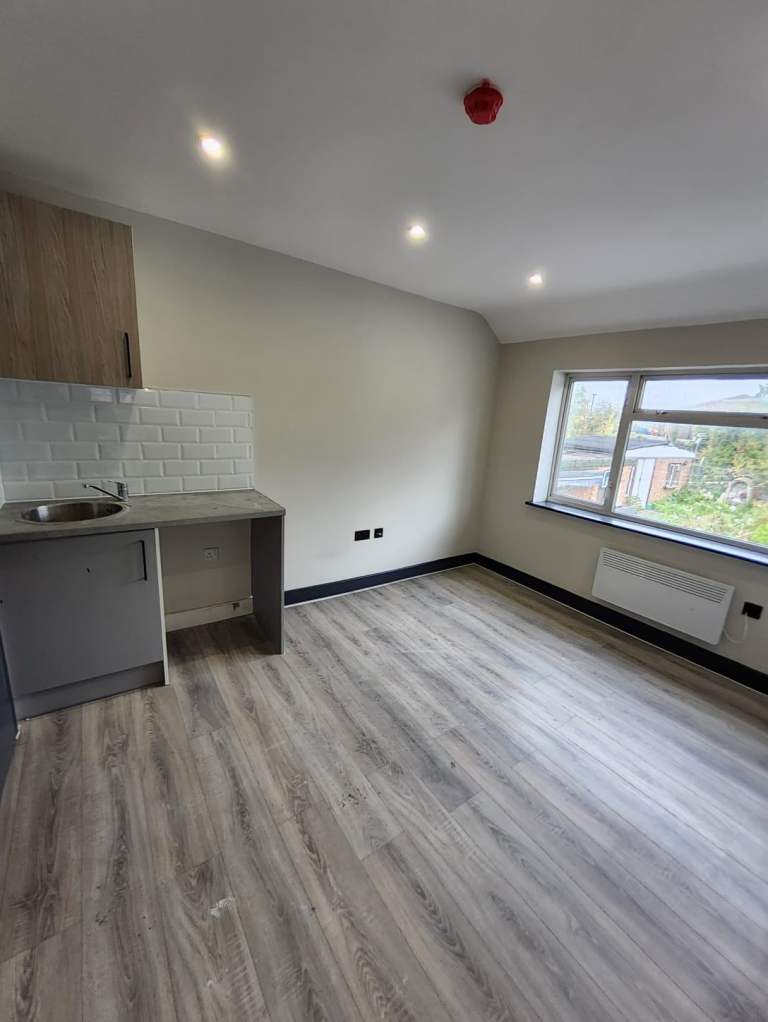
HMO Studio Flat – Ealing Area - UB6 8DY – DSS Welcome (35+)
AgencyDate available: 31 Mar 2026FlatStudio Bed
Greenford, London
£1,350pm
When viewing a property, pay close attention to its condition, including any signs of damp, mould, or structural issues. Check the functionality of appliances, heating, and plumbing. Also, consider the surrounding area, transport links, local amenities, and noise levels. Ask about council tax band and energy performance certificate (EPC) rating.
Tenants in the UK have certain rights, including the right to a safe and habitable property, protection from unfair eviction, and the right to have their deposit protected in a government-approved scheme. Landlords must also adhere to certain safety regulations, such as providing a gas safety certificate and ensuring electrical safety. Familiarise yourself with the Housing Act 1988 and other relevant legislation.
You will typically need to provide proof of identity (passport or driving licence), proof of address (utility bill or bank statement), proof of income (payslips or bank statements), and references from previous landlords or employers. Some landlords or letting agencies may also require a credit check.
A tenancy deposit is a sum of money paid by the tenant to the landlord as security against damage to the property or unpaid rent. In the UK, landlords are legally required to protect the deposit in a government-approved tenancy deposit scheme (TDP) within 30 days of receiving it. At the end of the tenancy, the deposit should be returned to the tenant, subject to any agreed deductions for damages or unpaid rent.
Council tax is a local tax that is used to pay for local services. The amount of council tax you pay depends on the value of the property and the local authority. Generally, tenants are responsible for paying council tax unless otherwise agreed with the landlord. Check which council tax band the property is in and factor this into your budget.