Featured
1/7
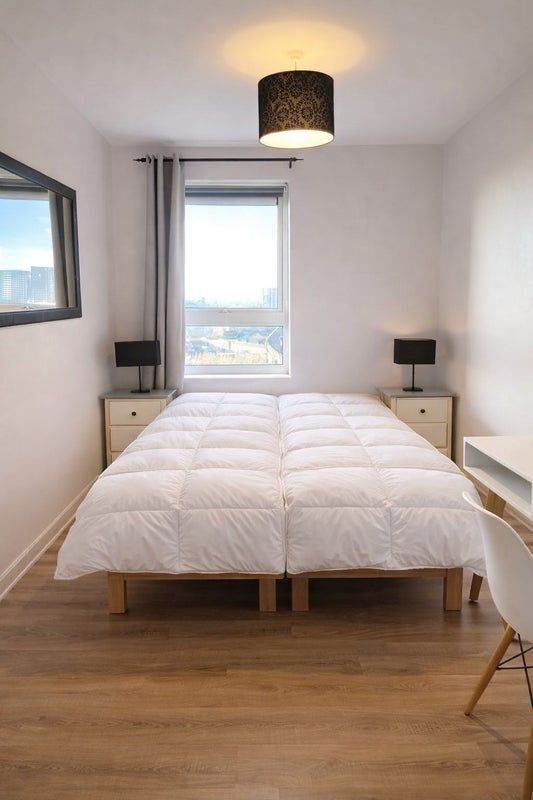
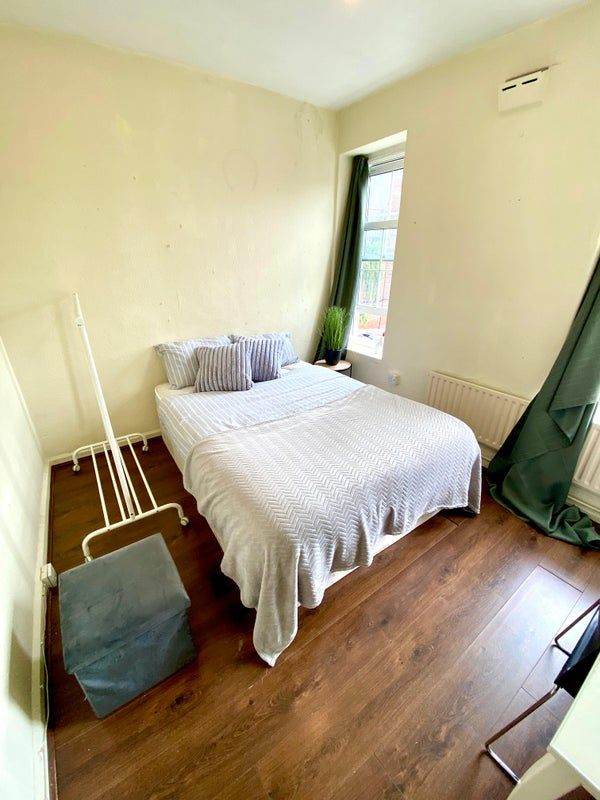
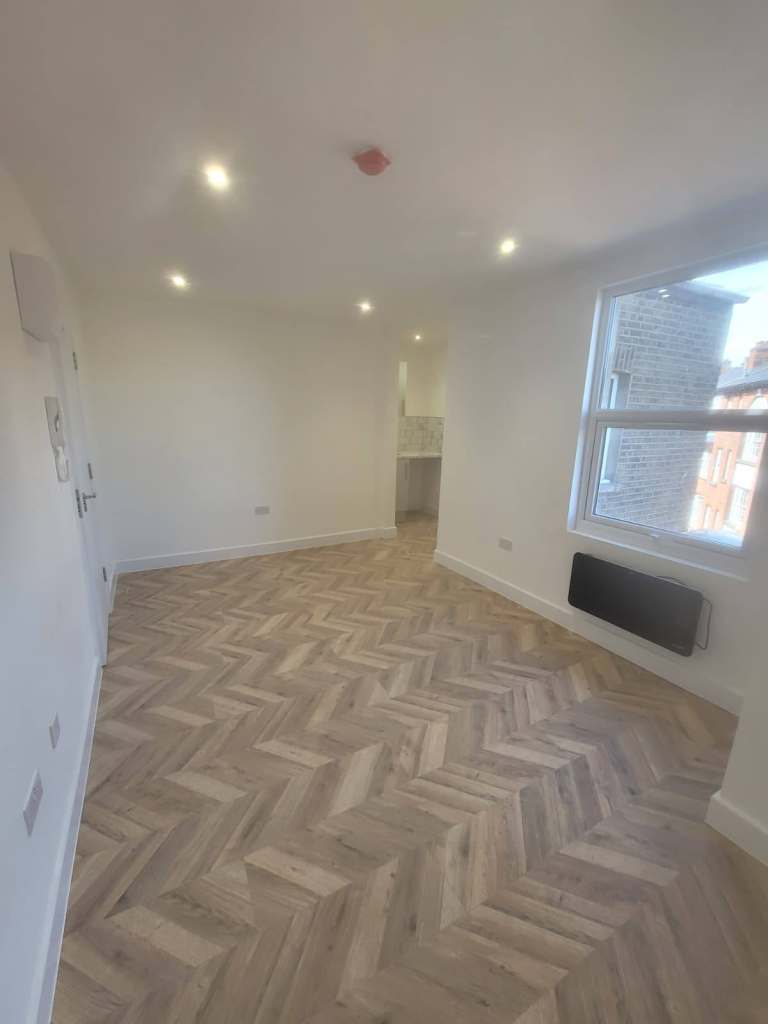
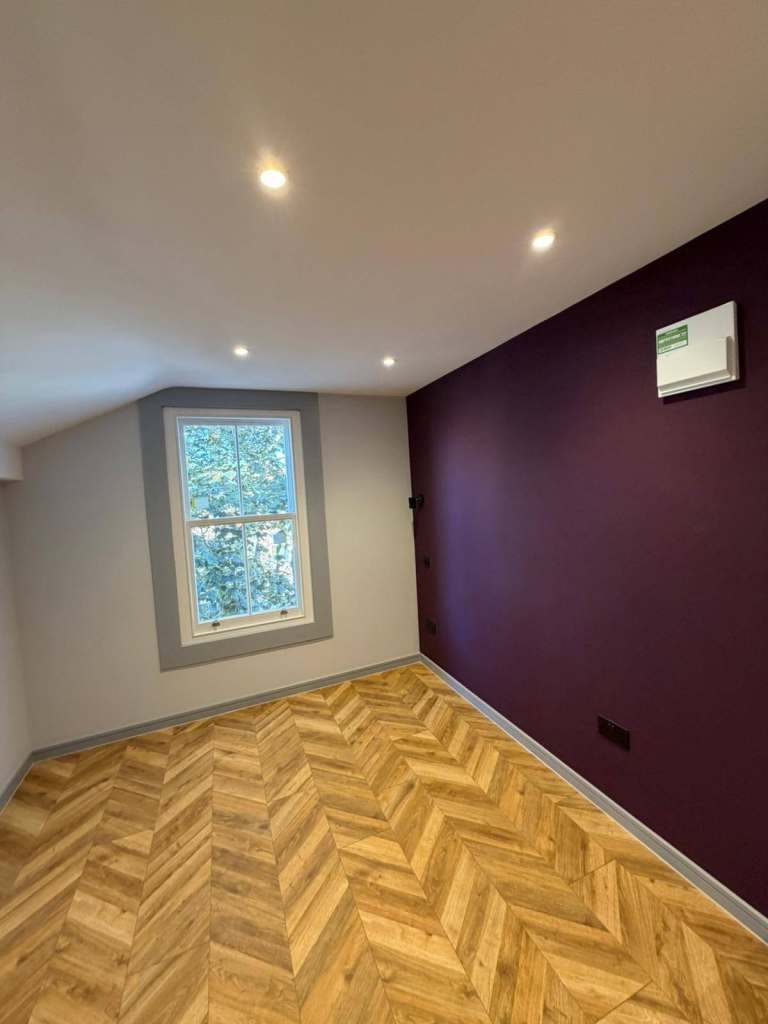
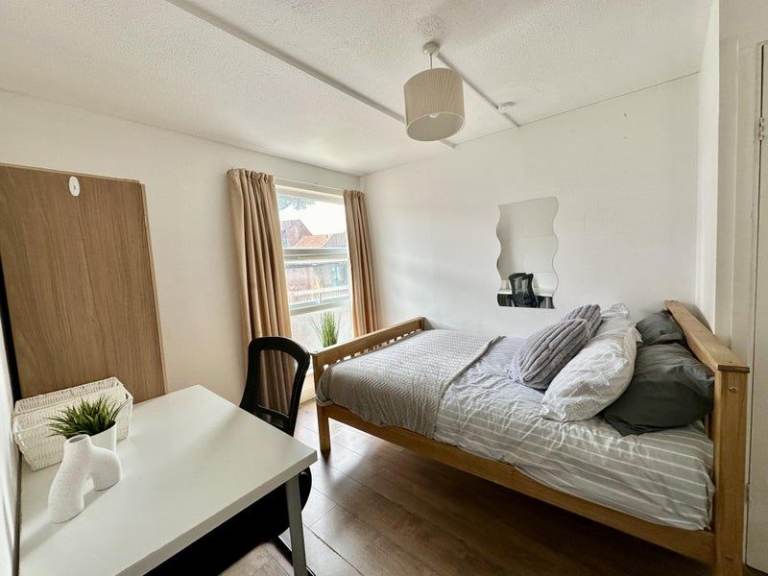
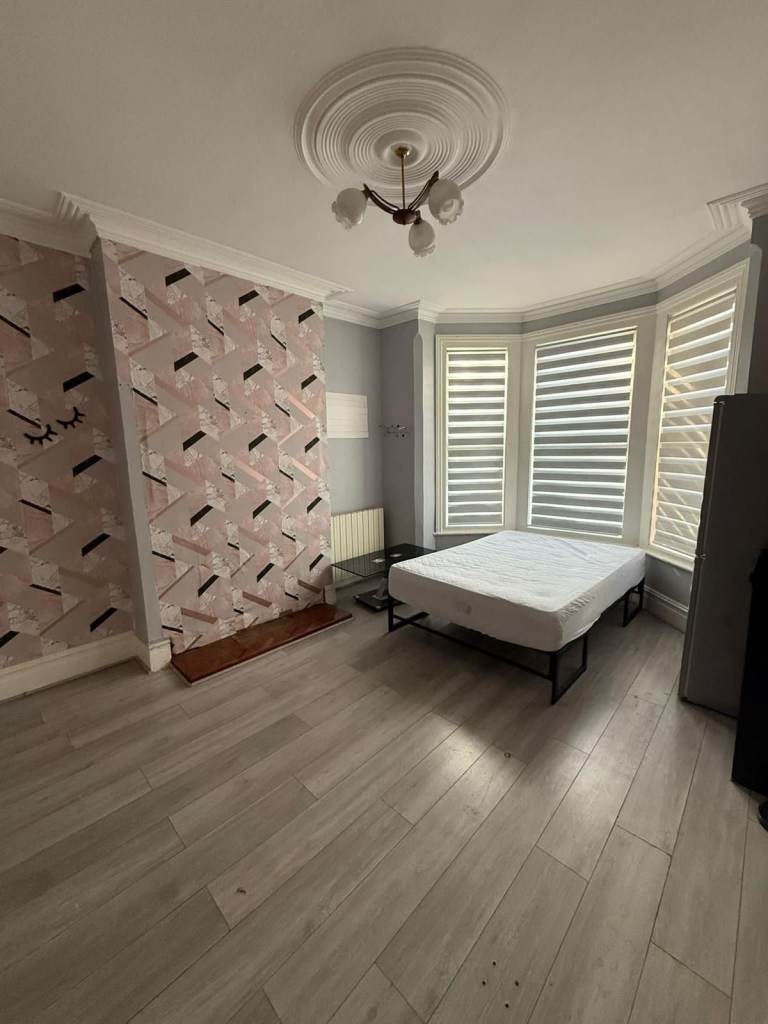
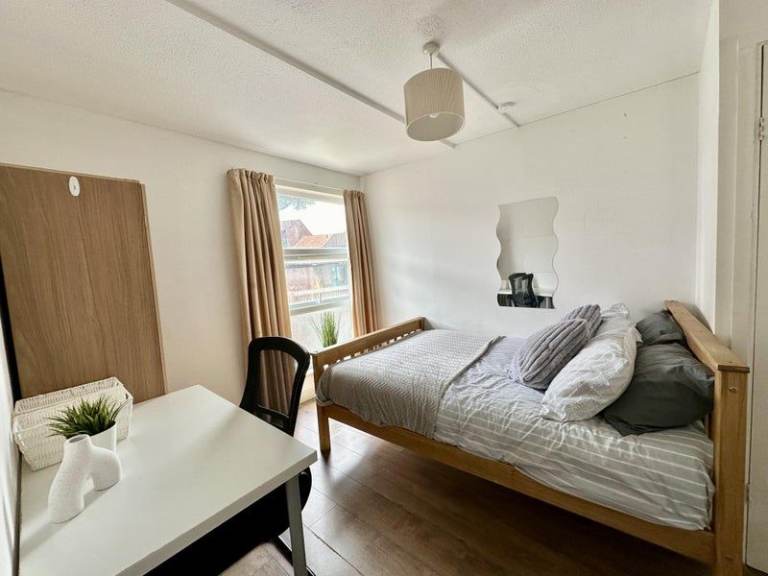
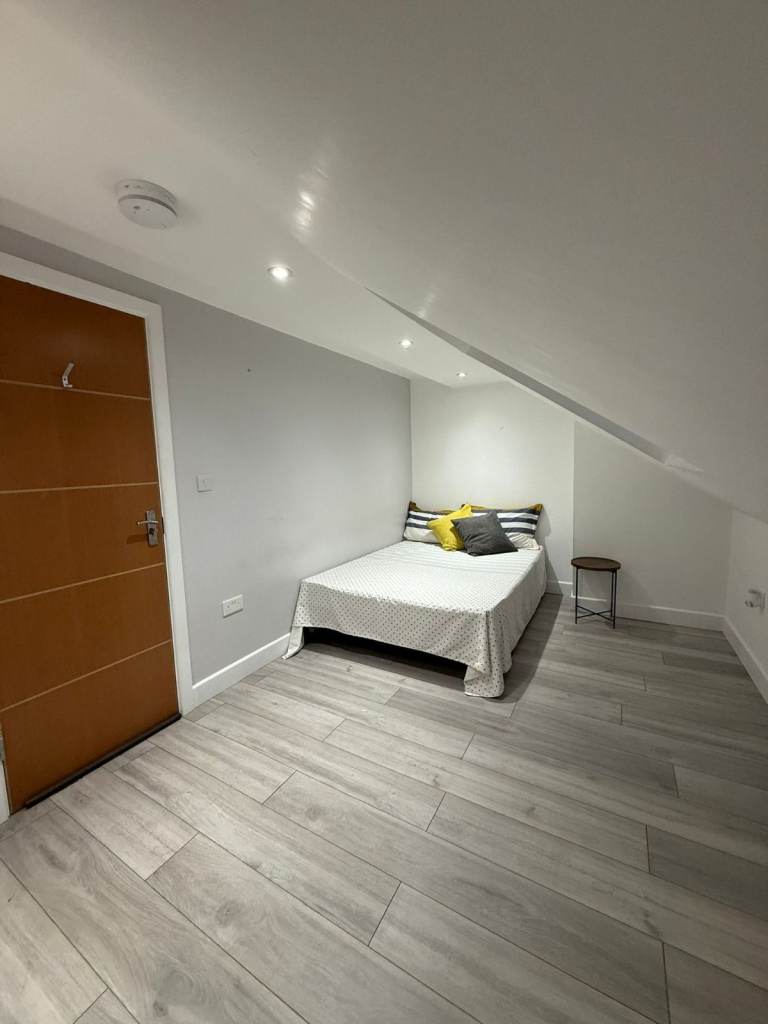
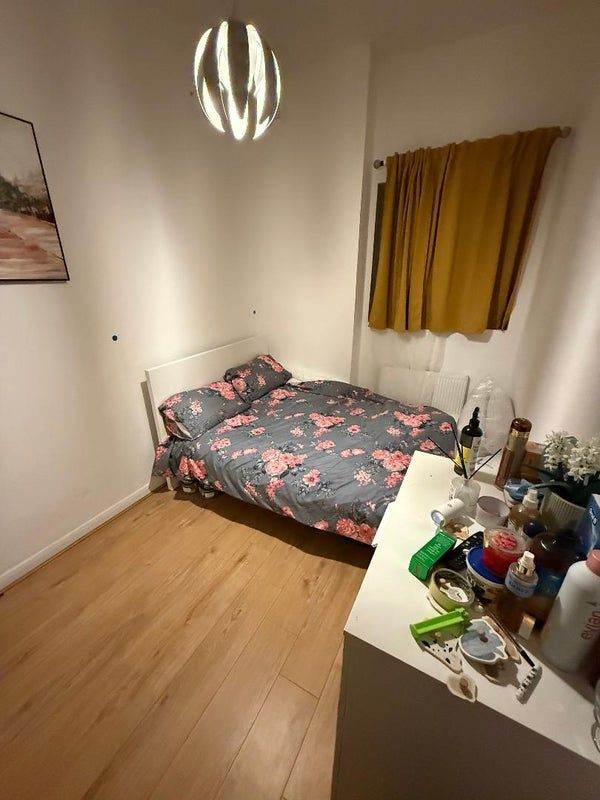
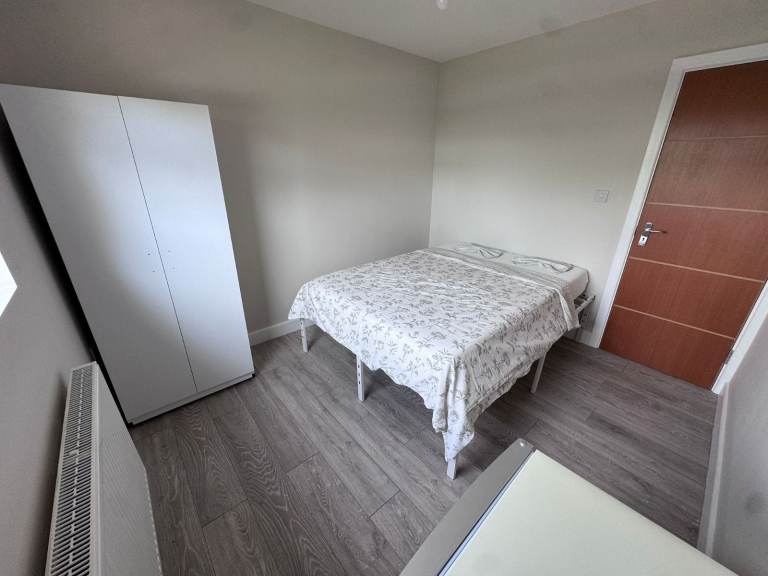
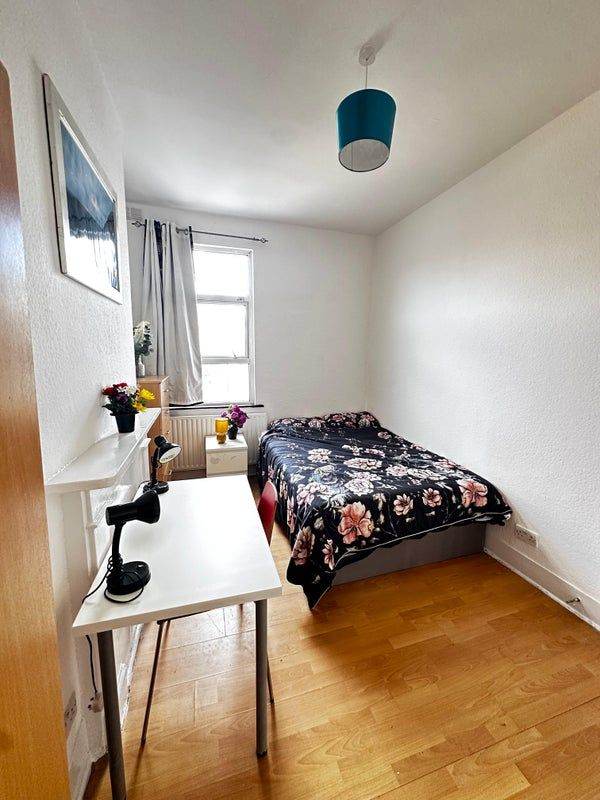
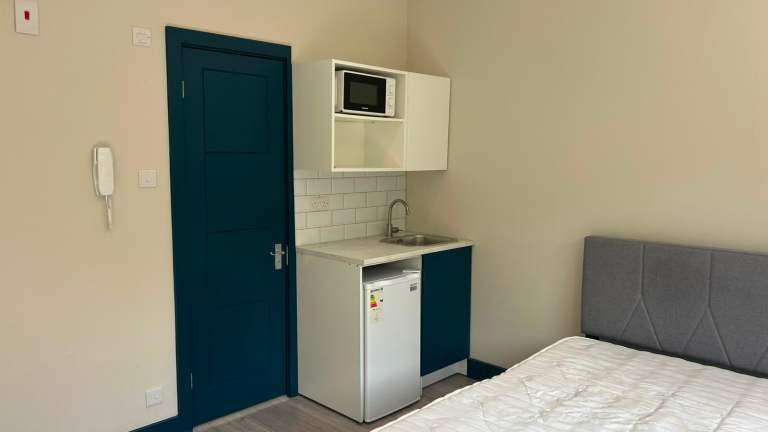
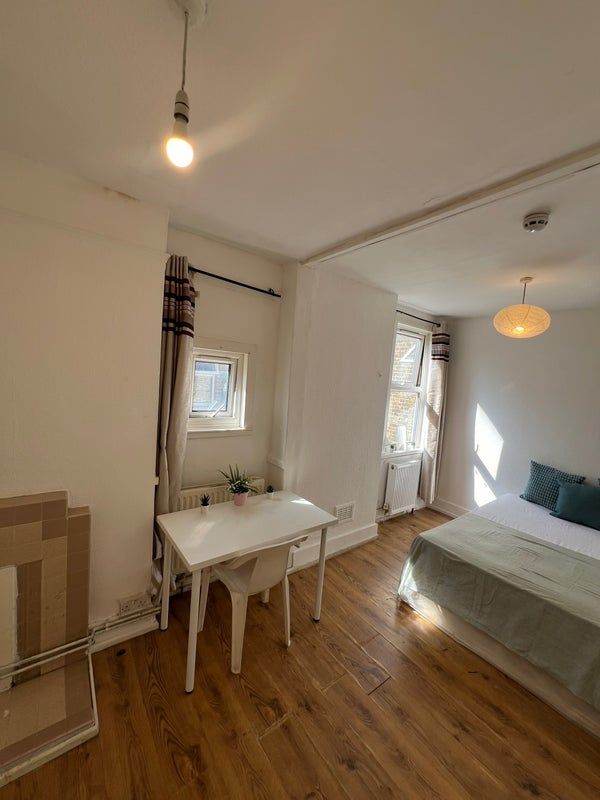
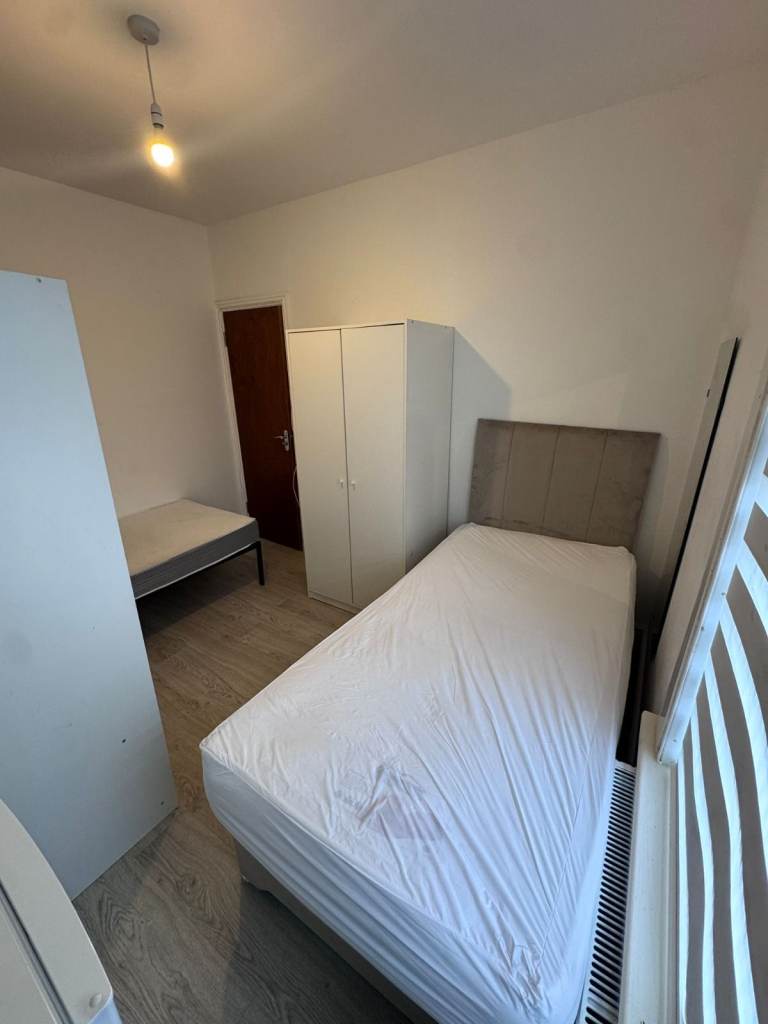
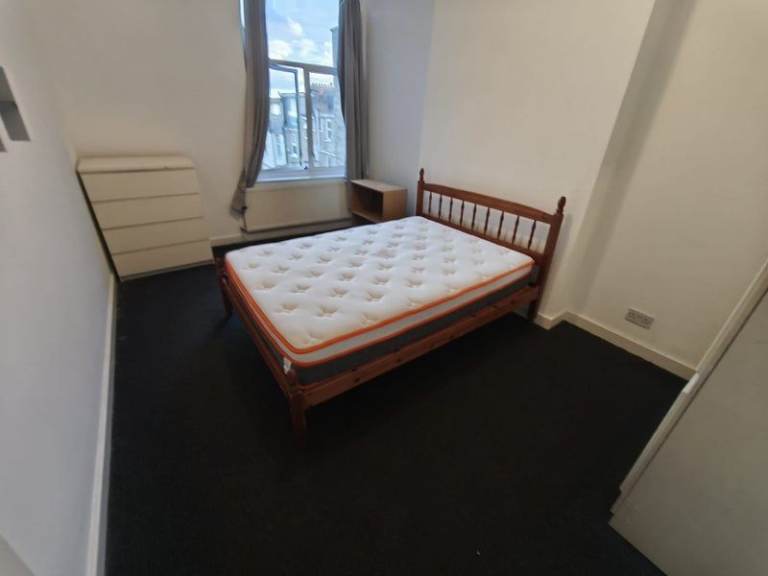
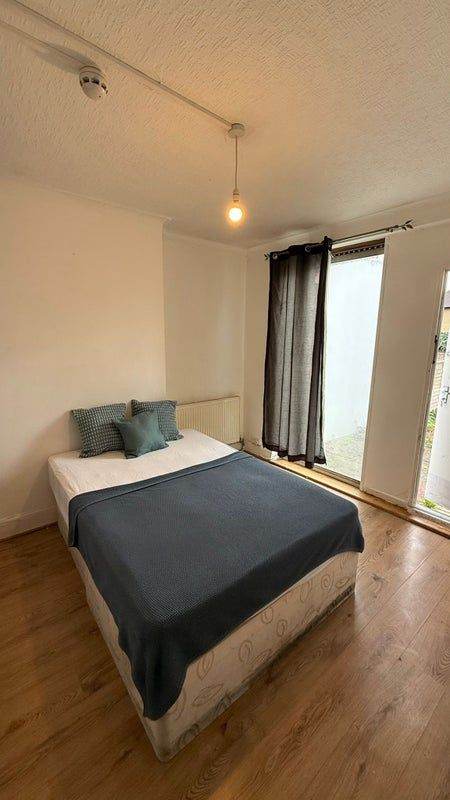
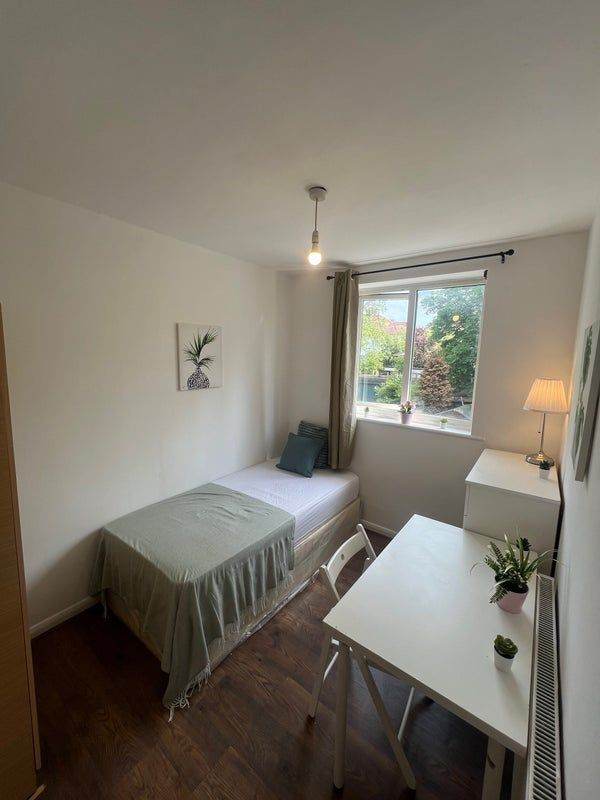
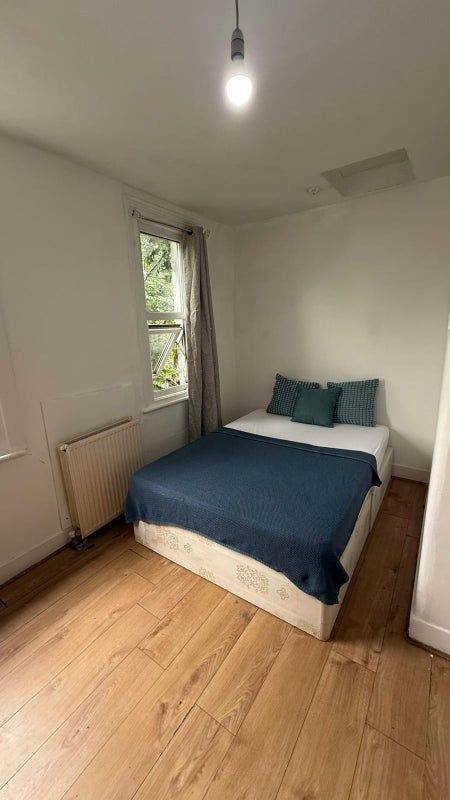
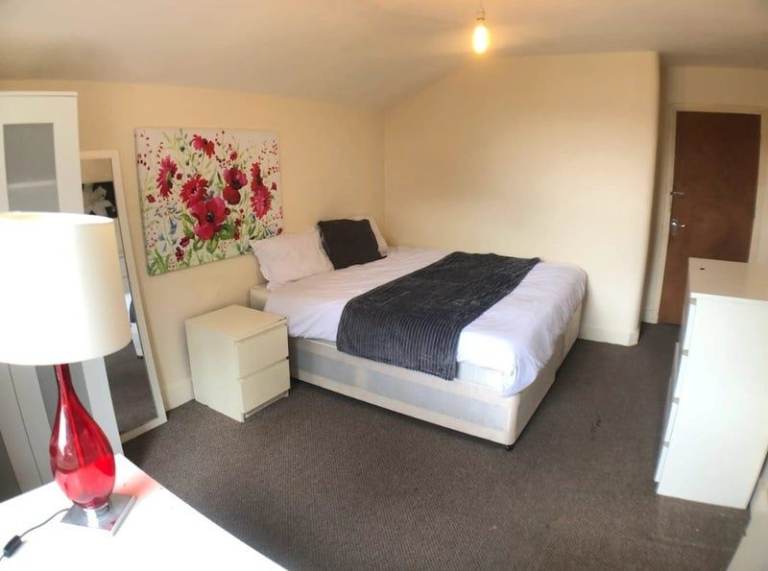
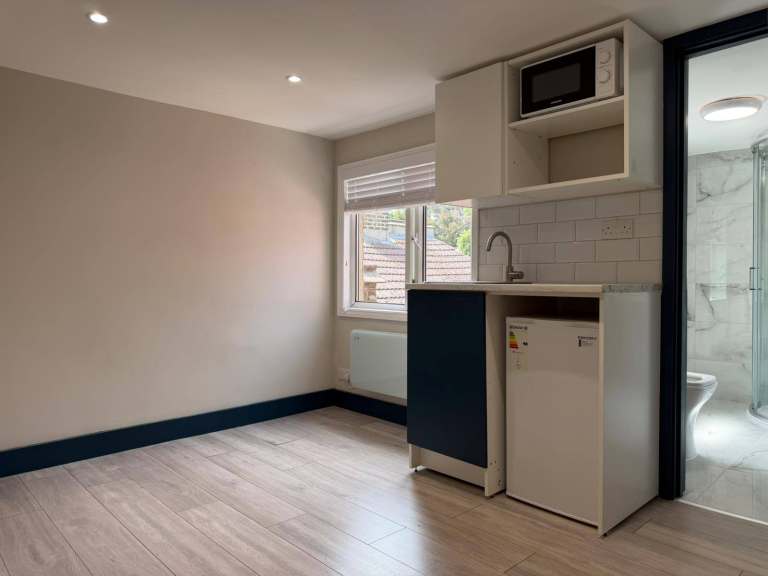
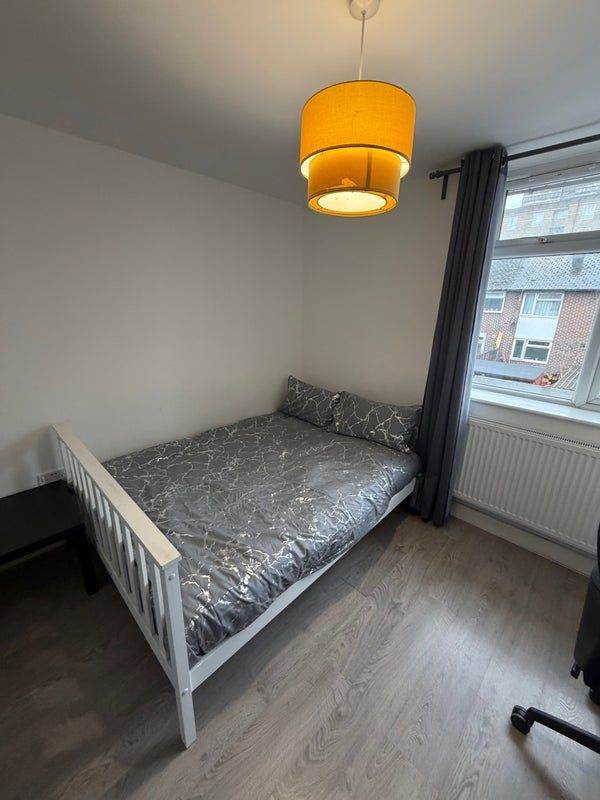
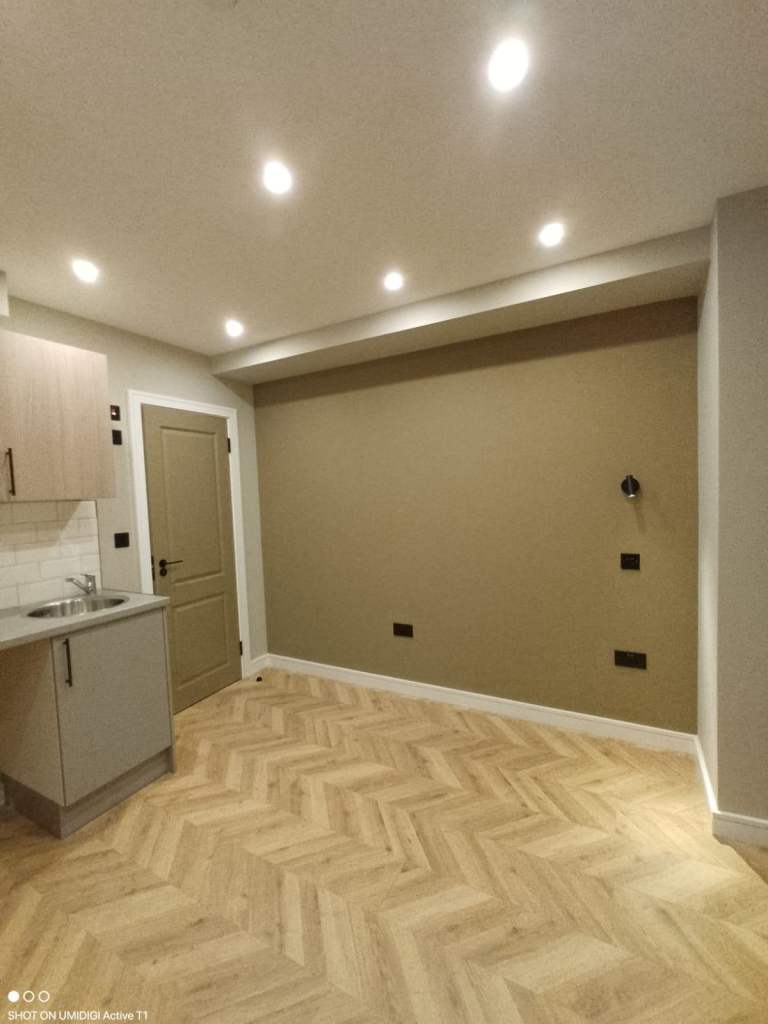
HMO Studio Flat – Harrow Area - HA2 8EG – DSS Welcome (35+)
AgencyFlatStudio Bed
Harrow, London
£1,100pm
When viewing a property share, carefully inspect the condition of the shared areas like the kitchen and bathroom. Check for cleanliness, working appliances, and any signs of damage. Also, assess the overall atmosphere and whether it seems conducive to a comfortable living environment. Consider the noise levels and whether they will be disruptive.
Before agreeing to a property share, ensure you understand your rights and responsibilities. Ask to see a copy of the tenancy agreement and read it carefully. Check who is responsible for bills and repairs. If possible, verify the landlord's identity and ensure they are legally allowed to rent out the property. Remember that under the Housing Act 1988, landlords must protect your deposit in a government-approved scheme.
Before moving in, ask potential flatmates about their lifestyles, cleaning habits, and expectations for shared living. Discuss topics like noise levels, guest policies, and how they handle disagreements. It's important to find flatmates whose lifestyles are compatible with your own to ensure a harmonious living situation.
When viewing a property share, always be cautious and take necessary safety precautions. Arrange viewings during daylight hours if possible, and let someone know where you are going and when you expect to be back. Trust your instincts and leave if you feel uncomfortable at any point. Never share personal information with strangers during the viewing.
In a shared property in London, your deposit must be protected in a government-approved scheme within 30 days of receiving it. Landlords must provide you with details of the scheme. Rent payments should be clearly outlined in the tenancy agreement, including the amount, payment frequency, and method of payment. You have the right to a written receipt for all rent payments. If the landlord fails to protect your deposit or follow proper procedures, you may be entitled to compensation.