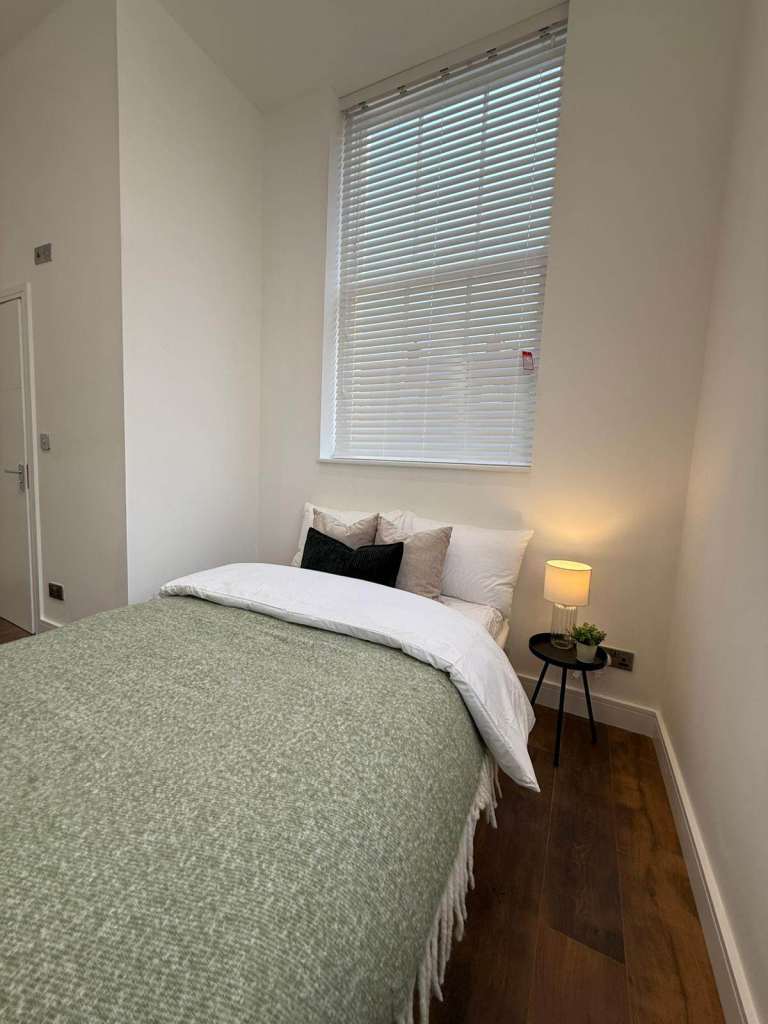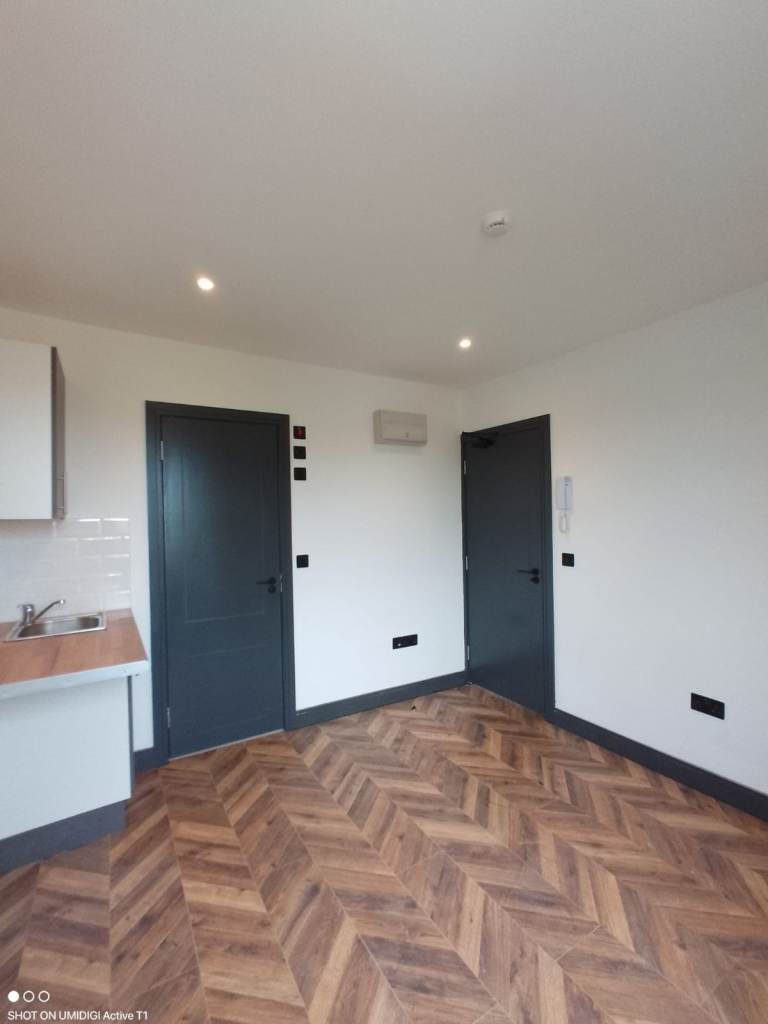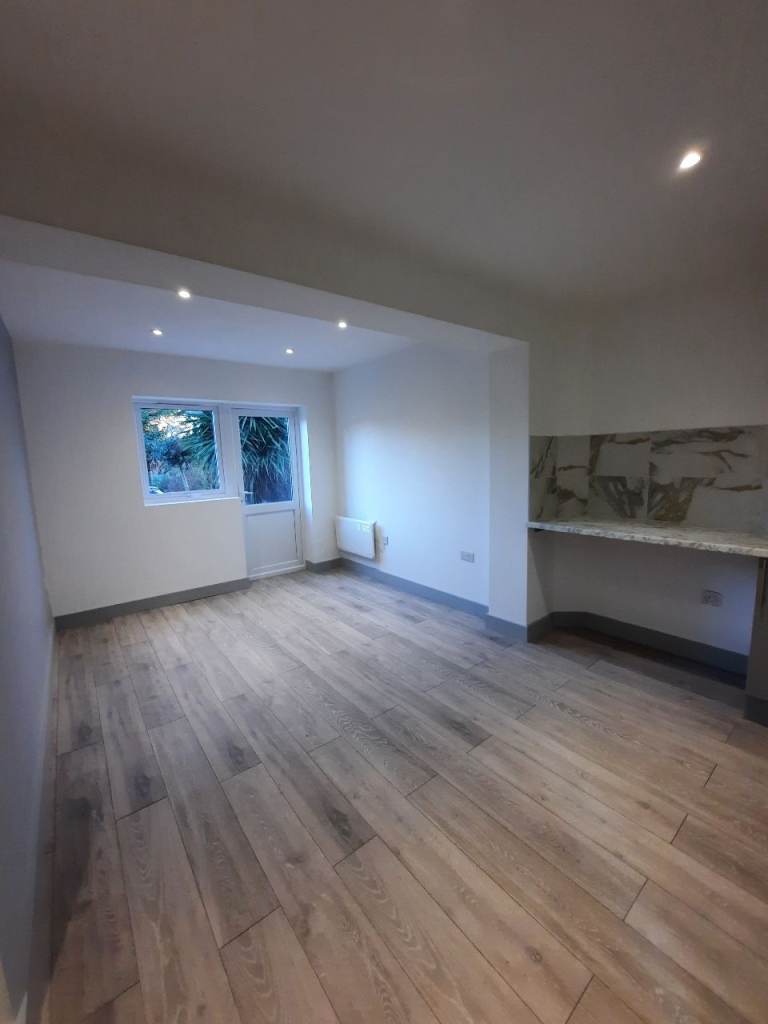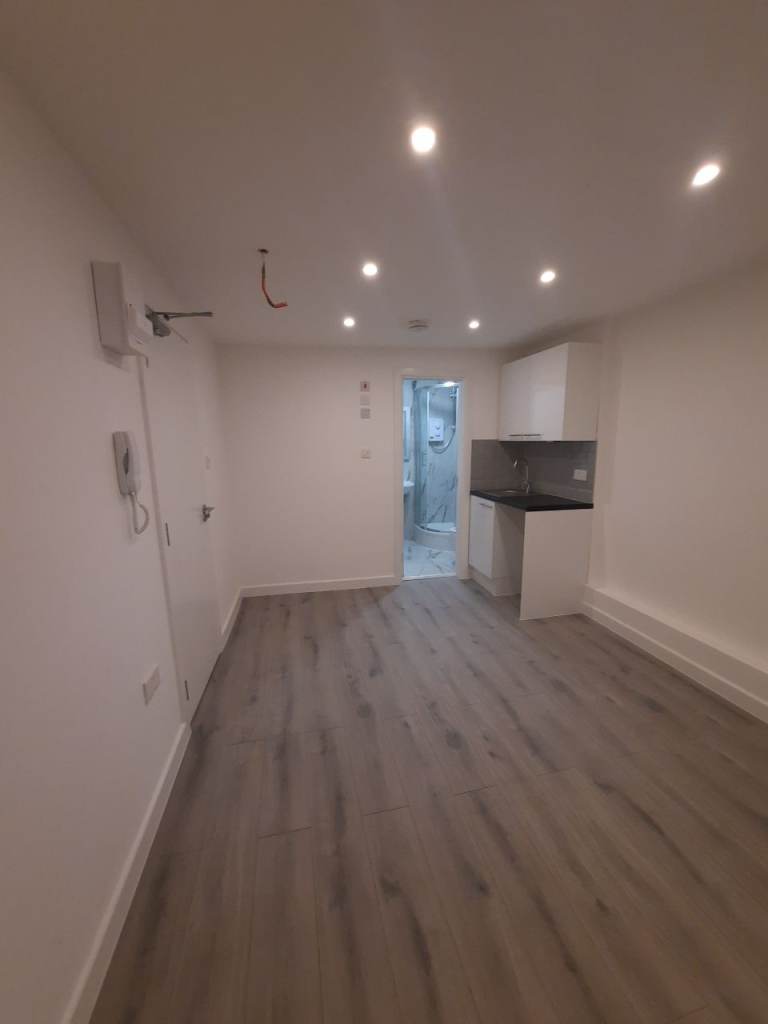
Featured
4
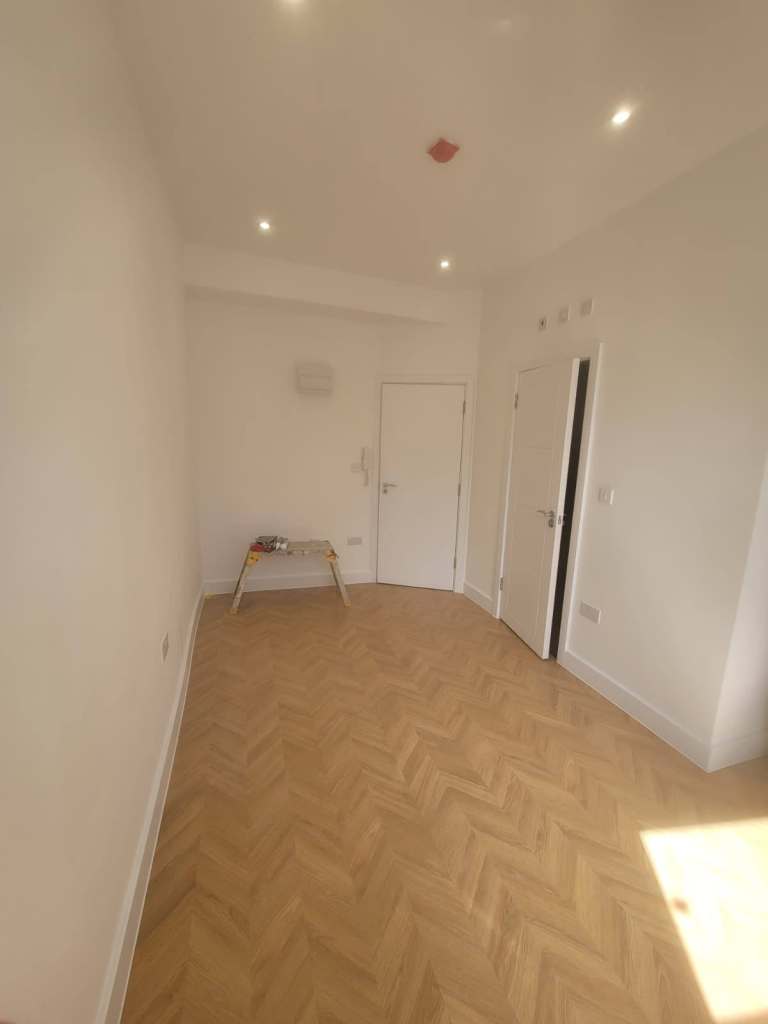
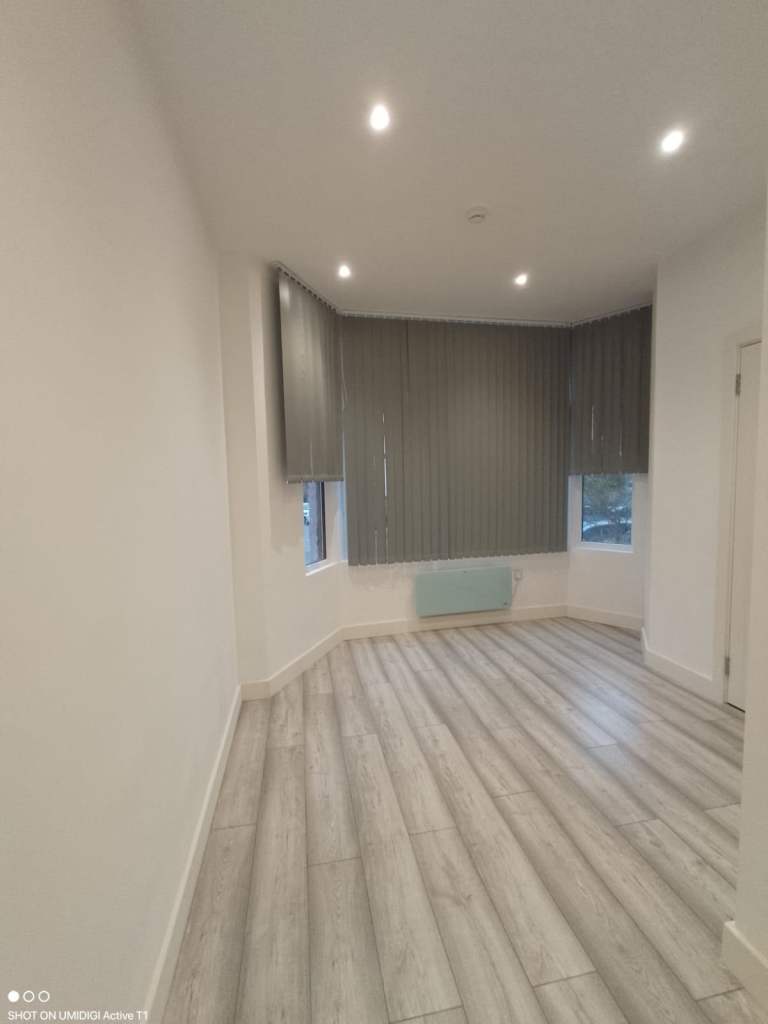
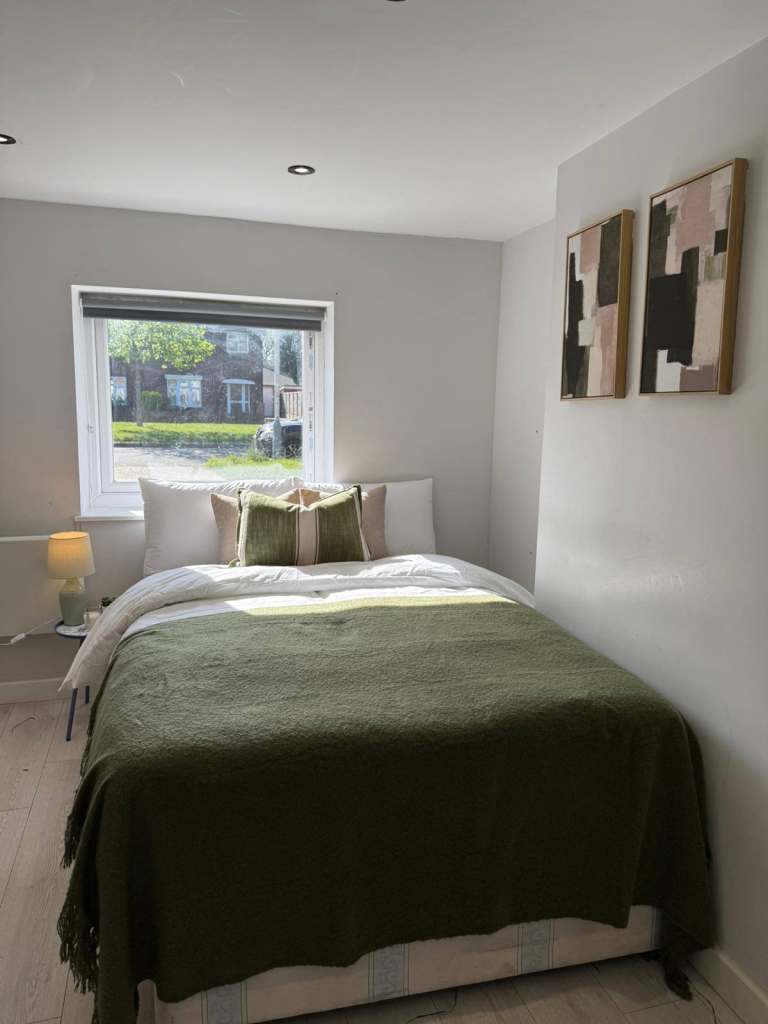
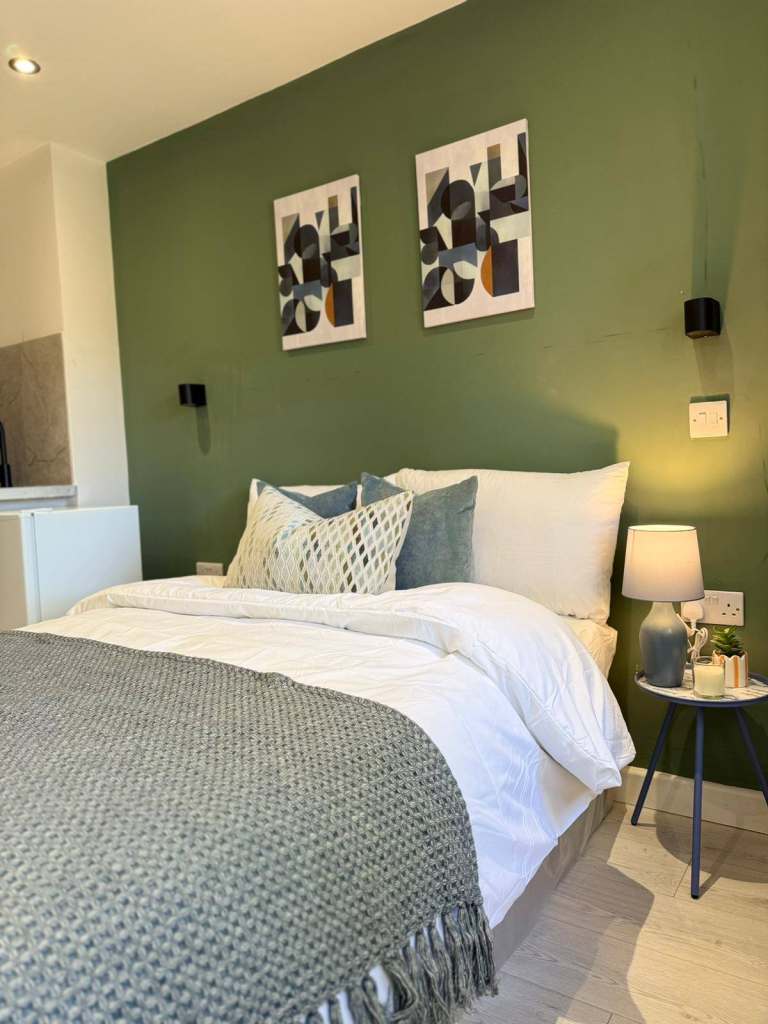
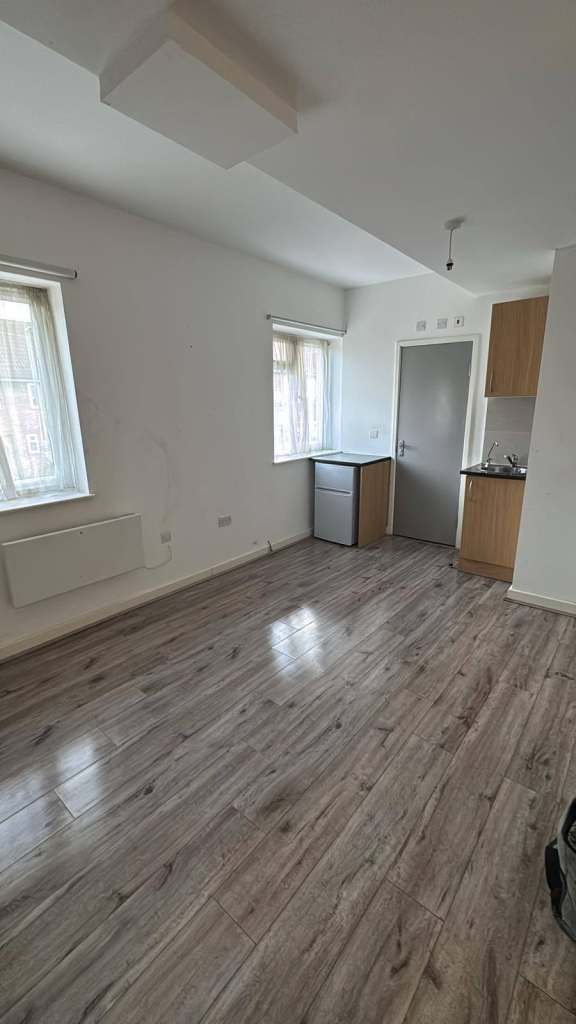
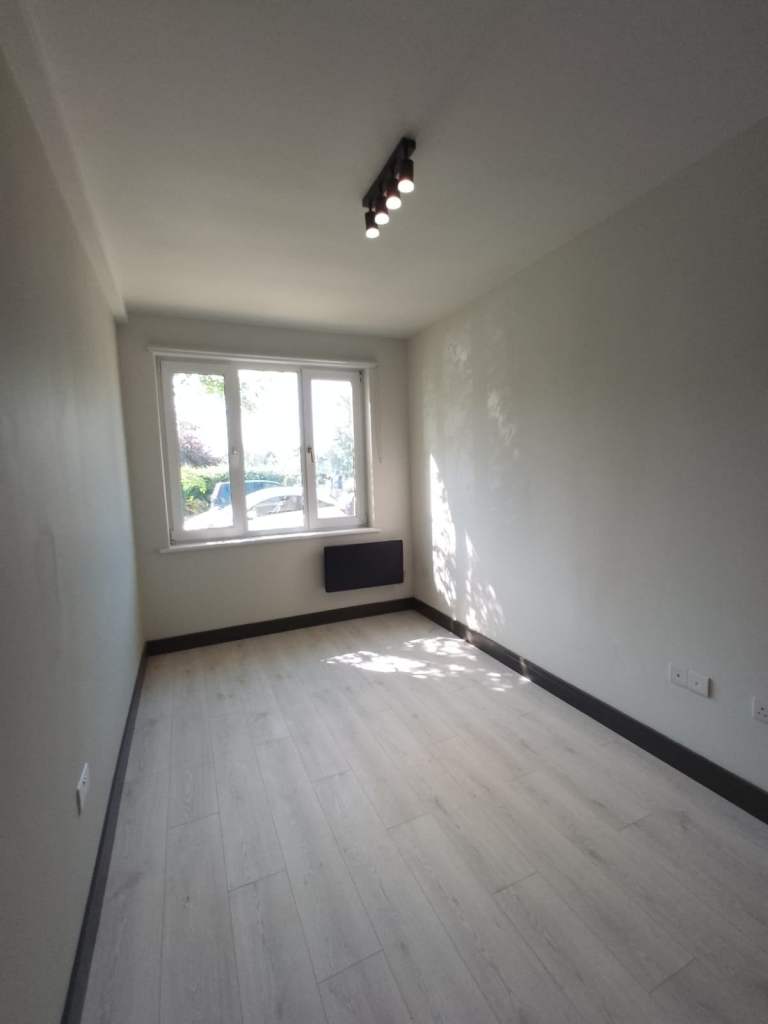
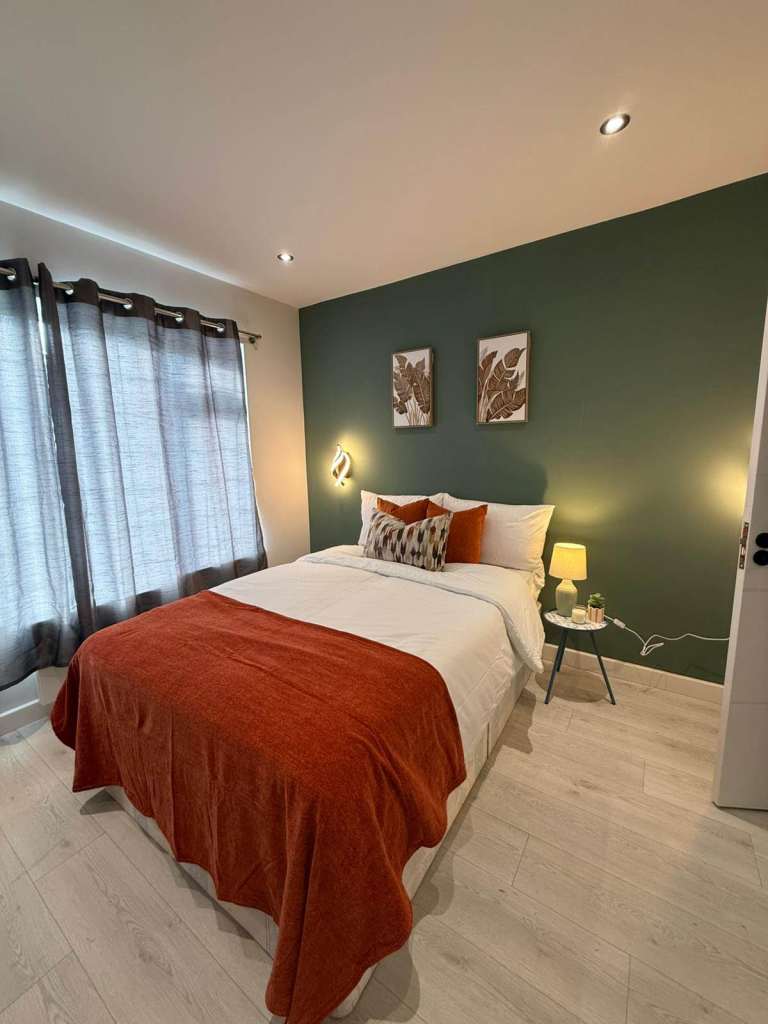
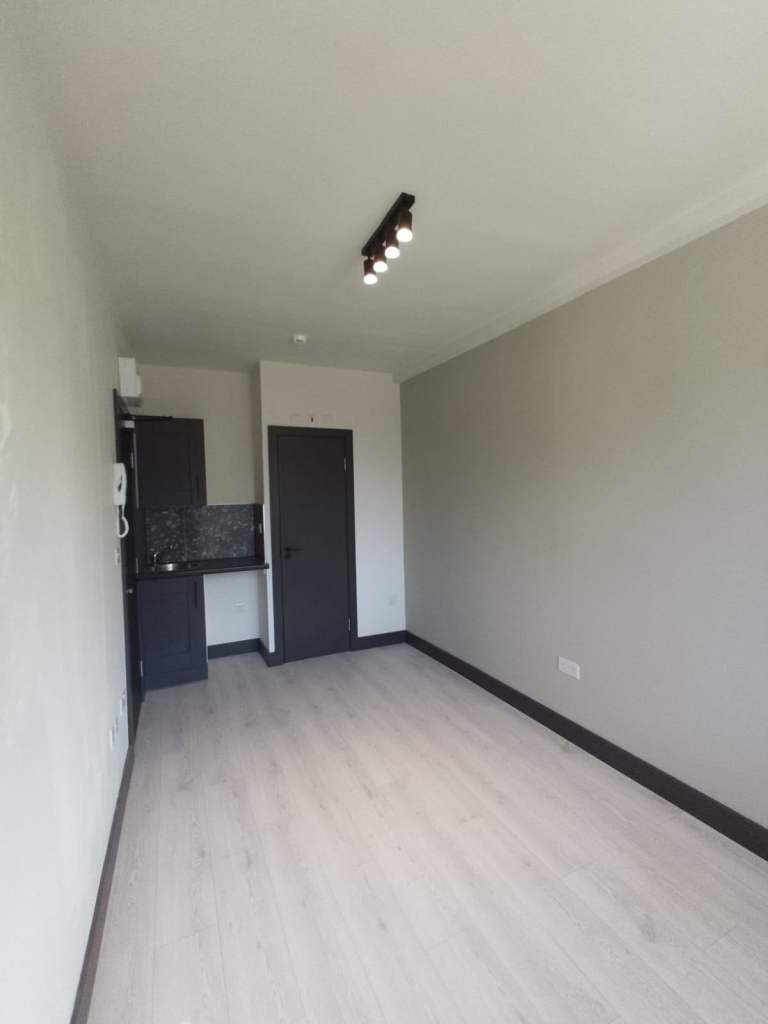
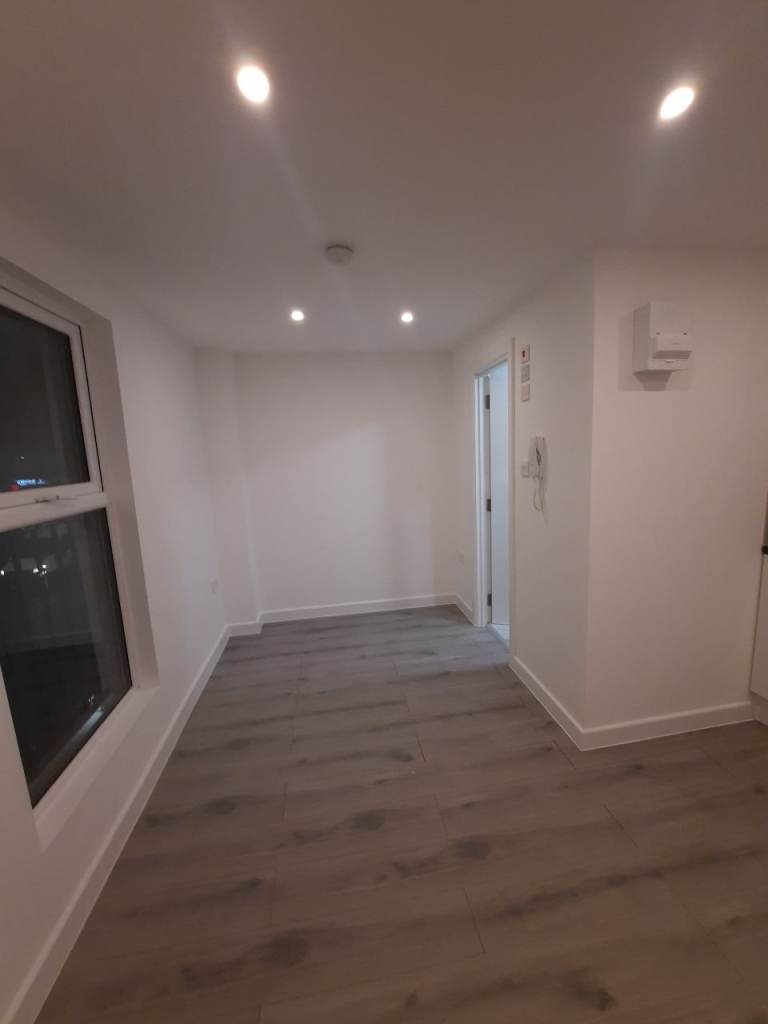
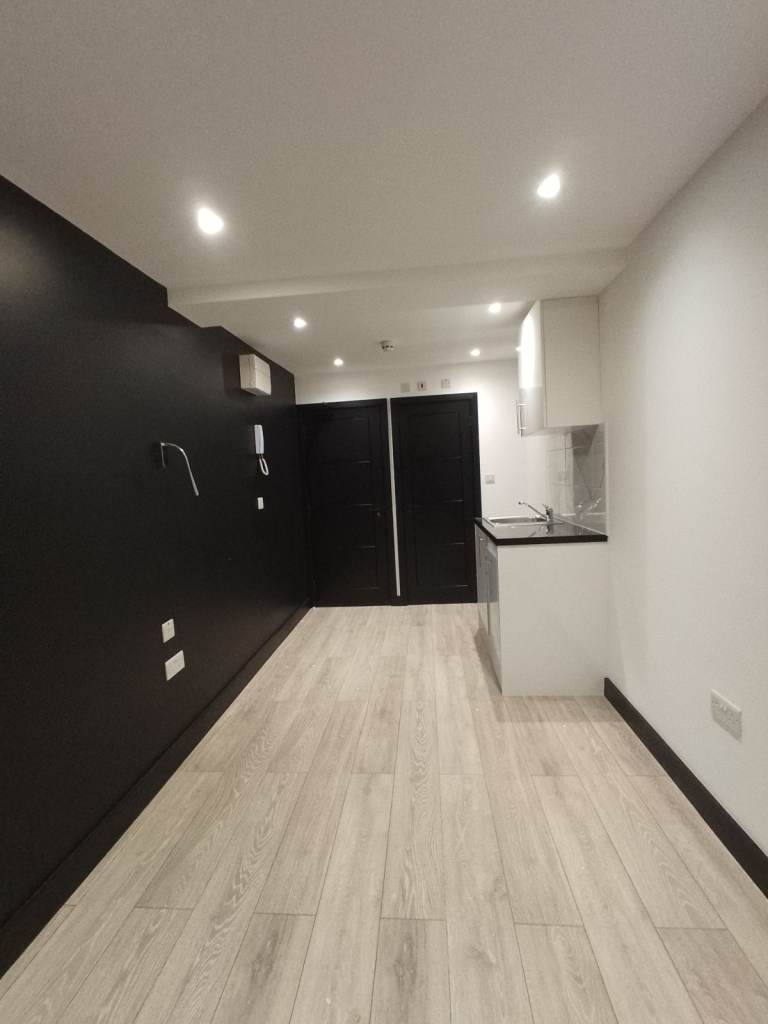
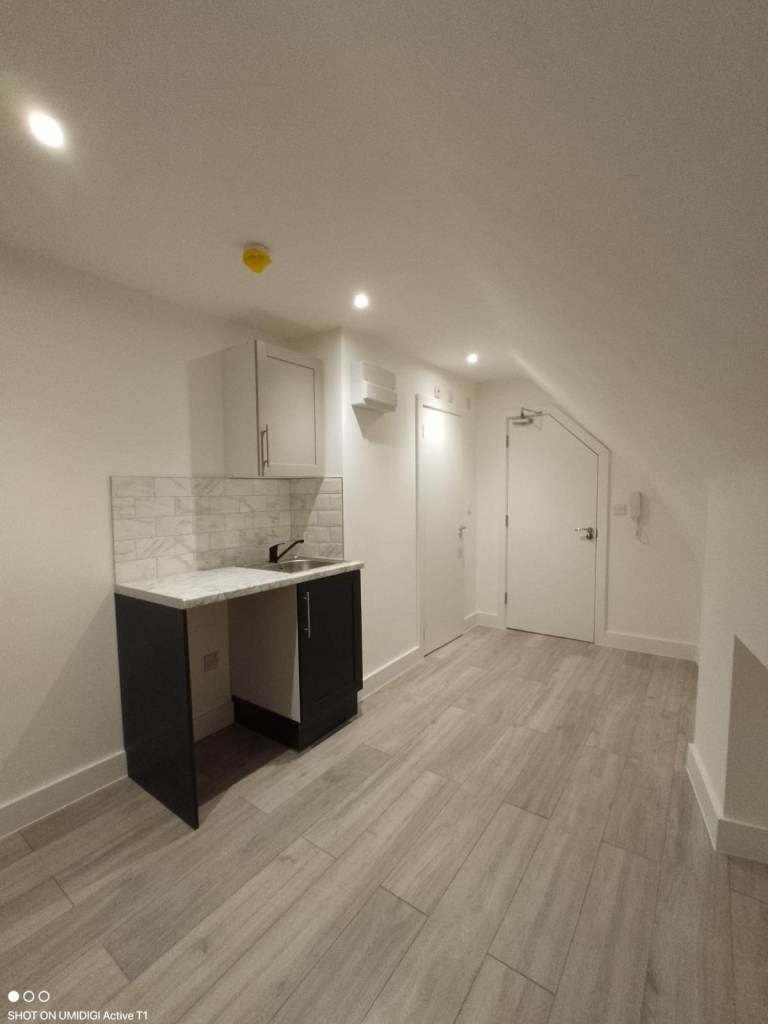
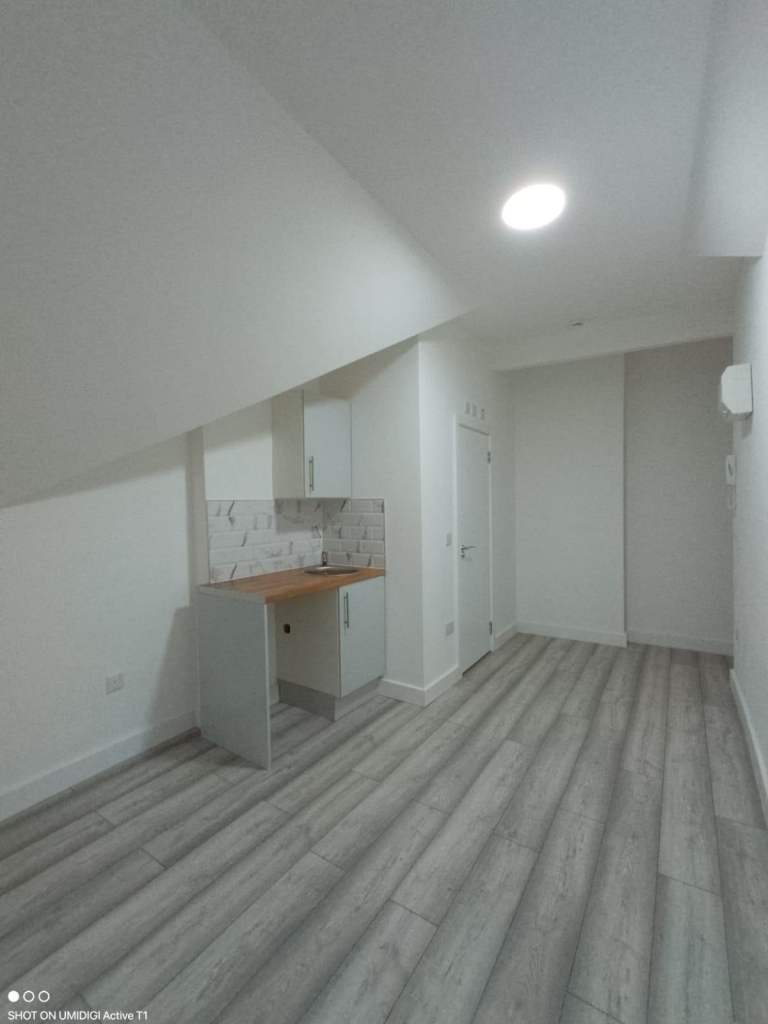
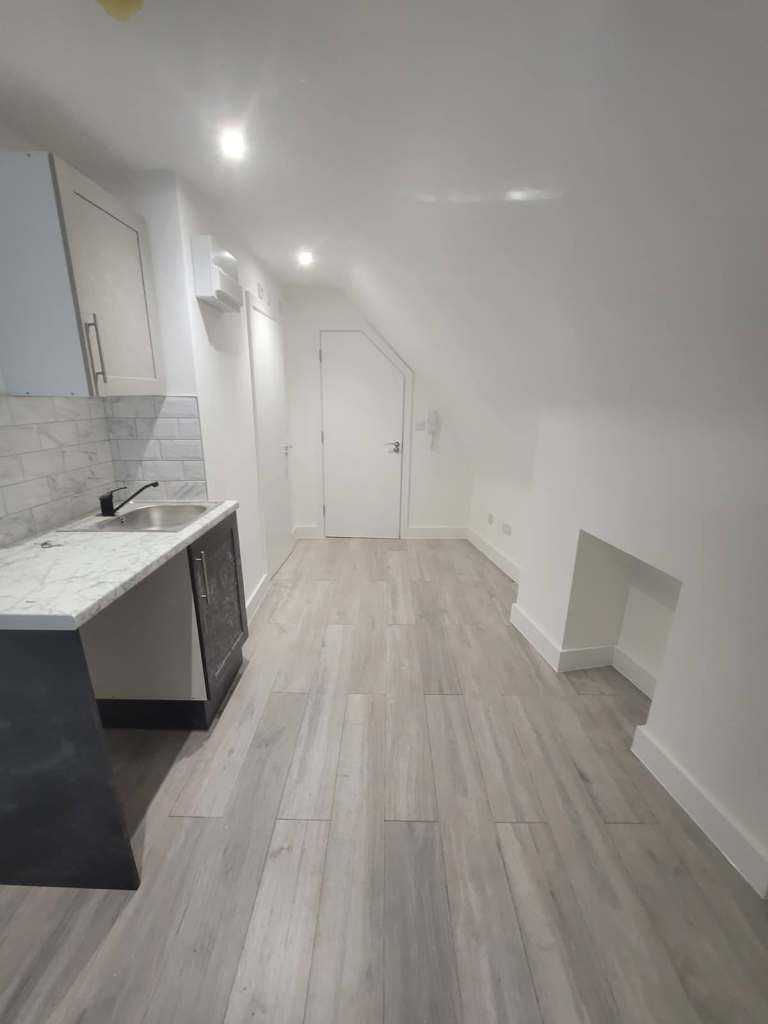
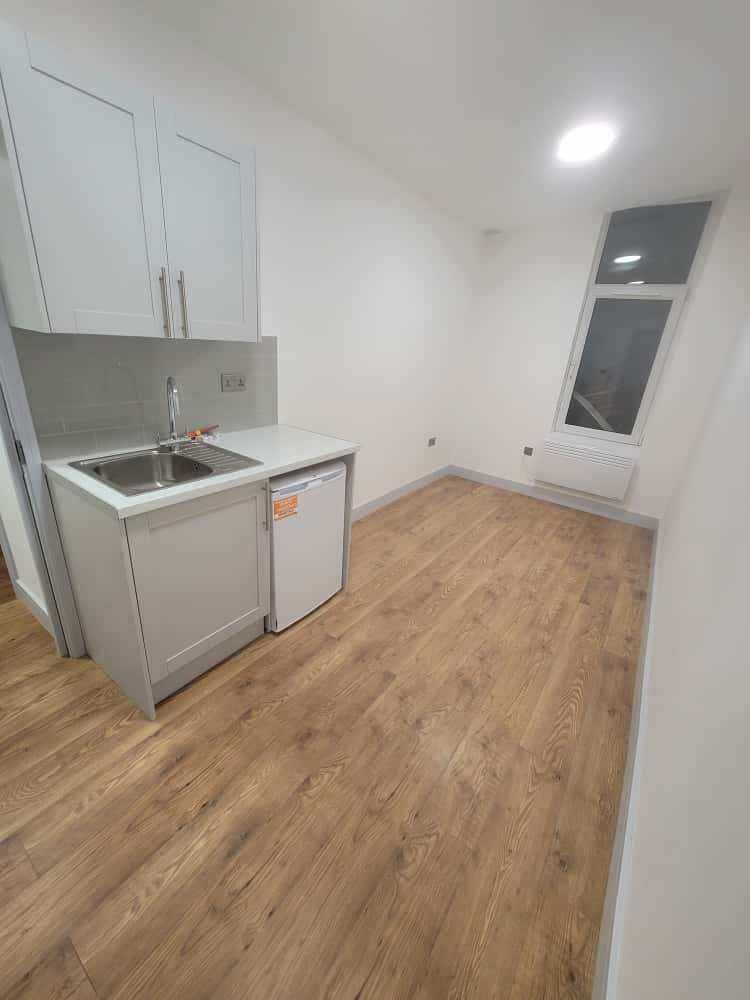
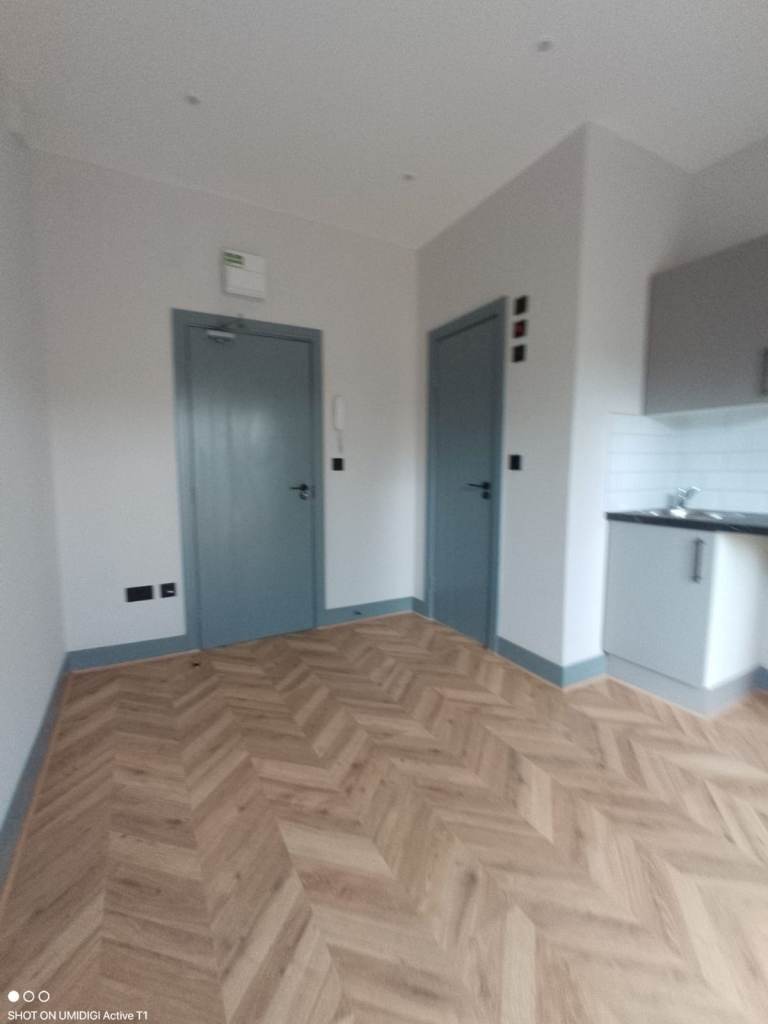
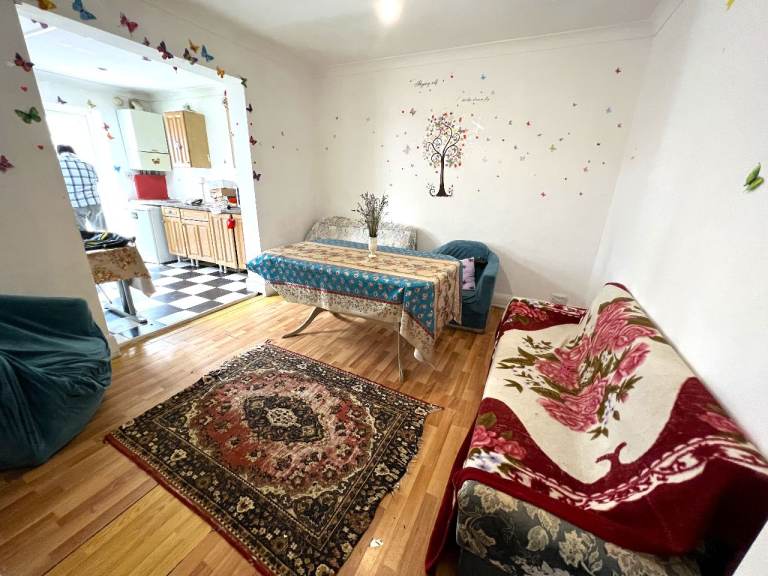
HMO Studio Flat – Queens Park Area - W10 4LG – DSS Welcome (35+)
AgencyDate available: 31 Mar 2026FlatStudio Bed
Kilburn, London
£1,440pm
HMO stands for House in Multiple Occupation. It's a property rented out by at least 3 people who are not from one 'household' (e.g., a family) but share facilities like a kitchen and bathroom. Landlords of HMOs often need a licence from the local council. Check the council's website to confirm if the property has a valid HMO licence and meets safety standards like fire safety regulations.
Essential safety features include working smoke alarms on each floor and in all habitable rooms, a carbon monoxide detector (especially if there are gas appliances), and fire doors where required. Escape routes should be clear and unobstructed. Ask the landlord to demonstrate the fire safety measures.
The tenancy agreement should clearly state the rent amount, payment schedule, deposit amount and protection scheme details, the length of the tenancy, and the responsibilities of both the landlord and the tenant. Pay close attention to clauses regarding bills (gas, electricity, water, council tax), repairs, and notice periods. It should also outline the rules for shared spaces.
As a tenant in an HMO, you have the right to live in a safe and well-maintained property. Your landlord is responsible for repairs to the structure and exterior of the building, as well as the installations for the supply of water, gas, electricity, sanitation, space heating, and water heating. You also have the right to quiet enjoyment of your property.
Ask about the other tenants and their lifestyles to ensure compatibility. Enquire about the frequency of cleaning for communal areas. Clarify who is responsible for paying which bills. Ask about the landlord's policy on repairs and maintenance, and how quickly they respond to issues. Finally, ask about the deposit protection scheme used and how to claim your deposit back at the end of the tenancy.