Featured
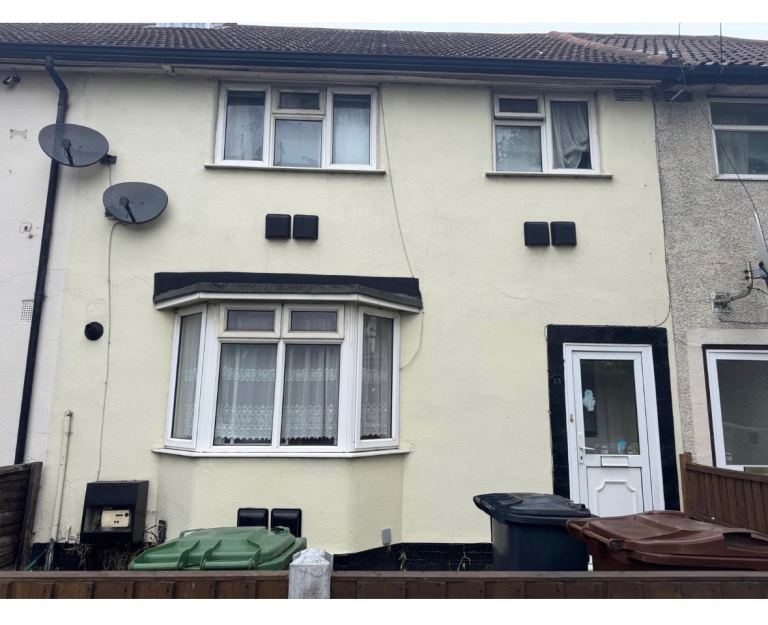
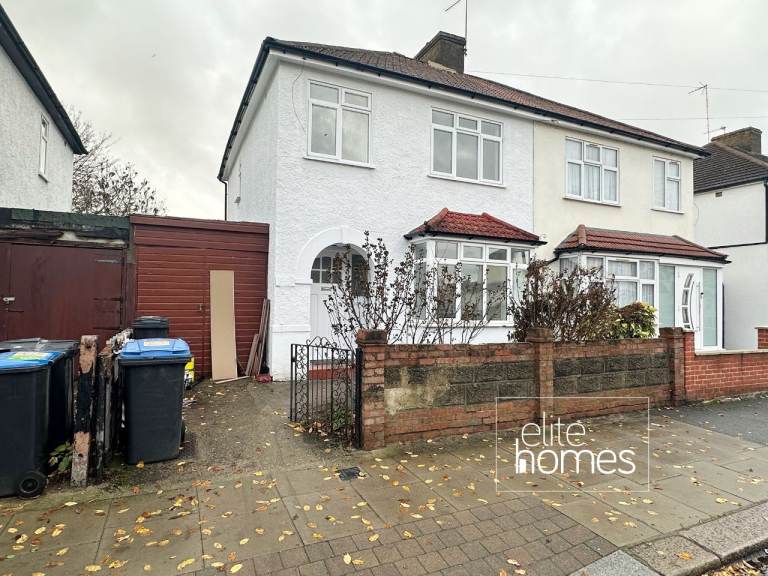
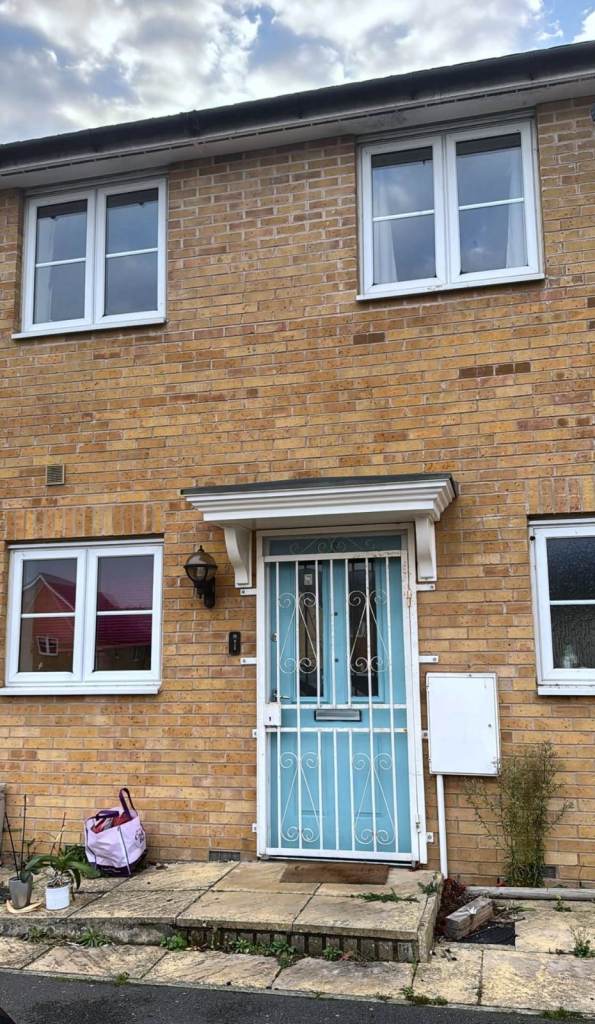
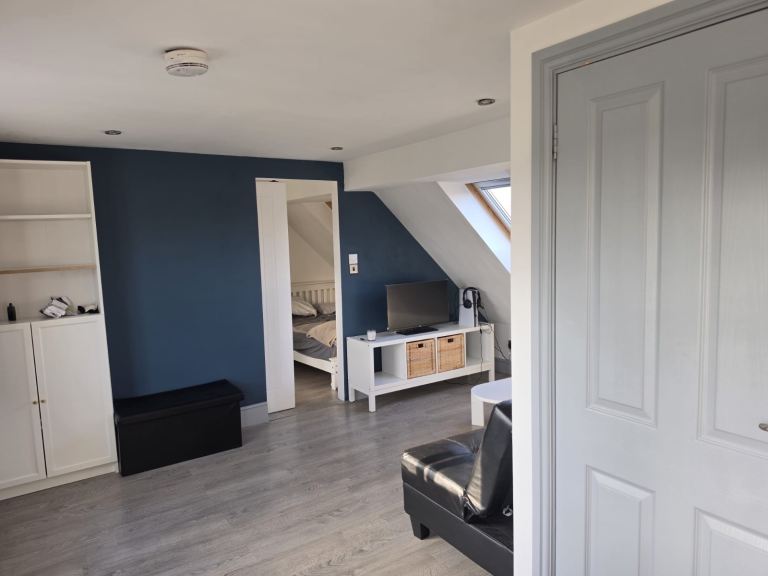
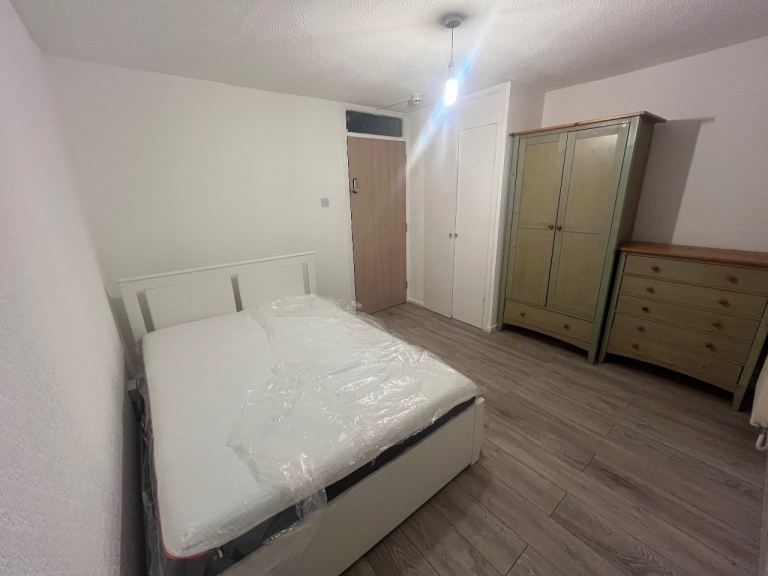
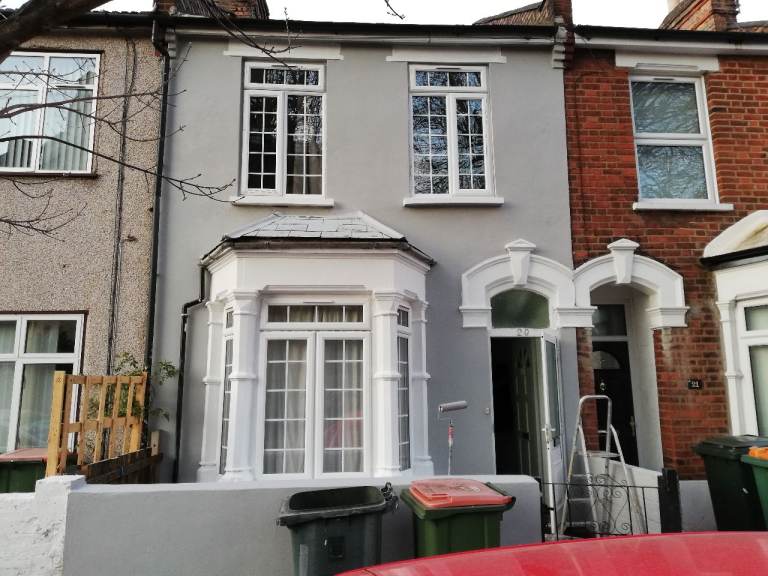
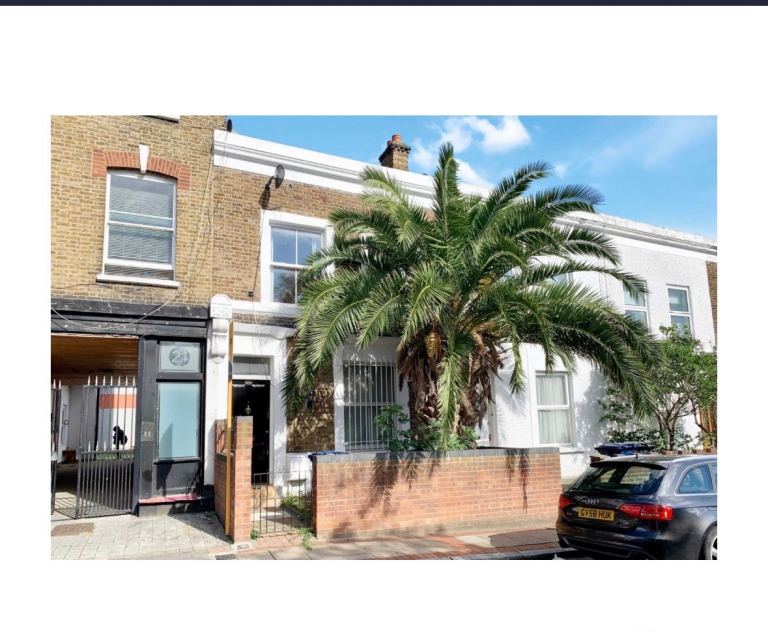
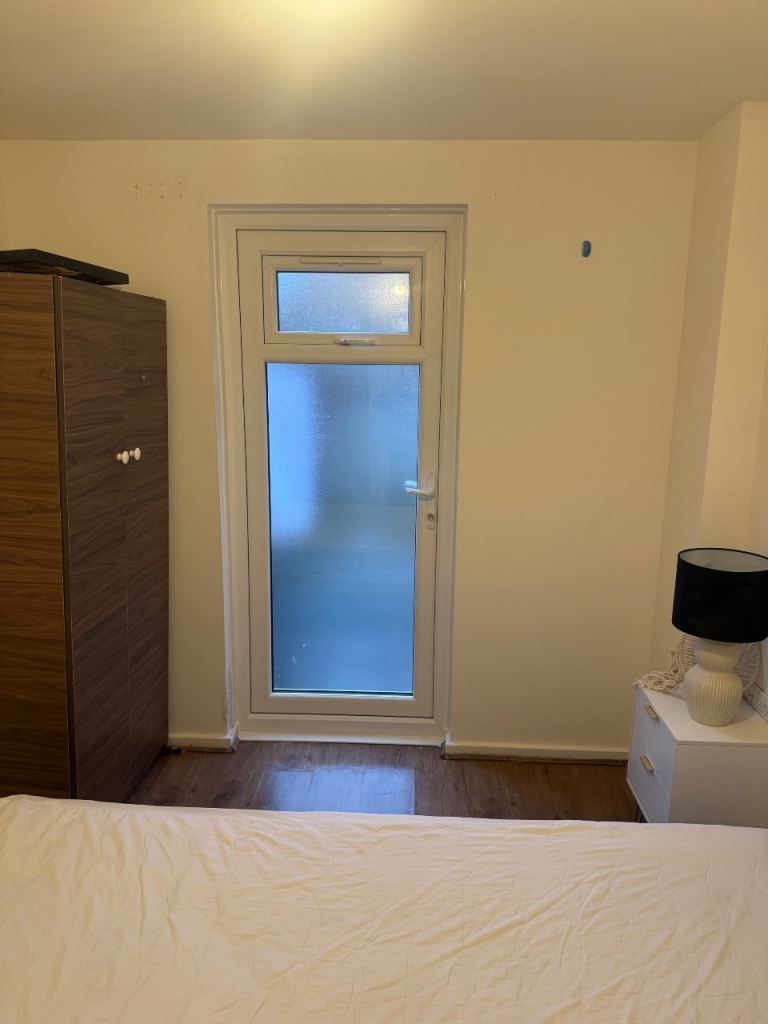
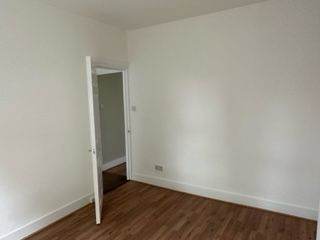
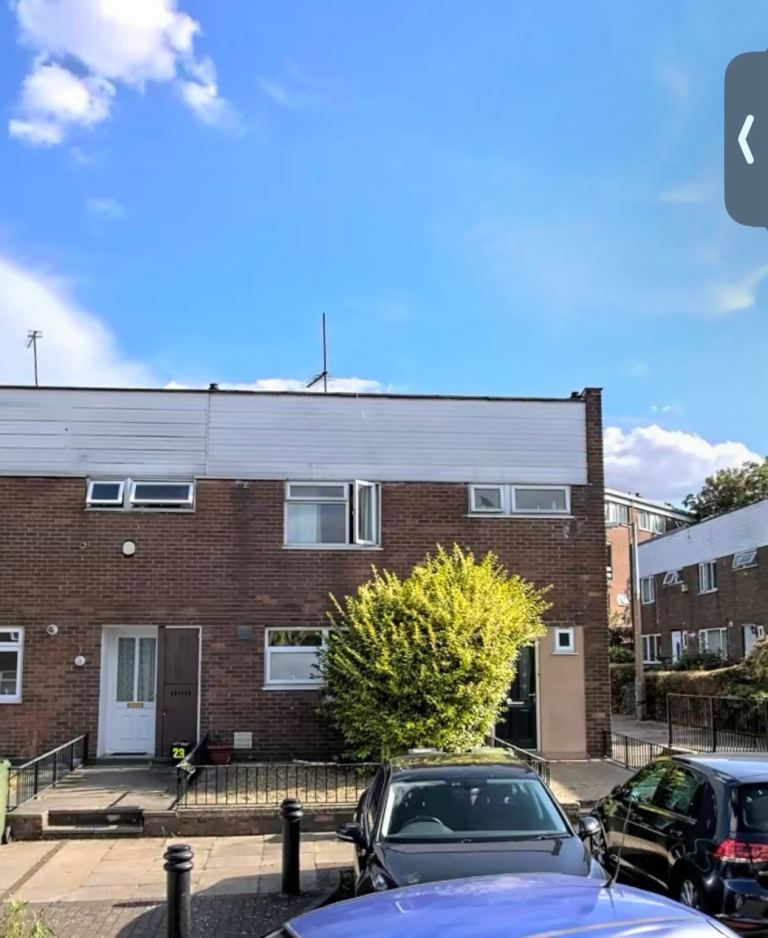
House with garden to rent
PrivateHouse2 Beds
North London, London
£2,700pm
When viewing a property, check for damp or mould, especially in bathrooms and kitchens. Ensure all appliances are in working order and that the heating system functions correctly. Also, pay attention to the overall condition of the property and note any existing damage before signing a tenancy agreement. It is also advisable to check the Energy Performance Certificate (EPC) rating.
Landlords in the UK, including in London, must protect your deposit in a government-approved scheme within 30 days of receiving it. They must also provide you with a copy of the 'How to Rent' guide. Landlords are legally required to ensure the property is safe and habitable, including having a valid Gas Safety Certificate if there are gas appliances and an Electrical Installation Condition Report (EICR).
Ask about the tenancy length, the deposit amount and how it will be protected, and what bills are included in the rent (if any). Inquire about the landlord's policy on pets, smoking, and making alterations to the property. It's also wise to ask about the property's council tax band and typical utility costs.
Typically, you'll view the property, complete an application form, and provide references (e.g., from previous landlords and employers). The landlord will then conduct credit checks and may require a guarantor. If approved, you'll sign a tenancy agreement and pay a deposit and potentially the first month's rent upfront.
As a tenant, you have the right to live in a safe and habitable property. Your landlord must carry out necessary repairs and give you reasonable notice before entering the property (usually 24 hours). You also have the right to quiet enjoyment of the property, meaning the landlord cannot harass you or interfere with your peaceful living. If the property is not properly maintained, you may have grounds to take legal action. You also have the right to challenge unfair rent increases.