1/17
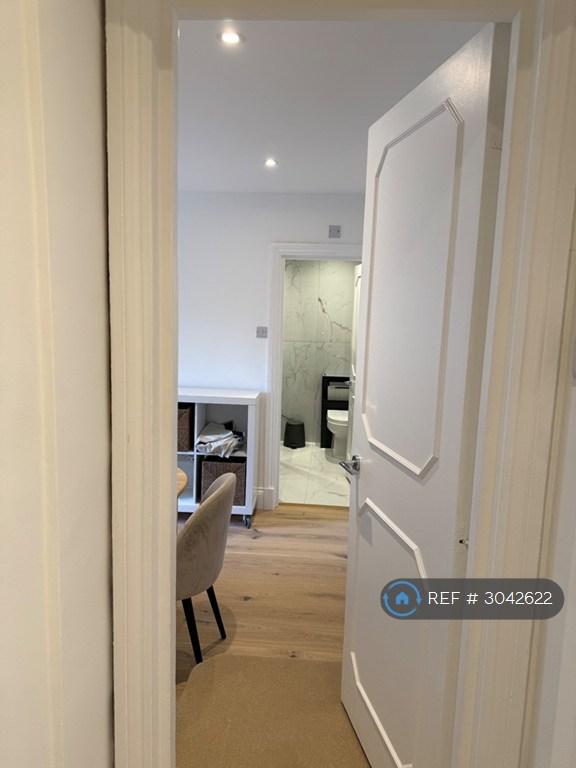
2 bedroom flat in Chepstow Road, London, W2 (2 bed) (#3042622)
AgencyFlat2 Beds
Notting Hill, London
£3,100pm
When viewing a council flat, carefully inspect for any existing damage, such as cracks in walls or ceilings, leaks, dampness, or mould. Check that all appliances included in the rental agreement are in good working order. Pay attention to the condition of the windows and doors, ensuring they are secure and energy-efficient. Note any issues and discuss them with the landlord or letting agent before signing a tenancy agreement.
Landlords and letting agents typically require proof of identity (passport or driving licence), proof of address (utility bill or bank statement), and proof of income (payslips or bank statements). Some may also request references from previous landlords or employers. Be prepared to provide this documentation promptly to avoid delays in your application.
As a tenant in the UK, you have certain rights, including the right to a safe and habitable property, protection from unfair eviction, and the right to have repairs carried out in a reasonable timeframe. Landlords are legally obliged to protect your deposit in a government-approved scheme. Familiarise yourself with your rights and responsibilities as a tenant under UK law. Shelter and Citizens Advice can provide free advice.
Landlords typically require a deposit equivalent to 5 weeks' rent. Rent is usually paid monthly in advance. Ensure you understand the payment schedule and method of payment. Landlords must protect your deposit in a government-approved scheme within 30 days of receiving it. At the end of the tenancy, the deposit should be returned promptly, subject to any deductions for damages or unpaid rent.
While the basic tenancy laws apply to both council flats and privately owned flats, there might be additional rules or restrictions specific to the council or housing association managing the property. These could relate to pets, alterations to the property, or noise levels. It's important to clarify any such rules with the landlord or letting agent before signing a tenancy agreement.