8
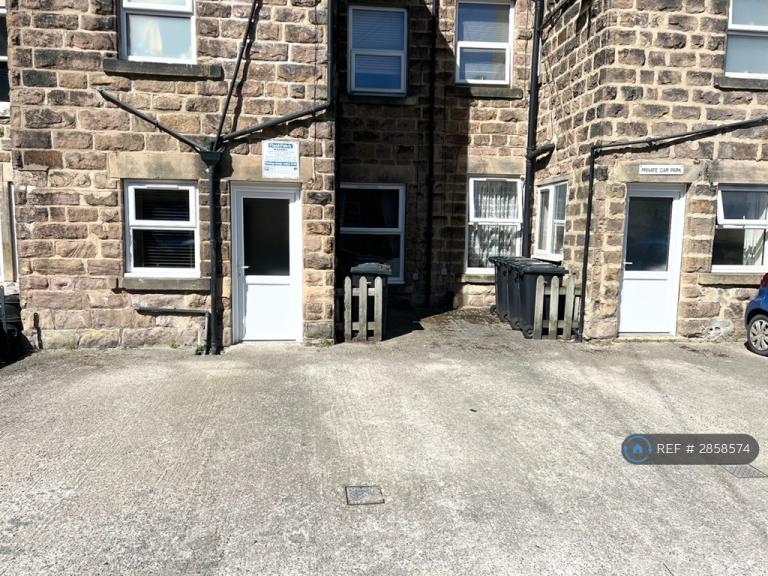
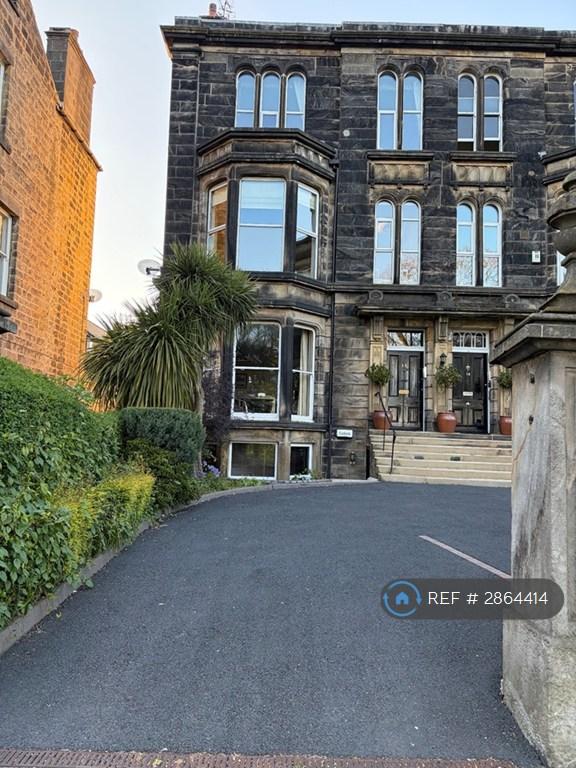
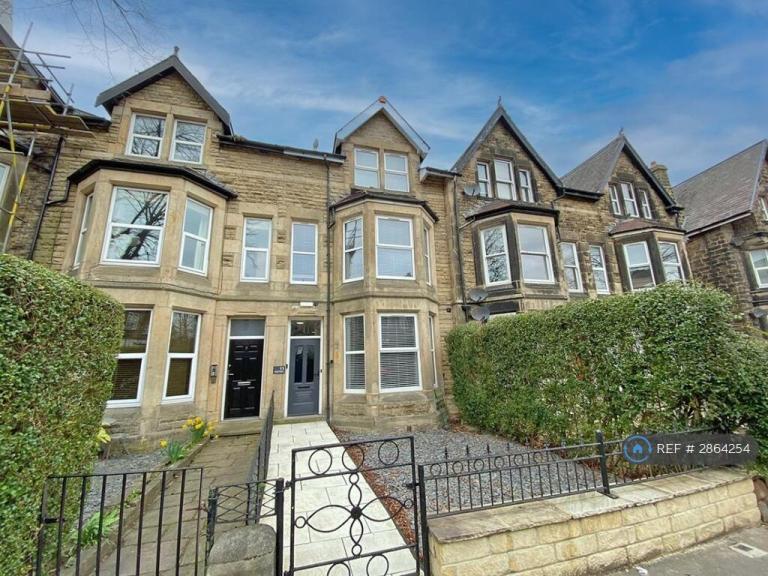
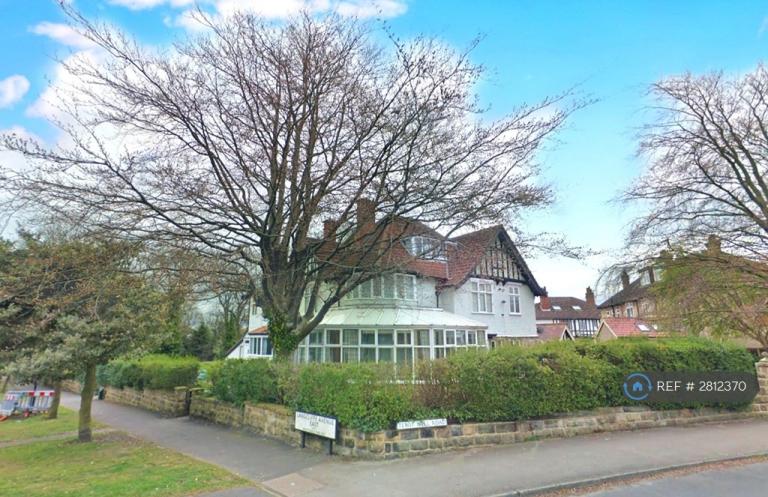
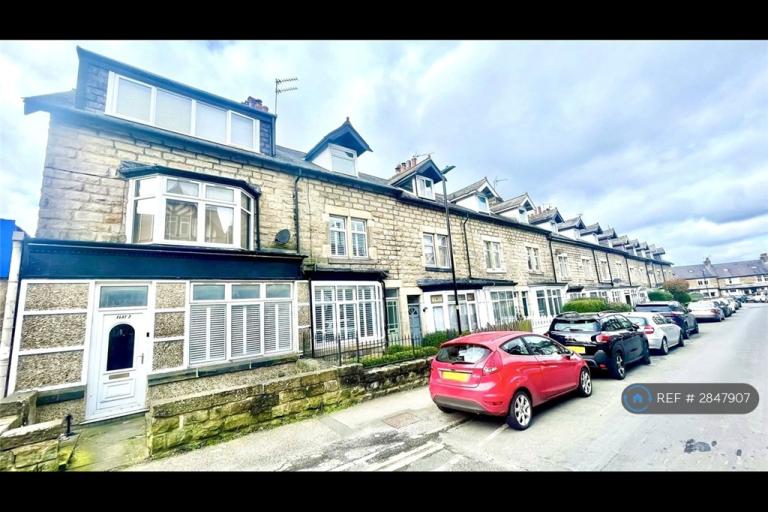
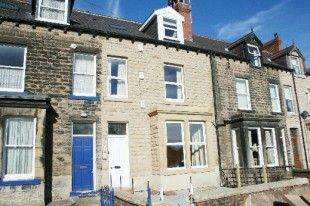
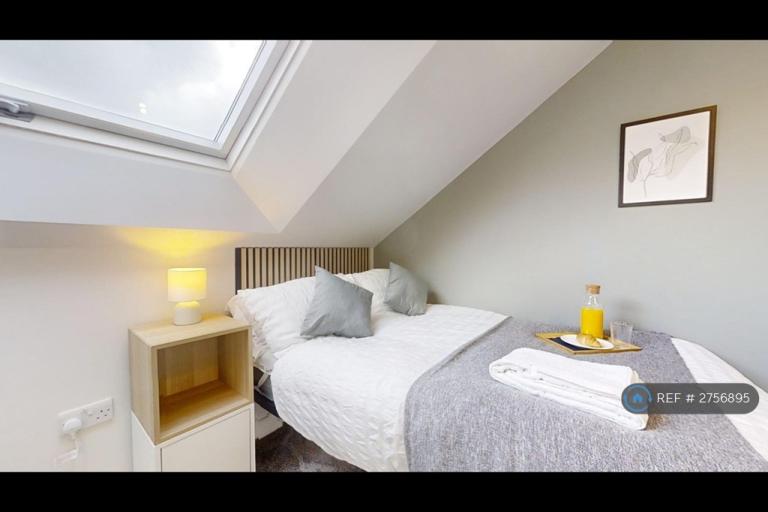
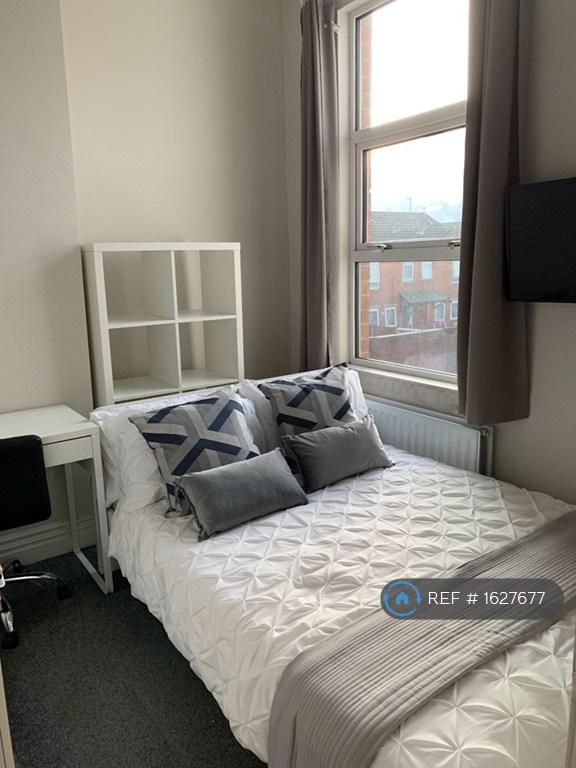
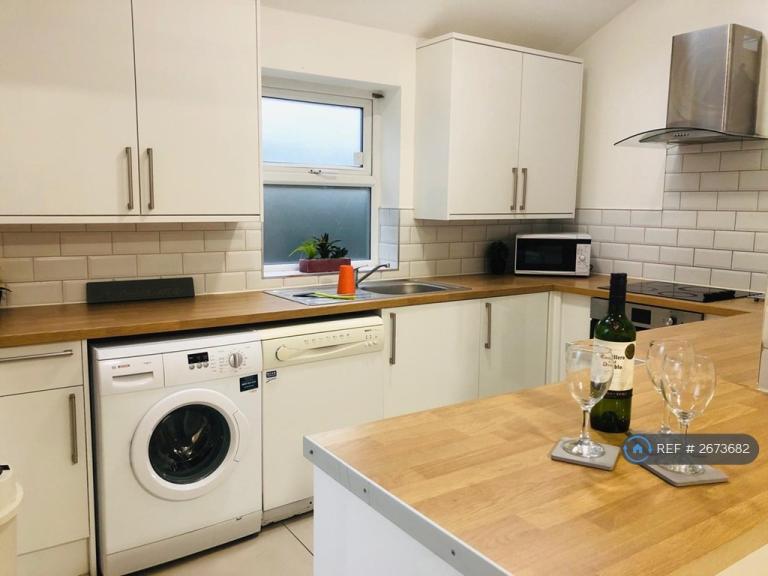
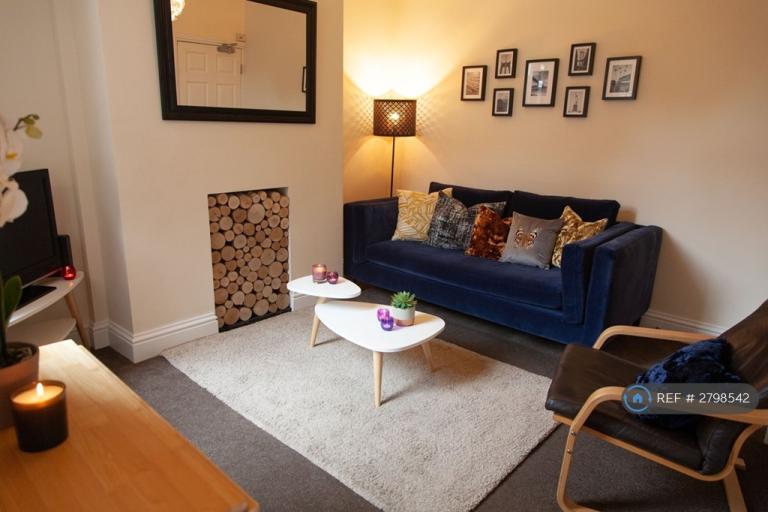
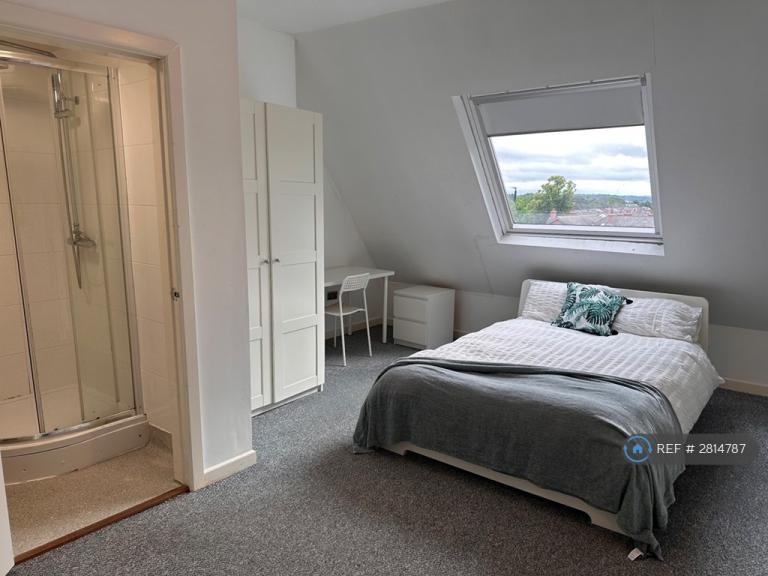
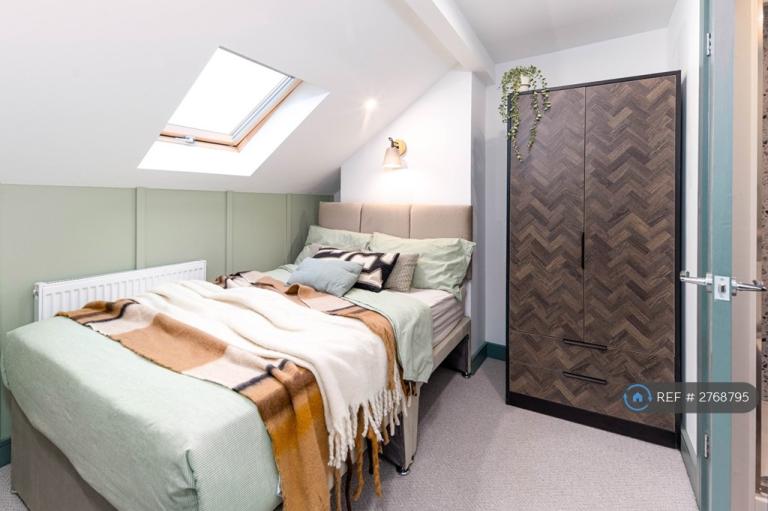
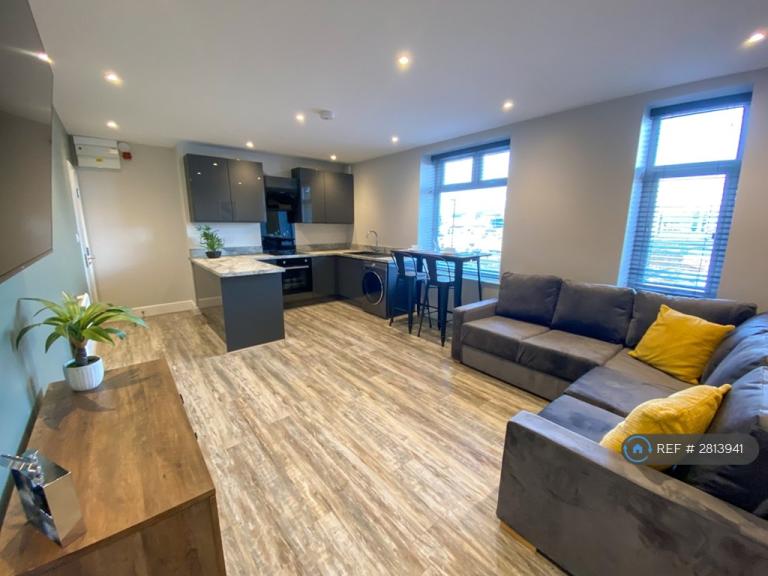
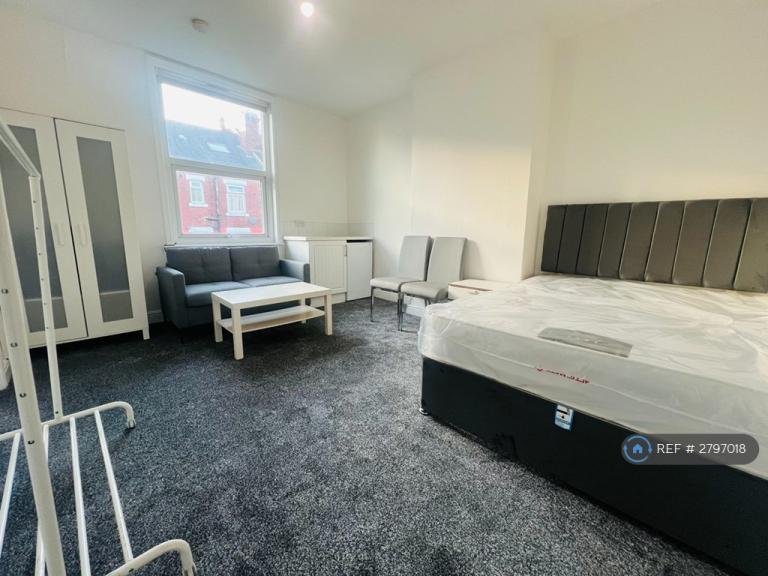
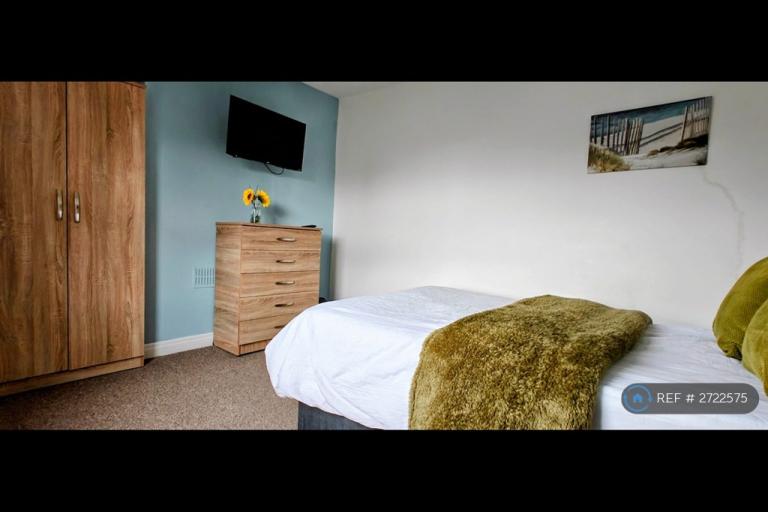
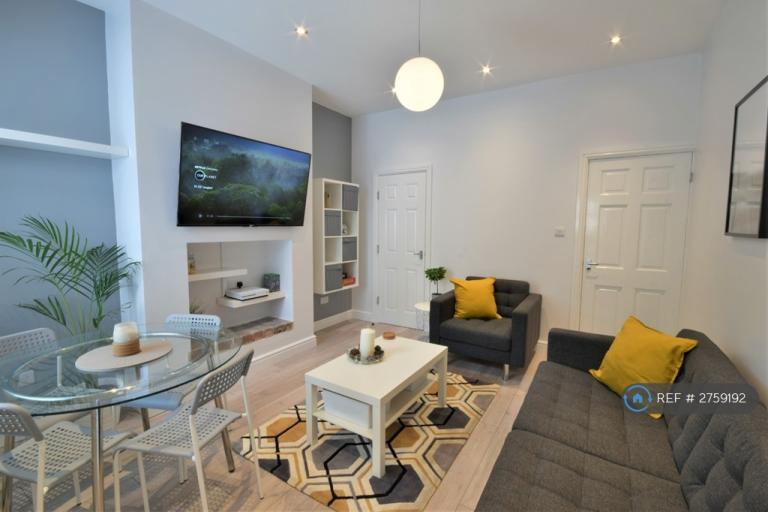
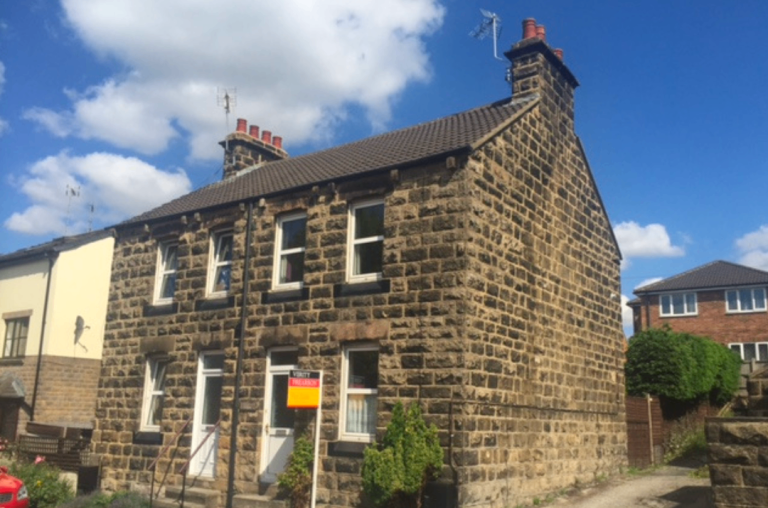
2 Bed Stone Cottage with Private Garden | Walk to Harrogate Town Centre
PrivateDate available: 18 May 2026House2 Beds
Harrogate, North Yorkshire
£800pm
Before committing to a rental property, thoroughly inspect its condition, noting any existing damage. Verify that all appliances are in working order. Check for damp, mould, and any signs of pests. Ensure the property meets your needs regarding space and amenities. It's also wise to research the neighbourhood and local transport links.
Landlords in the UK, including those in Harrogate, must adhere to several legal requirements. These include ensuring the property is safe and fit for habitation, protecting tenants' deposits in a government-approved scheme, providing an Energy Performance Certificate (EPC), and having a valid gas safety certificate if gas appliances are present. Landlords must also comply with fire safety regulations.
Important questions to ask include the length of the tenancy agreement, the amount of the deposit and how it will be protected, what bills are included in the rent, the council tax band, and the landlord's policy on pets or smoking. Also, clarify the process for reporting repairs and maintenance issues.
A holding deposit is a payment made to reserve a property before signing a tenancy agreement. In England, holding deposits are capped at no more than one week's rent. The holding deposit is usually refundable unless you decide not to proceed with the tenancy, provide false or misleading information, or fail a right-to-rent check. The landlord must return the holding deposit within 7 days of deciding not to offer you a tenancy.
As a tenant in the UK, including Harrogate, you have the right to live in a safe and well-maintained property. Your landlord is responsible for most repairs. You also have the right to quiet enjoyment of the property, meaning the landlord cannot enter without giving you reasonable notice (usually 24 hours) unless it's an emergency. You have the right to have your deposit protected in a government-approved scheme and to receive information about your tenancy, such as the landlord's contact details.