1/9
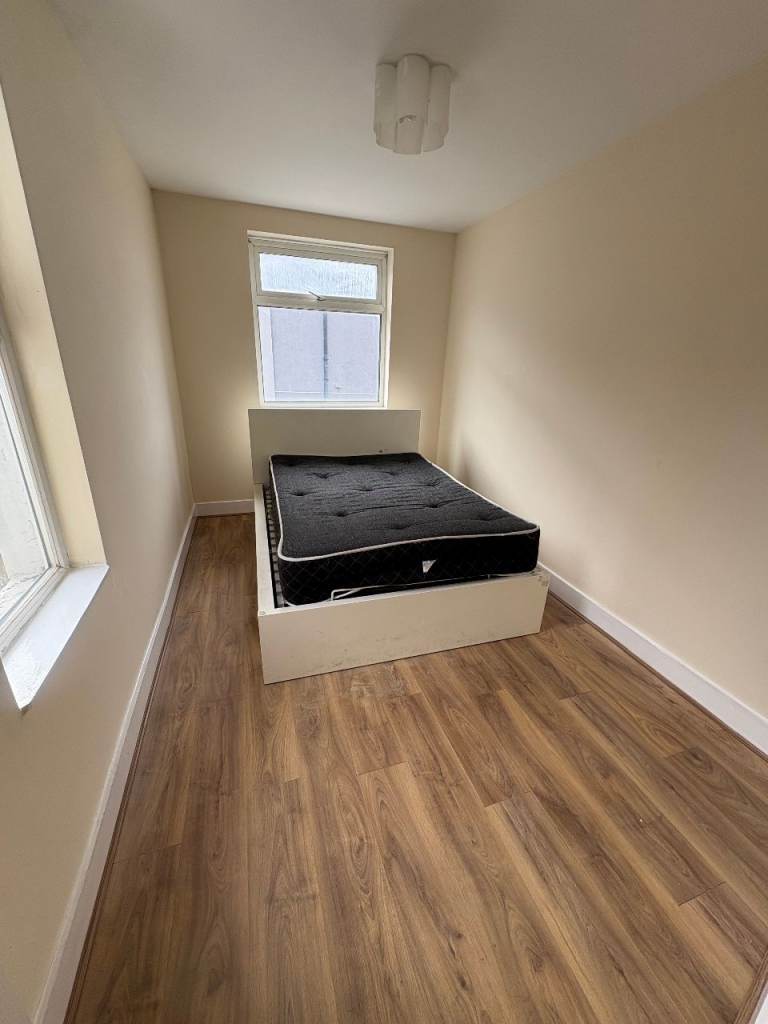
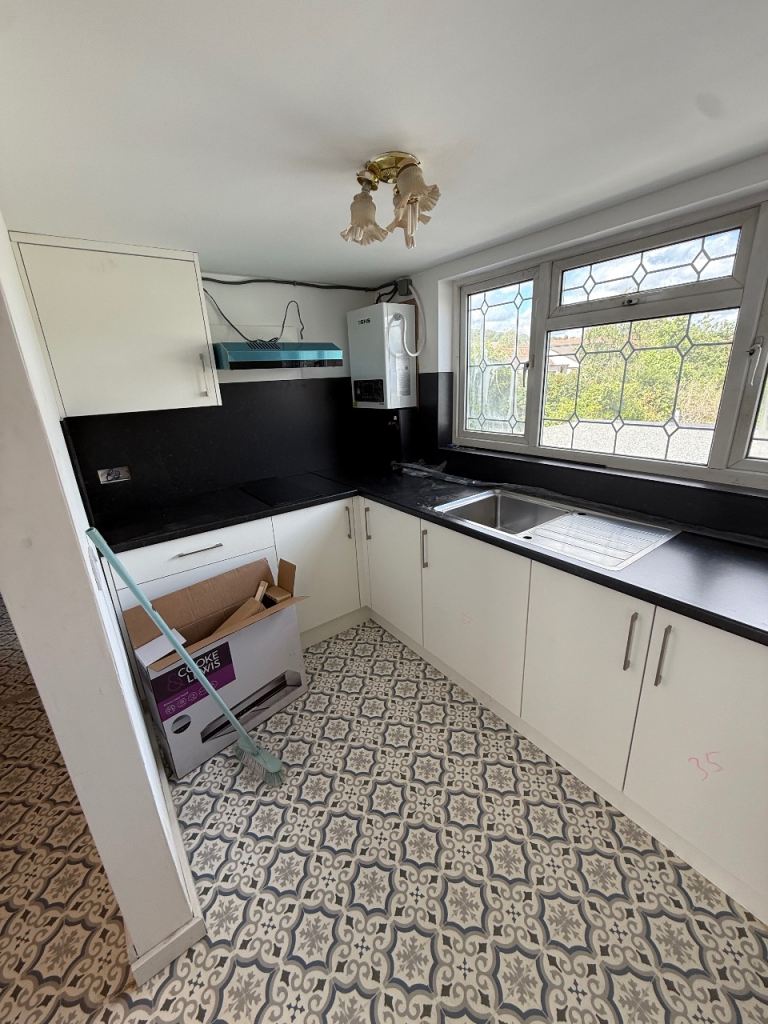
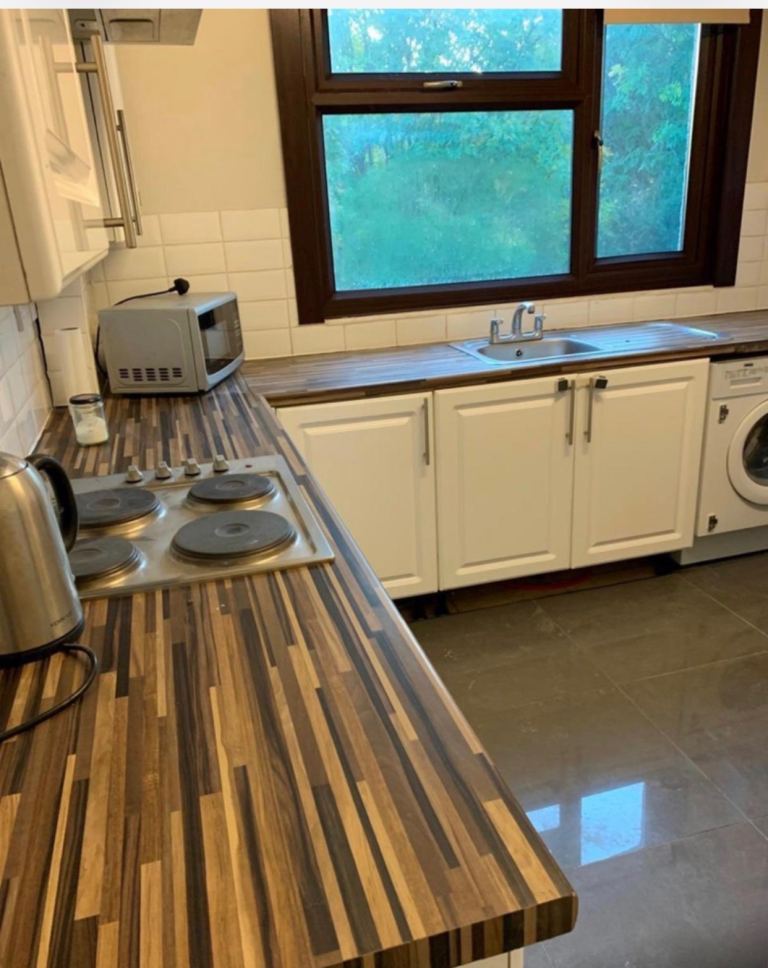
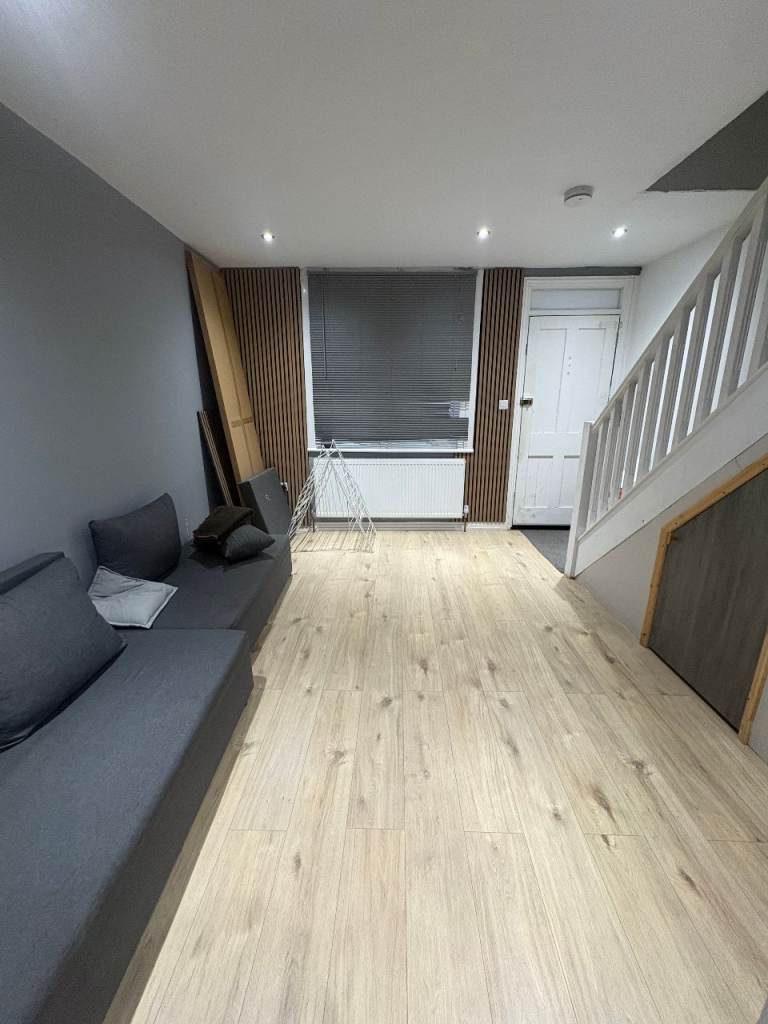
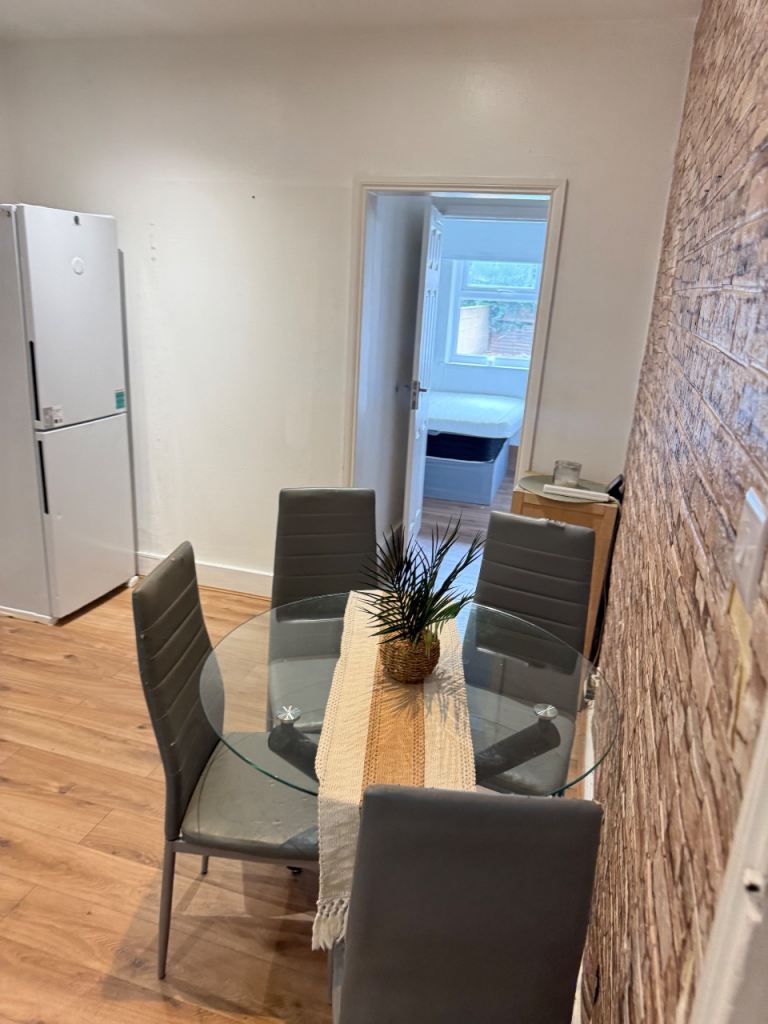
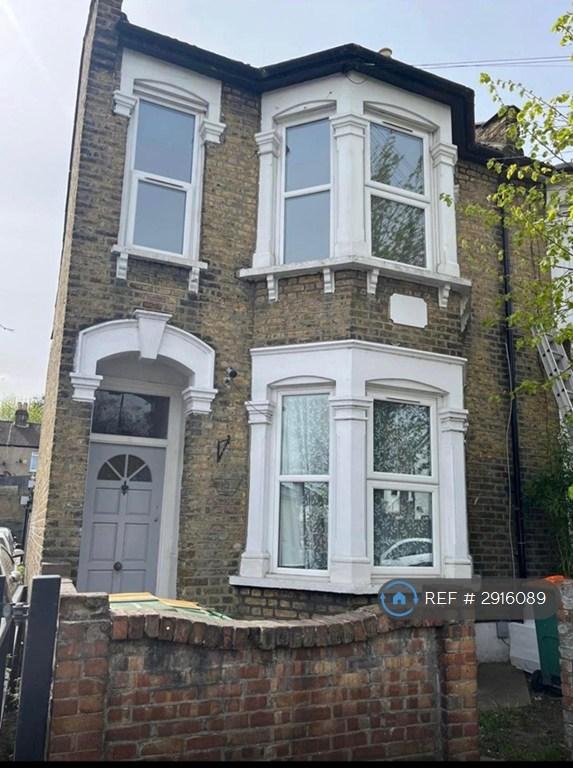
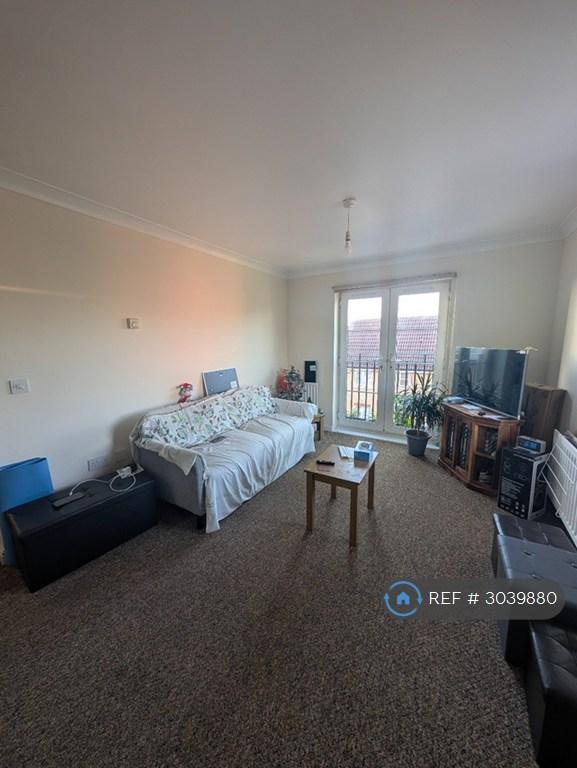
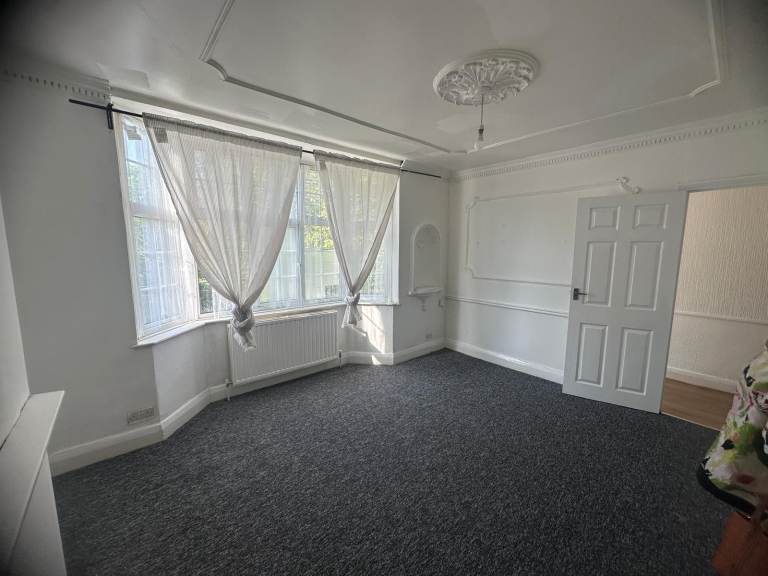
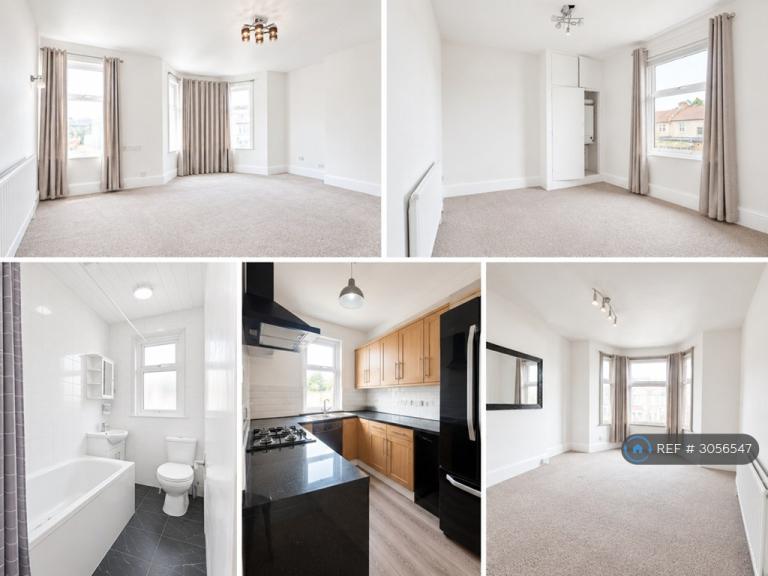
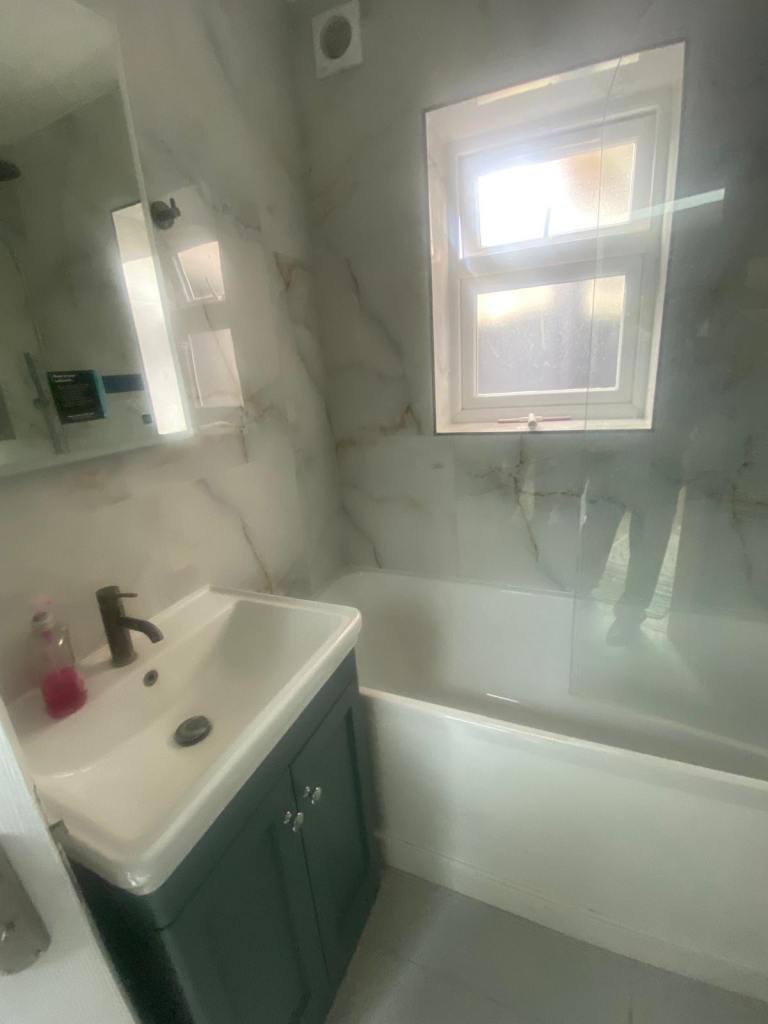
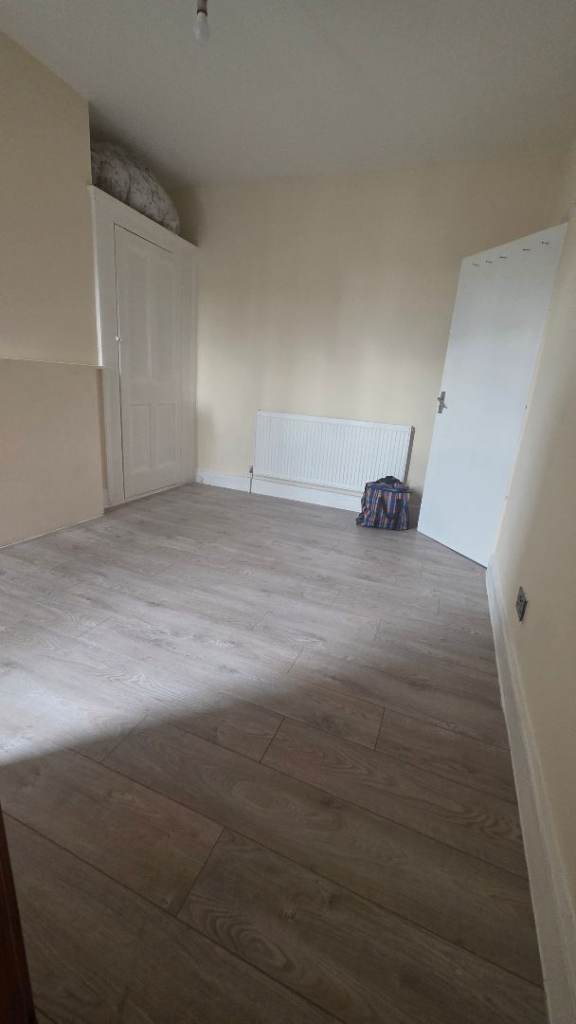
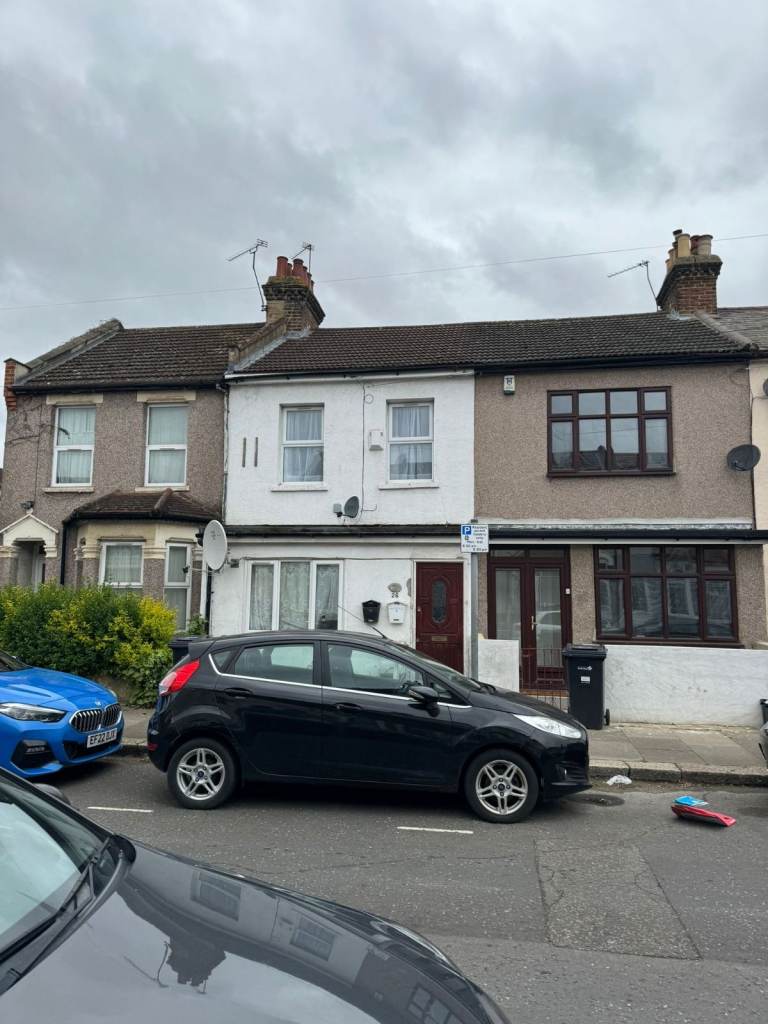
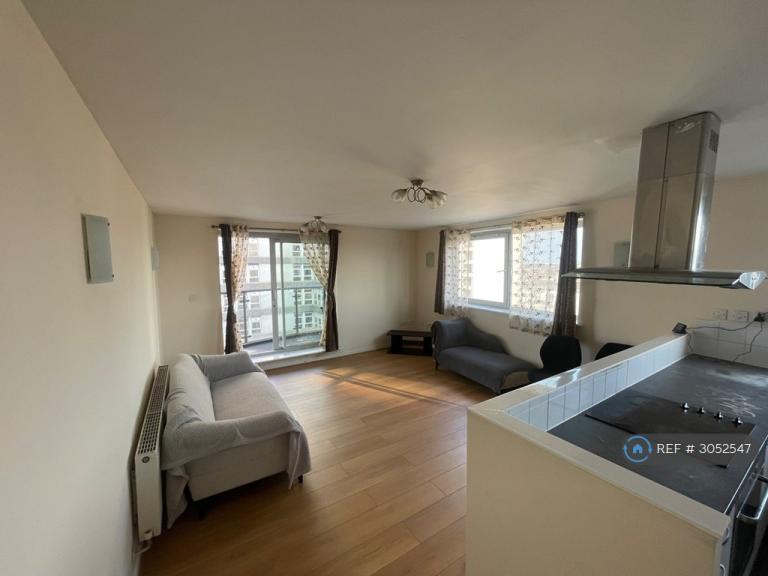
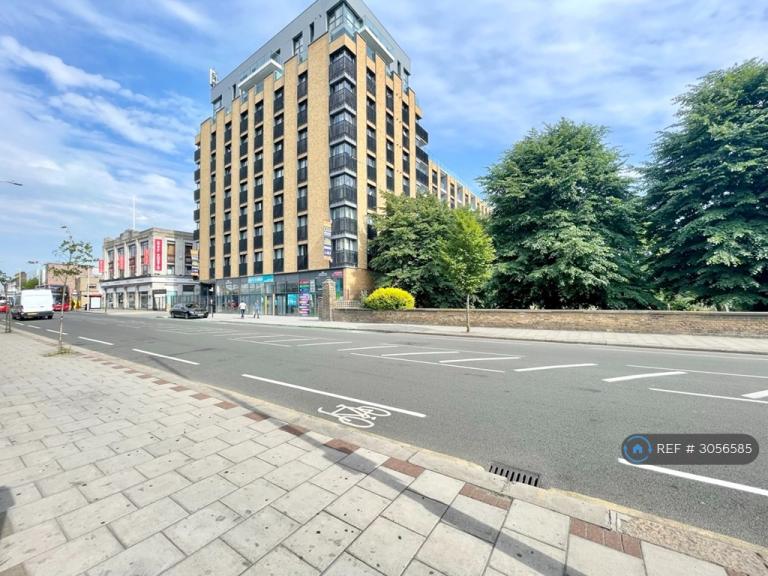
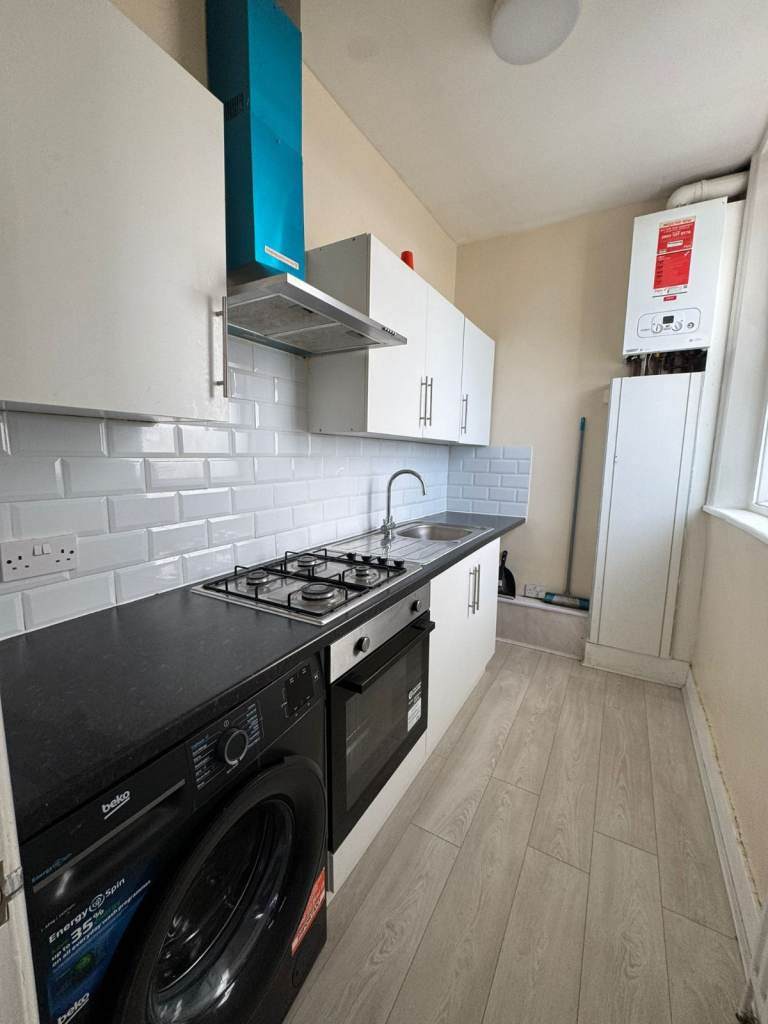
2 BEDROOM FLAT ONE MINUTE AWAY FROM GOODMAYS STATION
PrivateFlat2 Beds
Ilford, London
£1,650pm
When viewing a property, inspect for damp, mould, and any signs of disrepair. Check that all appliances are in working order and that the property meets basic safety standards, such as having working smoke alarms and carbon monoxide detectors. Also, verify the energy performance certificate (EPC) rating, as this affects your energy bills.
Landlords in the UK, including in Ilford, must protect your deposit in a government-approved scheme. They must also provide you with a copy of the 'How to Rent' guide and ensure the property is safe and fit for habitation. They must also have a valid gas safety certificate if the property has gas appliances. Failure to comply with these regulations can result in penalties for the landlord.
Before signing, ask about the tenancy length, rent payment schedule, and what bills are included (if any). Clarify the procedure for reporting repairs and maintenance issues. Also, inquire about the landlord's policy on pets, if applicable, and any restrictions on subletting or making alterations to the property.
A holding deposit is a payment made to reserve a property. By law in the UK, the maximum holding deposit a landlord can take is equivalent to one week's rent. The landlord must return the holding deposit if they decide not to rent the property to you, unless you provided false or misleading information, failed a right-to-rent check, or withdrew from the agreement.
Landlords in the UK are legally required to check that prospective tenants have the right to rent property in the UK. This involves providing proof of your identity and immigration status. If you cannot provide the necessary documentation, the landlord is legally prohibited from renting the property to you. Acceptable documents include a UK passport, a permanent residence card, or a valid visa.