16
1
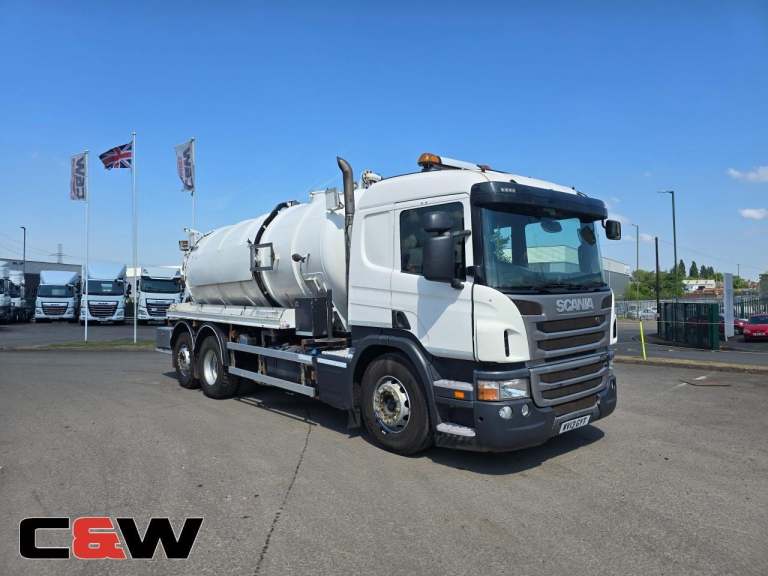
*Euro 5* Scania 2013 (13) P310 6x2 WHALE VACUUM TANKER - 587000kms
2013587,000 milesTradeDiesel9,290 cc
Sandwell, West Midlands
£39,950
Carefully inspect the vacuum system, including the pump, hoses, and tank, for leaks, cracks, or damage. Check the engine's condition, looking for signs of wear and tear or potential mechanical issues. Also, examine the chassis and suspension for rust or damage, as these can be costly to repair. A thorough test drive is essential to assess performance and handling.
Regular maintenance includes oil changes, filter replacements (air, fuel, and hydraulic), and lubrication of moving parts. The vacuum pump requires specific attention, including regular oil checks and potential vane replacements. The tank should be inspected and cleaned regularly to prevent corrosion and build-up. Keeping a detailed maintenance log is highly recommended.
You need to ensure the vehicle meets all relevant UK road safety regulations, including having a valid MOT certificate and road tax. Depending on the type of waste being transported, you may need to register as a waste carrier with the Environment Agency. Drivers must hold the appropriate driving licence for the vehicle's weight and size. Adhering to health and safety regulations regarding waste handling is also crucial.
Common issues include vacuum leaks due to worn hoses or seals, pump failures due to lack of maintenance or overuse, and blockages in the suction lines. Reduced vacuum pressure can indicate a problem with the pump or a leak in the system. Listen for unusual noises from the pump, which could indicate wear or damage.
Always wear appropriate personal protective equipment (PPE), including gloves, eye protection, and a respirator if necessary. Ensure the area around the truck is clear of obstacles and personnel before operating the vacuum system. Be aware of the potential hazards associated with the materials being handled, and follow proper disposal procedures. Regularly inspect hoses and connections to prevent leaks and spills.