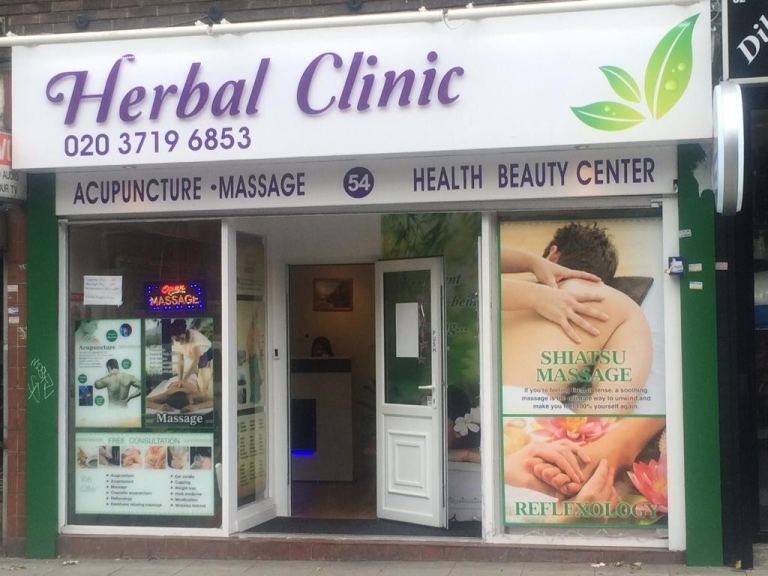
indian Full body massage Hayes Heathrow £50
Hillingdon, London
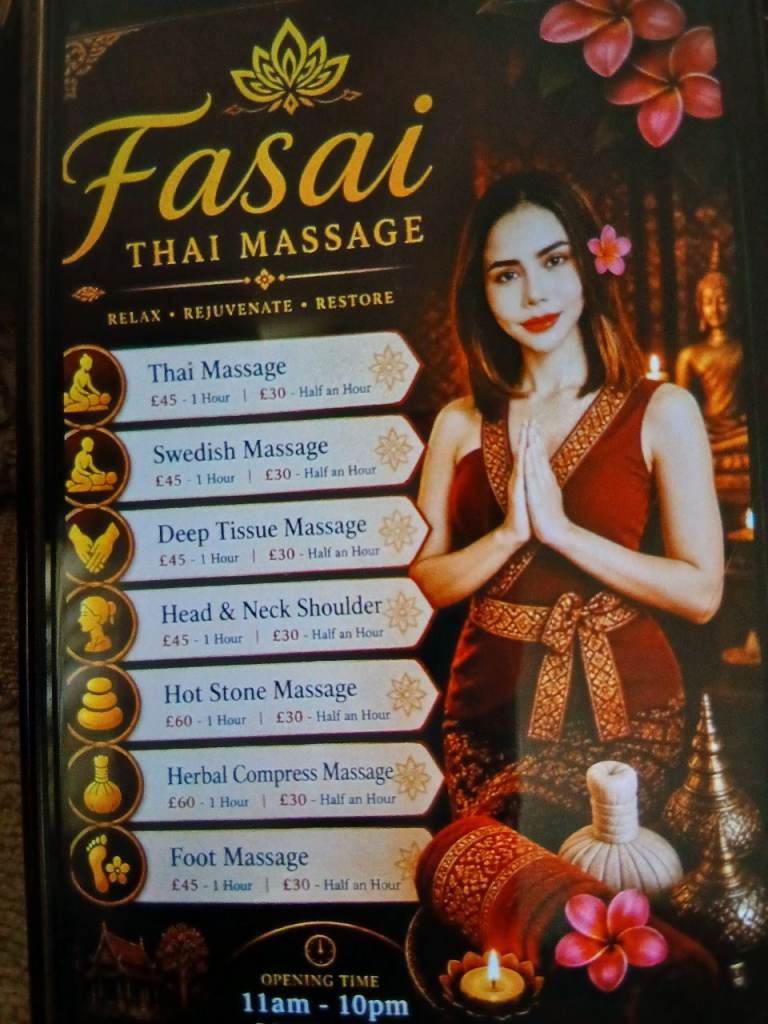
Swedish Massage
Swedish Massage
In the UK, massage therapists aren't legally required to have specific qualifications, but it's strongly recommended to choose a therapist who is registered with a professional body like the Complementary & Natural Healthcare Council (CNHC) or the Federation of Holistic Therapists (FHT). Registration ensures they have met specific training standards and abide by a code of ethics.
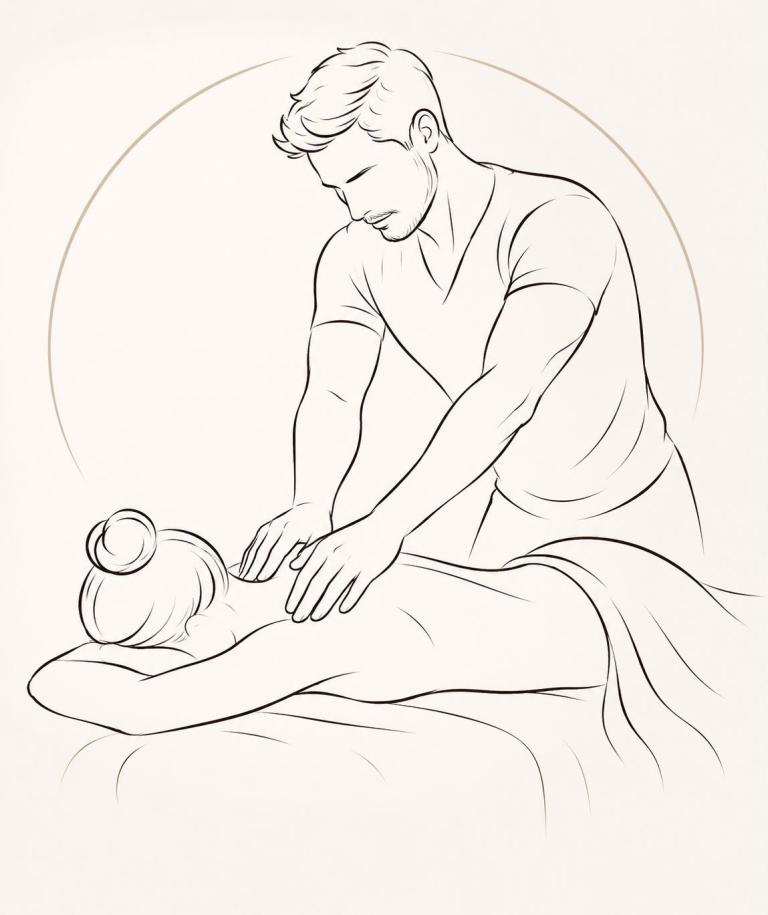
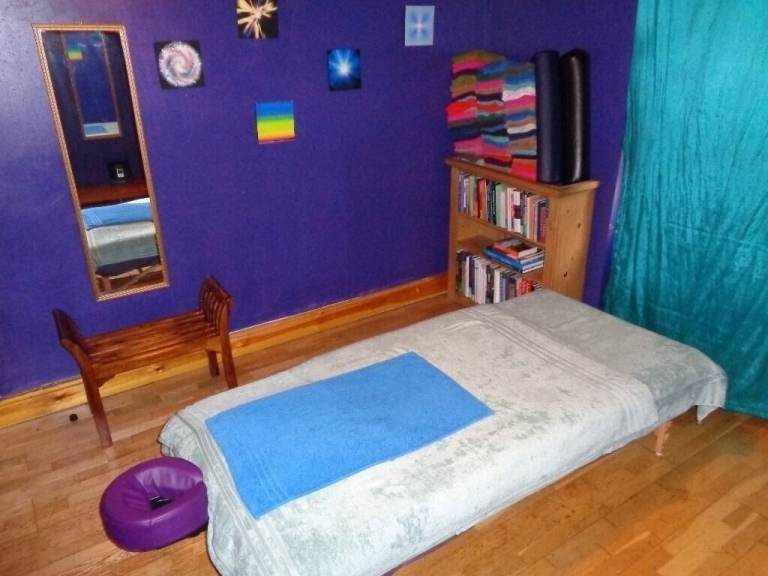
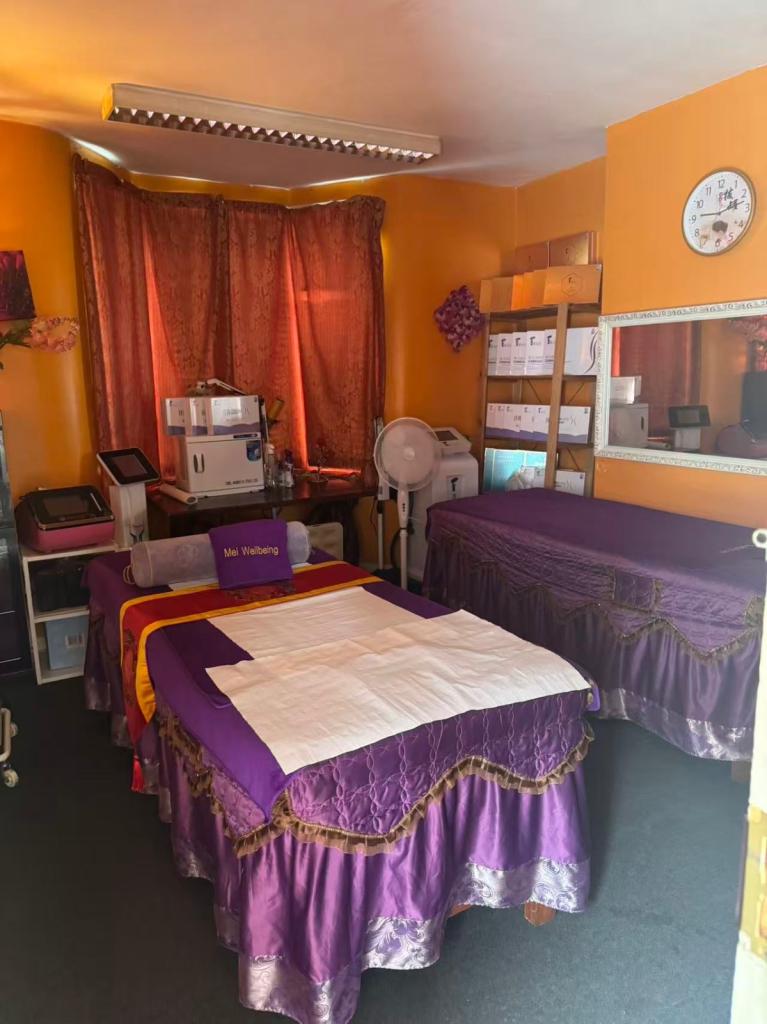
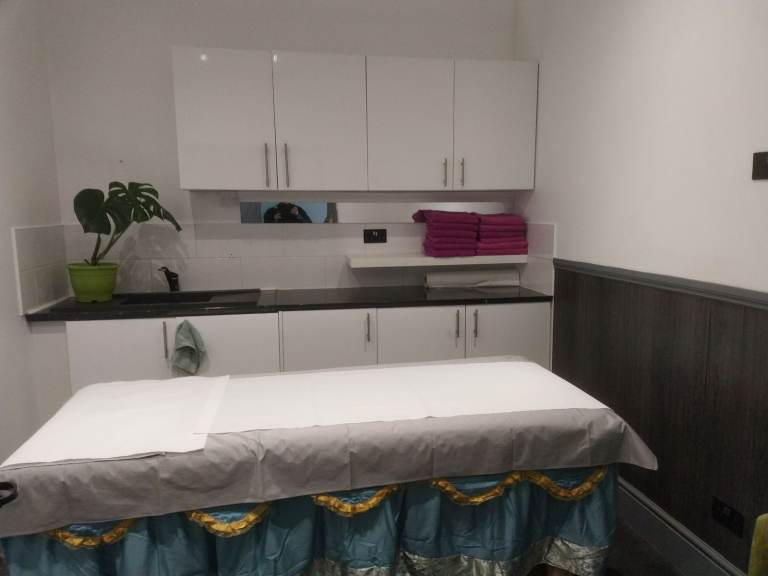
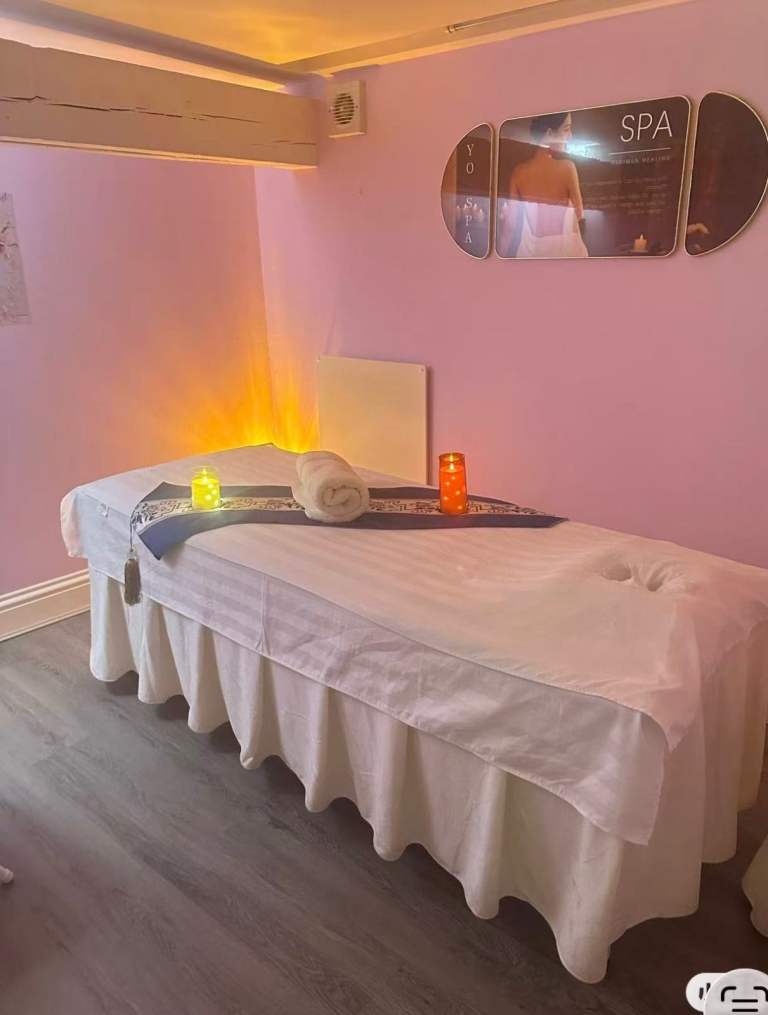
During your first massage, the therapist will typically ask about your medical history and any specific areas of concern. They should explain the type of massage they'll be performing and what to expect during the session. You'll usually be asked to undress to your comfort level and lie on a massage table. Communication is key – feel free to speak up if you're uncomfortable at any point.
Yes, certain health conditions may make massage unsuitable or require modifications. These can include acute inflammation, fever, infectious skin conditions, blood clots, certain cancers, and some heart conditions. Always inform your therapist of any pre-existing medical conditions before your massage.
Common types of massage include Swedish massage (for relaxation), deep tissue massage (for muscle tension), sports massage (for athletes), and aromatherapy massage (using essential oils). Each type offers different benefits, such as stress reduction, pain relief, improved circulation, and increased flexibility. Discuss your needs with the therapist to determine the best type for you.
If you have concerns about the behaviour of a massage therapist, you can report them to the professional body they are registered with (e.g., CNHC, FHT). You can also contact your local Trading Standards office or the police if you believe a crime has been committed. Keep records of any interactions or evidence to support your complaint.