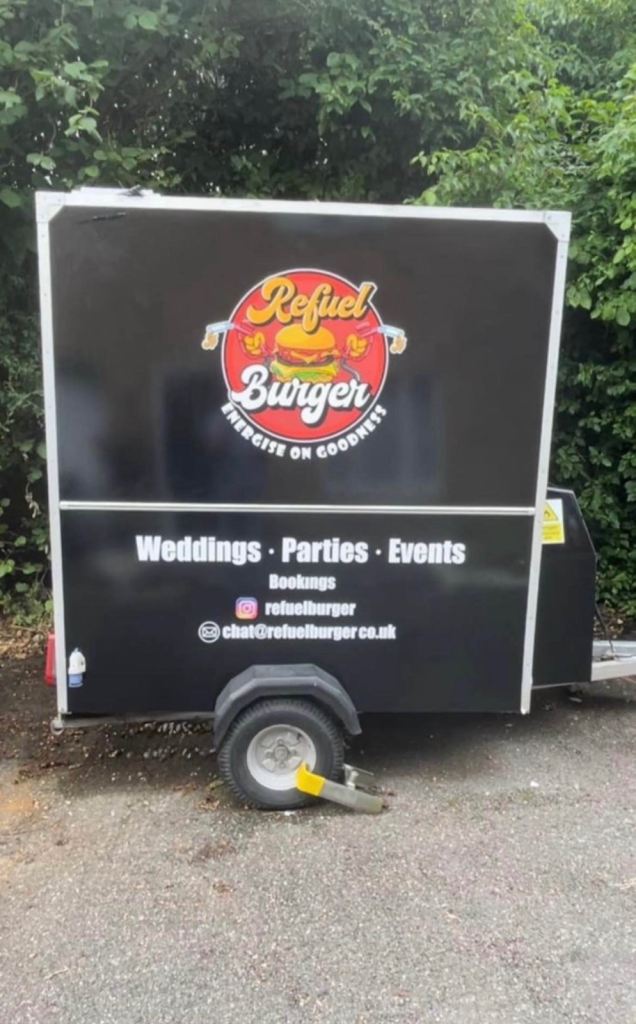
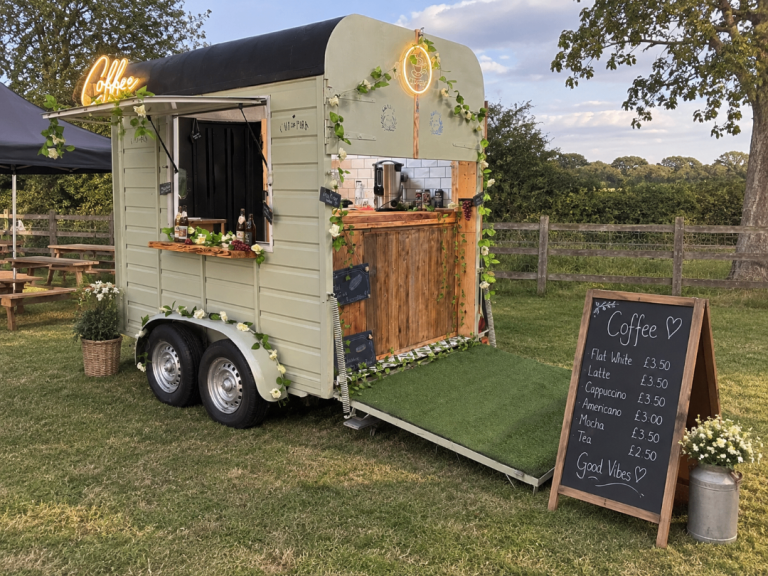
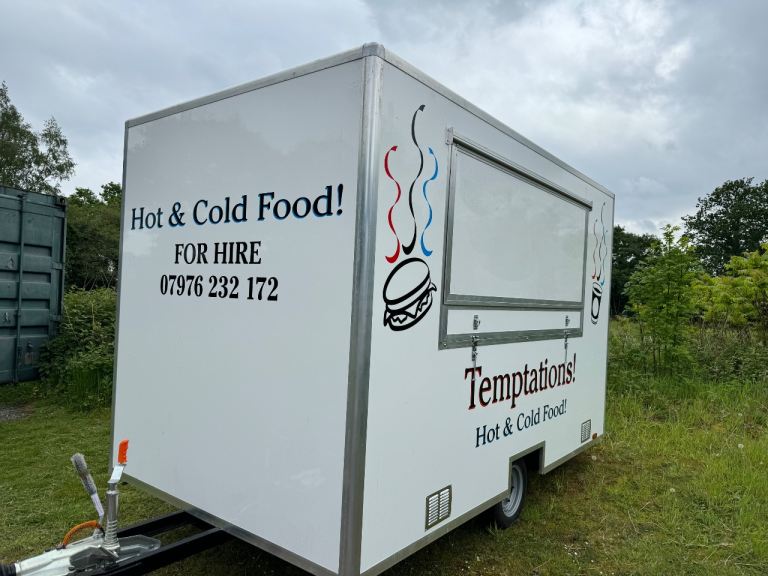
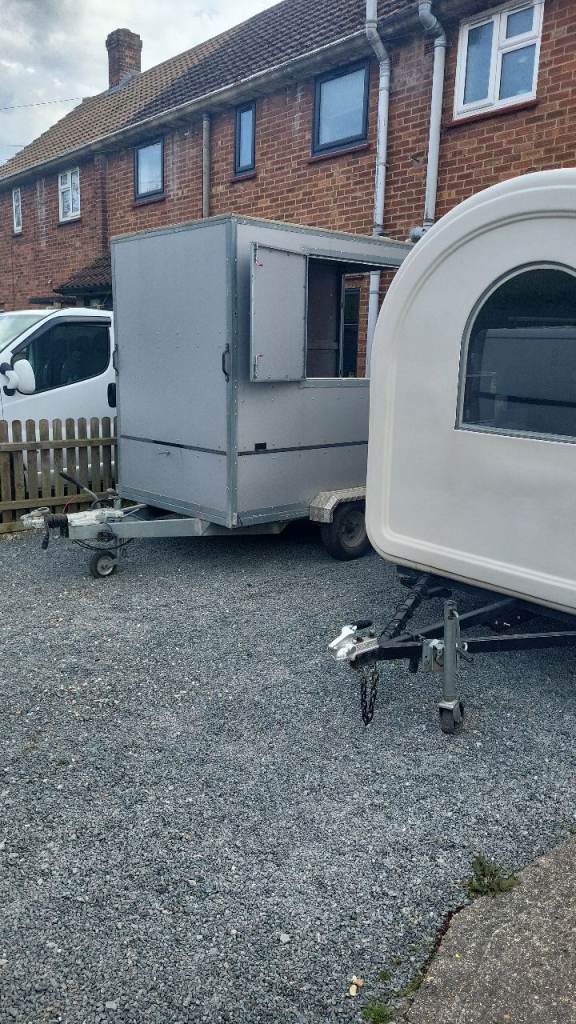
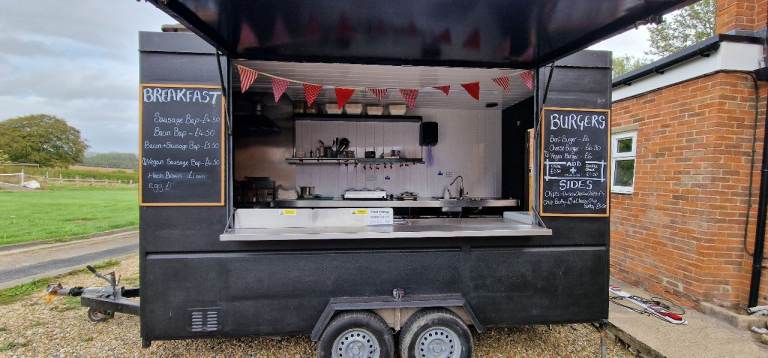
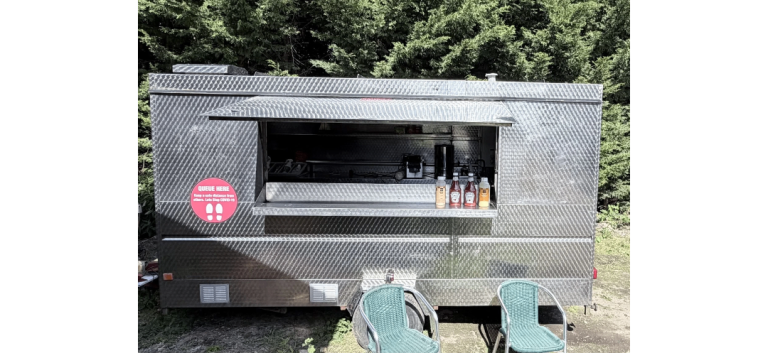
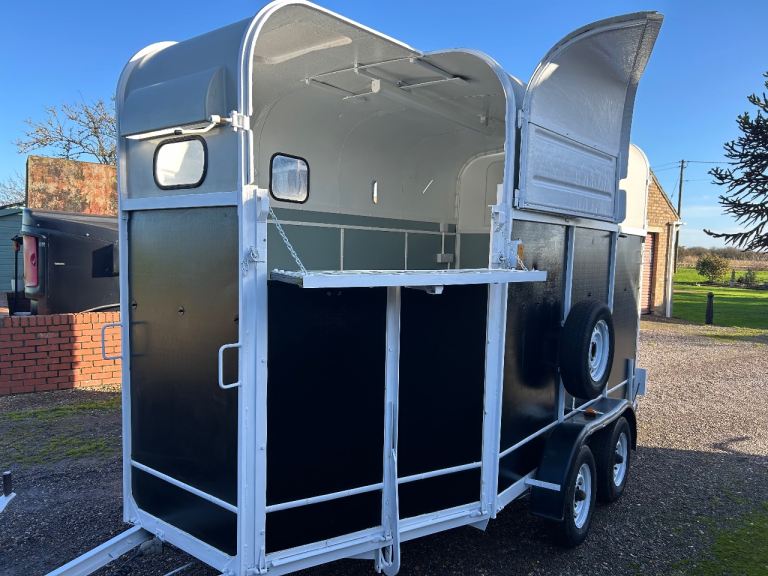
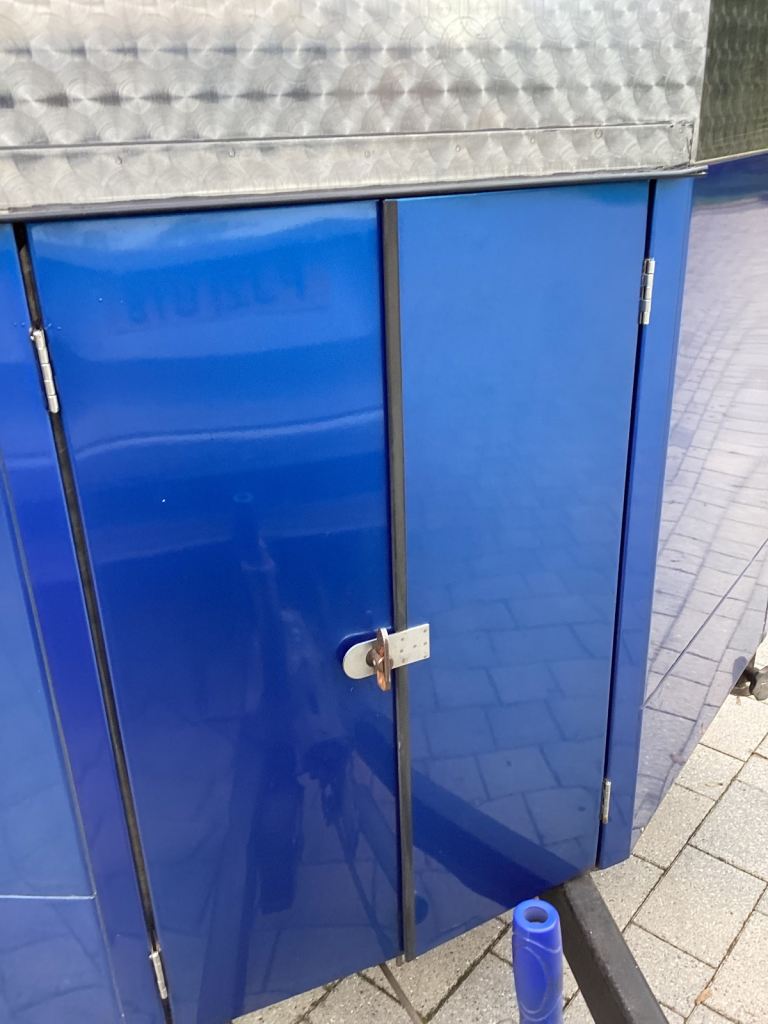
What should I check when inspecting a catering trailer before buying it?
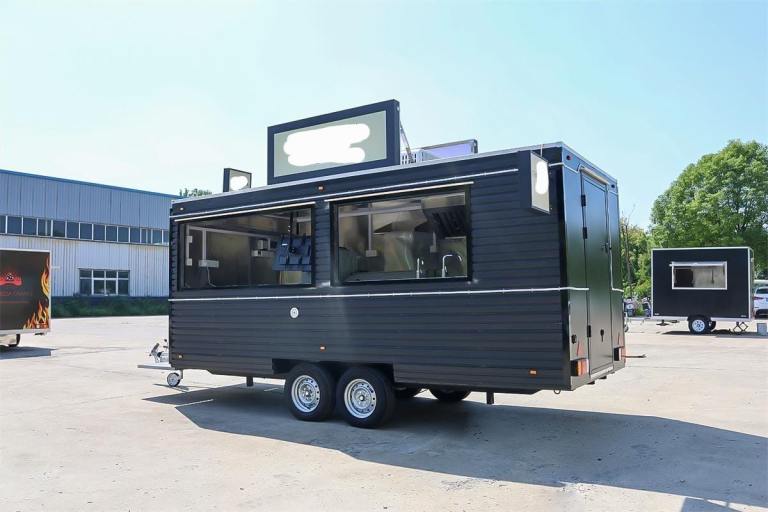
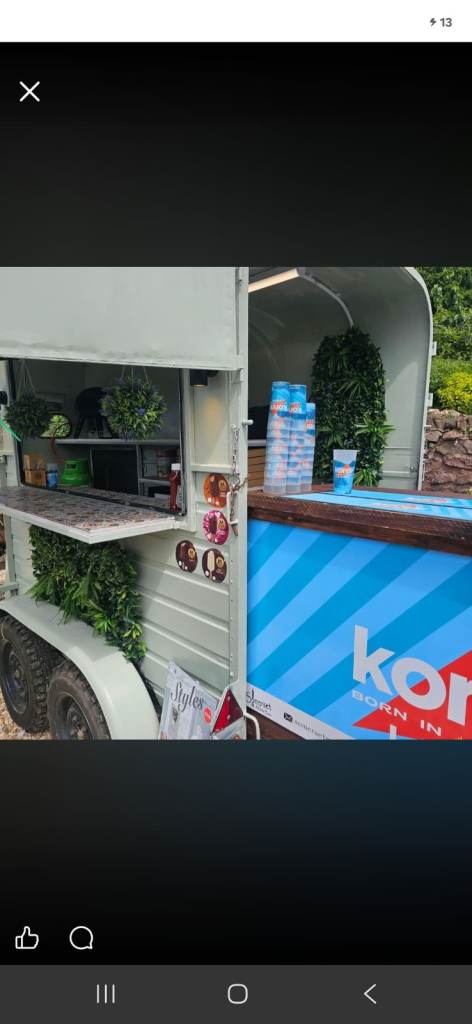
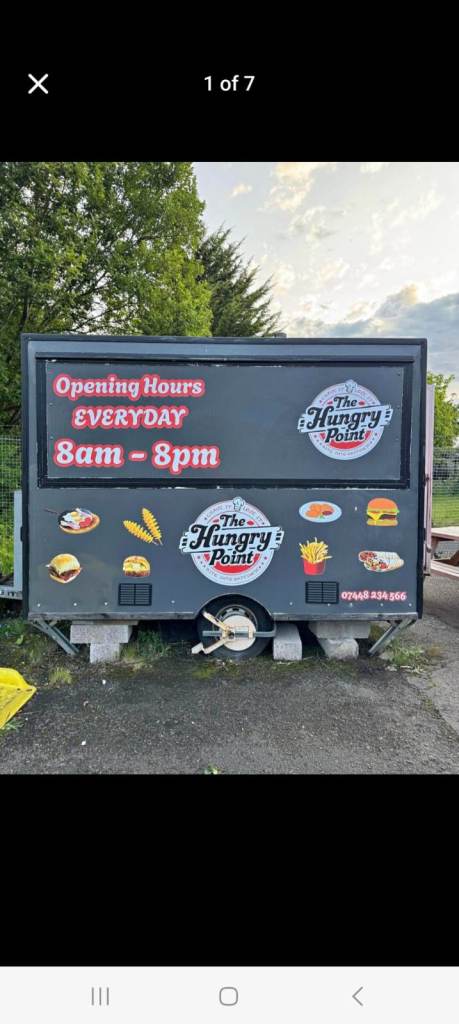
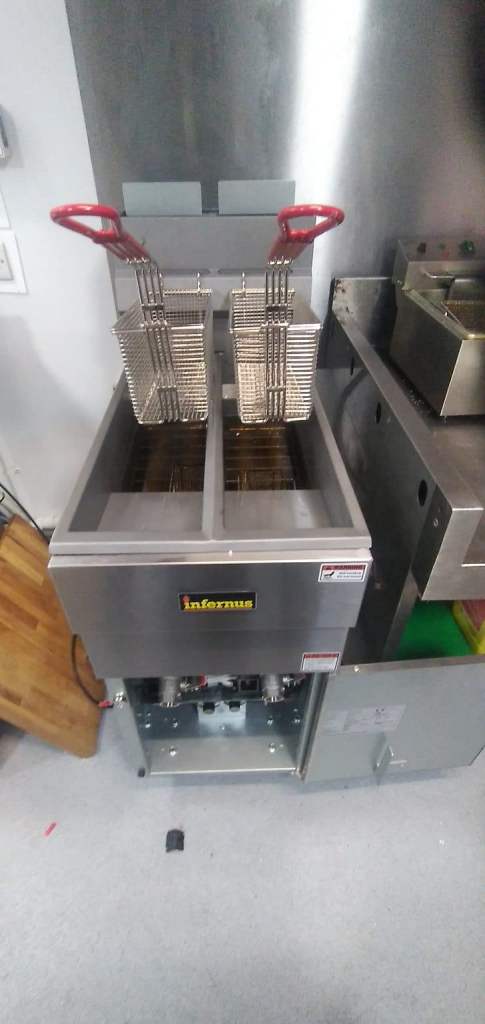
Before purchasing a catering trailer, thoroughly inspect the chassis for rust and structural damage. Check the tyres for wear and tear, and ensure the lights and brakes are functioning correctly. Inside, examine the condition of the cooking equipment, ventilation system, and any electrical or gas installations. It's advisable to have a qualified professional inspect the gas and electrical systems to ensure they meet safety standards.
What are the legal requirements for operating a catering trailer in the UK?
Operating a catering trailer requires compliance with several regulations. You'll need to register your food business with your local authority. You must also adhere to food hygiene regulations, including having a food safety management system in place (e.g., HACCP). Gas and electrical installations must be certified as safe, and you may require planning permission or street trading licenses depending on where you intend to operate.
What type of ventilation is required for a catering trailer?
Adequate ventilation is crucial in a catering trailer to remove fumes, heat, and steam. A commercial extraction system is typically required, especially if you're using gas appliances. The system should be regularly cleaned and maintained to ensure it's functioning effectively. Check that your ventilation system meets the requirements of your local authority's environmental health department.
What essential equipment should I look for in a catering trailer?
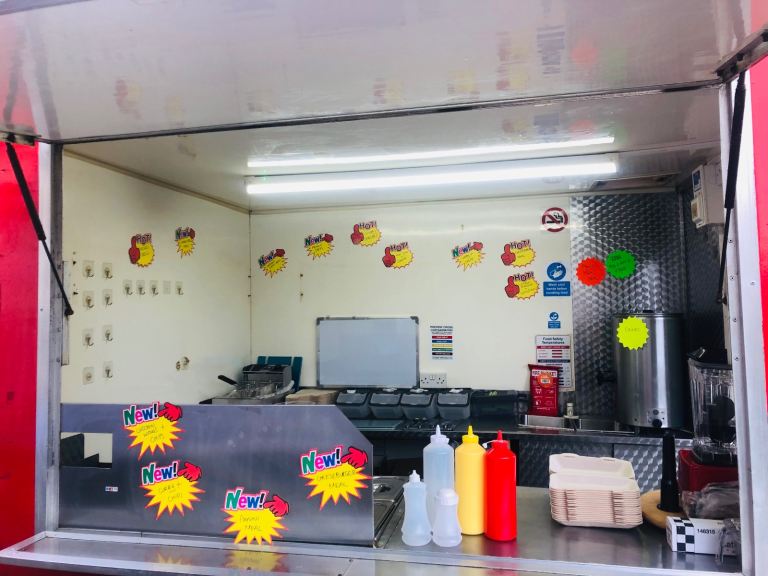
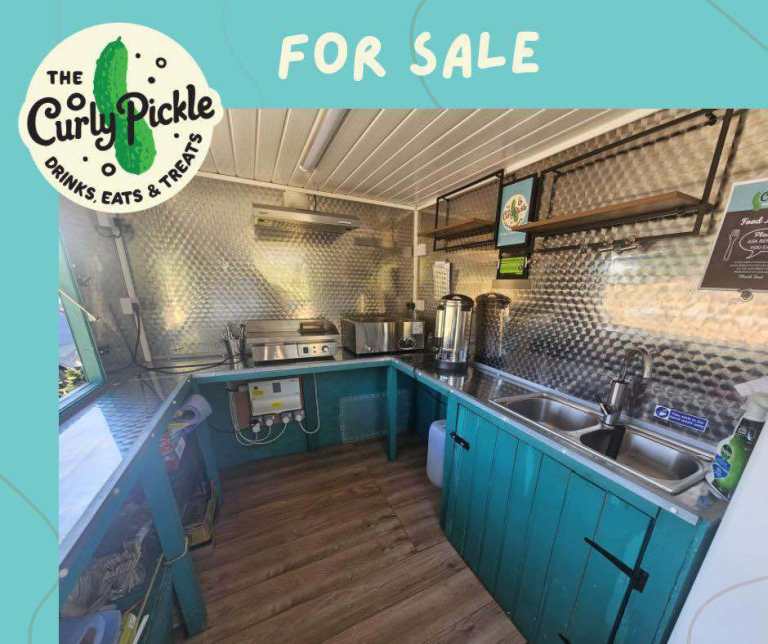
The essential equipment depends on the type of food you intend to serve. However, common requirements include a commercial-grade cooker (gas or electric), refrigeration units (fridge and/or freezer), stainless steel work surfaces, a sink with hot and cold running water, and adequate storage space. Consider the power requirements of your equipment when assessing the trailer's electrical system.
What safety features should I look for in a catering trailer?
Safety features are paramount. Ensure the trailer has a fire extinguisher and fire blanket readily accessible. A carbon monoxide detector is essential if using gas appliances. Check that all gas and electrical installations are certified and regularly inspected. The trailer should also have adequate lighting and non-slip flooring to prevent accidents.