5
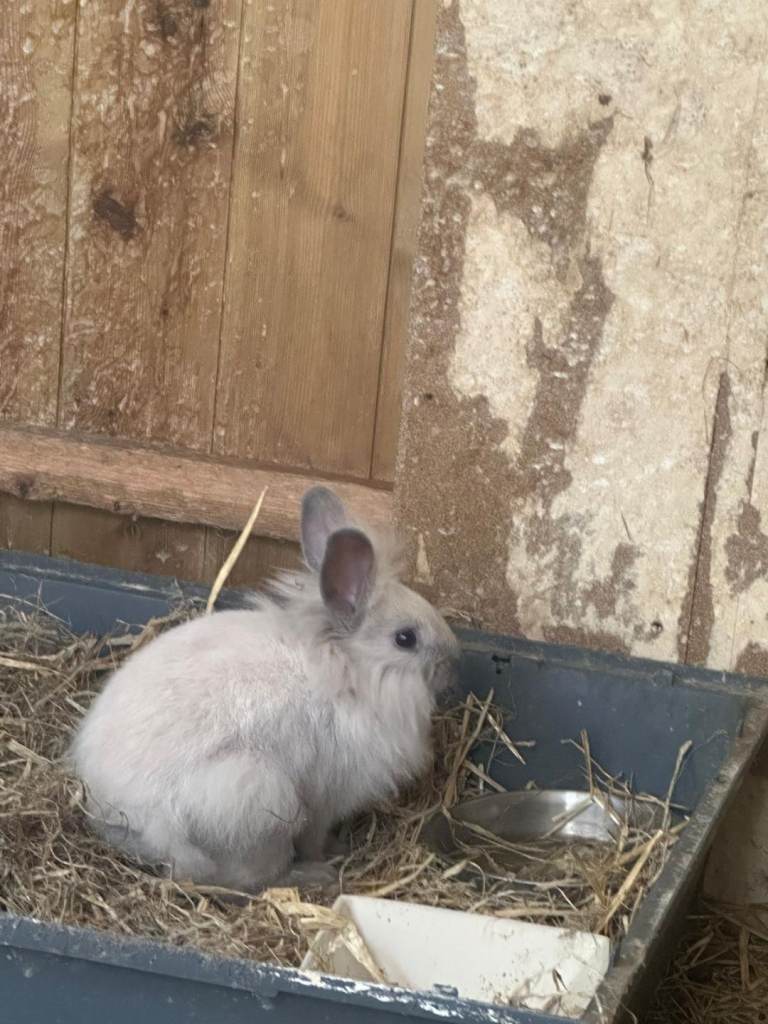
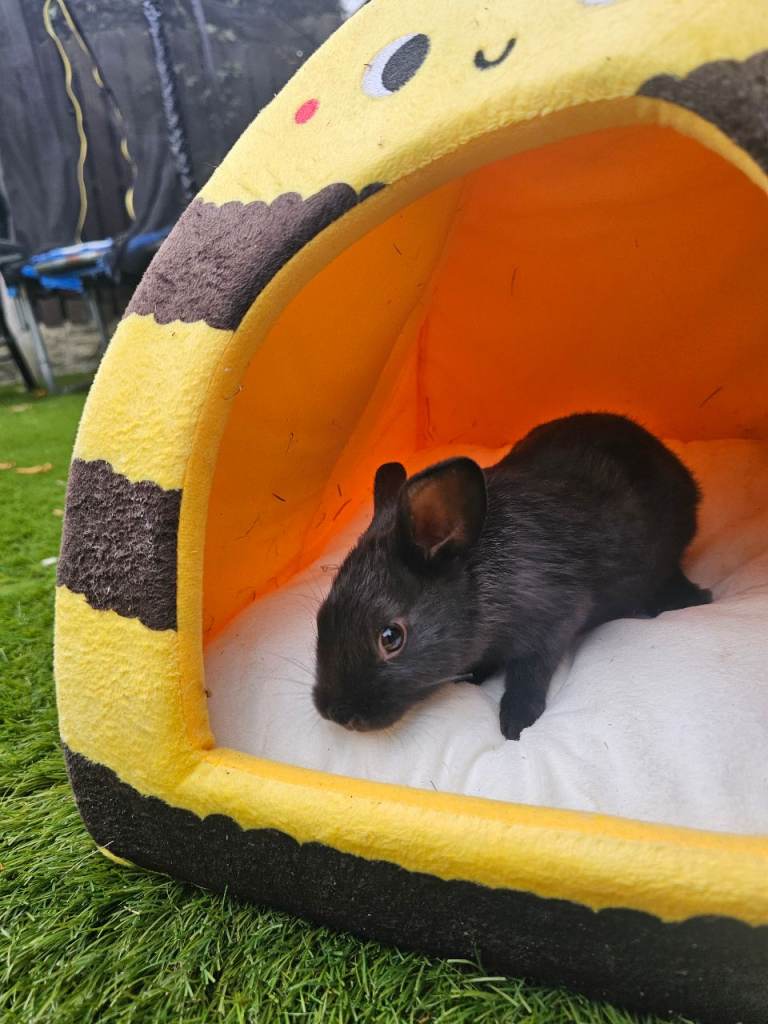
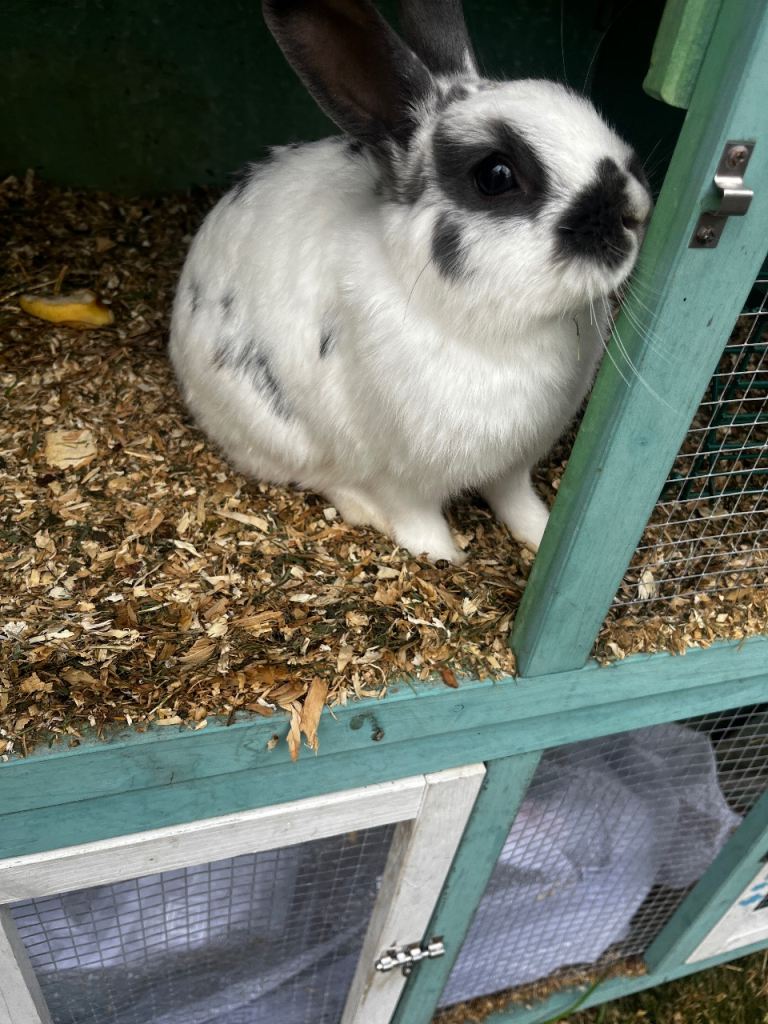
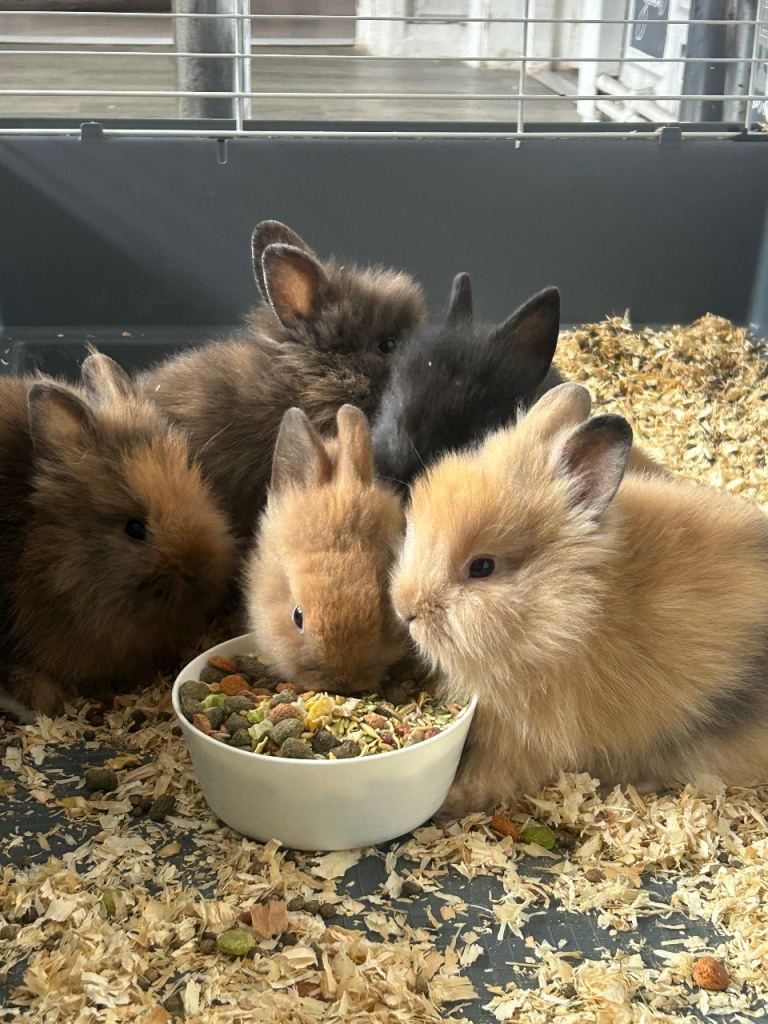
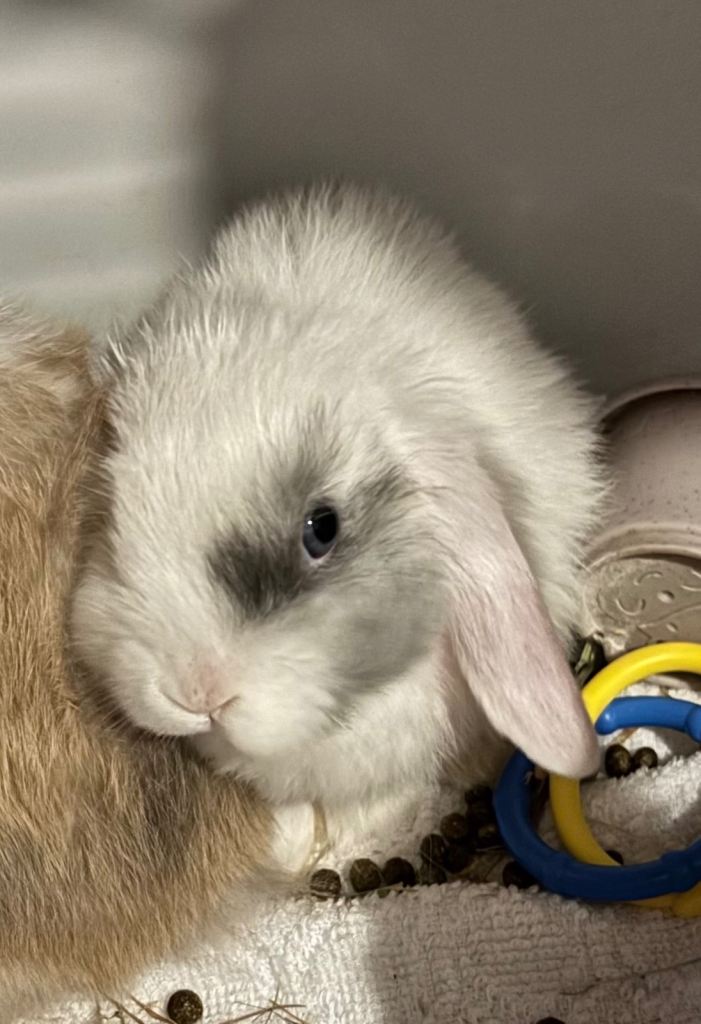
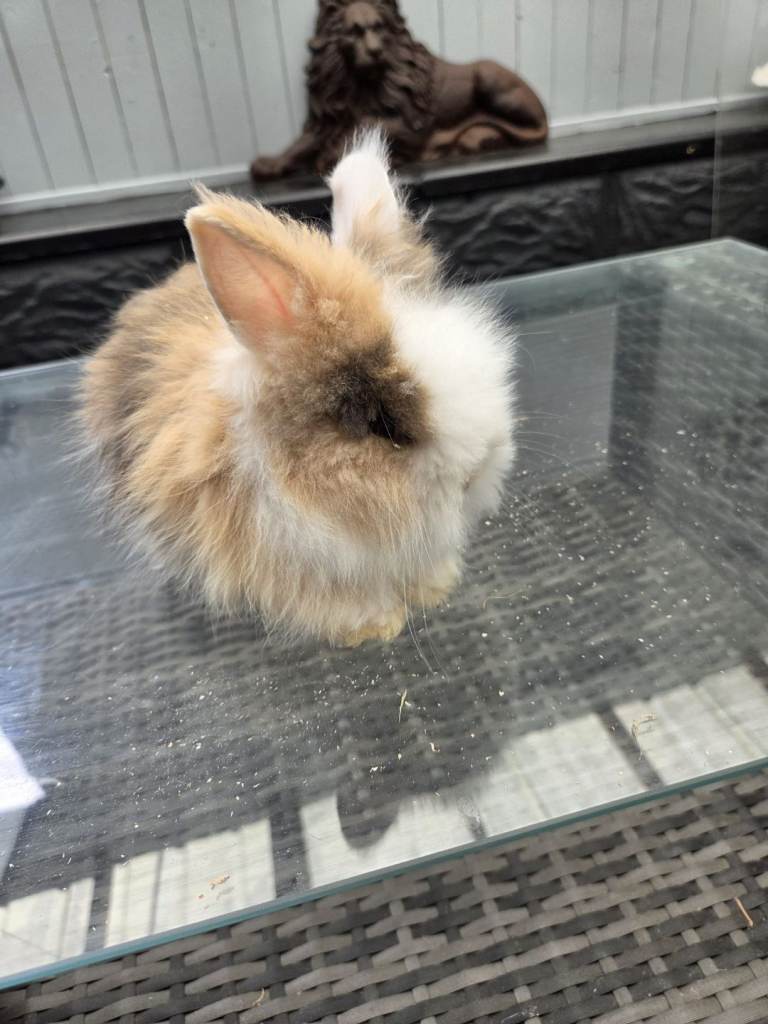
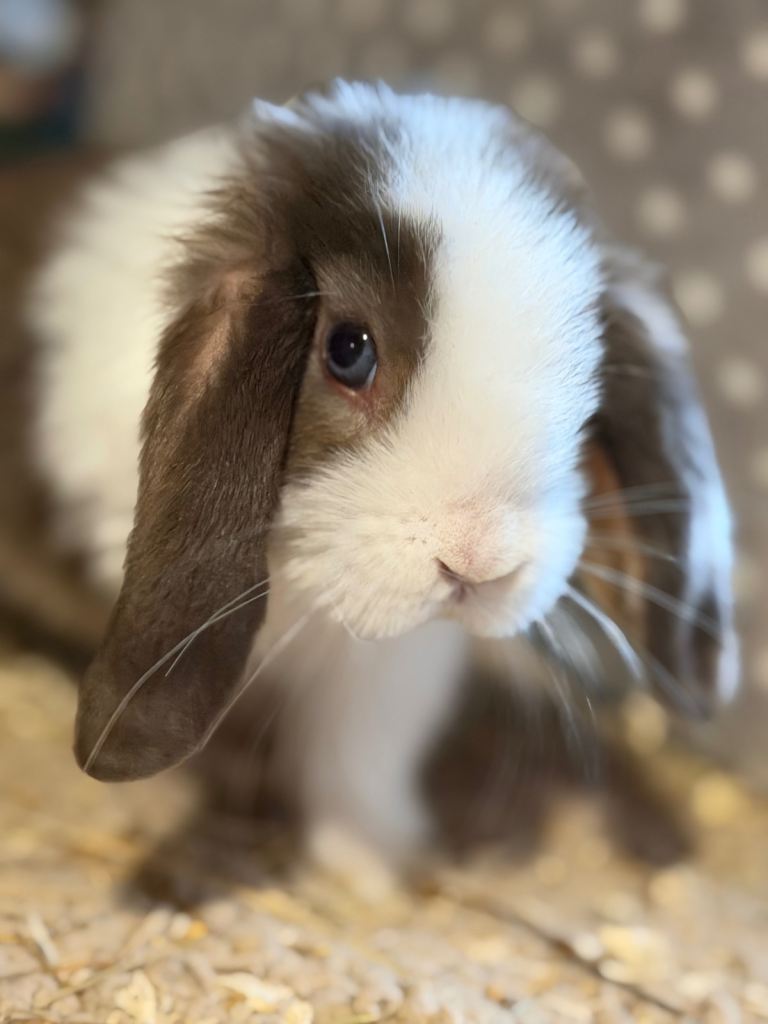
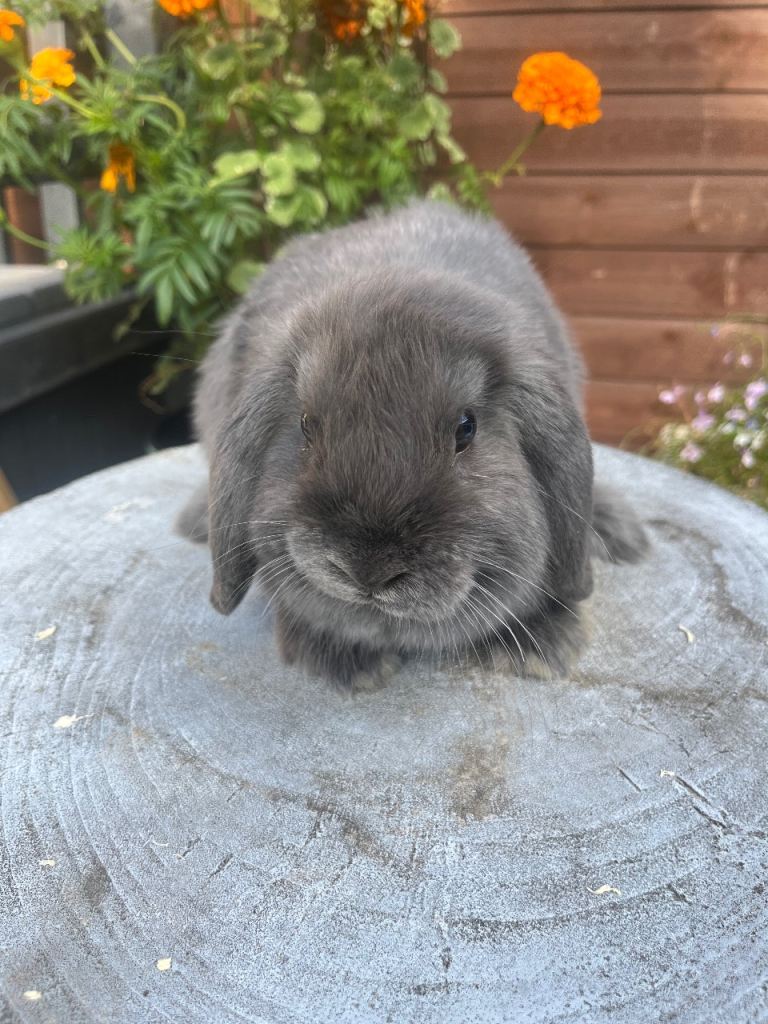
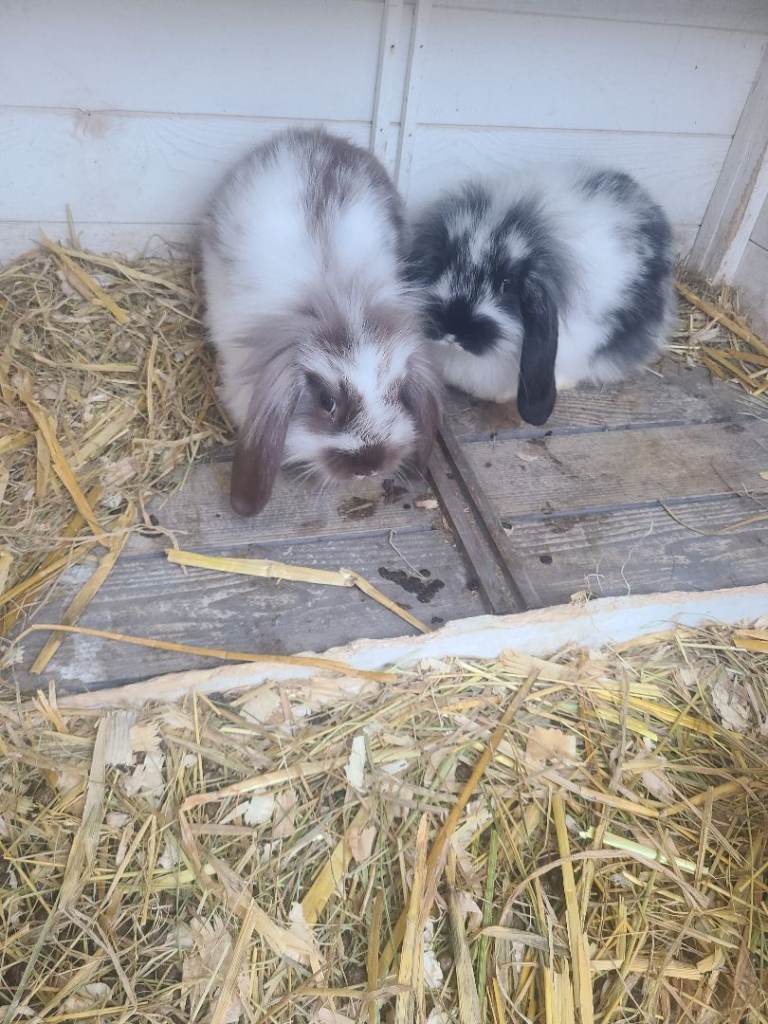
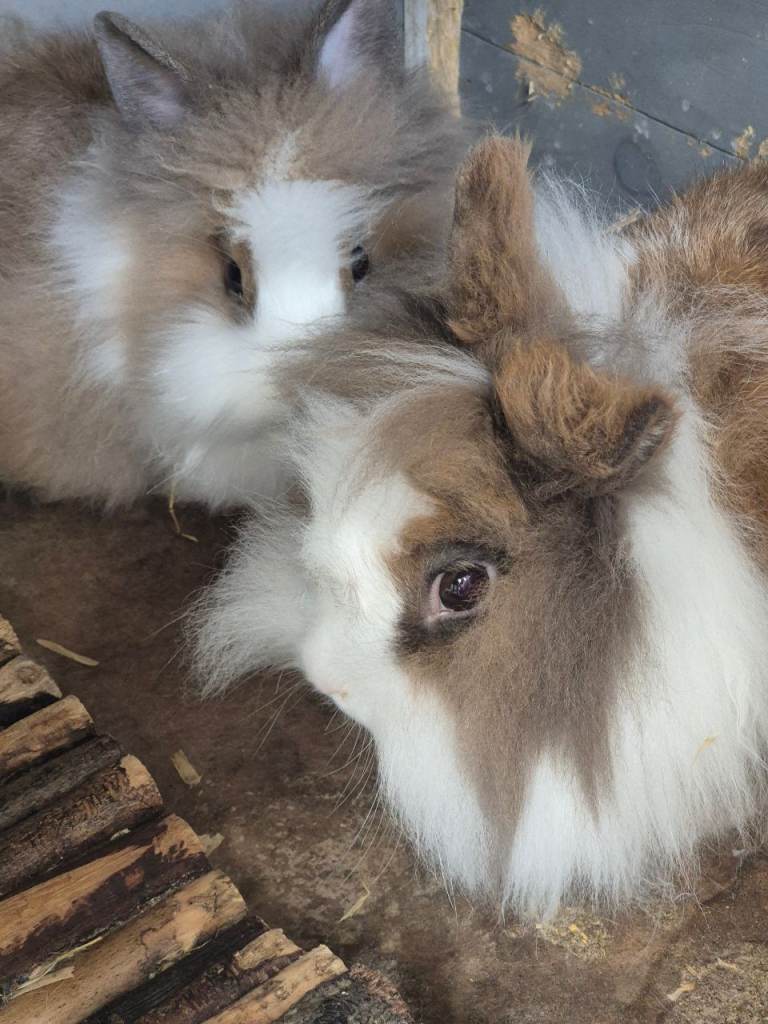
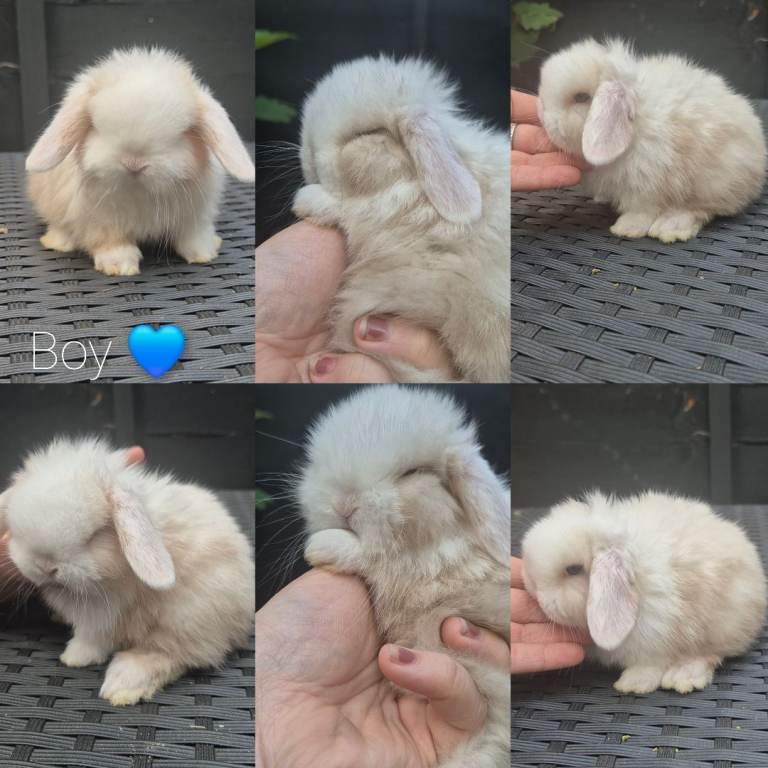
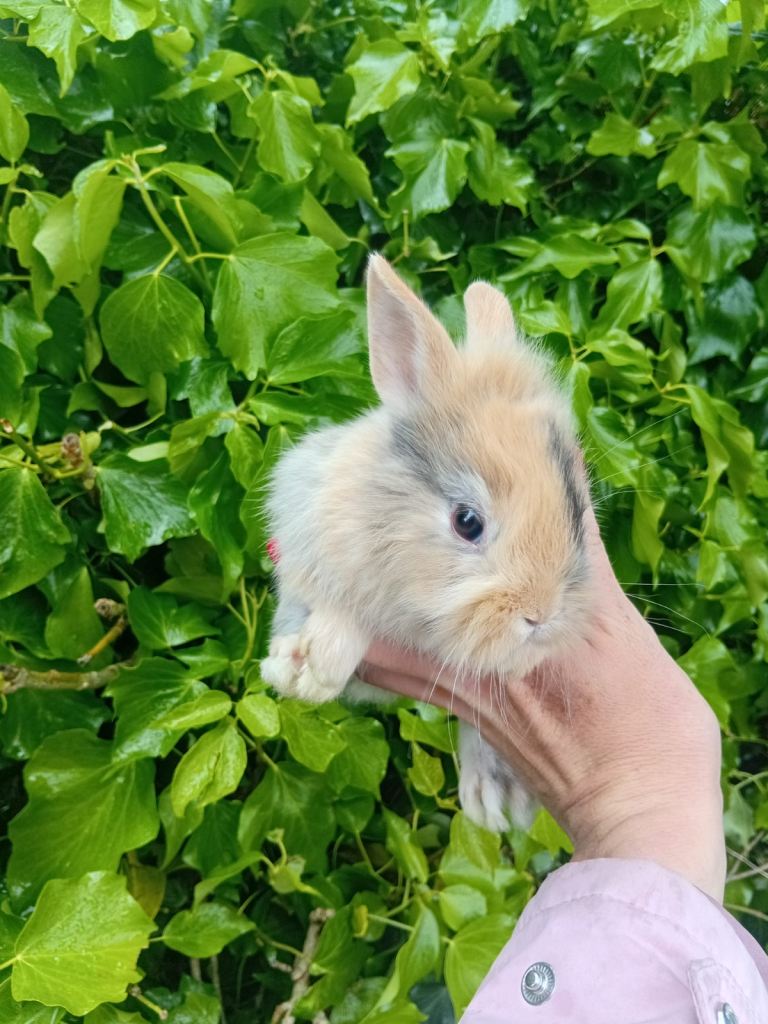
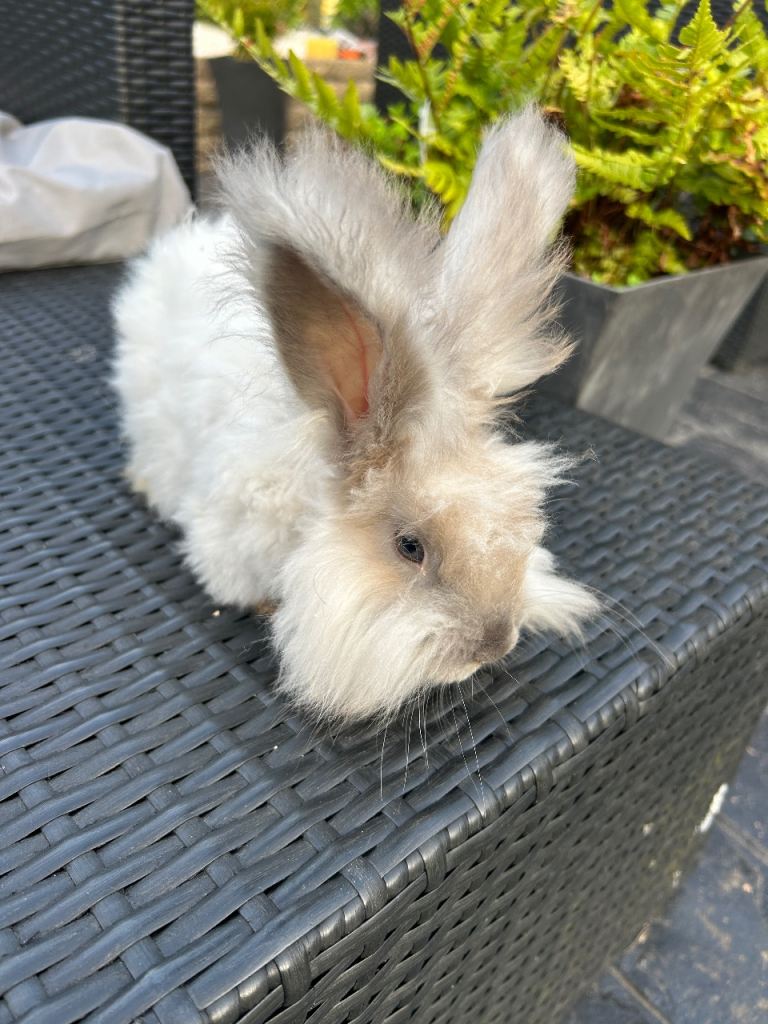
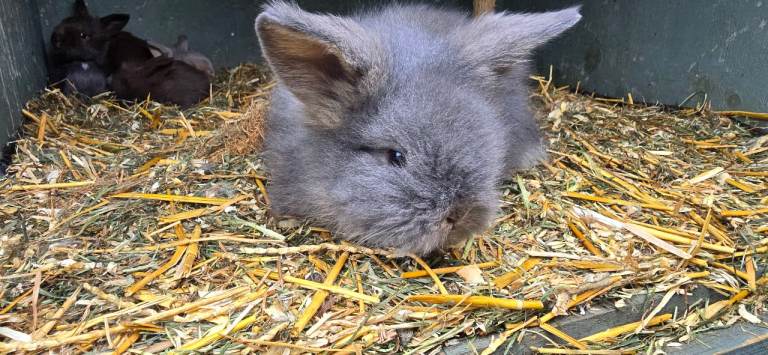
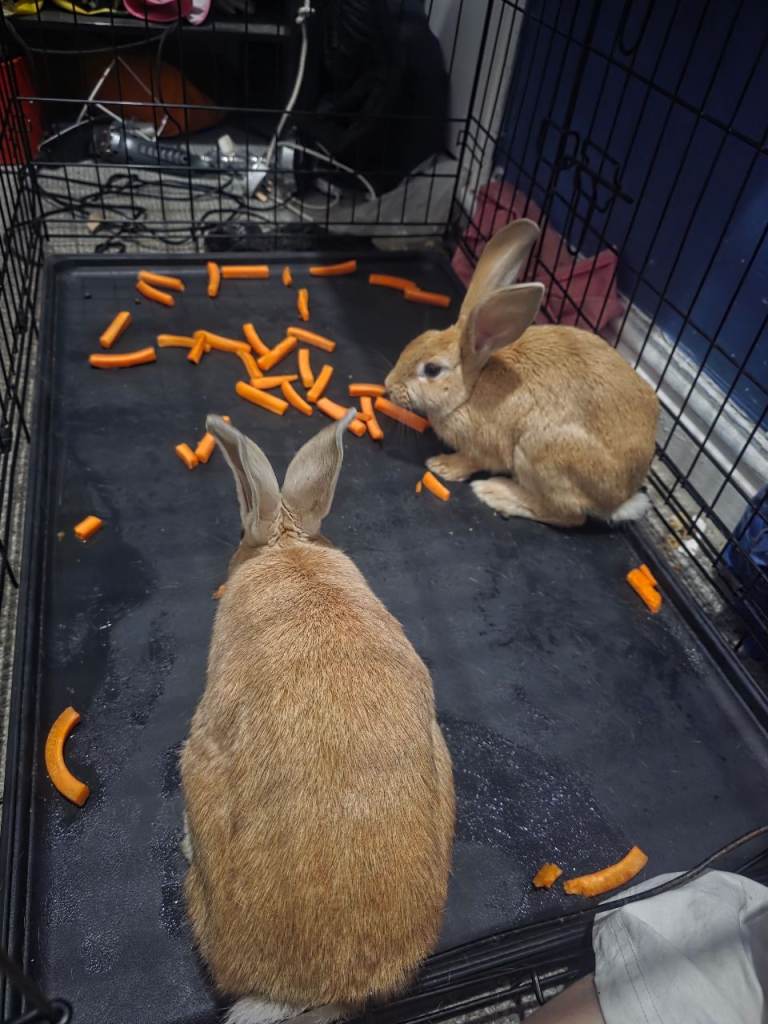
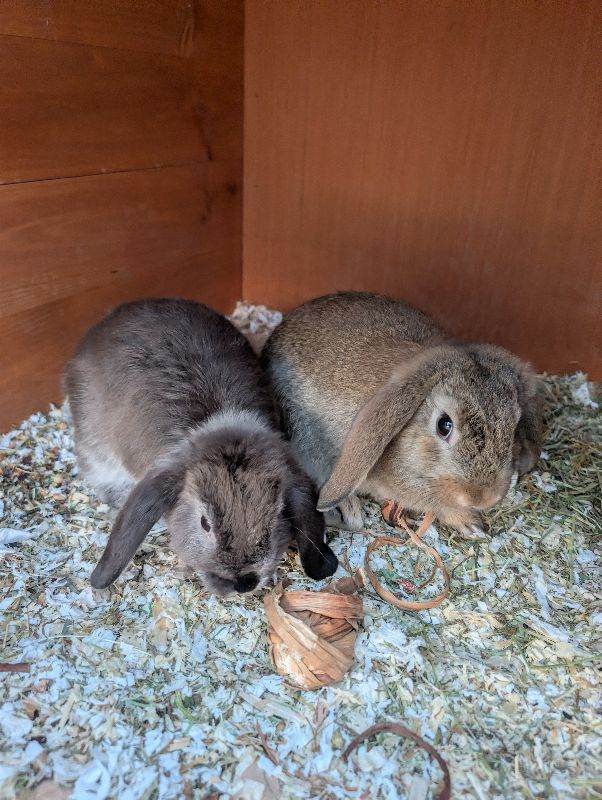
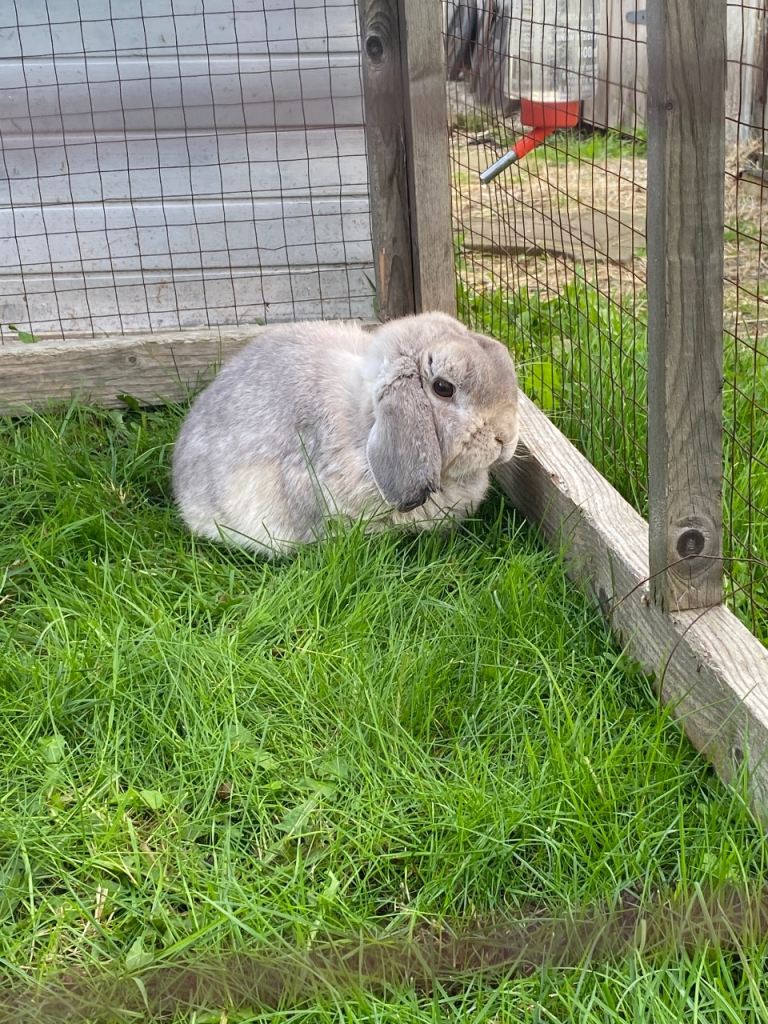
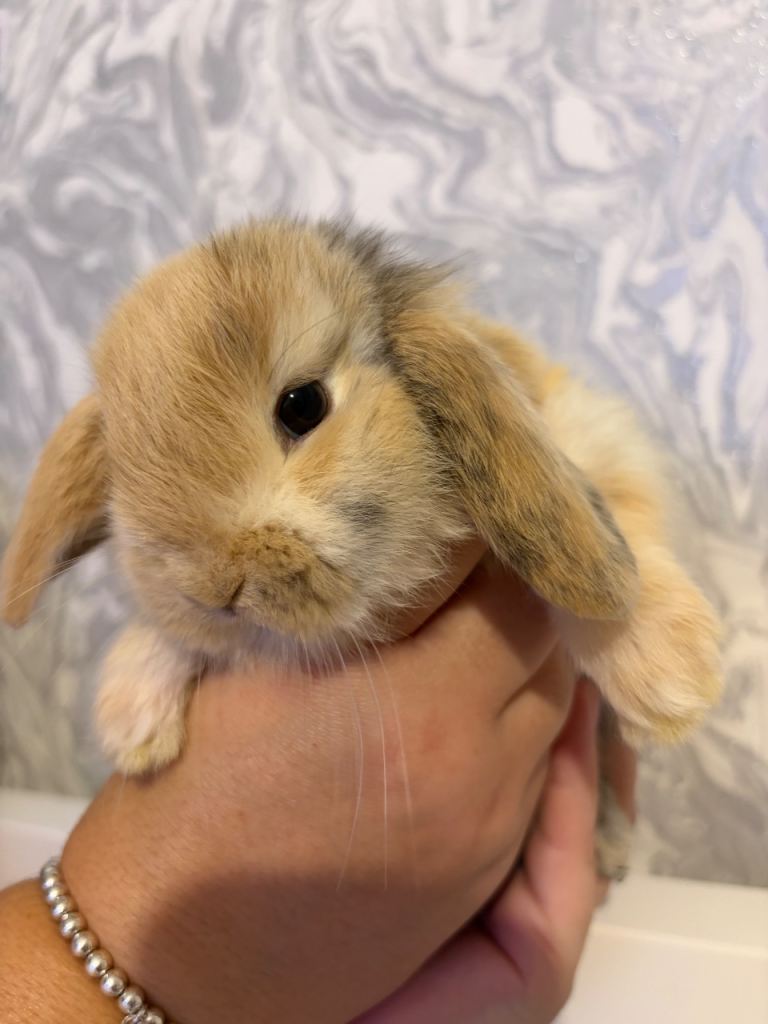
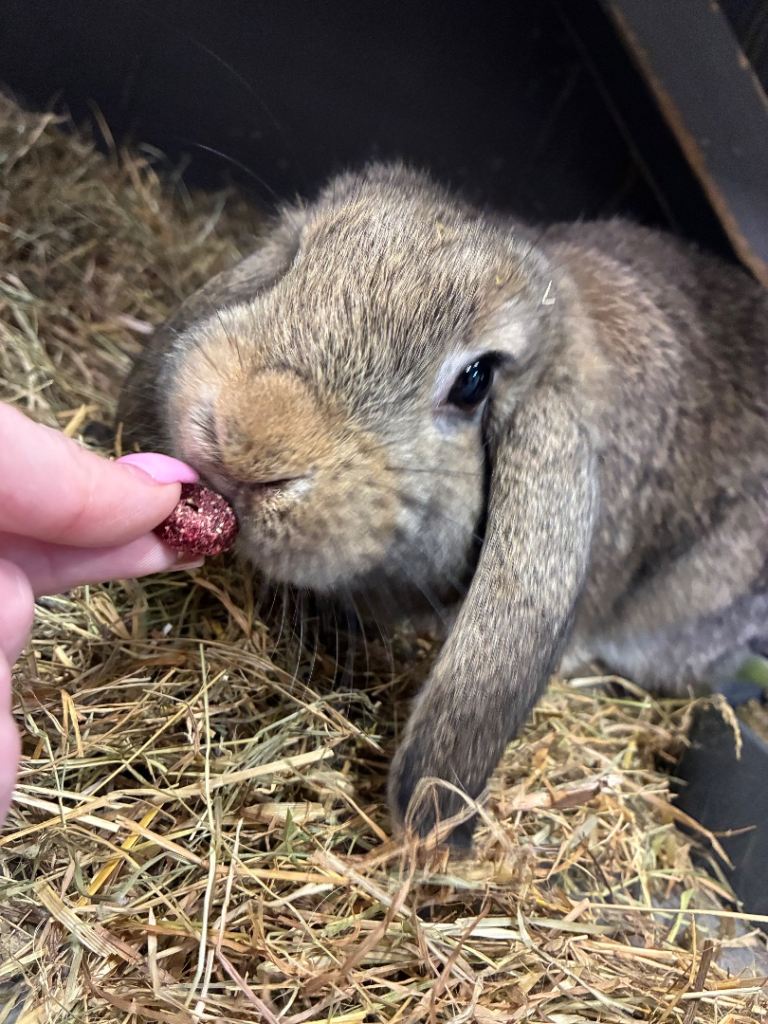
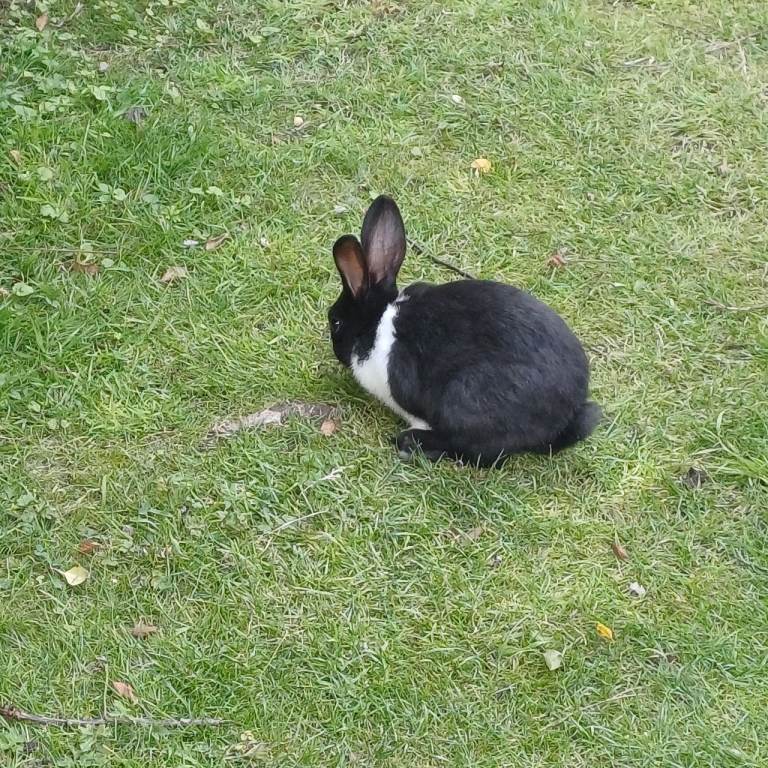
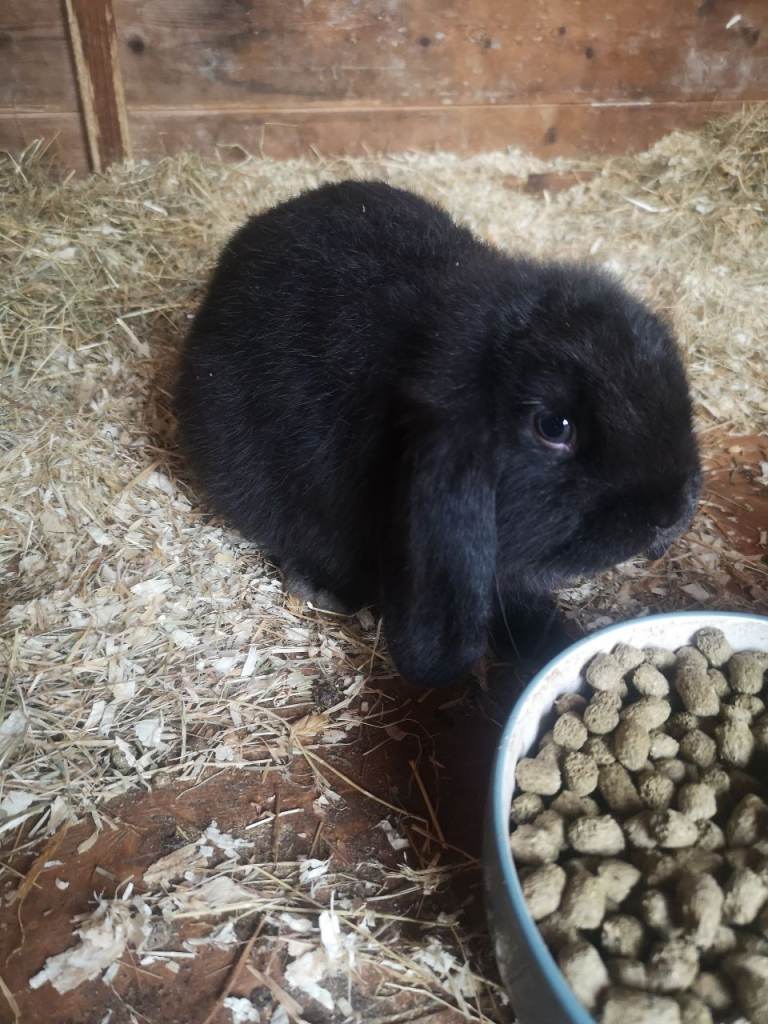
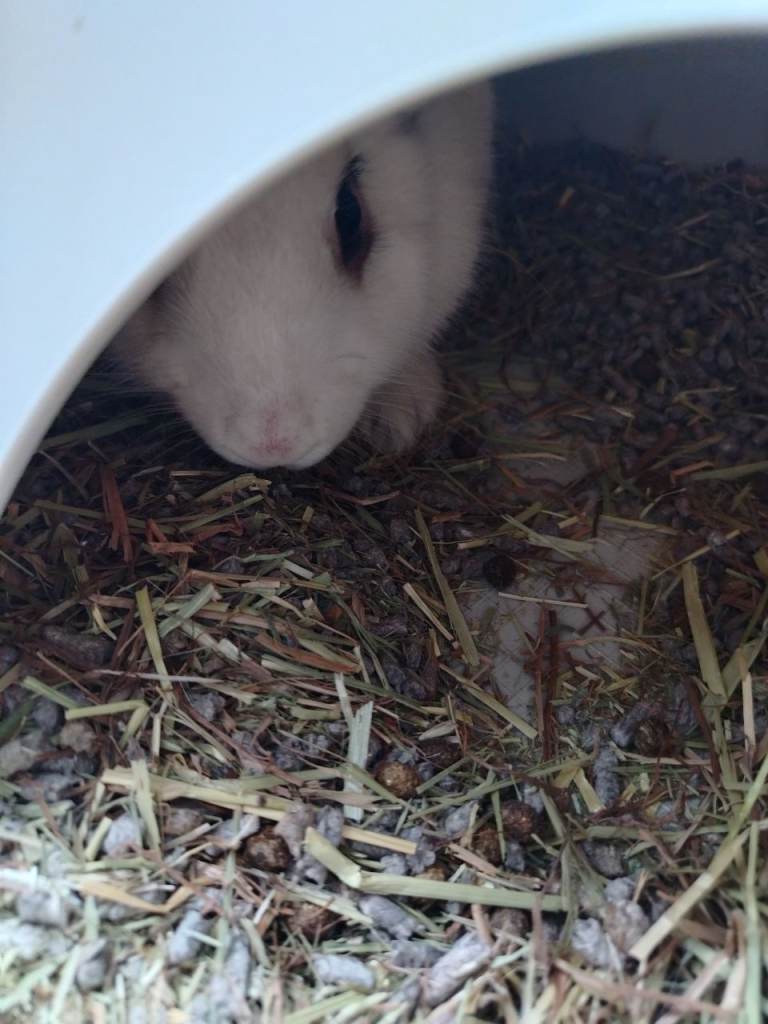
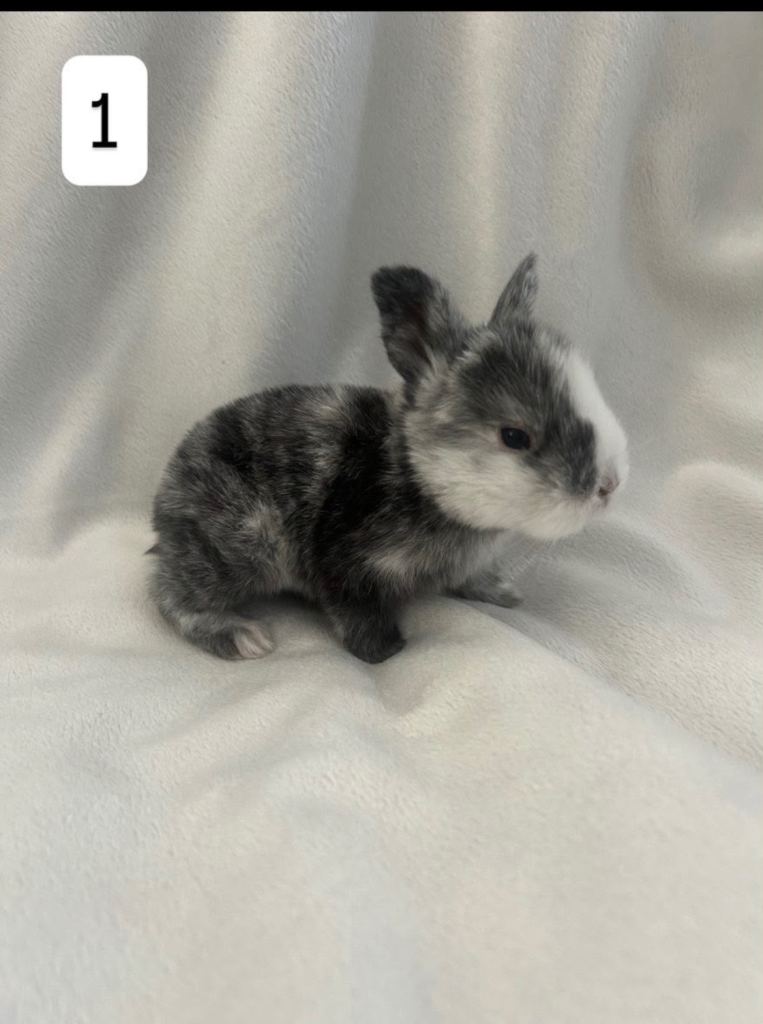
Baby rabbits FOR SALE
Age: 5 weeks
Ready to leave: in 4 weeks
Beeston, West Yorkshire
£65
Rabbits are social animals and thrive when kept in pairs or small groups. Consider the long-term commitment (rabbits can live for 8-12 years), the space required for a hutch and run, and the daily care needs, including feeding, cleaning, and providing enrichment. Also, research different breeds to understand their specific temperaments and needs. Ensure you can afford vet bills, which can be significant.
In the UK, you are legally responsible for ensuring your rabbit's welfare under the Animal Welfare Act 2006. This includes providing a suitable environment, a proper diet, the ability to exhibit normal behaviour, housing with or apart from other animals (if applicable), and protection from pain, suffering, injury and disease. There are no specific licensing requirements for owning rabbits in the UK.
When viewing a rabbit, check for signs of good health. Look for bright, clear eyes, a clean nose and ears, and a healthy coat. Ensure the rabbit is alert and active. Check for any signs of diarrhoea or urine scalding around the tail. Ask the seller about the rabbit's vaccination and worming history. A reputable seller will be able to provide this information.
Rabbits need a spacious hutch that provides shelter from the elements and a separate run for exercise. The hutch should be large enough for the rabbit to stand up, stretch out, and hop around comfortably. The run should allow the rabbit to exhibit natural behaviours such as digging and grazing. Provide a clean, dry bedding material such as hay or straw. The hutch and run should be cleaned regularly to prevent disease.
Common health problems in rabbits include dental problems, flystrike, and gut stasis. Prevent dental problems by providing plenty of hay for chewing. Prevent flystrike by keeping the rabbit's environment clean and dry, and checking the rabbit daily for signs of flies or maggots, especially during warmer months. Prevent gut stasis by providing a high-fibre diet and ensuring the rabbit is eating and drinking regularly. Regular vet check-ups are crucial for early detection of any health issues.