1
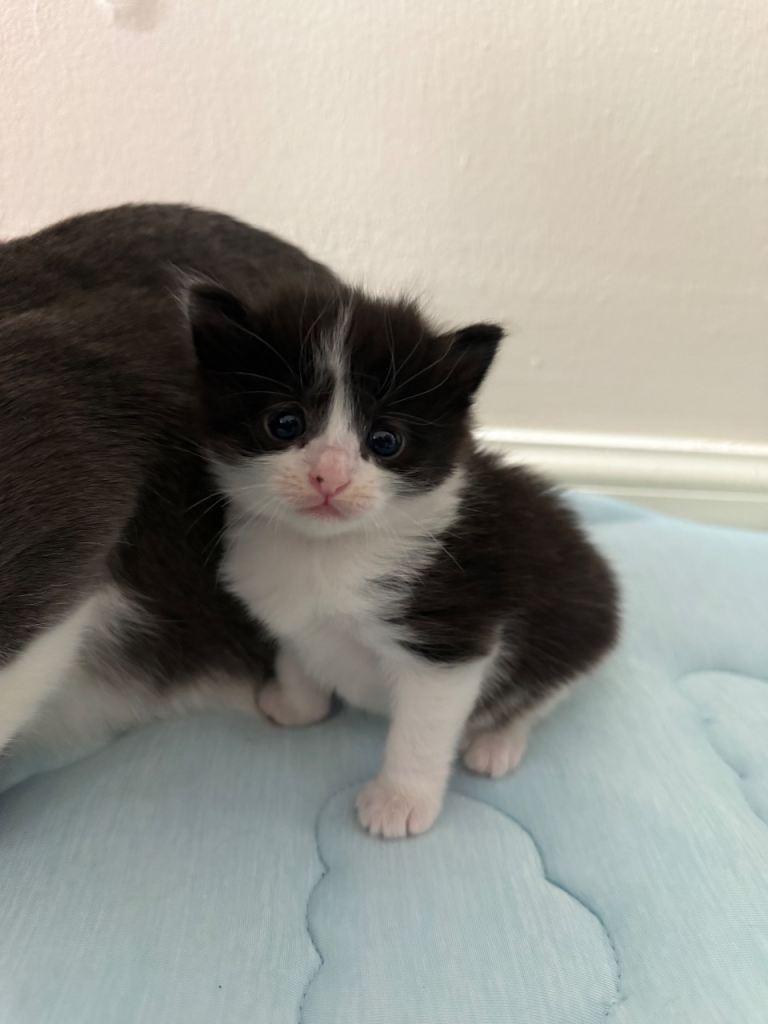
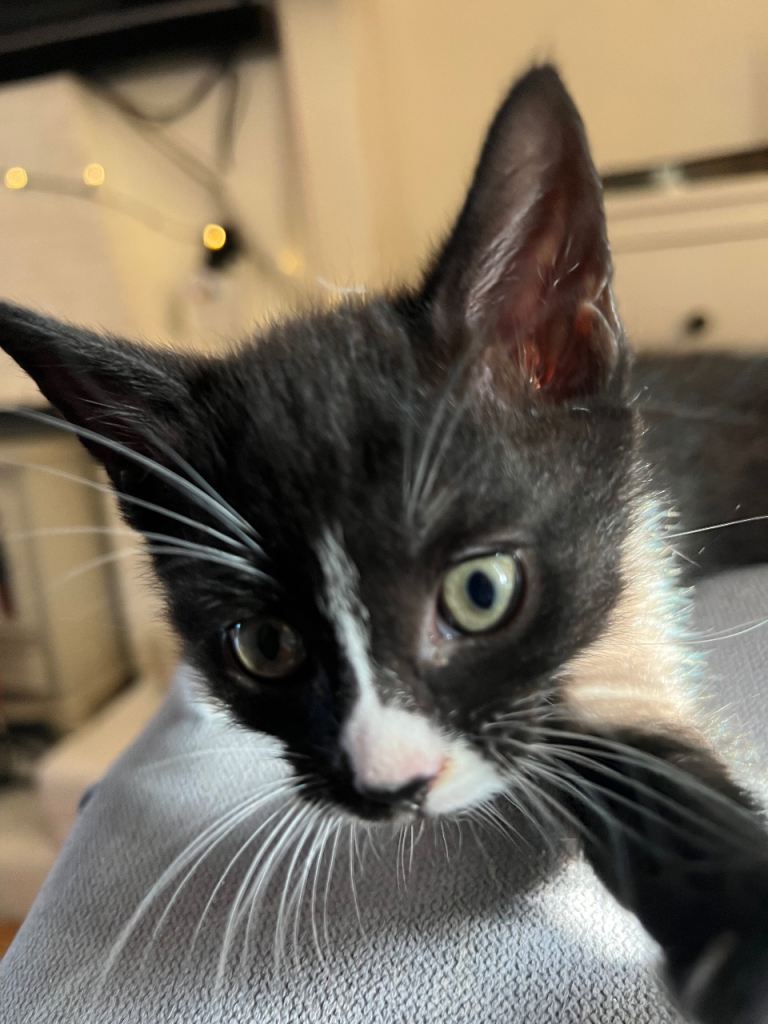
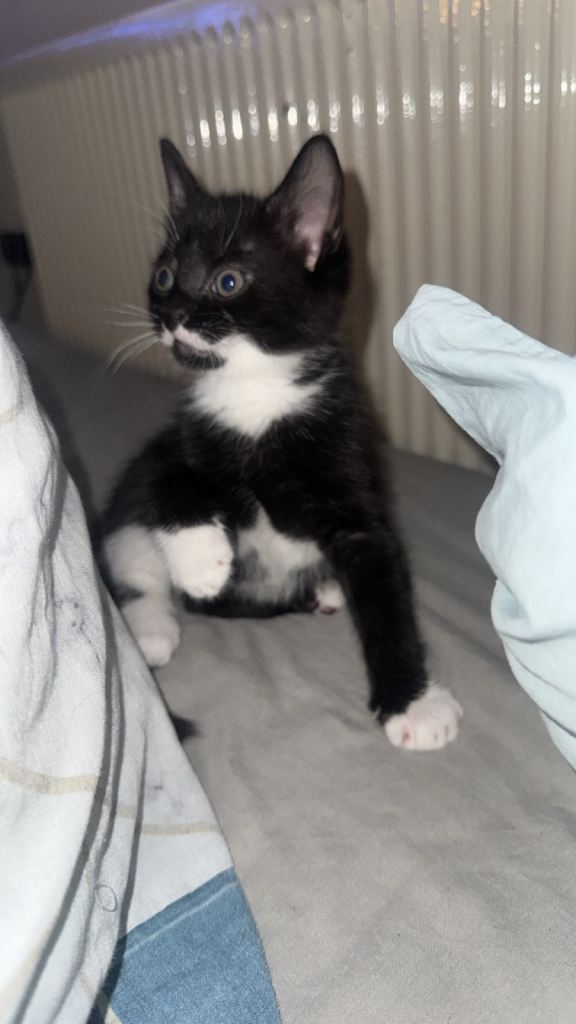
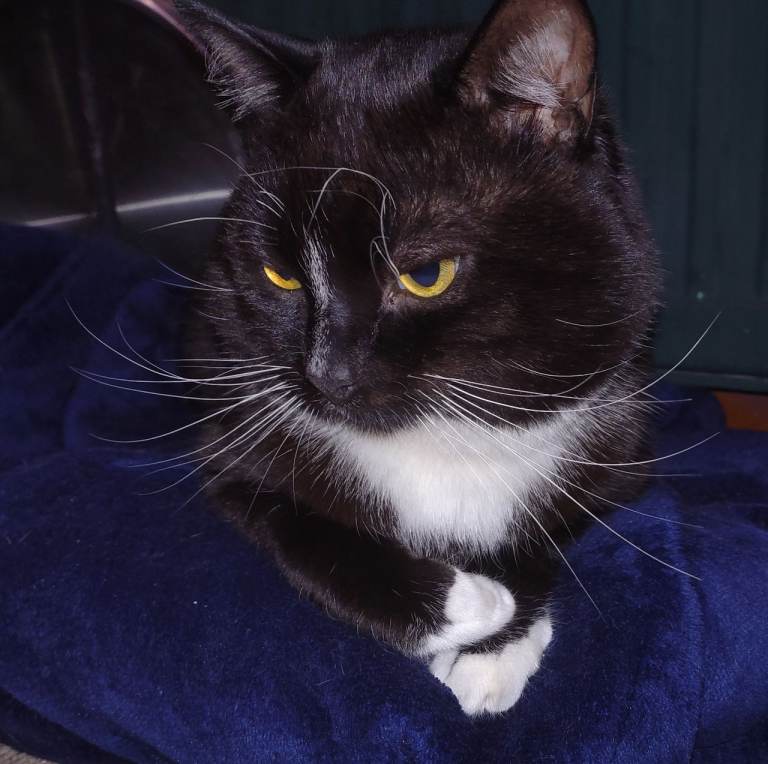
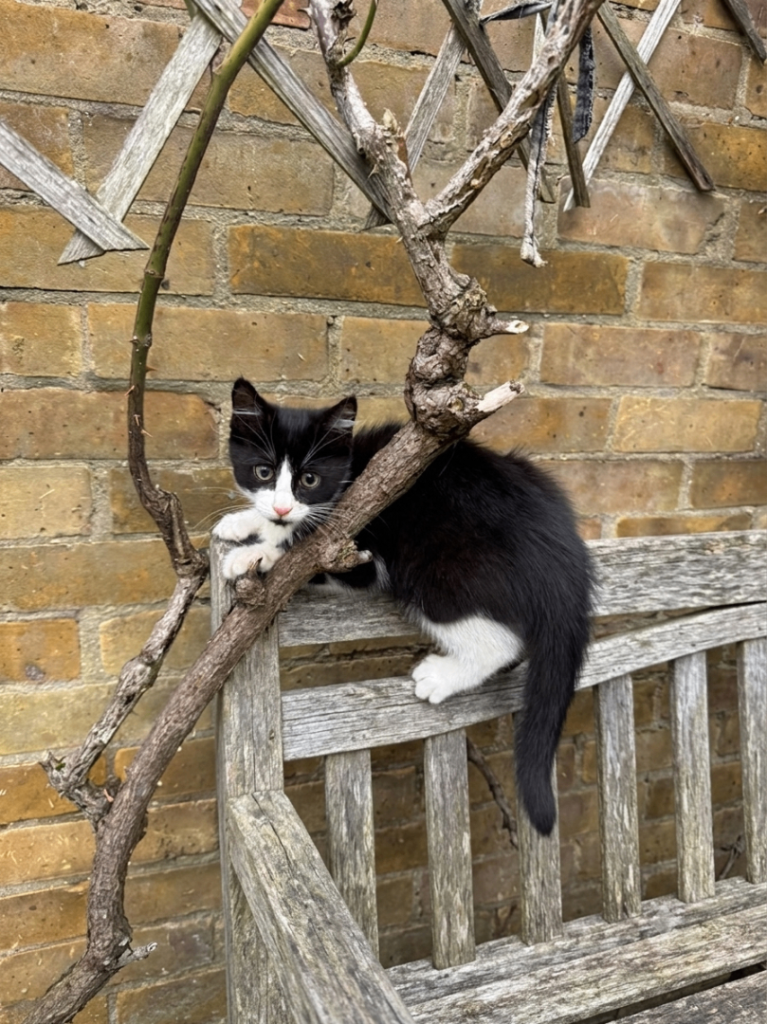
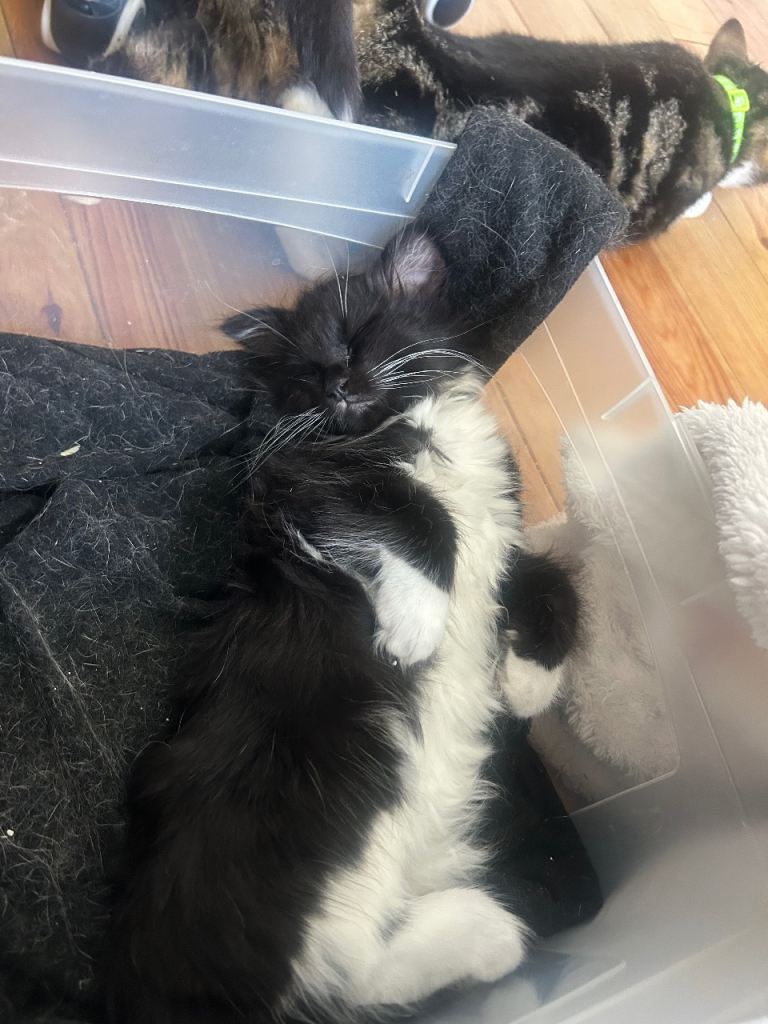
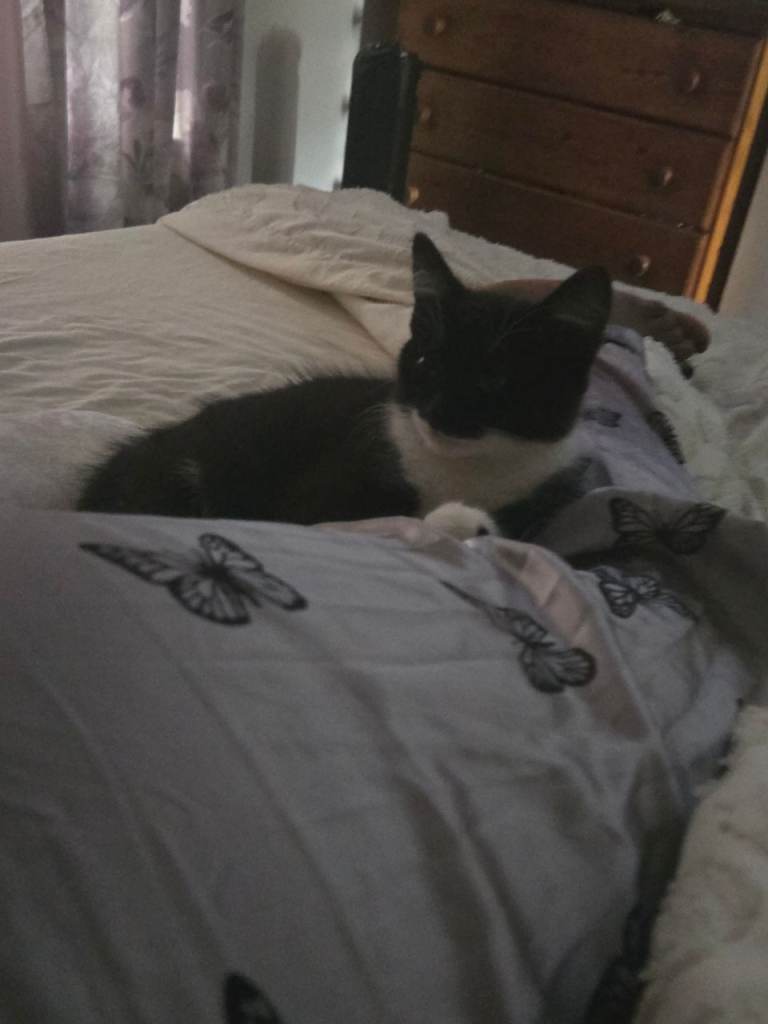
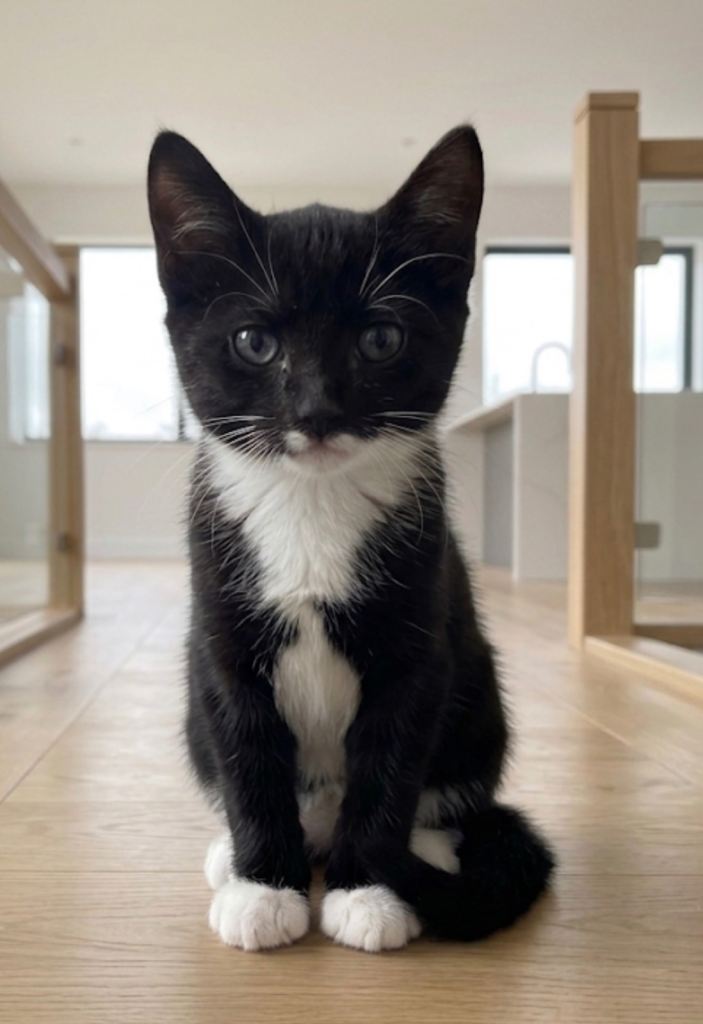
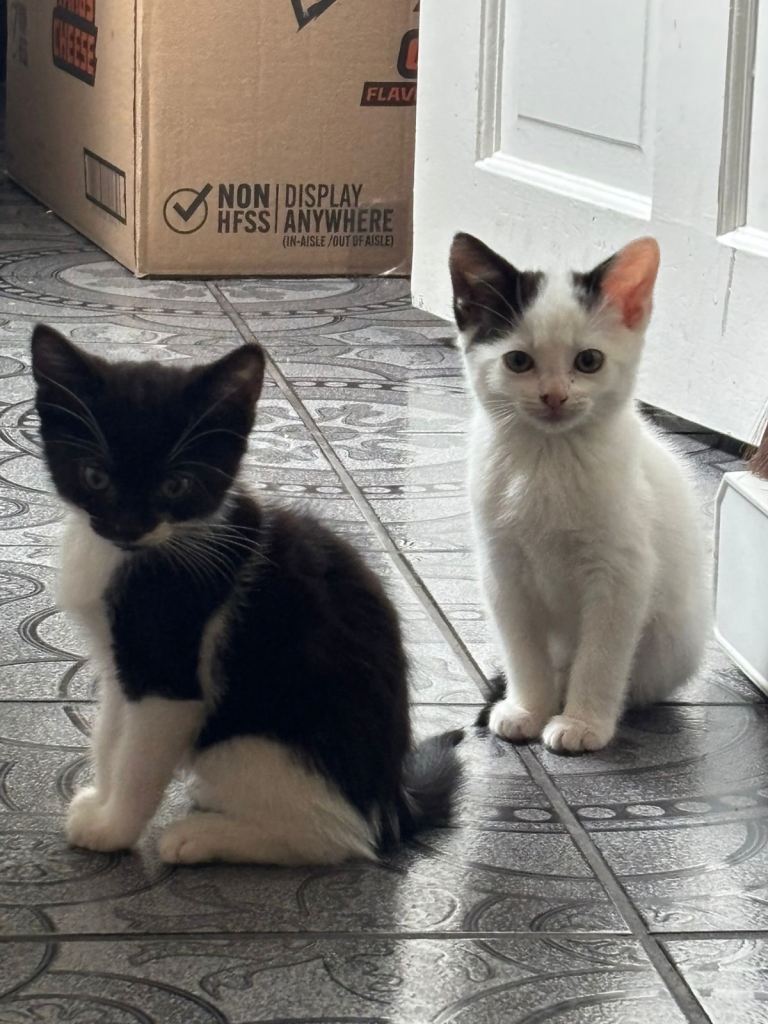
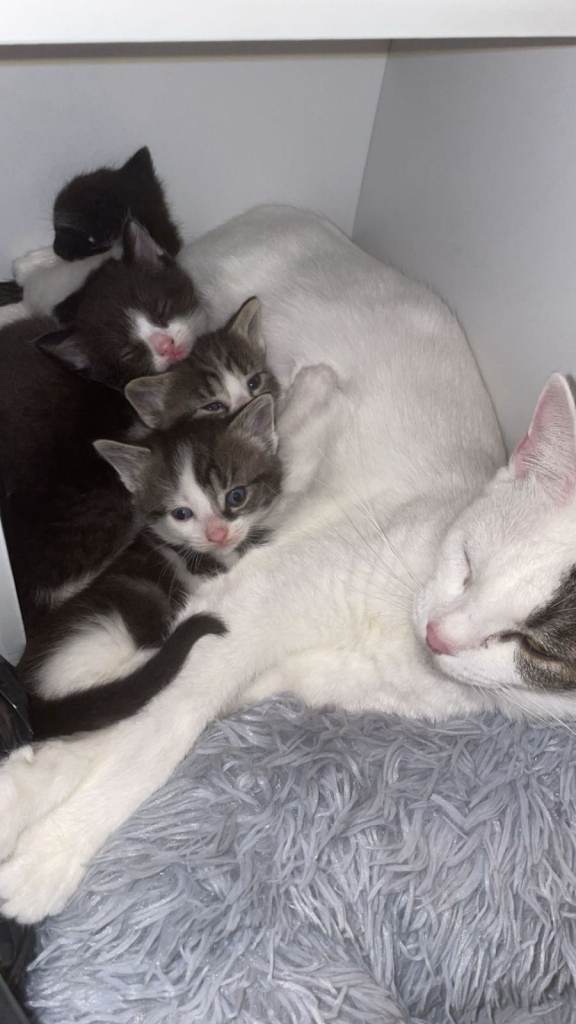
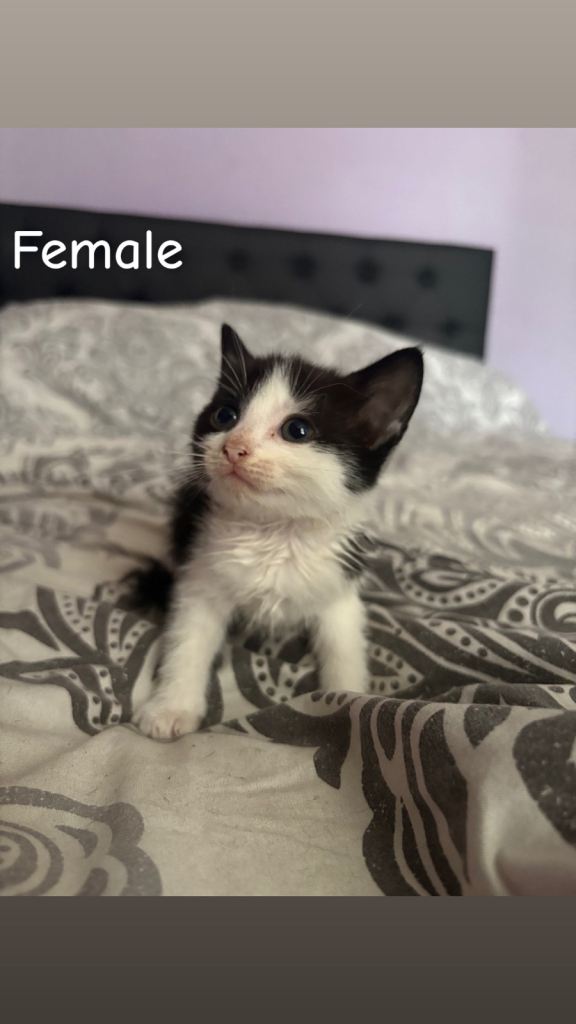
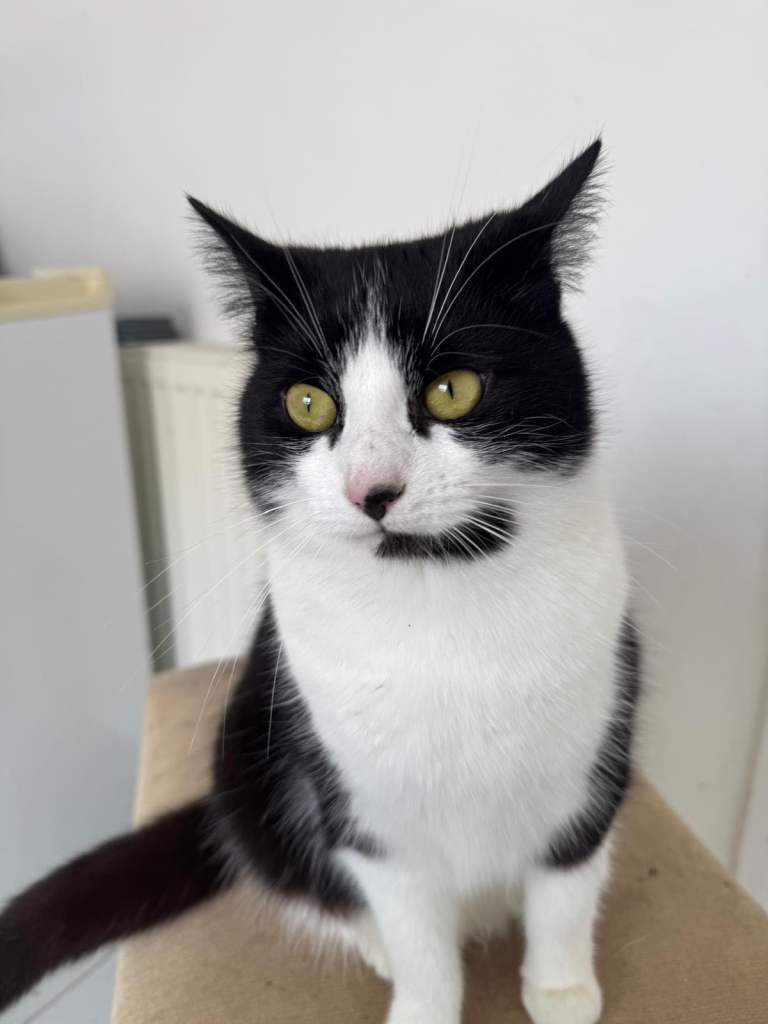
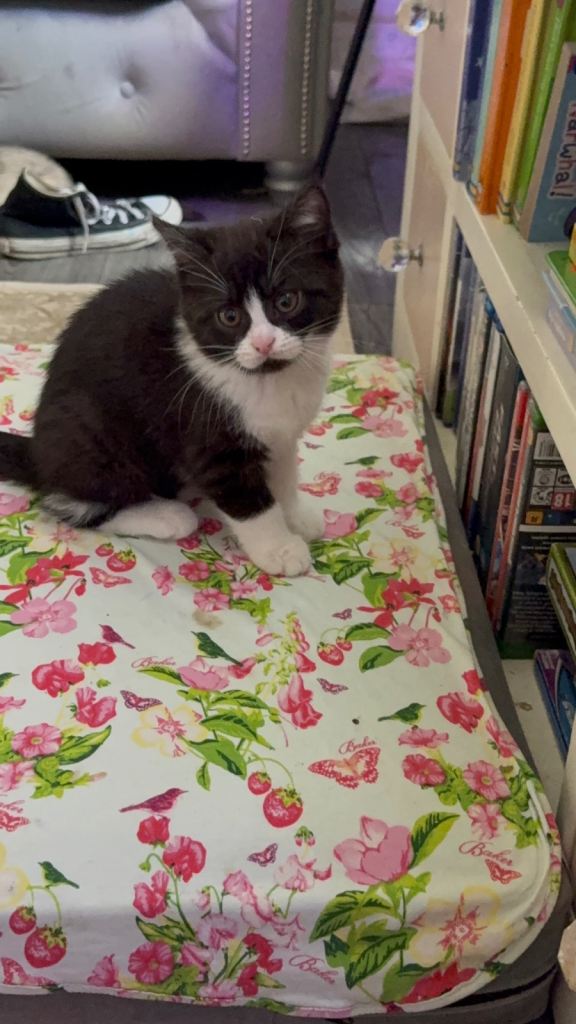
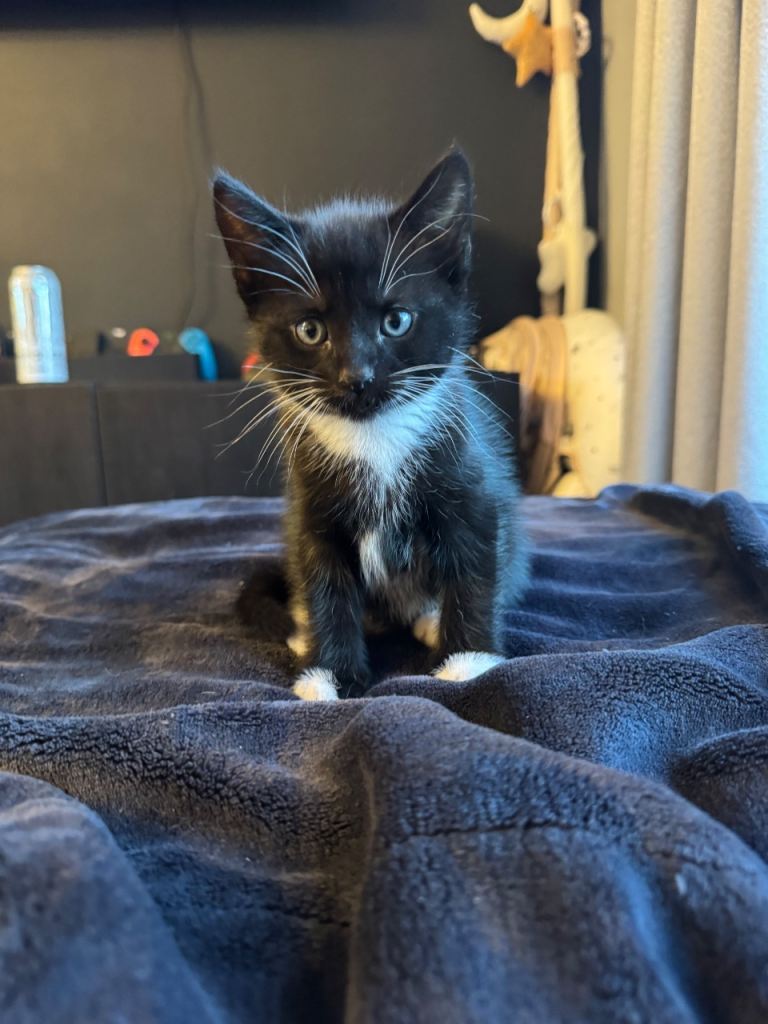
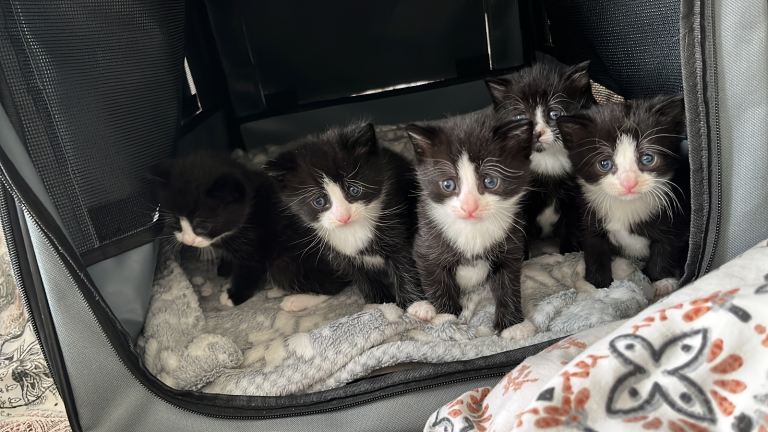
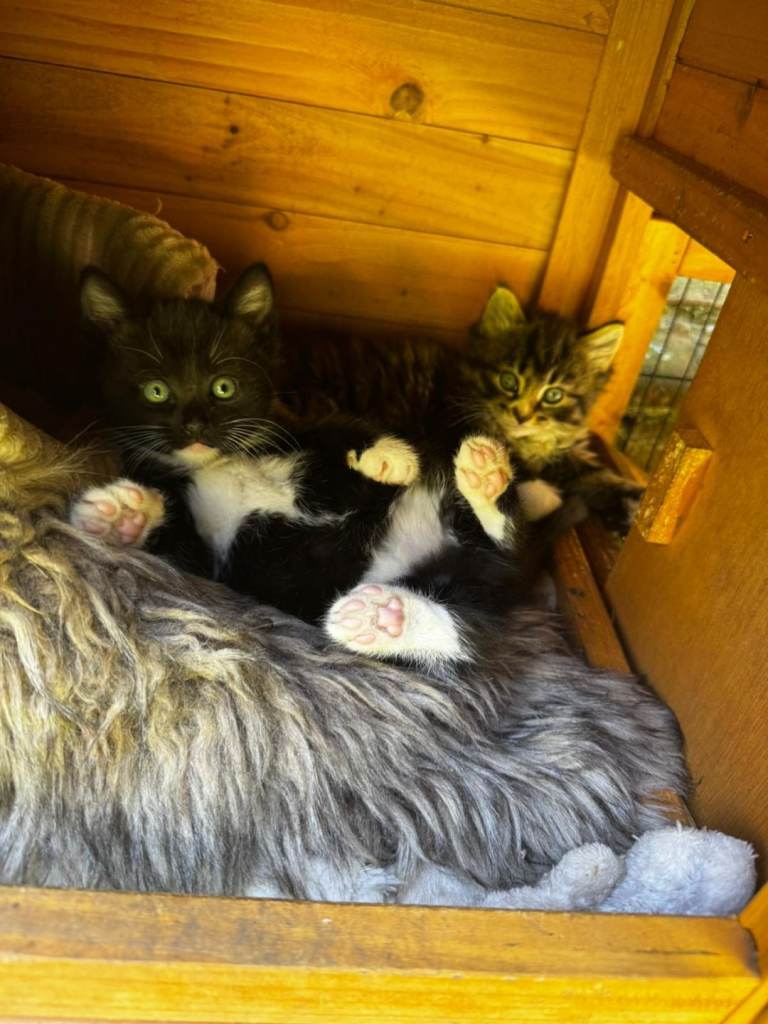
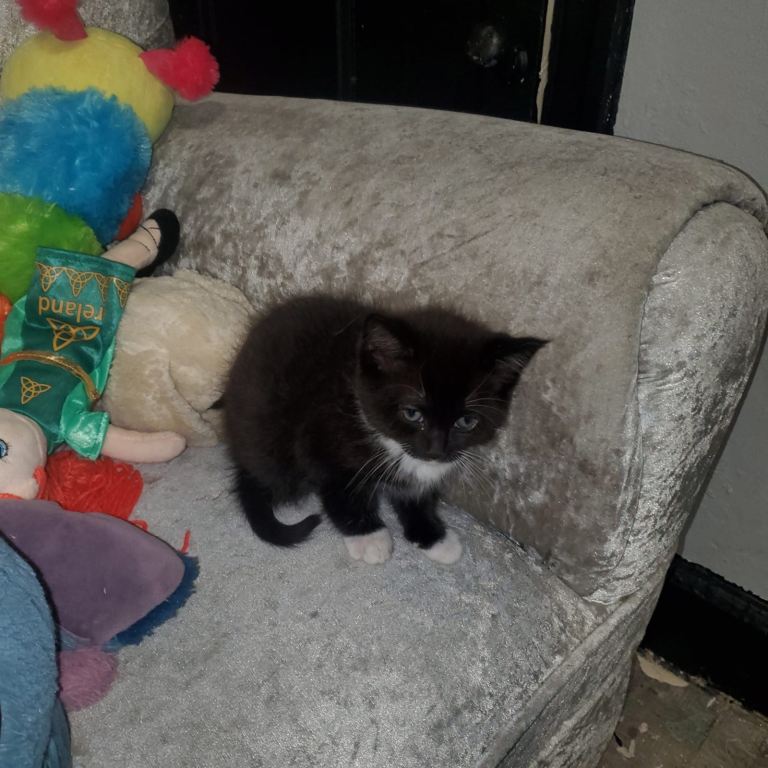
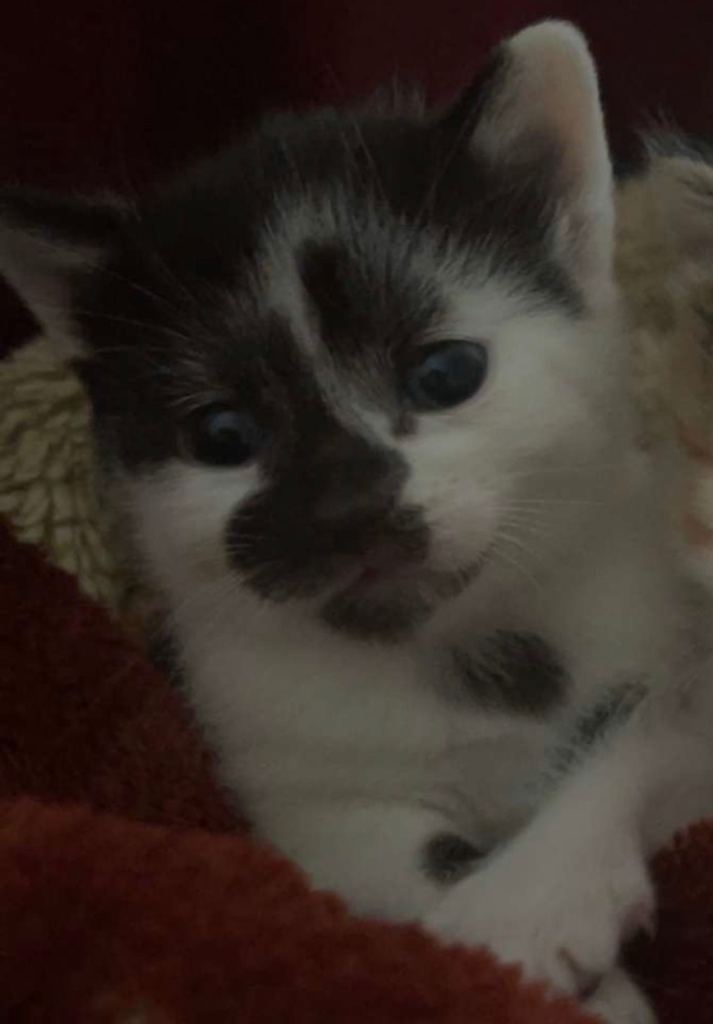
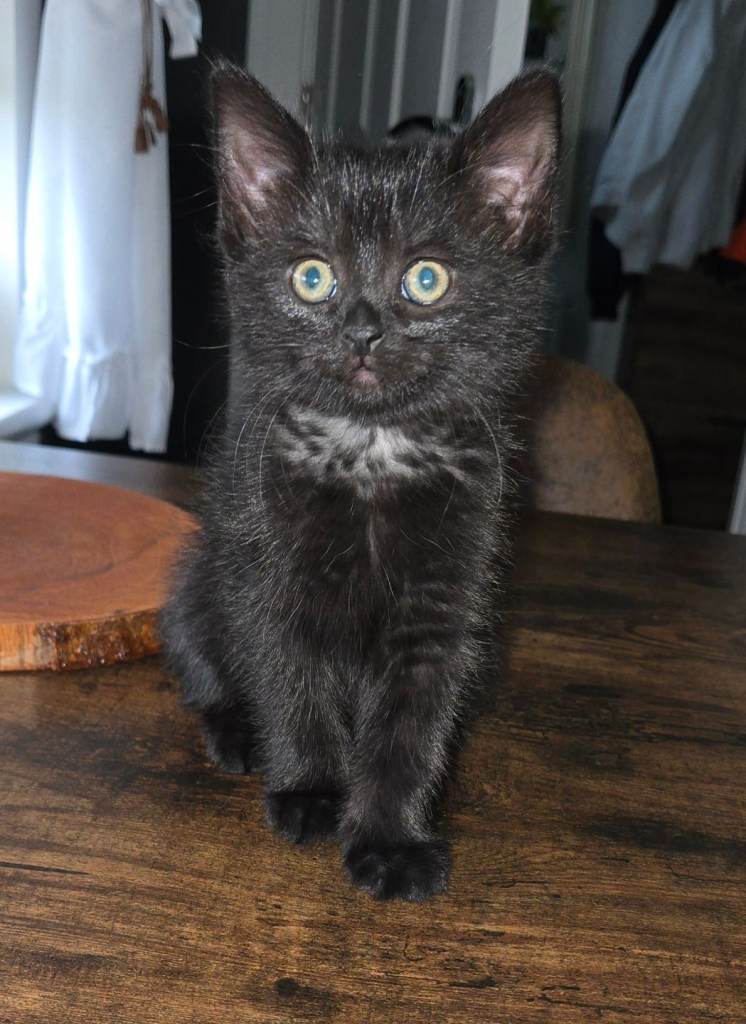
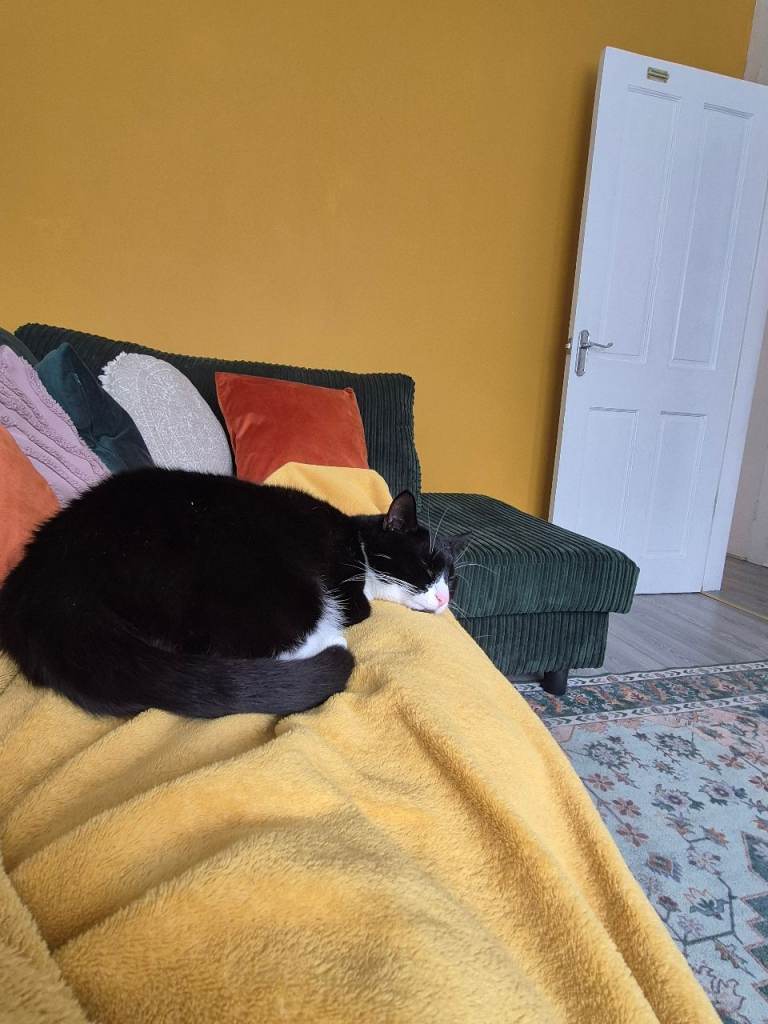
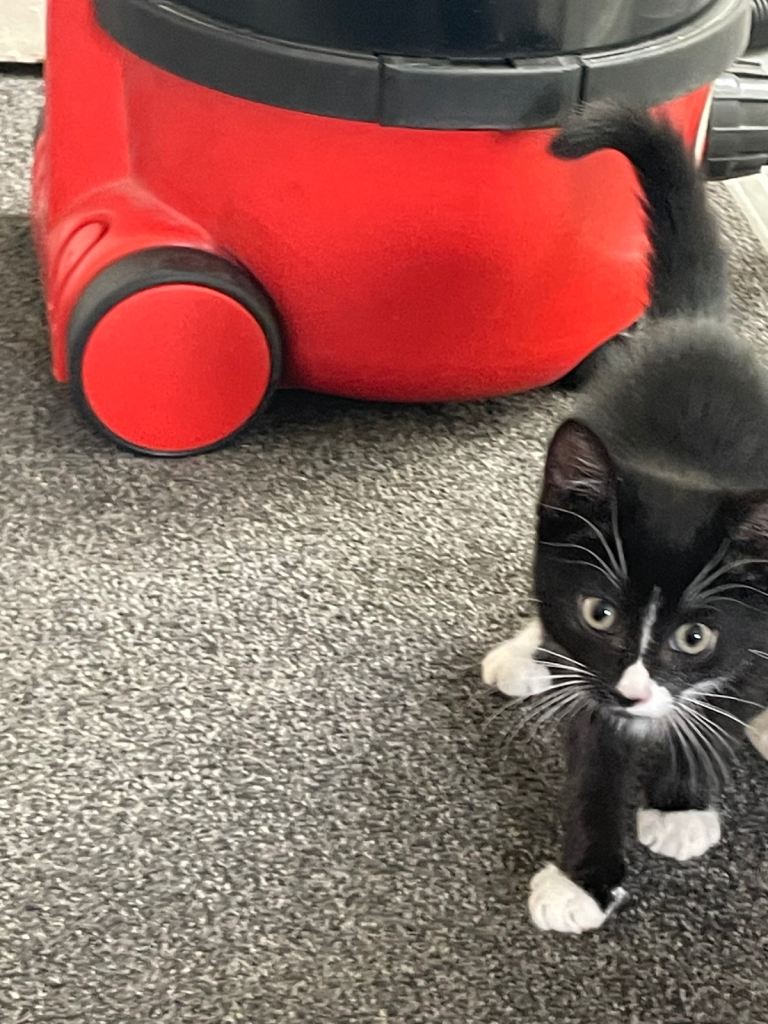
Tuxedo kitten
Age: 3 months
Ready to leave: Now
Cradley Heath, West Midlands
£20
When choosing a Tuxedo cat, observe its behaviour. A healthy kitten should be playful and curious, not withdrawn or lethargic. Check its eyes and nose for any discharge, and its coat for signs of fleas or other parasites. Consider the cat's age and whether it suits your lifestyle. Older cats may be calmer, while kittens require more attention and training.
While Tuxedo cats aren't a specific breed, they can be prone to common feline health problems. These include upper respiratory infections, feline leukemia virus (FeLV), feline immunodeficiency virus (FIV), and kidney disease. Regular vet check-ups and vaccinations are essential to maintain your cat's health and detect any issues early.
Before buying a Tuxedo cat, ask the seller about its vaccination and worming history, whether it has been microchipped, and if it has been checked by a vet. Enquire about the cat's temperament, its diet, and whether it gets along with children or other animals. It's also wise to ask about the cat's background and where it came from.
In the UK, it's a legal requirement to microchip your cat once it reaches 20 weeks old. This helps to identify and return your cat if it gets lost. While not legally required, it's also highly recommended to vaccinate your cat against common diseases like feline infectious enteritis, feline herpesvirus, and feline calicivirus. Consider insuring your cat to help cover unexpected veterinary costs.
When bringing a new Tuxedo cat home, ensure your house is safe. Remove any poisonous plants or chemicals that the cat could access. Provide a safe and comfortable space for the cat to retreat to, such as a bed or a carrier. Introduce the cat to other pets gradually and supervise their interactions. Keep windows and doors closed or screened to prevent the cat from escaping.