13
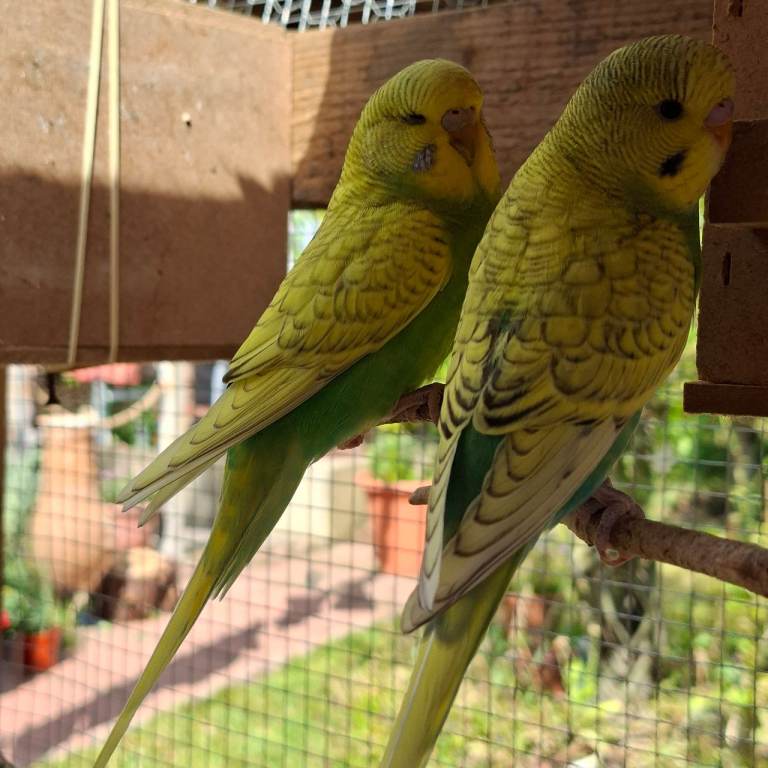
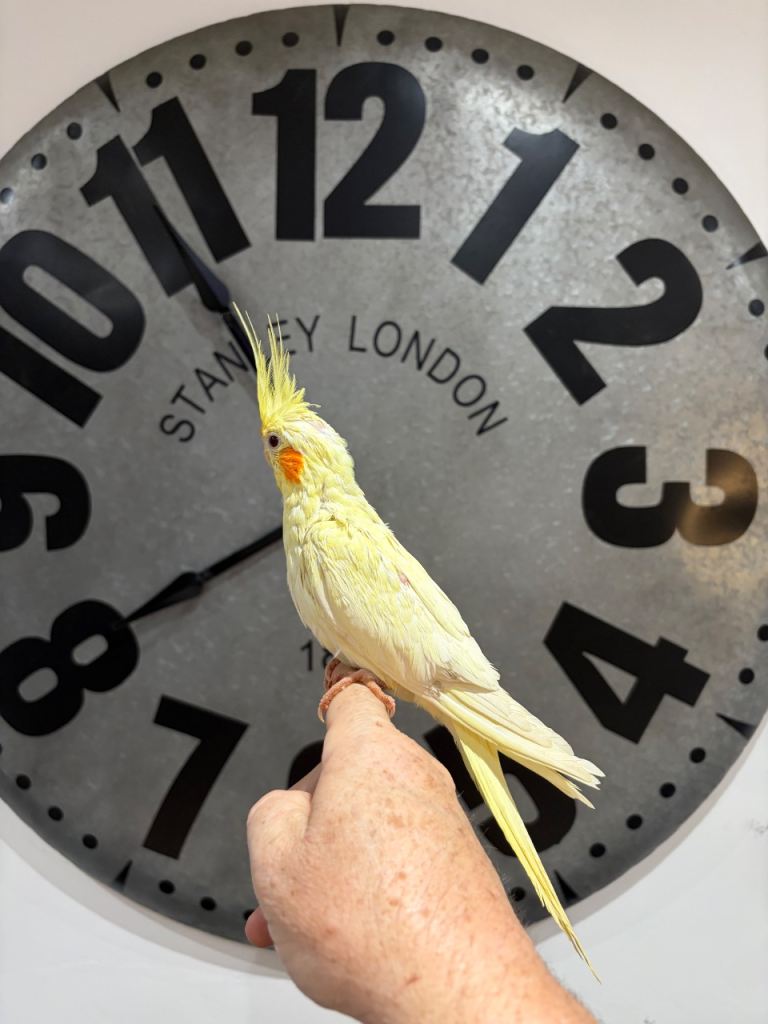
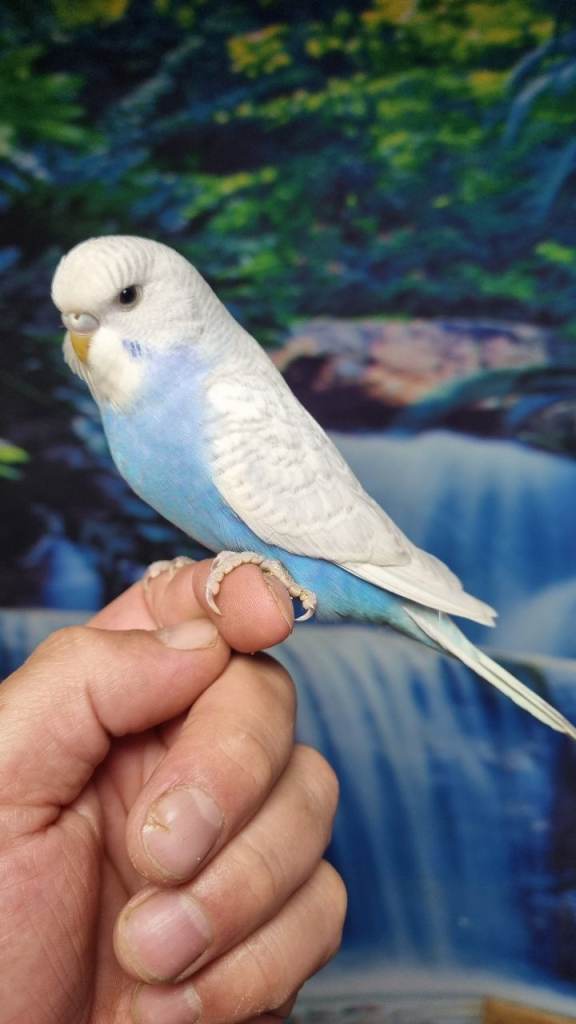
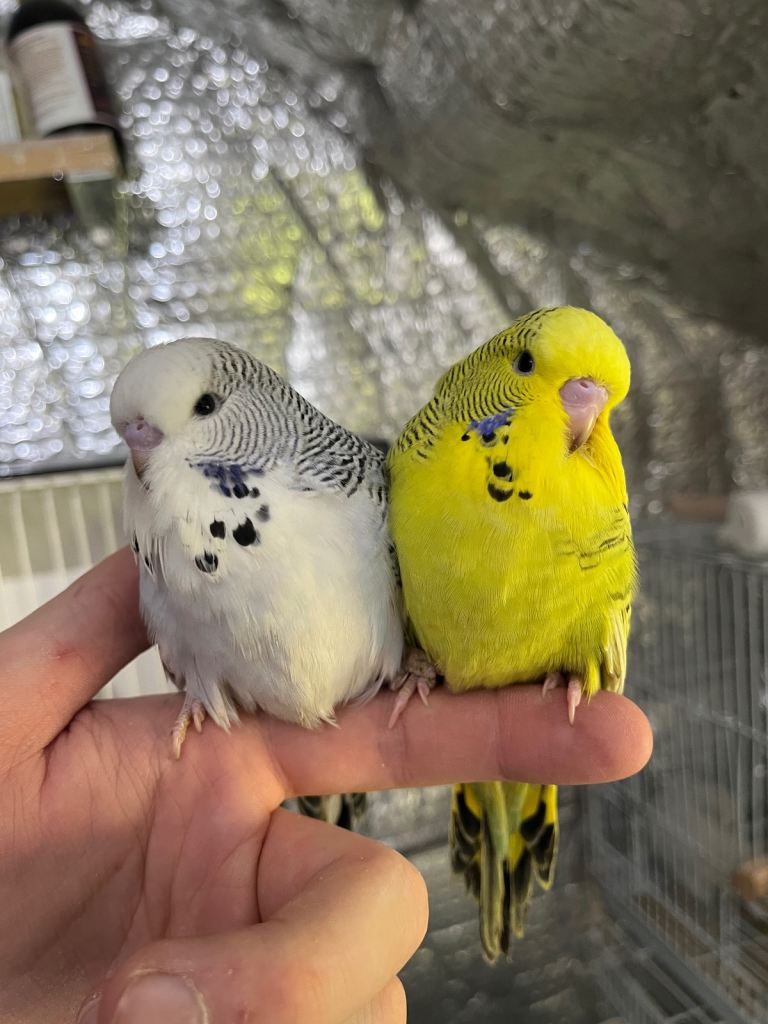
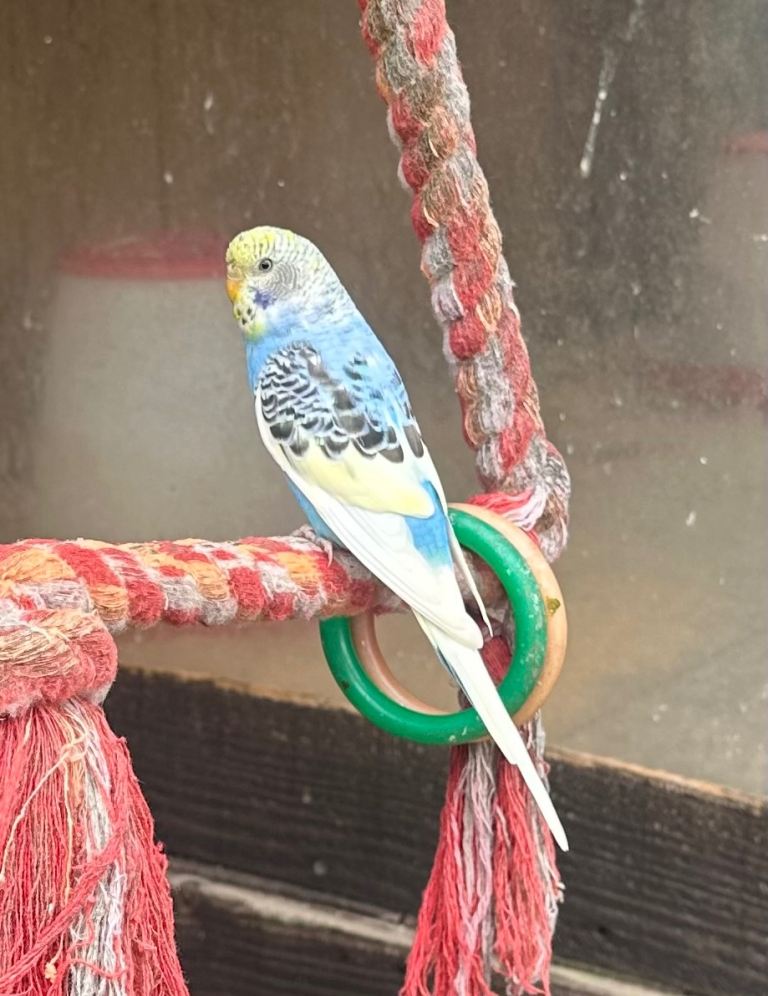
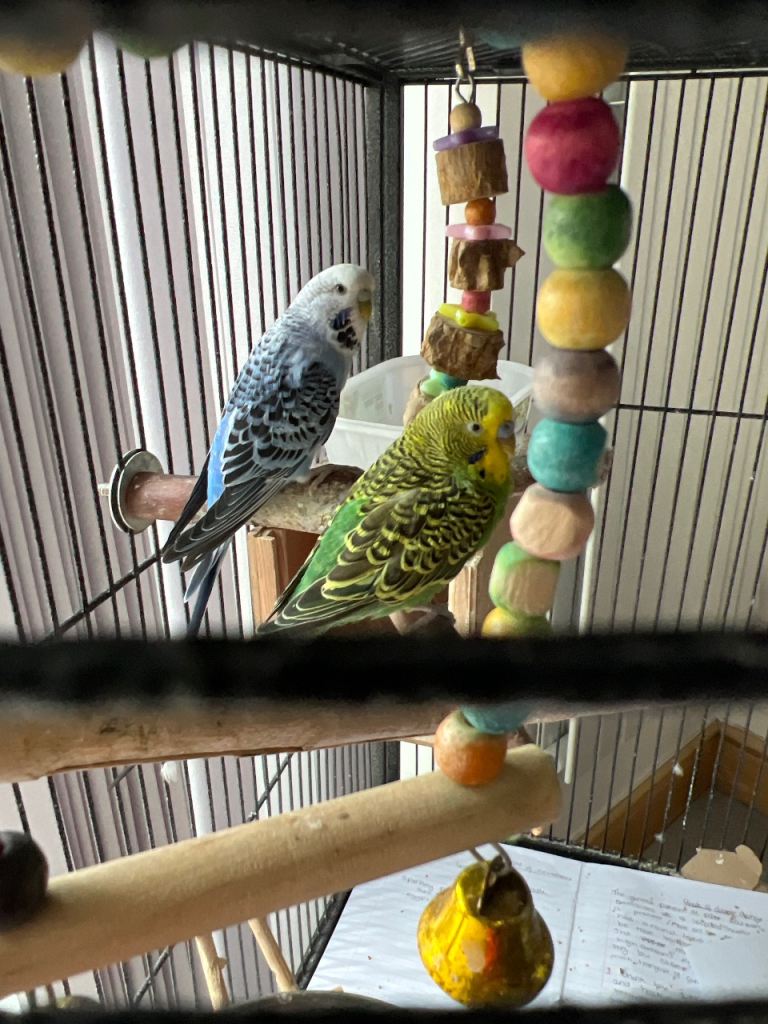
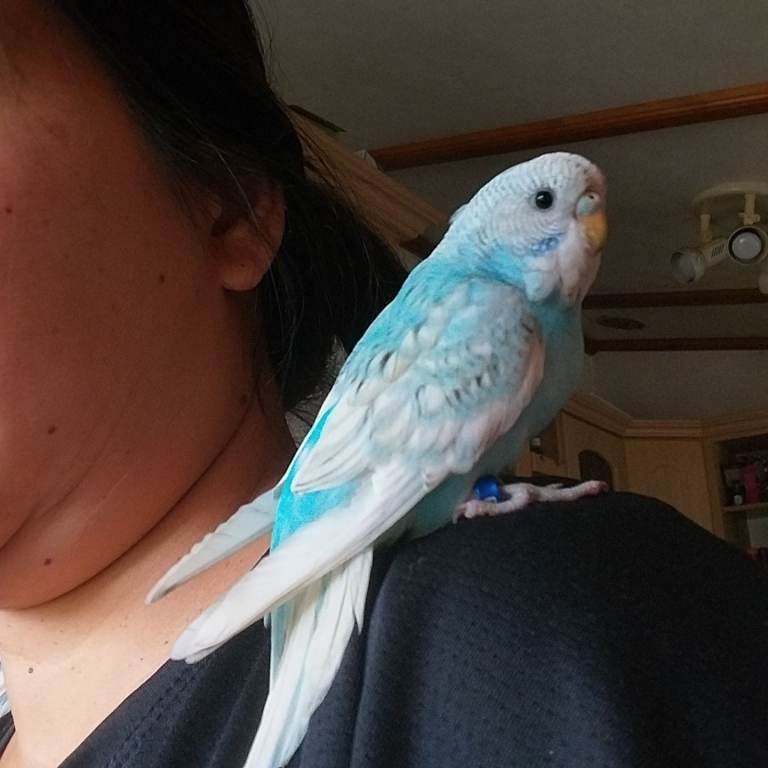
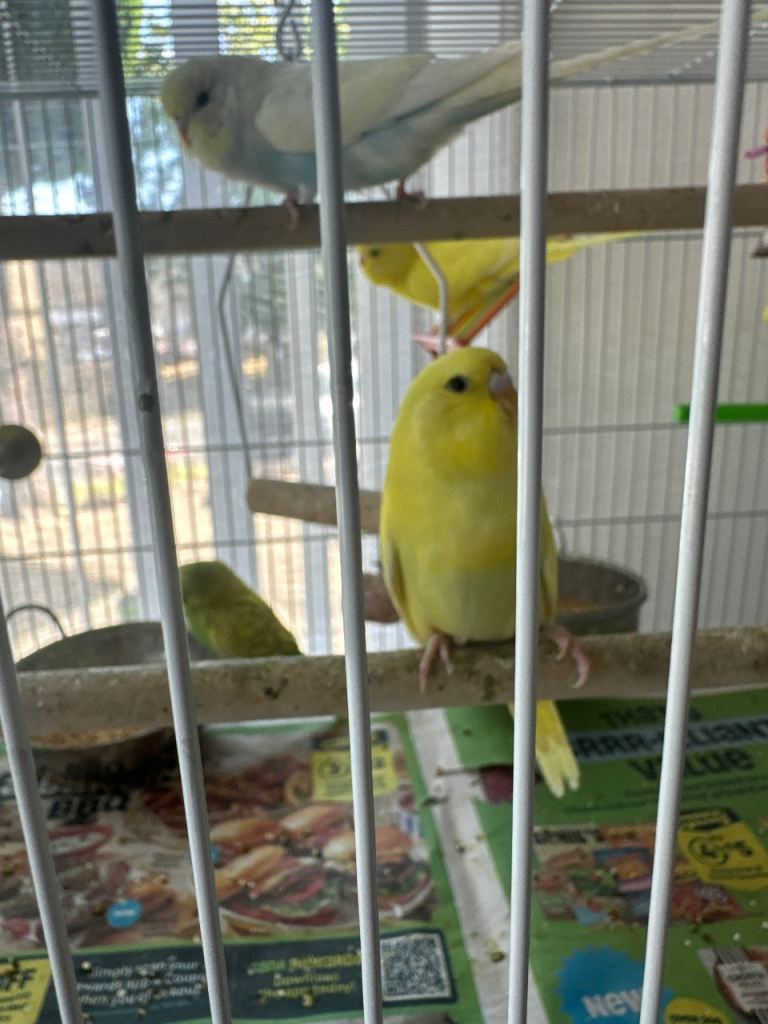
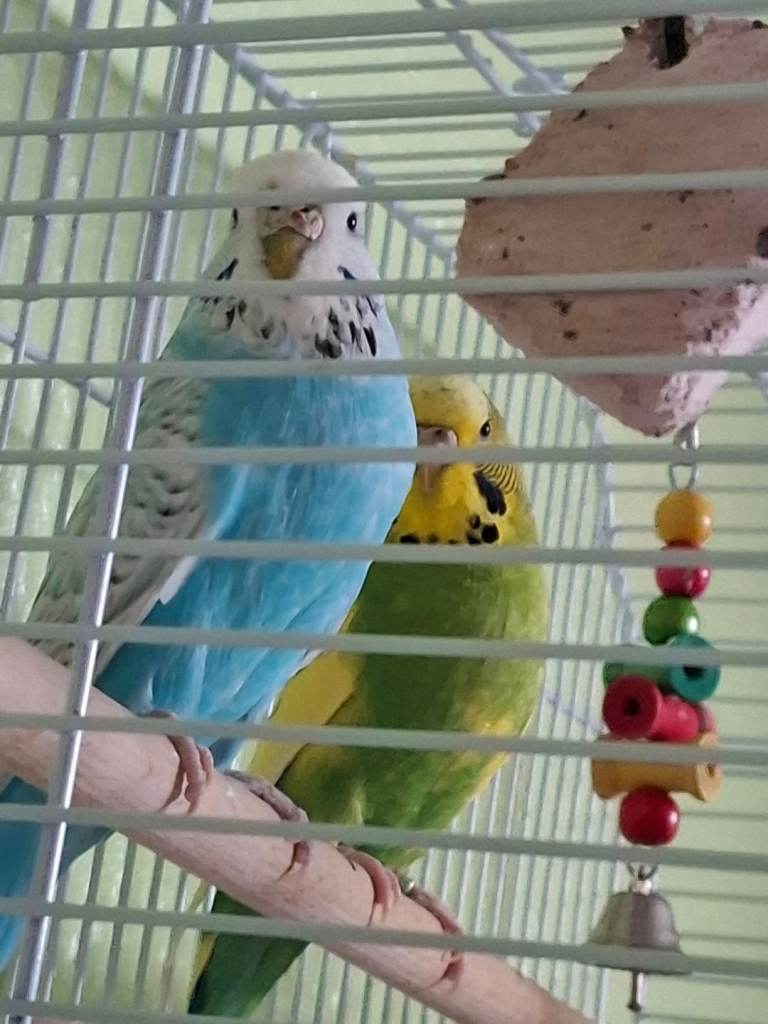
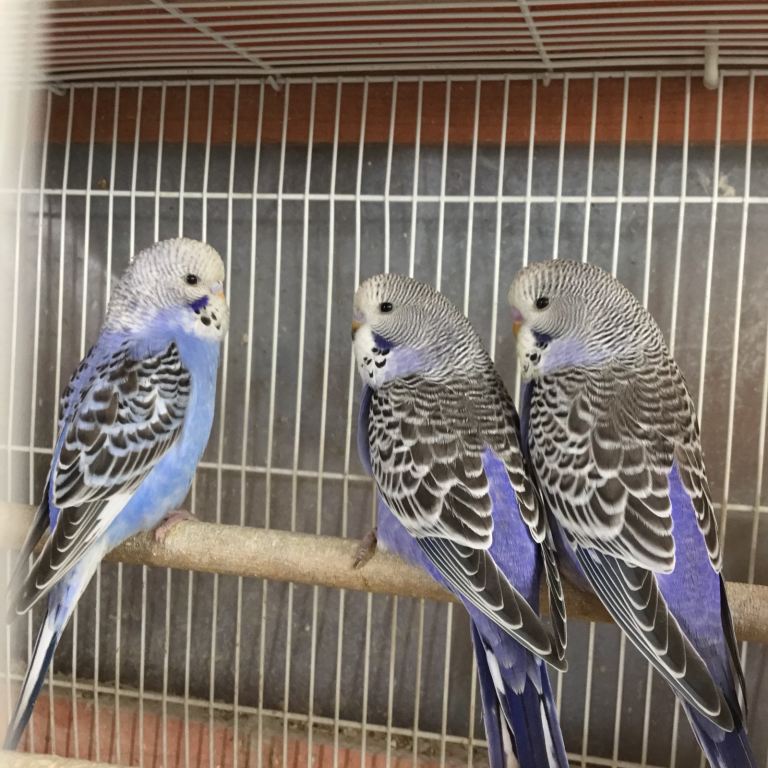
Budgies
Age: 11 weeks
Ready to leave: Now
Billingham, County Durham
£25
When buying a bird, observe its behaviour. Look for alertness, bright eyes, and clean feathers. Check for signs of illness such as ruffled feathers, discharge from the eyes or nostrils, or laboured breathing. Ask the seller about the bird's age, diet, and any known health issues. If possible, get a vet check before finalising the purchase.
Certain bird species require specific licenses or permits to own in the UK. Check with DEFRA (Department for Environment, Food & Rural Affairs) to ensure the species you are considering is legal to own without a license. While there are no specific local laws in County Durham regarding bird ownership that differ from national laws, it is your responsibility to comply with all relevant legislation.
Enquire about the bird's age, how long the seller has owned it, and its daily routine. Ask about its diet, including the type of food and frequency of feeding. Find out if the bird has been vaccinated or treated for any illnesses. It's also important to understand the bird's socialisation history, especially if you have other pets.
Common health issues in birds include psittacosis (parrot fever), feather plucking, respiratory infections, and parasites. Ask the seller if the bird has been tested for any of these conditions. Be wary of birds that appear lethargic, have discharge from the eyes or nose, or exhibit abnormal behaviour.
The cage should be appropriately sized for the bird, allowing it to stretch its wings and move freely. Ensure the cage bars are spaced correctly to prevent escape or injury. Provide perches of varying sizes and textures to promote foot health. Keep the cage in a safe location away from drafts, direct sunlight, and potential hazards like toxic fumes or other pets. Regularly clean the cage and provide fresh water and food.