20
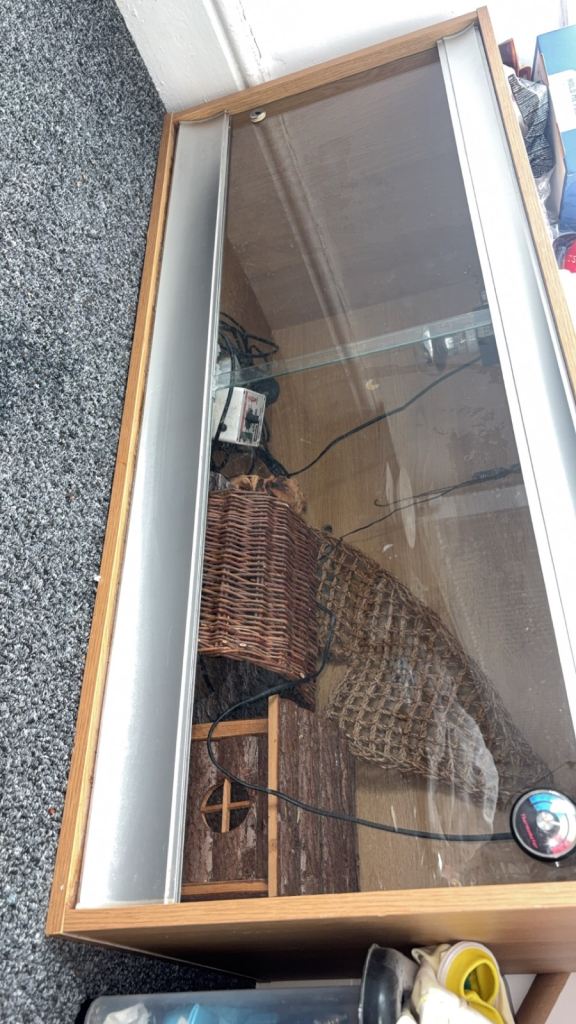
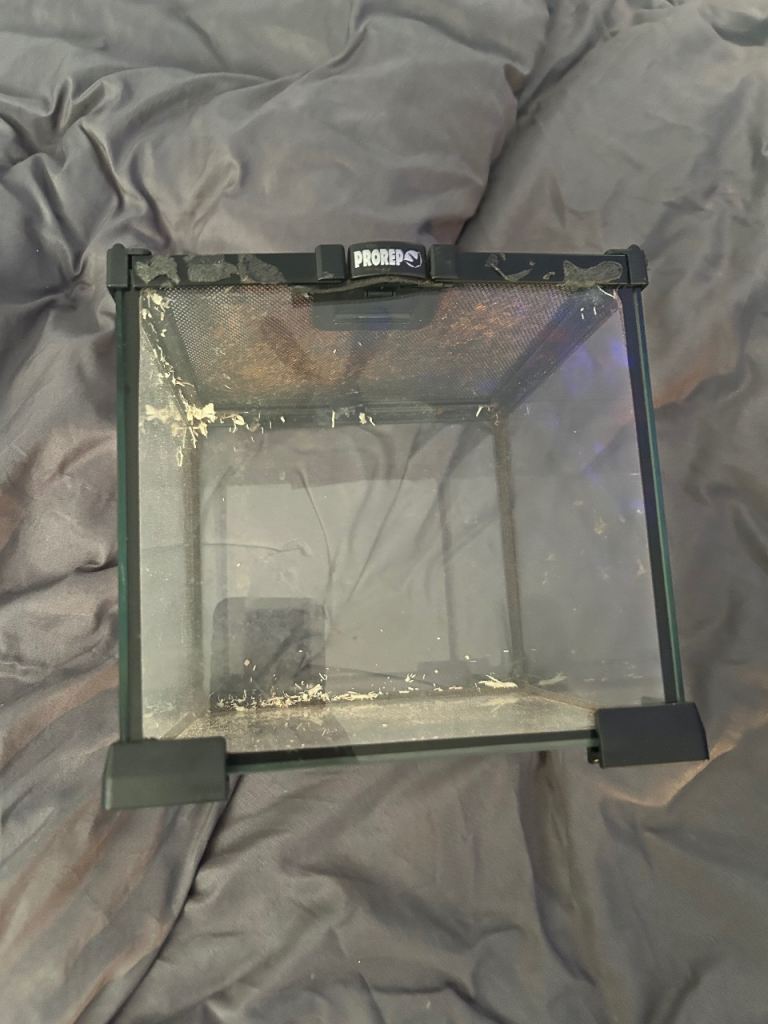
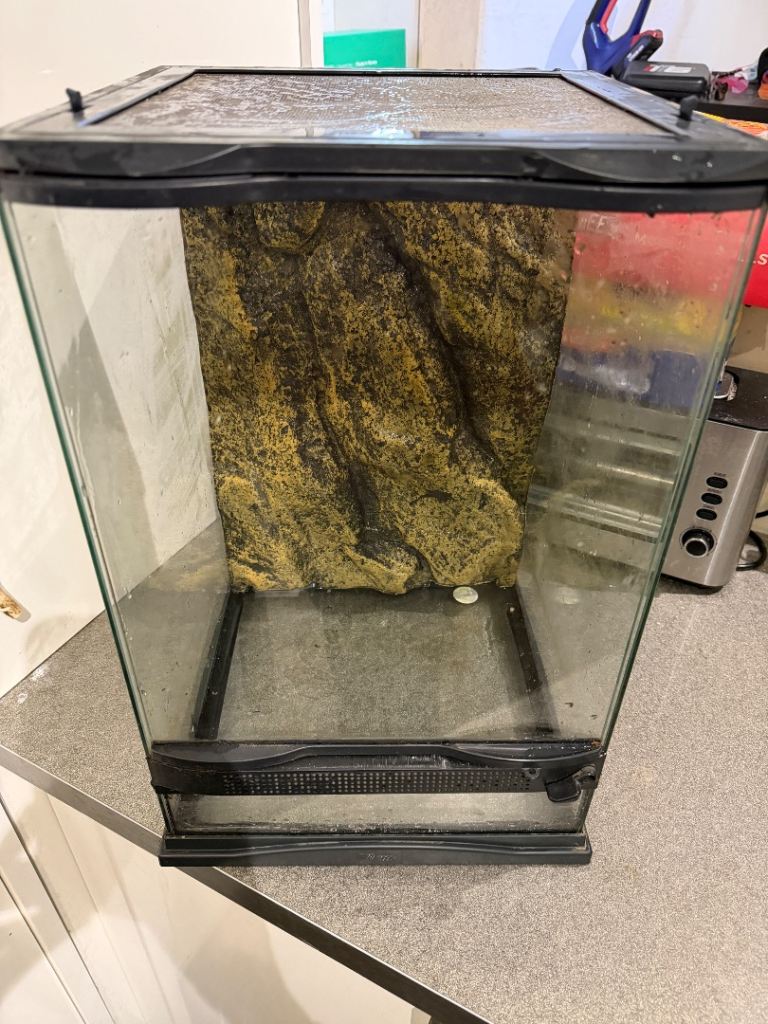
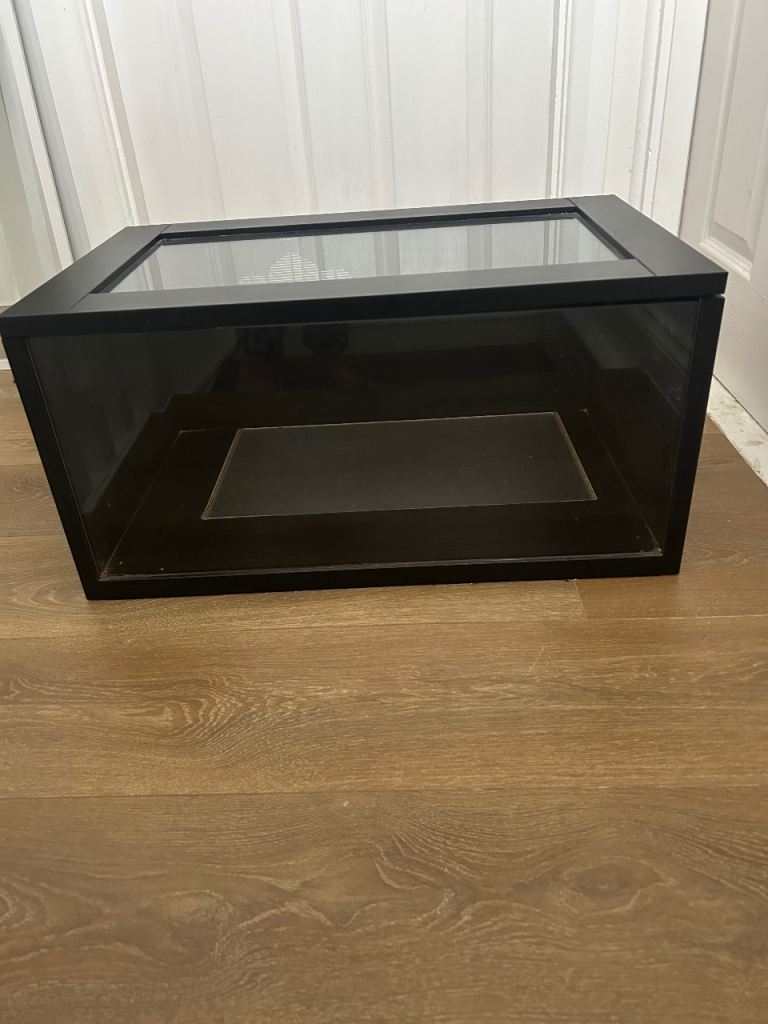
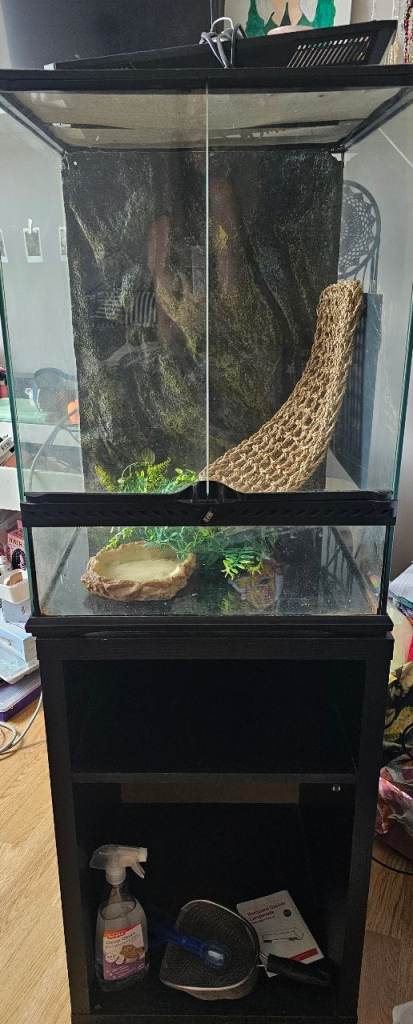
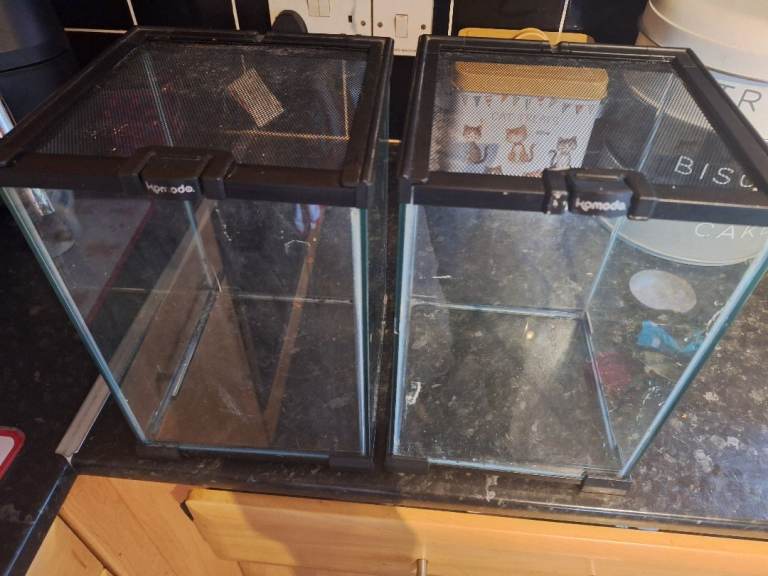
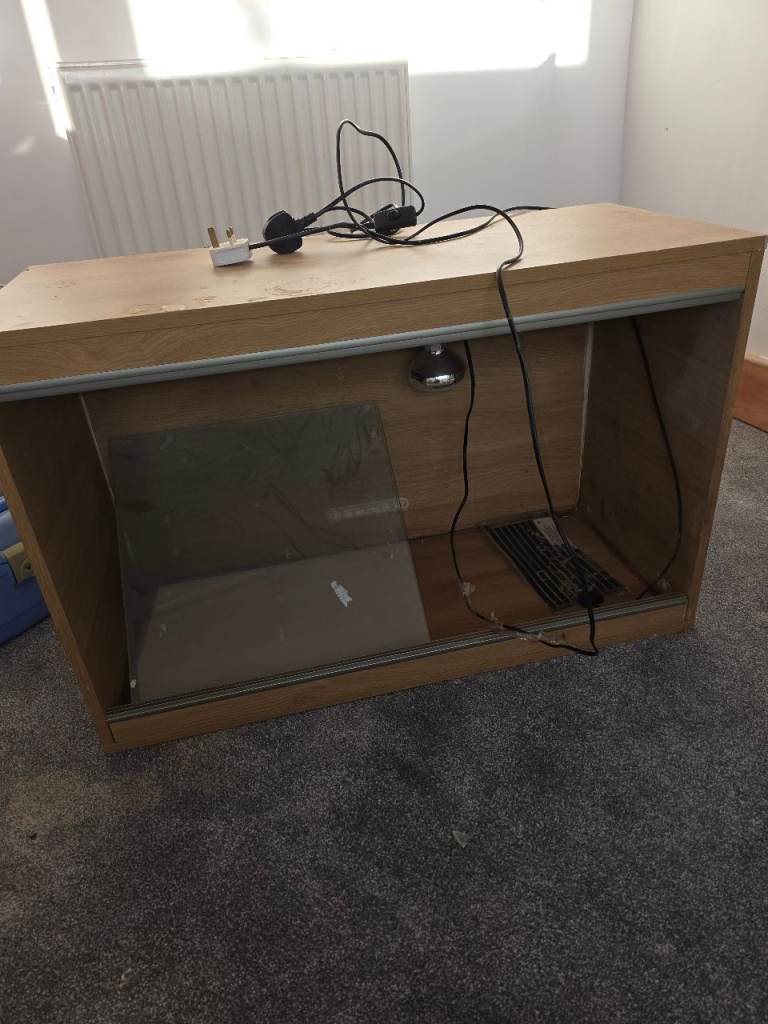
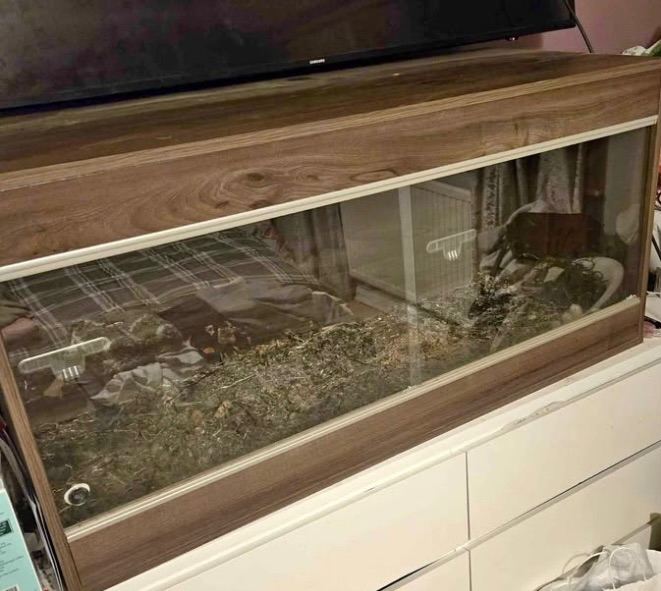
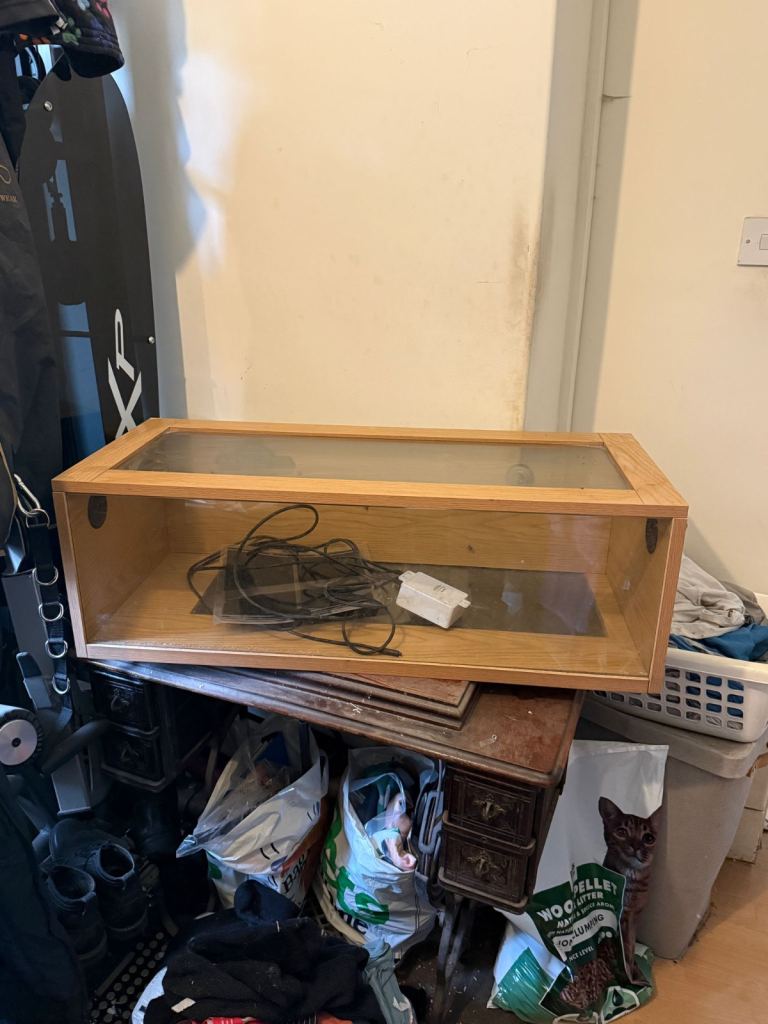
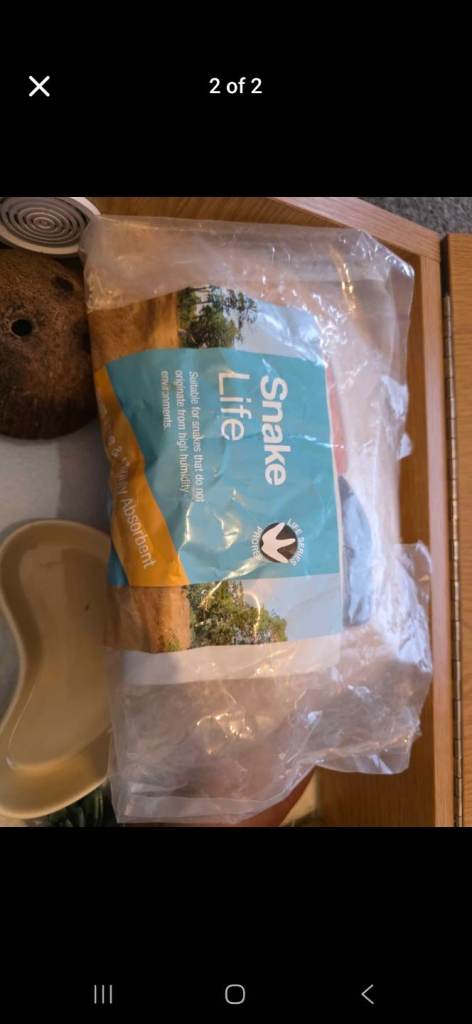
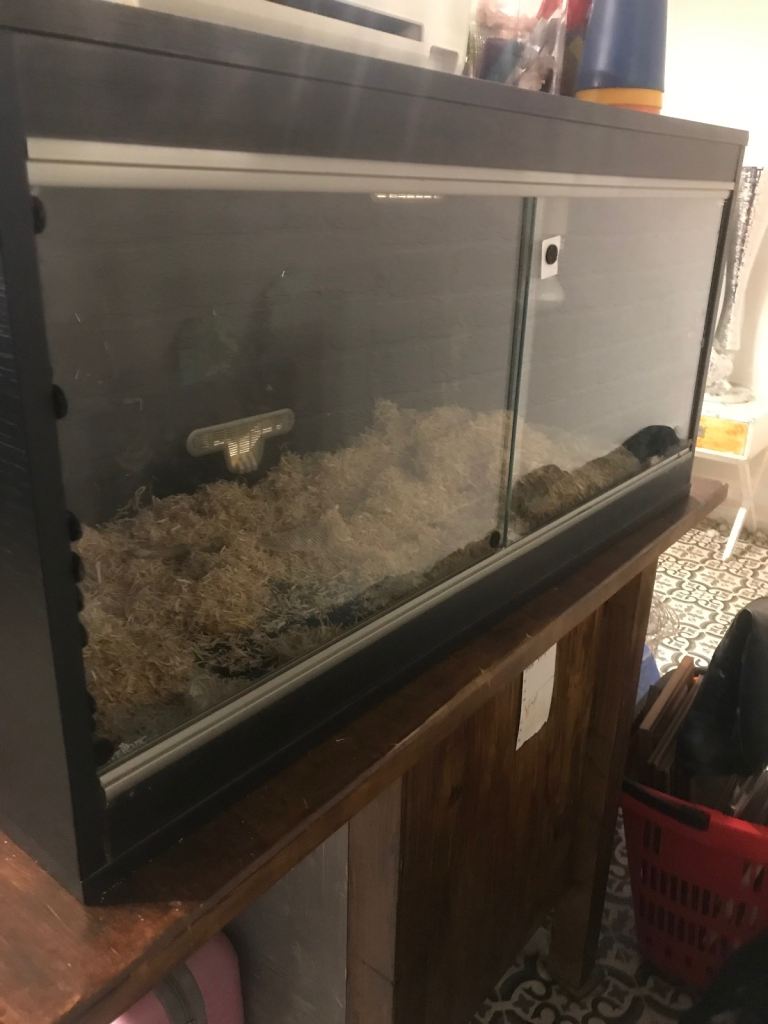
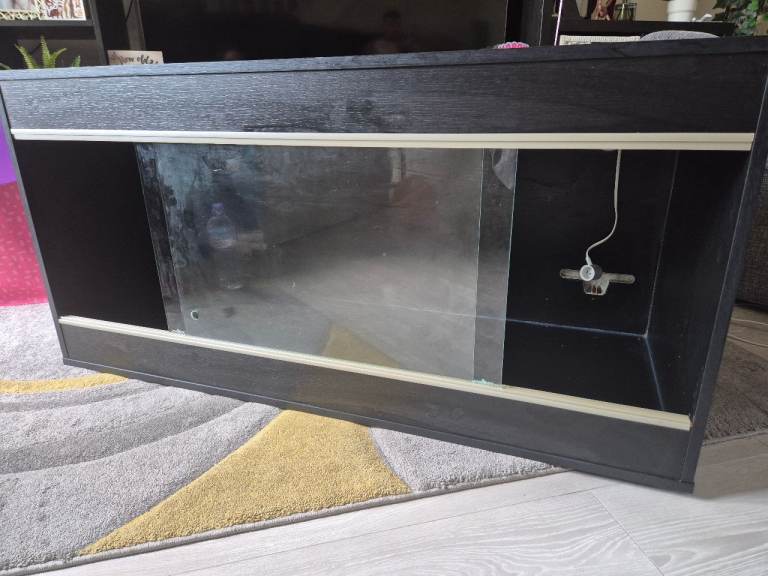
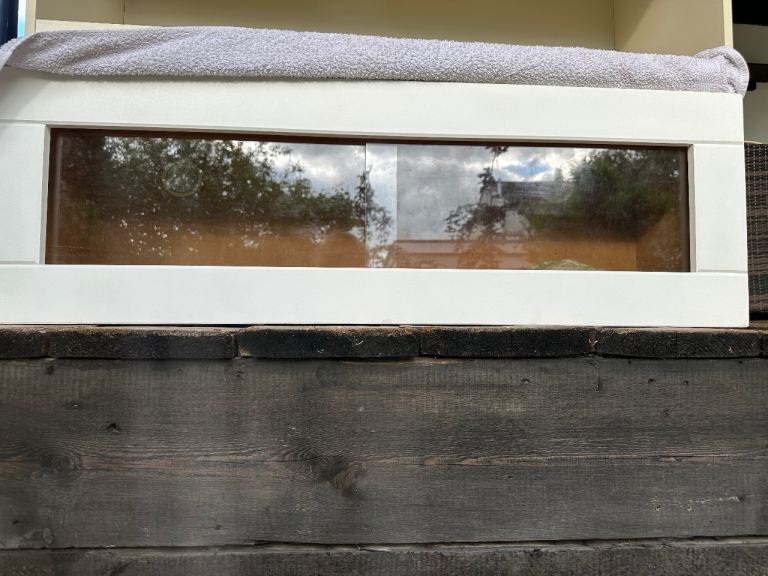
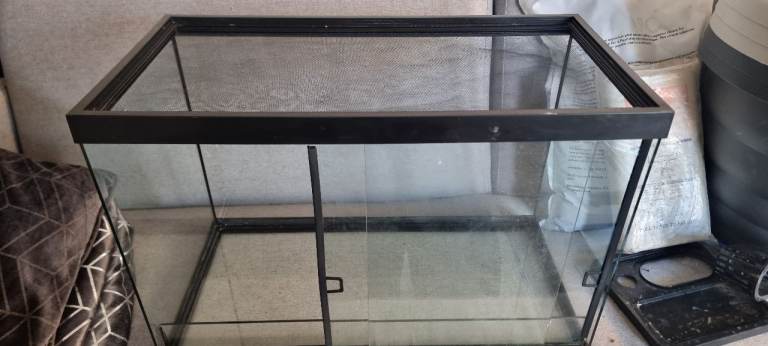
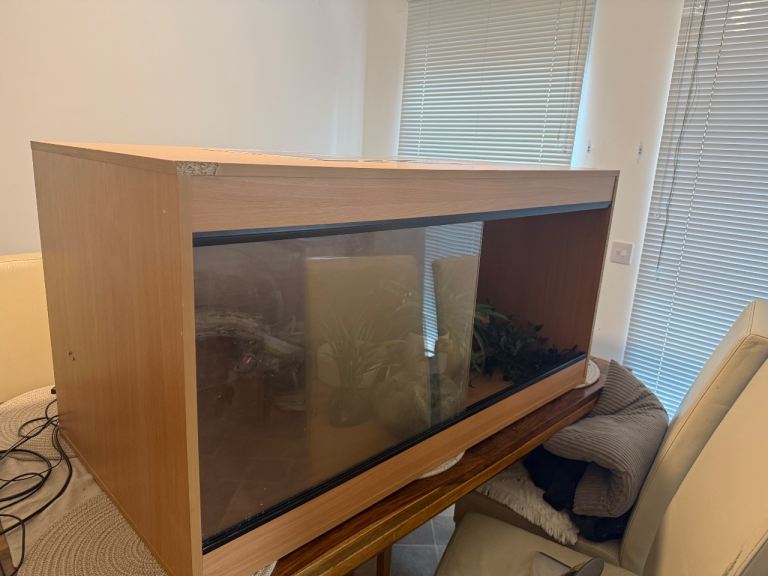
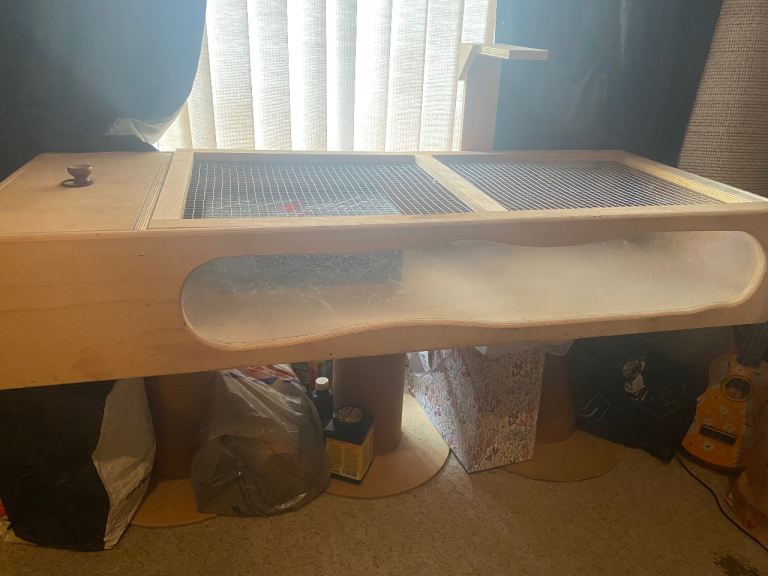
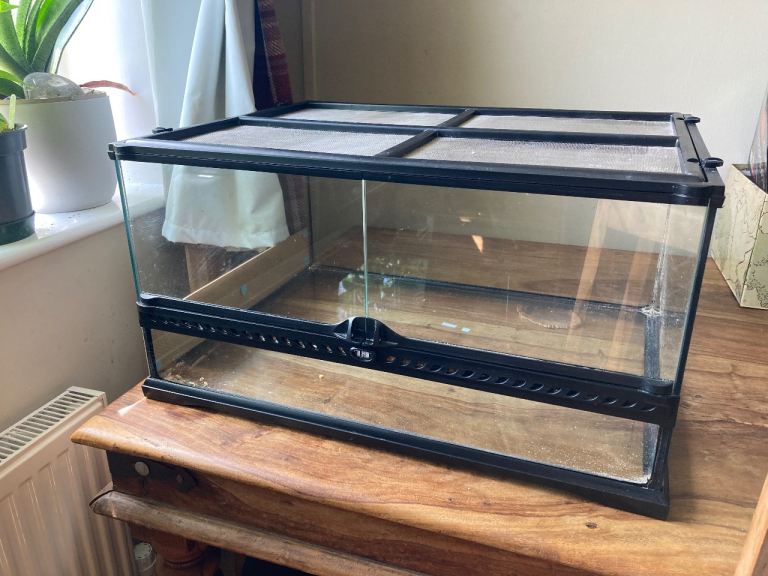
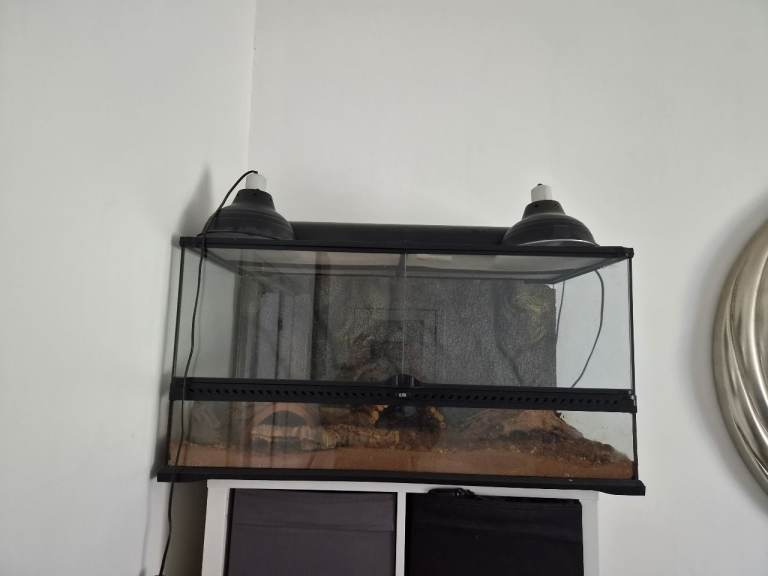
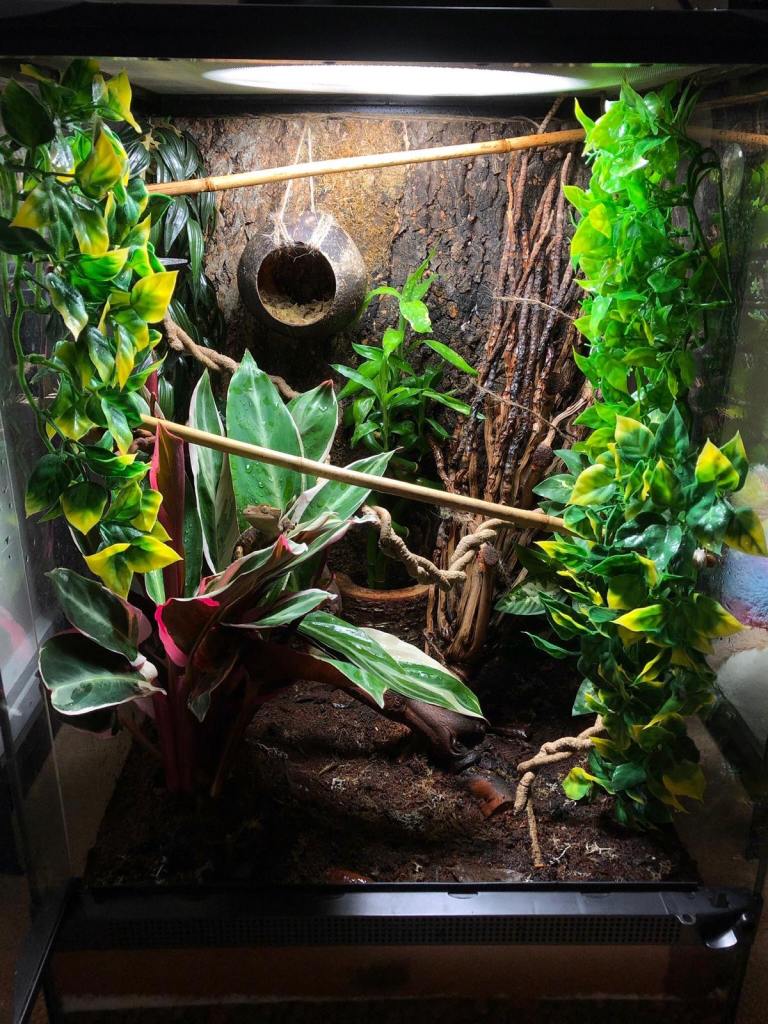
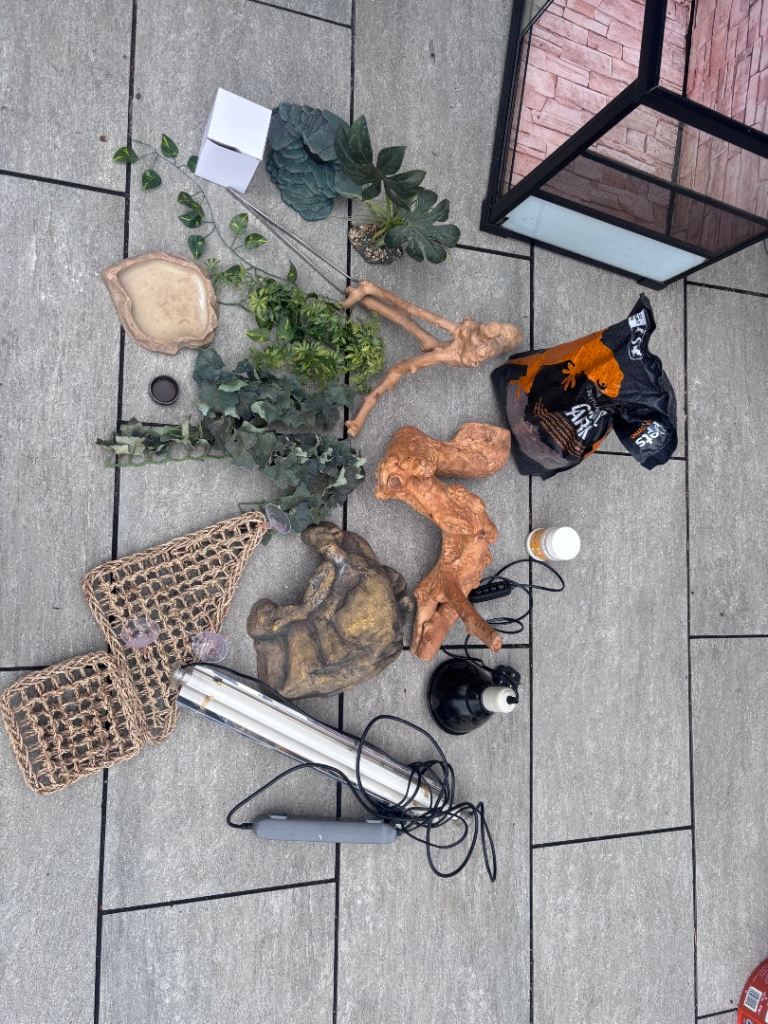
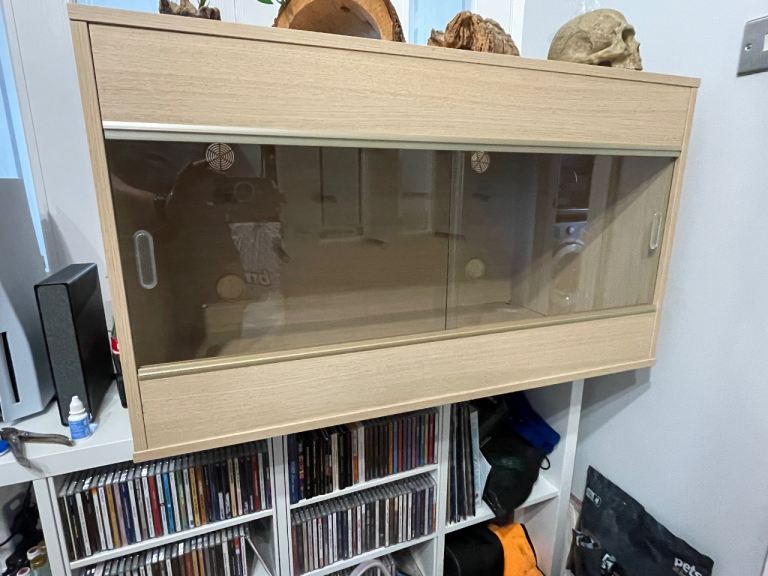
Large Light Oak Reptile Vivarium plus Extras
Bearsden, Glasgow
£85
The size of the tank depends on the species and size of your reptile. Research the specific needs of your reptile to ensure it has enough space to move, thermoregulate, and exhibit natural behaviours. A general rule is that the tank's length and width should be at least three times and twice the reptile's adult length, respectively. Always err on the side of larger.
Carefully inspect the tank for cracks, chips, or leaks, especially around the seams and corners. Ensure the glass or acrylic is in good condition and free from deep scratches that could compromise its integrity. Check the lid or screen for damage and that it fits securely to prevent escapes. If buying a tank with built-in features like heating or lighting, test that they are functioning correctly and safely.
Reptiles require specific heating and lighting to thrive. This typically includes a basking bulb for warmth and a UVB bulb for vitamin D3 synthesis, which is crucial for calcium absorption. The specific wattage and type of bulbs will depend on the reptile species and the size of the tank. Use a thermostat to regulate the temperature and prevent overheating. Always consult with a reptile specialist or veterinarian to determine the appropriate setup for your reptile.
Before introducing a reptile to a new or used tank, thoroughly disinfect it. Remove all substrate and decorations. Use a reptile-safe disinfectant or a diluted bleach solution (1 part bleach to 10 parts water) to clean the tank. Rinse thoroughly with water and allow it to dry completely before adding new substrate and decorations. Regular cleaning is essential to maintain a healthy environment for your reptile.
Certain reptile species are regulated under the Dangerous Wild Animals Act 1976, requiring a licence to own them. Check with your local council in the UK to determine if the reptile you intend to keep requires a licence. Even if a licence isn't required, you have a legal responsibility to provide appropriate care and housing. This includes ensuring the tank is secure, escape-proof, and provides the necessary environmental conditions for the reptile's well-being. Neglecting these responsibilities could lead to prosecution under the Animal Welfare Act 2006.