Featured
6
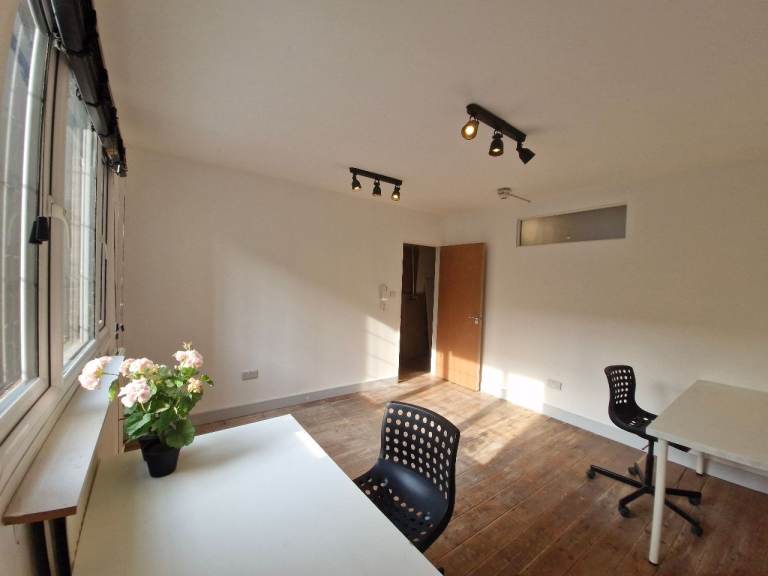
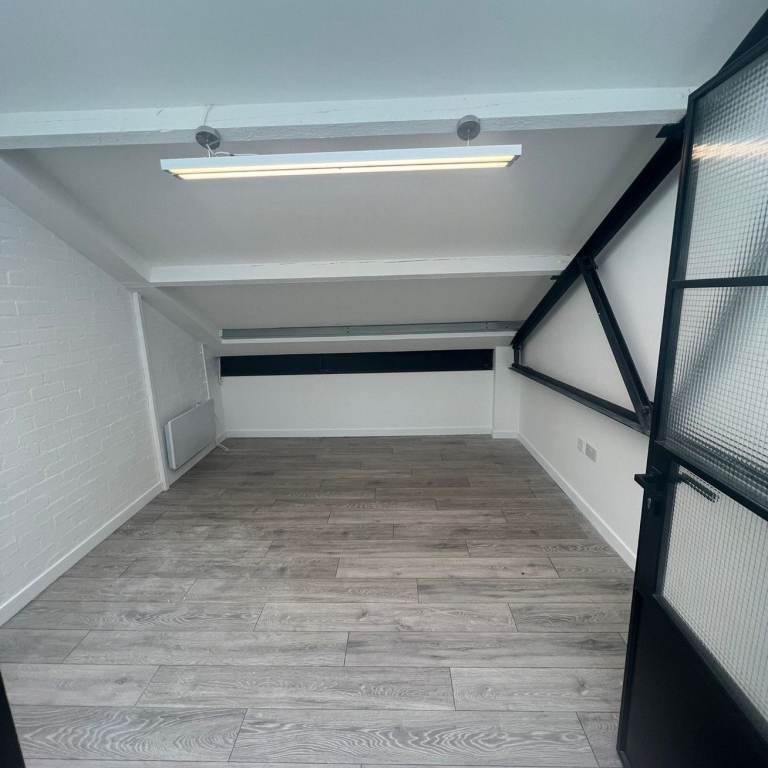
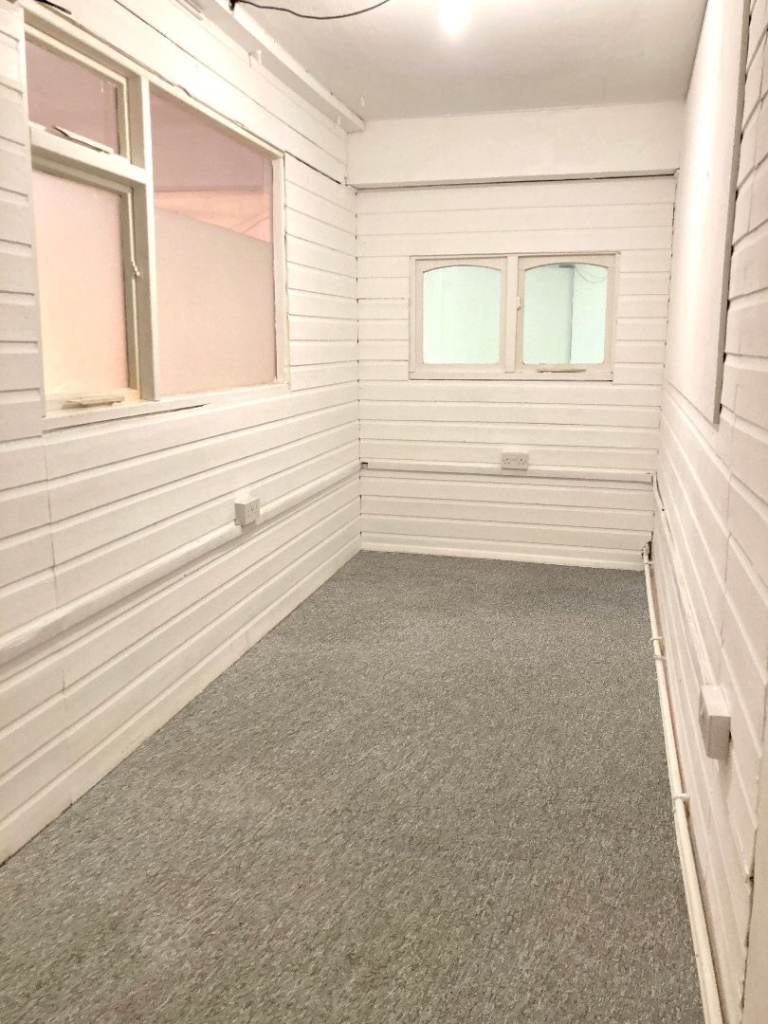
Artist Studio for those working in or connected to the arts
PrivateDate available: 30 Apr 2026Other
Barnet, London
£800pm
When choosing a commercial property in London, consider location and accessibility for your clients and employees. Think about the size and layout of the space and whether it meets your business needs now and in the future. Also, research the local market to understand typical rental costs and lease terms for comparable properties. Factor in business rates, service charges, and potential fit-out costs.
Common types of commercial leases include Full Repairing and Insuring (FRI) leases, where the tenant is responsible for all repairs and insurance, and Internal Repairing and Insuring (IRI) leases, where the landlord covers structural repairs and insurance. Shorter-term flexible leases are also available, often in serviced office spaces. It's crucial to understand the obligations of each lease type before signing.
Before renting, ensure the property has the necessary planning permissions for your intended business use. Check the Energy Performance Certificate (EPC) rating, as this can impact your operating costs. Also, conduct a thorough search for any restrictive covenants or easements that might affect your business. It's advisable to consult with a solicitor specialising in commercial property law.
Business rates are a tax on non-domestic properties, such as shops, offices, and warehouses. The amount payable is based on the property's rateable value, as determined by the Valuation Office Agency (VOA). As a tenant, you are usually responsible for paying business rates, so it's essential to factor this cost into your budget. You can check the rateable value of a property on the VOA website and potentially appeal it if you believe it's incorrect. Small business rate relief may be available.
Carefully review the lease agreement, paying attention to clauses regarding rent reviews, break clauses (allowing you to terminate the lease early), repair obligations, permitted uses, and any restrictions on alterations or signage. Understand the implications of the alienation clause, which governs your ability to assign or sublet the property. Seek legal advice to ensure the lease terms are fair and protect your interests.