£5
Britain’s Media: How They Are Related – Media Ownership and Democracy, by Granville Williams
Palmers Green, London
1 of 6
£5
Description
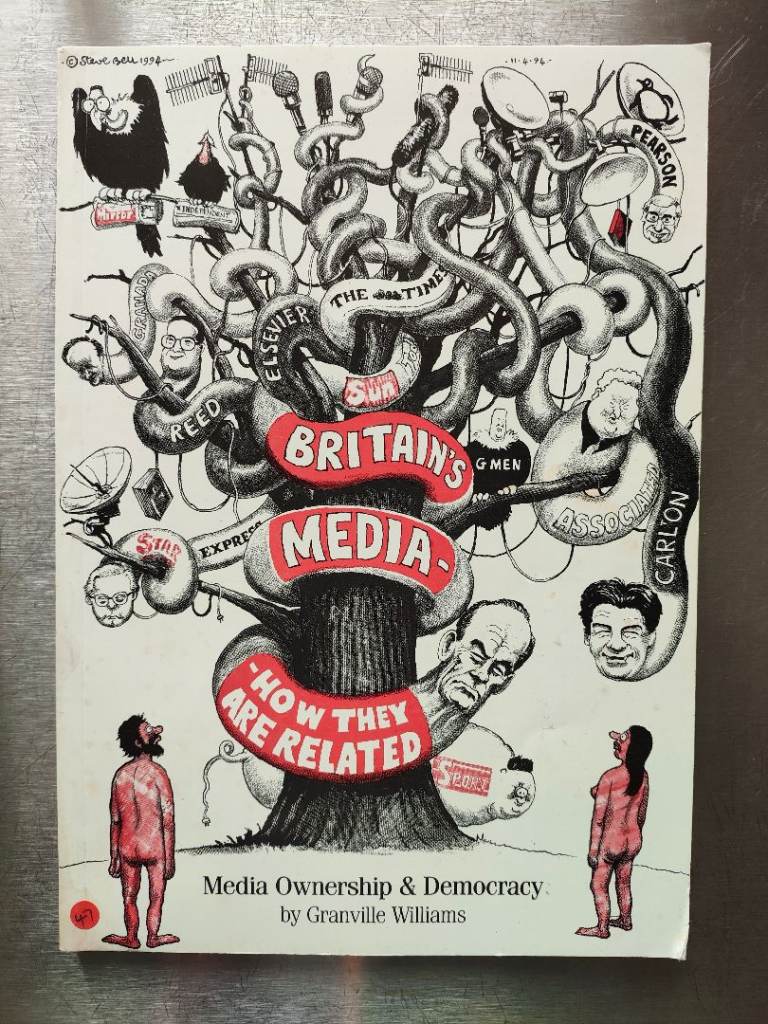
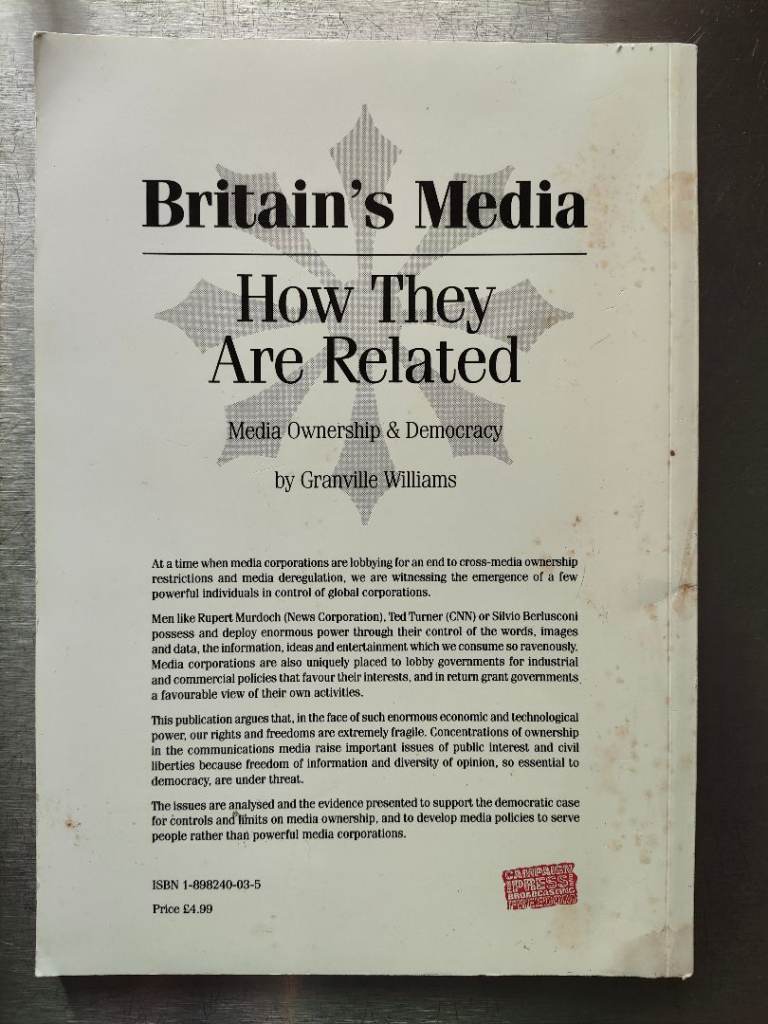
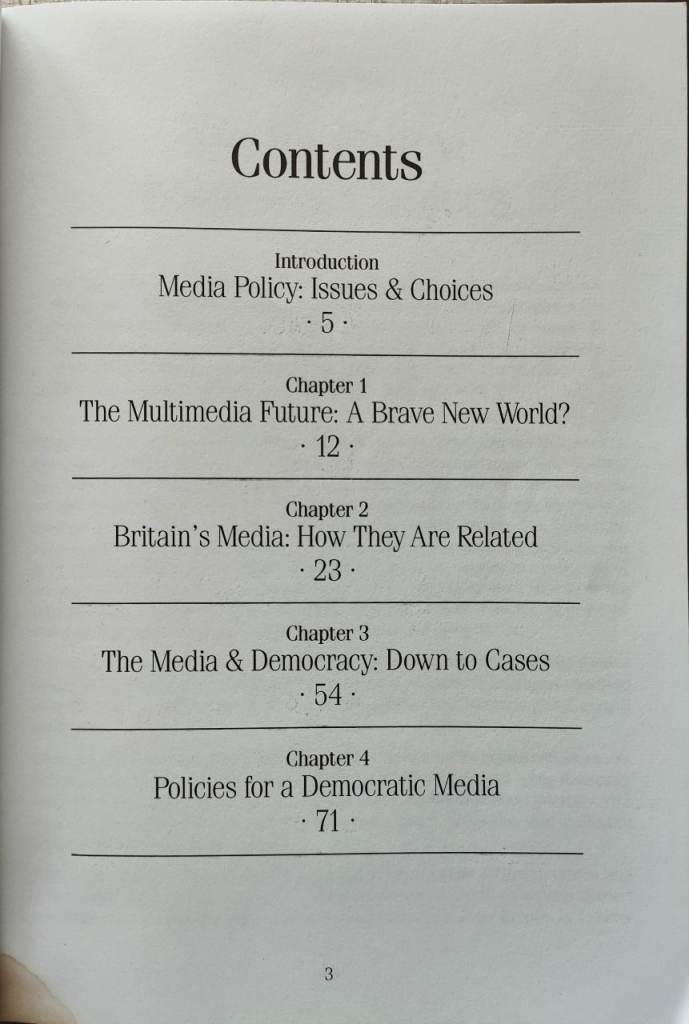
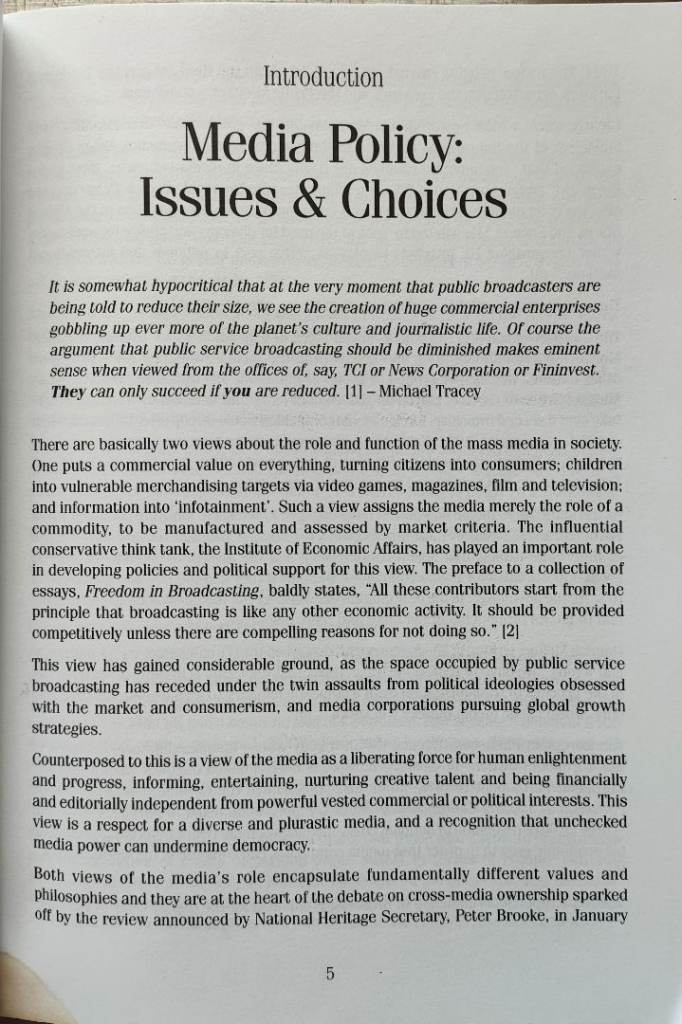
Britain’s Media: How They Are Related – Media Ownership and Democracy, by Granville Williams, is a concise exploration of the structural relationships within the UK media landscape, focusing on media ownership, democracy, and the concentration of power in the hands of a few corporations.
Key Themes:
- Media Ownership and Power Concentration
The book examines how a small number of corporations and individuals control the majority of the UK’s media outlets, raising concerns about pluralism, diversity of voices, and democratic accountability.
This concentration of ownership is shown to limit the range of opinions and information available to the public, potentially skewing public discourse and political outcomes.
- Democracy and Media Pluralism
Williams argues that a healthy democracy requires a diverse and independent media that can hold power to account.
The book highlights how media consolidation undermines this by reducing the variety of perspectives and increasing the risk of editorial bias and corporate influence over content.
- Regulation and Reform
The author critiques the lack of effective regulation in the UK media sector, calling for stronger policies to promote transparency, diversity, and public interest journalism.
The book situates these issues within broader debates about media reform and the role of regulators like Ofcom.
- Impact on Journalism
Williams discusses the commercial pressures facing journalism, including cost-cutting, reliance on press releases, and the decline of investigative reporting.
These trends are linked to the diminished quality of news and the erosion of public trust in media institutions.
- Historical Context
While the book is rooted in the late 20th and early 21st centuries, it provides a historical lens to understand how media ownership patterns evolved and their long-term consequences for society.
Why the Book Remains Important Today:
- Ongoing Media Consolidation
The issues raised by Williams—such as the dominance of a few conglomerates (e.g., News UK, Daily Mail Group, and Trinity Mirror)—are still highly relevant.
Recent years have seen further mergers and acquisitions, exacerbating concerns about media plurality.
- Digital Disruption and New Challenges
The rise of digital platforms, social media, and algorithmic news distribution has transformed the media landscape, but the underlying problems of ownership concentration and corporate control persist.
Williams’ analysis provides a framework for understanding these modern challenges.
- Public Trust and Misinformation
The book’s themes resonate in an era of fake news, misinformation, and declining trust in mainstream media.
By highlighting the structural weaknesses in the UK media system, Williams’ work underscores the need for reform to restore credibility and accountability.
- Policy and Advocacy
The book has been a key resource for media reform campaigns, including those advocating for stronger regulatory oversight, support for public service broadcasting, and policies to promote independent journalism.
Its arguments continue to inform debates about media reform in the UK and beyond.
- Academic and Public Discourse
As a short but impactful text, it remains a staple in media studies courses and public discussions about the role of media in democracy.
Its accessibility makes it valuable for both scholars and general readers concerned about the health of public discourse.
Posted: 8 days ago
Ad ID: 1513550660
Details
Stay Safe
"Only access Gumtree from gumtree.com and do not follow links sent by other users"
"Share photos and ask lots of questions about the items you are buying and selling"
"If an ad or reply sounds too good to be true, it probably is"
"Use the 'Reply to ad' button for your safety and privacy"
"Don't reply to email addresses hidden in text and pictures"
"Beware of fake Gumtree, eBay or escrow sites and invoices"
1 of 6