
Temporary Rooms for Work: Choosing a Short-Term Rental That Fits
Quick answer
Choose a temporary room for work by fixing three things first: your exact move-in and move-out dates, the maximum total monthly cost including bills, and the commute distance you can live with day to day. Then filter listings by furnished status, Wi-Fi quality, whether the household is quiet enough for calls or laptop work, and how flexible the landlord is on notice periods. A room that looks cheap on the headline rent can become expensive fast if council tax, energy and internet are not included, so always compare the all-in figure before you commit.
Which work scenario fits your room choice
Different working situations need different trade-offs. The table below groups the most common reasons people rent a room short term in the UK and shows what matters most in each case.
| Work scenario | What to prioritise | Typical room type that fits |
|---|---|---|
| Fixed-term contractor on a 1–6 month project | Proximity to site, flexible break clause, bills included | Lodger-style room in a professional house share |
| Weekday commuter needing a base near the office | Transport links, quiet evenings, reliable Wi-Fi | Single or double room within 30 minutes of the station |
| Relocator between sold and bought homes | Furnished, flexible move-in date, pet-friendly if needed | Self-contained flatlet or en-suite room |
| Remote or hybrid digital worker | Dedicated desk space, good broadband, quiet household | Larger double room or studio with workspace |
| Student on a UK placement or internship | Lower budget, term-aligned dates, transport to campus | House share with other students or young professionals |
If your stay is likely to stretch beyond a month, it is worth looking specifically at rooms to rent for one month UK so you compare options that already advertise rolling or monthly terms rather than six-month minimums.
Shortlisting checklist for a work-friendly room
Use this checklist when you are narrowing down listings on Gumtree's property section or any other UK room-rental site.
- Exact dates advertised. Confirm the room is available for the full length of your contract or project, not just a few weeks.
- Total monthly cost. Ask for a written figure covering rent, council tax, energy, water and broadband. Headline rent alone is misleading.
- Commute test. Do the journey at the time you would actually travel, not at 11am on a Sunday. A 25-minute train can become 55 minutes in the rush.
- Wi-Fi and workspace. Ask which broadband package is in place and whether there is a desk, chair and reasonable lighting. "Superfast" can mean very different speeds in different houses.
- Household routine. Find out who else lives there, what their working patterns are, and whether shared spaces get crowded in the evenings.
- Deposit and protection. A deposit is normal, but in England and Wales it must be held in a government-backed tenancy deposit scheme if you have an assured shorthold tenancy. Ask where it will be protected.
- Break clause or notice period. For a temporary room to rent for work, a one-month notice period is far more useful than a fixed six-month lock-in.
- Furnishings and storage. Check what is included beyond a bed. A wardrobe, drawers and a lockable door matter more on a short stay than you might expect.
- Viewing before paying. Never transfer money before seeing the room in person or on a live video call.
If you are not sure how to verify the landlord or the advert itself, the guide on how to find a safe short term room to rent walks through the specific checks that matter for short lets.
Current Gumtree listings
Live adverts related to this topic, selected from Gumtree search results.
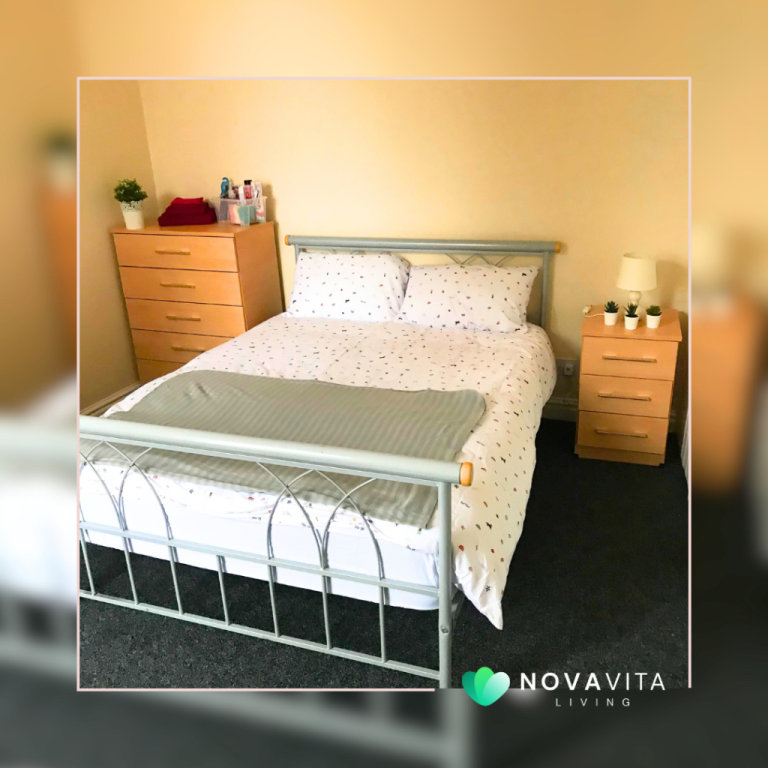 Supported Accommodation Rooms - Homeless, DSS - Low Rent - No Deposit - To Let - Temporary Ref 215£ 20 pw
 Supported Temporary Accommodation - Single & Double rooms Rent (Only pay Service Charge) Ref X37£ 20 pw
 Supported Temporary Accommodation - Single & Double rooms Rent (Only pay Service Charge) Ref 142£ 20 pw
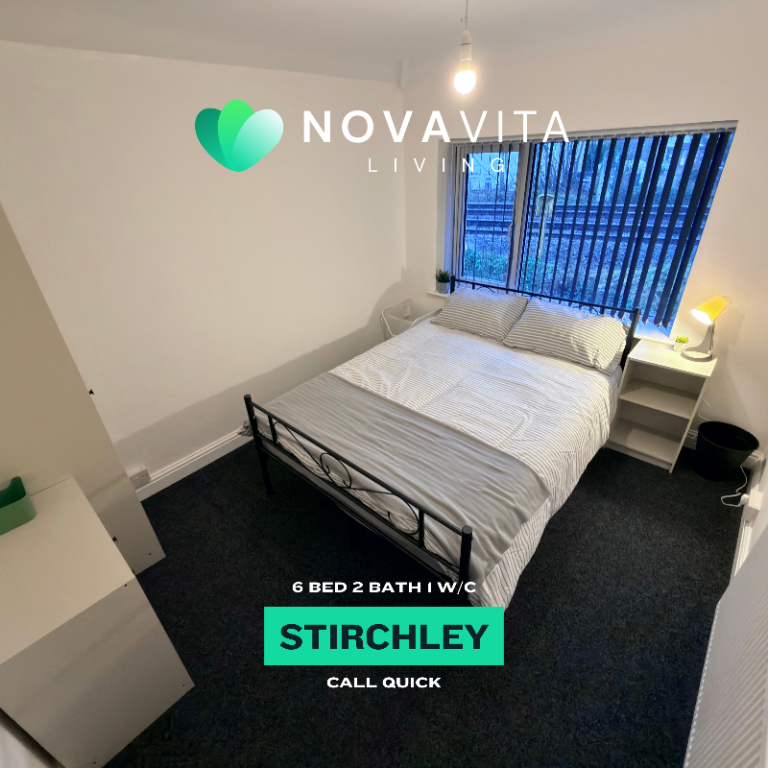 Brums Best Supported Living Rooms Homeless, DSS, Benefits - Low Rent - No Deposit Temporary Ref X5£ 20 pw
 Supported Living Rooms Homeless, DSS, Benefits, Emergency - Low Rent - No Deposit Temporary Ref 308£ 20 pw
 Best Supported Living Rooms Homeless, DSS, Benefits Emergency HMO Free rent Temporary Ref 254£ 20 pw
 Supported Temporary Accommodation - Single & Double rooms Rent (Only pay Service Charge) Ref 143£ 20 pw
 Brums Best Supported Living Rooms Homeless, DSS, Benefits - Low Rent - No Deposit Temporary Ref 249£ 20 pw
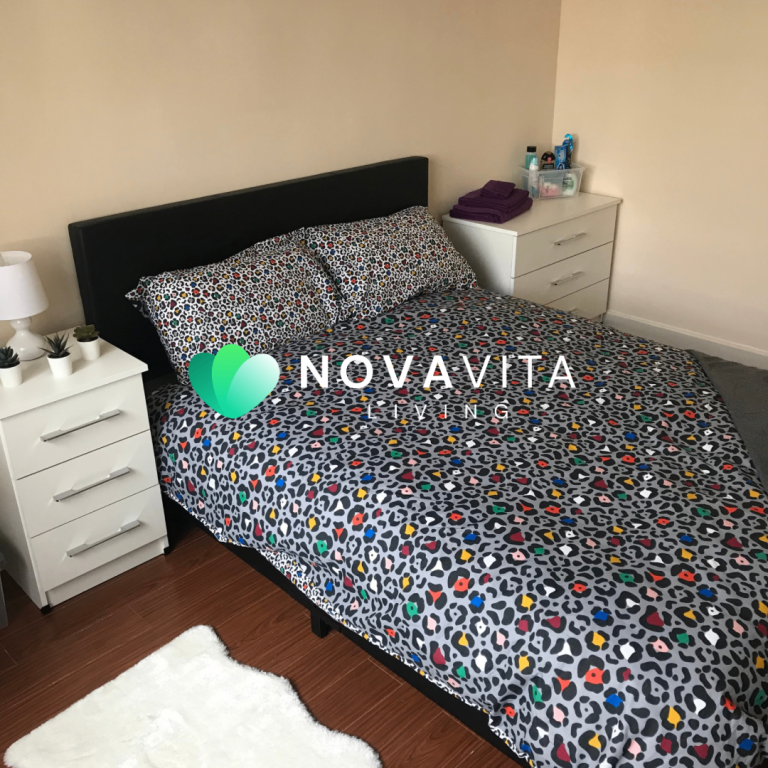 Supported Accommodation Rooms - Homeless, DSS - Low Rent - No Deposit - To Let - Temporary Ref 207£ 20 pw
 Supported Accommodation Rooms - Homeless, DSS - Low Rent - No Deposit - To Let - Temporary Ref 208£ 20 pw
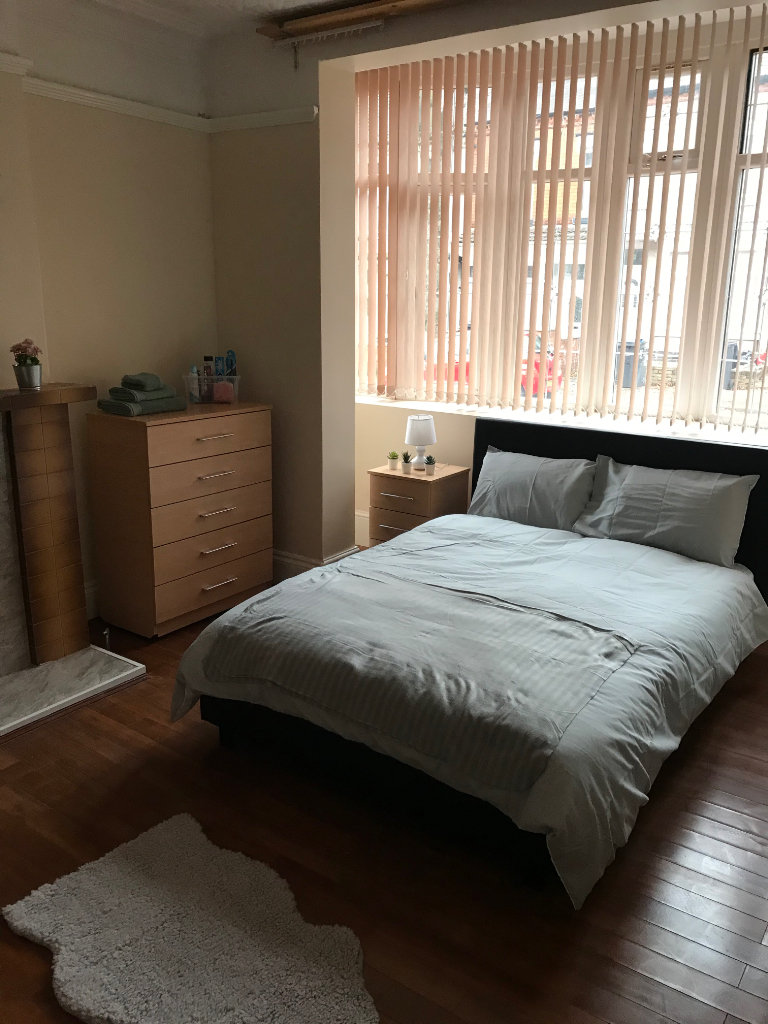 Supported Living Rooms Homeless, DSS, Benefits, Emergency - Low Rent - No Deposit Temporary Ref 310£ 20 pw
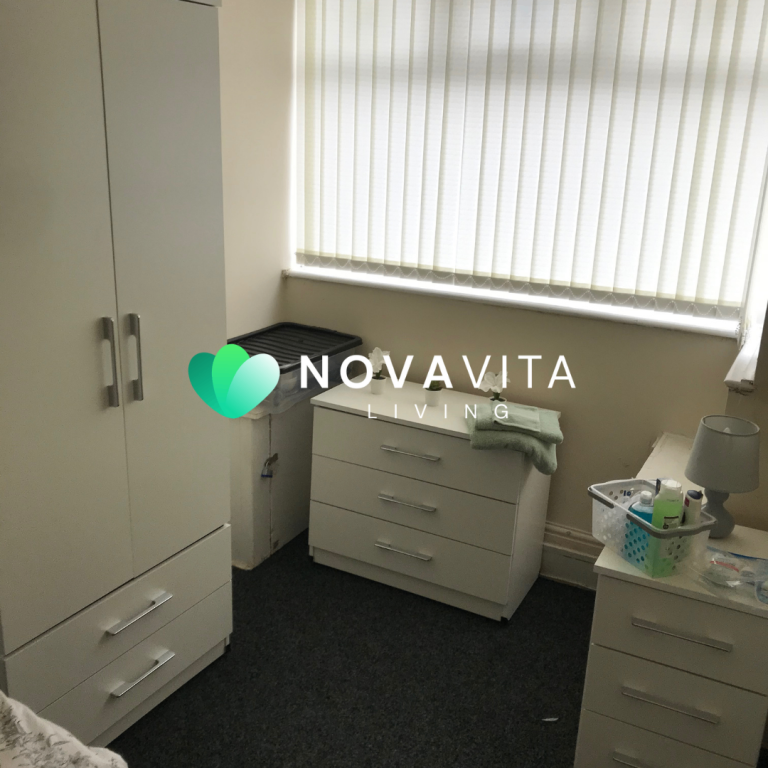 Brums Best Supported Living Rooms Homeless, DSS, Benefits - Low Rent - No Deposit Temporary Ref X58£ 20 pw
 Supported Accommodation Rooms - Homeless, DSS - Low Rent - No Deposit - To Let - Temporary Ref X61£ 20 pw
 Brums Best Supported Living Rooms Homeless, DSS, Benefits - Low Rent - No Deposit Temporary Ref X46£ 20 pw
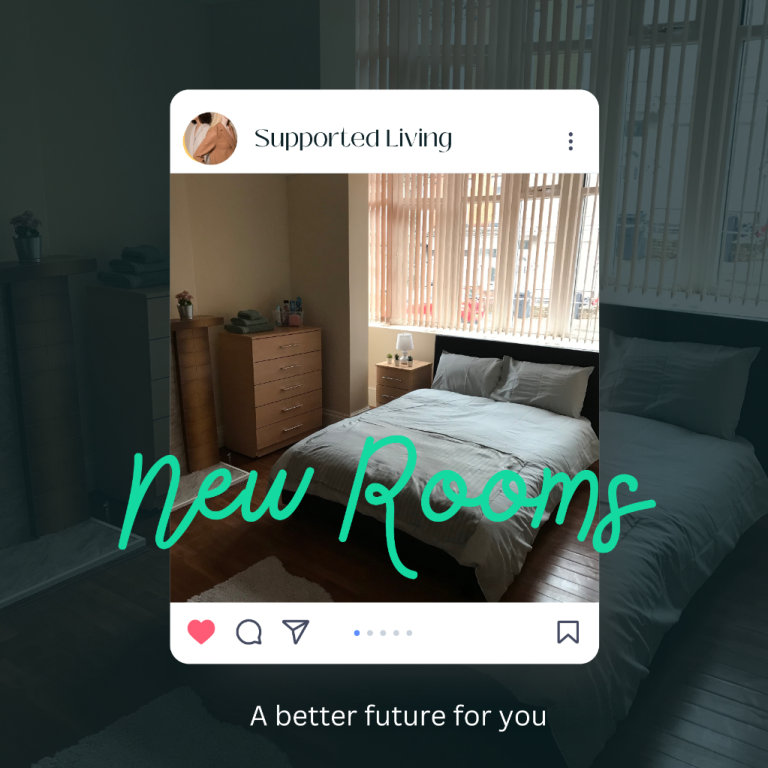 Best Supported Accommodation Living Rooms Homeless, DSS Free Rent - Emergency Temporary Ref 251£ 20 pw
 Supported Living Rooms Homeless, DSS, Benefits, Emergency - Low Rent - No Deposit Temporary Ref 313£ 20 pw
 Supported Accommodation Rooms - Homeless, DSS - Low Rent - No Deposit - To Let - Temporary Ref 204£ 20 pw
 Supported Living Accommodation Double Rooms Emergency House DSS Temporary Hostel Rent To Let 510£ 20 pw
 Supported Temporary Accommodation - Single & Double rooms Rent (Only pay Service Charge) Ref 148£ 20 pw
 Supported Temporary Accommodation - Single & Double rooms Rent (Only pay Service Charge) Ref 140£ 20 pw
Prices and availability can change. Check each advert on Gumtree before making a decision.
Location and budget: how to balance the two
Budget and location pull in opposite directions, so decide which one is fixed and which one can flex.
- If the job location is fixed, such as a hospital placement or a construction site, start with a map of reasonable commute times and work outwards. A room two bus changes further out can easily be £80–£150 cheaper per month than one on the doorstep.
- If the budget is fixed, such as a set per-diem or internship stipend, search a wider radius and filter by total cost including bills. A slightly longer commute often buys a noticeably better room.
- If both can flex, prioritise a reliable train or bus route over a short driving distance. Public transport predictability matters more than you think when you are relying on it five days a week.
When you are searching for a cheap short term room to rent near me, remember that the cheapest headline rent is rarely the cheapest actual cost. A room with bills included at £700 a month can work out cheaper than one at £550 where you then add council tax, energy and broadband on top.
Questions to ask the advertiser before you commit
Short-term lets move quickly, but a few specific questions now will save awkward conversations later.
- Is the room available for the full period I need, and what happens if my contract extends?
- What is the total monthly cost including all bills, and is any of it likely to rise during my stay?
- How much is the deposit, where is it protected, and what is the process for getting it back?
- What notice do I need to give if I leave early, and what notice would you give me?
- Who else lives in the property, and are there any house rules about guests, noise or shared kitchen use?
- Can I see the room in person or on a live video call before any money changes hands?
If you are renting while finishing a degree or starting a first job, the guidance on short term room rental for students UK covers extra points such as guarantors, council tax exemption and aligning dates with term times.
Red flags that should make you walk away
- The advertiser refuses a viewing or live video call and asks for a holding deposit first.
- The rent is significantly below similar rooms in the same area with no clear reason.
- You are pressured to pay before seeing any written terms or a draft agreement.
- The landlord cannot explain where your deposit will be protected.
- The advert has stock photos only, or the address is vague and cannot be pinned to a real street.
Trust your instincts on a viewing too. If the household feels uncomfortable, the room is noticeably different from the advert, or the landlord is evasive about basic questions, keep looking. There are plenty of legitimate short-term rooms available, and a good fit should feel straightforward, not stressful.
Decision summary
A temporary room for work is the right choice when it matches your dates, keeps your total monthly cost within budget, and puts you within a realistic commute of the job. Start by fixing your dates and all-in budget, then filter by location, Wi-Fi and household fit. Always view before paying, get the deposit protection in writing, and make sure the notice period gives you genuine flexibility if your contract changes.
FAQ
How long is a typical short-term room rental in the UK?
Most short-term room lets run from one month up to six months, with one to three months being the most common for contractors and people between permanent homes. Anything longer than six months usually moves into a standard assured shorthold tenancy with different rules.
Do I need a written agreement for a temporary room?
Yes. Even for a short stay, ask for a written licence or tenancy agreement that sets out the rent, deposit, dates, notice period and house rules. This protects both you and the landlord if anything goes wrong.
Can I claim housing costs if I am renting a room for work?
This depends entirely on your employment contract and tax situation. Some contractors and locum workers can claim allowable expenses, but most employees cannot. Check with HMRC or an accountant before assuming any relief applies.
What if my work contract ends earlier than expected?
This is exactly why the notice period matters. Before you move in, confirm in writing how much notice you must give if you need to leave early, and whether there is any penalty for breaking the agreement.
Is it safer to rent through an agency or directly from a landlord?
Neither route is automatically safer. Agencies may run referencing and deposit protection as standard, but many private landlords do the same. The key checks are the same either way: a viewing, a written agreement, a protected deposit and clear terms on notice and bills.