
Help me decide! - Advice for a first car??
Quick answer
Choosing a first car in the UK comes down to balancing four things: your total budget (not just the purchase price), the insurance group, reliability, and running costs such as road tax and fuel. Aim for a small, well-maintained hatchback from a mainstream brand with a long MOT history, a low insurance group (ideally 1–10), and a full service record. Avoid anything with a Cat S or Cat N write-off marker unless you have it professionally inspected, and always check the V5C logbook matches the seller before handing over any money.

Build a realistic first-car budget
The purchase price is only the start. Work out what you can afford to spend each month on the whole package:
- Insurance quote for your age, postcode and occupation
- Annual road tax (VED), which follows the CO2 band on the V5C
- Fuel or charging costs based on your typical weekly mileage
- An MOT each year once the car is three years old
- A small contingency for servicing, tyres and unexpected repairs
A common mistake is stretching the purchase budget and then being caught out by a high insurance group. Before you fall in love with a specific model, run it through an insurance comparison site with your actual details. A car that looks cheap to buy can be very expensive to insure for a new driver.
Pick a sensible first-car category
For most new drivers, the sweet spot is a small hatchback roughly five to ten years old. At that age the steepest depreciation has already happened, modern safety features are still present, and parts remain widely available.
Useful categories to consider:
- City cars and superminis (for example, a Toyota Aygo, Ford Fiesta, Volkswagen Polo, Honda Jazz or Suzuki Swift). Easy to park, cheap to insure, and generally reliable.
- Small family hatchbacks (for example, a Ford Focus, Vauxhall Astra or Toyota Auris) if you regularly carry passengers or do longer motorway journeys.
- Avoid large saloons, performance models, and anything with a turbocharged engine in a high insurance group until you have a year or two of no-claims experience.
Hybrids and early electric cars can be tempting for the low running costs, but check battery health carefully and confirm the charger type suits your lifestyle before committing.
What to check on any first car you are considering
Use this checklist when viewing a car, whether through a dealer or a private seller on Gumtree:
| Check | Why it matters |
|---|---|
| V5C logbook | Confirms the seller is the registered keeper and the details match the car. |
| MOT history online | Shows advisories and failures over time; a long clean run is a good sign. |
| Service history | A stamped book or folder of receipts proves the car has been looked after. |
| HPI or similar vehicle check | Reveals outstanding finance, write-off markers and mileage discrepancies. |
| Cold start and test drive | Listen for knocks, watch for warning lights, and check that the steering pulls straight. |
| Bodywork and underbody | Look for mismatched paint, uneven panel gaps and rust, especially on wheel arches. |
| Tyres and brakes | Check tread depth (legal minimum 1.6mm, but replace around 3mm) and even wear. |
Take a friend along if you can, and always view in daylight. A rushed evening viewing in the rain is how expensive mistakes happen.
Insurance: the biggest ongoing cost for new drivers
Insurance is usually the single largest running cost for a first car, so it should influence your choice as much as the sticker price. Key points:
- Insurance groups run from 1 (cheapest) to 50. First-time drivers should aim for groups 1 to 10 wherever possible.
- A black box (telematics) policy can cut premiums significantly if you are a safe driver, though it does monitor your mileage and driving style.
- Adding an experienced named driver can help, but only if they genuinely share the car. Fronting, where the main driver is listed as a named driver to reduce the premium, is insurance fraud.
- Paying annually is almost always cheaper than monthly, as monthly plans are effectively credit agreements with interest.
Get at least three quotes before committing, and remember that the car you choose directly affects the figure you will be quoted.
Current Gumtree listings
Live adverts related to this topic, selected from Gumtree search results.
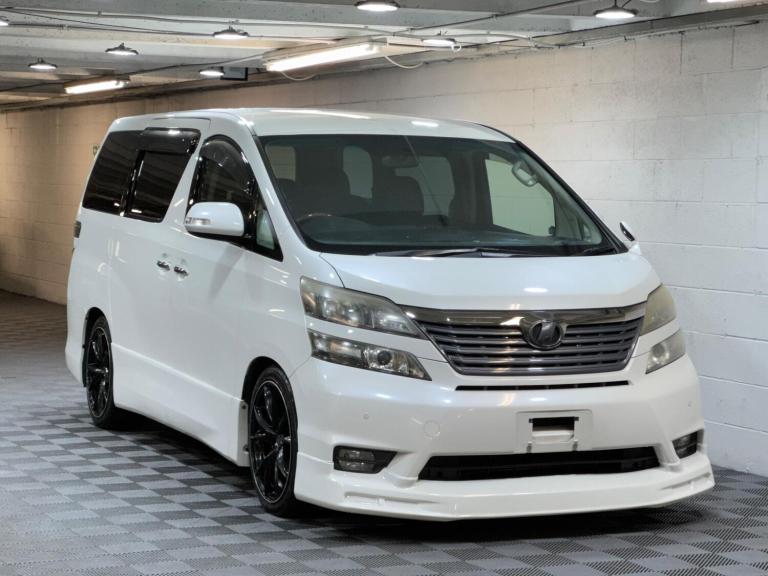 Toyota Vellfire 2.4Z Platinum Selection 2 Auto 7 Seat Petrol Automatic£ 7,489
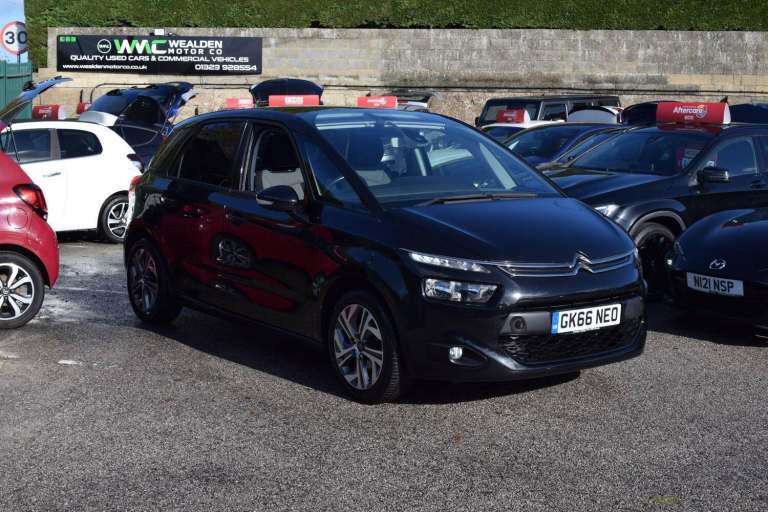 2016 Citroen C4 Picasso 1.6 BlueHDi Selection Euro 6 (s/s) 5dr MPV Diesel Manual£ 7,195
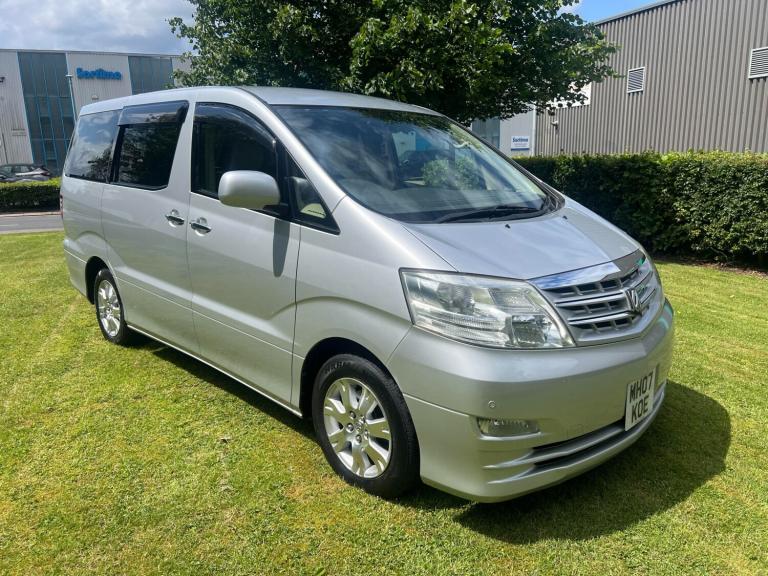 2007 TOYOTA ALPHARD, Silver 3.0ltr 8 seater, Platinum Selection, ULEZ compliant£ 6,995
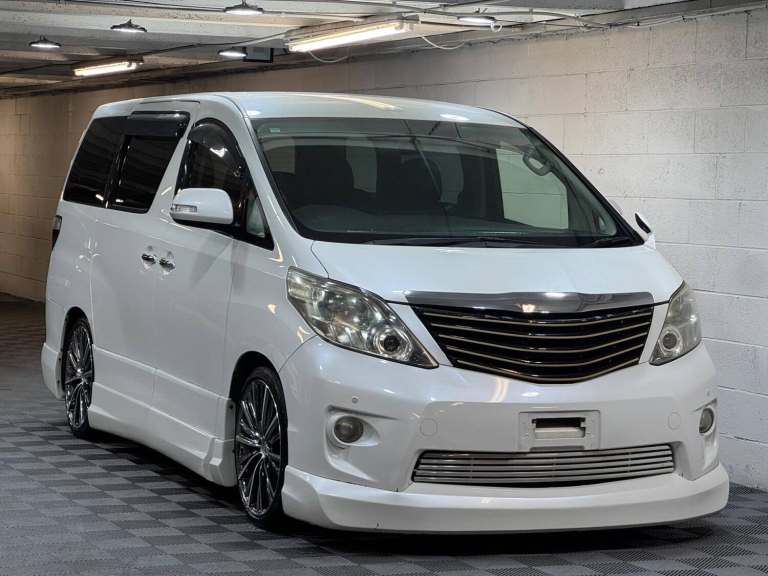 Toyota Alphard 2.4 240S Premium Selection II 7 Seat Aut Petrol Automatic£ 7,989
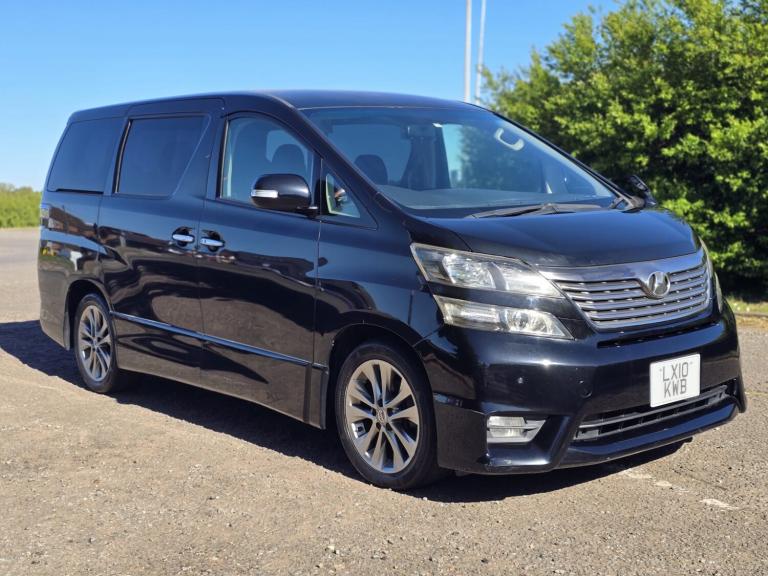 2010 Toyota Vellfire 2.4 PETROL Z PLATINUM SELECTION, 7 SEATERS, MPV Petrol Automatic£ 8,495
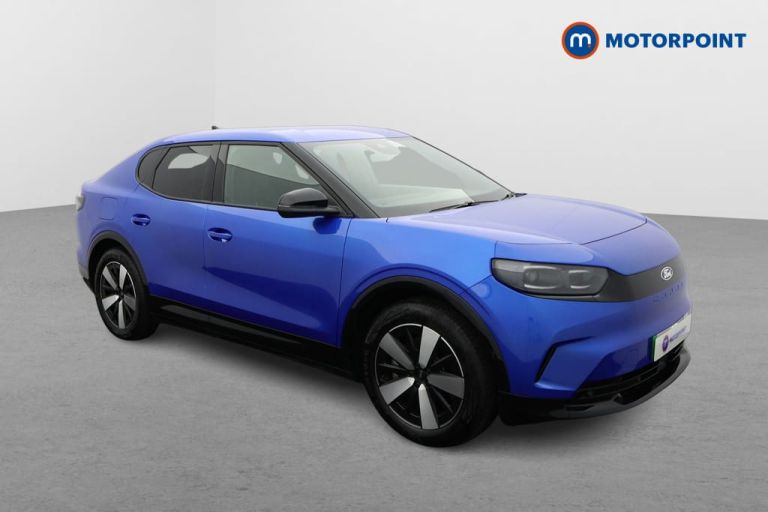 2025 Ford Capri 210kW Select 77kWh 5dr Auto SUV Electric Automatic£ 26,199
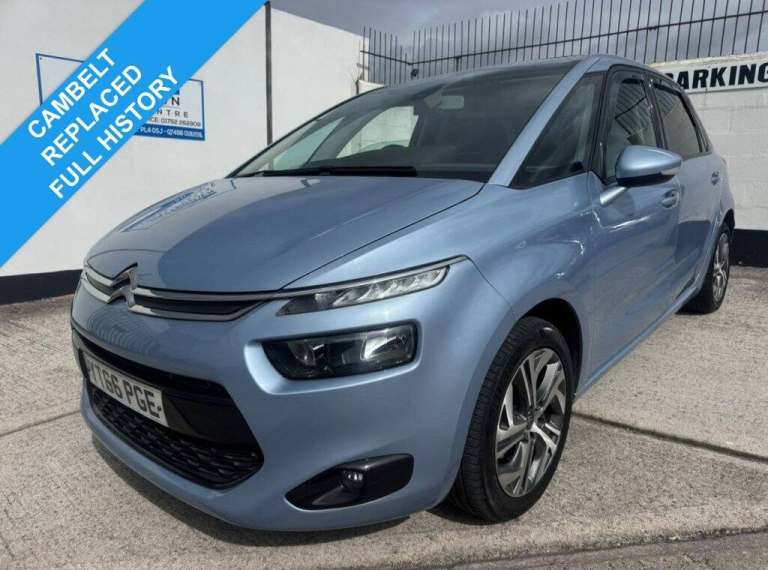 2016 66 CITROEN C4 PICASSO 1.6 BLUEHDI SELECTION MPV 5DR DIESEL MANUAL EURO 6 (S£ 6,495
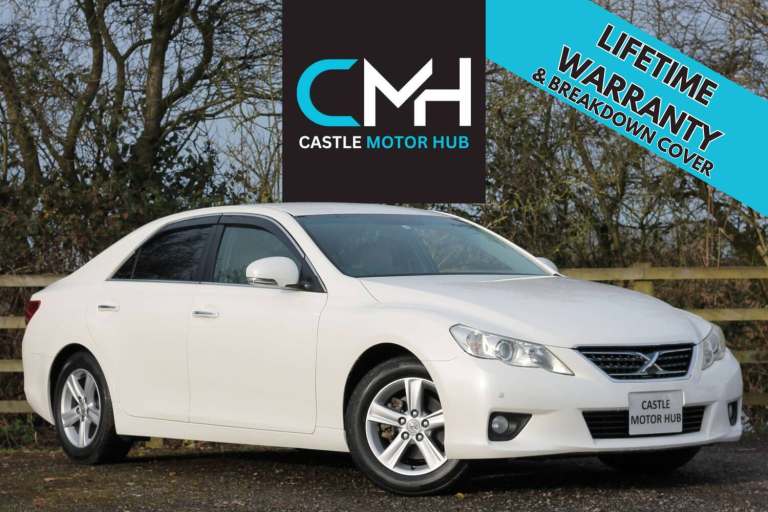 2025 Toyota Mark X 2.5 250G RELAX SELECTION 5 SEATS AUTO Saloon PETROL Automatic£ 9,895
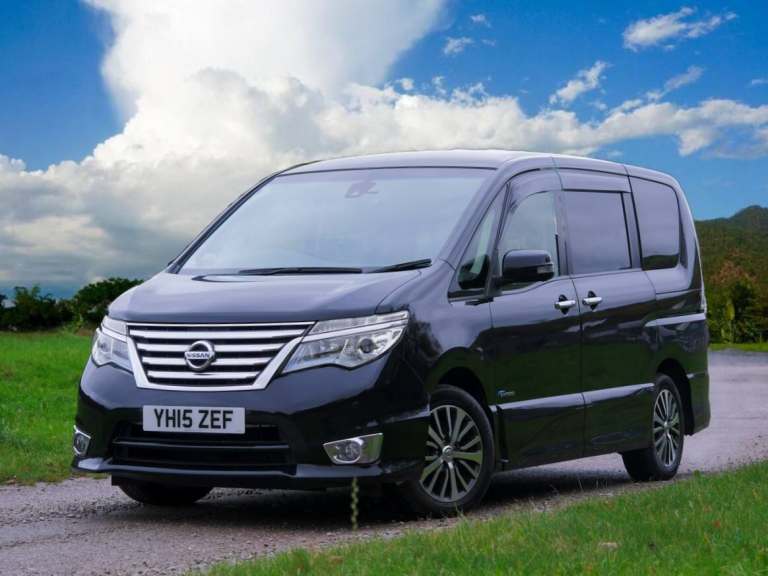 2015 Nissan Serena Highway Star V Selection Safety S-Hybrid 2.0 CVT (8-Seater)£ 9,750
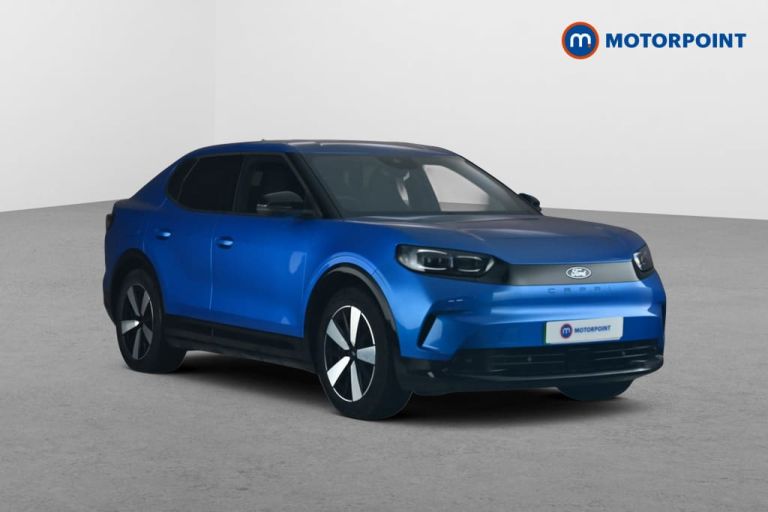 2025 Ford Capri 210kW Select 77kWh 5dr Auto SUV Electric Automatic£ 26,599
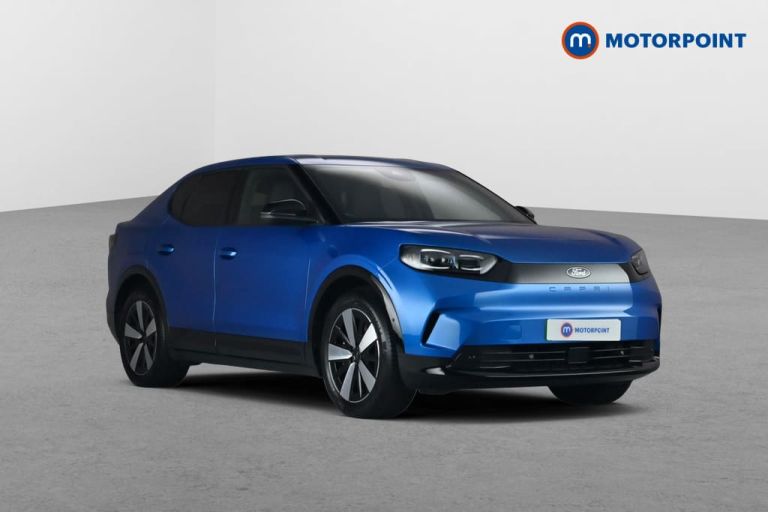 2025 Ford Capri 210kW Select 77kWh 5dr Auto SUV Electric Automatic£ 26,999
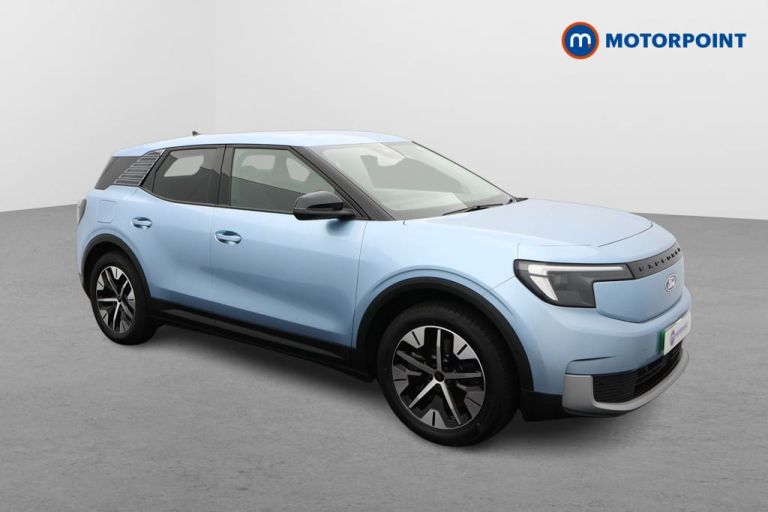 2024 Ford Explorer 210kW Select 77kWh 5dr Auto HATCHBACK ELECTRIC Automatic£ 25,299
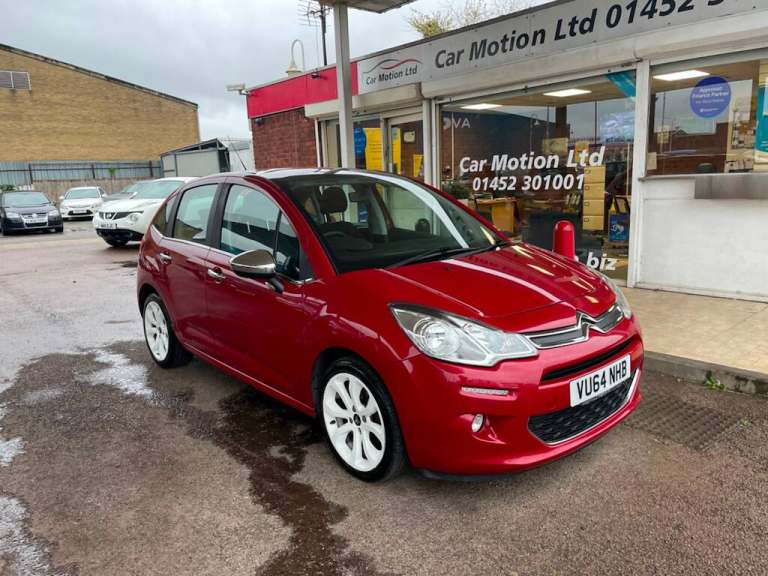 2014 Citroen C3 1.6 e-HDi Airdream Selection 5dr HATCHBACK DIESEL Manual£ 3,995
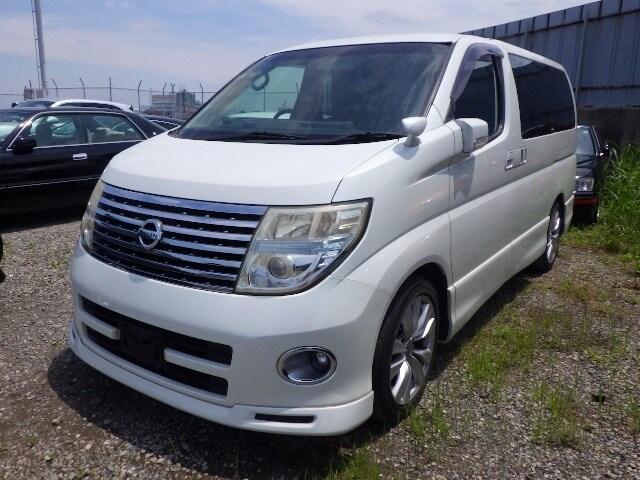 2007 Nissan Elgrand 3.5 HIGHWAY STAR URBAN SELECTION 4X4 AUTOMATIC * LOW MILEAGE * Petrol Automatic£ 8,999
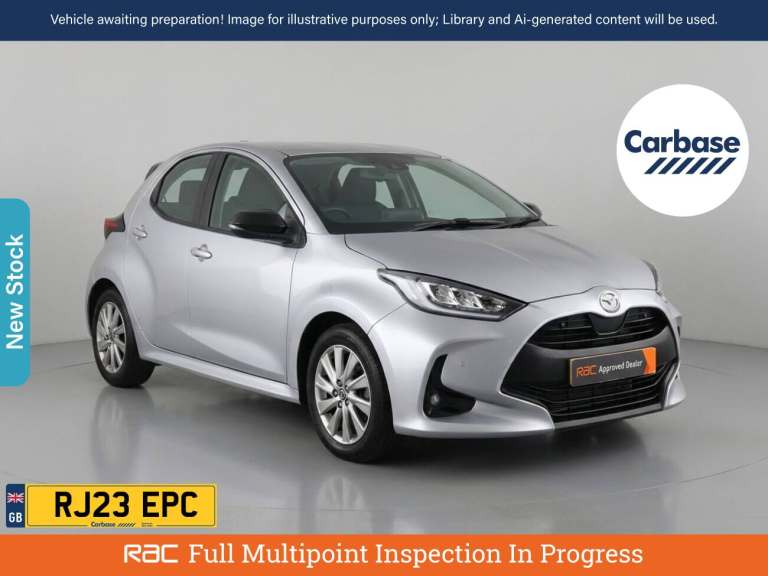 2023 Mazda Mazda2 HYBRID 1.5i Hybrid Select 5dr CVT HATCHBACK PETROL/ELECTRIC Automatic£ 13,132
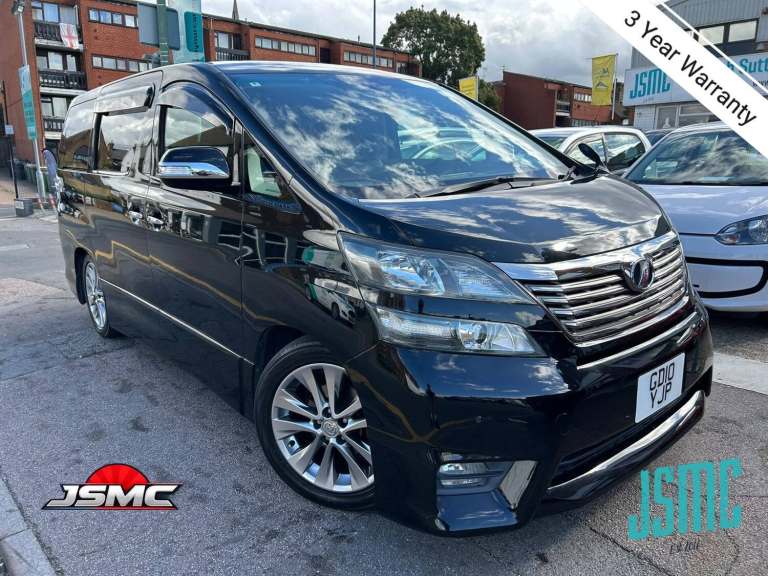 2010 Toyota Vellfire 2.4Z PLATINUM SELECTION MPV Petrol Automatic£ 9,950
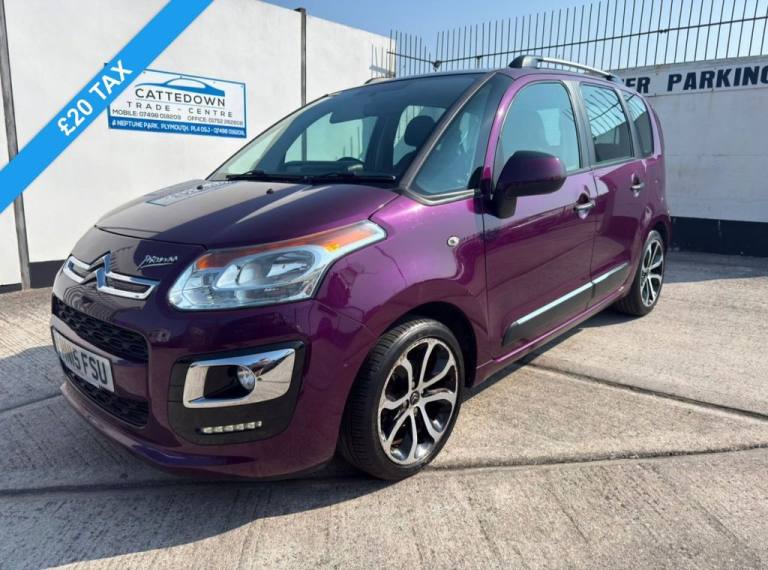 2015 15 CITROEN C3 PICASSO 1.6 BLUEHDI SELECTION MPV 5DR DIESEL MANUAL EURO 6 (1£ 4,995
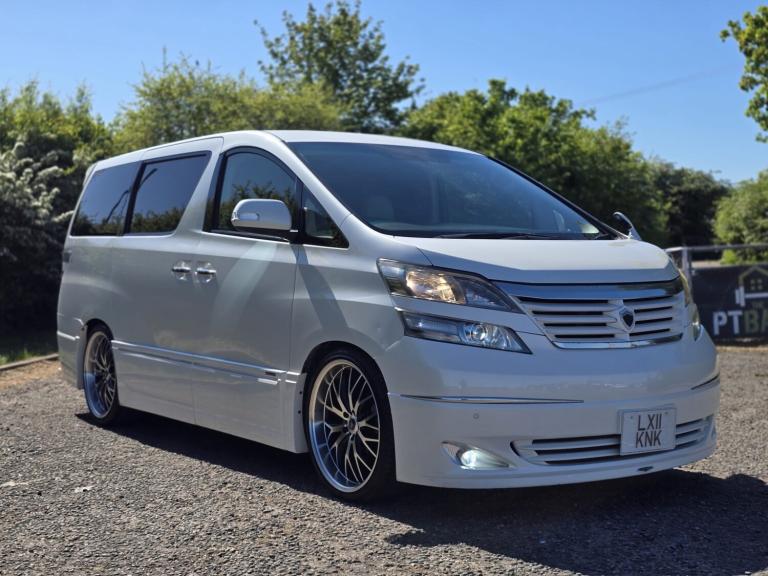 2011 Toyota Vellfire 2.4 PETROL, Z PLATINUM SELECTION, 8 SEATERS MPV Petrol Automatic£ 9,495
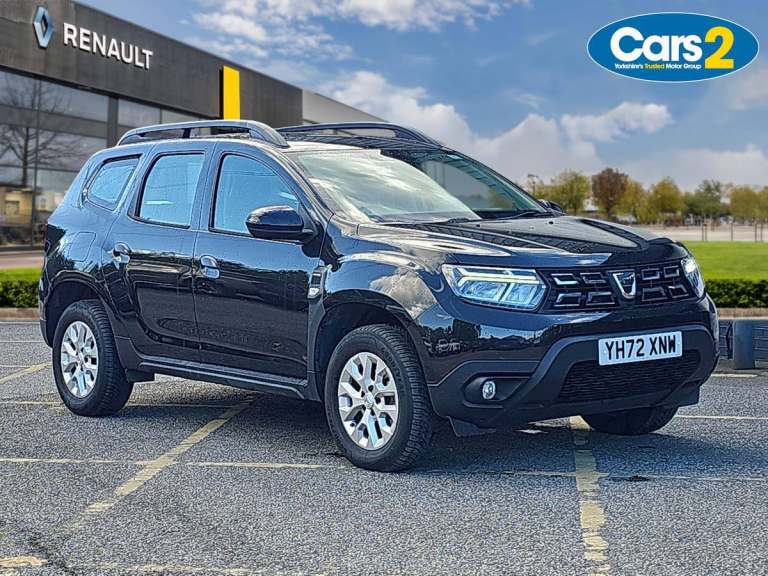 2022 Dacia Duster 1.5 Blue dCi Comfort SUV 5dr Diesel Manual 4WD Selectable Euro 6 (s/s) (115 SUV...£ 13,199
 Mazda 2 1.5h Select Hatchback 5dr Petrol Hybrid CVT Euro 6 s/s 116 Ps Petrol£ 14,995
Prices and availability can change. Check each advert on Gumtree before making a decision.
Where to look for a first car
You have three main routes in the UK:
- Approved used dealers, which often come with a warranty and the reassurance of a thorough preparation, though at a higher price.
- Private sellers on marketplaces such as Gumtree, where prices are usually lower but you carry more of the checking responsibility yourself.
- Auctions and online retailers, which can offer good value but typically sell vehicles as seen with limited comeback if something goes wrong.
Whichever route you choose, the checks in the table above still apply. The cheapest car on paper is rarely the cheapest car once you factor in insurance, tax, fuel and the likelihood of needing repairs.
Red flags to walk away from
- The seller cannot produce a V5C in their name.
- The mileage does not match the MOT history or service records.
- The car has been imported and you cannot verify its UK history.
- The seller pressures you to buy quickly or asks for a deposit before you have seen the car.
- The price is well below similar cars with the same age and mileage, with no clear reason.
If any of these apply, walk away. There will always be another car.
Decision summary
Start by setting a total monthly budget that includes insurance, tax, fuel and a repair buffer. Then shortlist small, mainstream hatchbacks in insurance groups 1 to 10, roughly five to ten years old, with a clean MOT history and a verifiable service record. View carefully, check the V5C and MOT history, run a vehicle check, and only part with money once you are satisfied the car matches the paperwork. A sensible first car is one that keeps you mobile and insured without eating into everything else you need to pay for.
FAQ
Should my first car be new or used?
For most first-time buyers, a used car around five to ten years old makes the most sense. You avoid the steepest depreciation, insurance is cheaper, and a well-maintained example at that age is typically very reliable. A brand-new car only makes financial sense if you have a generous budget and plan to keep it for many years.
How do I check a used car's history before buying?
Use the DVSA's free MOT history service to see past test results and advisories, and run a paid vehicle check to confirm there is no outstanding finance, that the mileage is genuine, and that the car has not been recorded as a write-off. Always verify the V5C logbook matches the seller and the car in front of you.
What is a good insurance group for a first car?
Groups 1 to 10 are the most affordable for new drivers. Cars in these groups tend to be smaller, less powerful, and cheaper to repair. Always get a personalised quote before committing, as your age, postcode and driving history will also affect the final price.
Is it worth getting a black box for my first car?
A telematics or black box policy can reduce your premium significantly if you drive carefully and keep your mileage within the agreed limit. The trade-off is that your driving is monitored, and a poor score can affect future premiums. Compare a standard quote and a black box quote side by side before deciding.
What paperwork do I need when buying a used car?
You should receive the V5C logbook in the seller's name, a valid MOT certificate (if the car is over three years old), a receipt showing the agreed price, and any service history or warranty documents. If the car is sold with a remaining manufacturer warranty, make sure you understand what is covered and how to claim.