
First Car
Quick answer
The best first car balances an affordable purchase price with low insurance premiums, sensible fuel economy, and a proven reliability record. Small hatchbacks in insurance groups 1–10 with engines under 1.2 litres are typically the most cost-effective choices for new UK drivers. Before committing to a purchase, set a total budget that includes road tax, insurance, and immediate maintenance, and always verify the vehicle’s MOT history, V5C logbook, and service records to avoid hidden faults or outstanding finance.
Setting a realistic first-car budget
Focusing solely on the asking price is a common mistake. The true cost of owning your first car extends well beyond the initial transaction, and new drivers often face the steepest running costs.
- Insurance premiums: Young and inexperienced drivers are statistically higher risk, making insurance one of the largest annual expenses. Always run quotes for the exact registration number of a prospective car before buying, as premiums can vary by hundreds of pounds between different trim levels of the same model.
- Vehicle Excise Duty (road tax): Tax rates depend on the car’s registration date and CO2 emissions. Cars registered before March 2001 are taxed by engine size, while newer cars are banded by emissions. Zero-emission vehicles currently pay £0, but always verify the current rate on GOV.UK.
- Fuel and efficiency: If you plan to commute or drive regularly, a car averaging 45–55 mpg will significantly reduce monthly outgoings compared to older, less efficient engines.
- Maintenance reserve: A sensible rule is to keep 10–15% of your purchase budget in reserve. This covers immediate post-purchase essentials like a fresh service, replacement tyres, brake pads, or minor cosmetic repairs.
- Clean Air Zones and ULEZ: If you live in or regularly drive through London, Birmingham, Bristol, or other cities with Clean Air Zones, check whether the car meets the required emissions standards (typically Euro 4 for petrol and Euro 6 for diesel). Non-compliant vehicles incur daily charges that can quickly make an otherwise cheap car expensive to run.
Choosing the right model and specification
Your first car should be forgiving to drive, cheap to repair, and easy to park. Prioritise practicality over performance.
- Insurance groups: UK cars are rated from 1 to 50. Aim for groups 1–10 to keep premiums manageable. These vehicles usually have modest power outputs and widely available, inexpensive replacement parts.
- Engine size: Naturally aspirated petrol engines between 1.0 and 1.2 litres offer the best compromise between town driving agility and motorway capability. Avoid turbocharged performance variants until you have built up a no-claims discount.
- Body style: Superminis and small hatchbacks, such as the Ford Fiesta, Vauxhall Corsa, Volkswagen Polo, or Toyota Yaris, dominate the first-car market for good reason. They offer compact dimensions for tight parking spaces, reasonable boot space for everyday use, and strong reliability records.
New, nearly new, or used?
- Used cars (3–10 years old): The most popular route for first-time buyers. The steepest depreciation has already been absorbed by the previous owner, meaning your money goes further. Look for vehicles with a full or partial service history and at least six months left on the MOT.
- Nearly new / Approved used: These are typically under three years old and sold through franchised dealers with manufacturer-backed warranties. They cost more upfront but provide peace of mind and often include breakdown cover.
- Brand new: Rarely recommended as a first car. New vehicles lose a significant portion of their value in the first three years, and minor parking scrapes are far more likely when you are still building spatial awareness and confidence.
Pre-purchase inspection checklist
Never hand over money without verifying the car’s condition and paperwork. Use this checklist to filter out problematic vehicles.
- V5C logbook: Confirm the seller is the registered keeper and that the address matches the viewing location. Check that the VIN/chassis number and engine number on the V5C match the plates stamped on the car. Never buy a vehicle without a V5C.
- MOT history: Use the free GOV.UK MOT history checker. Look for recurring advisories (such as suspension corrosion or brake wear) and verify that the mileage has increased logically each year. Sudden drops or long gaps suggest tampering or periods off the road.
- Service history: A stamped service book or a folder of receipts indicates responsible ownership. Timing belt changes are particularly important; if the belt snaps, it can cause catastrophic engine damage.
- Bodywork and panels: Check for uneven panel gaps, mismatched paint, or rippled metal under the bonnet and in the boot, which can indicate previous accident damage. Surface rust on older cars is common, but structural rot around the sills, wheel arches, or suspension mounts is a serious safety risk.
- Tyres: Legal tread depth is 1.6mm across the central three-quarters of the tyre. Check for uneven wear, which may point to alignment or suspension issues, and ensure all tyres on the same axle are the same brand and type.
- Vehicle data check: Run an HPI or similar vehicle history check to confirm the car has not been written off, does not have outstanding finance, and has not been reported stolen.
The test drive
A proper test drive should last at least 15–20 minutes and cover a mix of road types.
- Cold start: Ask the seller not to warm the car up before you arrive. Start the engine from cold and listen for excessive rattling, smoke, or rough idling, which can indicate underlying mechanical issues.
- Clutch and gears: The clutch should engage smoothly without juddering or slipping at higher revs. Gear changes should be precise and free of grinding noises.
- Brakes and steering: Test the brakes at low and moderate speeds. The pedal should feel firm, and the car should stop in a straight line without pulling to one side. The steering should be responsive and free of vibrations.
- Electronics: Test all windows, mirrors, air conditioning, indicators, and the infotainment system. Faulty electronics can be surprisingly expensive to diagnose and repair.
Where to find your first car
You can browse thousands of private and trade listings on Gumtree Motors, filtering by make, model, price, mileage, and location to find suitable options near you. Private sellers often list cars at lower prices, but established dealers may offer limited warranties and stronger consumer protections under the Consumer Rights Act 2015. Always view the car in daylight and at the seller’s home or registered business address.
Current Gumtree listings
Live adverts related to this topic, selected from Gumtree search results.
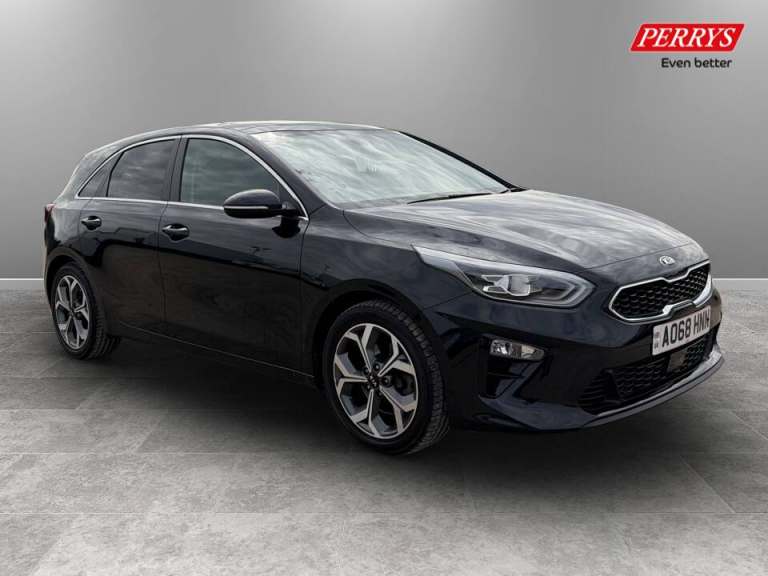 2018 Kia Ceed 1.4T GDi ISG First Edition 5dr Hatchback PETROL Manual£ 12,344
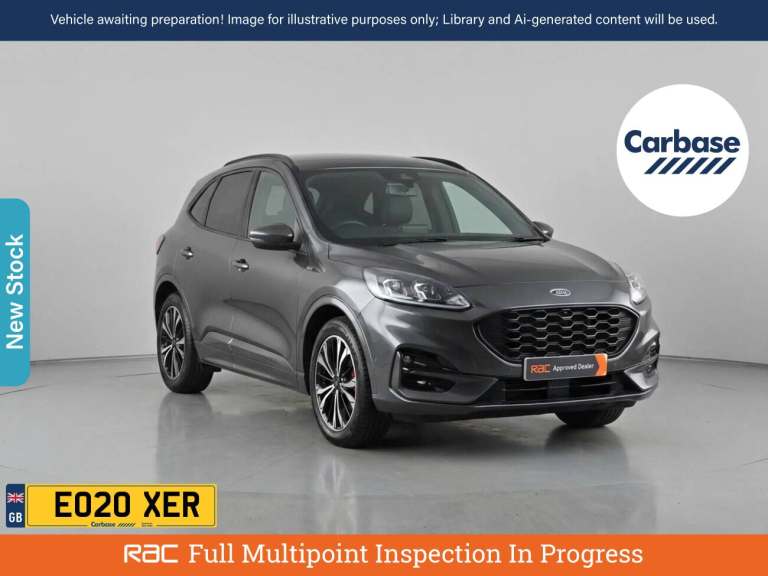 2020 Ford Kuga 1.5 EcoBlue ST-Line X First Edition SUV 5dr Diesel Auto Euro 6 (s/s) (120 p SUV Au...£ 12,000
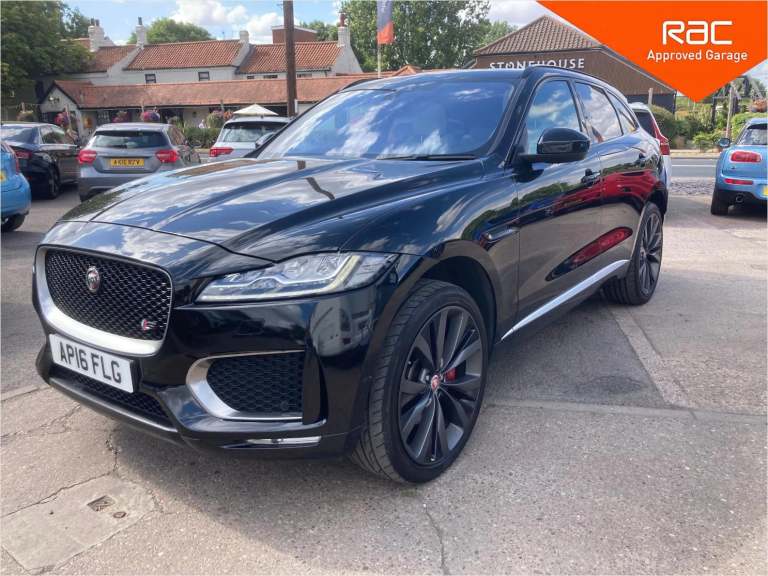 2016 Jaguar F-Pace 3.0 D300 V6 First Edition SUV 5dr Diesel Auto AWD Euro 6 (s/s) (300 ps) SUV Di...£ 12,495
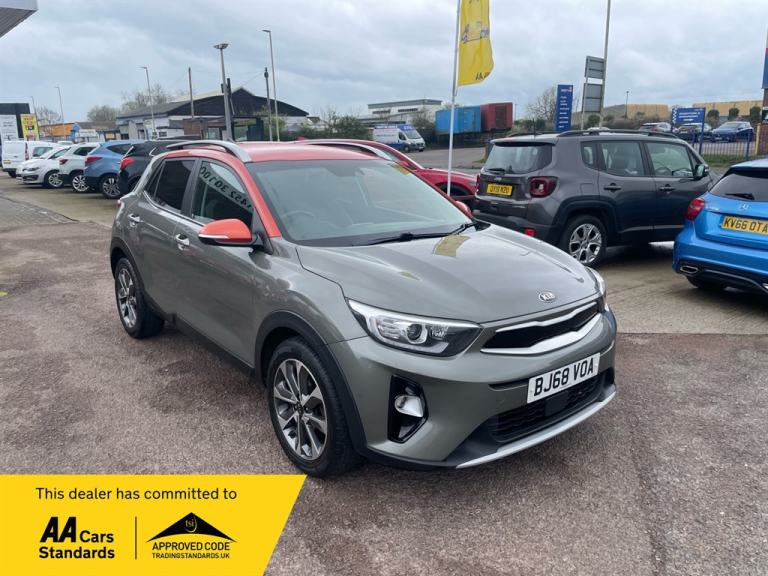 2018 Kia Stonic FIRST EDITION ISG Hatchback Petrol Manual£ 8,995
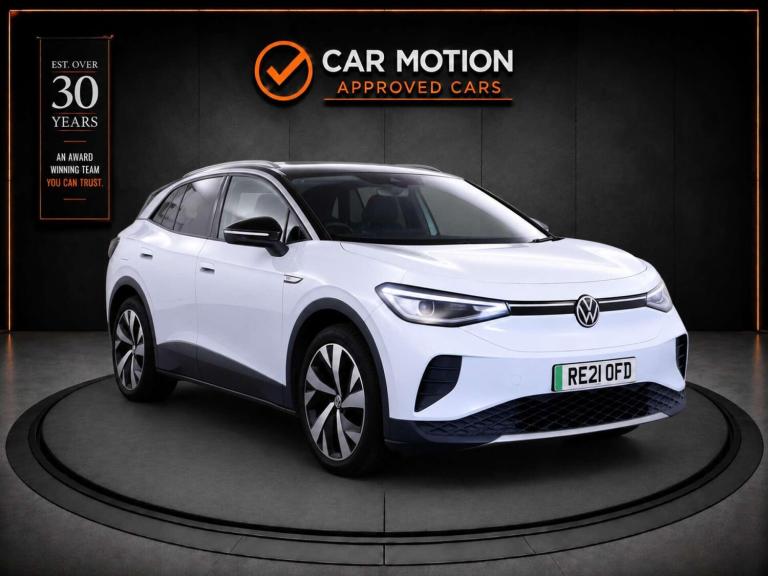 2021 Volkswagen ID.4 ID4 1st Edition 5dr ESTATE Electric Automatic£ 14,471
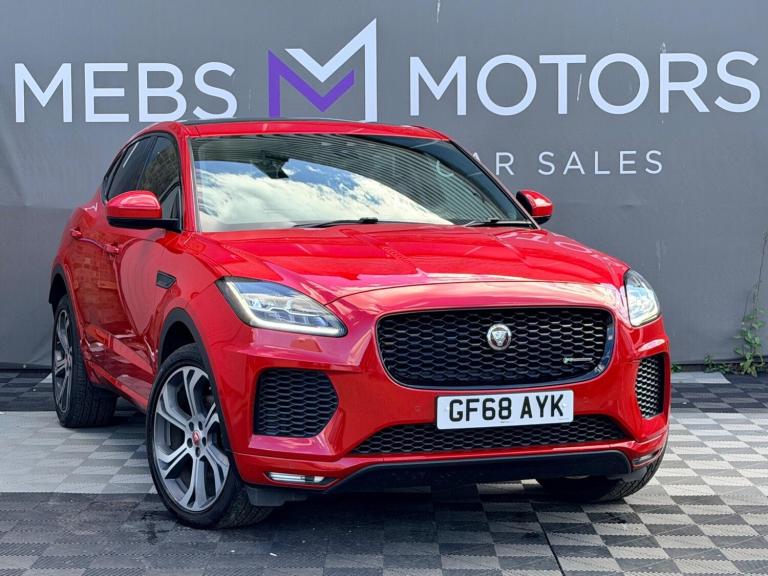 2018 Jaguar E-Pace 2.0 D180 First Edition Auto AWD Euro 6 (s/s) 5dr ESTATE Diesel Automatic£ 14,000
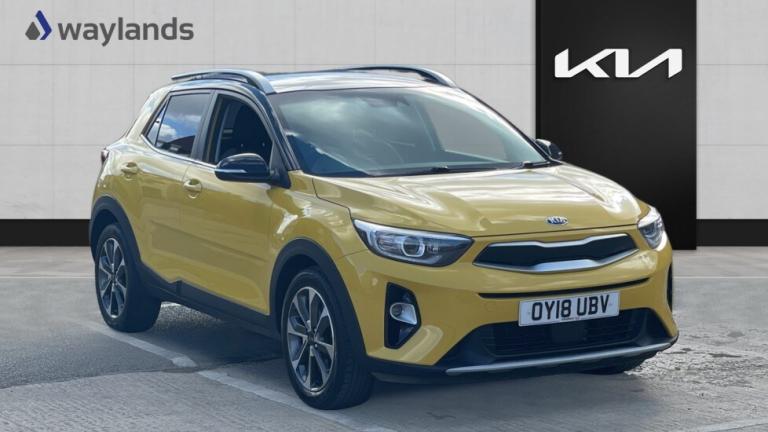 2018 Kia Stonic First Edition HATCHBACK Petrol Manual£ 7,749
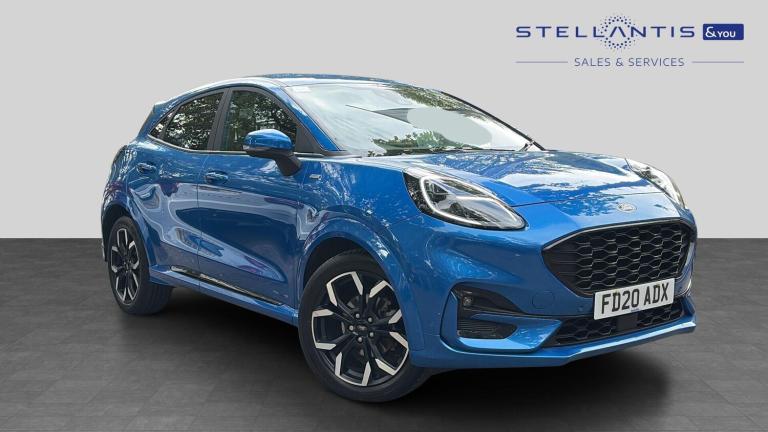 2020 Ford Puma 1.0T EcoBoost MHEV ST-Line X First Edition SUV 5dr Petrol Manual Euro 6 (s/ SUV Pe...£ 12,789
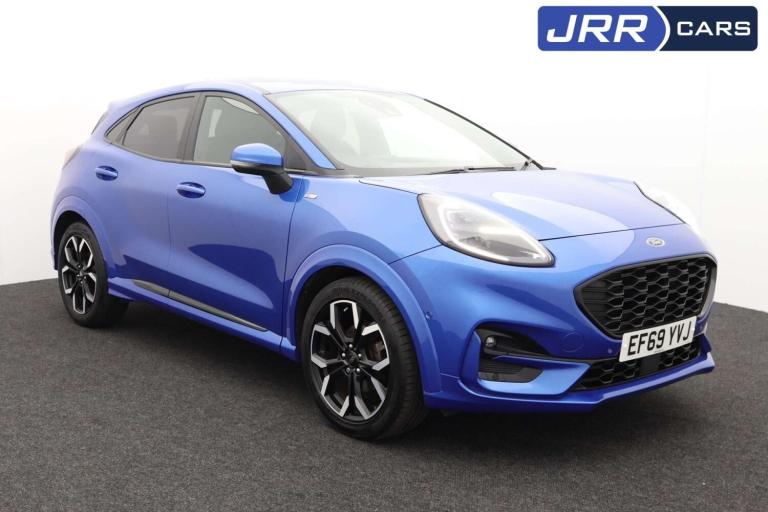 2020 Ford Puma 1.0 Puma ST-Line X First Edition MHEV 5dr SUV Petrol Manual£ 12,400
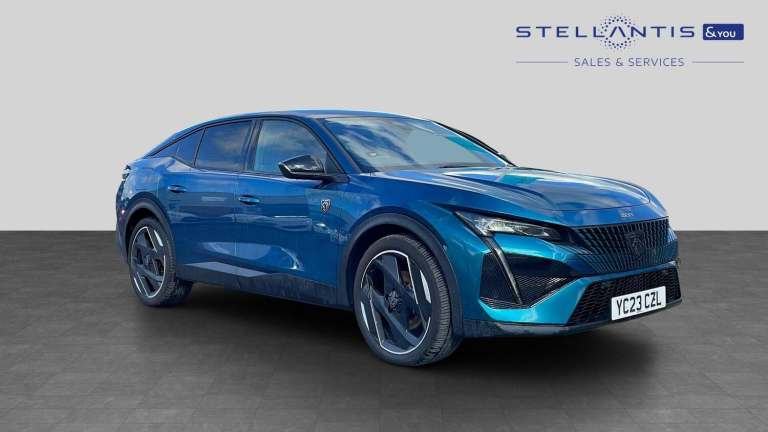 2023 Peugeot 408 1.6 12.4kWh First Edition Fastback 5dr Petrol Plug-in Hybrid e-EAT Euro 6 ( Hatc...£ 17,259
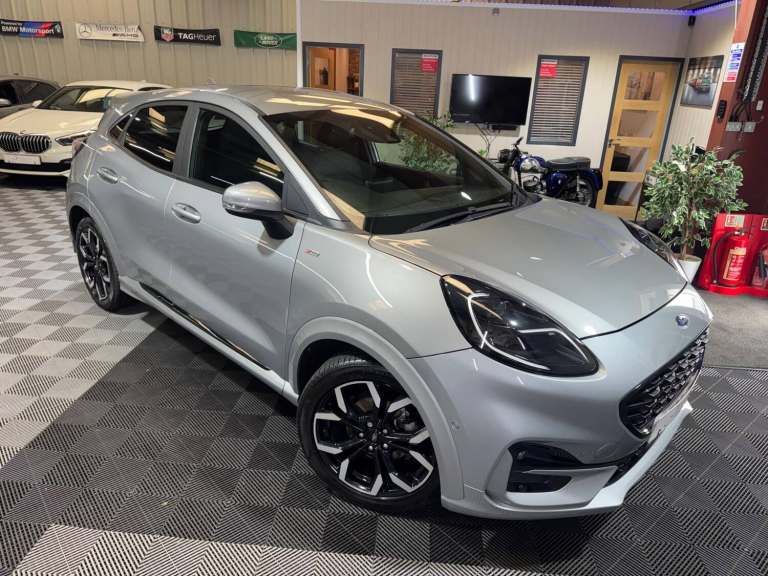 2020 Ford Puma 1.0 EcoBoost Hybrid mHEV 155 ST-Line X 1st Ed 5dr HATCHBACK PETROL Manual£ 12,991
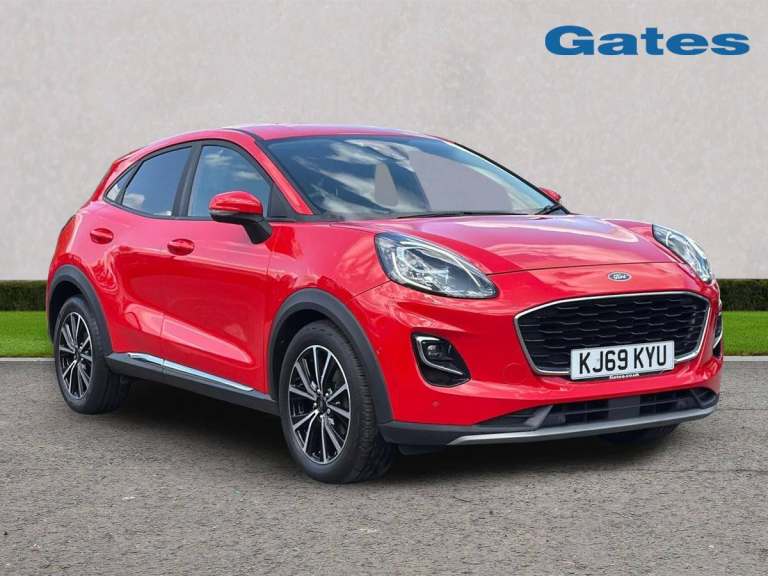 2020 Ford Puma Puma 5Dr Titanium First Edition 1.0 MHEV 125PS Hatchback Petrol Manual£ 11,000
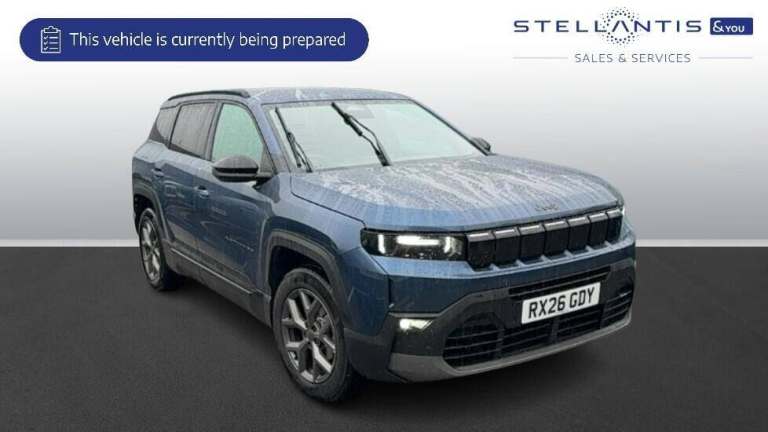 2026 Jeep Compass 1.2 e-Hybrid First Edition 5dr DCT ESTATE PETROL Automatic£ 29,765
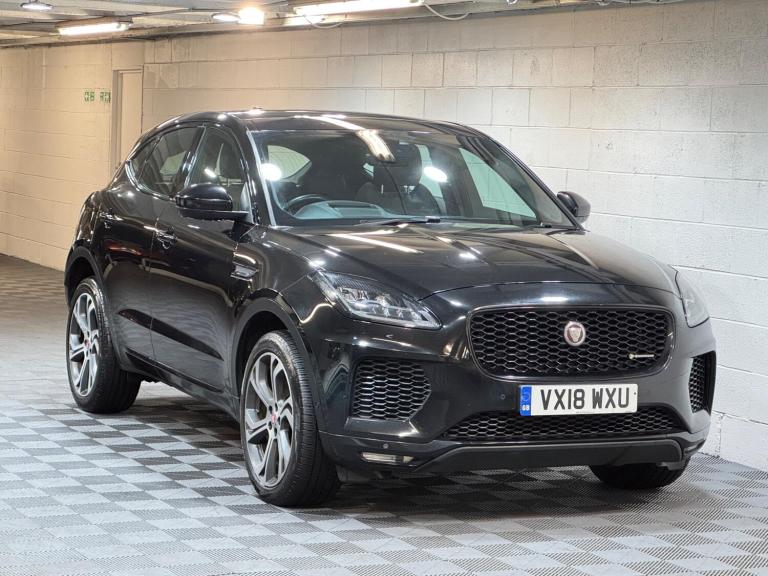 2018 Jaguar E-Pace 2.0 D180 First Edition Auto AWD Euro 6 (s/s) 5dr ESTATE Diesel Automatic£ 7,789
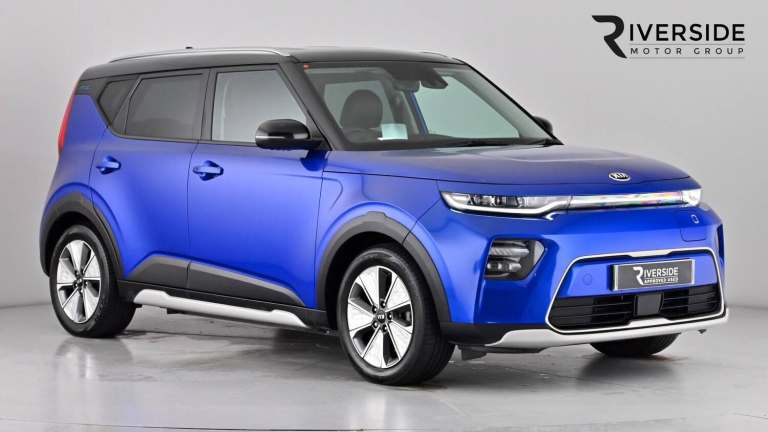 2020 Kia Soul 150kW First Edition 64kWh 5dr Auto HATCHBACK ELECTRIC Automatic£ 14,195
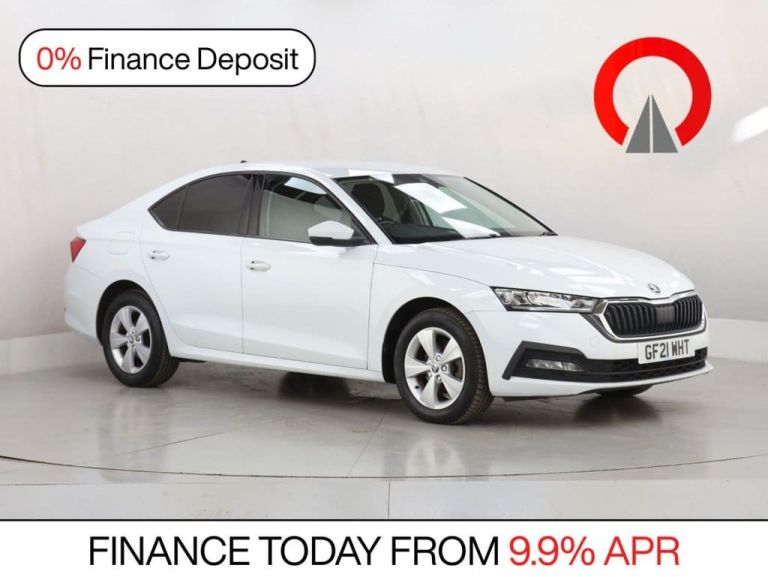 2021 Skoda Octavia 1.0 TSI e-TEC MHEV SE First Edition Hatchback 5dr Petrol Hybrid DSG Euro 6 Ha...£ 11,490
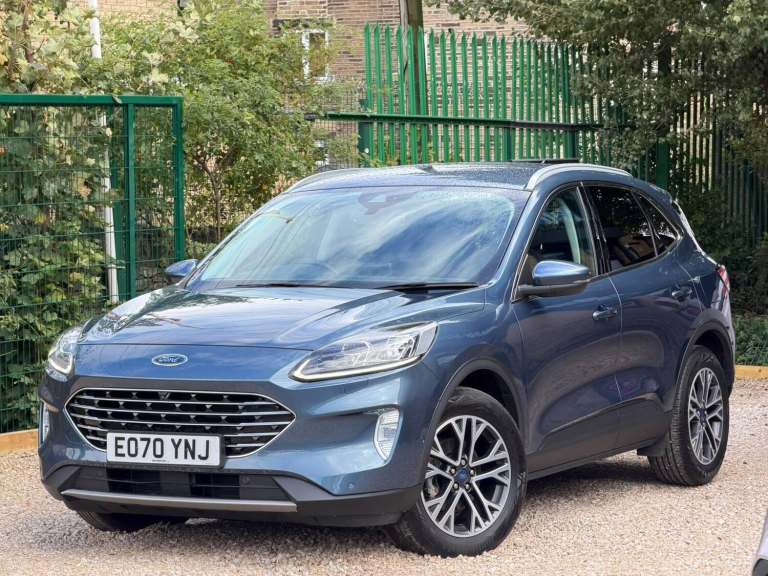 2020 Ford Kuga 1.5 EcoBlue Titanium First Edition 5dr HATCHBACK DIESEL Manual£ 7,990
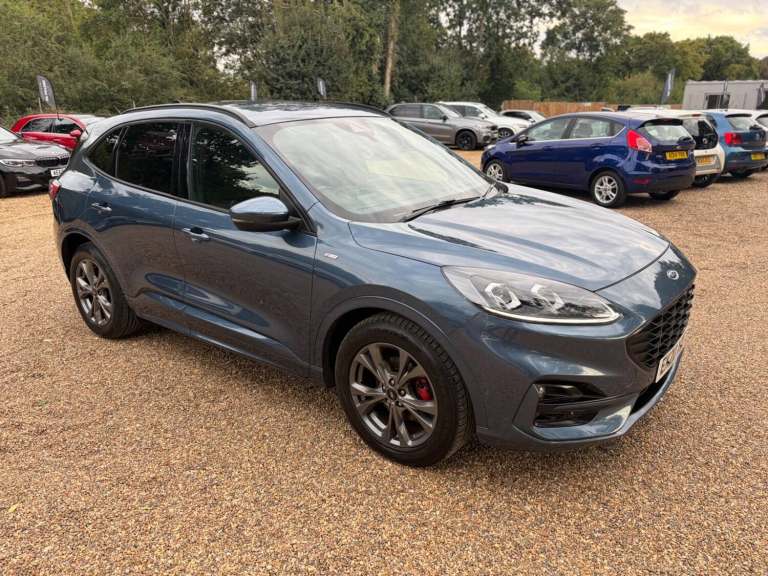 2020 Ford Kuga 2.0 EcoBlue MHEV ST-Line First Edition Euro 6 (s/s) 5dr HATCHBACK Diesel Manual£ 12,250
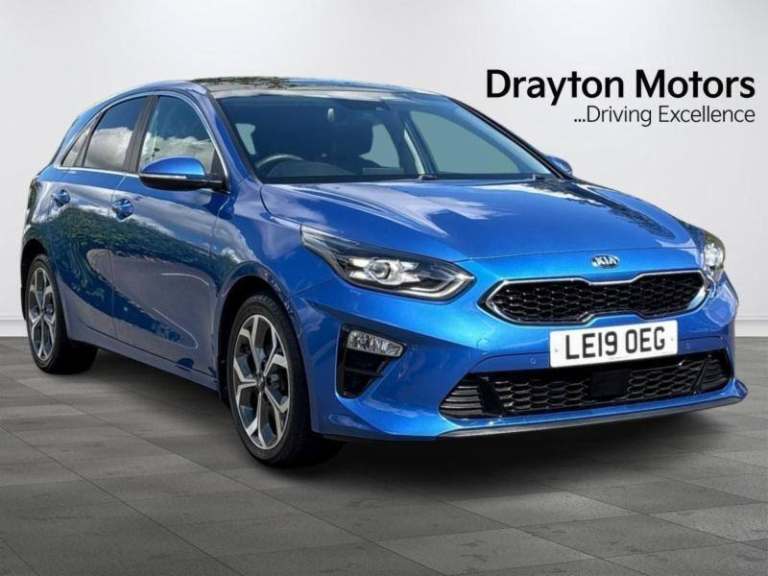 2019 Kia Ceed 1.4T GDi ISG First Edition 5dr DCT HATCHBACK PETROL Automatic£ 14,844
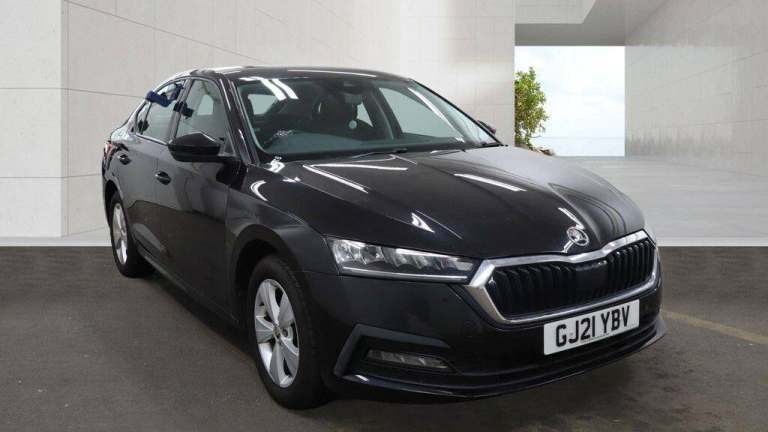 2021 Skoda Octavia 1.0 TSI e-TEC SE First Edition 5dr DSG HATCHBACK PETROL Automatic£ 9,700
Prices and availability can change. Check each advert on Gumtree before making a decision.
FAQ
What is the best insurance group for a first car?
Aim for insurance groups 1 to 10. These cars typically feature smaller engines, lower repair costs, and modest performance, which insurers classify as lower risk. Always obtain quotes for specific registration numbers before purchasing, as optional extras or higher trim levels can push a car into a more expensive group.
Should I buy an electric car as my first vehicle?
Electric vehicles eliminate road tax and drastically reduce fuel costs, but they often command higher purchase prices and insurance premiums. They are a highly practical choice if you have access to reliable home charging and primarily drive urban or suburban routes. If you frequently travel long distances on motorways or rely entirely on street parking, a petrol or hybrid model may currently offer more flexibility.
Can I drive the car home immediately after buying it?
Only if the car is taxed and you have valid insurance cover in place. Road tax does not transfer with the vehicle; the new keeper must tax it online via GOV.UK before driving it on public roads. You will also need a valid MOT certificate if the car is over three years old. Driving an untaxed or uninsured car, even to take it home, is illegal and can result in fines, penalty points, and vehicle seizure.
Is it better to buy from a dealer or a private seller?
Dealers generally provide stronger legal protection under the Consumer Rights Act 2015, including a 30-day right to reject a faulty vehicle for a full refund. Private sales are usually cheaper but operate on a 'sold as seen' basis, meaning your legal recourse is limited if problems arise after the sale. Regardless of the seller type, thorough inspections and vehicle history checks are essential.