
First Car
Quick answer
Choosing your first car comes down to balancing your upfront budget with ongoing running costs, particularly insurance. For most new drivers, the smartest choice is a reliable used hatchback with a small engine (1.0 to 1.2 litres) and a low insurance group (typically 1–10). Prioritise models with a full service history, a valid MOT and a clean vehicle data check over high specs or performance. By focusing on low-risk, easy-to-drive vehicles, you will keep premiums manageable and minimise unexpected repair bills while building your confidence on the road.
Setting a realistic first-car budget
The sticker price is only the starting point. Before viewing any adverts, work out what you can actually afford to run each month.
- Purchase price: Decide whether you are buying outright or using finance. If you are buying used, leave a buffer of £300–£500 for immediate essentials like new tyres, a service or minor fixes.
- Insurance: This is usually the biggest shock for new drivers. Premiums vary wildly based on your age, postcode and the car itself. Always get insurance quotes for specific registration numbers before making an offer.
- Vehicle tax: Check the VED rate on GOV.UK. Cars registered before April 2017 are taxed by CO2 emissions, while newer cars have a standard flat rate (with a luxury supplement for vehicles originally priced over £40,000).
- Fuel and maintenance: Smaller engines sip petrol, but factor in routine servicing, tyre replacements and the annual MOT once the car is three years old.
New or used: what suits a new driver?
Used cars are the traditional route for first-time buyers. Depreciation has already taken the biggest hit, meaning you lose less money if you decide to upgrade or if the car is written off. The used market offers thousands of small hatchbacks that are cheap to insure and easy to park. The trade-off is that you will need to be diligent about checking the vehicle's history and mechanical condition.
New cars come with a manufacturer warranty, the latest safety tech and zero hidden history. However, they depreciate rapidly in the first three years and often carry higher insurance group ratings due to their higher value and repair costs. If you opt for new, PCP finance can make monthly payments predictable, but you will be tied into a contract with mileage limits and condition requirements.
For most people passing their test, a three- to five-year-old used car strikes the best balance between modern safety features, affordable premiums and sensible depreciation.
Key features to look for
When you start your search for a first car on Gumtree, keep these practical criteria in mind:
- Engine size: Stick to 1.0 or 1.2 litres. Anything larger will push your insurance group up and burn more fuel without offering much benefit for city and suburban driving.
- Insurance groups: UK cars are rated from 1 to 50. Aim for groups 1–10. Models like the Ford Fiesta, Vauxhall Corsa, Volkswagen Polo, Toyota Yaris and Hyundai i10 consistently sit in the lower bands.
- Safety ratings: Check the Euro NCAP score. Even on a tight budget, try to secure a car with at least a four-star rating, electronic stability control and multiple airbags.
- Size and visibility: You will be learning to judge gaps and park in tight spaces. A compact hatchback with large windows and light steering makes manoeuvring much less stressful.
- Reliability: Japanese and Korean brands often top reliability surveys, but mainstream European models are also solid provided they have been serviced on schedule.
Essential checks before you buy
Never hand over money without verifying the car's paperwork and condition. A structured approach saves you from buying a lemon or a vehicle with outstanding finance.
- V5C logbook: Ensure the seller is the registered keeper and that the VIN matches the car. Never buy a car without its V5C.
- MOT history: Use the free GOV.UK checker to view past advisories and mileage readings. Look for consistent annual mileage and check if previous rust or tyre issues were properly resolved.
- Service history: A stamped service book or a folder of receipts proves the engine has been maintained. Missing history might mean skipped oil changes or timing belt replacements.
- Vehicle data check: Pay for a reputable HPI or data check to confirm the car has not been stolen, written off (Category S or N) or encumbered by unpaid finance.
- Test drive: Drive for at least 15 minutes on varied roads. Listen for knocking sounds, check that the brakes feel firm, ensure the clutch engages smoothly and test all electrics, including lights, wipers and air conditioning.
If you are not confident assessing a used car yourself, consider paying a professional mechanic or a mobile inspection service to review it before you commit.
Current Gumtree listings
Live adverts related to this topic, selected from Gumtree search results.
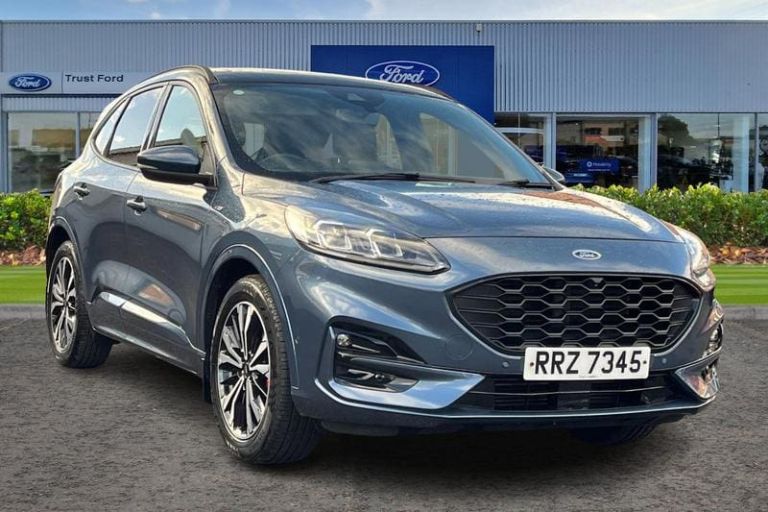 2020 Ford Kuga 1.5 EcoBlue ST-Line X First Edition 5dr HATCHBACK DIESEL Manual£ 11,350
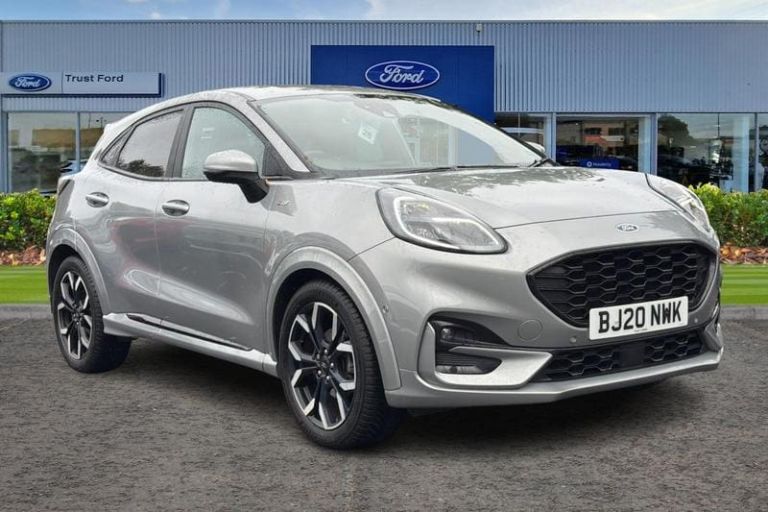 2020 Ford Puma 1.0 EcoBoost Hybrid mHEV 155 ST-Line X 1st Ed 5dr HATCHBACK PETROL Manual£ 12,399
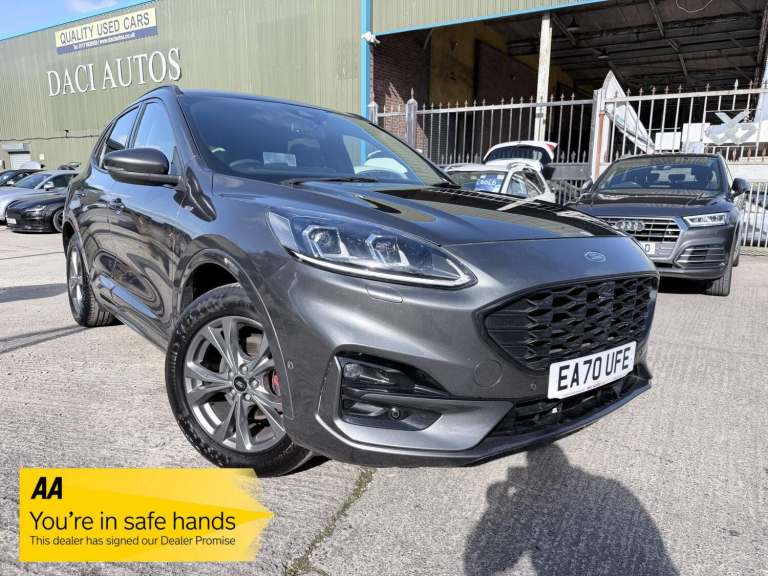 2020 Ford Kuga 1.5 EcoBlue ST-Line First Edition SUV 5dr Diesel Auto Euro 6 (s/s) (120 ps) SUV Di...£ 9,995
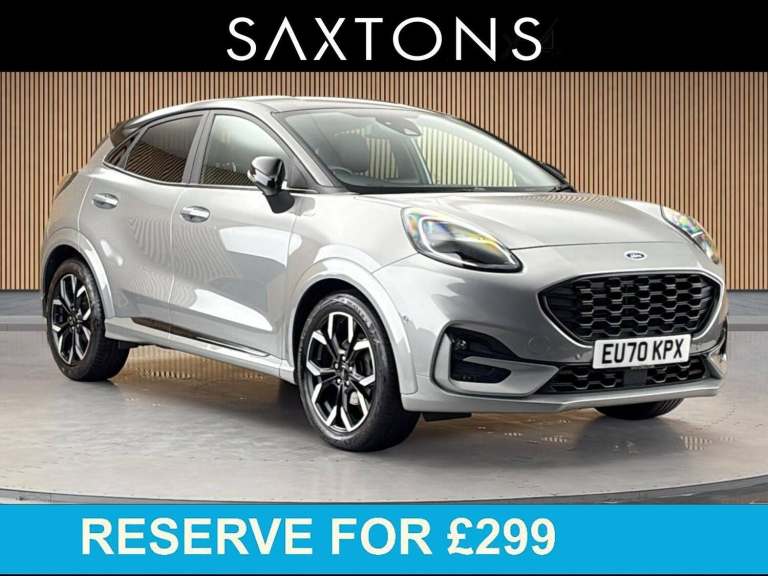 2020 Ford Puma 1.0T EcoBoost MHEV ST-Line X First Edition SUV 5dr Petrol Manual Euro 6 (s/ HATCHB...£ 10,650
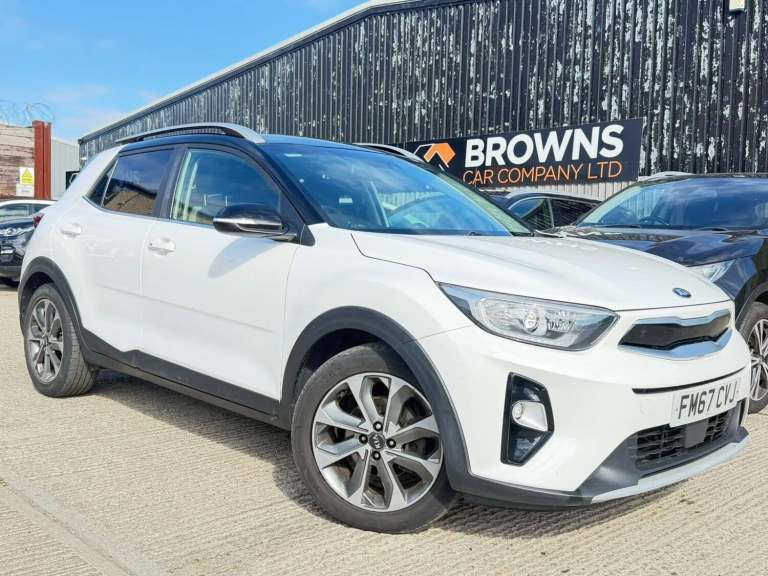 2018 Kia Stonic 1.0 T-GDi First Edition Euro 6 (s/s) 5dr HATCHBACK Petrol Manual£ 6,700
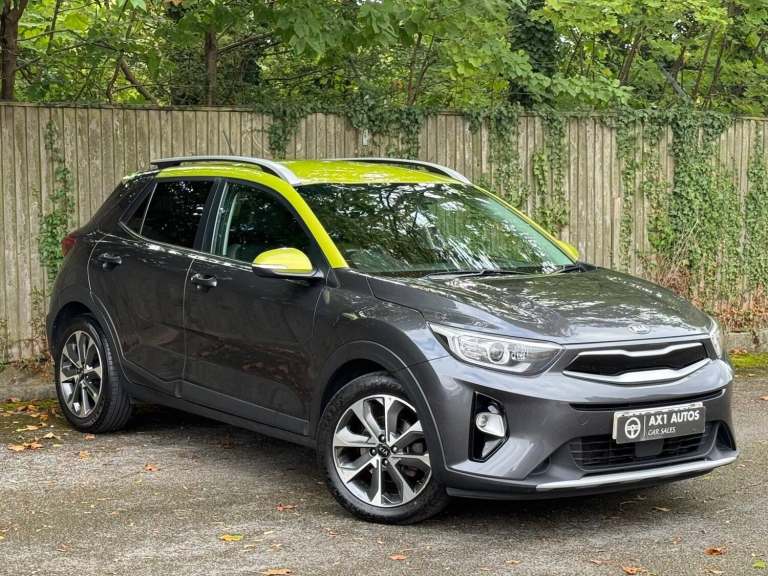 2017 Kia Stonic 1.0T GDi First Edition 5dr HATCHBACK PETROL Manual£ 7,000
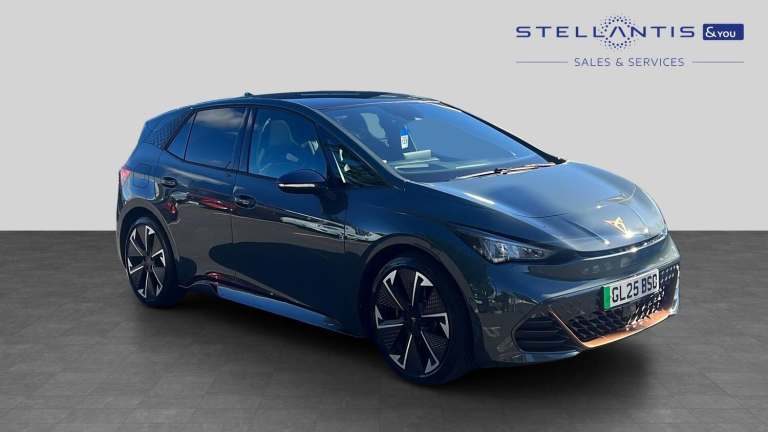 2025 Cupra Born e-Boost 79kWh VZ First Edition Auto 5dr Hatchback Electric Automatic£ 30,992
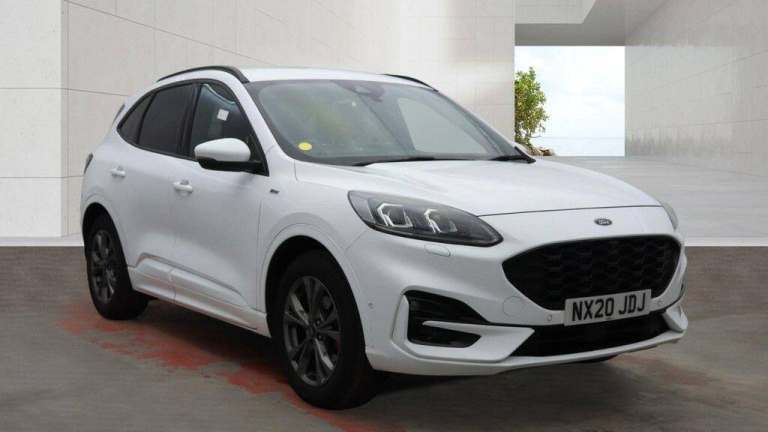 2020 Ford Kuga 1.5T EcoBoost ST-Line First Edition Euro 6 (s/s) 5dr HATCHBACK Petrol Manual£ 10,290
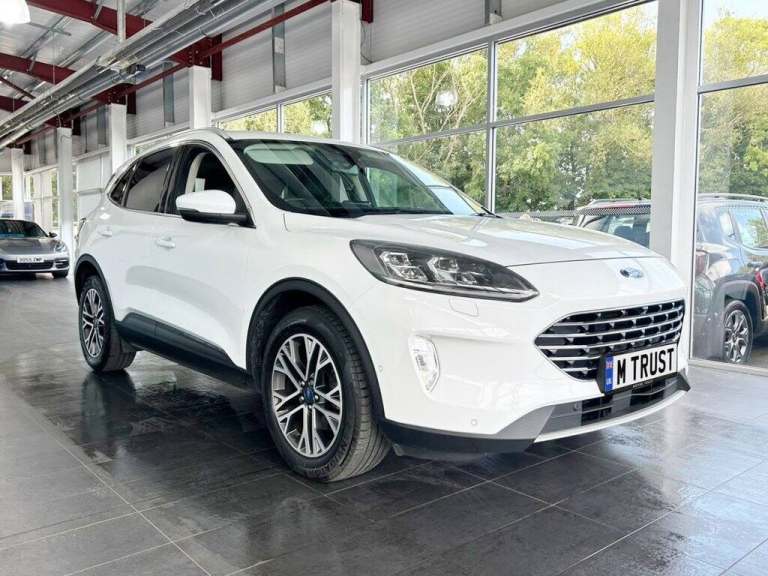 2020 Ford Kuga 1.5T EcoBoost Titanium First Edition SUV 5dr Petrol Manual Euro 6 (s/s) (15 HATCHB...£ 11,995
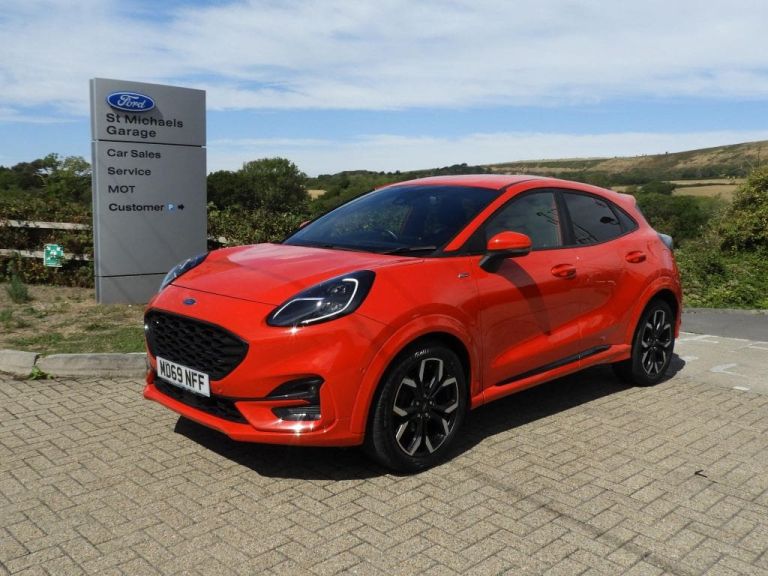 2020 Ford Puma 1.0 EcoBoost Hybrid mHEV ST-Line X First Ed 5dr HATCHBACK PETROL Manual£ 10,995
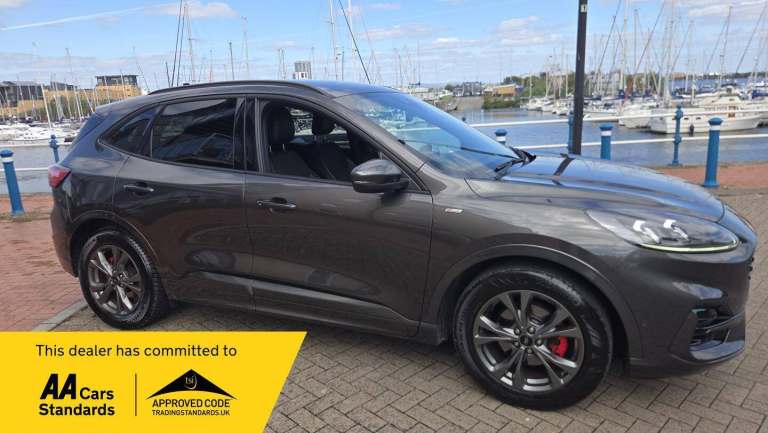 2020 Ford Kuga 2.0 EcoBlue MHEV ST-Line First Edition Euro 6 (s/s) 5dr HATCHBACK Diesel Manual£ 10,695
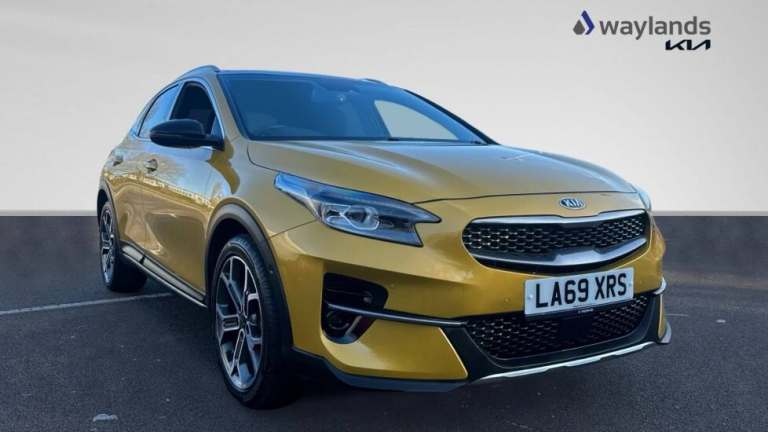 2020 Kia XCeed First Edition HATCHBACK Petrol Manual£ 11,295
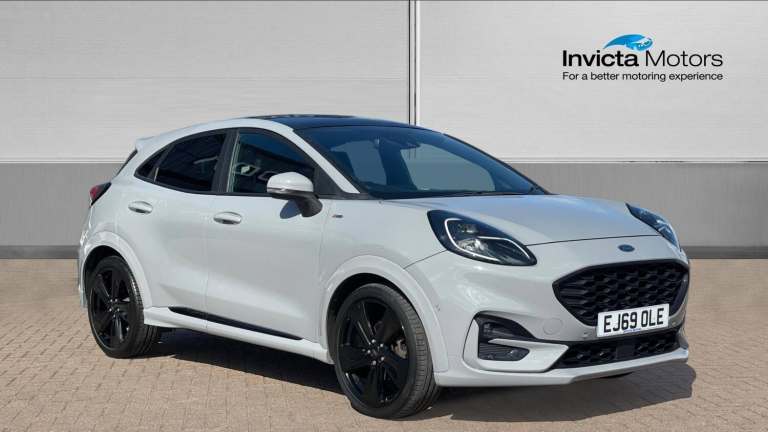 2020 Ford Puma 1.0 EcoBoost Hybrid mHEV 155 ST-Line X 1st Ed+ 5dr Petrol£ 13,250
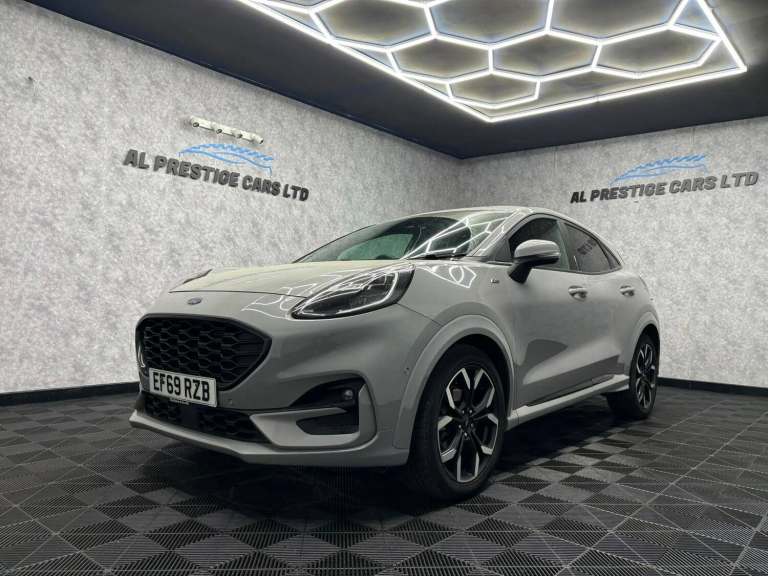 2019 Ford Puma 1.0T EcoBoost MHEV ST-Line X First Edition Euro 6 (s/s) 5dr HATCHBACK Petrol Manual£ 12,499
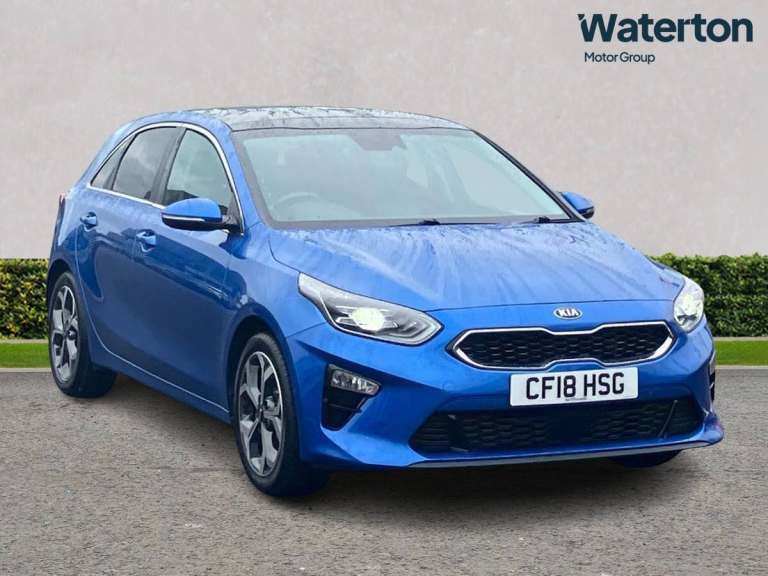 2018 Kia Ceed 1.4T GDi ISG First Edition 5dr Hatchback Petrol Manual£ 9,250
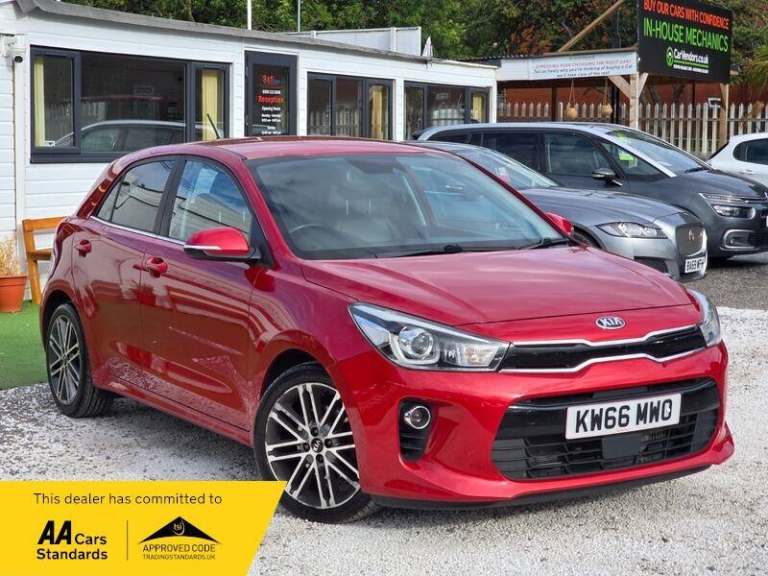 2017 Kia Rio 1.0 T-GDi First Edition Euro 6 (s/s) 5dr HATCHBACK Petrol Manual£ 5,990
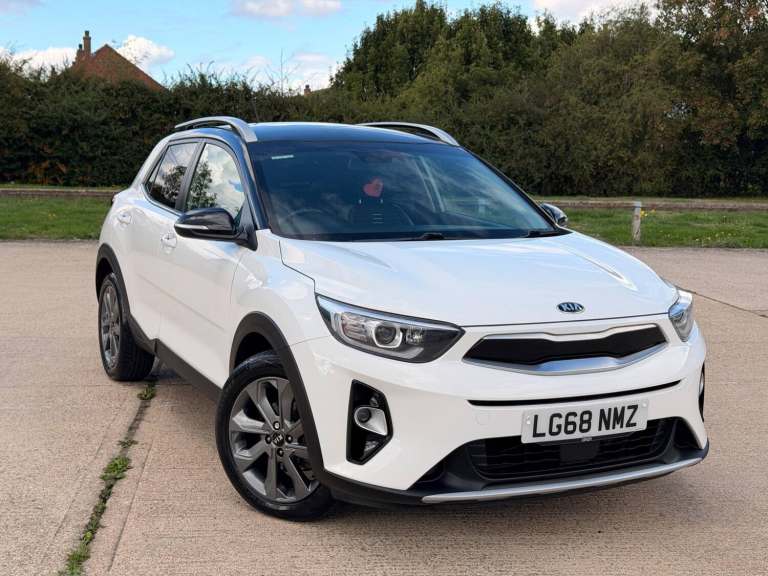 2018 Kia Stonic 1.6 CRDi First Edition 5dr HATCHBACK DIESEL Manual£ 8,995
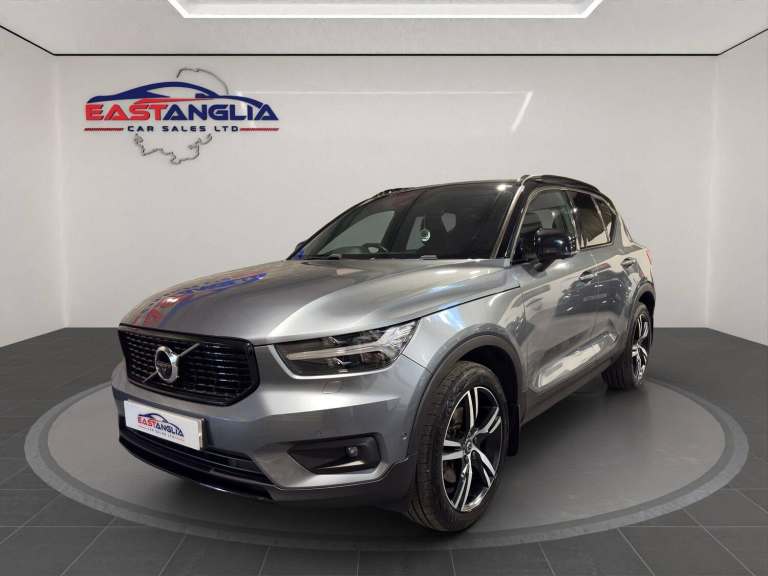 2018 Volvo XC40 2.0 D4 First Edition Auto AWD Euro 6 (s/s) 5dr ESTATE Diesel Automatic£ 14,990
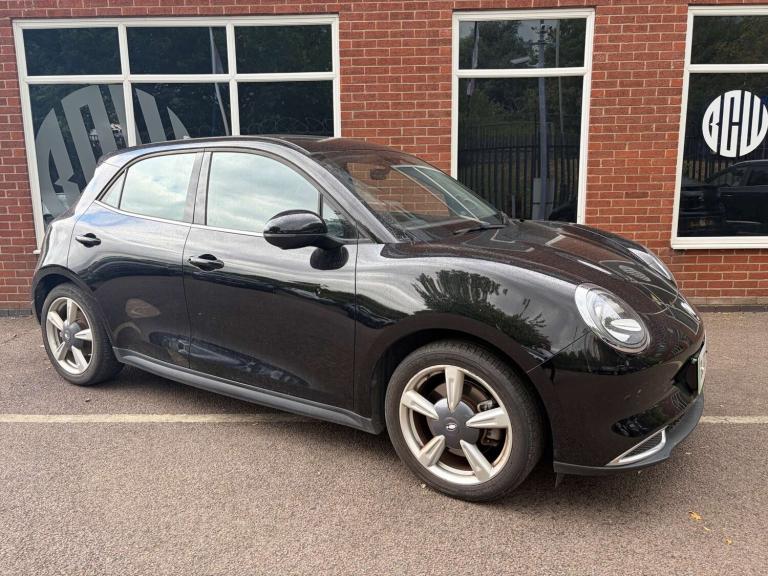 2022 Great Wall Funky Cat Funky Cat First Edition 5dr Hatchback Electric Automatic£ 9,000
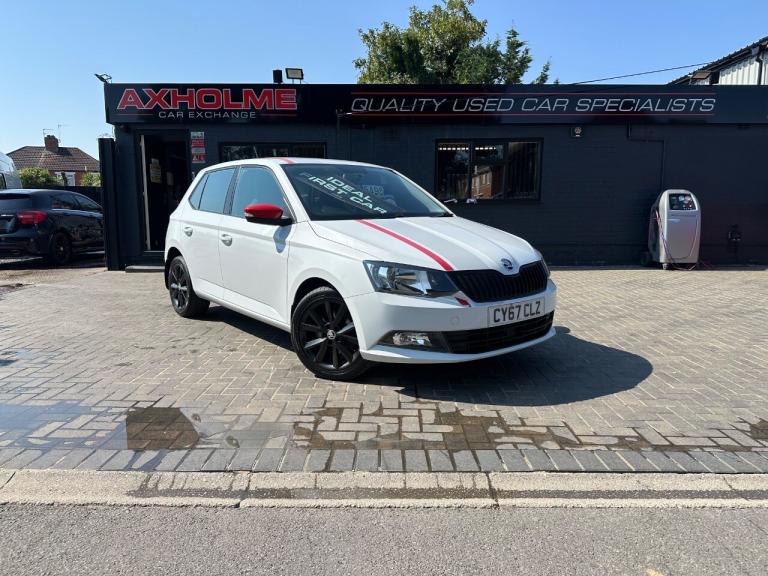 Skoda Fabia 1.0 TSI Redline 5dr ideal 1st car Petrol£ 4,995
Prices and availability can change. Check each advert on Gumtree before making a decision.
Keeping insurance costs down
Insurance is the main hurdle for new drivers, but there are legitimate ways to reduce the quote:
- Choose a low insurance group: This is the single biggest factor you can control. Avoid modified cars, turbocharged engines and high-value trims.
- Consider a black box policy: Telematics policies monitor your speed, braking and driving times. Safe driving can lead to significant discounts at renewal.
- Add an experienced named driver: Adding a parent or partner with a clean licence and years of experience can sometimes lower the premium. Never put them as the main driver if they are not; that is fronting and it is illegal.
- Improve security: Parking off-road, using a steering lock or fitting a Thatcham-approved alarm can shave a percentage off the quote.
- Pay annually: If you can afford it, paying upfront avoids the high interest rates attached to monthly instalment plans.
FAQ
What is the best engine size for a first car?
A 1.0 to 1.2 litre petrol engine is ideal. It provides enough power for motorway driving whilst keeping insurance groups low and fuel consumption economical. Avoid diesel unless you regularly cover high motorway miles, as modern emission restrictions and DPF maintenance make diesels less suitable for short urban trips.
Should I buy a car with a full service history?
Yes. A full service history proves the previous owners maintained the vehicle according to the manufacturer's schedule. It significantly reduces the risk of hidden mechanical faults, helps the car retain its value and can sometimes be used to negotiate a better price if stamps are missing.
How old should my first car be?
A car aged between three and seven years old usually offers the best compromise. It will have already absorbed the steepest depreciation, yet still feature modern safety equipment, reasonable fuel economy and plenty of reliable life left. Cars older than ten years can be cheaper to buy but may require more frequent repairs and lack advanced safety aids.
Is it worth getting a black box for my first car?
For many new drivers, yes. Black box (telematics) policies reward careful driving with lower renewal premiums. They also often include theft tracking and accident alert features. If you drive sensibly and avoid late-night hours, the savings can be substantial compared to standard policies.