
First Car
Quick answer
A first car guide should help you choose a vehicle that balances affordability, reliability, insurance costs and safety. Focus on cars in low insurance groups (1-10), with a full MOT history, clear service records and no outstanding finance. Prioritise hatchbacks with good fuel economy, low road tax and proven reliability over performance or prestige.

Setting your realistic budget
Your first car budget needs to cover far more than the purchase price. Calculate your total monthly commitment including:
- Car payment or loan repayment
- Insurance premium (often £1,000-£3,000+ annually for new drivers)
- Road tax (vehicle excise duty)
- MOT costs (£54.85 maximum for cars)
- Fuel or charging costs
- Servicing and maintenance
- Breakdown cover
A common rule is that total car costs should not exceed 15-20% of your monthly take-home pay. If you're financing, check the APR and total amount payable, not just monthly payments.
Choosing the right type of car
For most first-time drivers, a small to medium hatchback offers the best balance of running costs, practicality and manoeuvrability. Consider:
Engine size and fuel type
Smaller engines (1.0-1.4 litres) typically cost less to insure and tax. Petrol cars suit lower annual mileages, while diesel may make sense if you regularly drive over 12,000 miles yearly. Electric vehicles have lower running costs but higher upfront prices and require charging access.
Safety ratings
Check Euro NCAP safety ratings. Look for cars with modern safety features like electronic stability control, multiple airbags and ISOFIX child seat points if needed.
Reliability
Research model-specific reliability through owner forums, manufacturer warranty data and independent surveys. Cars with proven reliability records reduce unexpected repair costs.
Size and practicality
Consider where you'll park regularly, typical journey lengths and whether you need boot space for hobbies, work equipment or passengers.
Insurance considerations
Insurance is often the largest ongoing cost for new drivers. To keep premiums manageable:
- Choose cars in insurance groups 1-10 (out of 50)
- Avoid modified vehicles or cars with large engines
- Build a no-claims discount over time
- Consider telematics (black box) policies if you're a safe driver
- Add an experienced named driver to your policy if appropriate
- Pay annually if possible to avoid interest charges
Before committing to a specific car, get insurance quotes using the vehicle's registration number. Premiums can vary dramatically between similar models in different groups.
Checking the car's history
Never buy a used car without verifying its background. Essential checks include:
MOT history
Use the DVLA's free online service to view the car's MOT history. This shows mileage recorded at each test, any advisories or failures and whether the current MOT is valid. Inconsistent mileage readings suggest potential clocking.
Vehicle ownership and finance
A private history check (from companies like HPI, AA or RAC) reveals if the car has outstanding finance, has been written off, recorded as stolen or has mileage discrepancies. Never skip this step.
Service history
A fully stamped service book or digital service records demonstrate proper maintenance. Missing service intervals may indicate neglected upkeep.
Number of previous keepers
Cars with multiple owners in short periods may have underlying issues. A single-owner car with full history is often preferable.
Inspecting the car and test driving
Arrange viewings in daylight and dry weather. Check:
Exterior
Look for uneven panel gaps, colour mismatches or overspray suggesting accident repairs. Inspect tyres for even wear (uneven wear indicates alignment or suspension issues) and check brake discs for deep grooves.
Interior
Test all electronics, air conditioning, windows and locks. Check seatbelts for damage and look for damp smells or water stains indicating leaks.
Engine bay
With the engine cold, check oil level and colour (milky oil suggests head gasket failure). Look for corrosion, leaking fluids or cracked belts and hoses.
Test drive
Drive on different road types. Listen for unusual noises from the engine, suspension or brakes. Check that the car pulls straight, gears change smoothly and all controls work properly. Ensure you're insured to drive the vehicle before the test drive.
Completing the purchase
When you're ready to buy:
Payment methods
Bank transfer is standard for private sales. For dealer purchases, check what payment methods they accept. Never carry large amounts of cash.
Documentation
Ensure you receive the V5C registration certificate (logbook) with the seller's details correctly completed. Get a receipt showing the sale price, date, vehicle details and both parties' signatures.
Road tax and insurance
You cannot drive the car without valid insurance and road tax in your name. Tax the vehicle immediately using the V5C reference number. Arrange insurance to start from the moment you take ownership.
Handover
Collect the car in daylight if possible. Verify the registration plate matches the V5C and check that all keys and locking wheel nuts are present.
You can browse cars, vans and motorbikes on Gumtree to compare what's currently available in your area and get a sense of typical asking prices for models you're considering.
Current Gumtree listings
Live adverts related to this topic, selected from Gumtree search results.
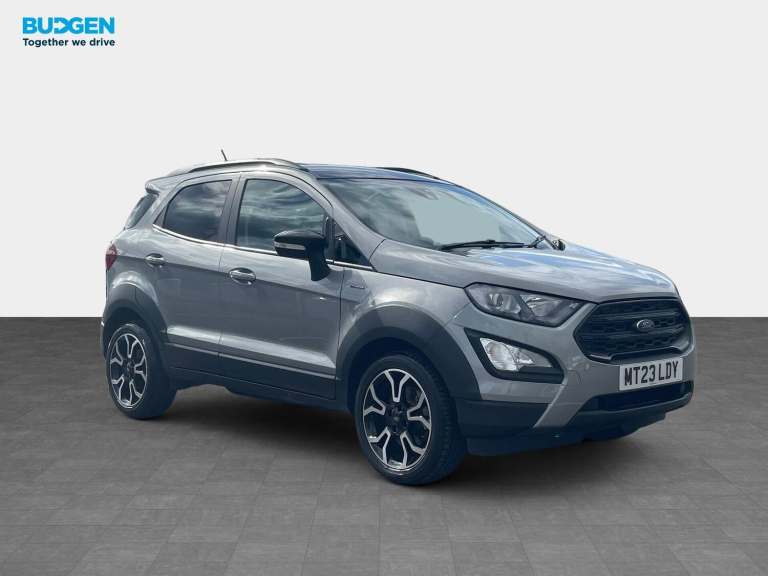 2023 Ford Ecosport 1.0T EcoBoost Active Euro 6 (s/s) 5dr HATCHBACK Petrol Manual£ 10,491
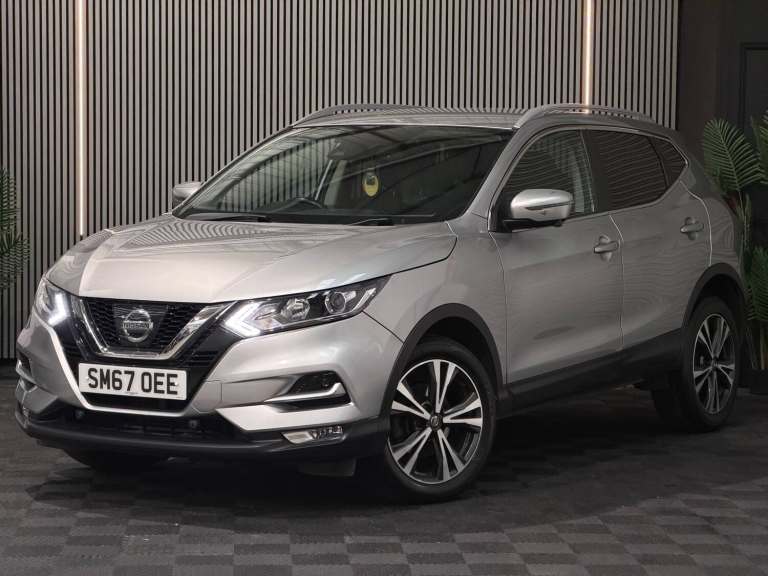 2018 Nissan Qashqai 1.2 DIG-T N-Connecta SUV 5dr Petrol XTRON Euro 6 (s/s) (115 ps) SUV petrol Ma...£ 8,484
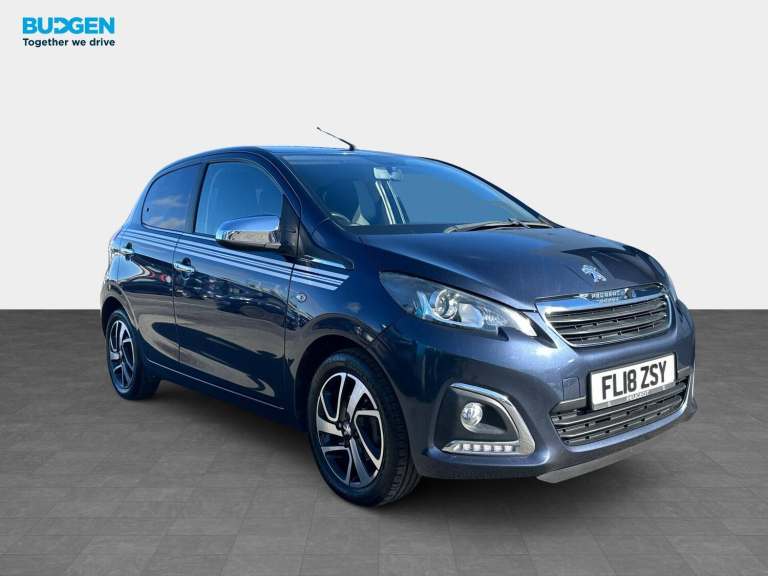 Peugeot 108 1.2 PureTech Collection Euro 6 5dr Petrol Manual£ 5,801
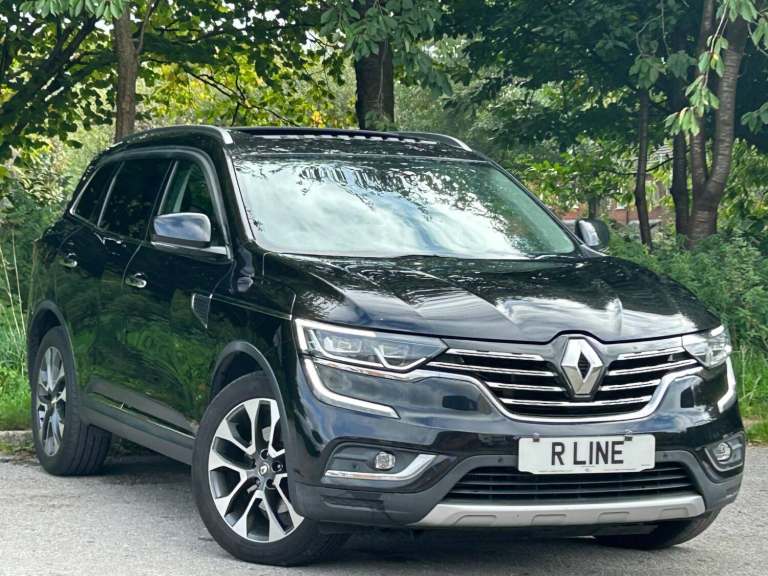 2019 Renault Koleos 2.0 dCi GT Line X-Trn A7 Euro 6 (s/s) 5dr HATCHBACK Diesel Automatic£ 8,995
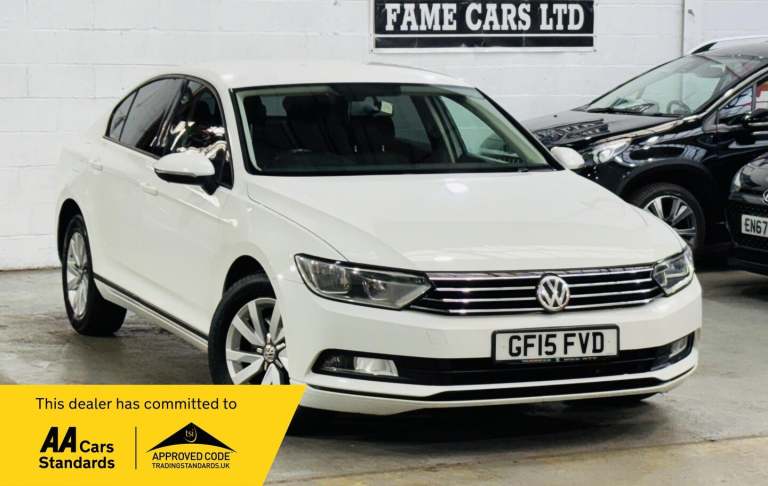 2015 Volkswagen Passat 2.0 TDI BlueMotion Tech S DSG Euro 6 (s/s) 4dr SALOON Diesel Automatic£ 5,995
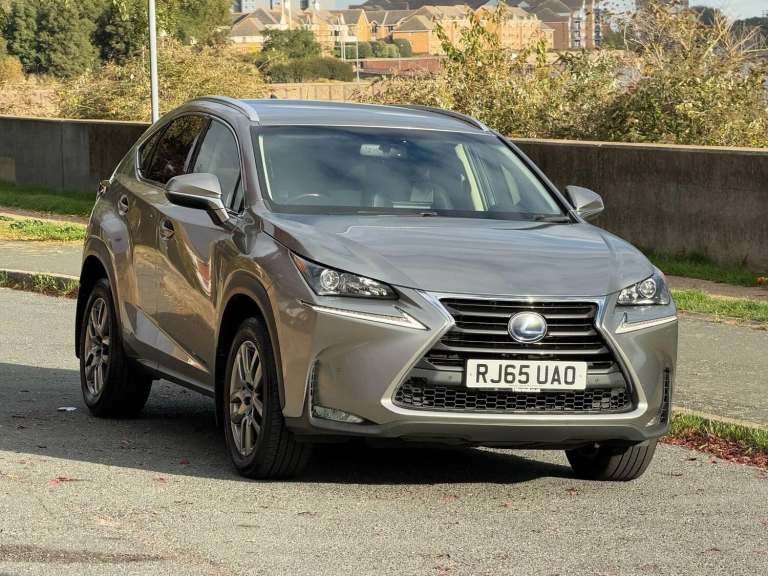 2015 Lexus NX 2.5 300h Luxury SUV 5dr Petrol Hybrid E-CVT 4WD Euro 6 (s/s) (197 ps) ESTATE Petrol...£ 12,900
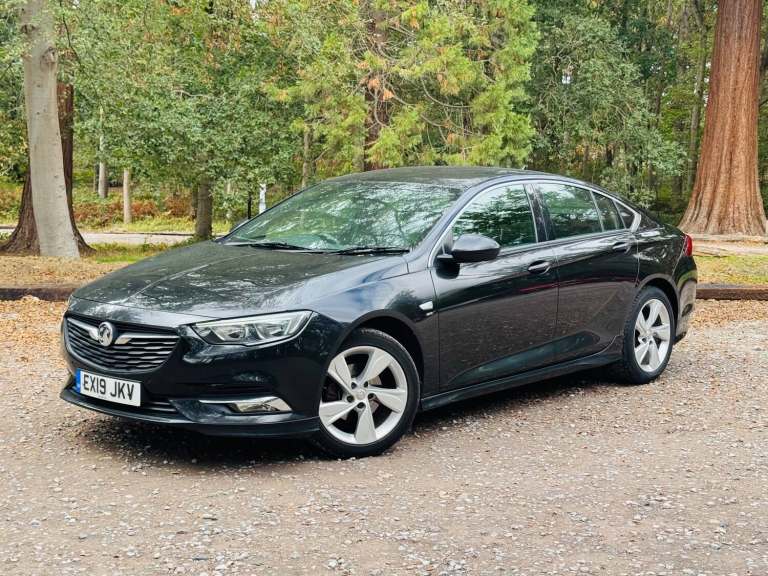 2019 Vauxhall Insignia 1.5T SRi Vx-line Nav 5dr Auto HATCHBACK Petrol Automatic£ 4,690
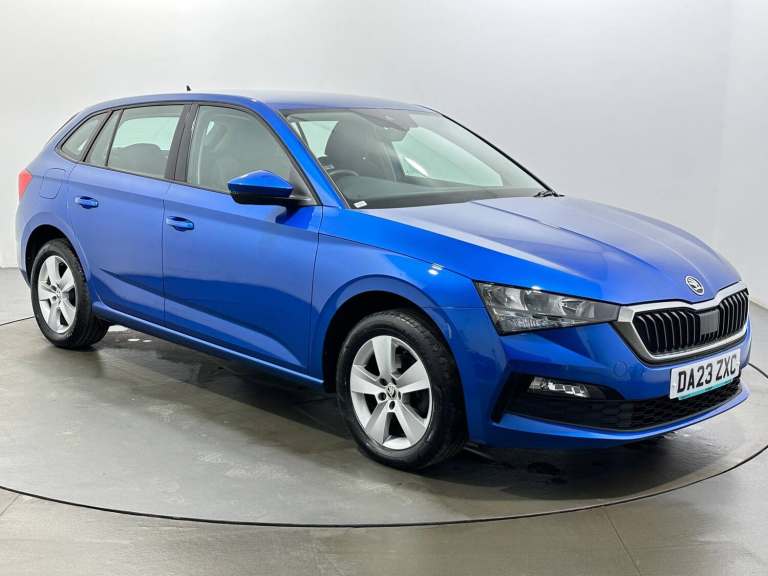 2023 Skoda Scala 1.5 TSI SE Euro 6 (s/s) 5dr HATCHBACK Petrol Manual£ 9,255
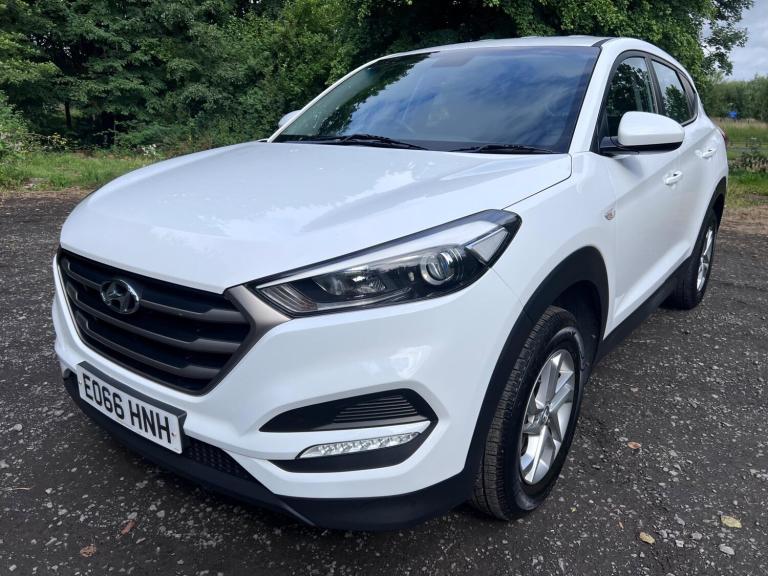 2016 Hyundai TUCSON 1.6 GDi Blue Drive S Euro 6 (s/s) 5dr ESTATE Petrol Manual£ 5,395
 2016 Volkswagen Touareg 3.0 TDI V6 BlueMotion Tech R-Line Tiptronic 4WD Euro 6 (£ 10,250
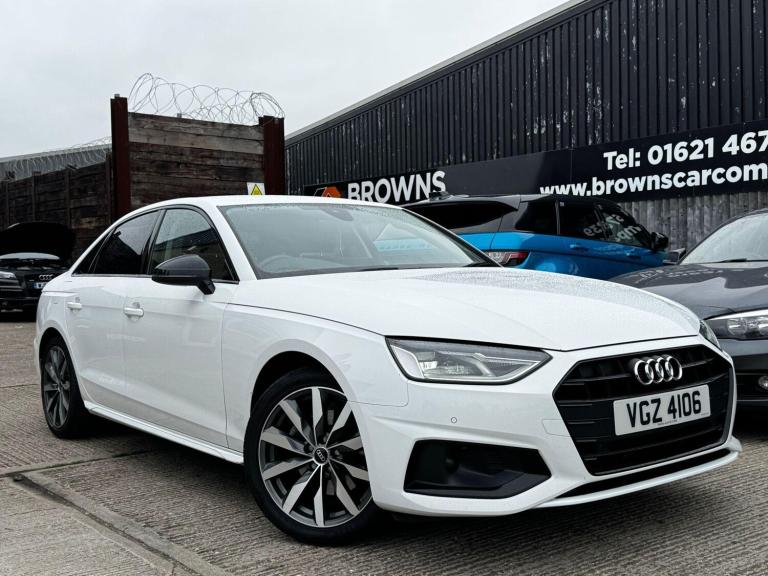 2021 Audi A4 2.0 TDI 30 Sport Edition S Tronic Euro 6 (s/s) 4dr SALOON Diesel Automatic£ 12,900
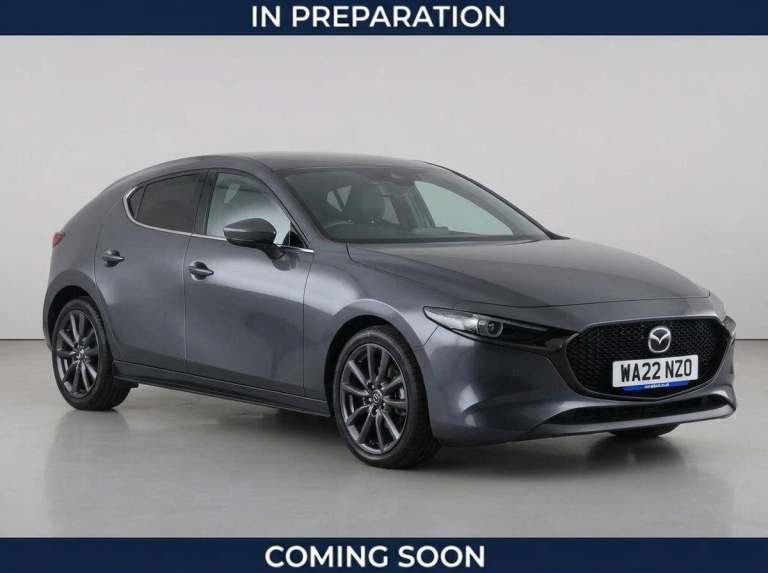 2022 Mazda Mazda3 2.0 e-Skyactiv G MHEV Sport Lux 5dr Auto HATCHBACK PETROL Automatic£ 14,900
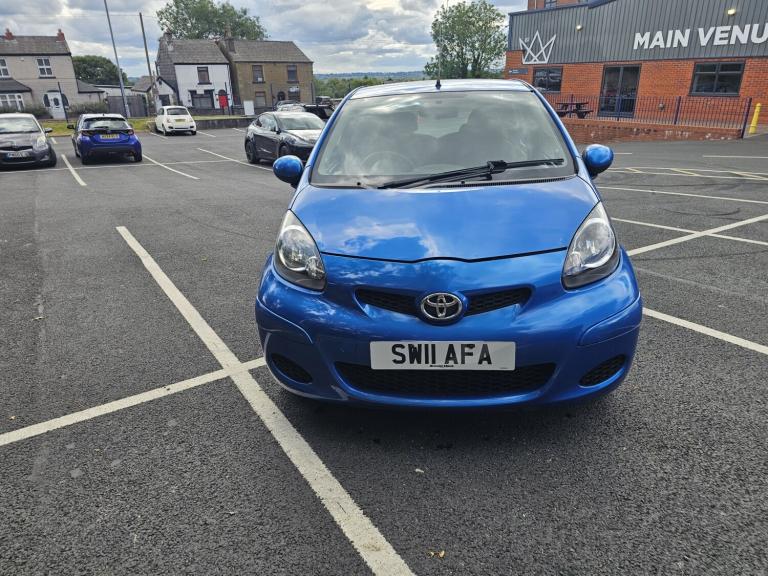 TOYOTA AYGO 1.0 VVT-i Blue 2011£ 4,750
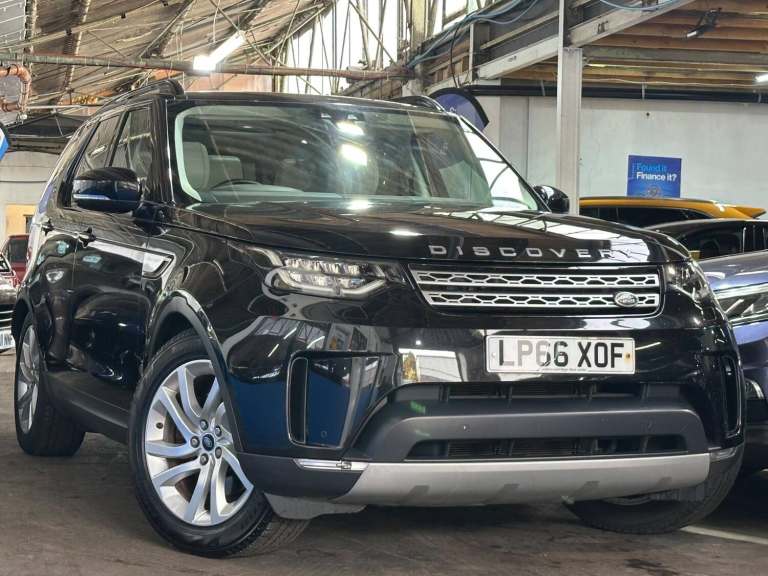 2017 Land Rover Discovery 2.0 SD4 HSE SUV 5dr Diesel Auto 4WD Euro 6 (s/s) (240 ps) ESTATE Diesel...£ 14,495
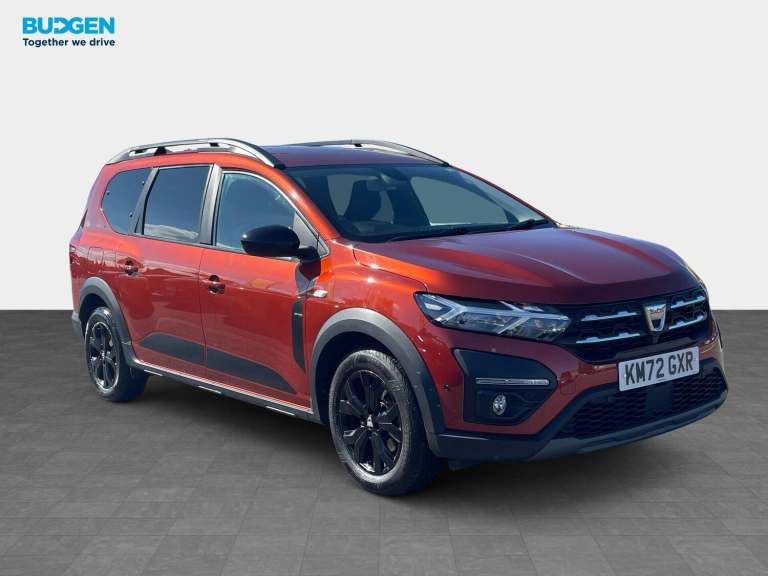 2022 Dacia Jogger 1.0 TCe Extreme SE Euro 6 (s/s) 5dr MPV Petrol Manual£ 12,701
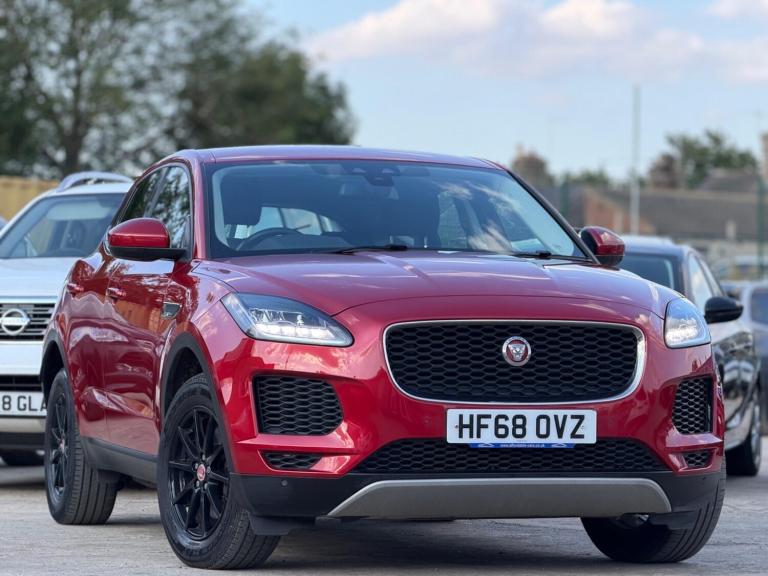 2018 Jaguar E-Pace 2.0 D150 Euro 6 (s/s) 5dr ESTATE Diesel Manual£ 6,495
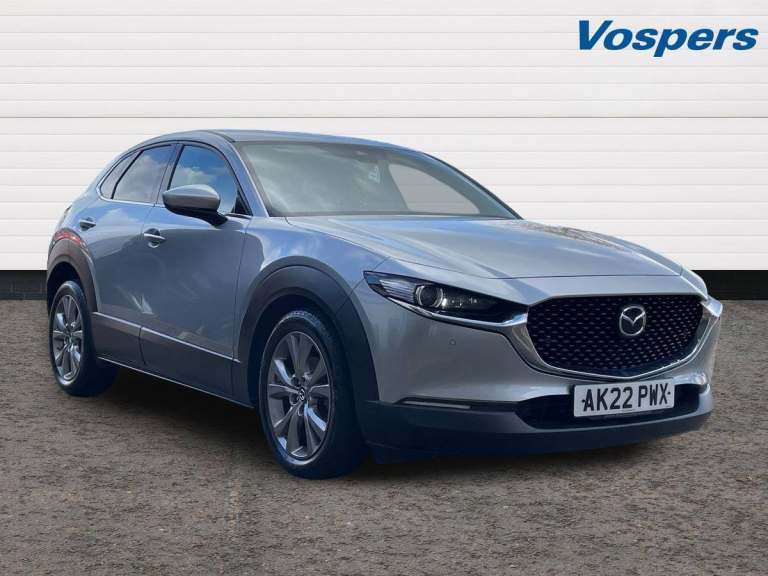 2022 Mazda CX-30 2.0 e-Skyactiv G MHEV Sport Lux 5dr HATCHBACK PETROL Manual£ 14,250
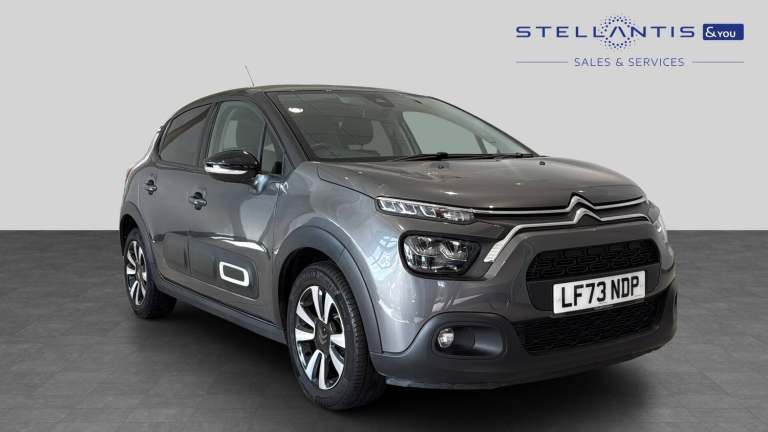 2024 Citroen C3 1.2 PureTech PLUS Hatchback 5dr Petrol Manual Euro 6 (s/s) (83 ps) Hatchback Petr...£ 10,131
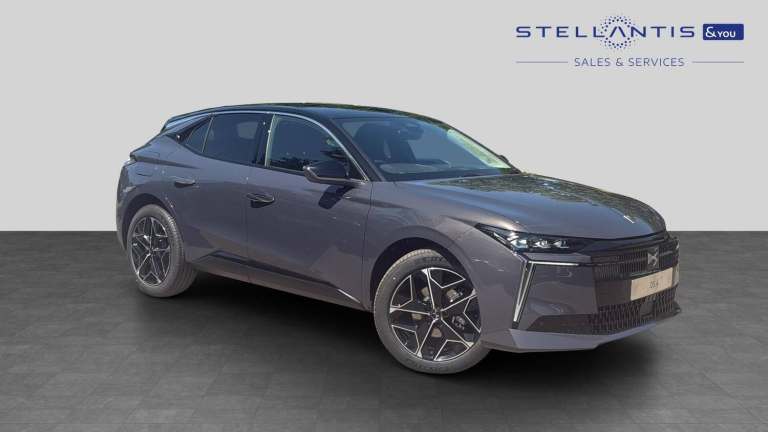 2026 DS Automobiles DS 4 1.2 Hybrid Etoile Hatchback 5dr Petrol Hybrid e-DSC Euro 6 (s/s) (145 ps...£ 28,202
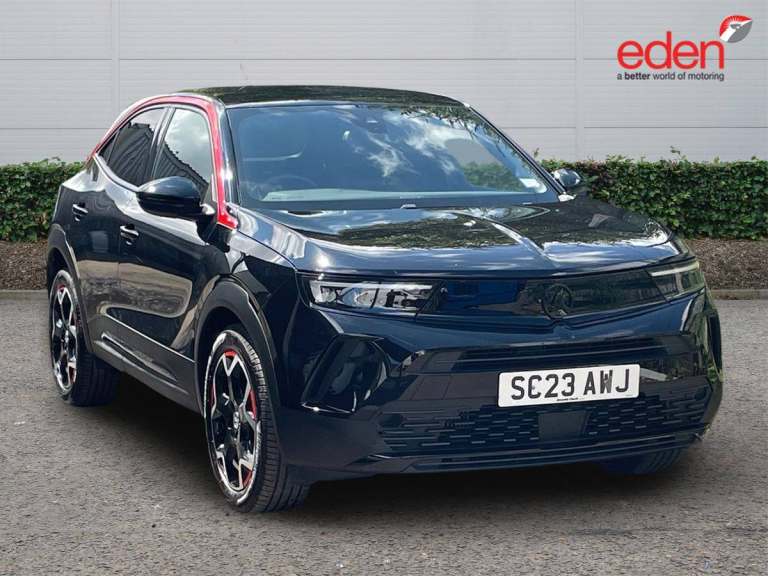 2023 Vauxhall Mokka 1.2 Turbo 100 GS 5dr Hatchback Petrol Manual£ 11,968
Prices and availability can change. Check each advert on Gumtree before making a decision.
FAQ
What's the best first car for a new driver?
Small hatchbacks with small engines (1.0-1.4 litres) in insurance groups 1-10 are typically best. Popular choices include the Ford Fiesta, Volkswagen Polo, Toyota Aygo and Vauxhall Corsa. Prioritise reliability, low insurance costs and good fuel economy over performance or appearance.
Should I buy new or used for my first car?
Used cars are usually more practical for first-time buyers due to lower purchase prices and reduced depreciation. A nearly new car (1-3 years old) offers modern safety features with significant savings, while older cars (5+ years) cost less upfront but may have higher maintenance needs. Avoid very old cars with high mileage unless you can verify excellent maintenance.
How do I avoid buying a problematic used car?
Always check the MOT history online, run a private history check for finance and write-off status, verify the V5C matches the seller, inspect the car thoroughly in daylight and take a comprehensive test drive. Be wary of deals that seem too good to be true, sellers who refuse history checks or cars with inconsistent documentation.
Can I drive a car I've just bought home?
No. You must have valid insurance in your name and the vehicle must be taxed before driving it. Arrange insurance to start from the purchase time and tax the vehicle using the V5C reference number. If buying from a dealer, they often handle tax transfer, but you still need insurance before driving away.