
First Car
Quick answer
A good first car is reliable, cheap to insure, inexpensive to run, and easy to park. Most new drivers are best served by a small used hatchback in the 1.0–1.4 litre range, ideally from a manufacturer with a strong UK service network. Before committing, check the MOT history, verify the V5C logbook, confirm there is no outstanding finance, and budget for insurance, tax, fuel and servicing on top of the purchase price.
Setting a realistic budget
The purchase price is only the start. Work out what you can afford to spend each month once insurance, road tax, fuel, servicing and the occasional repair are included. Young drivers often find that insurance is the single biggest ongoing cost, so get a quote before you fall in love with a particular model.
Use an online insurance comparison tool and enter the exact registration of any car you are considering. Insurance groups run from 1 (cheapest) to 50, and first cars typically sit in groups 1 to 10. A car that looks cheap to buy can become expensive to own if it sits in a high insurance group.
Also factor in:
- Annual MOT once the car is three years old.
- Road tax, which depends on CO2 emissions for cars registered after April 2017.
- Servicing, which can be cheaper at an independent garage once any warranty has expired.
- Tyres and consumables, which vary significantly between models.
Choosing the right body style
For most first-time drivers, a small hatchback is the sensible default. They are light on fuel, easy to manoeuvre into tight parking spaces, and there is a large supply of well-maintained used examples on the market. Popular choices in the UK tend to come from manufacturers such as Ford, Vauxhall, Toyota, Honda, Volkswagen and Hyundai, all of which have strong parts availability and established service networks.
| Priority | What to look for | Why it matters |
|---|---|---|
| Low insurance group | Groups 1–10 | Keeps annual premiums manageable for new drivers |
| Good reliability record | Check owner forums and surveys | Reduces unexpected repair bills |
| Strong MOT pass rate | Free check on the GOV.UK MOT history service | Indicates how well the model ages |
| Affordable parts | Mainstream brands, common engines | Keeps repair costs down |
| Simple specification | Manual gearbox, cloth seats, fewer electronics | Fewer things to go wrong |
Avoid high-performance variants, large-engined models or cars with complex optional equipment on a first purchase. You can always move up once you have a year or two of experience and a no-claims discount.
New or used
For most first-car buyers, a used car makes more financial sense. A new car loses a significant portion of its value in the first three years, and insurance premiums for new drivers are already high without adding the cost of a nearly-new vehicle.
A three-to-seven-year-old car typically offers a good balance: modern safety features such as stability control and multiple airbags, reasonable running costs, and a price that has already absorbed the steepest depreciation.
Viewing and checking the car
Whether you are buying privately or from a dealer, a thorough inspection is essential. Take a friend or family member who knows cars if you can, and never view a car alone after dark.
Before you go:
- Ask for the registration number and run a free MOT history check on GOV.UK. This shows advisory notes, failures and the current MOT expiry.
- Request a vehicle history check to confirm there is no outstanding finance and that the mileage is plausible.
- Confirm the seller has the V5C logbook in their name.
At the viewing:
- Check the bodywork in daylight for uneven panel gaps, colour mismatches or ripples, which can indicate previous accident repair.
- Look under the carpet edges and in the boot for damp, mould or a musty smell.
- Inspect the tyres for even wear and check the tread depth is above the legal minimum of 1.6mm.
- Start the engine from cold if possible. Listen for knocks, rattles or excessive smoke from the exhaust.
- Test all electrical items: lights, indicators, windows, central locking, air conditioning and the radio.
- Check the service history stamp book for regular oil changes and cam belt replacements where applicable.
The test drive:
- Drive on a mix of roads, including a dual carriageway if you are confident.
- Check that the car pulls straight, the brakes feel firm and the steering does not vibrate.
- Listen for any unusual noises from the suspension, especially over bumps.
- Test the clutch bite point and gear changes for smoothness.
Paperwork and legal checks
Before handing over any money, confirm the following:
- The V5C registration certificate is present, the seller's details match, and the engine number and VIN on the car correspond to the document.
- There is no outstanding finance on the vehicle. A history check from an approved provider will confirm this. A car with outstanding finance can legally be repossessed, even if you have paid for it.
- The MOT is valid for at least a few months, or you have budgeted for a fresh test.
- The seller provides a receipt showing the date, price, registration, mileage and both parties' names.
If buying privately, never pay before seeing the car in person and completing the checks above. Meet at the registered keeper's address as shown on the V5C.
Where to look
You can browse a wide range of suitable first cars on Gumtree's motors listings, where private sellers and dealers post vehicles across the UK. Compare several similar models at different price points before arranging a viewing, and always verify the history of any car that interests you.
Current Gumtree listings
Live adverts related to this topic, selected from Gumtree search results.
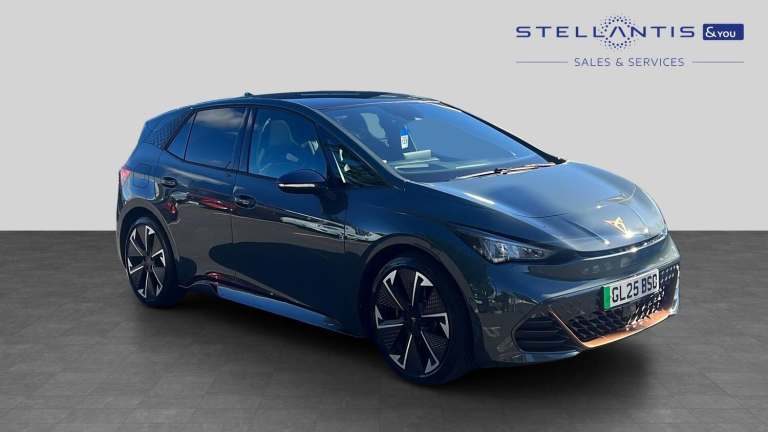 2025 Cupra Born e-Boost 79kWh VZ First Edition Auto 5dr Hatchback Electric Automatic£ 29,828
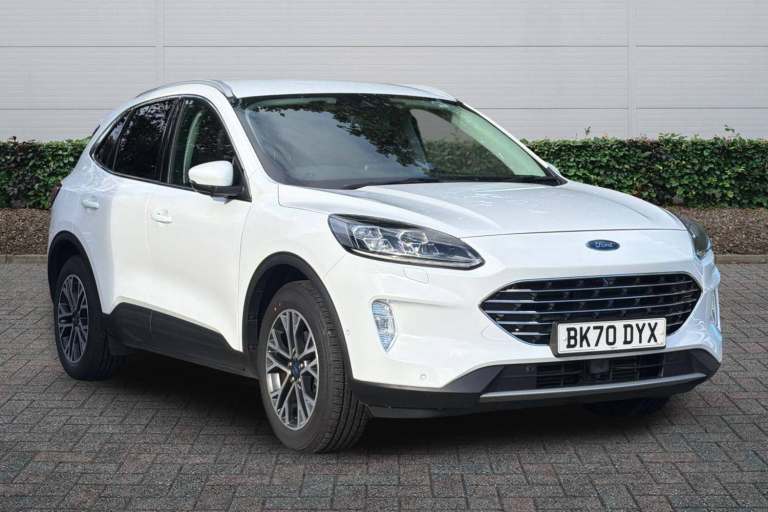 2020 Ford Kuga 1.5 EcoBoost 150 Titanium First Edition 5dr SUV Petrol Manual£ 12,995
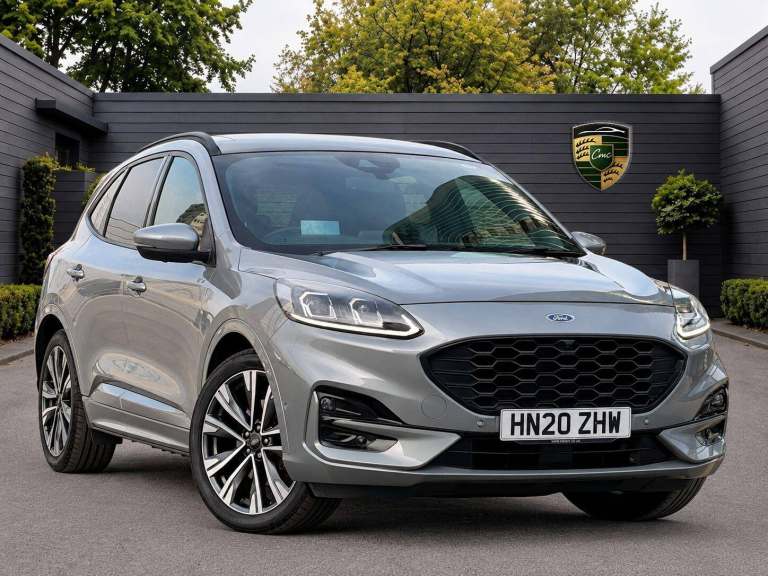 2020 Ford Kuga 2.5 EcoBoost Duratec 14.4kWh ST-Line X First Edition CVT Euro 6 (s/s) 5dr HATCHBAC...£ 11,990
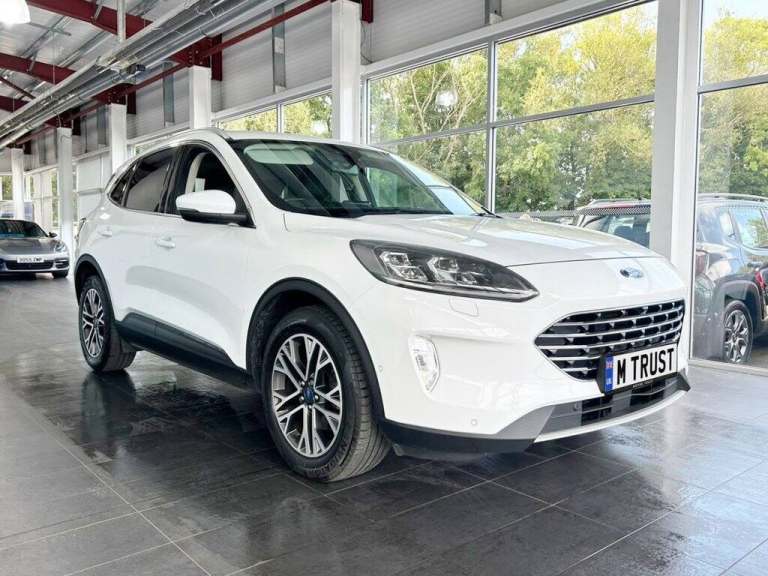 2020 Ford Kuga 1.5T EcoBoost Titanium First Edition SUV 5dr Petrol Manual Euro 6 (s/s) (15 HATCHB...£ 11,695
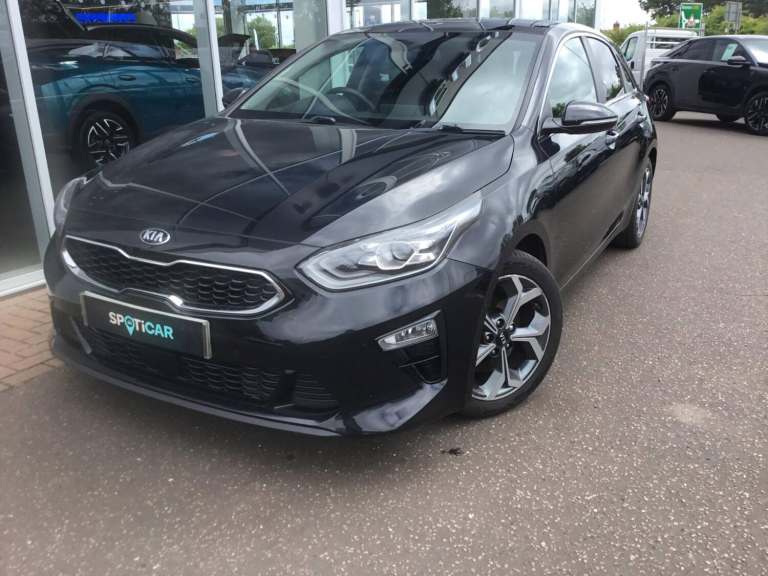 2019 Kia Ceed 1.4 T-GDi First Edition DCT Euro 6 (s/s) 5dr HATCHBACK Petrol Automatic£ 12,491
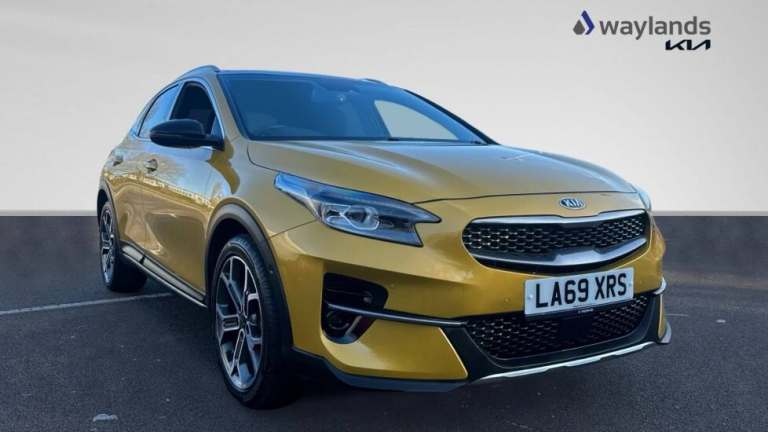 2020 Kia XCeed First Edition HATCHBACK Petrol Manual£ 10,895
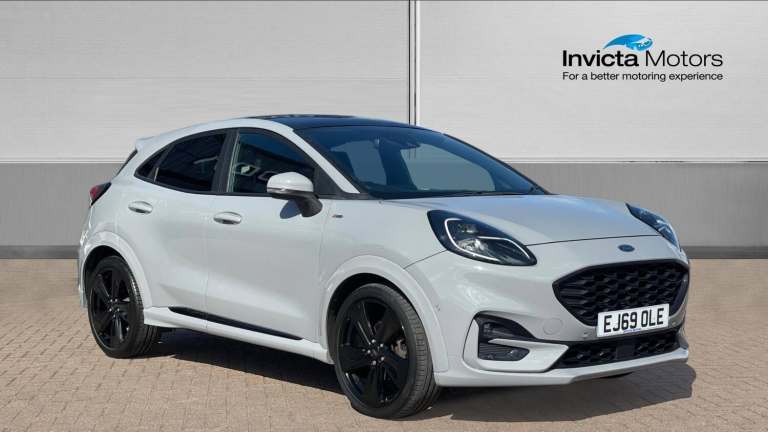 2020 Ford Puma 1.0 EcoBoost Hybrid mHEV 155 ST-Line X 1st Ed+ 5dr Petrol£ 12,750
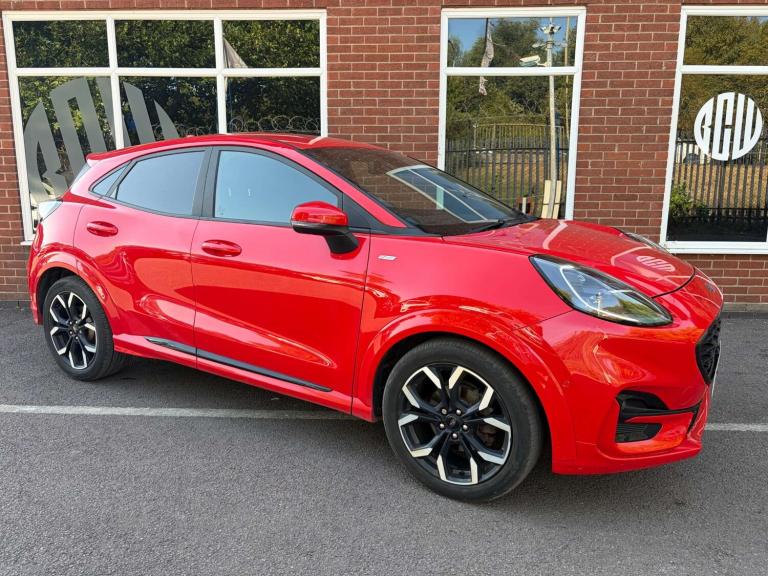 2020 Ford Puma 1.0 Puma ST-Line X First Edition MHEV 5dr SUV Petrol Manual£ 9,700
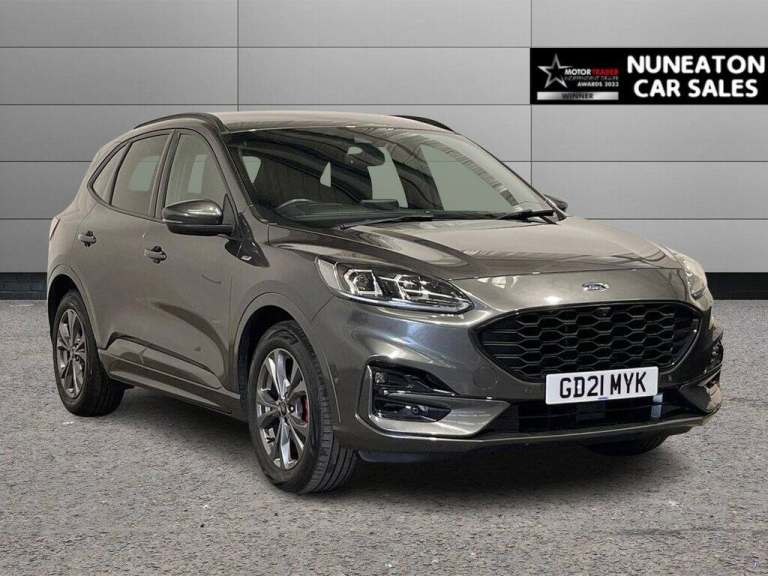 2021 Ford Kuga 2.0 EcoBlue MHEV ST-Line First Edition SUV 5dr Diesel Manual Euro 6 (s/s) ( HATCHB...£ 13,600
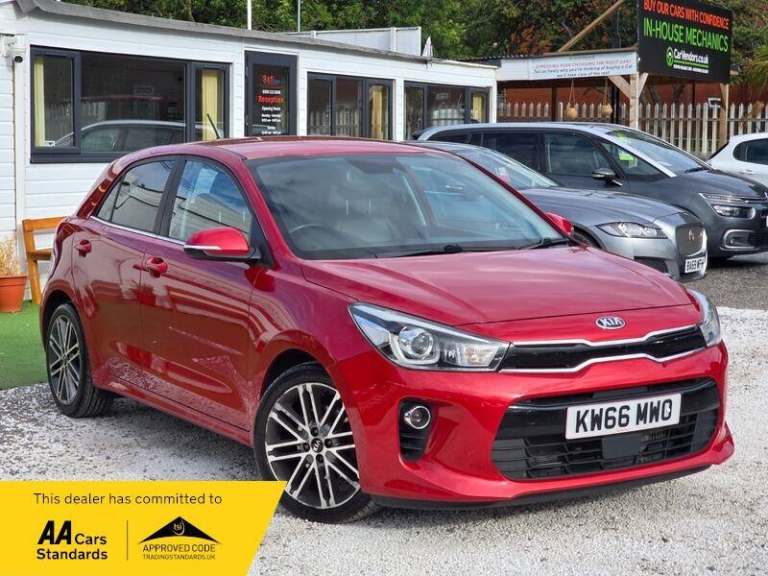 2017 Kia Rio 1.0 T-GDi First Edition Euro 6 (s/s) 5dr HATCHBACK Petrol Manual£ 5,990
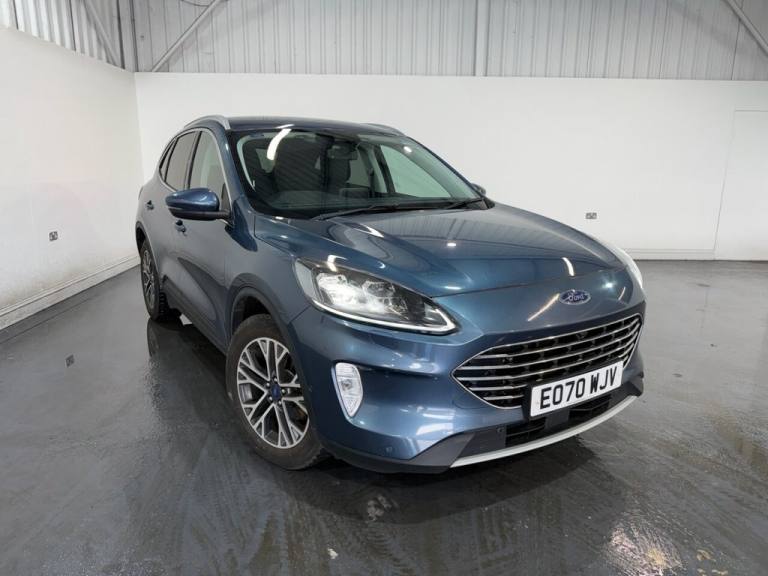 2020 Ford Kuga 1.5 EcoBlue Titanium First Edition SUV 5dr Diesel Manual Euro 6 (s/s) (120 HATCHB...£ 11,999
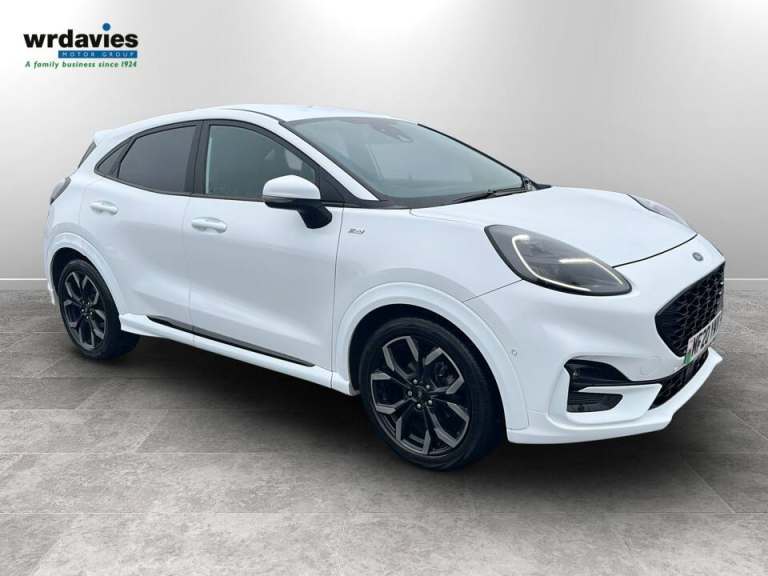 2020 Ford Puma 1.0T EcoBoost Hybrid mHEV 155 ST-Line X 1st Ed 5dr Hatchback Petrol Manual£ 10,980
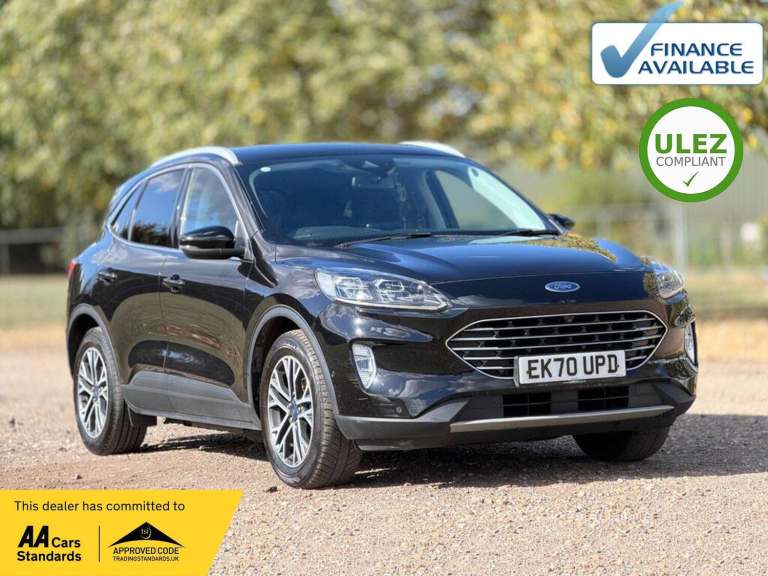 2020 Ford Kuga 2.5 EcoBoost Duratec 14.4kWh Titanium First Edition CVT Euro 6 (s/s) 5dr HATCHBACK...£ 11,000
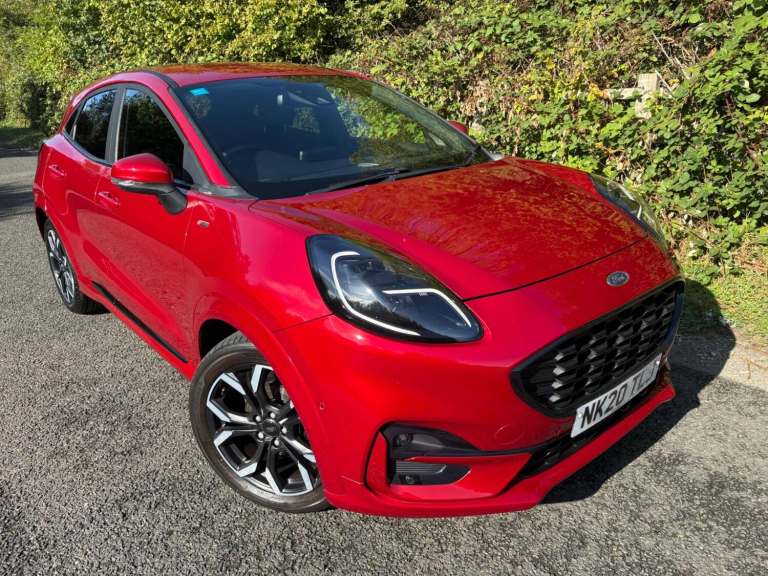 2020 Ford Puma 1.0T EcoBoost MHEV ST-Line X First Edition Euro 6 (s/s) 5dr HATCHBACK Petrol Manual£ 11,490
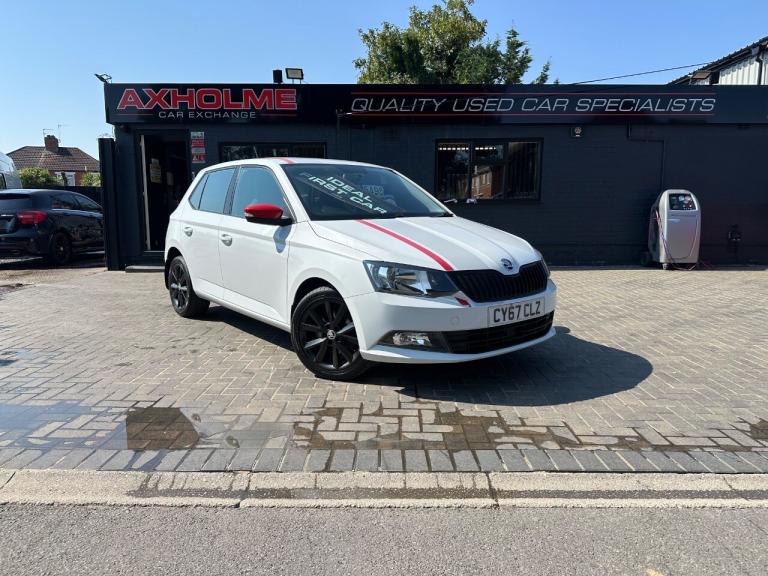 Skoda Fabia 1.0 TSI Redline 5dr ideal 1st car Petrol£ 4,995
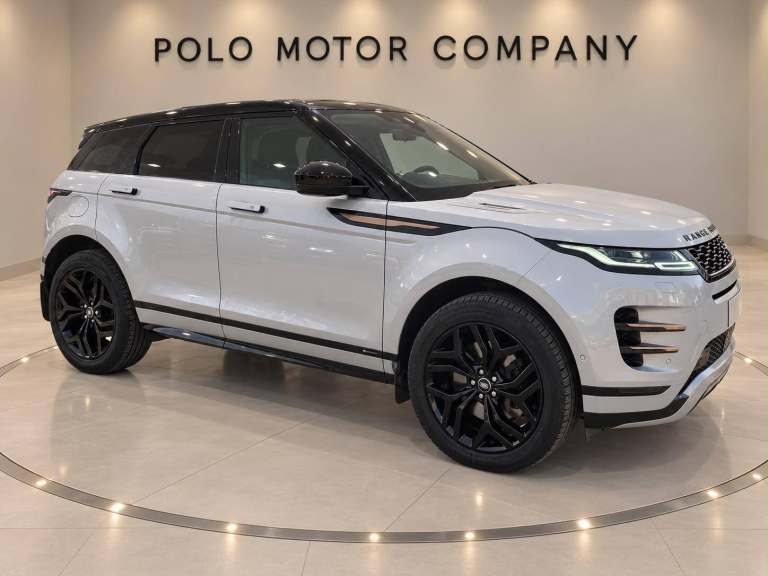 2020 Land Rover Range Rover Evoque 2.0 D180 MHEV First Edition Auto 4WD Euro 6 (s/s) 5dr ESTATE D...£ 14,995
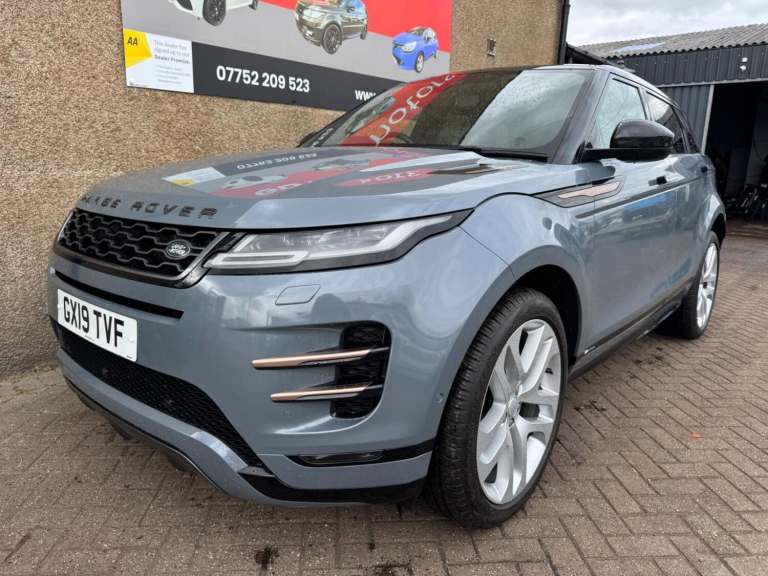 2019 Land Rover Range Rover Evoque 2.0 D180 First Edition Auto 4WD Euro 6 (s/s) 5dr ESTATE Diesel...£ 14,995
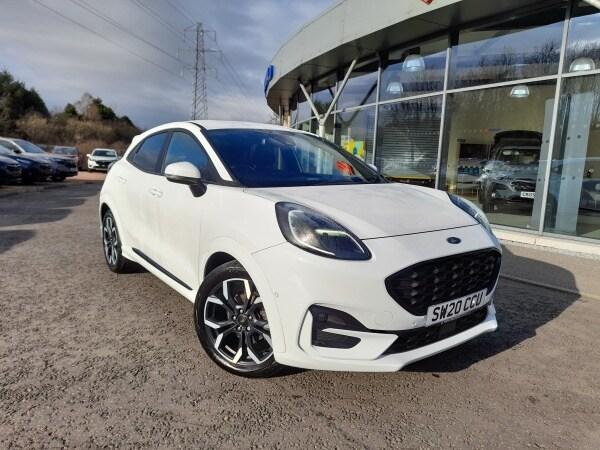 2020 Ford Puma 1.0 EcoBoost Hybrid mHEV ST-Line X First Ed 5dr 5 Door Hatchback Petrol Manual£ 12,995
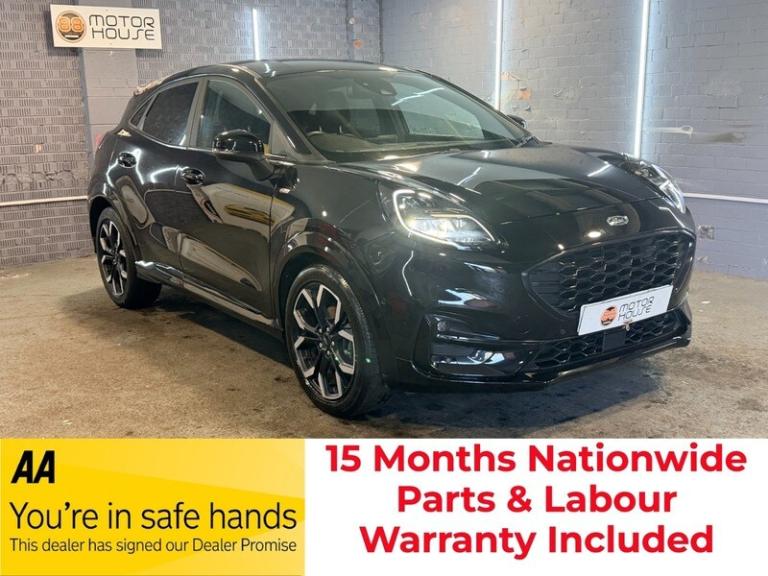 Ford Puma 1.0T EcoBoost MHEV ST-Line X First Edition Euro 6 (s/s)£ 9,490
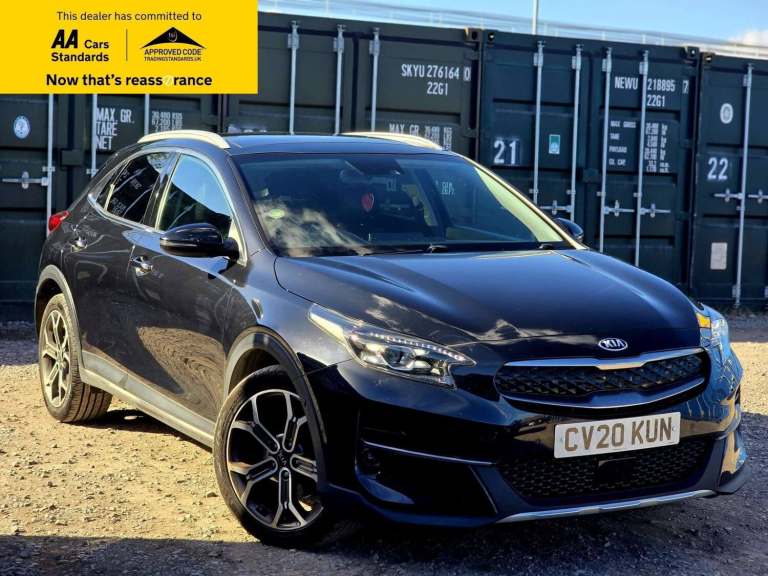 2020 Kia XCeed 1.6 GDi 8.9kWh First Edition SUV 5dr Petrol Plug-in Hybrid DCT Euro 6 (s/s) SUV Hy...£ 11,988
Prices and availability can change. Check each advert on Gumtree before making a decision.
Negotiating and paying
Research what comparable cars are selling for before you make an offer. Any advisories on the MOT, high mileage, missing service history or cosmetic issues are legitimate points for negotiation. Agree the price in writing before transferring funds.
For private sales, a bank transfer on the day of collection is the safest approach. Avoid cash for larger sums, and never use unconventional payment methods.
FAQ
What is the best first car for a new driver in the UK?
There is no single best model, but small hatchbacks with small engines, low insurance groups and a strong reliability record are the usual recommendation. Look for cars that are three to seven years old, with a full or mostly full service history and a clean MOT.
How much should I spend on my first car?
Spend only what you can comfortably afford after insurance, tax, fuel and servicing are included. Many new drivers find a sensible first purchase in the £2,000 to £6,000 range, but this varies widely by location and the model you choose. Always get an insurance quote before committing.
Should I buy my first car from a dealer or privately?
Dealers offer consumer rights under the Consumer Rights Act 2015 and may provide a short warranty, but prices are typically higher. Private sales are usually cheaper but come with no legal protection, so checks on history, MOT and paperwork are essential.
Do I need a warranty on a first car?
A warranty can provide peace of mind, but read the terms carefully. Many exclude wear-and-tear items and require servicing at approved garages. For a well-maintained used car with a strong reliability record, setting aside a small contingency fund can be more cost-effective than paying for a warranty.
Can I drive a car home immediately after buying it?
Yes, provided the car has valid road tax, a valid MOT and you have arranged insurance that covers you from the point of sale. Insurance must be in place before you drive, even for a short journey.