
Engine Coolant Guide: Types, Levels, Warning Signs and When to Replace It
Quick answer
Engine coolant (often called antifreeze) regulates your engine's operating temperature, preventing it from freezing in winter and boiling in summer. Coolants include IAT, OAT and HOAT formulations; colour alone does not identify the specification, so use the type required by your owner's manual. Check the level in the translucent expansion tank when the engine is completely cold, ensuring it sits between the Min and Max markers. Follow the replacement interval in your owner's manual, and have leaks or overheating investigated promptly.
Types of engine coolant
Modern engines rely on a carefully balanced mixture of water and antifreeze. The antifreeze component contains corrosion inhibitors that protect the metal, rubber and plastic parts of your cooling system. Using the wrong type can cause serious damage, so always check your vehicle's handbook.
Common formulation families include:
- IAT (Inorganic Additive Technology): An older formulation found in some vehicles. Follow the manufacturer's specified replacement interval.
- OAT (Organic Acid Technology): A long-life formulation used by many manufacturers. Check the exact vehicle specification and service interval.
- HOAT (Hybrid Organic Acid Technology): A formulation combining inhibitor technologies, specified for some vehicles.
Do not mix different coolant specifications unless the manufacturer confirms compatibility. Colour is not a reliable guide. If you are unsure what is in the system, ask a qualified mechanic before topping up or refilling it.
How to check coolant levels
Checking your coolant is one of the simplest under-bonnet tasks, but it must be done safely.
- Wait for the engine to cool. Never open the expansion tank cap or radiator cap when the engine is hot. The system is under pressure and boiling fluid can cause severe burns.
- Locate the expansion tank. This is a translucent plastic reservoir, usually white or yellowish, with "Min" and "Max" lines printed on the side. It is often connected to the radiator by a small rubber hose.
- Check the level. The fluid should sit between the two markers. If it is below the "Min" line, you need to top it up.
- Top up carefully. Use only the correct specification of coolant. If you are in an emergency and the level is dangerously low, you can add a small amount of distilled water, but this dilutes the antifreeze protection and should be rectified as soon as possible.
If you find yourself needing to top up the coolant frequently, you likely have a leak in the radiator, hoses, water pump or cylinder head gasket.
Warning signs of cooling system issues
Catching a cooling system problem early can save you from a catastrophic engine failure. Watch out for these indicators:
- Rising temperature gauge: If the needle moves into the red zone, pull over safely and turn off the engine immediately. Continuing to drive will warp the cylinder head.
- Sweet, syrupy smell: Coolant has a distinct, slightly sweet odour. If you smell it inside the cabin or around the engine bay, you have a leak.
- Coloured puddles: A green, orange or pink puddle under the front of the car after it has been parked is a clear sign of a coolant leak.
- White exhaust smoke: Thick white smoke from the exhaust, especially if it smells sweet, often indicates coolant is burning inside the cylinders due to a failed head gasket.
- Low coolant warning light: Many modern cars have a dashboard warning light shaped like a thermometer or waves. Do not ignore it.
When to replace engine coolant
Coolant degrades over time as the corrosion inhibitors break down. Even if the level is fine, the fluid may no longer be protecting your engine.
- Manufacturer intervals: Consult your owner's manual; replacement timing varies by vehicle and coolant specification.
- Discolouration: Rusty, murky or oily coolant needs a professional inspection; colour alone does not identify its formulation or condition.
- After major repairs: If you have had a new radiator, water pump or head gasket fitted, it is standard practice to flush the system and refill with fresh coolant.
- Sourcing parts and help: If you are topping up frequently or the fluid looks contaminated, you may need to buy a fresh bottle of the correct specification. You can compare car parts listings on Gumtree, but verify the coolant specification before buying and use a qualified mechanic for diagnosis.
When buying a used car, always check the service history for cooling system maintenance. A well-maintained cooling system is a strong indicator of a cared-for vehicle, which is always worth verifying when browsing used cars on Gumtree.
Current Gumtree listings
Live adverts related to this topic, selected from Gumtree search results.
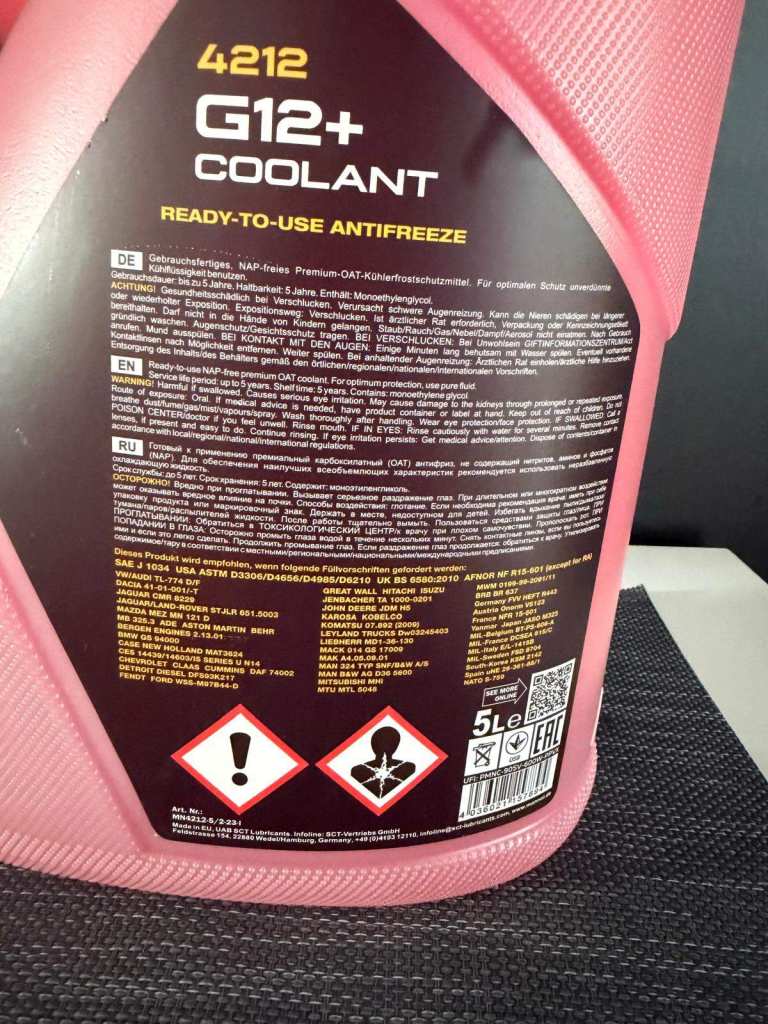 Mannol G12+ Coolant Antifreeze 5L£ 10
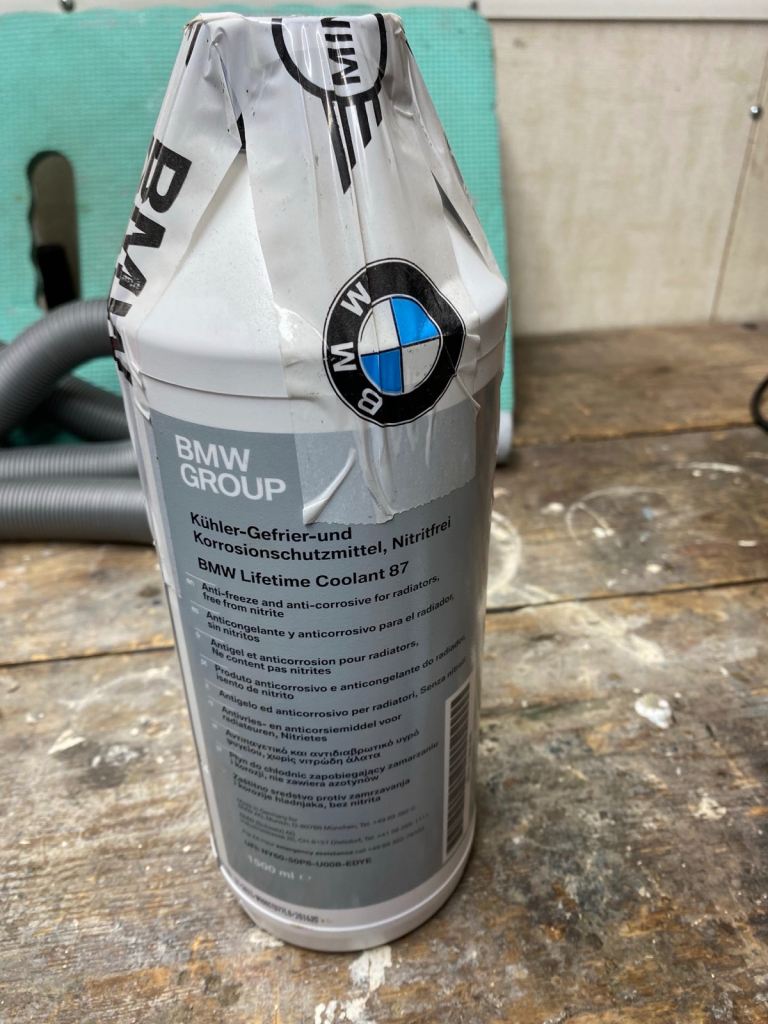 BMW engine coolant£ 5
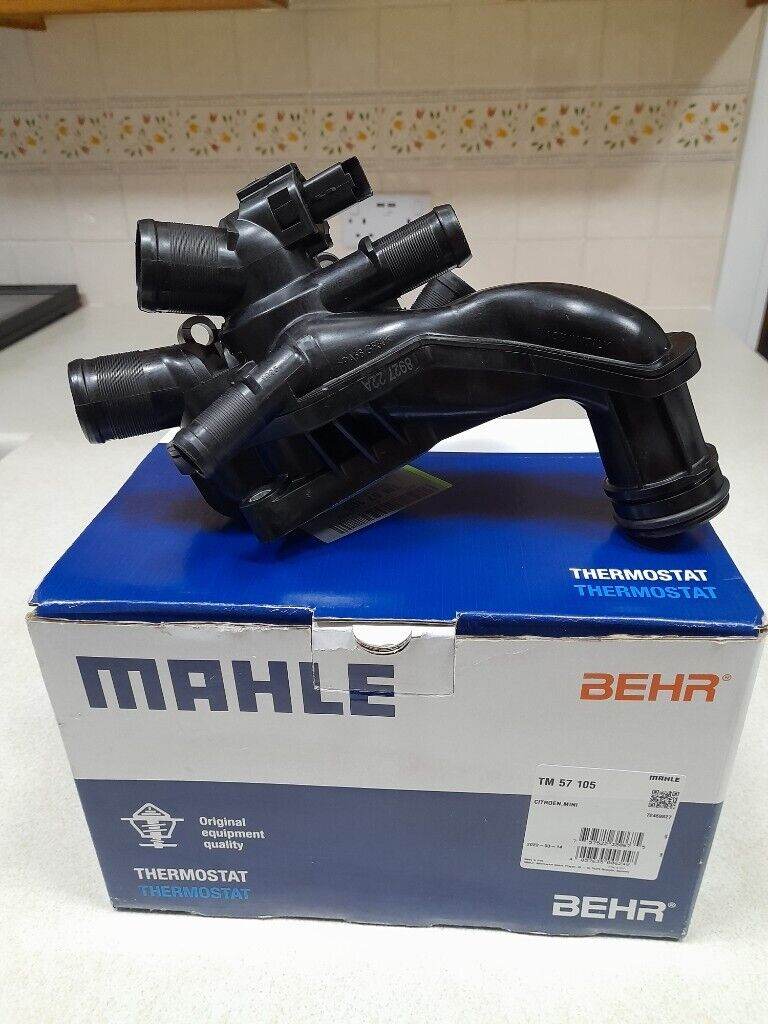 ENGINE COOLANT THERMOSTAT FOR PEUGEOT/CITROEN/MINI£ 25
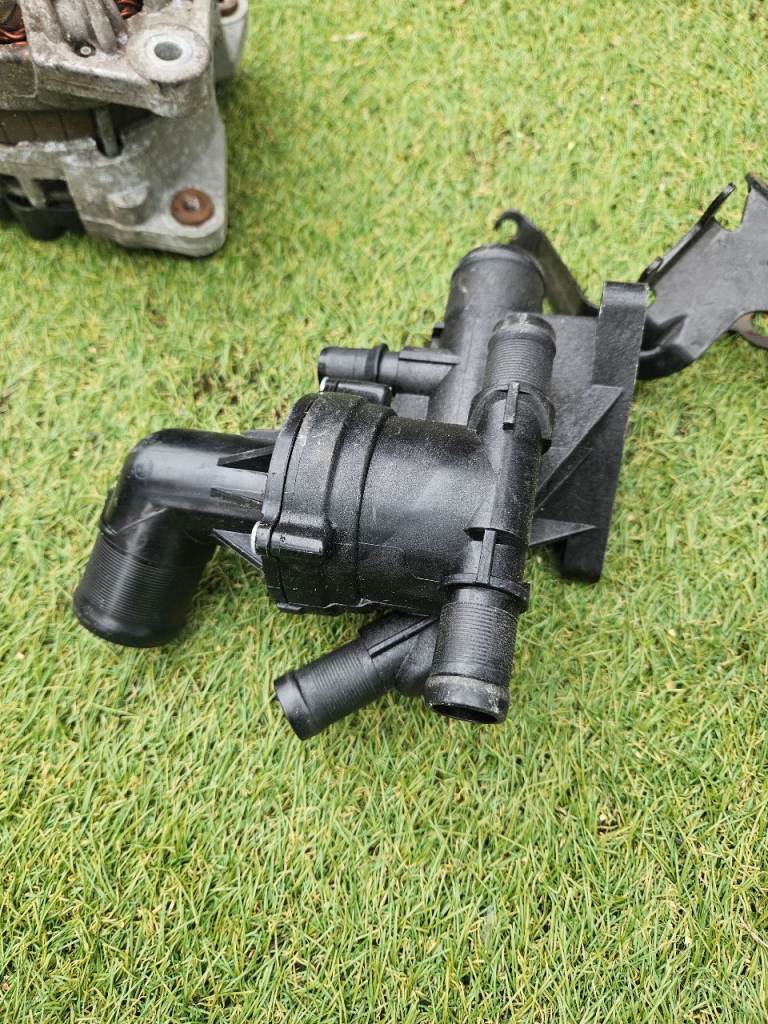 engine coolant thermostat£ 40
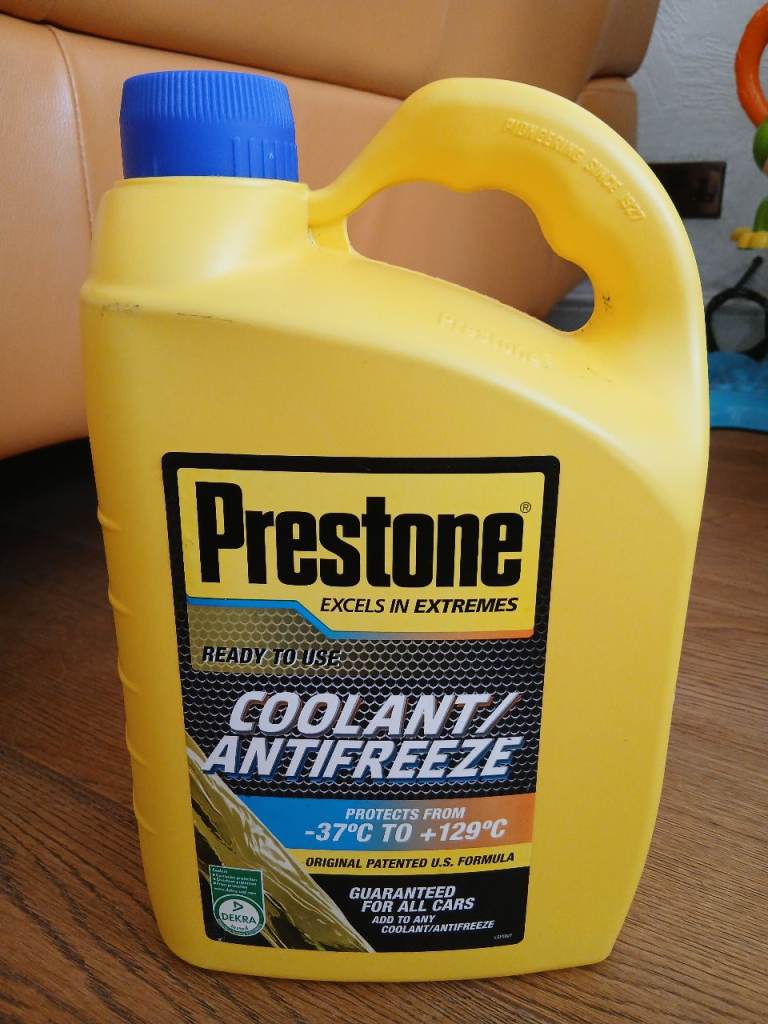 Prestone Coolant/Antifreeze – New, Yellow£ 12
 Genuine OEM Upper Engine Coolant Temperature Sensor For VW/Audi 079919525M Brand new£ 50
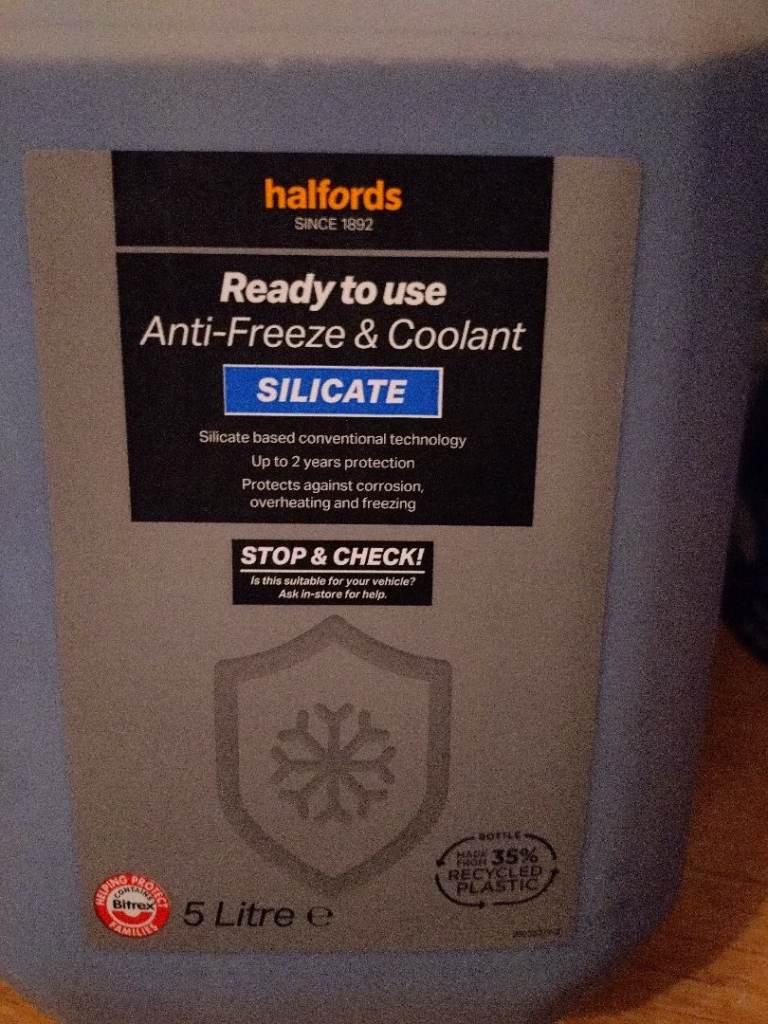 Halfords Blue Silicate Antifreeze & Coolant 5 Litre Ready Mixed - Ready to use - Car Engine Water£ 8
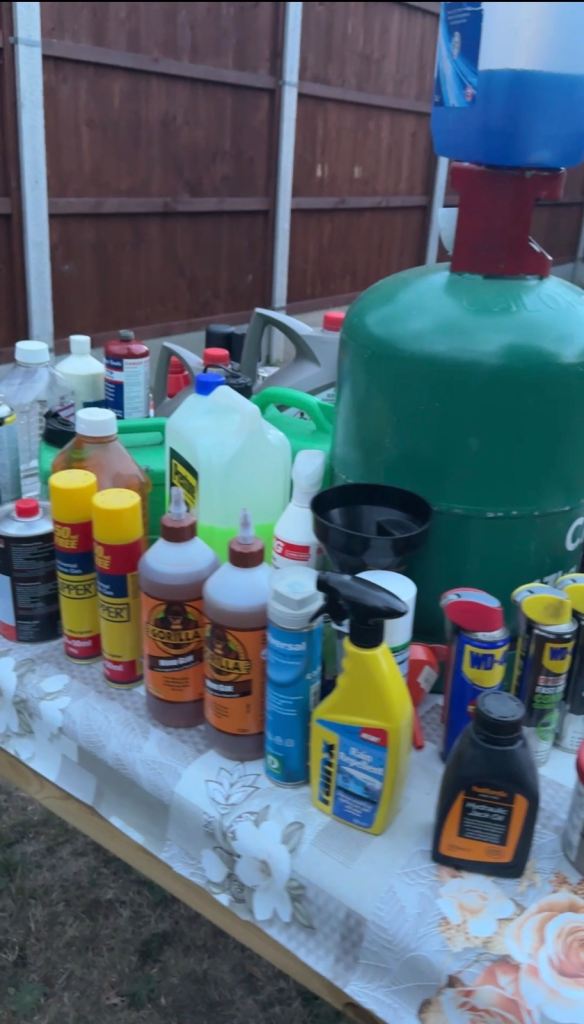 Various Car & Household Cleaning Products, Oils, and Thinner£ 180
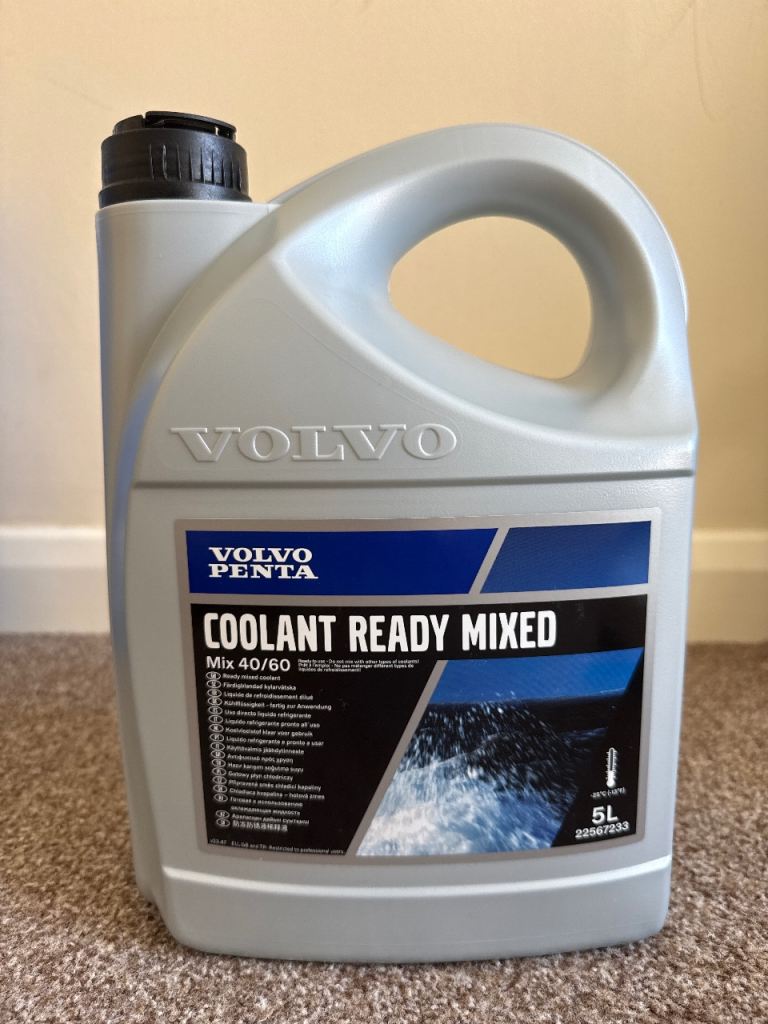 Brand new and unopened genuine Volvo Penta Coolant Ready Mixed 40/60, 5L. 22567243.£ 23
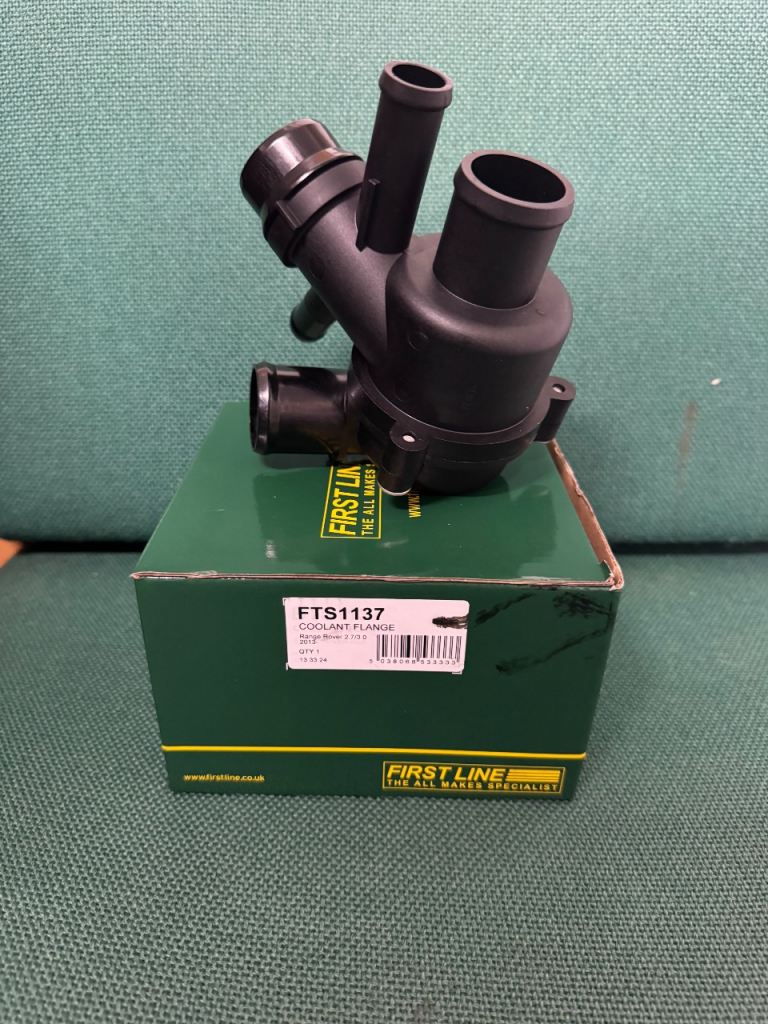 Land Range Rover Discovery 2.7/3.0 Coolant Flange Fts1137 2013- Engine Parts£ 30
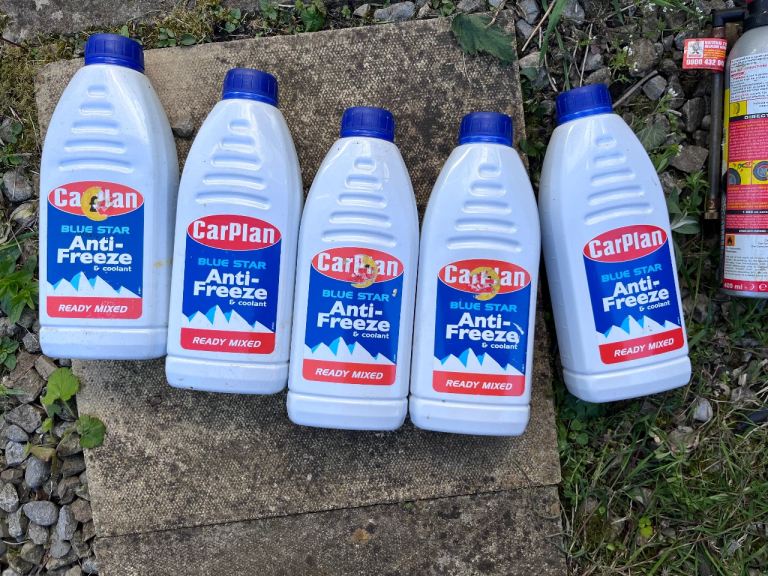 Anti freeze x6 one not shown! no longer needed Car accessories£ 9
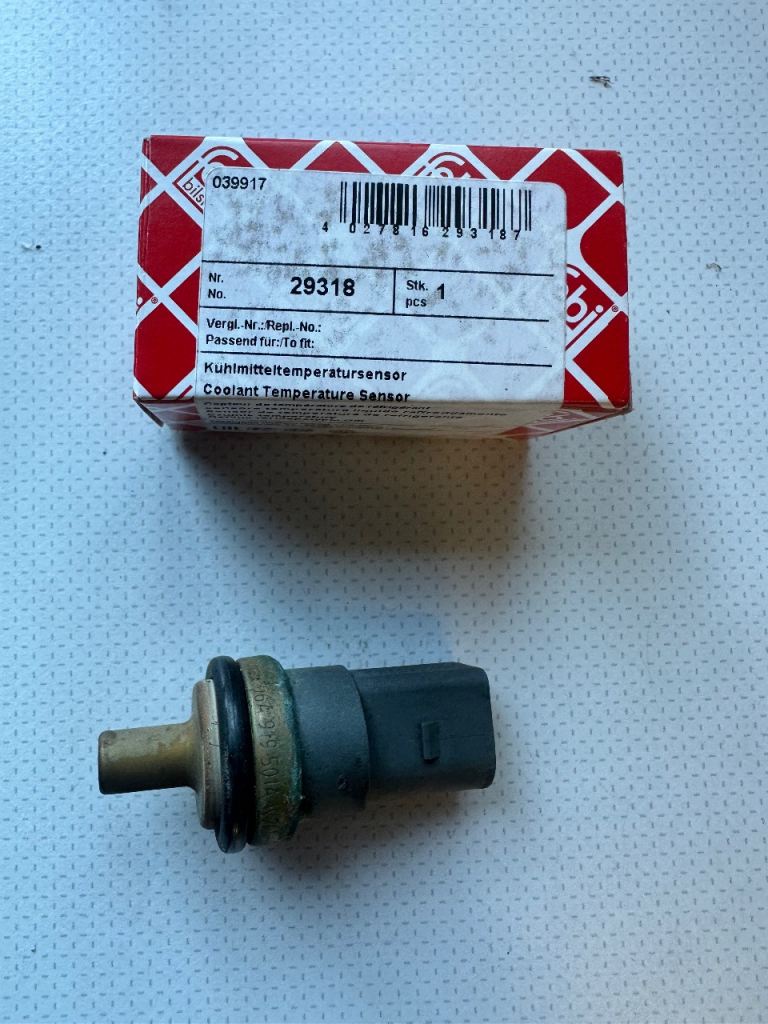 VW 1.2 12v engines, engine coolant temperature sensorFREE
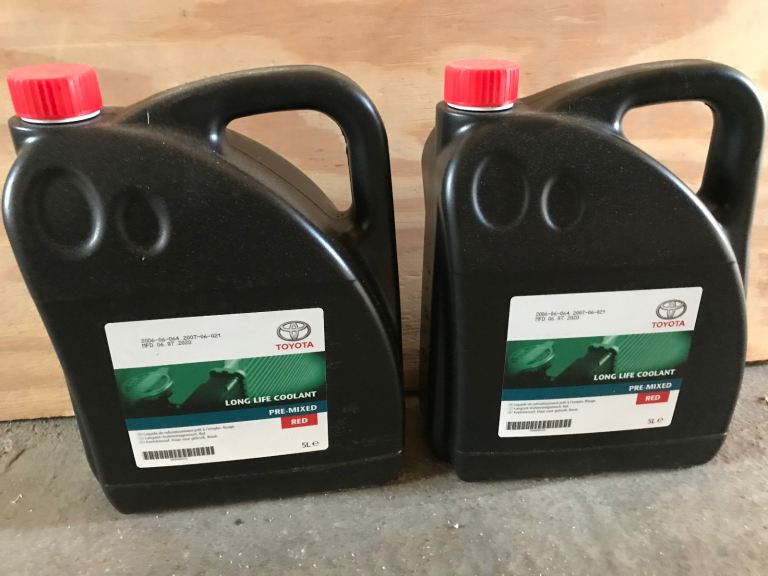 2 x Genuine Toyota Supra Celica Red Coolant Antifreeze 5 litre£ 15
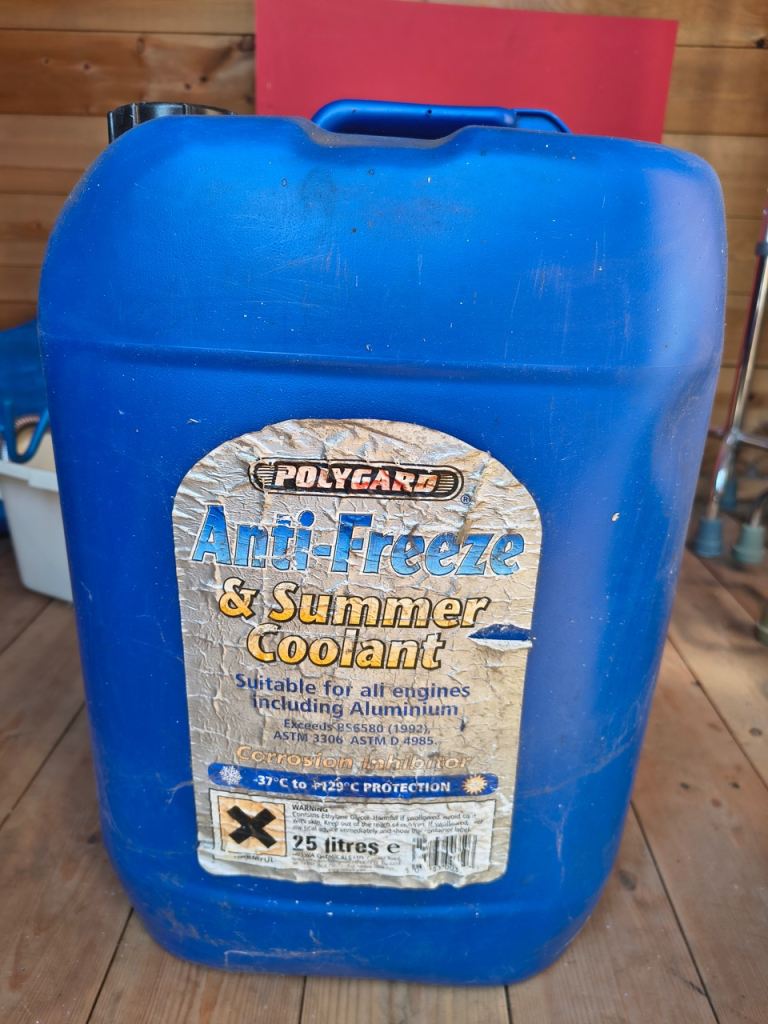 Clearance: TWO (25L) containers of Polygard antifreeze and summer coolant. £5 each.£ 5
 Volkswagen Transporter - Caravelle T5 Engine water coolant pipe hose.£ 25
No preview image4life Engine Coolant£ 15
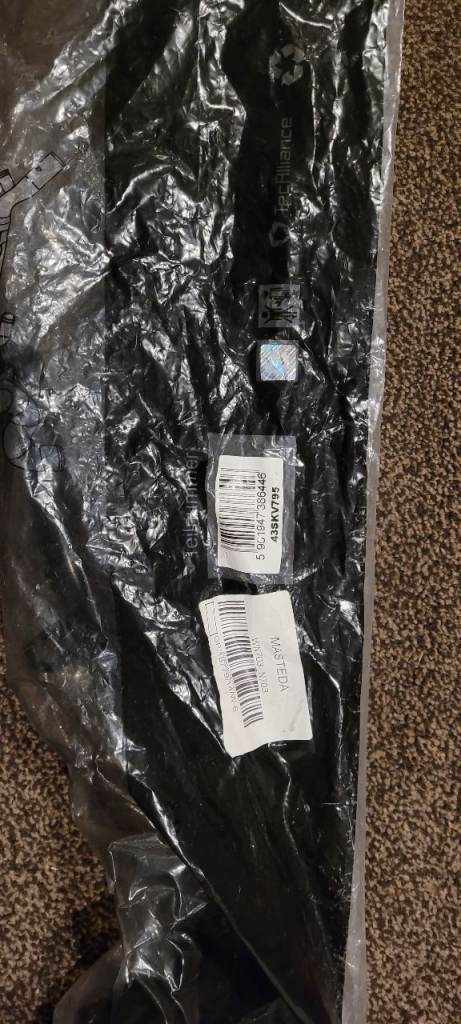 New ESEN SKV 43SKV795 Engine Coolant Pipe 03G121065H For VW Golf Audi A3 2.0£ 20
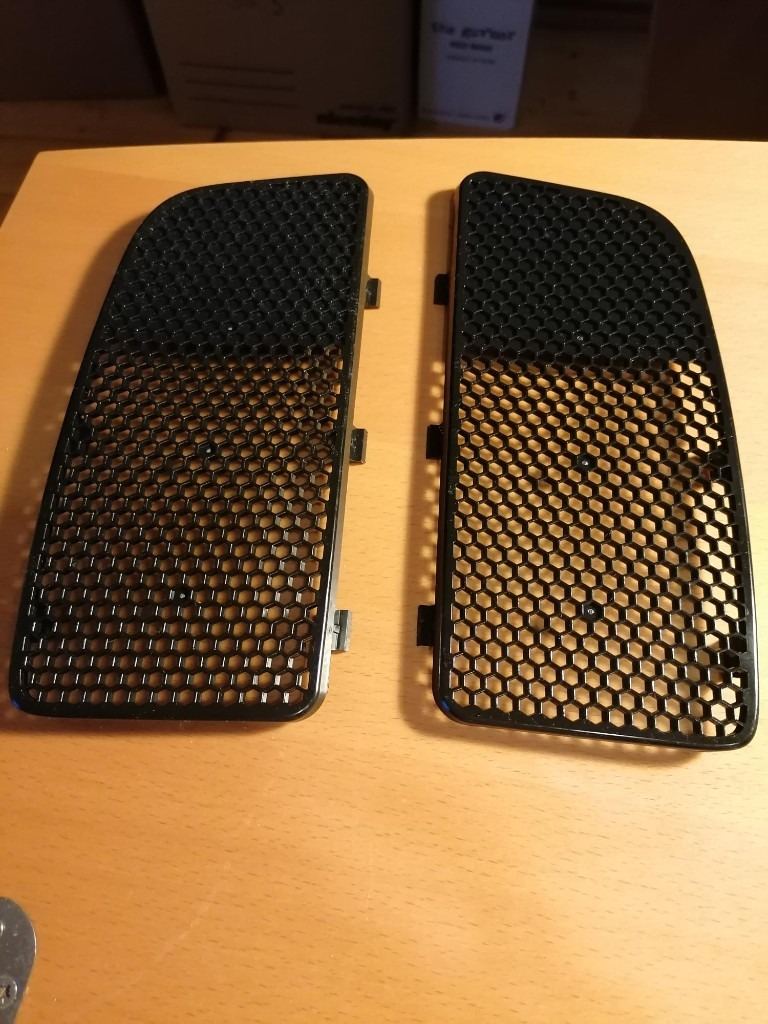 Harley Davidson - Engine Coolant Radiator Screen (pair)£ 25
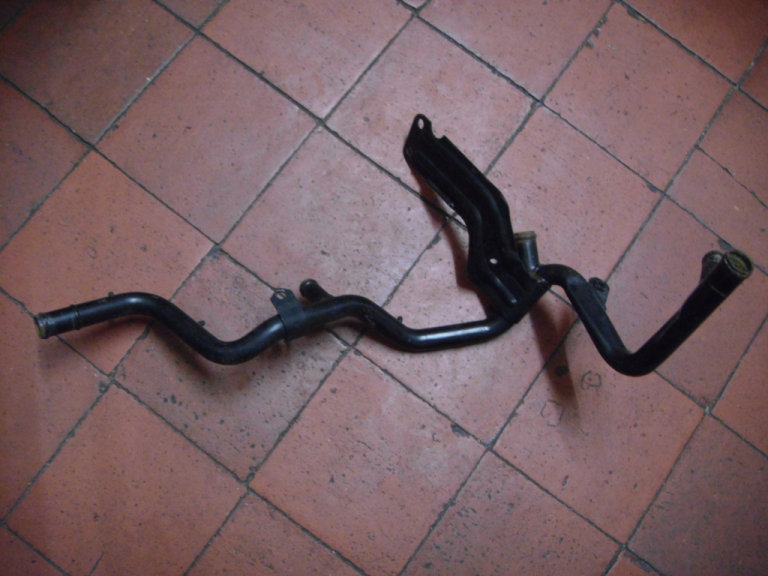 VW GOLF MK2 GTD METAL COOLANT PIPE, FOR GOLF, JETTA, PASSAT WITH 1.6 TD ENGINE£ 85
 Engine coolant£ 7
Prices and availability can change. Check each advert on Gumtree before making a decision.
FAQ
Can I just use water instead of engine coolant?
No. Water alone will not prevent the engine from freezing in winter or boiling in summer, and it lacks the corrosion inhibitors needed to protect the radiator and engine block. In a strict emergency, you can add distilled water to reach a safe level, but you must flush and refill with proper coolant as soon as possible.
How often should I top up my coolant?
A healthy, sealed cooling system should not require regular top-ups. If you find yourself adding coolant every few months, you have a leak that needs to be diagnosed and repaired by a mechanic.
What happens if I mix different types of coolant?
Mixing incompatible formulations can reduce corrosion protection and may damage the cooling system. Use the specification required by the vehicle manufacturer; colour alone is not a compatibility test.
Is engine coolant the same as antifreeze?
In the UK, the terms are often used interchangeably. Antifreeze is the concentrated chemical additive, while engine coolant is the mixture of antifreeze and water that actually circulates through your car. When buying a bottle, check whether it is ready-mixed or requires dilution with distilled water.