
Bills-Included One-Bed Flats: What Does Rent Cover?
Quick answer
A one bed flat with bills included can be cheaper overall, but only when the bundle covers costs you would otherwise pay and has reasonable usage limits. Compare the total monthly outlay, not the headline rent. Confirm whether council tax, gas, electricity, water, broadband and communal heating are included, then check for caps, seasonal surcharges and separate charges for parking, pets or services.
What does “bills included” usually cover?
“Bills included” has no single standard meaning. One advertiser might include water and broadband, while another includes energy and council tax as well. Treat the phrase as an invitation to ask for an itemised list, not as a promise that every household expense is covered.
| Cost | What the advert might include | What to confirm |
|---|---|---|
| Gas and electricity | All normal usage or a fixed allowance | The cap, how usage is measured and the tariff for exceeding it |
| Water | Water and wastewater charges | Whether this is fully included and whether the property is metered |
| Council tax | Sometimes included, particularly in certain managed arrangements | Whether it is included for the whole tenancy and what happens if the charge changes |
| Broadband | A shared or property-specific connection | Expected speed, contract holder, equipment and fault reporting |
| Heating and hot water | Sometimes covered through a communal system | Any fair-use limit, fixed service charge or seasonal supplement |
| TV licence | Less commonly included | Whether the tenancy covers it or the tenant must arrange their own |
| Parking | A space may be bundled with the flat | Whether the space is allocated, permit-controlled or charged separately |
| Cleaning and communal services | Occasionally included in managed buildings | Which areas are covered and whether the charge can change |
Mobile phone contracts, streaming subscriptions and contents insurance are normally personal costs unless the written agreement says otherwise.
How to compare the real monthly cost
Use the same calculation for every property:
Effective monthly housing cost = advertised rent + excluded bills + likely cap overages + compulsory property charges
Keep refundable deposits and other one-off moving costs separate. They affect the cash needed at the start of the tenancy, but they are not monthly bills.
A simple comparison might look like this:
| Comparison point | Lower rent, bills excluded | Higher rent, bills included |
|---|---|---|
| Monthly certainty | Lower, because usage and tariffs can vary | Higher if the bundle and caps are clearly defined |
| Control over suppliers | Usually greater | Often limited or unavailable |
| Risk of winter increases | Borne by the tenant | Reduced only if heating and energy are genuinely covered |
| Risk of overage charges | Not applicable | Depends on fair-use limits |
| Administration | Several accounts and payments | Usually fewer separate payments |
| Best suited to | Tenants comfortable managing bills | Tenants who value predictable outgoings |
The bills-included option offers better value when its additional rent is lower than the realistic cost of the services included. It may be poor value if the bundle excludes council tax, applies a tight energy cap or charges separately for features you assumed were part of the rent.
There is no dependable UK-wide benchmark for a bills-included one-bedroom flat because location, heating, council tax, building type and the precise bundle differ sharply. Compare current adverts with similar local properties. You can browse one-bedroom flats and other rental property on Gumtree, but confirm every inclusion directly with the advertiser. Gumtree advert prices are asking rents, not evidence of the amount ultimately agreed.
For a wider local-search method, use this guide to compare affordable one-bed flats near you.
Current Gumtree listings
Live adverts related to this topic, selected from Gumtree search results.
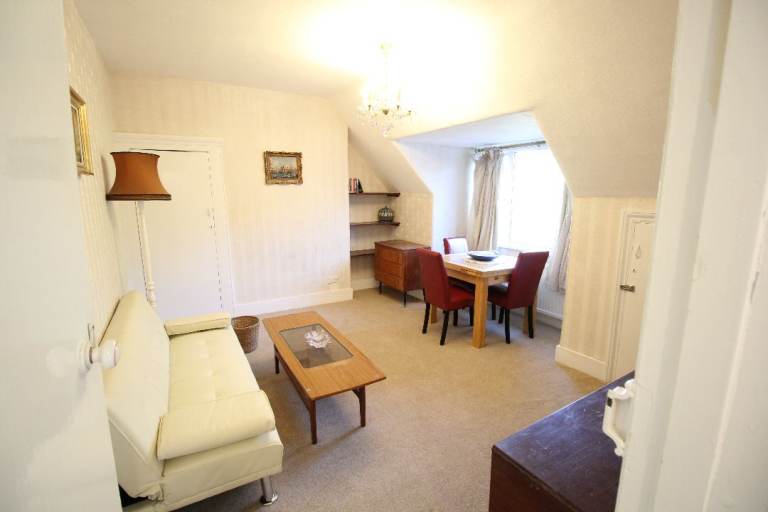 Beautiful Large One Bed Flat including Bills! 2 mins walk from station! Best Area. Private Landlord£1,500pm
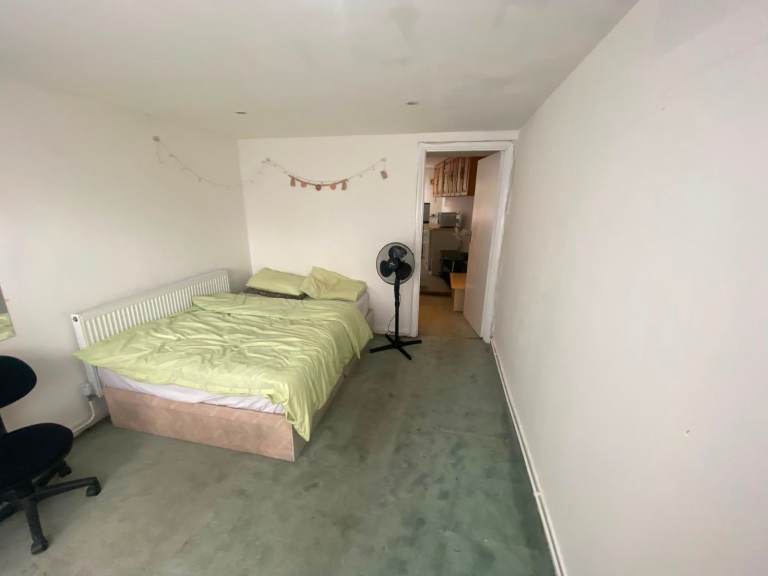 One bed GF Flat available to rent in Stanmore including all bills & Council tax-BEVERLEY GARDENS£1,400pm
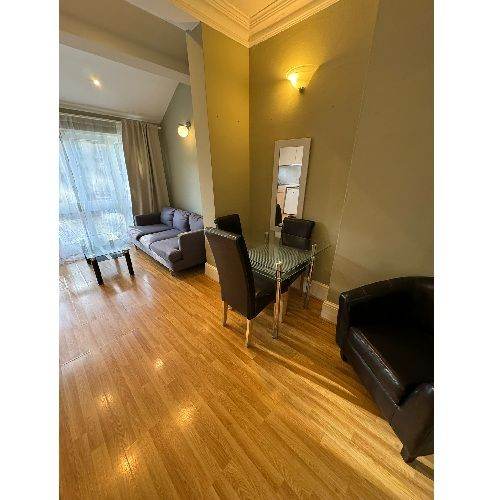 One Bedroom Flat In Bedford Hill, Balham, SW12 9HJ *** Rent Includes All Utility Bills ***£300pw
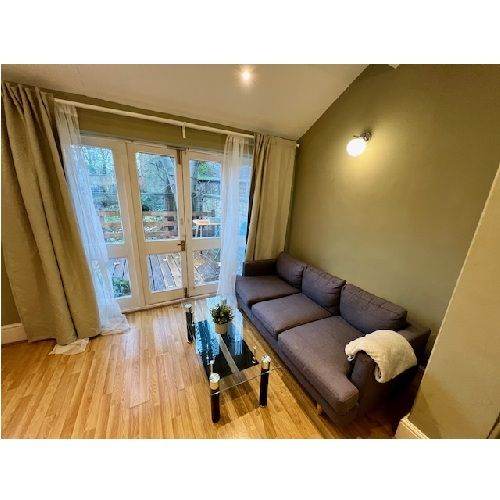 One Bed Flat in Bedford Hill, Balham, SW12 9HJ ****ALL UTILITY BILLS INCLUDED***£300pw
 One Bedroom Furnished Penthouse - All Bills Included£2,150pm
Prices and availability can change. Check each advert on Gumtree before making a decision.
Costs that can make an inclusive rent less attractive
Energy caps and fair-use clauses
Ask for the allowance in writing and find out whether it applies monthly, quarterly or across the tenancy. Check how an overage is divided if any supply is shared. A vague promise of “reasonable use” gives you little basis for estimating the final cost.
Heating deserves particular attention. An all-electric flat, a home with older storage heaters and a well-insulated flat with efficient central heating can have very different running costs. Ask to see the property’s current Energy Performance Certificate and inspect the heating controls during the viewing.
Council tax
Do not assume council tax is included simply because utilities are. Ask who is expected to deal with the council, whether the advertised figure covers the charge throughout the tenancy and whether any stated discount depends on the occupants’ circumstances.
Council tax arrangements and renting rules vary across England, Scotland, Wales and Northern Ireland. Check the current guidance for the nation where the property is located before relying on an advertiser’s explanation.
Pets, furniture and parking
These features affect value but are not household bills. If you need a pet-friendly one-bedroom flat to let, ask about any additional rent, deposit terms, cleaning conditions and restrictions on the type or number of animals.
For a furnished one-bedroom flat for rent, check what is actually supplied and record its condition in the inventory. Furniture can reduce moving costs, but it does not make an overpriced bill bundle good value.
When considering a one-bedroom flat with parking for rent, establish whether the space is included, allocated to the flat and available for the full tenancy. Permit fees, visitor restrictions or separately rented spaces can change the comparison.
Questions to ask the advertiser
Ask for clear answers before applying:
- Which bills are included, item by item?
- Is council tax included?
- Are heating and hot water included?
- Is there a monetary or usage cap?
- How is usage measured, especially if meters are shared?
- What rate applies if the allowance is exceeded?
- Can the inclusive rent or bill allowance change during the tenancy?
- Who chooses and deals with utility and broadband suppliers?
- Are parking, pet or building-service charges separate?
- What costs are due before moving in?
- Will every inclusion, cap and extra charge appear in the written tenancy agreement?
- Can the advertiser provide an example bill or usage statement with personal details removed?
If the answer is merely “everything”, ask again. Precision before signing is considerably less awkward than an argument after the first cold month.
Check the property and the advertiser
At the viewing, look at the meters, heating controls, glazing and signs of damp. Confirm whether the flat is self-contained or shares supplies with another household. Test the broadband claim by asking for the service type and estimated speed rather than relying on “Wi-Fi included”.
Make sure the person advertising the flat is entitled to let it. Check the address, written terms, payment recipient and deposit arrangements. Do not send money solely because someone creates urgency or claims that several other tenants are waiting. If you cannot attend in person, use a live video viewing and carry out independent checks before paying.
Gumtree can help you identify possible properties, but the advertiser’s statements and tenancy documents determine what is actually included.
Decision summary
Choose the bills-included flat if its written bundle covers the major costs you expect, its usage cap suits your household and its effective monthly cost compares well with similar local homes. Choose a bills-excluded flat if the inclusive premium is too high, key costs remain outside the bundle or you prefer control over suppliers.
The deciding document is the tenancy agreement. Advert wording and verbal assurances should match it before you commit.
FAQ
Are one-bed flats with bills included always cheaper?
No. They can reduce total costs and make budgeting easier, but the result depends on the rent premium, included services and usage limits. Compare them with similar local flats using the same monthly-cost calculation.
Does “all bills included” cover council tax?
Not necessarily. Council tax should be named explicitly in the advert and tenancy agreement. Confirm who is responsible for dealing with the council and check the rules applying to the property’s UK nation.
Can a landlord charge more if I exceed the energy allowance?
An inclusive arrangement may contain a fair-use limit or overage mechanism. Ask for the limit, measurement method and additional rate in writing before agreeing to the tenancy.
Is broadband included in a bills-included flat?
Sometimes, but the connection may be shared or offer limited performance. Confirm the service type, expected speed, equipment provided and who handles faults.
What proof should I request?
Ask for an itemised written breakdown, the proposed tenancy agreement and, where helpful, anonymised examples showing how capped or shared costs are calculated. Ensure the final agreement matches what was advertised.