
Bathroom Window Guide: Privacy, Ventilation, Glazing and Replacement Costs
Quick answer
A bathroom window must balance three requirements: privacy from neighbours, adequate ventilation to prevent mould, and safety glazing where required. Obscured glass (frosted, textured or reeded) maintains privacy while admitting light. Under Building Regulations Part F, bathrooms need either an opening window providing rapid ventilation or a mechanical extractor fan. Trickle vents are required on most replacement windows installed after June 2022. Replacement costs vary widely depending on size, material and glazing type, so obtain multiple quotes from FENSA or CERTASS registered installers before committing.
Privacy glass options
Bathroom windows need to obscure the view from outside while still letting in natural light. Several glass types achieve this:
Frosted or etched glass has a uniform matte finish that blurs shapes completely. It is the most common choice for bathrooms and works well at any height.
Textured or patterned glass includes options like rain, reed or quilt patterns. These add visual interest while maintaining privacy. The pattern direction affects how much you can see through when close to the glass.
Satinised glass offers a softer, silkier appearance than standard frosted glass. It provides good privacy with a more contemporary look.
Tinted glass reduces visibility from outside, especially in brighter conditions, but may not provide sufficient privacy at night when interior lights are on.
Privacy film is a lower-cost alternative to replacing the glass entirely. Self-adhesive films come in frosted, patterned or one-way varieties. They work well for rental properties or temporary solutions.
When choosing obscure glass, consider the window's position. A high-level window may need less privacy than one at shower height. Some installers offer graduated privacy, with clearer glass at the top and more obscured glass lower down.
Current Gumtree listings
Live adverts related to this topic, selected from Gumtree search results.
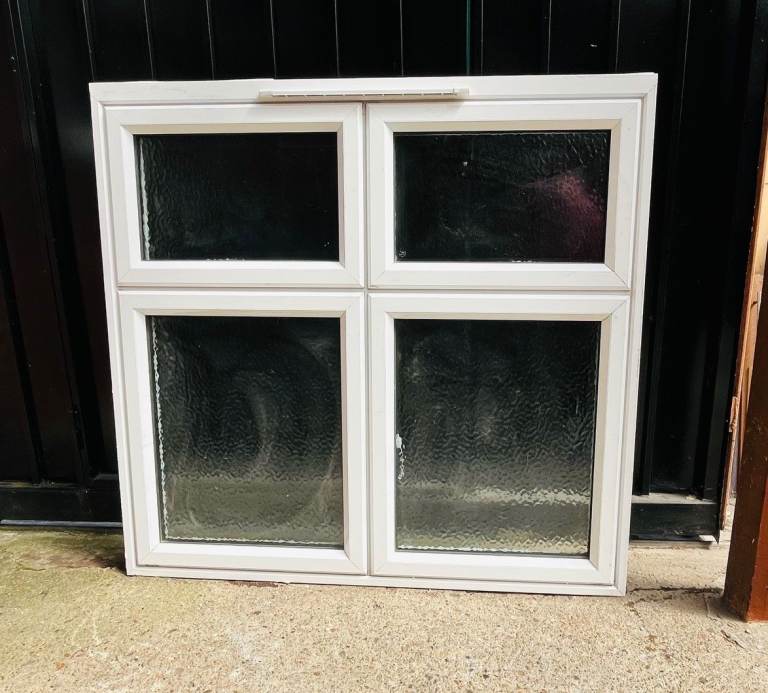 MODERN ALUMINIUM DOUBLE GLAZED WINDOW - FOR BATHROOM, SIZE H 117 x W 123 cm - (REF: SK24)£ 79
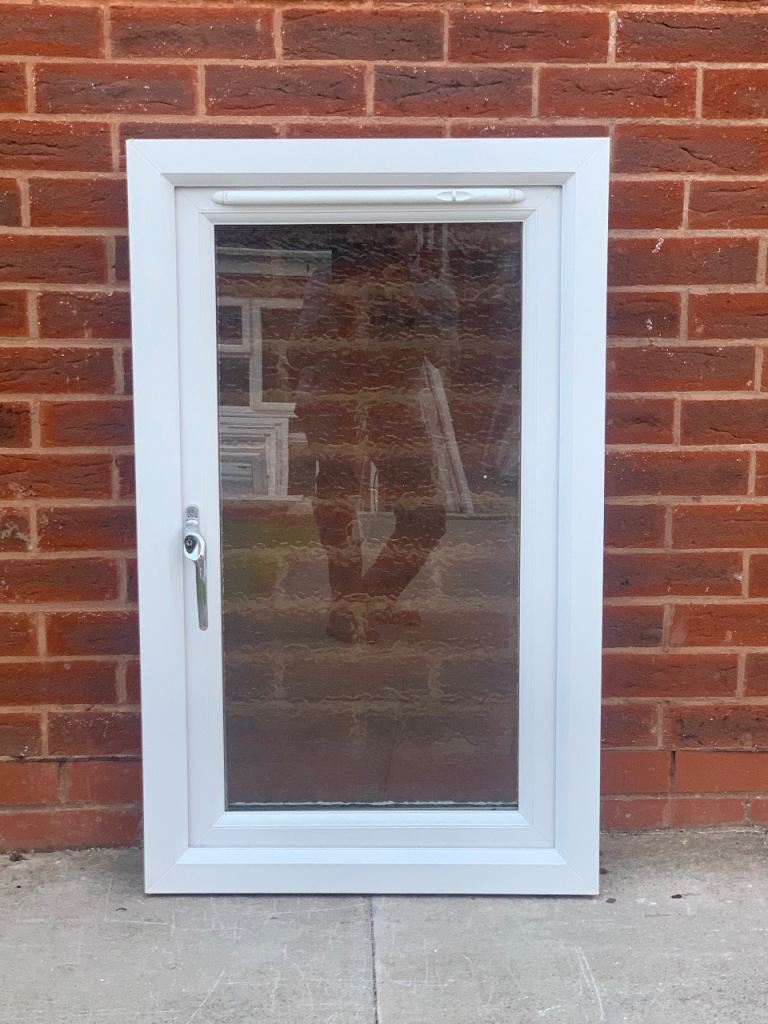 UPVC DOUBLE GLAZED BATHROOM CLOAKROOM WINDOW SIDE OPENER 62cm WIDE 104cm HIGH Can Deliver£ 107.99
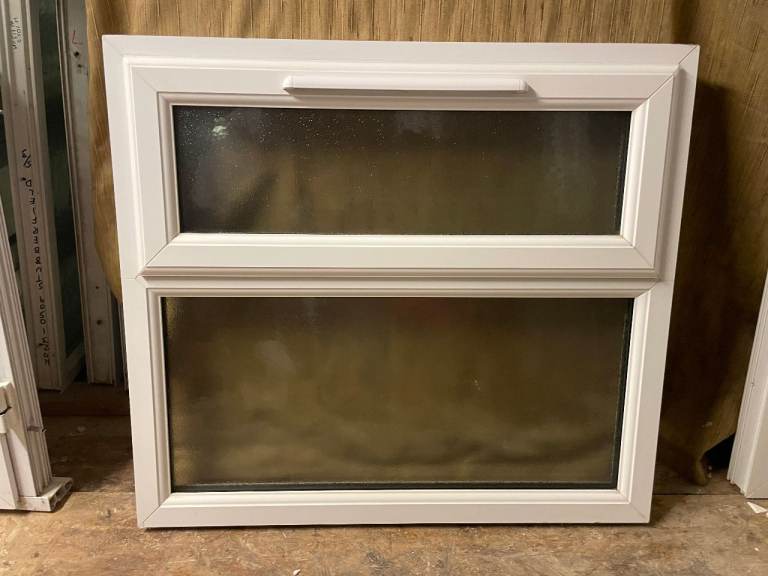 H 88 x W 98.5 cm - BEAUTIFUL UPVC DOUBLE GLAZED WINDOW - OBSCURE **BATHROOM 3 YEARS OLD**(REF: MJ29)£ 150
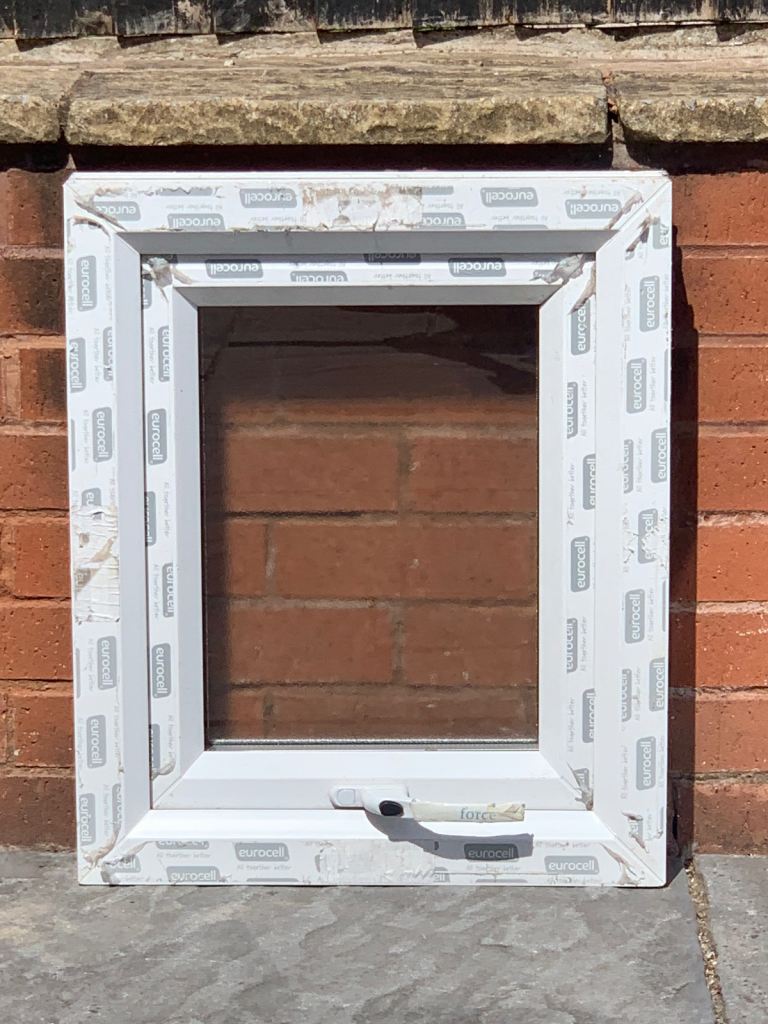 UPVC DOUBLE GLAZED BATHROOM CLOAKROOM WINDOW BRAND NEW BOTTOM OPENER 49cm WIDE 62cm HIGH£ 157.99
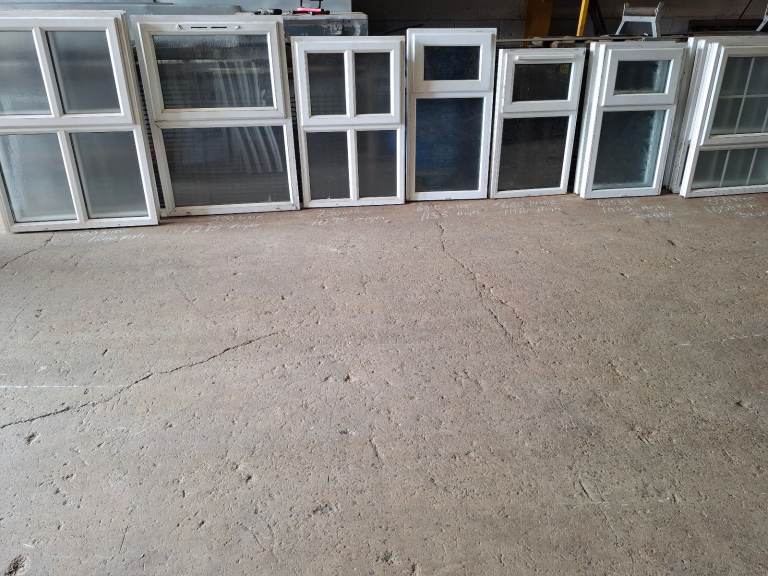 Pvc ( Toilet / bathroom ) windows£ 60
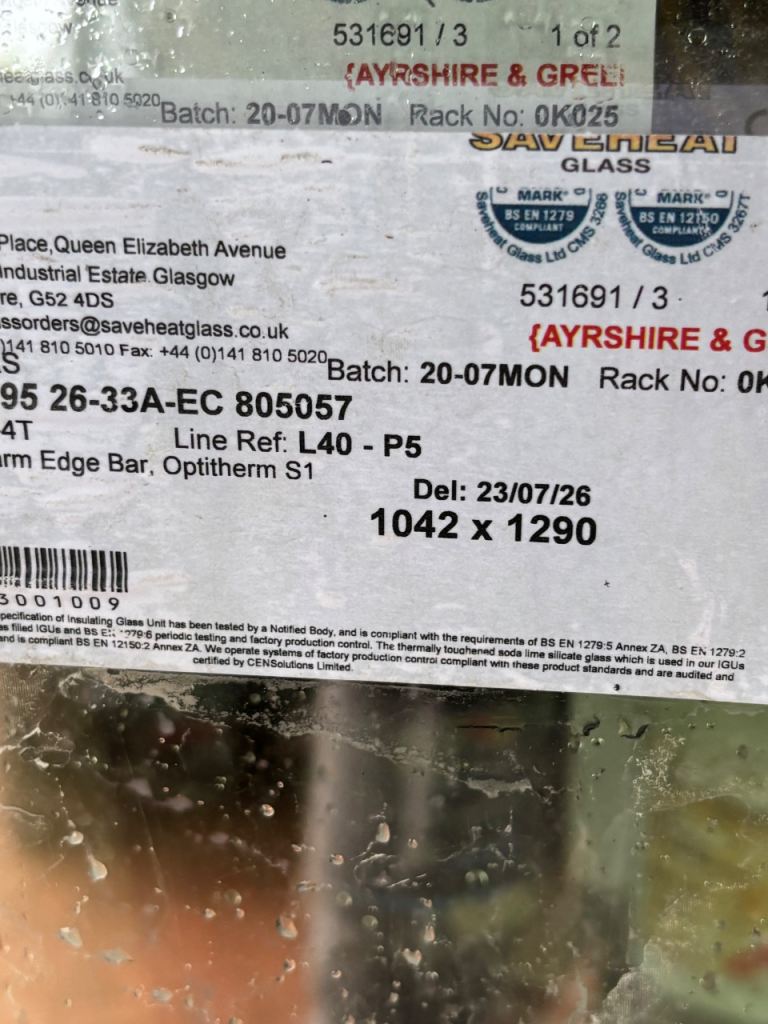 Two matching double glazed units and a bathroom window left over from project£ 120
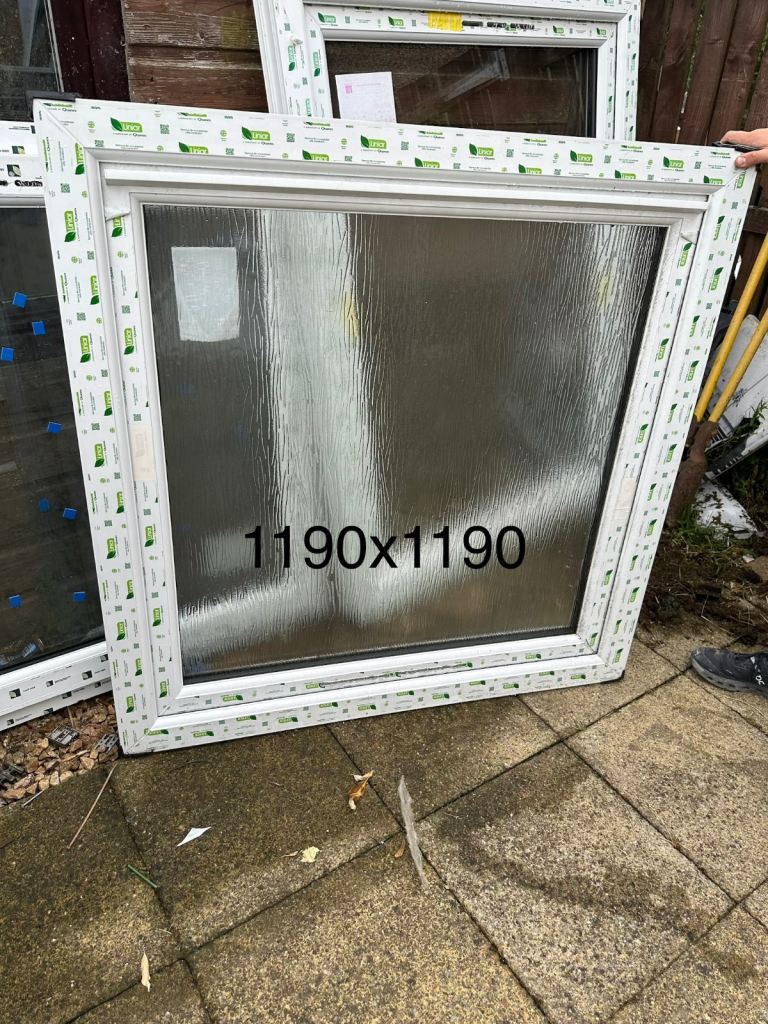 Bathroom obscure glass window£ 80
Prices and availability can change. Check each advert on Gumtree before making a decision.
Ventilation requirements
Building Regulations Part F (updated June 2022) sets minimum ventilation standards for bathrooms to prevent condensation and mould. You have two main options:
Opening window – A bathroom must have a window that opens to provide rapid ventilation. The opening should be at least 0.2 square metres for bathrooms and 0.1 square metres for shower rooms. The window must be capable of ventilating the room quickly after use.
Mechanical extractor fan – If the bathroom has no opening window, or if it is an internal room, you must install an extractor fan. The fan should extract at least 15 litres per second for a bathroom or 20 litres per second for a shower room. Fans should be humidity-sensing or manually switched with a timer overrun.
Trickle vents – Since June 2022, most replacement windows must include trickle vents to provide background ventilation. These small adjustable vents allow continuous airflow even when the window is closed. They are not required if the property has a whole-house mechanical ventilation with heat recovery (MVHR) system.
Combining both – Many bathrooms benefit from both an opening window and an extractor fan. The fan handles routine moisture removal, while the window provides rapid ventilation when needed.
If you are replacing an existing bathroom window, check whether your installer plans to include trickle vents. Some installers may omit them unless specifically asked, but they are a legal requirement for most replacements.
Safety glazing and building regulations
Bathroom windows must comply with safety glazing requirements under Building Regulations Part K and Part N. Any glass in what are called "critical locations" must be safety glass.
Critical locations include:
- Windows within 800mm of floor level
- Glazing in doors and side panels
- Windows where the bottom edge is less than 800mm above the floor
Safety glass types include toughened glass (which shatters into small, less dangerous pieces) or laminated glass (which holds together when broken). Most bathroom windows at shower height or low level will need safety glass.
Window restrictors are important if young children use the bathroom. Restrictors limit how far the window can open, preventing falls while still allowing ventilation.
Fire escape – If the bathroom window is the only escape route from a bedroom, it must meet specific size requirements for fire escape. Check with your local building control if this applies.
Replacement costs
Window replacement costs depend on size, material, glazing type and installation complexity. Since prices vary significantly by region and supplier, obtain at least three quotes from registered installers.
Factors affecting cost:
- Material – uPVC is typically the most affordable, aluminium is mid-range, and timber is usually the most expensive
- Size – Larger windows cost more, both for materials and installation
- Glazing – Double glazing is standard; triple glazing adds cost but improves insulation. Obscure glass may cost slightly more than clear glass
- Trickle vents – Usually included in the window price but confirm this
- Installation complexity – Upper-floor windows, awkward access or structural alterations increase labour costs
Getting quotes – Use FENSA or CERTASS registered installers. They self-certify that work complies with Building Regulations, saving you from separate building control approval. Ask for itemised quotes showing supply, installation and any additional work like making good.
Finding tradespeople – You can browse property-related services and tradespeople on Gumtree or ask for recommendations from neighbours who have had similar work done. Always check references and previous work before committing.
Building control – If you use a non-registered installer, you must notify building control separately, which adds cost and time. Using a registered installer is usually more straightforward.
Decision checklist
Before replacing or installing a bathroom window, work through these points:
Privacy
- What level of privacy is needed at different heights?
- Would obscure glass, privacy film or both work best?
- Are neighbouring windows close enough to require full obscuring?
Ventilation
- Does the bathroom have an extractor fan, or will the window provide all ventilation?
- Is the opening area large enough to meet Part F requirements?
- Will trickle vents be included in the replacement?
Safety
- Is the window in a critical location requiring safety glass?
- Are restrictors needed for child safety?
- Does the window serve as a fire escape route?
Practical
- Have you obtained at least three quotes from registered installers?
- Does the quote include Building Regulations compliance certification?
- What guarantee is offered on materials and workmanship?
Budget
- Does the quote include all work, or are there potential extras?
- Have you compared like-for-like specifications across quotes?
- Is the timeline acceptable, especially if the bathroom is the only one in the property?
FAQ
Do I need planning permission to replace a bathroom window?
Usually no, unless your property is listed or in a conservation area. Listed building consent may be required for any changes to windows. Check with your local planning authority if you are unsure.
Can I install a bathroom window myself?
You can, but the work must comply with Building Regulations for ventilation, safety glazing and thermal performance. If you are not using a FENSA or CERTASS registered installer, you must notify building control. DIY installation risks non-compliance, which can cause problems when selling your property.
How do I stop condensation on my bathroom window?
Ensure adequate ventilation by using an extractor fan during and after bathing, or opening the window. Wipe down surfaces regularly. If condensation persists between double-glazed panes, the sealed unit has failed and needs replacement.
What is the best opening style for a bathroom window?
Top-hung or awning windows are popular for bathrooms because they can be left open in light rain and provide good ventilation. Casement windows offer a larger opening area. Tilt-and-turn windows provide both options but cost more.
Should I choose uPVC, aluminium or timber for my bathroom window?
uPVC is low-maintenance and cost-effective. Aluminium is slim, durable and suits modern properties. Timber looks traditional but requires regular maintenance. For bathrooms, moisture resistance matters, so ensure timber is properly treated and maintained.