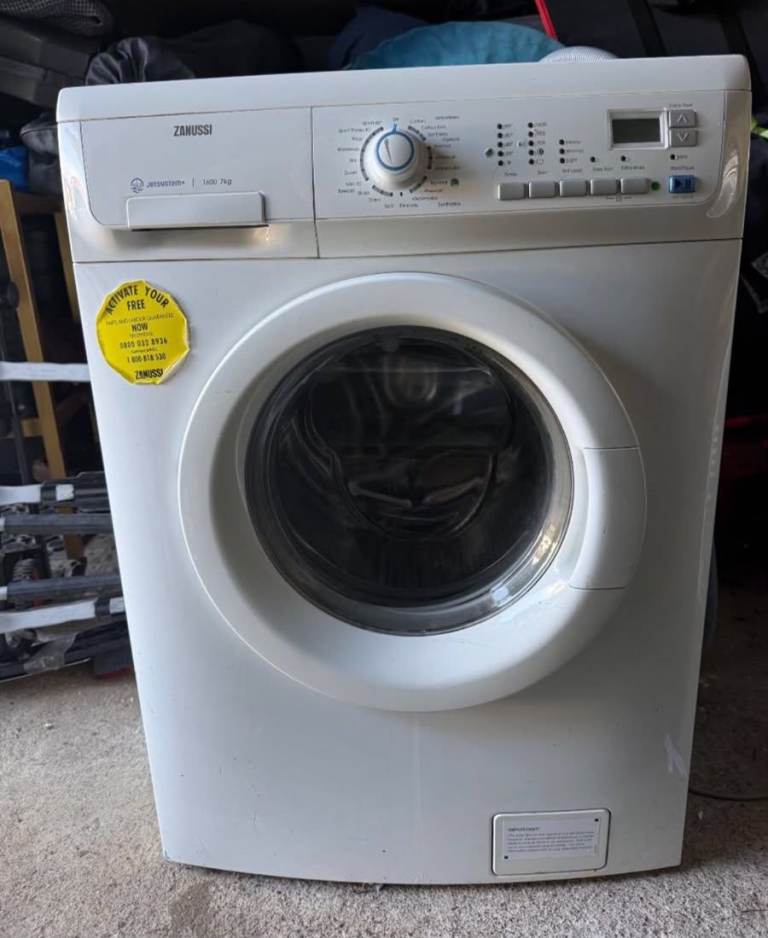
What should I check when collecting a free washing machine?
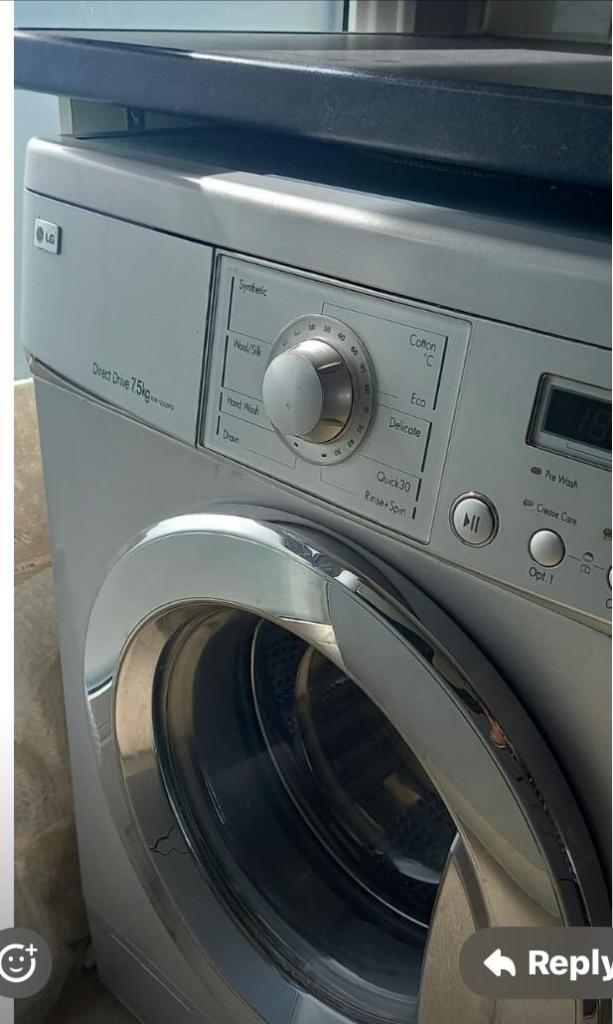
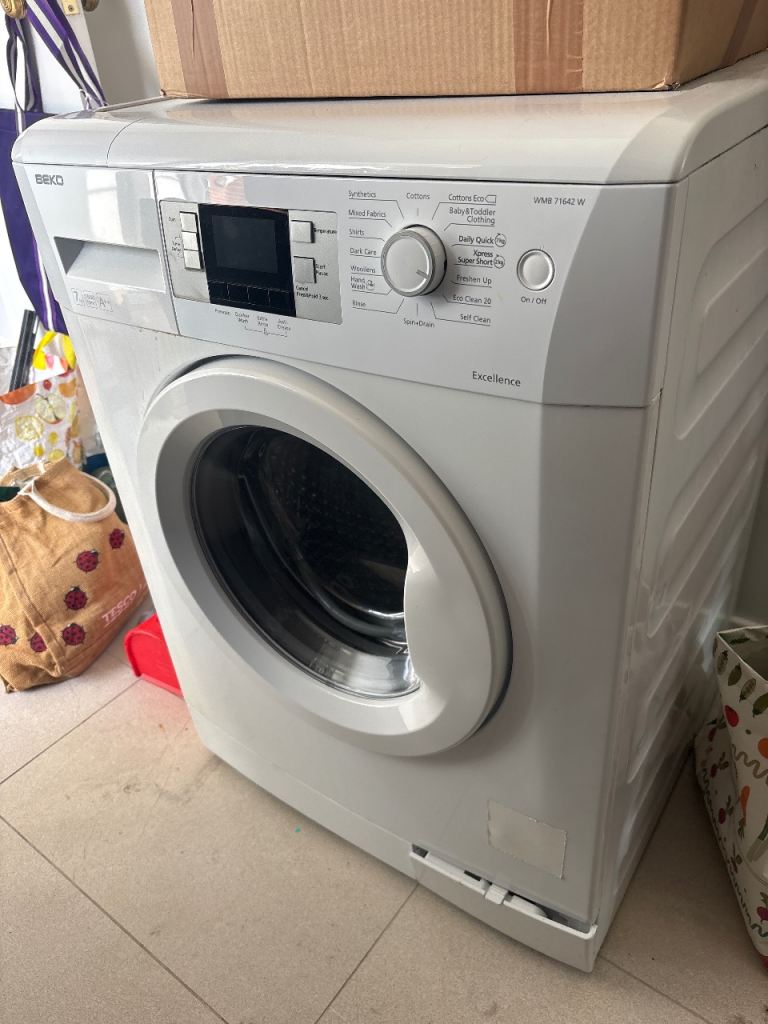
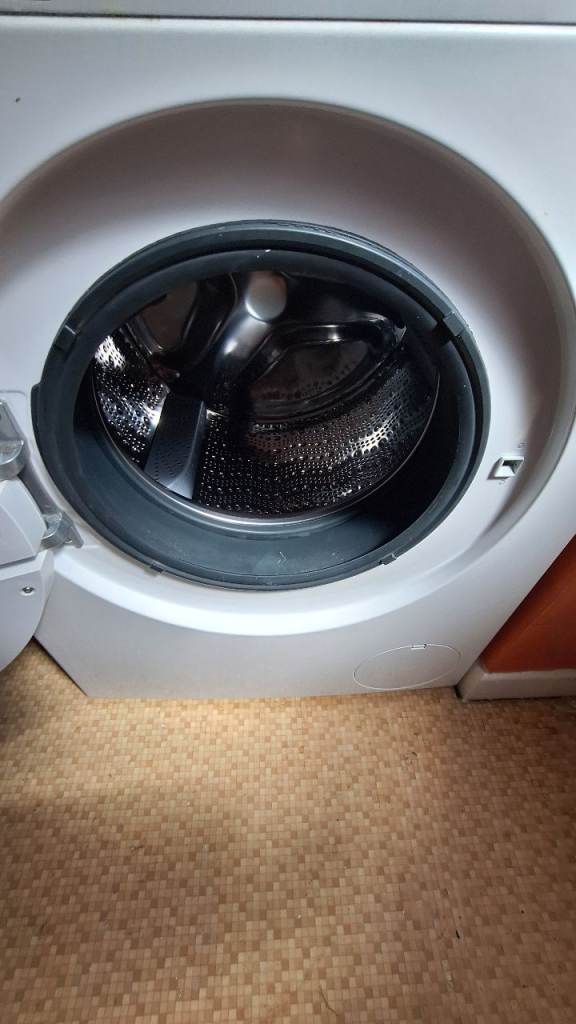
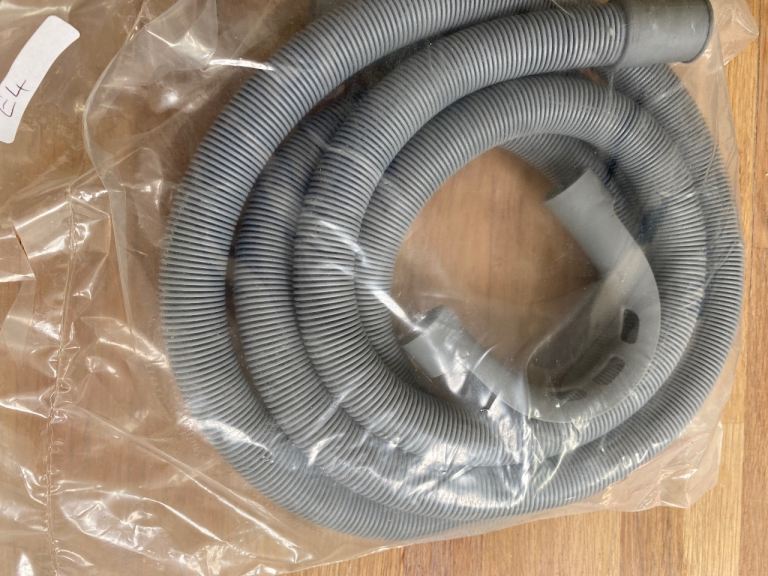
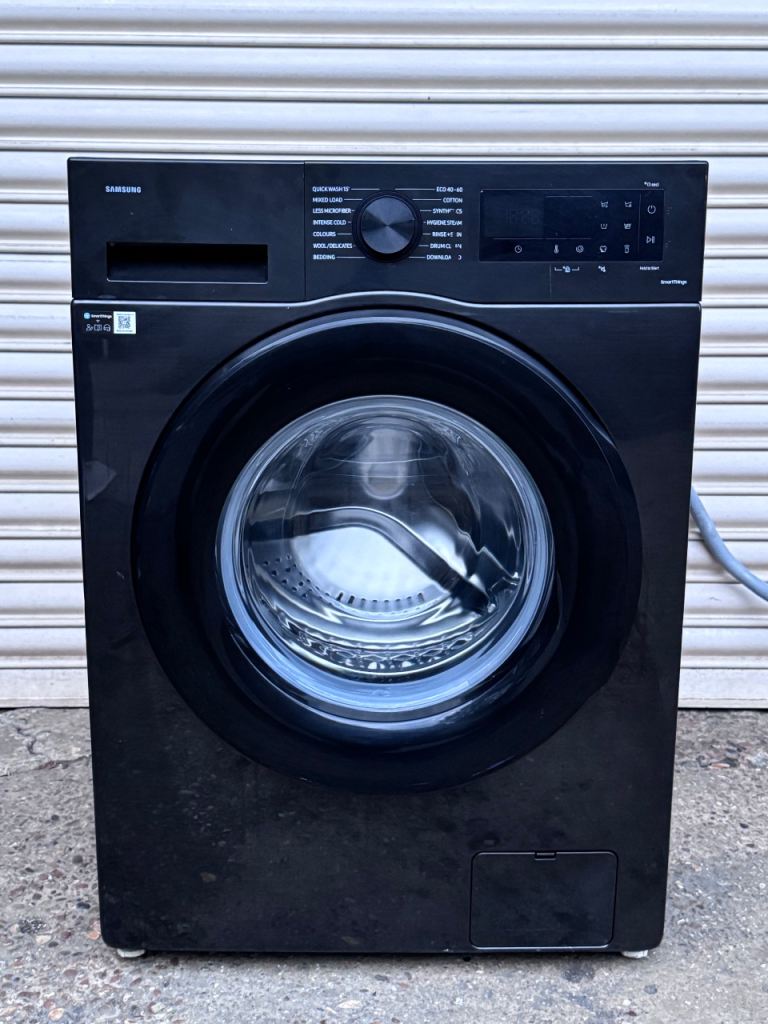
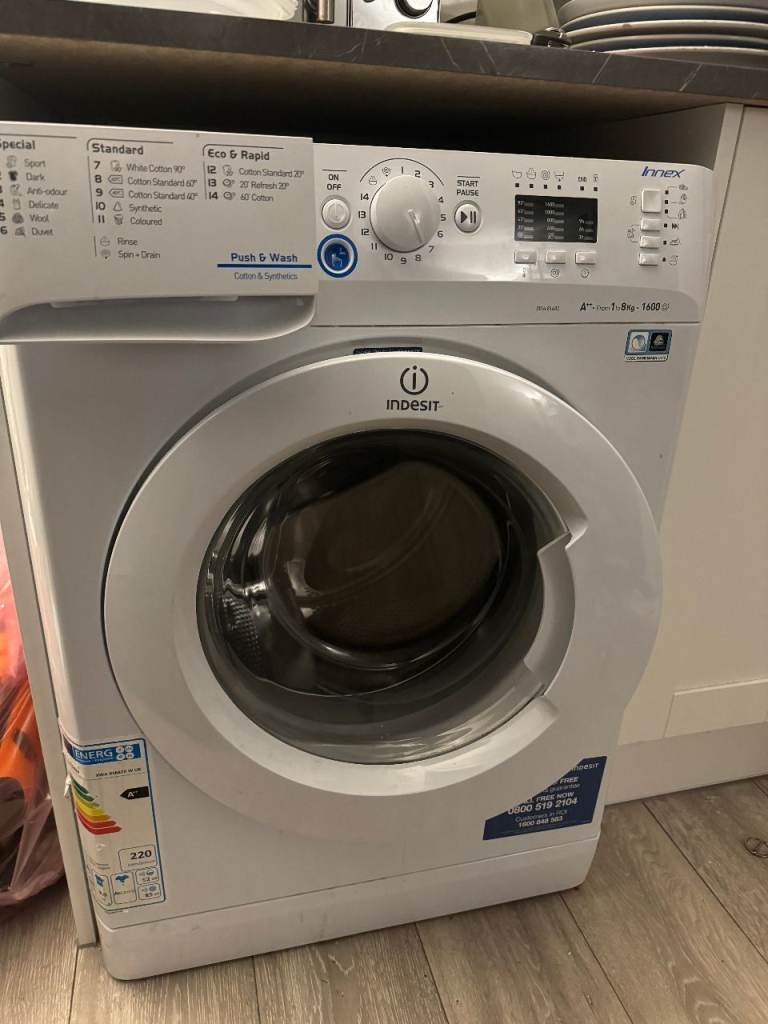
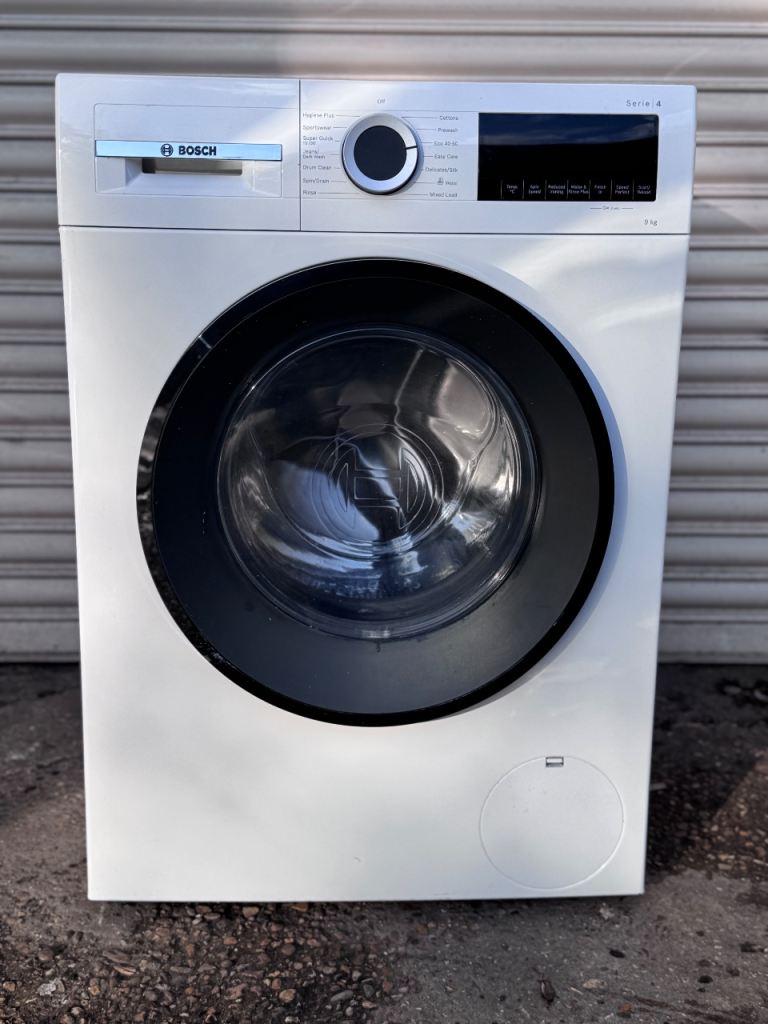
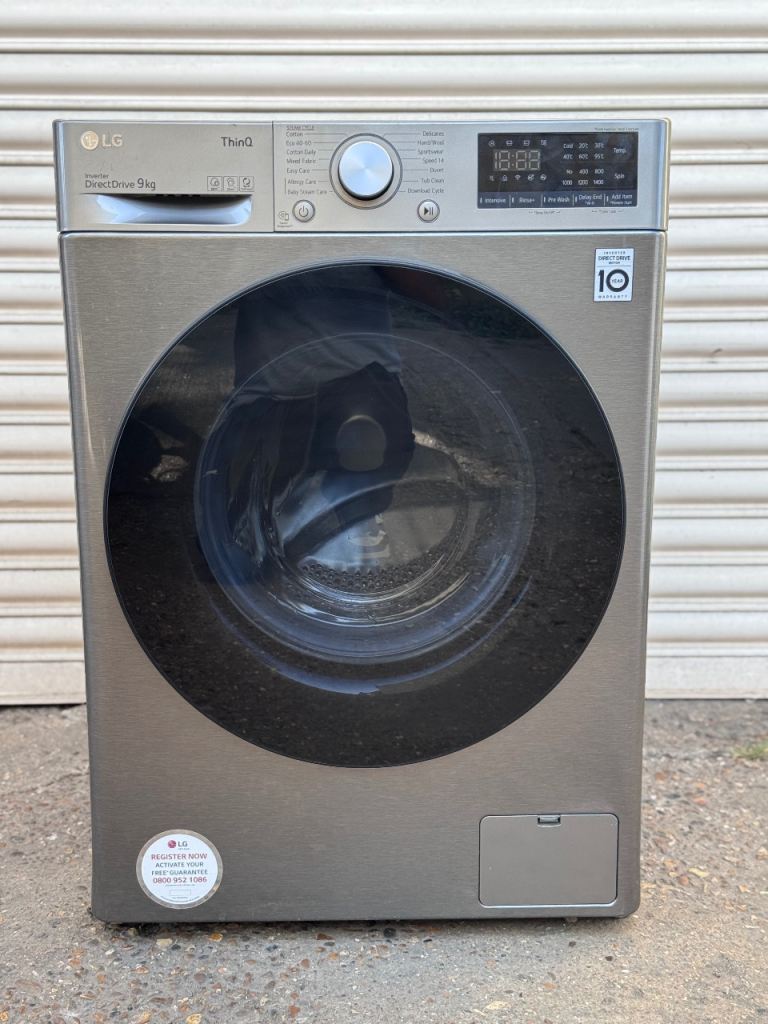
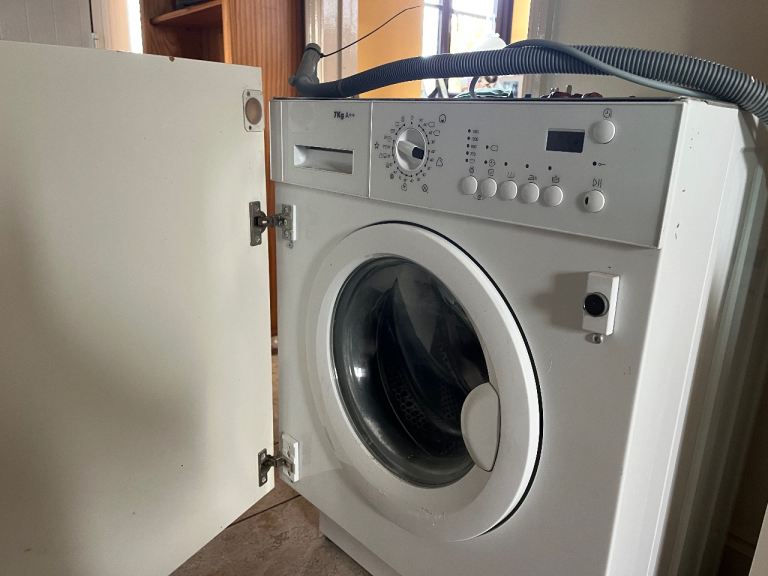
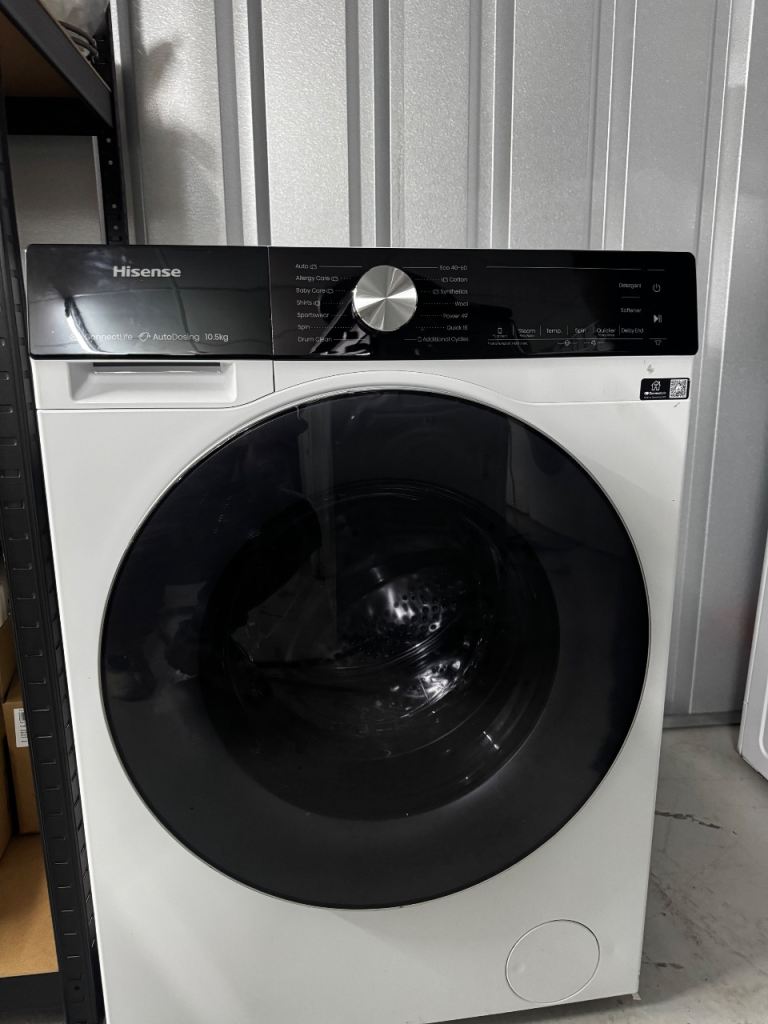
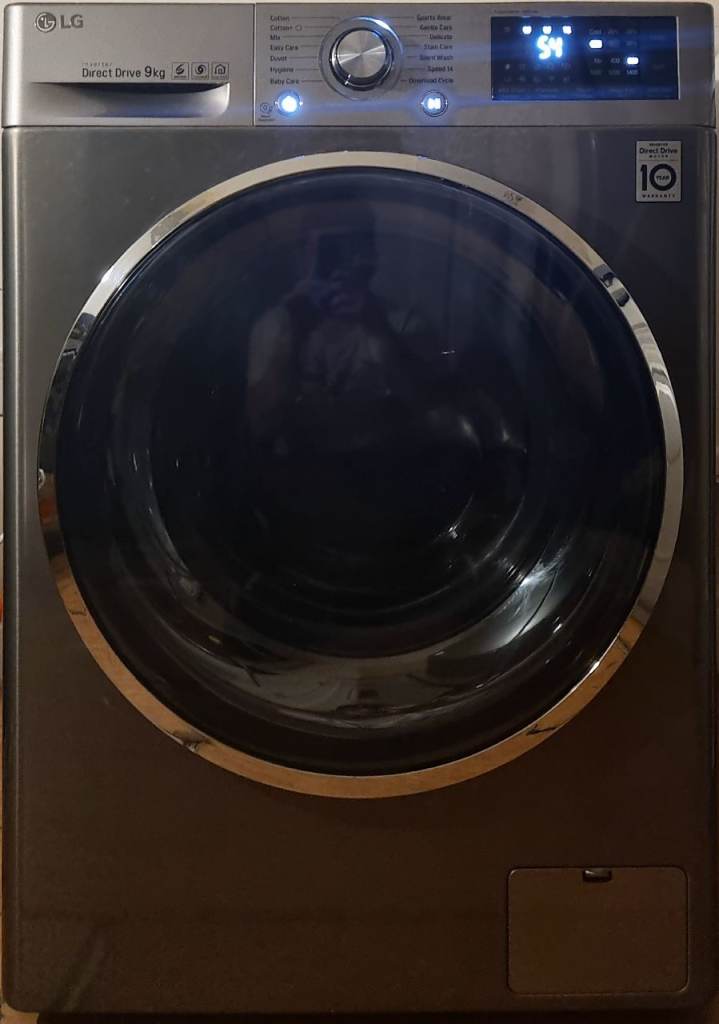
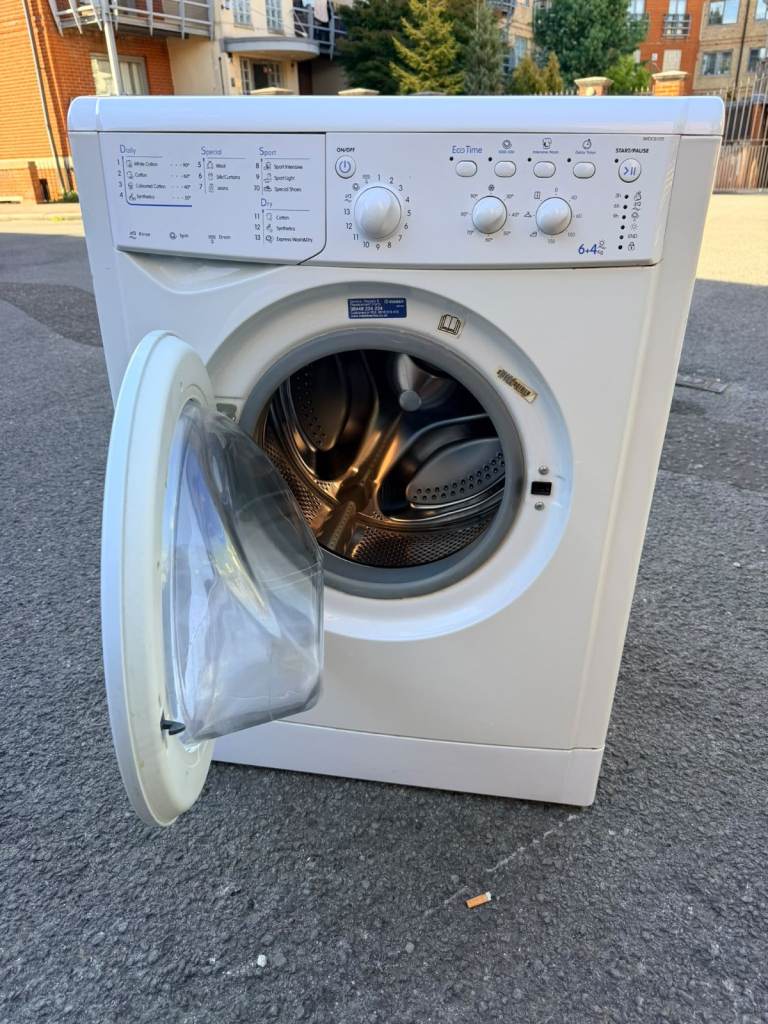
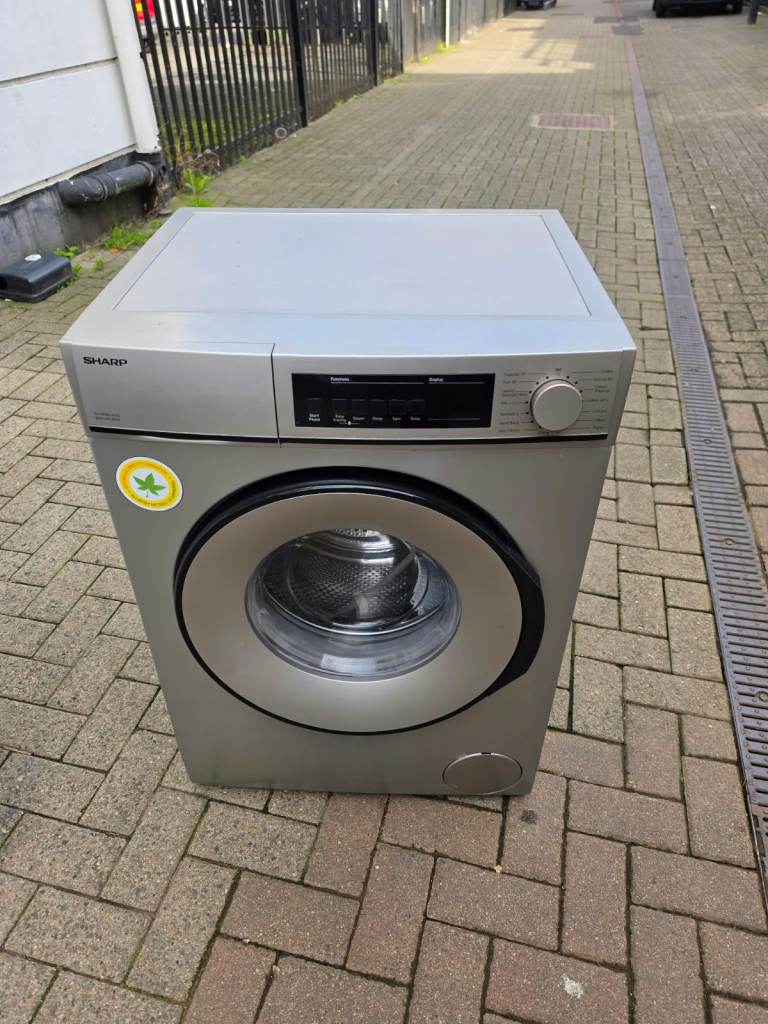
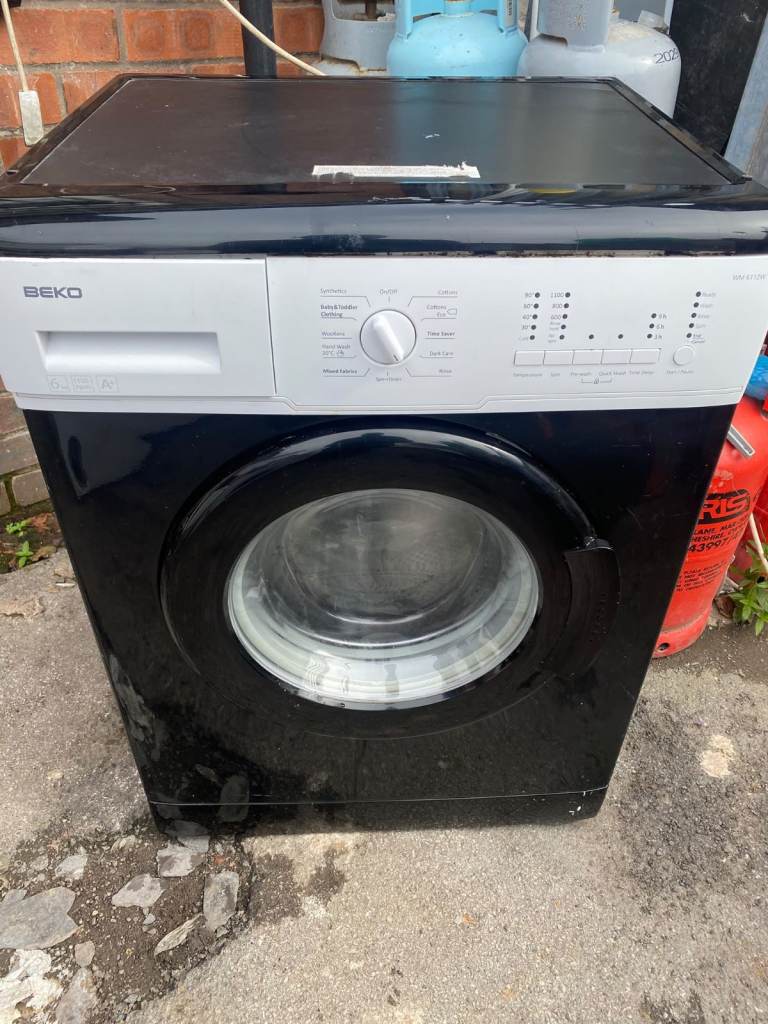
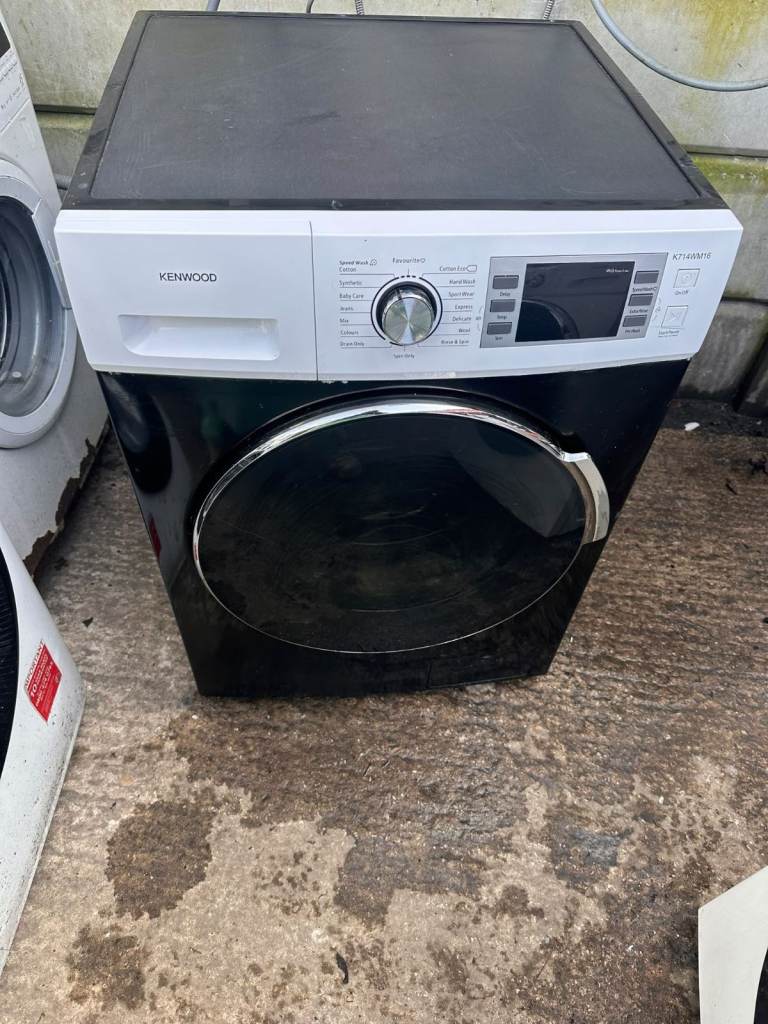
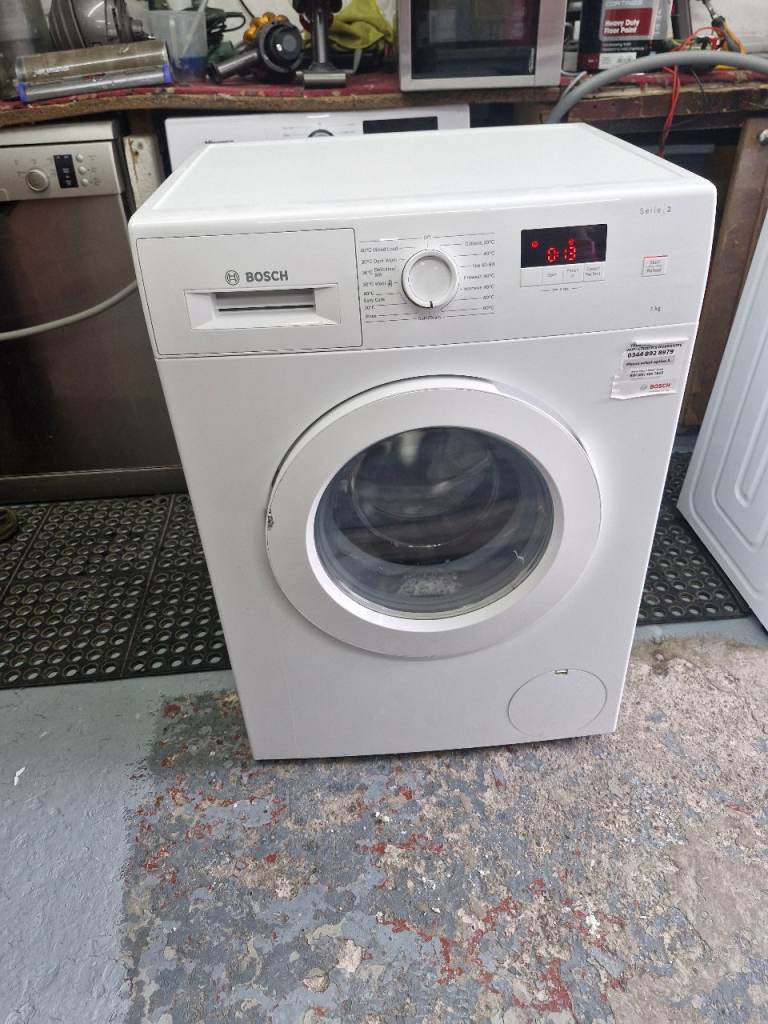
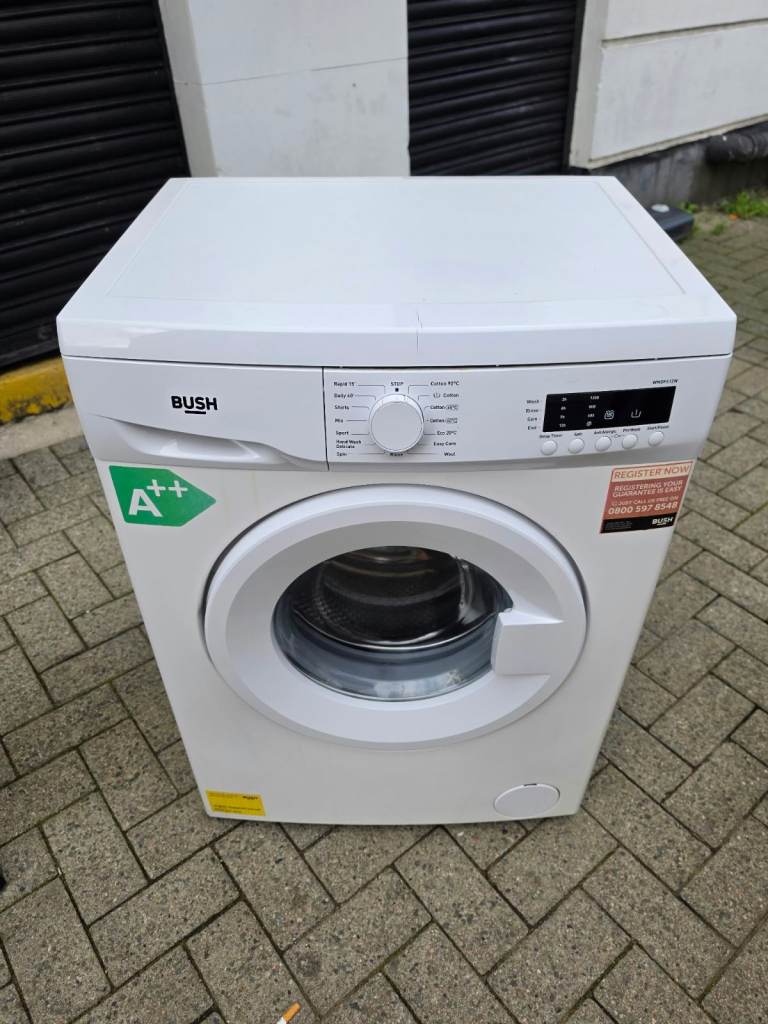
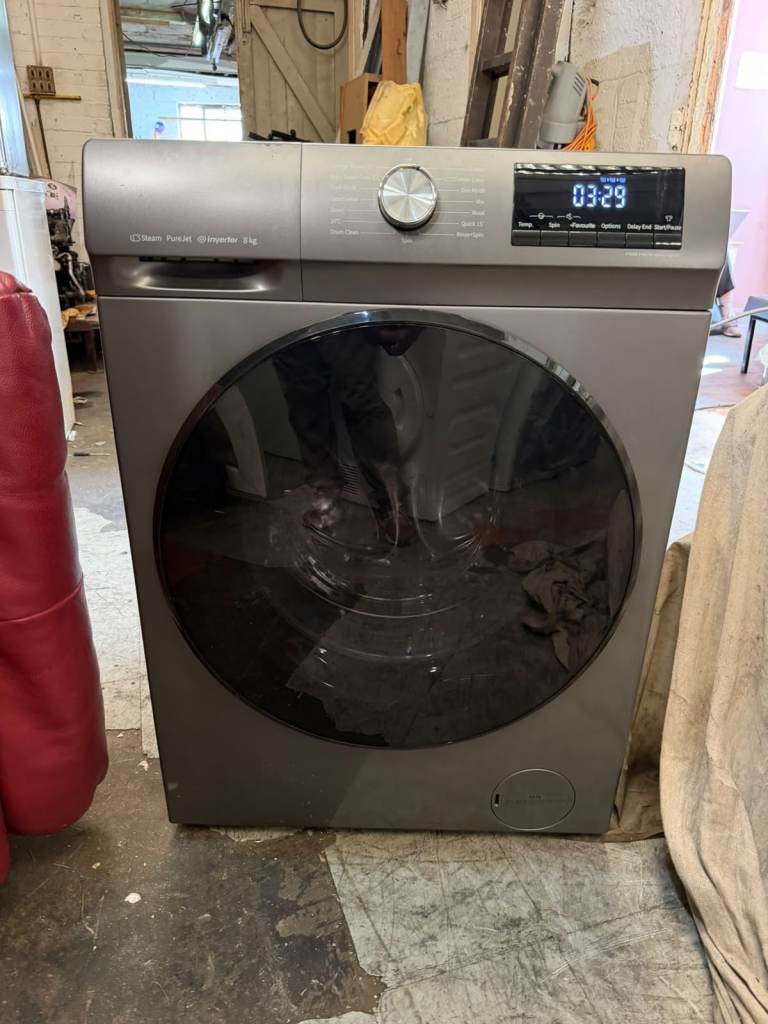
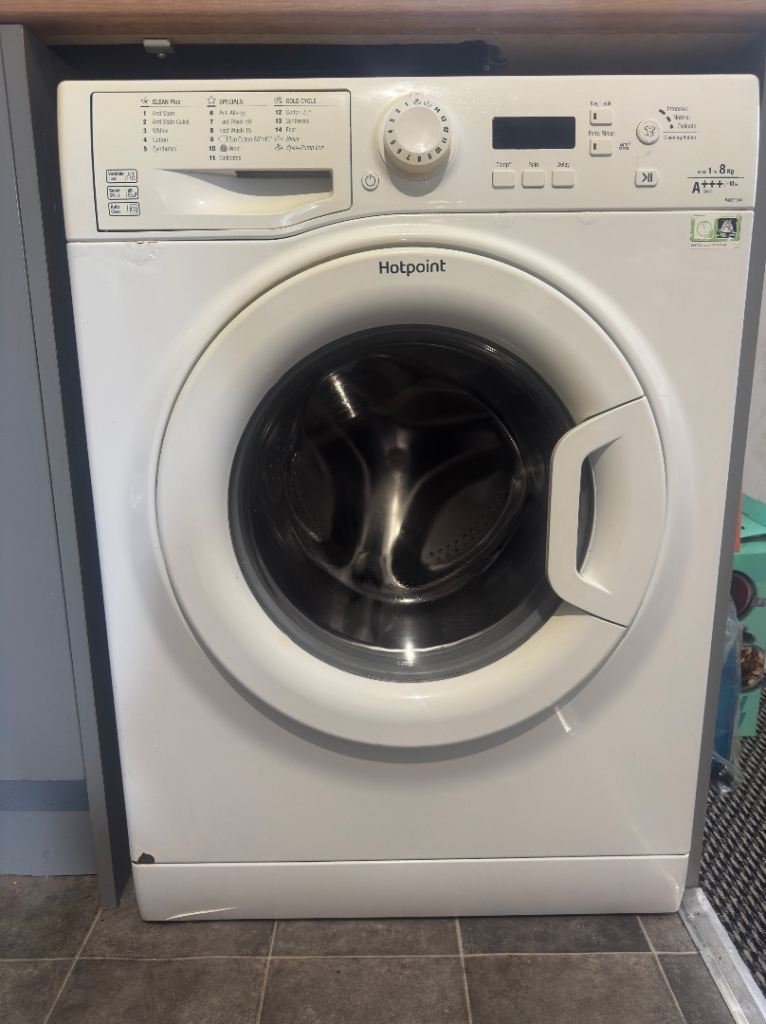
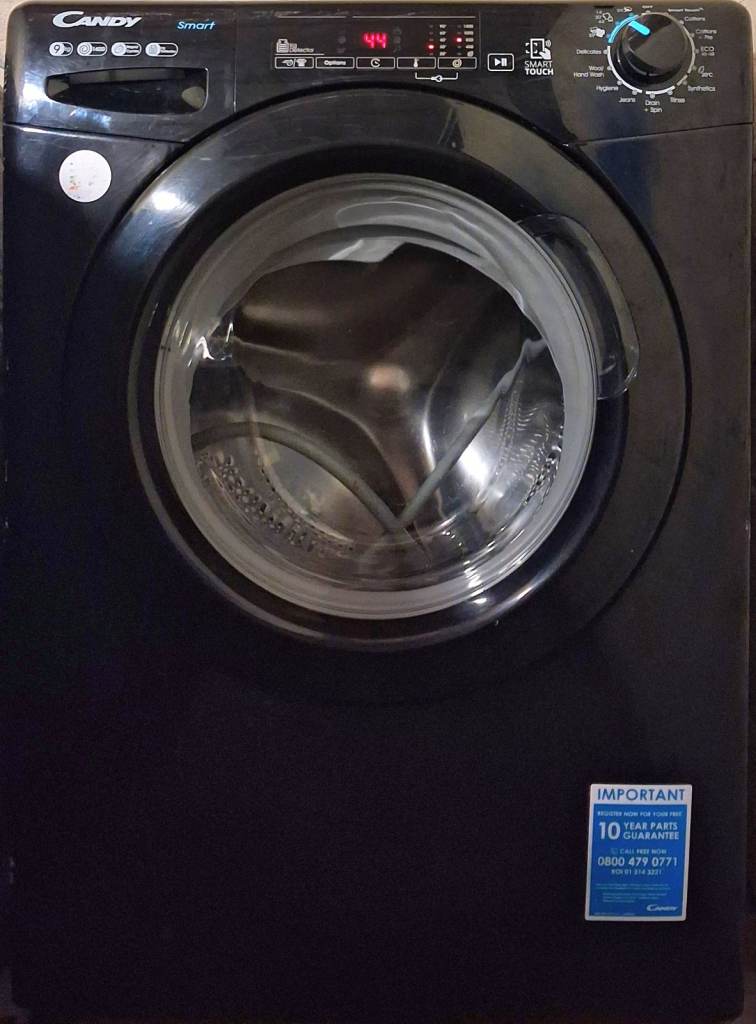
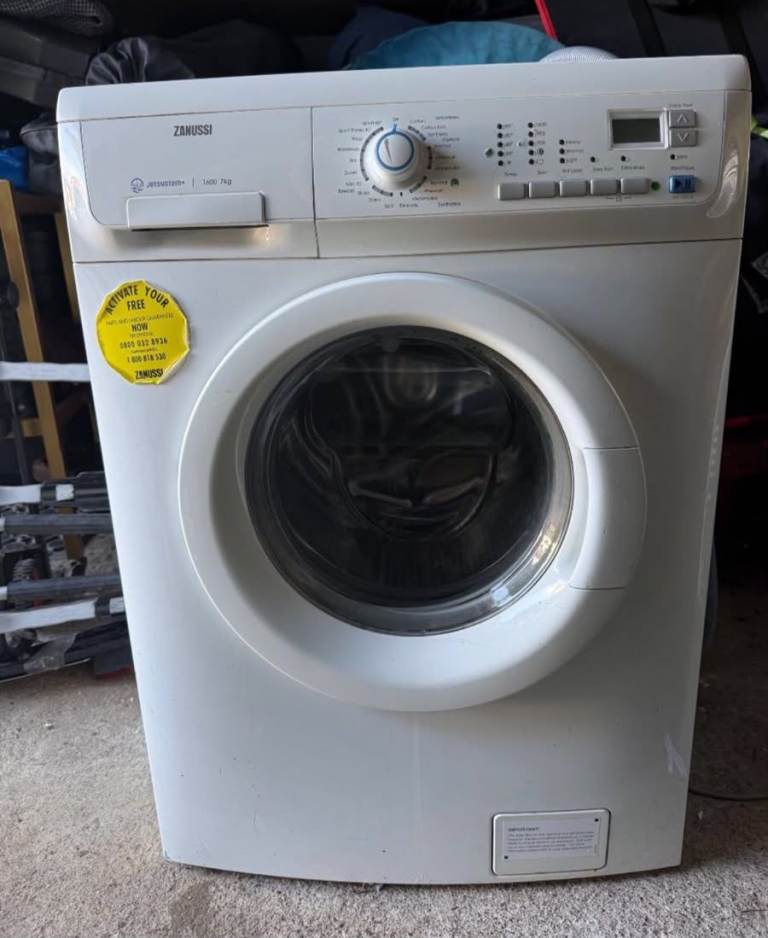
Before taking a free washing machine, thoroughly inspect it for any obvious damage like cracks, dents, or rust. Check the condition of the hoses and power cord. Ask the seller if it's in working order and, if possible, see it running through a cycle. Ensure it's disconnected properly before you transport it.
What are the potential costs associated with a free washing machine?
While the machine itself is free, consider the potential costs of transportation (van hire, fuel), plumbing installation, and potential repairs. Older machines may also be less energy-efficient, leading to higher electricity and water bills. Factor these costs into your decision.
How do I safely transport a washing machine?
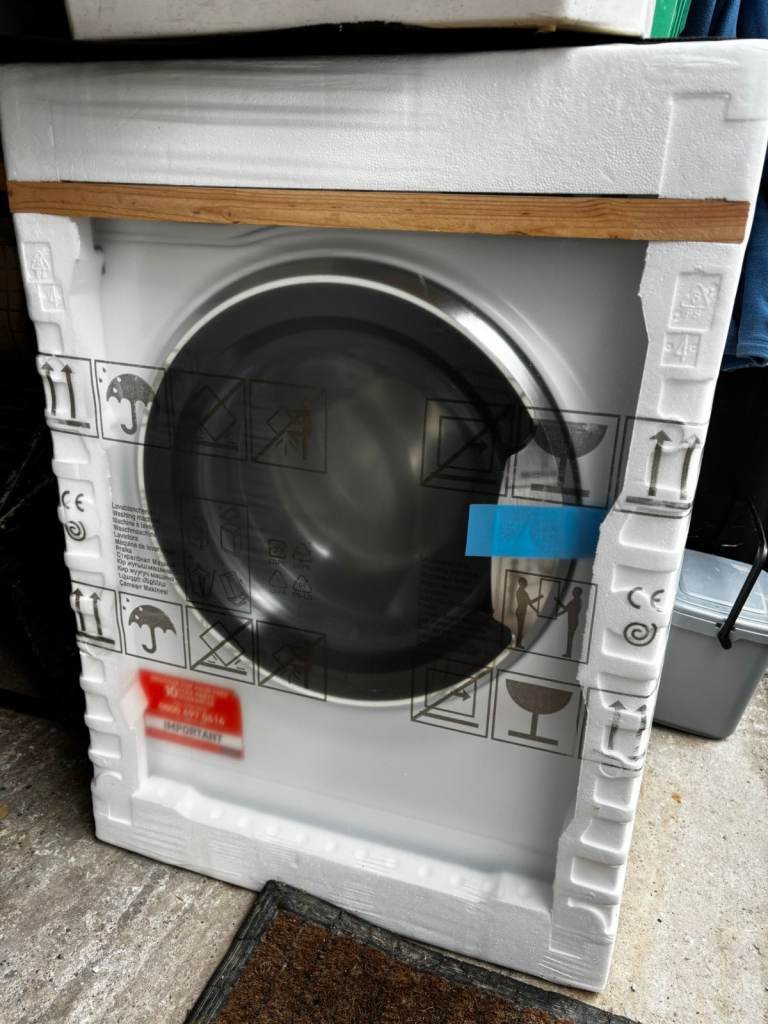
Washing machines are heavy and awkward to move. Use a trolley or hand truck and secure it properly with straps. Protect the machine with blankets or padding to prevent damage during transit. Disconnect all hoses and drain any remaining water before moving it. Get help from at least one other person to lift and manoeuvre the machine safely.
What should I do before using a second-hand washing machine?
Before using a second-hand washing machine, thoroughly clean the drum and detergent dispenser. Run an empty cycle with a washing machine cleaner to remove any lingering dirt or mould. Check the drain filter for any debris. Ensure the machine is level to prevent excessive vibration during operation.
What are the regulations regarding disposing of old washing machines in the UK?
Old washing machines are classified as Waste Electrical and Electronic Equipment (WEEE) and must be disposed of responsibly. Do not simply dump it. Many local councils in the UK offer free collection services for large appliances. Alternatively, you can take it to a designated recycling centre. Check your local council's website for details.