What should I look for when collecting free cardboard boxes?
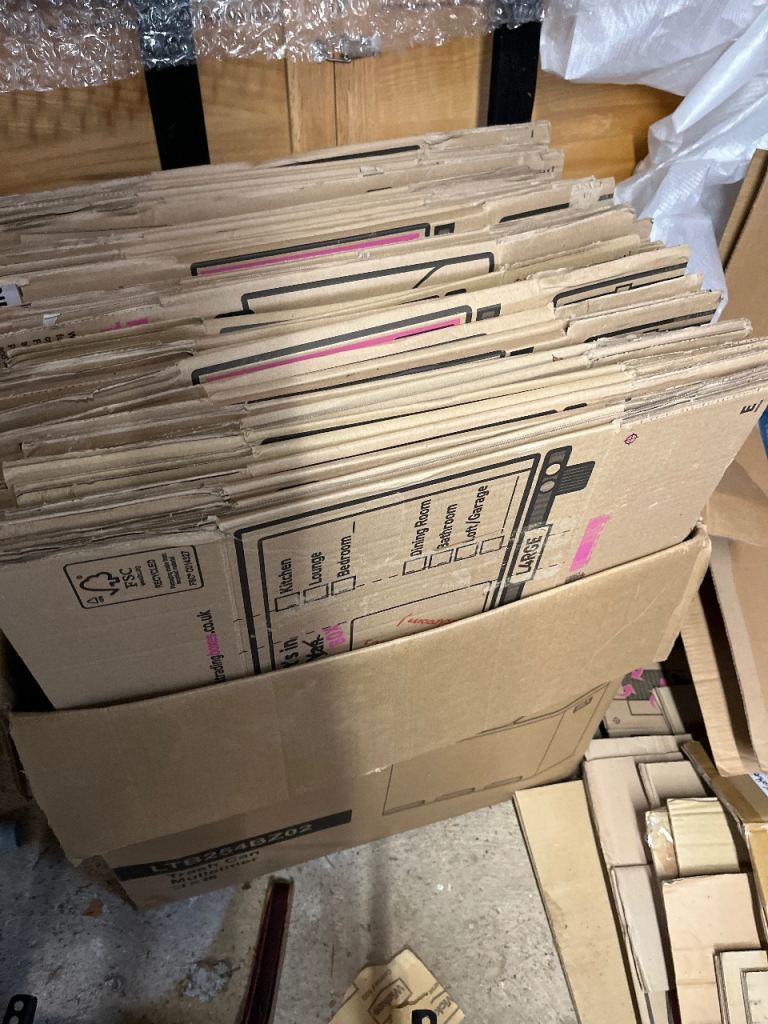
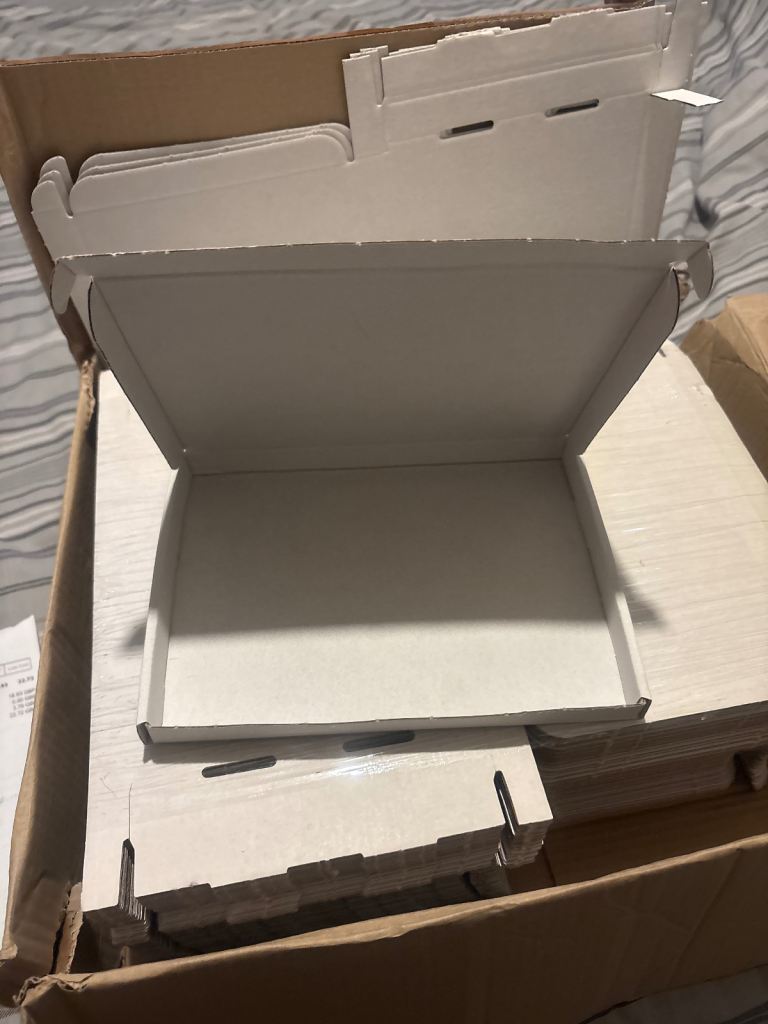
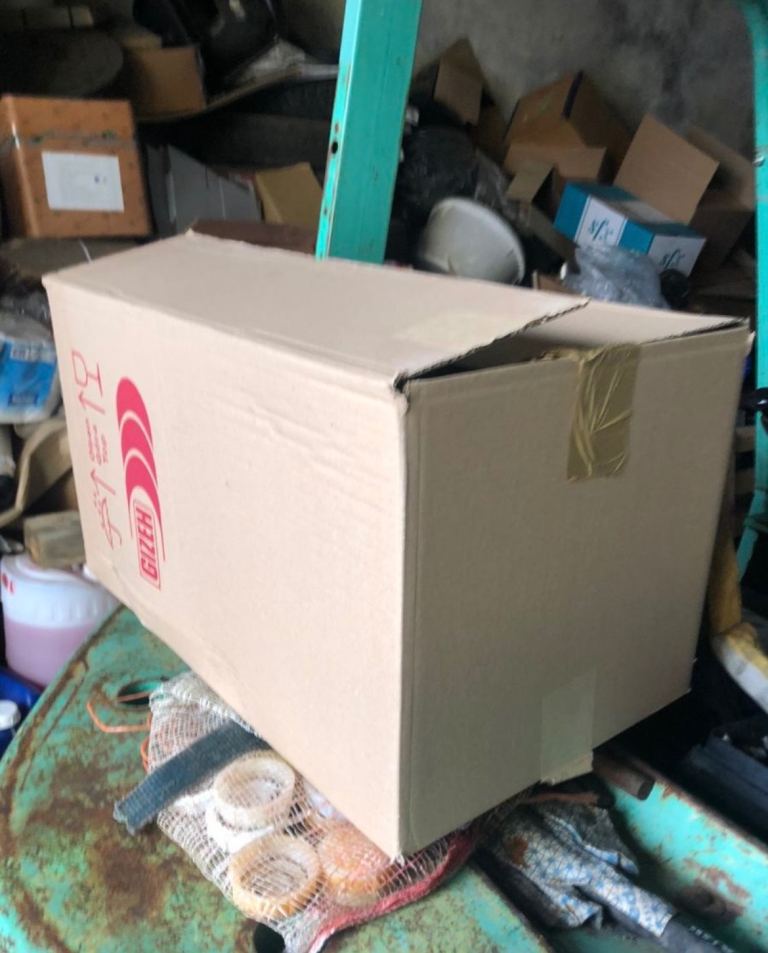
Inspect the boxes carefully for any signs of damage, such as tears, crushing, or water damage. Check for pests like insects or rodents, and avoid boxes that smell musty or mouldy. Ensure the boxes are clean and free of any labels or markings that might cause issues if you intend to reuse them for shipping or storage.
Are there any weight limits I should consider when using free cardboard boxes?
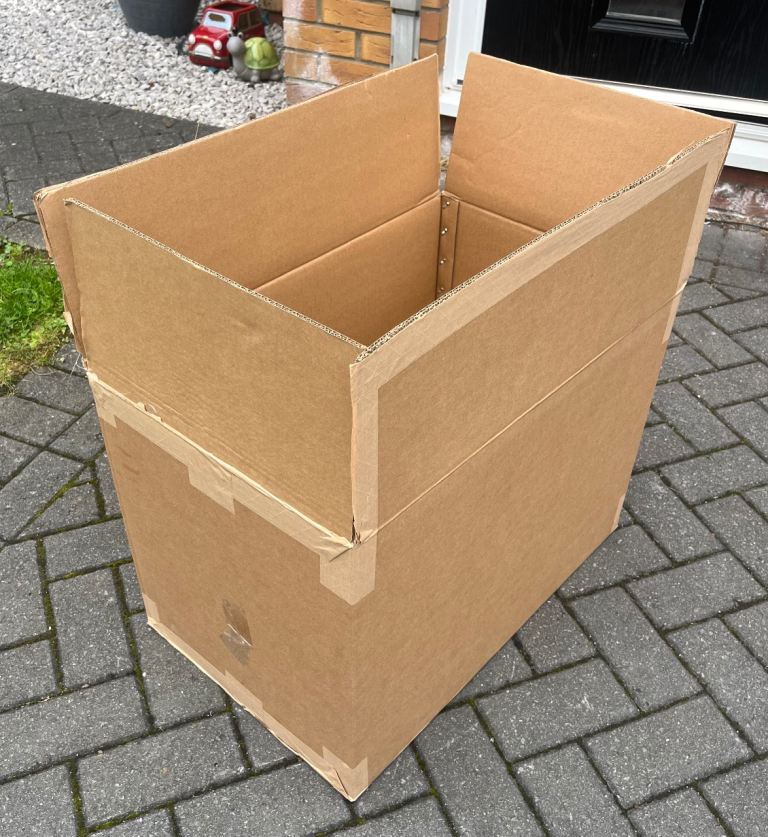
Yes, the weight limit of a cardboard box depends on its size, thickness, and construction. Thicker, double-walled boxes can usually handle more weight. Avoid overfilling the boxes, and distribute the weight evenly to prevent them from collapsing. If you're unsure, it's always best to err on the side of caution and use multiple boxes for heavier items.
How can I safely transport a large number of free cardboard boxes?
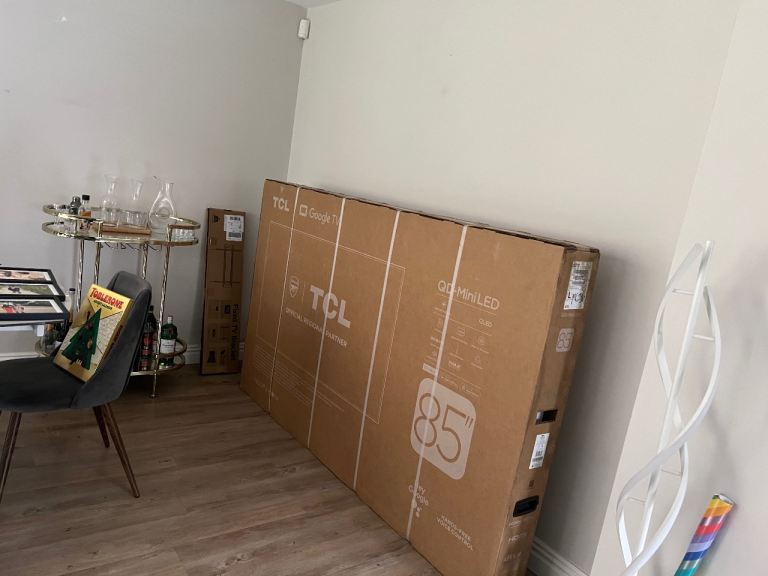
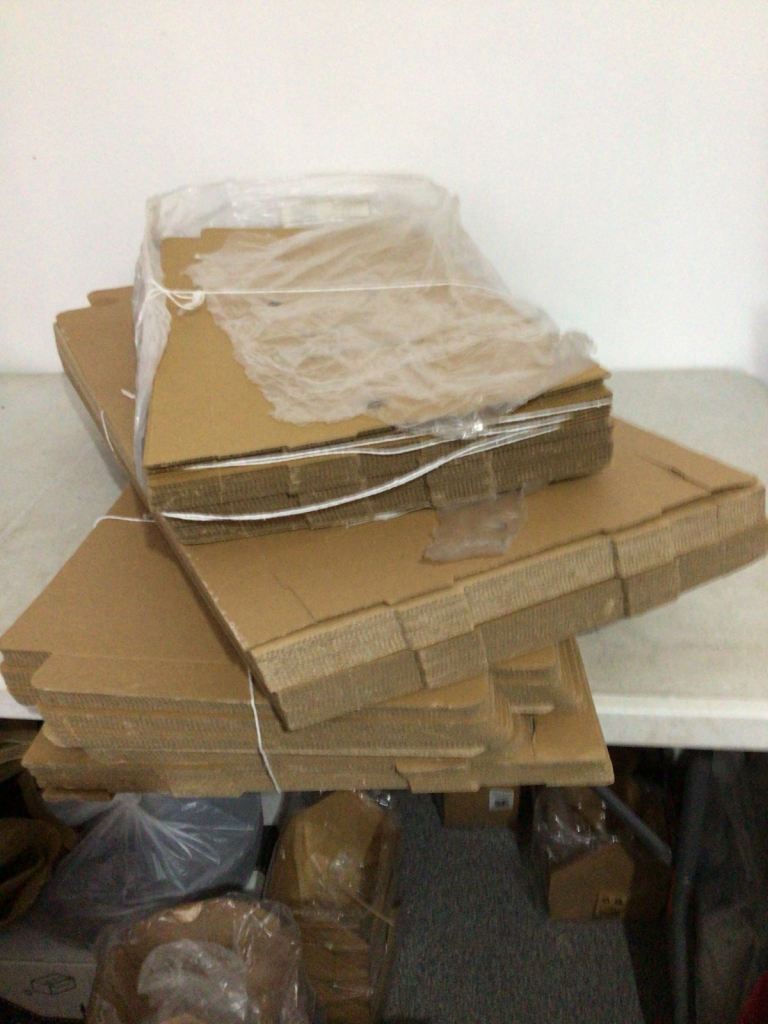
When transporting a large number of boxes, stack them securely and use straps or rope to prevent them from shifting during transit. If you're using a car, make sure the boxes don't obstruct your view or interfere with your ability to drive safely. Consider using a van or larger vehicle for very large quantities. Be mindful of weight restrictions for your vehicle.
What are some common uses for free cardboard boxes?
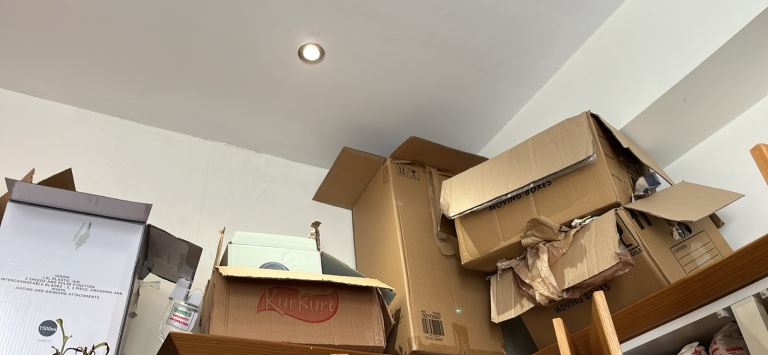
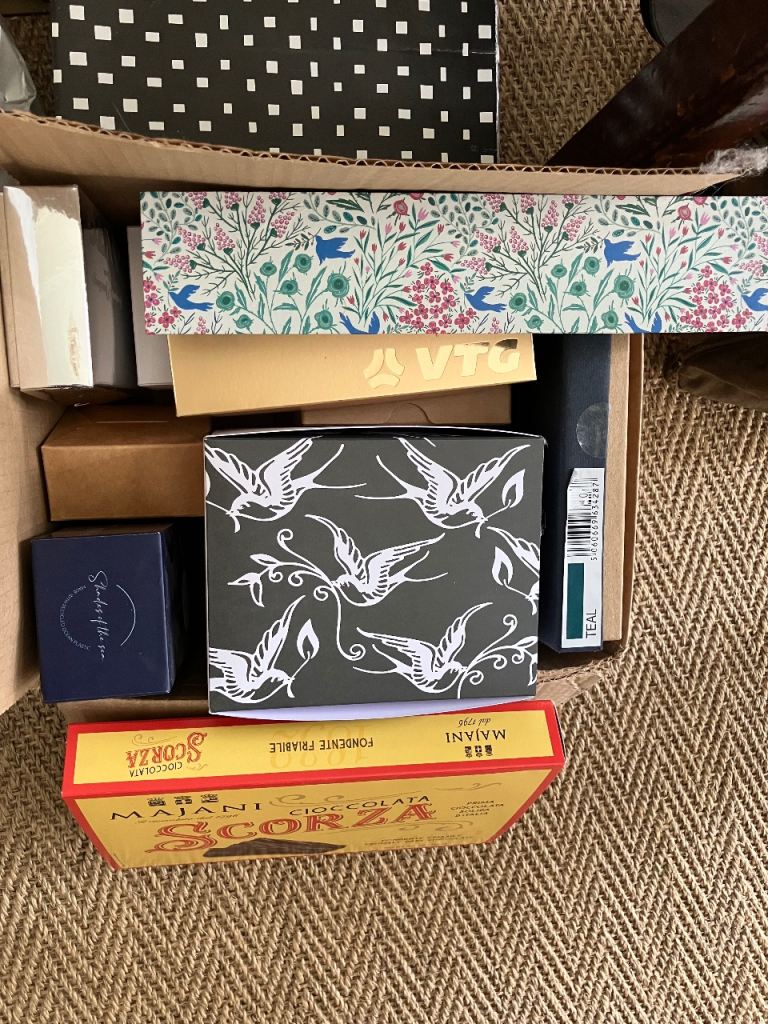
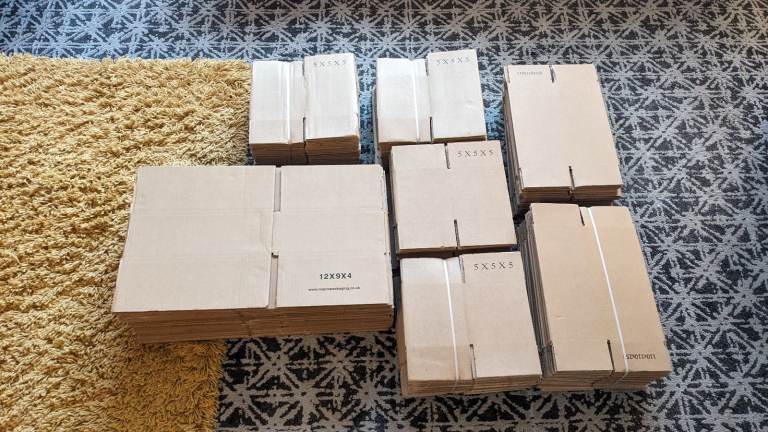
Free cardboard boxes are versatile and can be used for a variety of purposes, including moving house, storing items in the attic or garage, creating arts and crafts projects, and even using them for gardening. They can also be flattened and used as protective layers when painting or doing DIY projects.
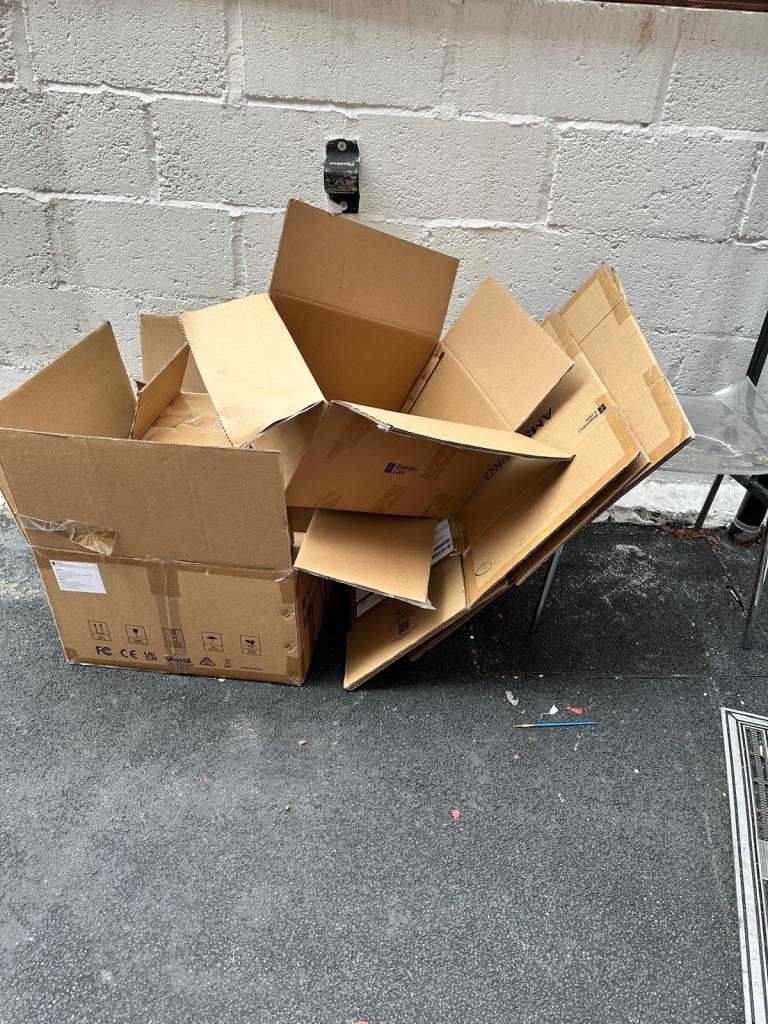
How should I dispose of unwanted cardboard boxes responsibly in the UK?
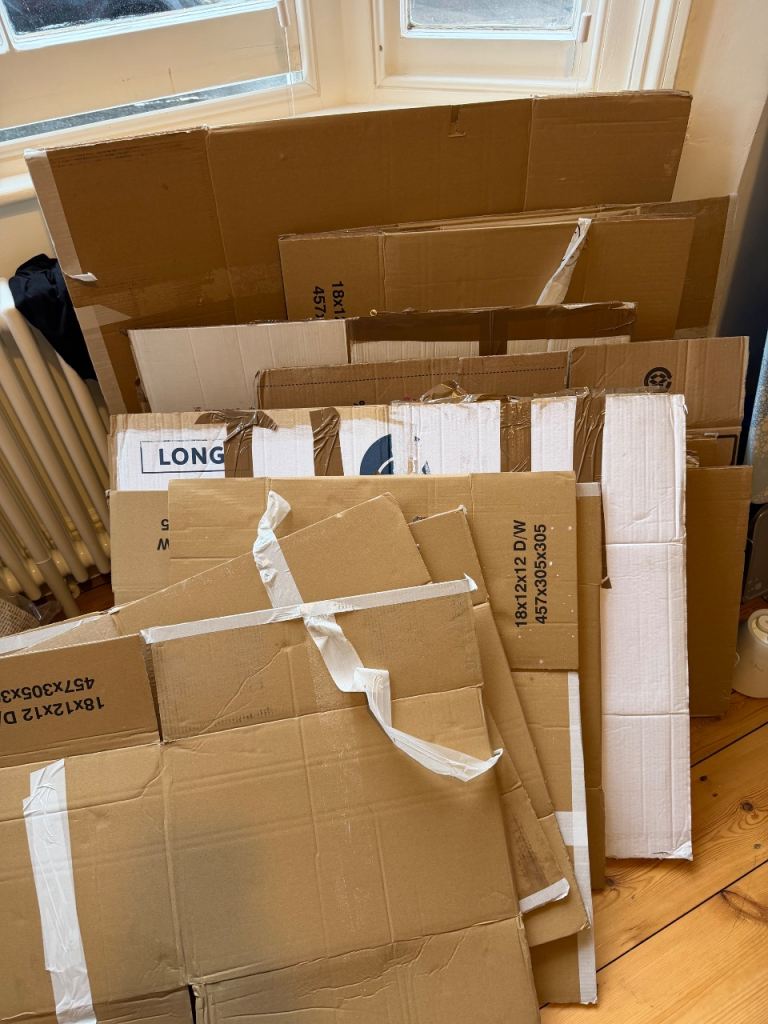
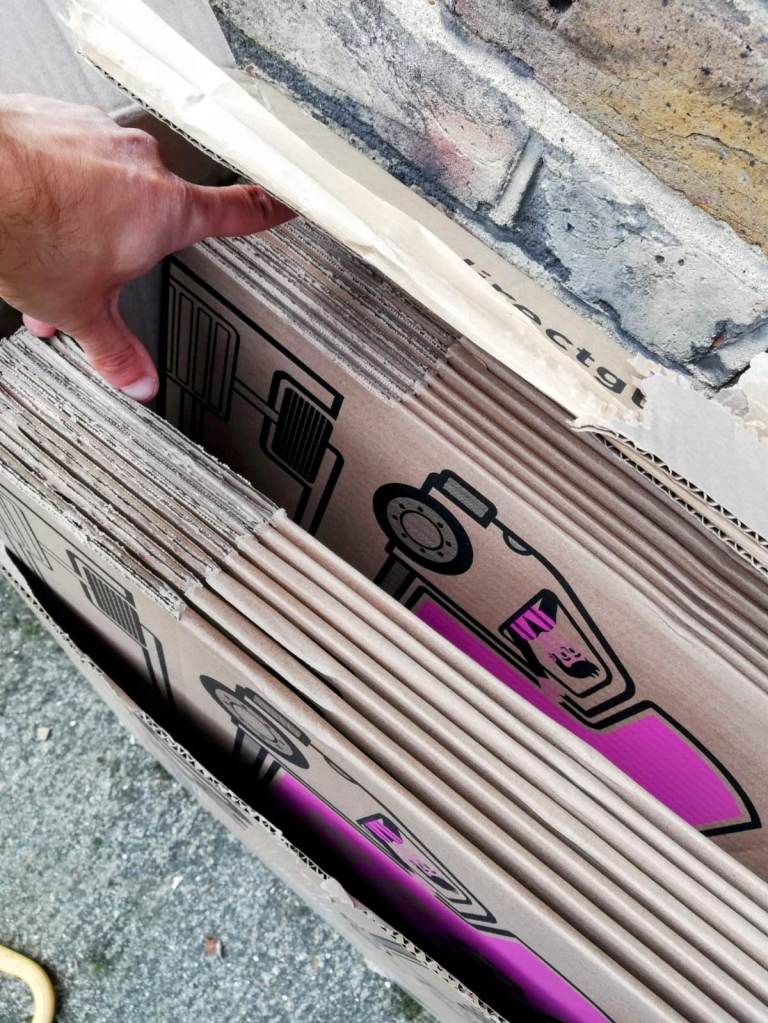
Cardboard is widely recyclable in the UK. Flatten the boxes to save space and check with your local council for their specific recycling guidelines. Most councils offer kerbside collection for cardboard, or you can take them to a local recycling centre. Avoid putting cardboard in general waste bins.