1/3
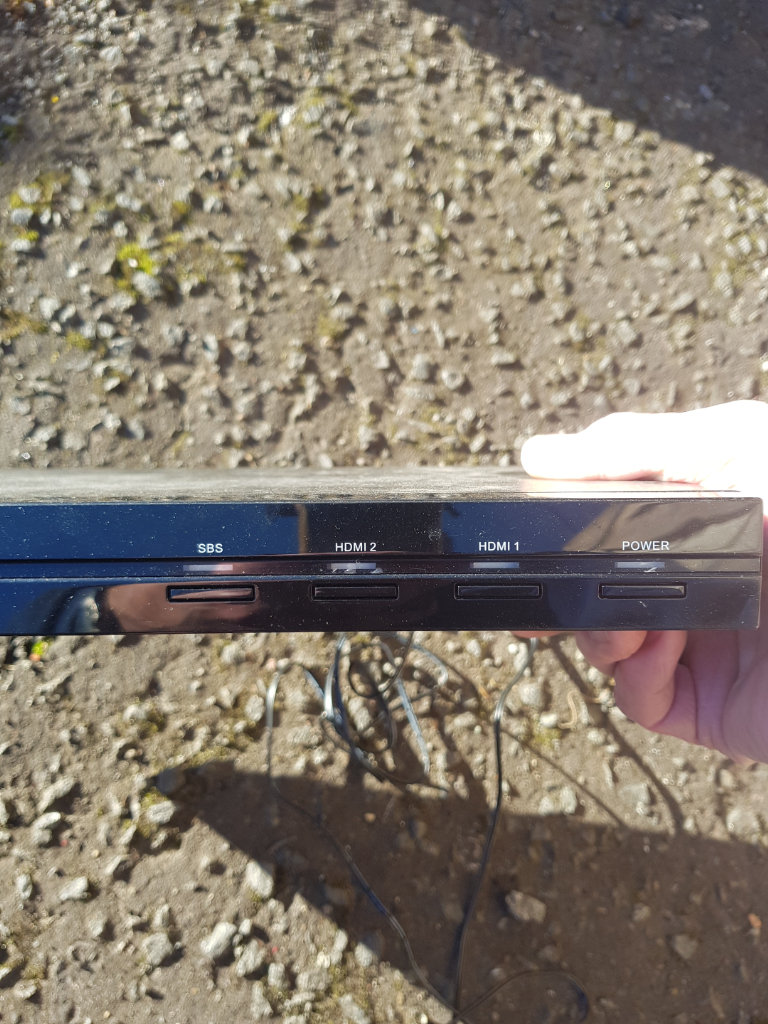
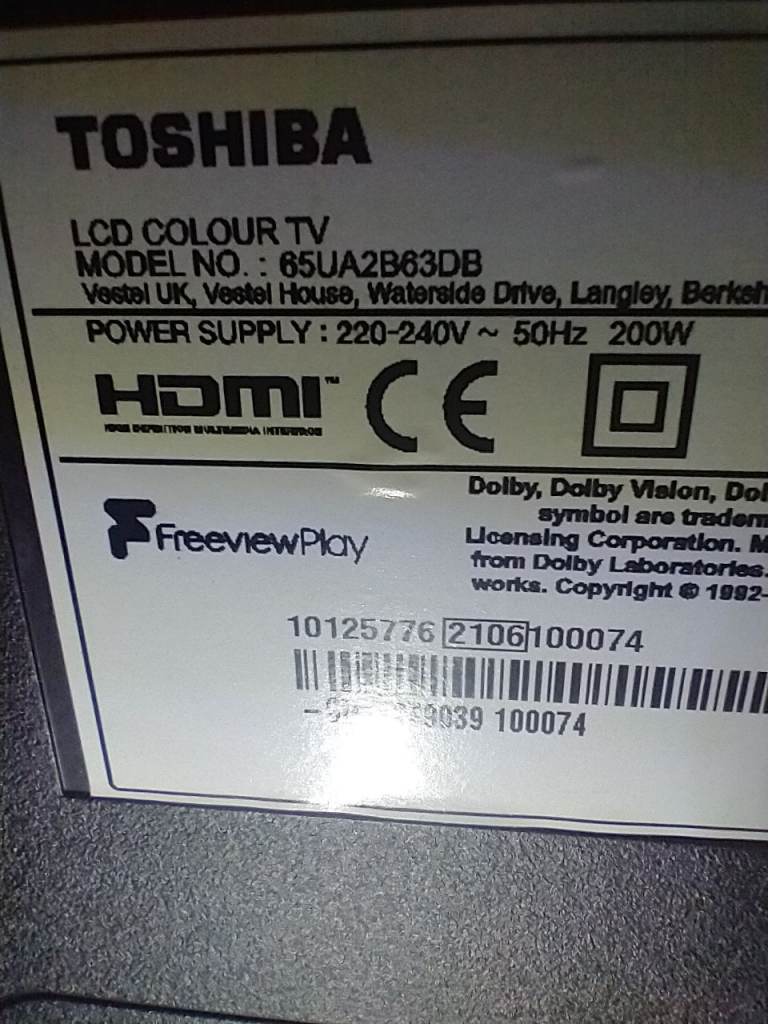
Toshiba 65inch
Fully functioning smart TV with remote control
West Kilbride, North Ayrshire
£150
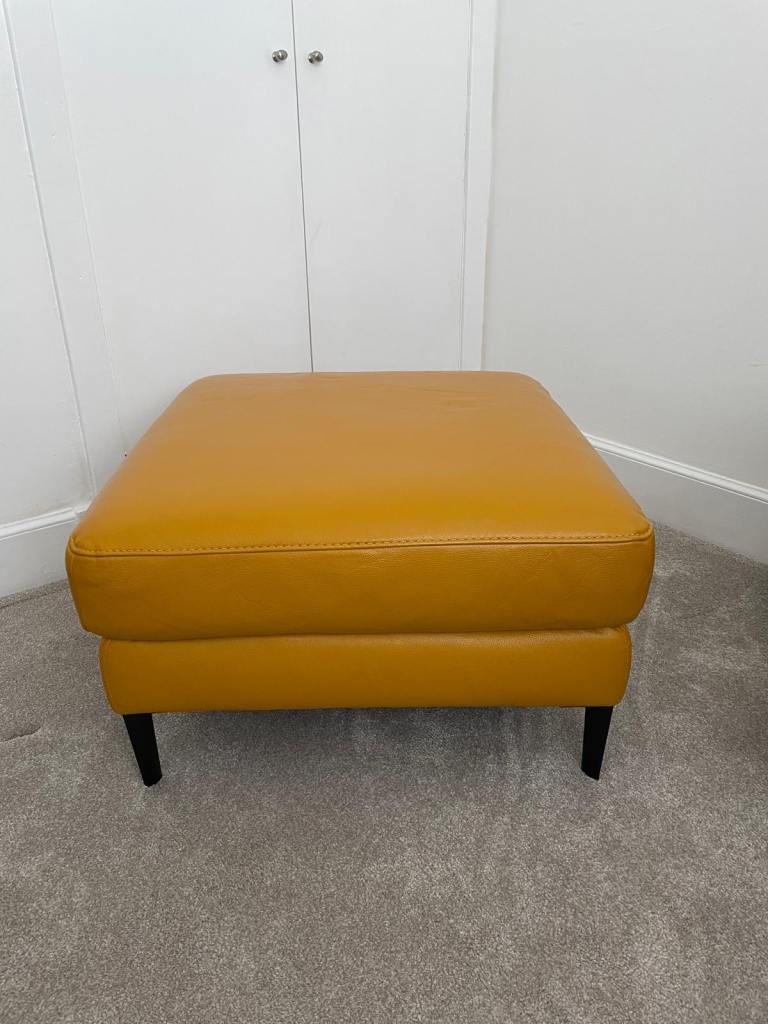
When buying used furniture, thoroughly inspect it for structural integrity. Check for loose joints, wobbly legs, and any signs of damage like cracks or watermarks. Ask about the furniture's history, including its age and how it has been used. Also, consider the cost of transportation and factor that into your overall budget.
Before buying a used car, conduct a thorough inspection. Check the vehicle's MOT history online to identify any recurring issues. Examine the tyres, lights, and bodywork for damage. Arrange a test drive to assess the engine, brakes, and steering. Always verify the vehicle's documentation, including the V5C logbook, to confirm ownership and check for outstanding finance.
Always meet in a public place during daylight hours. Bring a friend or family member with you if possible. Avoid carrying large amounts of cash. Before meeting, exchange contact information with the seller and let someone know where you are going and when you expect to be back. Trust your instincts; if something feels wrong, leave.
When buying from a private seller, your rights are more limited than when buying from a business. The principle of 'caveat emptor' (buyer beware) applies. The seller must accurately describe the goods, but you are responsible for inspecting them and determining their suitability. You have limited recourse if the goods are faulty, unless the seller misrepresented them. Keep all communication with the seller as proof of the transaction.
When buying used electrical goods, ensure they have a valid UK safety mark (e.g., CE marking). Ask the seller about the item's history and whether it has been tested for safety. If possible, test the item before purchasing. Be wary of items with damaged cords or plugs. Consider the cost of getting the item professionally checked before use, especially for high-voltage appliances.