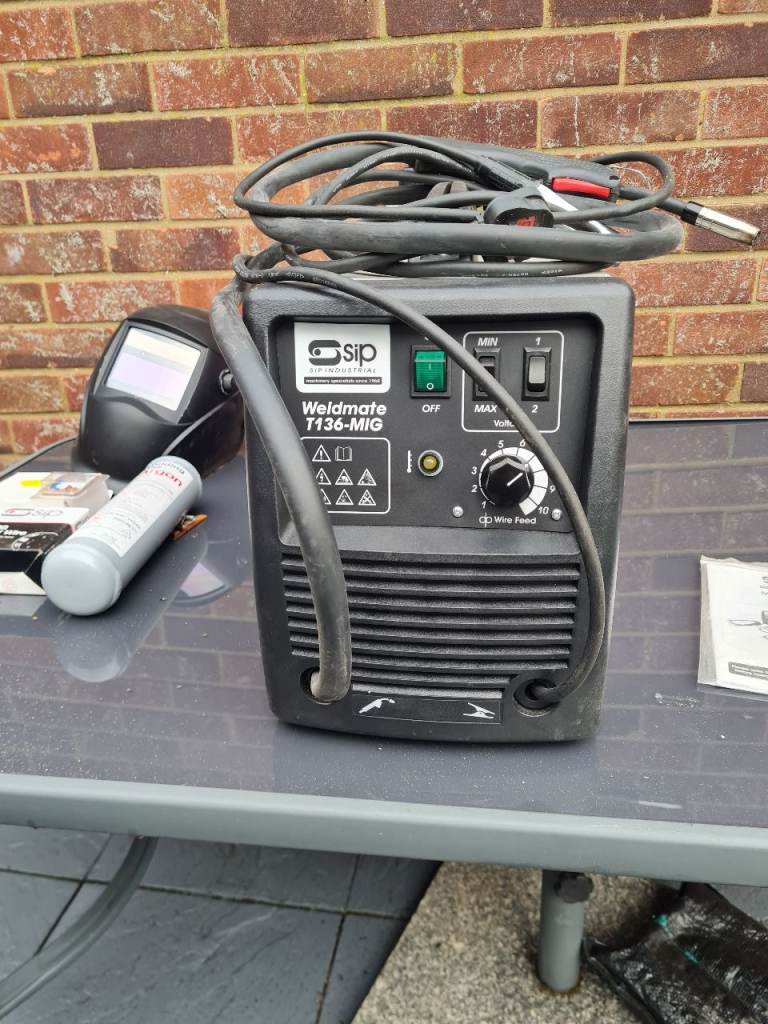
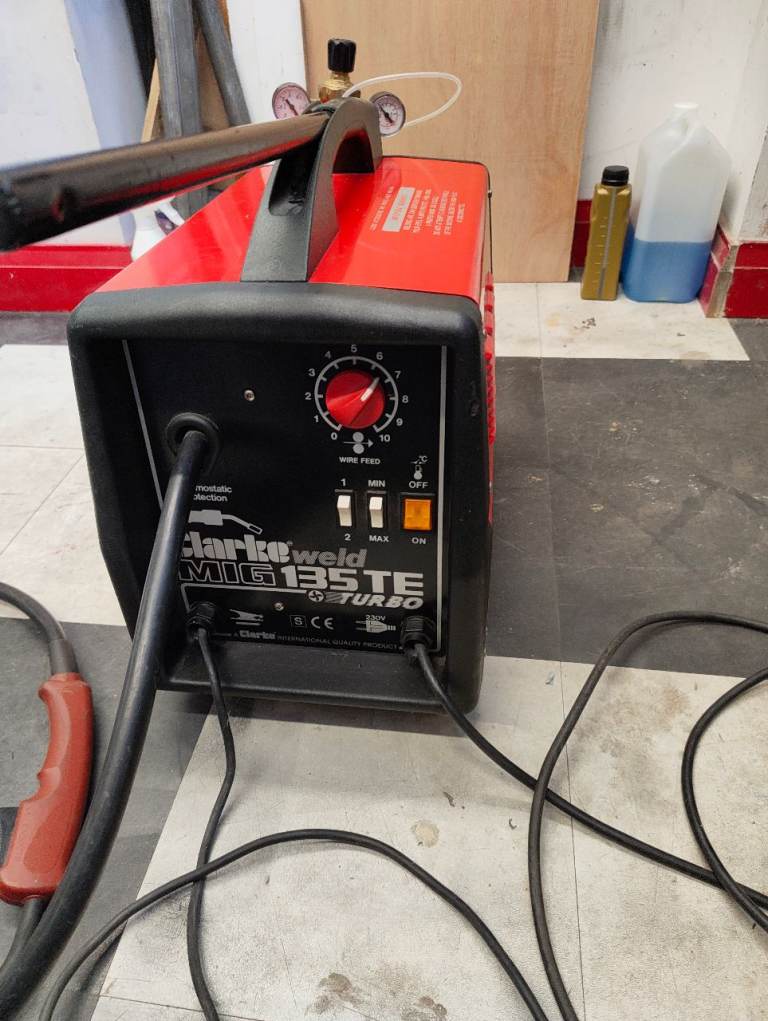
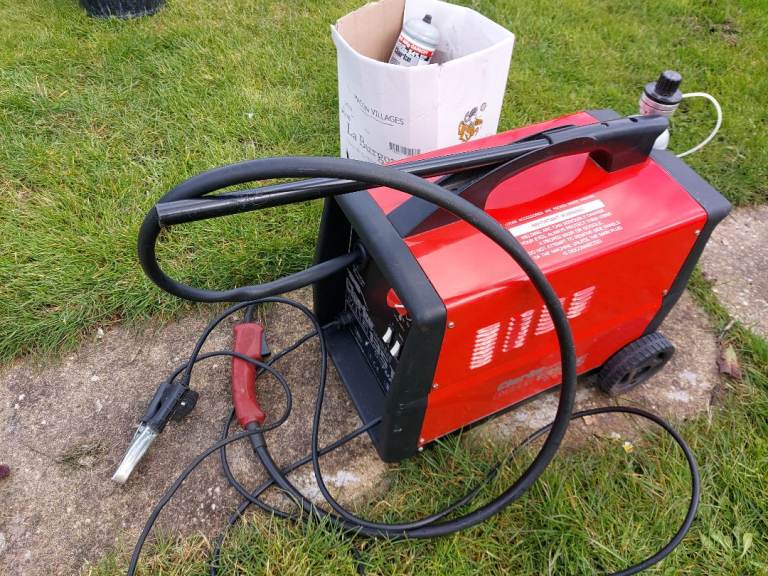
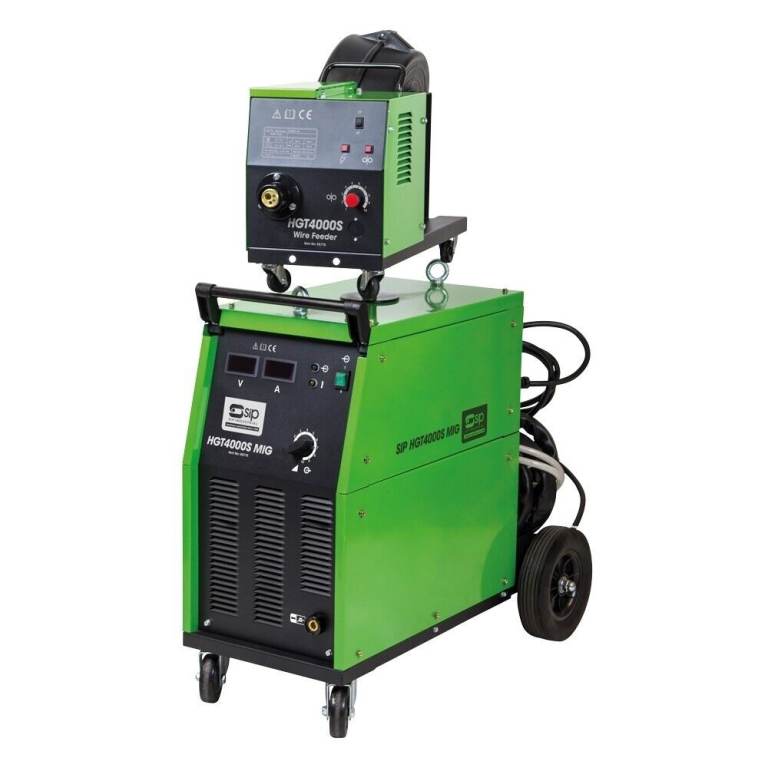
What safety precautions should I take when using a MIG welder?
Always wear appropriate personal protective equipment (PPE), including a welding helmet with the correct shade lens, welding gloves, a flame-resistant apron or overalls, and safety boots. Ensure adequate ventilation to avoid inhaling fumes. Keep flammable materials away from the welding area and have a fire extinguisher readily available. Disconnect the welder from the power supply when not in use.
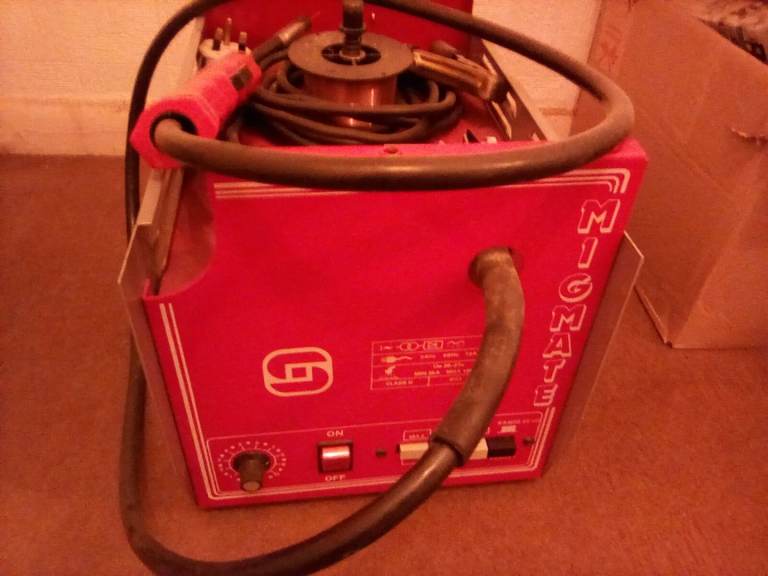
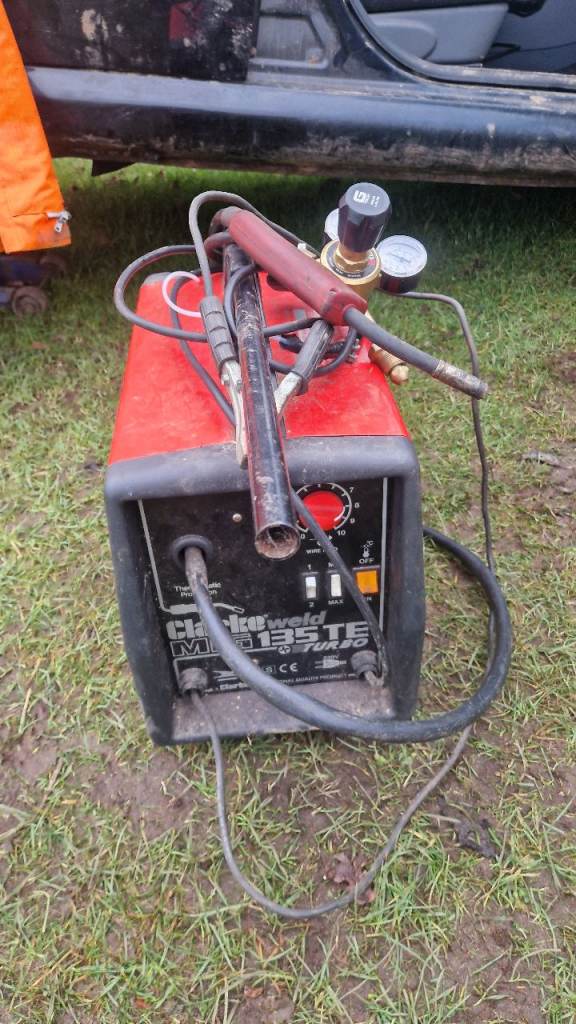
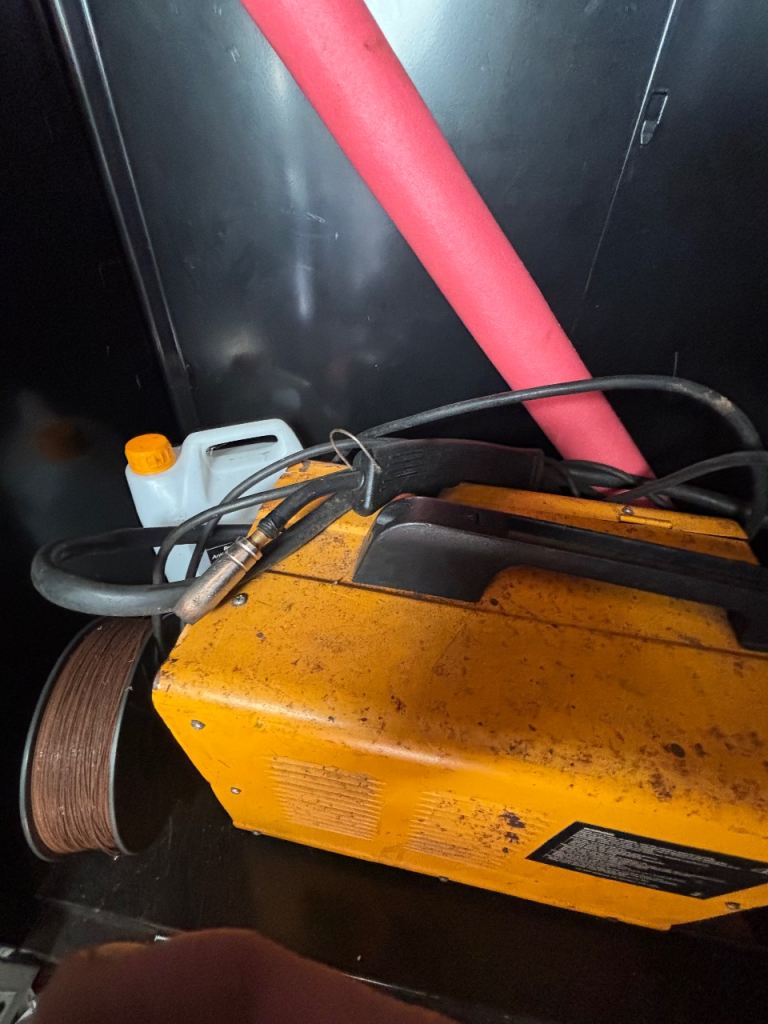
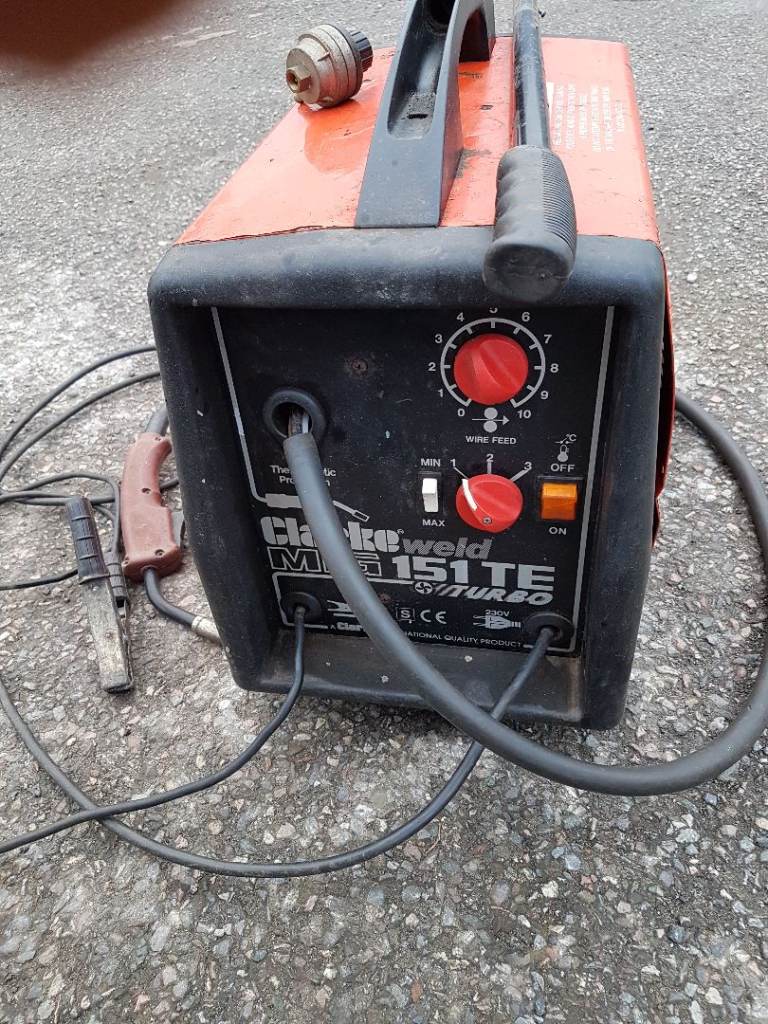
What should I check when buying a used MIG welder?
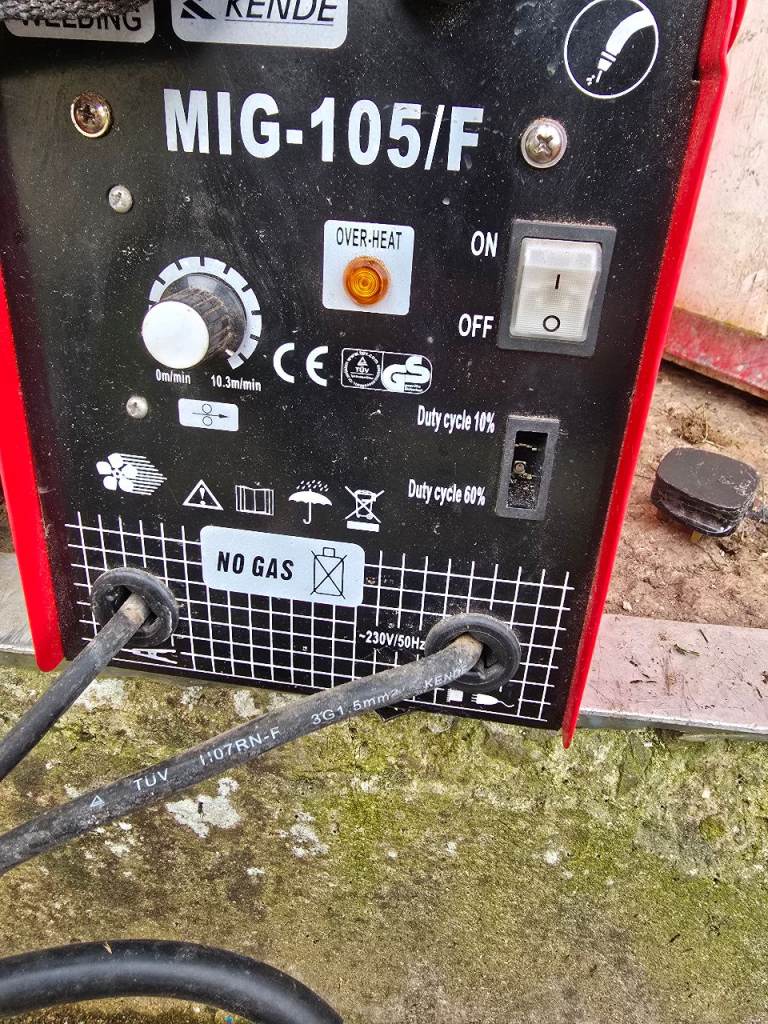
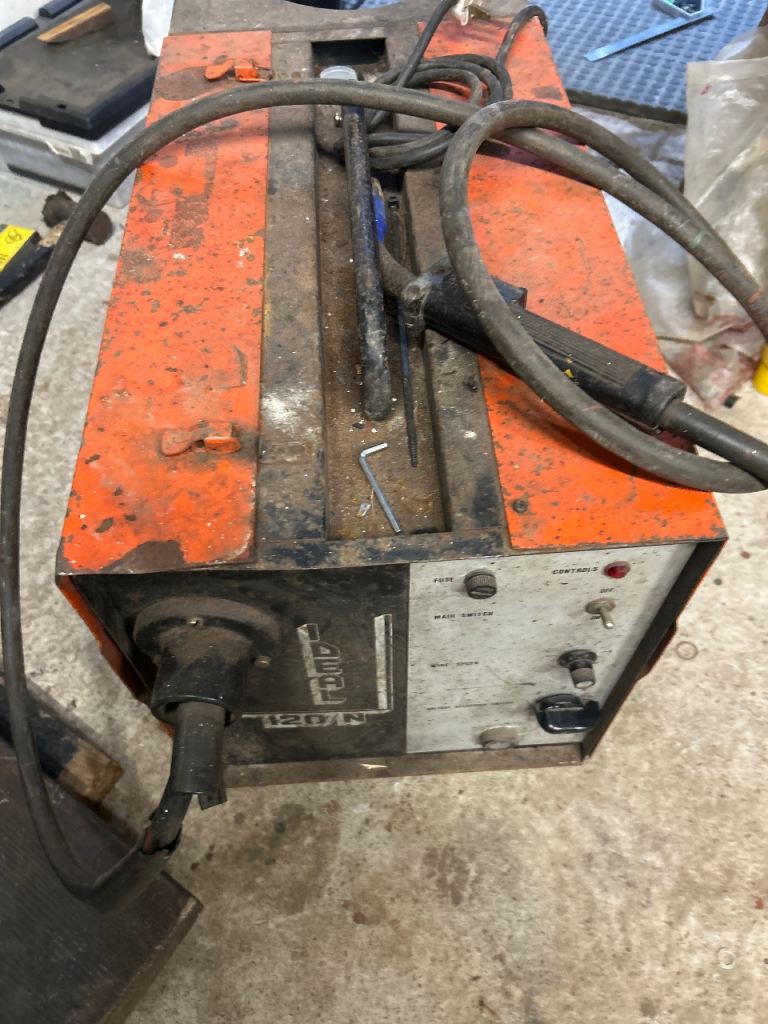
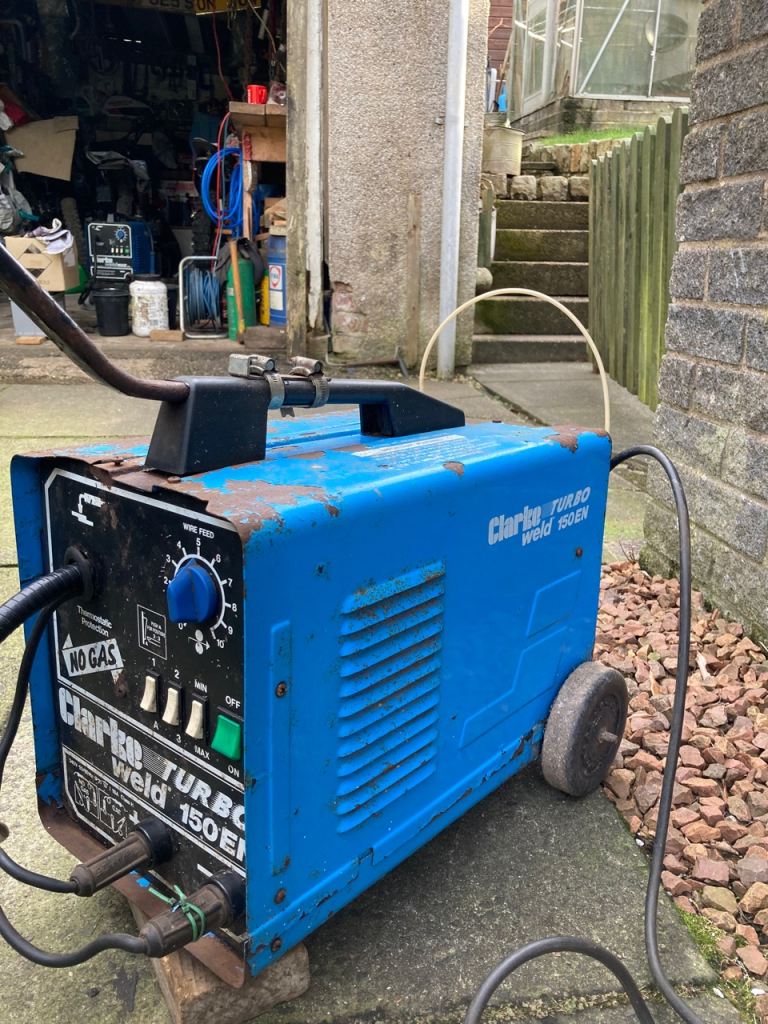
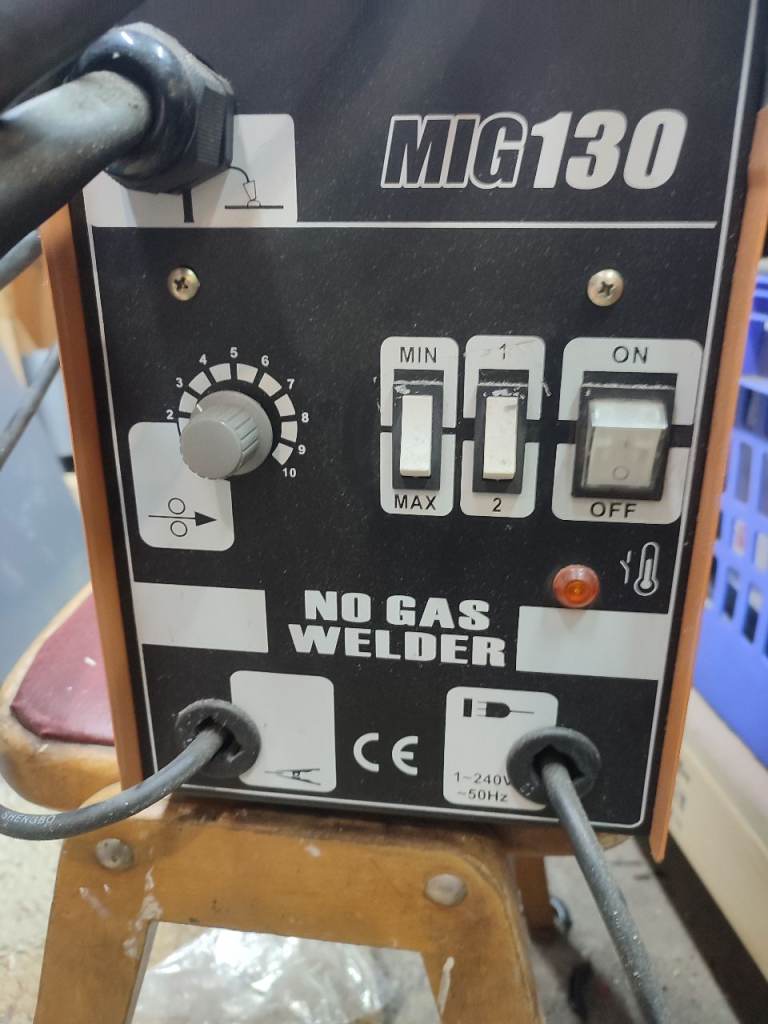
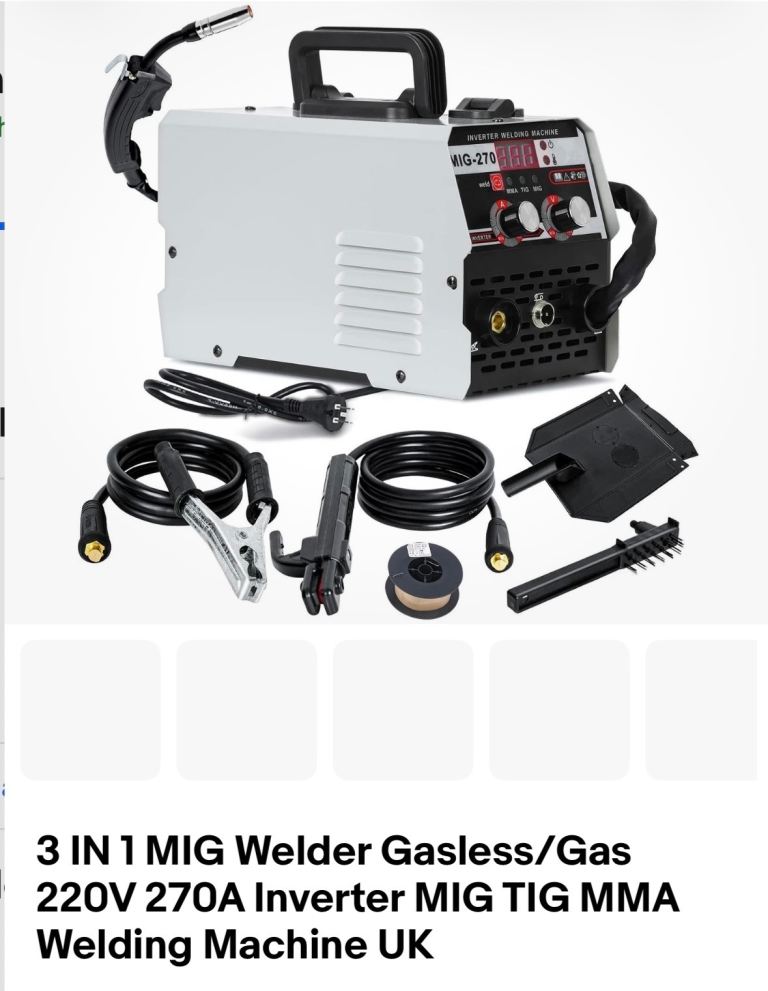
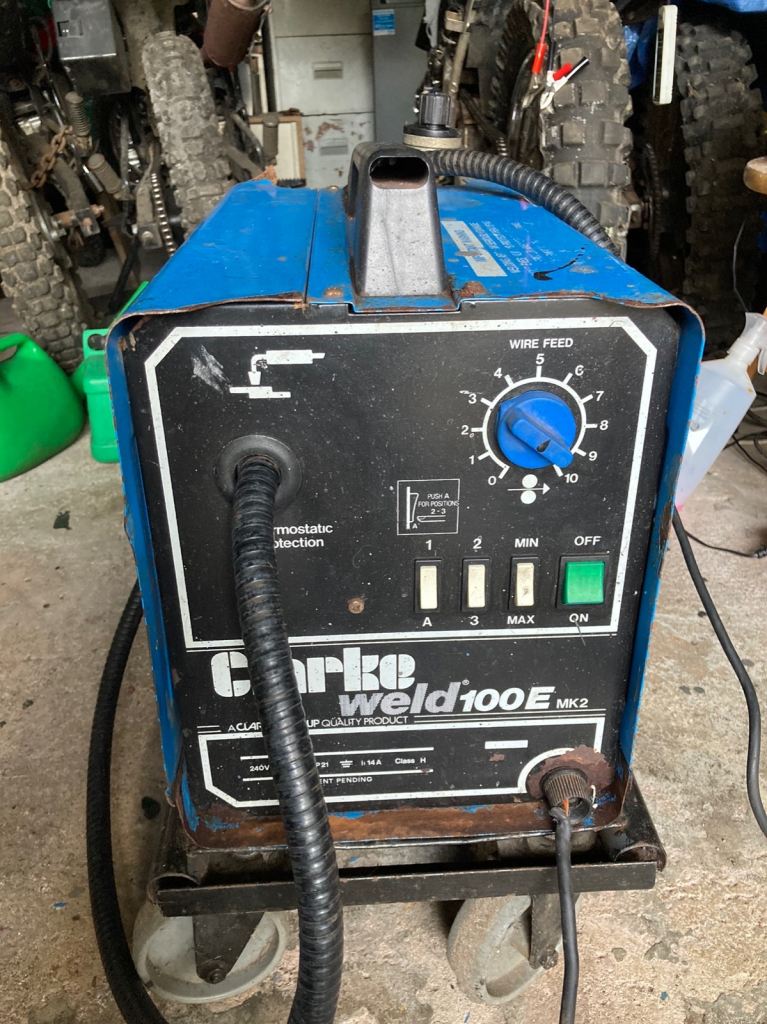
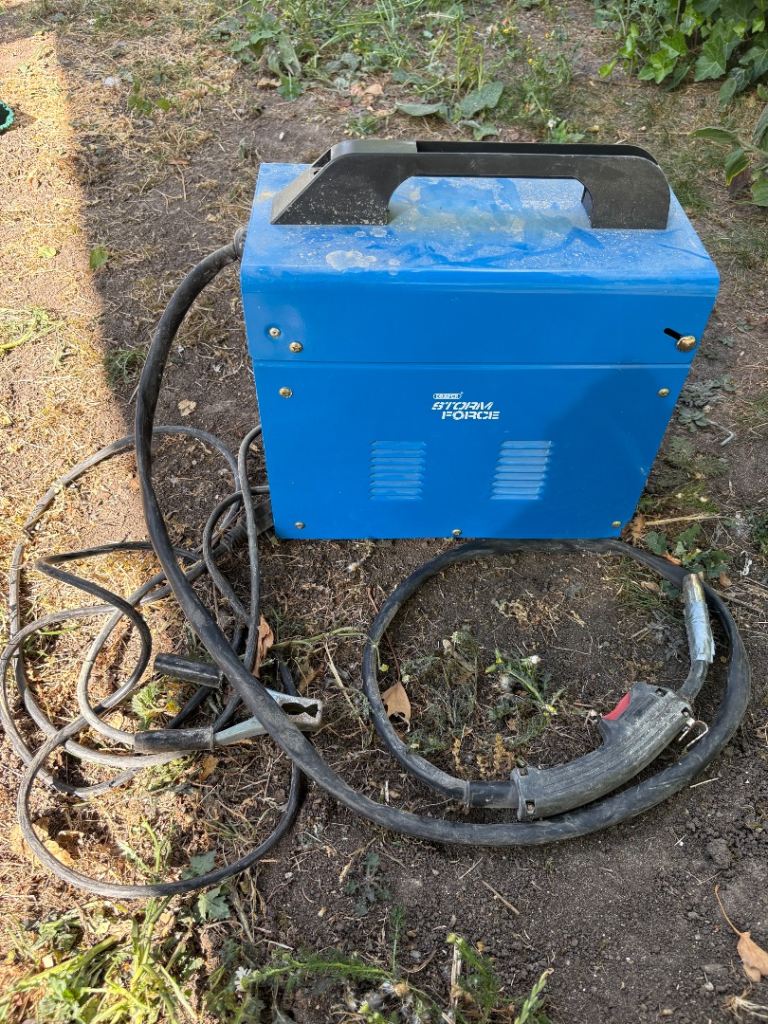
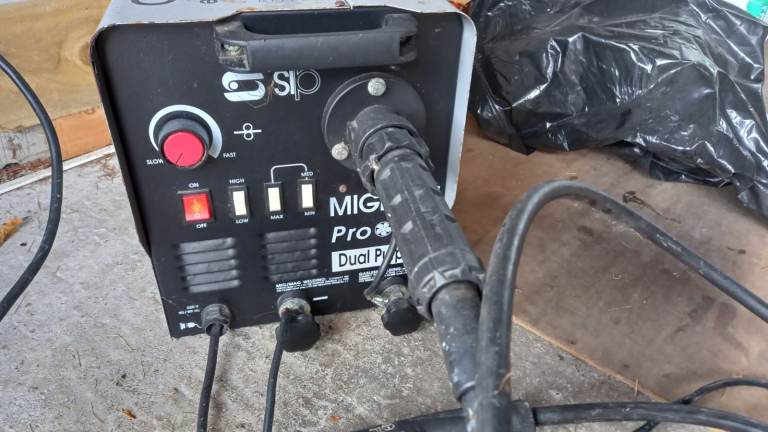
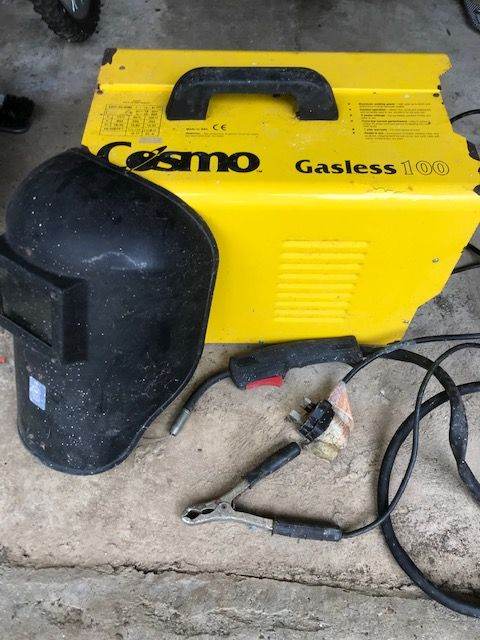
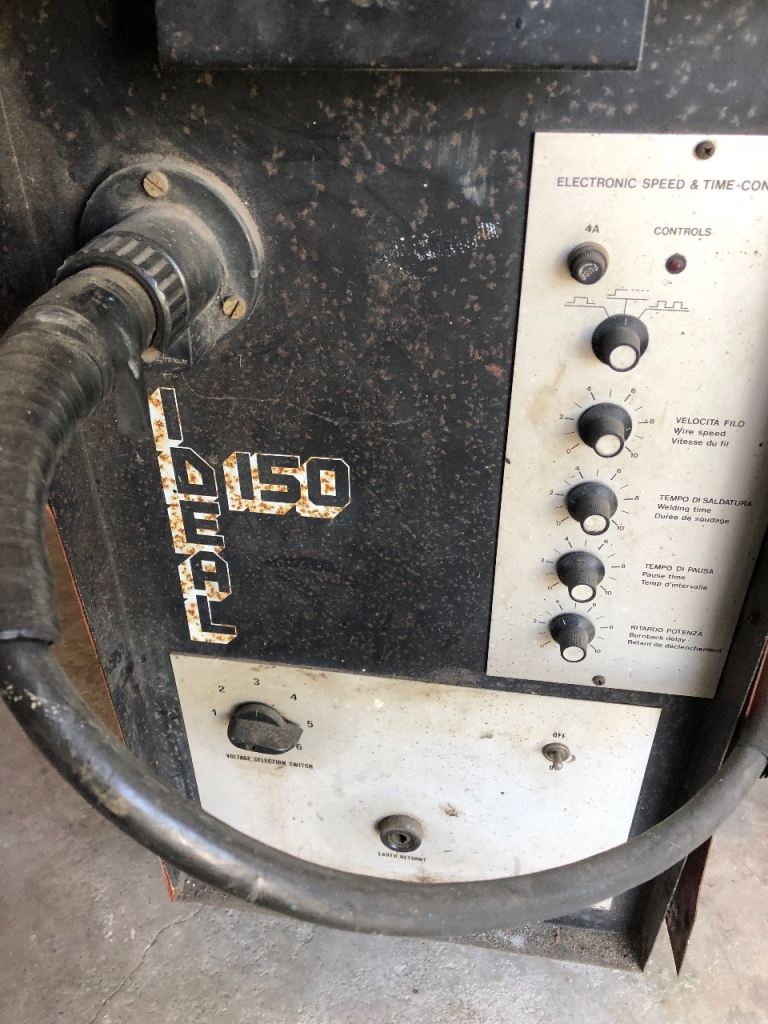
Inspect the welder for any signs of damage, such as dents, cracks, or frayed cables. Check the condition of the welding torch, including the nozzle, diffuser, and liner. Test the wire feed mechanism to ensure it operates smoothly. Ask the seller to demonstrate the welder's functionality and listen for any unusual noises. Verify that all necessary accessories, such as the gas regulator and earth clamp, are included.
What type of shielding gas is typically used with a MIG welder?
MIG welding typically uses a shielding gas to protect the weld from atmospheric contamination. Common shielding gases include argon, carbon dioxide (CO2), or a mixture of the two. The specific gas required depends on the type of metal being welded. For example, mild steel often uses CO2 or an argon/CO2 mix, while aluminium typically requires pure argon.
What are the power requirements for a MIG welder, and what should I consider regarding my electrical supply?
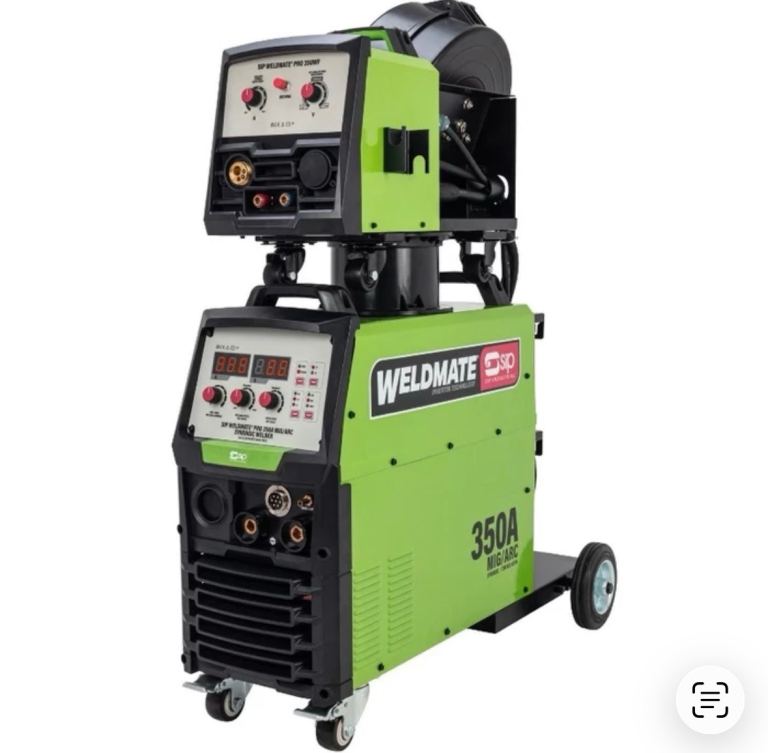
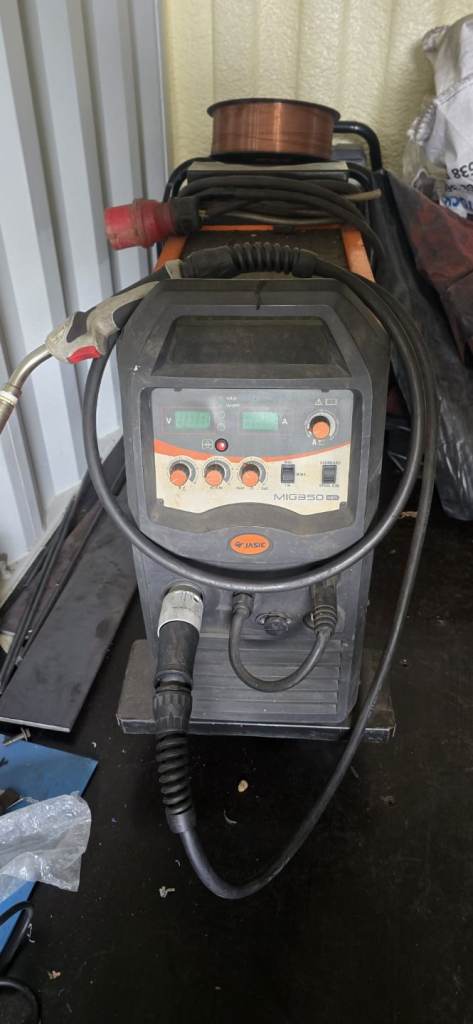
MIG welders require a suitable power supply, typically 230V for smaller models and 400V (three-phase) for larger, more powerful welders. Check the welder's power consumption and ensure your electrical supply is adequate to handle the load. Consider the amperage rating of your circuit breaker and the thickness of the wiring to prevent overloading. If you're unsure, consult a qualified electrician.
What are some common problems that can occur with MIG welders, and how can I troubleshoot them?
Common problems include wire feed issues, poor arc stability, and excessive spatter. Check the wire spool for tangles or kinks, and ensure the wire feed rollers are properly adjusted. Clean the welding nozzle and diffuser regularly to prevent blockage. Adjust the voltage and wire feed speed to optimise the welding parameters. Ensure a good earth connection to prevent arc instability. If problems persist, consult the welder's manual or seek professional assistance.