4
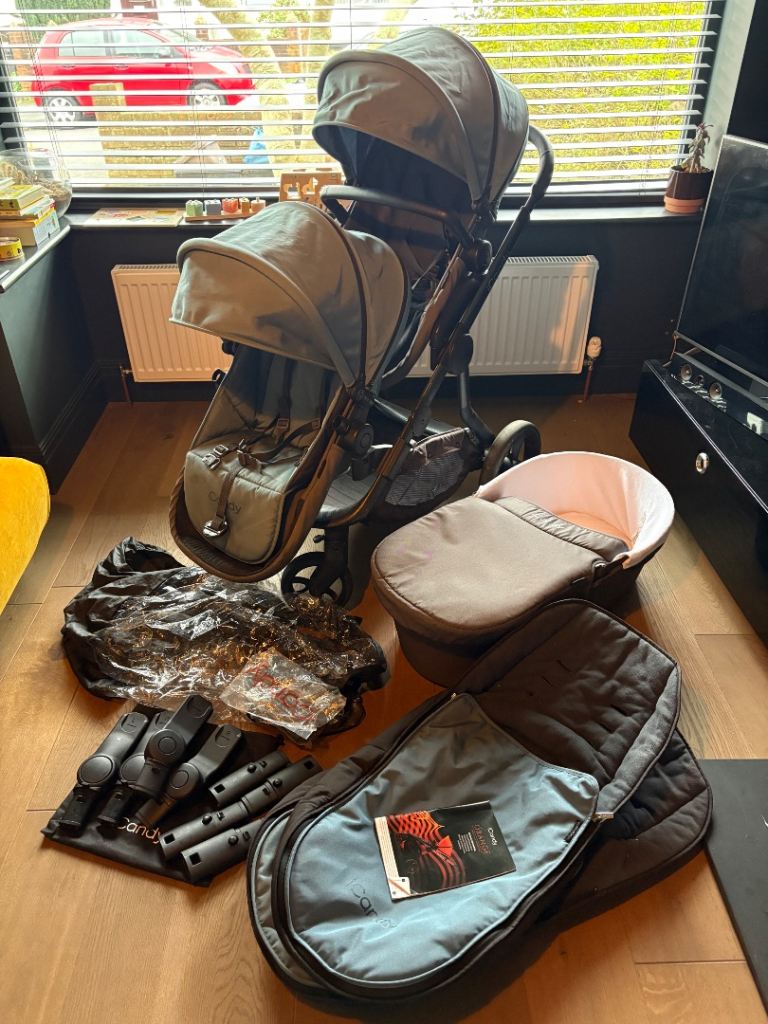
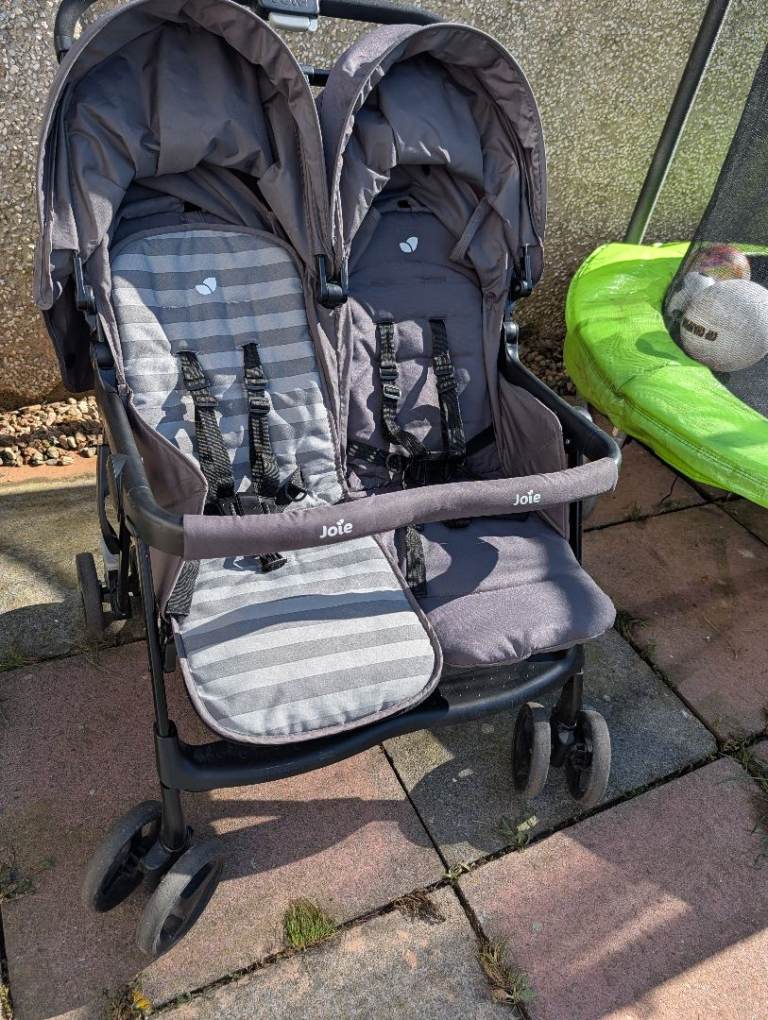
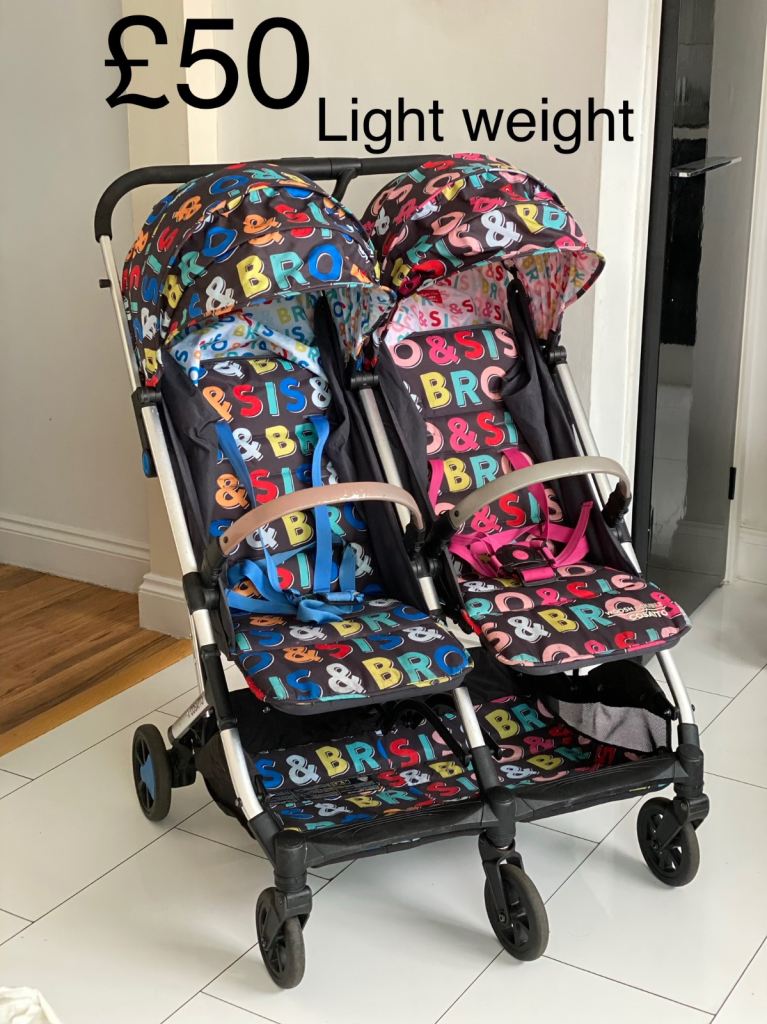
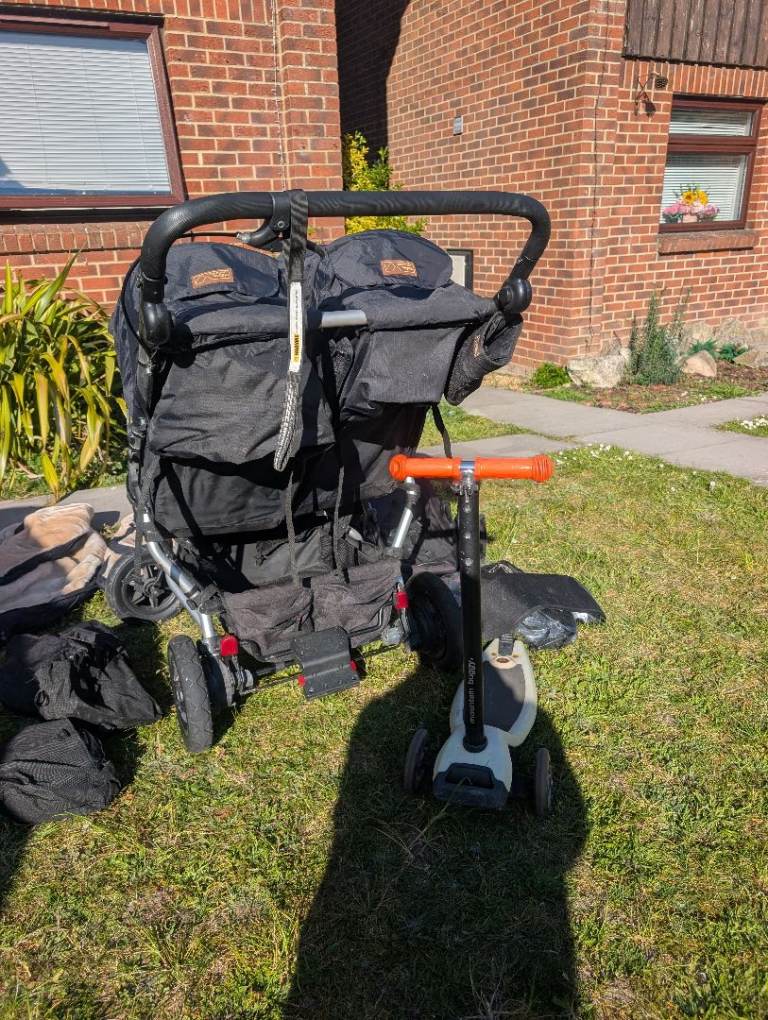
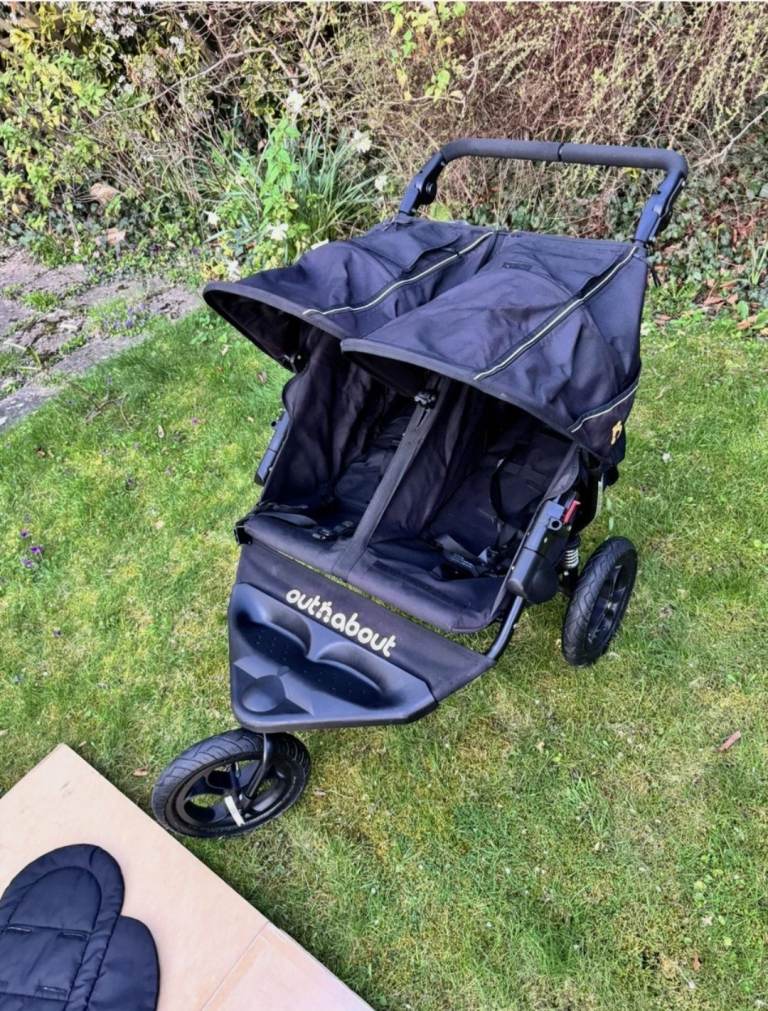
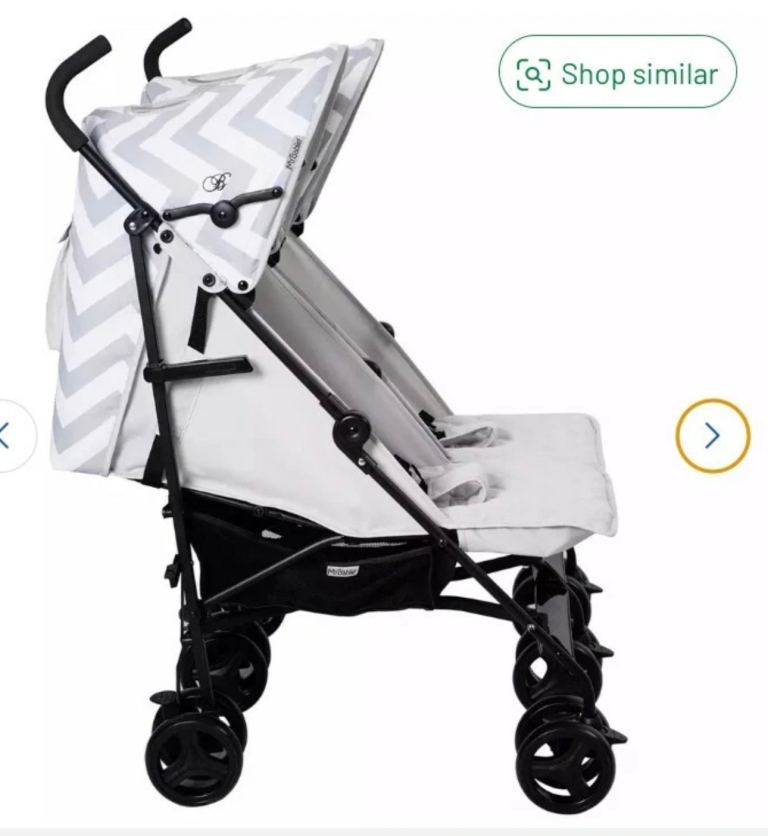
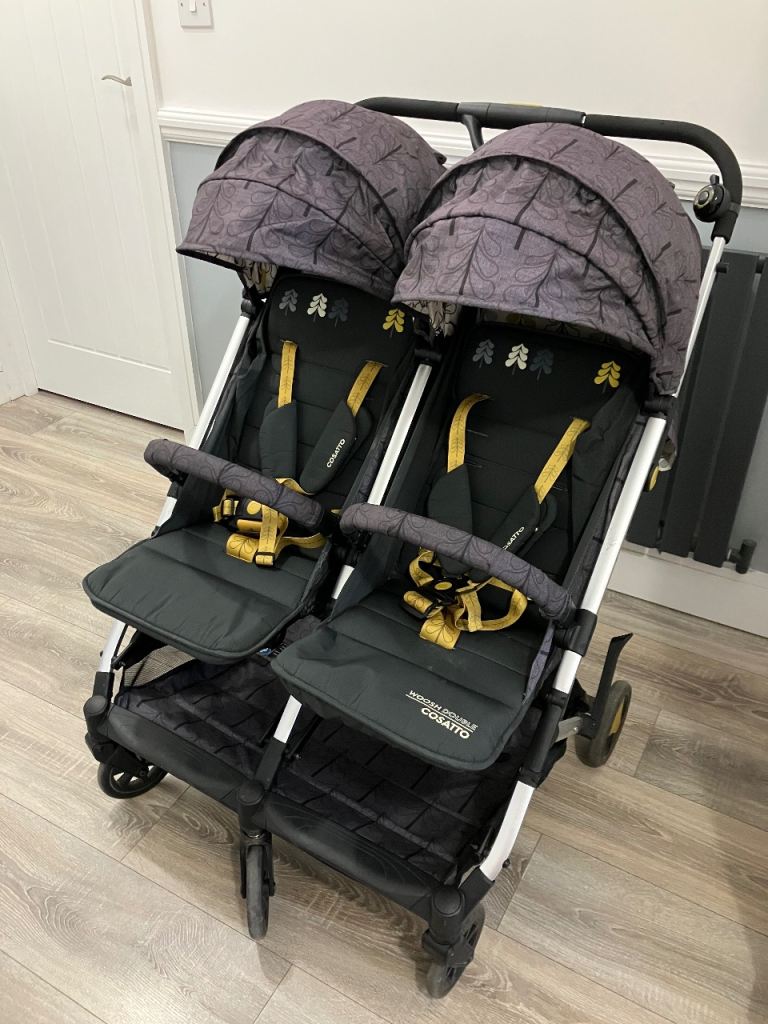
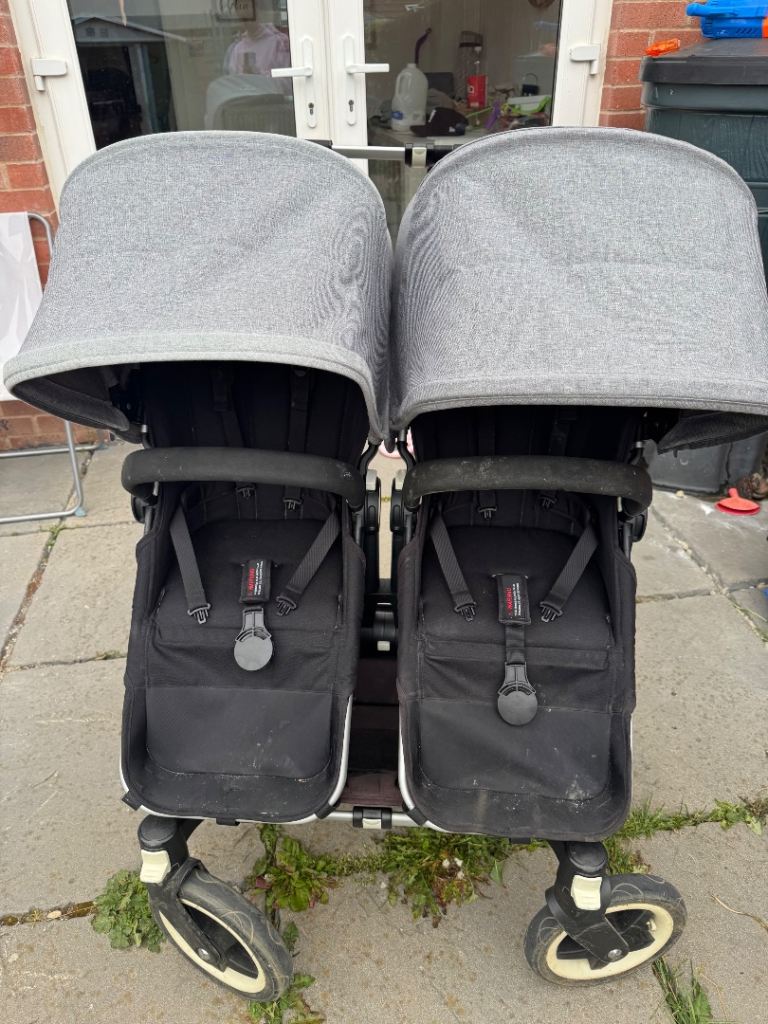
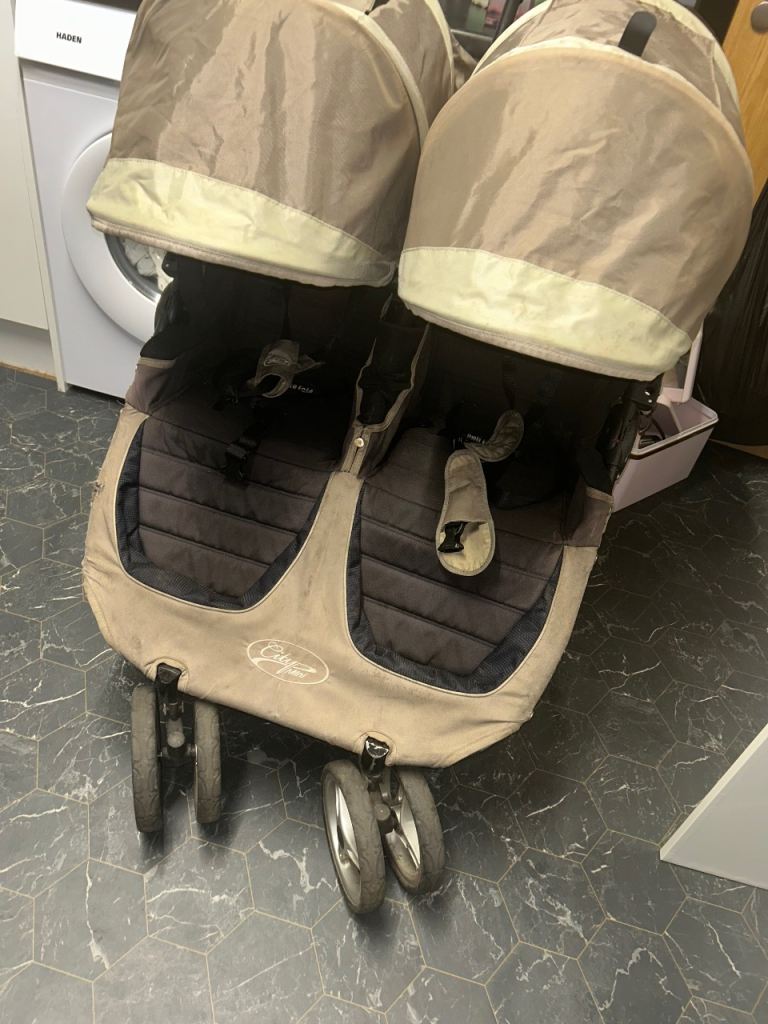
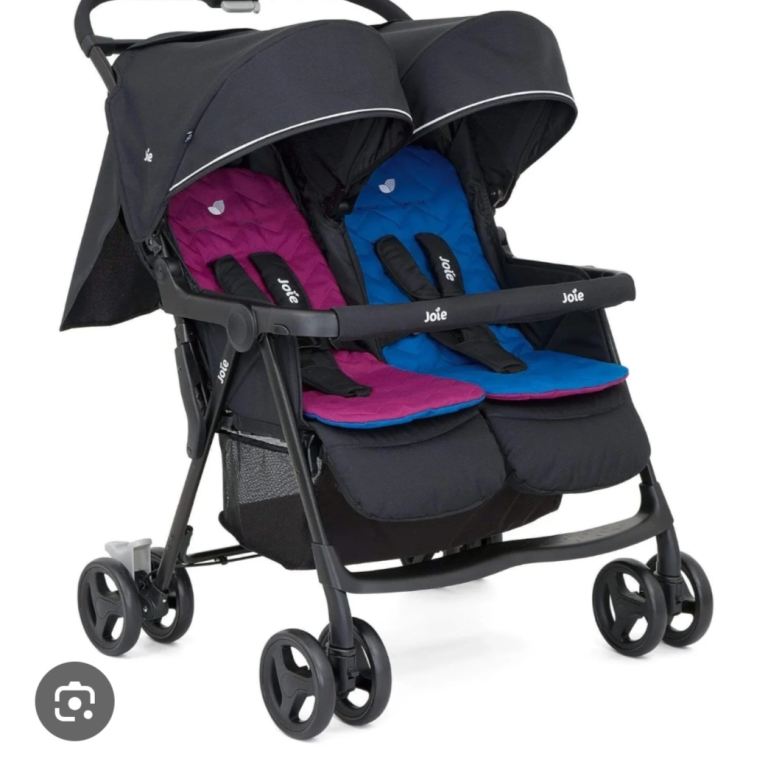
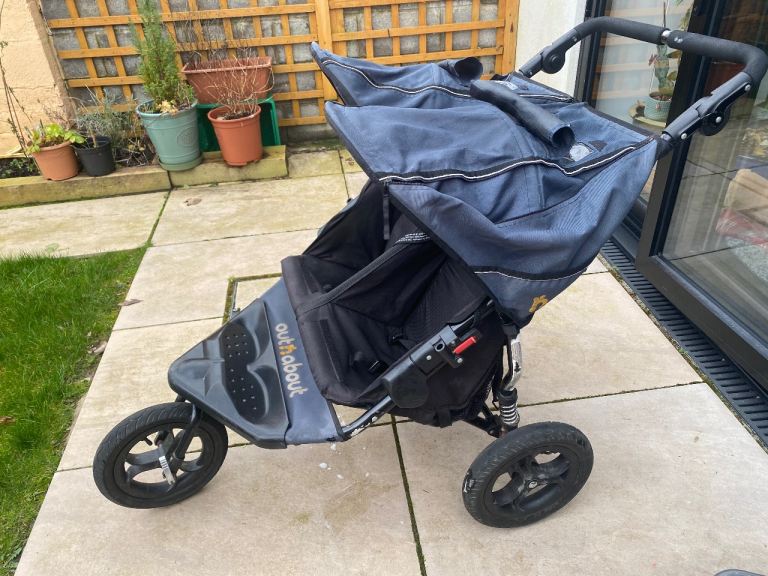
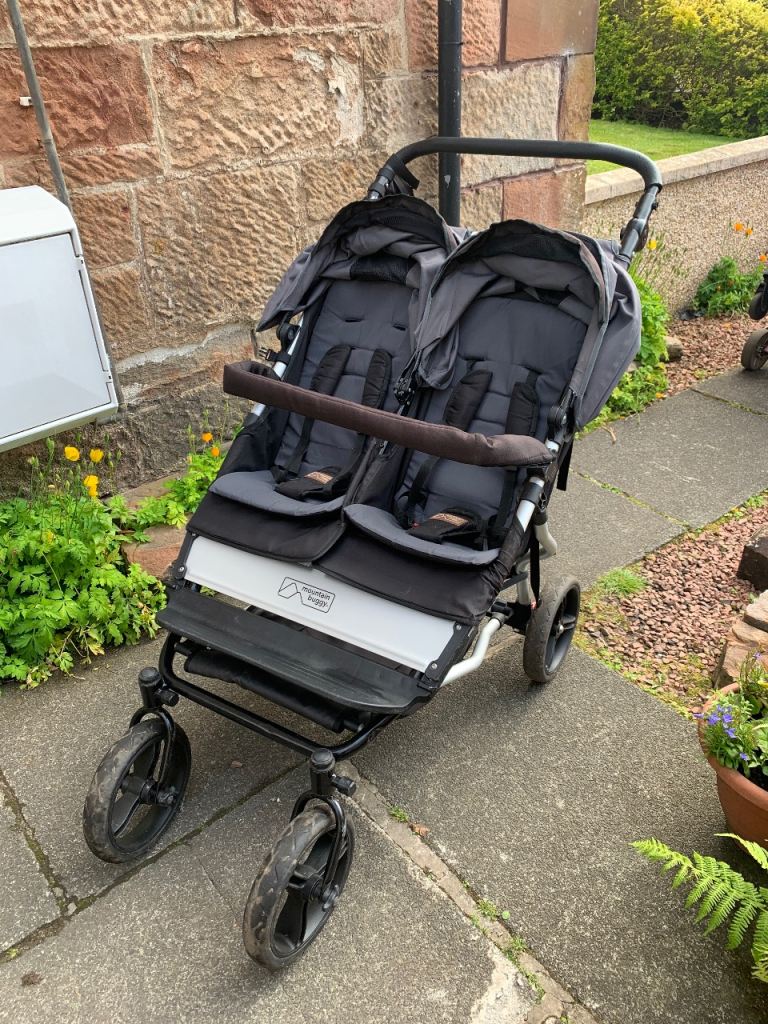
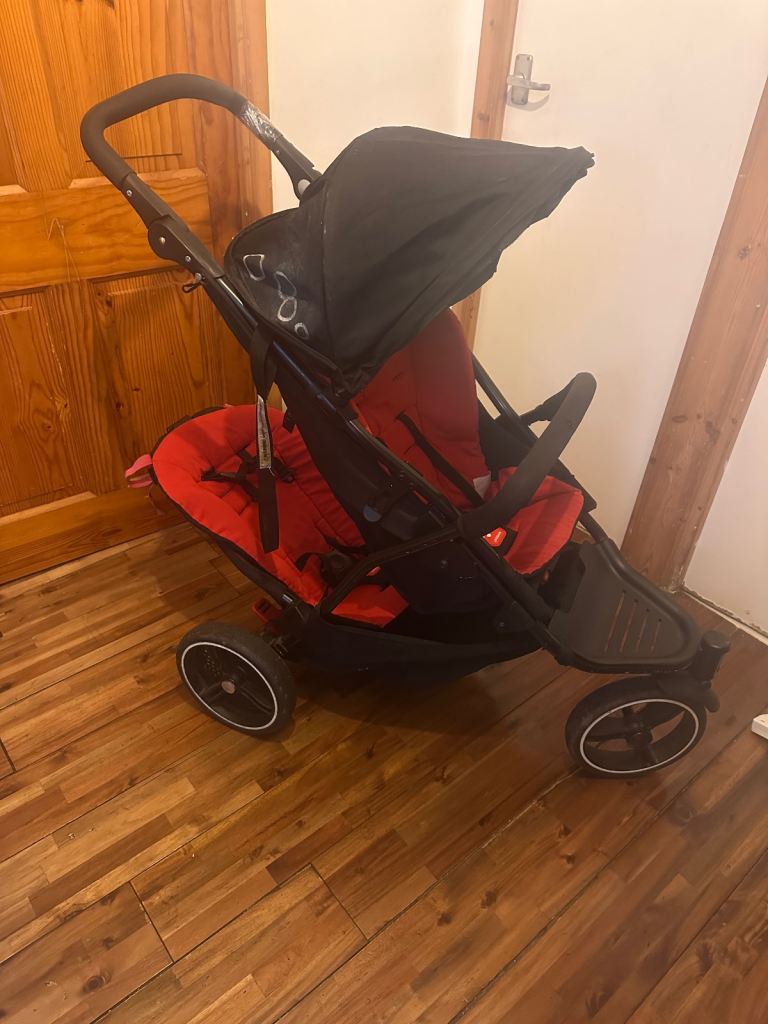
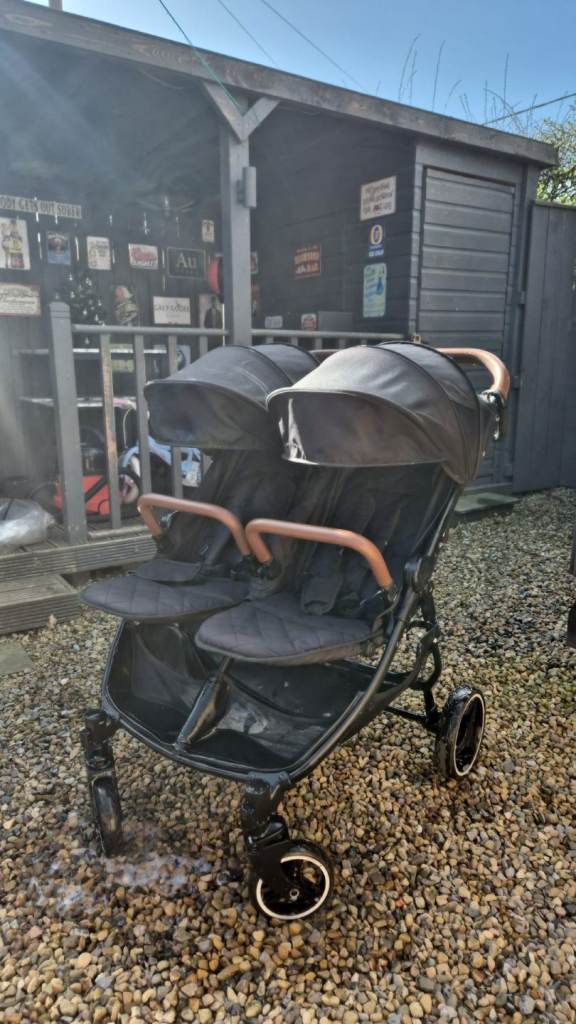
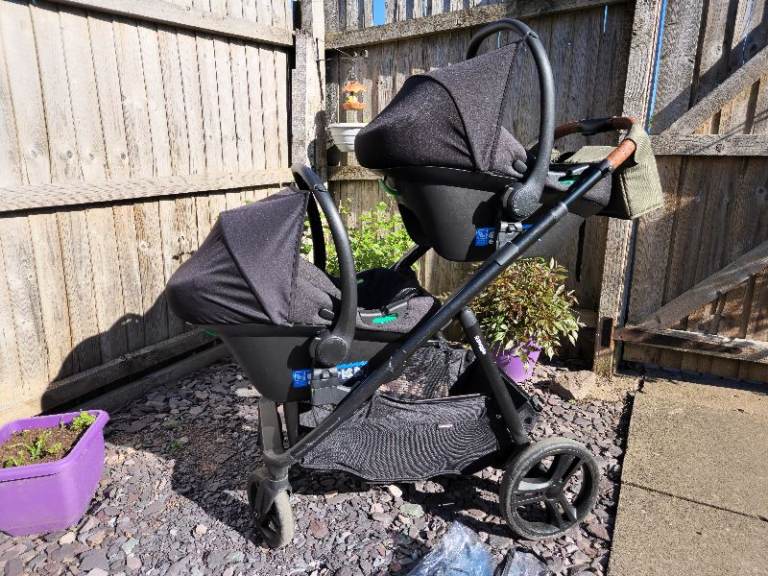
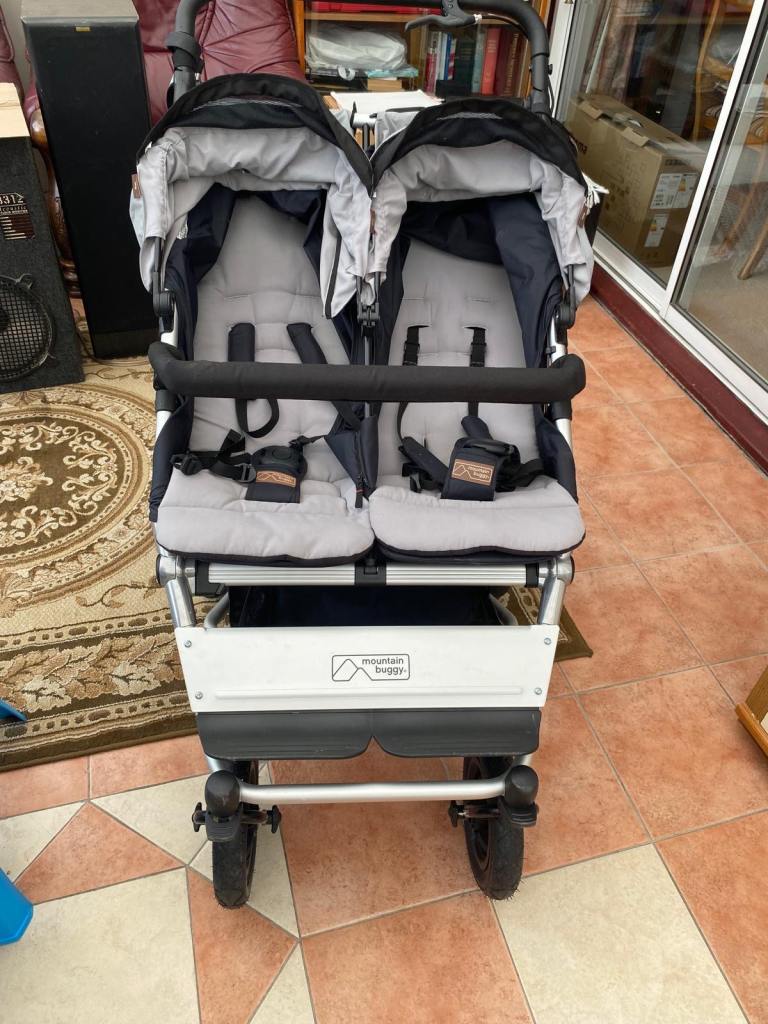
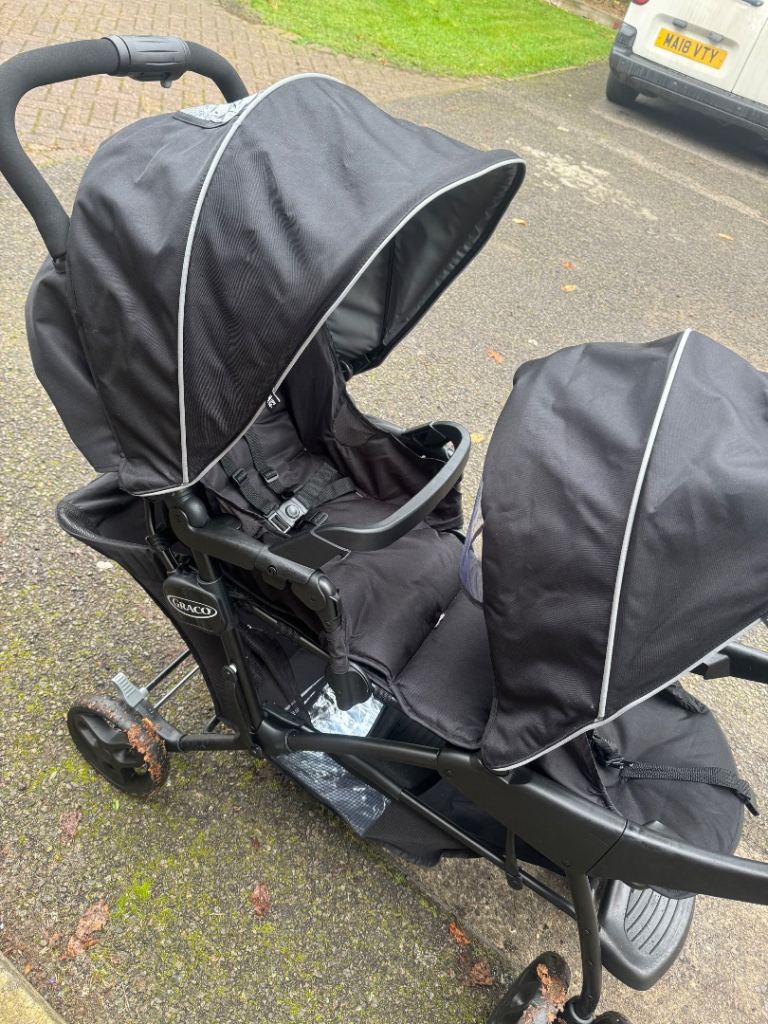
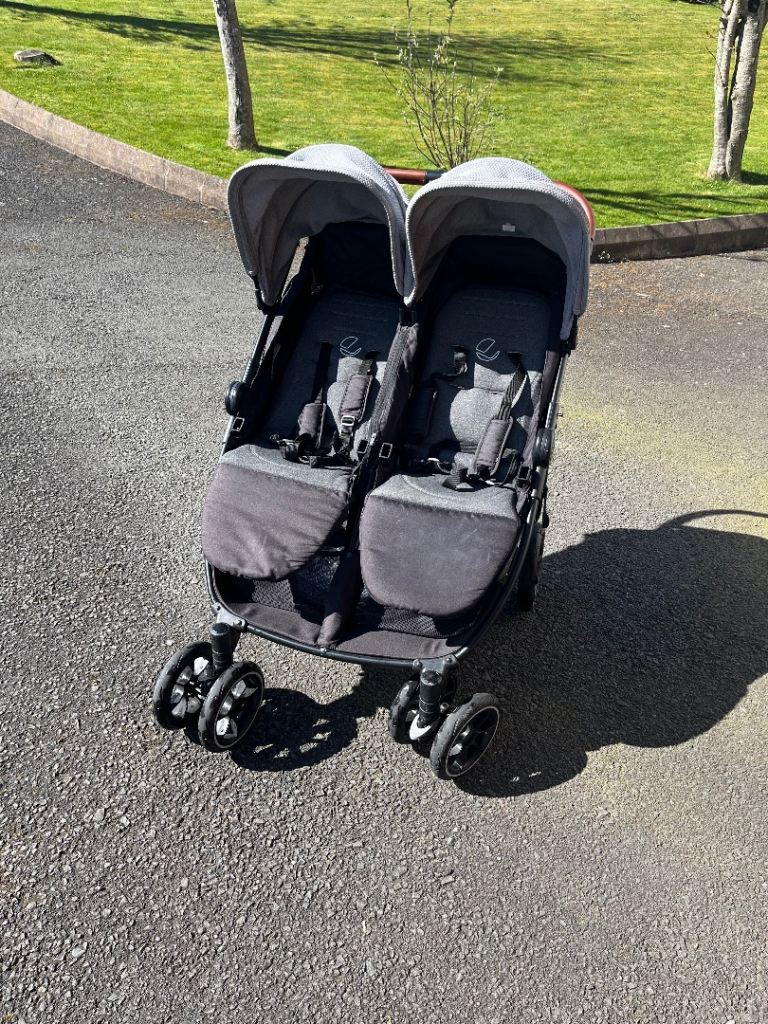
Jane Double Buggy
Jane Double Buggy with one bay carrier.
Killyleagh, County Down
£40
Inspect the frame for any signs of damage, such as cracks or bends. Ensure all folding mechanisms and brakes are working correctly and safely. Check the condition of the fabric for tears, stains, or fading. Also, confirm that all straps and harnesses are present and in good working order. It's advisable to ask about the buggy's history, including how often it was used and if it has been involved in any accidents.
Yes, all prams and pushchairs sold in the UK must meet the BS EN 1888 safety standard. Look for a label or marking confirming compliance. This standard covers various aspects of safety, including stability, restraint systems, and materials. It's crucial to ensure any buggy you purchase meets this standard to protect your children.
Consider your lifestyle and the age gap between your children. Tandem buggies (one seat behind the other) are good for navigating narrow spaces, while side-by-side buggies offer equal views for both children. Think about the terrain you'll be using the buggy on; some models are better suited for rougher ground. Also, consider the buggy's weight and foldability for storage and transportation.
If you plan to use the double buggy for newborns, ensure it has a lie-flat option or is compatible with carrycots. This provides essential support for young babies. Check for adequate head support and padding. Look for adjustable harnesses to accommodate growing children. A large sun canopy is also important for protecting babies from the sun.
Regularly wipe down the frame and fabric with a damp cloth to remove dirt and spills. Check the wheels and axles for debris and lubricate them if necessary. Refer to the manufacturer's instructions for specific cleaning recommendations for the fabric and other components. Store the buggy in a dry place to prevent mould and mildew. Regularly inspect the buggy for any signs of wear and tear and address any issues promptly.