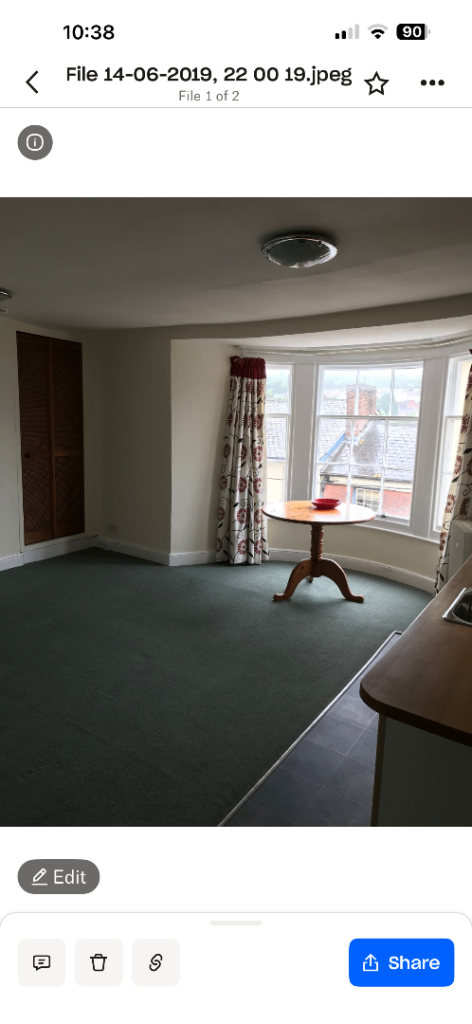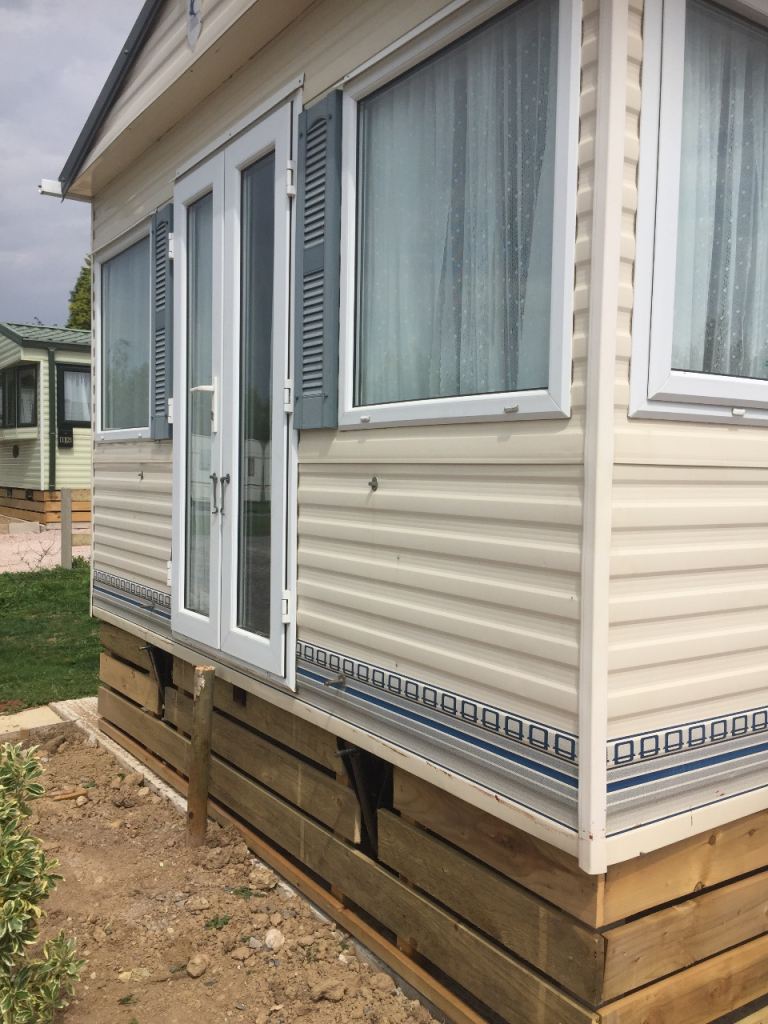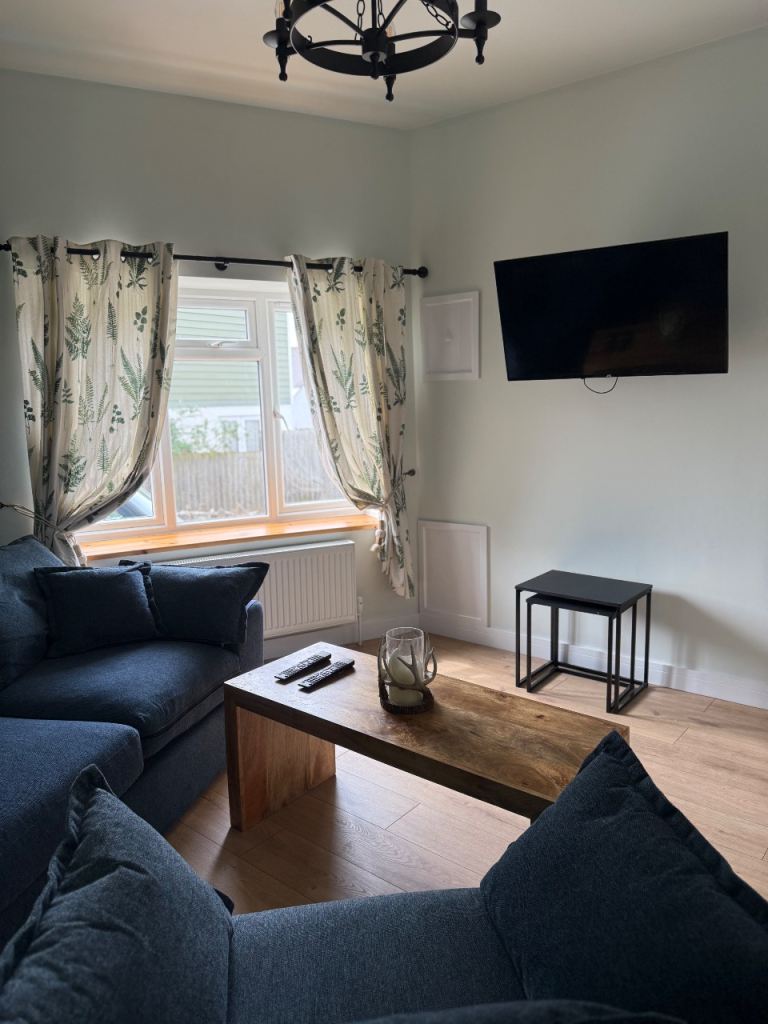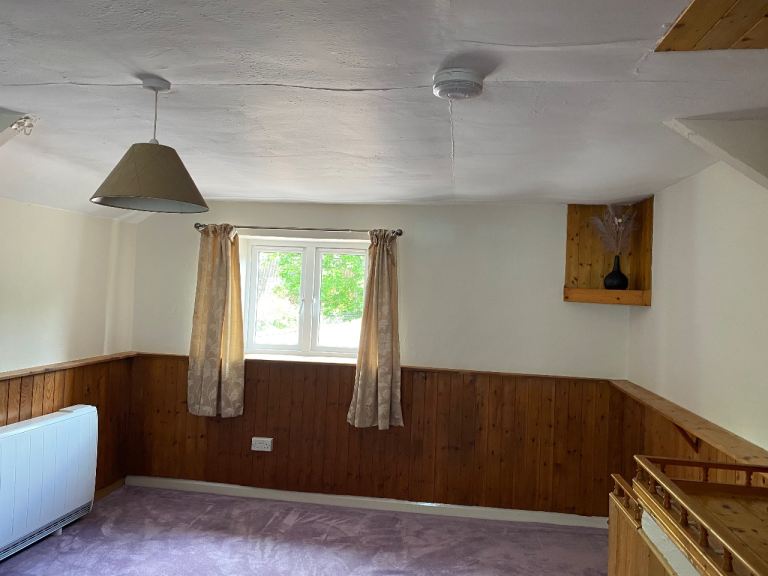
2
3 bedroom house paignton
PrivateDate available: 08 May 2026House3 Beds
Paignton, Devon
£1,100pm
Before committing to a rental, ensure the property is safe and habitable. Check for damp, mould, and any structural issues. Verify that smoke alarms and carbon monoxide detectors are installed and functioning. Ask about the Energy Performance Certificate (EPC) rating, as this indicates the property's energy efficiency. It's also advisable to research the landlord's reputation if possible.
Private landlords in the UK have several legal obligations. They must protect your deposit in a government-approved scheme within 30 days of receiving it. They must also provide you with a 'How to Rent' guide, an Energy Performance Certificate (EPC), and a gas safety certificate (if applicable). Landlords are also responsible for ensuring the property is safe and free from hazards.
Before signing, clarify details like the rent payment schedule, what bills are included (if any), and the process for reporting repairs. Ask about the landlord's policy on pets and whether any restrictions apply to decorating or making changes to the property. Also, enquire about the length of the tenancy agreement and the procedure for ending the tenancy.
In the UK, landlords are legally required to protect your tenancy deposit in a government-approved scheme. These schemes ensure that your deposit is protected throughout the tenancy and that you can get it back at the end, provided you haven't damaged the property beyond fair wear and tear and have paid all your rent. There are both custodial and insurance-based schemes.
Landlords in the UK are responsible for maintaining the structure and exterior of the property, as well as ensuring that essential services like heating, water, and electricity are working. If repairs are needed, you should notify the landlord in writing. They are typically given a reasonable timeframe to address the issue. If they fail to do so, you may have legal recourse, but it's always best to try to resolve the issue amicably first. Seek legal advice if necessary.