1/7
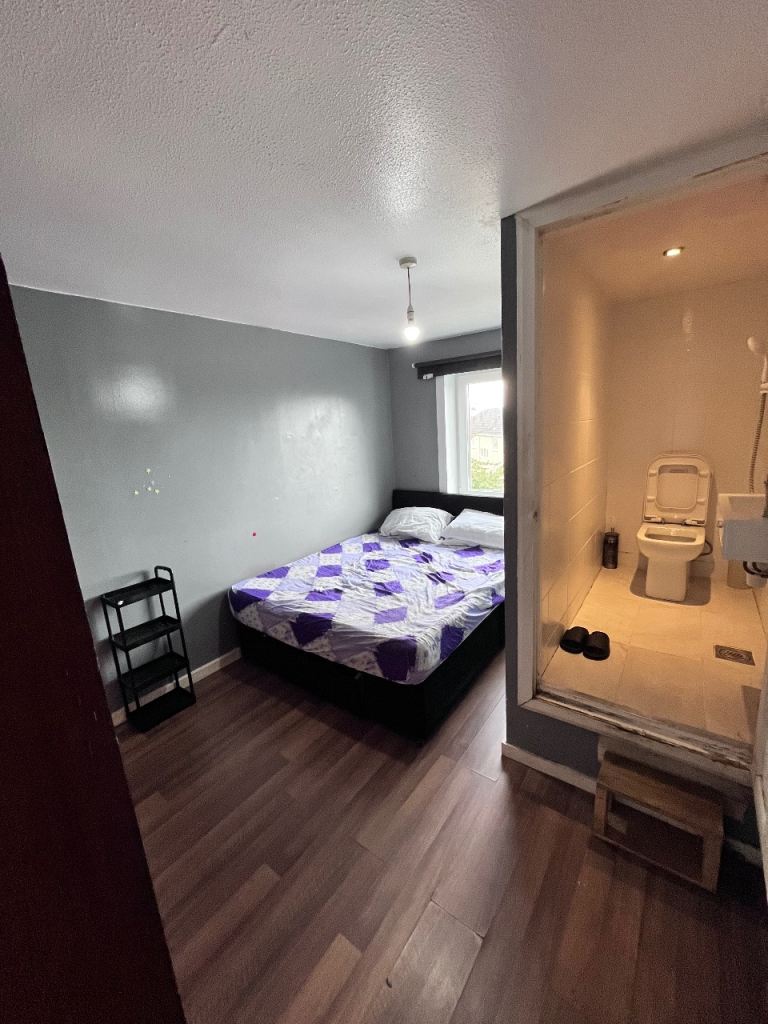
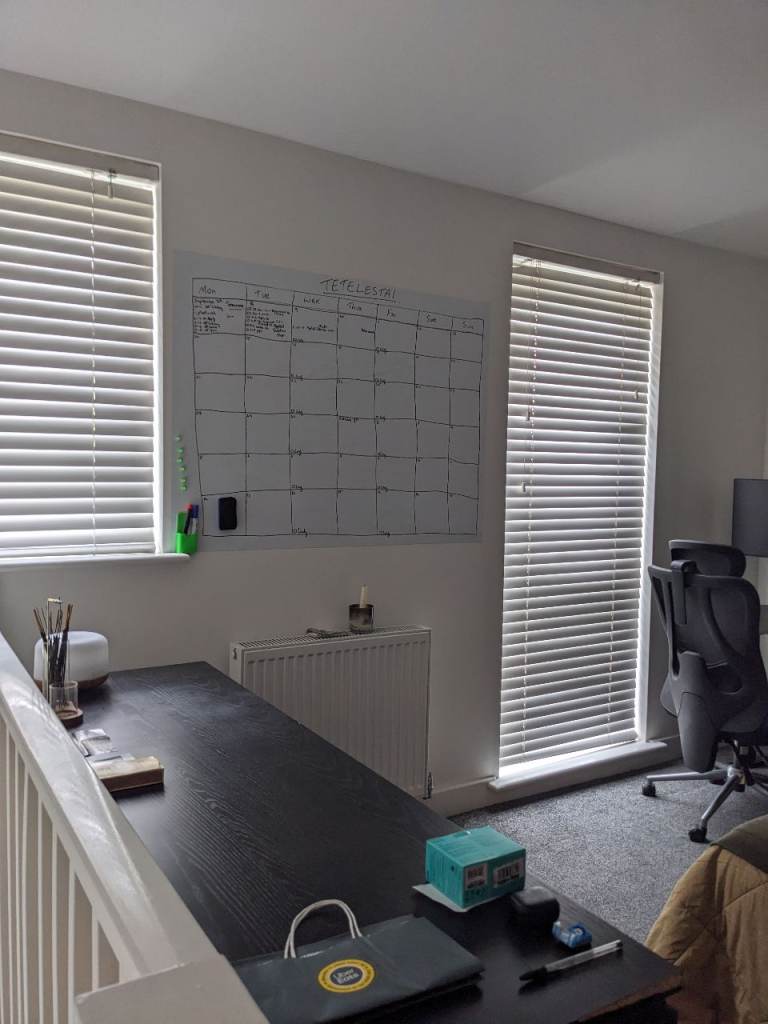
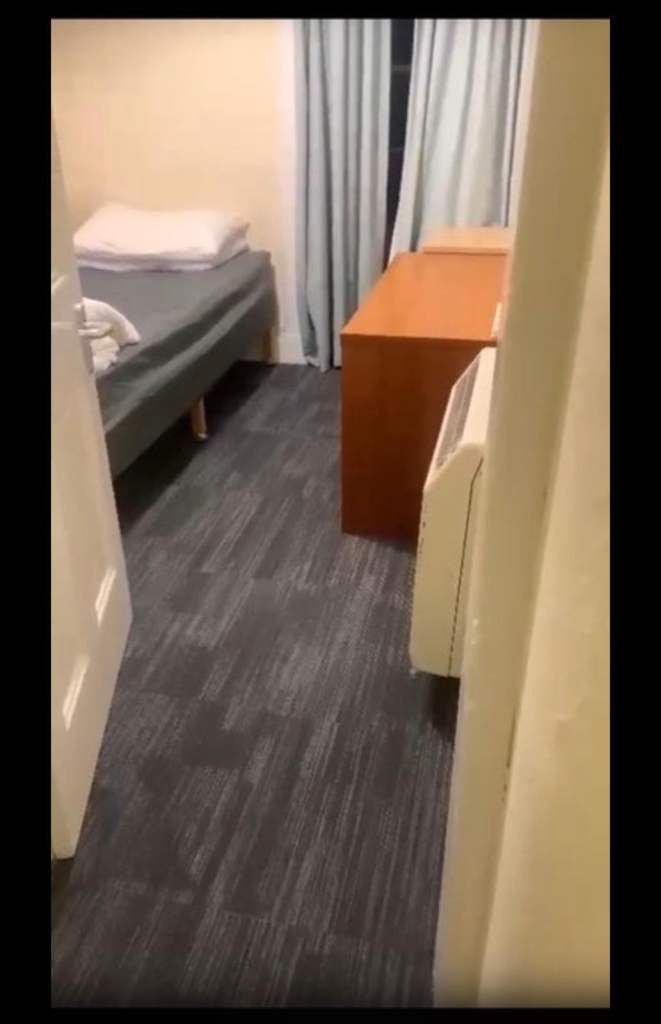
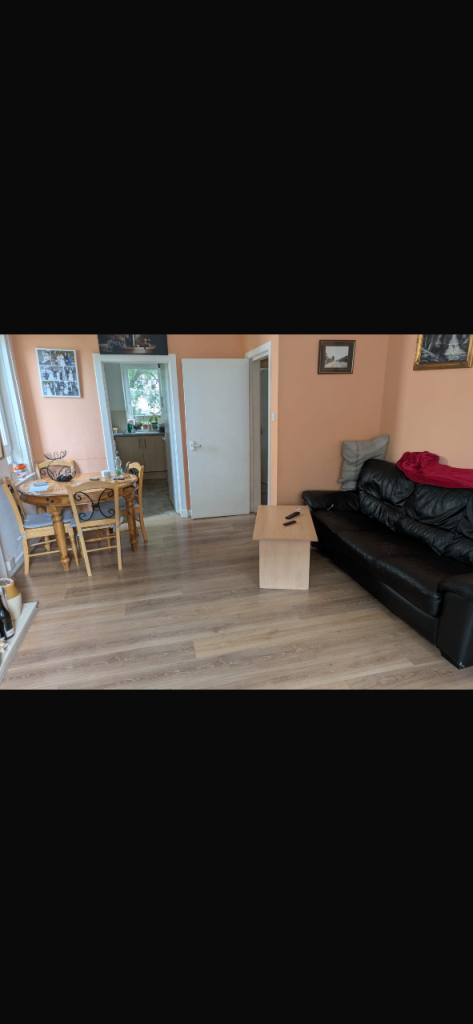
Double room for rent
PrivateFlat
Newcastle, Tyne and Wear
£140pw
When viewing a property share, always meet the landlord or existing tenants during daylight hours. Inform a friend or family member about the viewing and your expected return time. Trust your instincts; if you feel uncomfortable, leave immediately. Ensure the property has working smoke alarms and carbon monoxide detectors.
Carefully review the tenancy agreement, paying attention to the length of the tenancy, rent amount, deposit amount and protection scheme details, and the rules regarding bills and utilities. Understand your responsibilities for cleaning and maintenance. Check if there are any clauses about noise levels, overnight guests, or pets. Ensure you have a break clause if you need to leave early.
Ask about their lifestyles, including their work schedules, social habits, and cleanliness preferences. Discuss how bills are split and paid. Inquire about their expectations for shared spaces and any house rules they have. It's also wise to ask about their previous experience with shared living.
As a tenant, you have the right to live in a safe and habitable property. Your landlord is responsible for maintaining the structure of the building and essential services. Your deposit must be protected in a government-approved scheme. You are entitled to a written tenancy agreement and notice before the landlord enters your room (unless it's an emergency). Eviction must follow a legal process.
Try to resolve disputes amicably through open communication. If that fails, refer to your tenancy agreement for guidance on resolving conflicts. Keep a record of all communication. If the issue persists, consider seeking advice from Citizens Advice or a housing charity. For serious breaches of contract or legal issues, you may need to consult a solicitor.