5
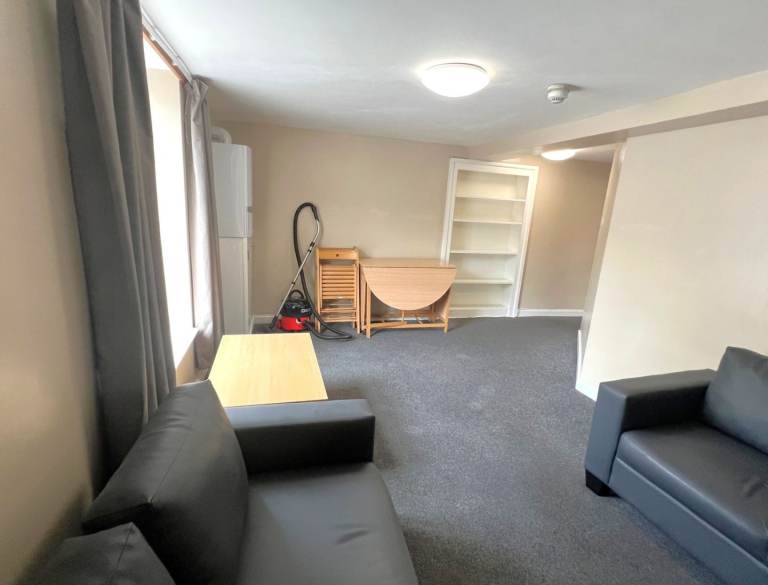
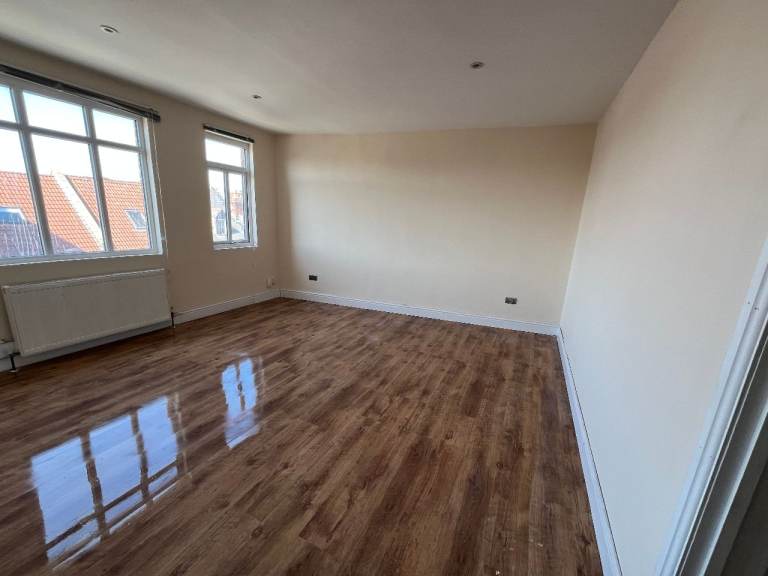
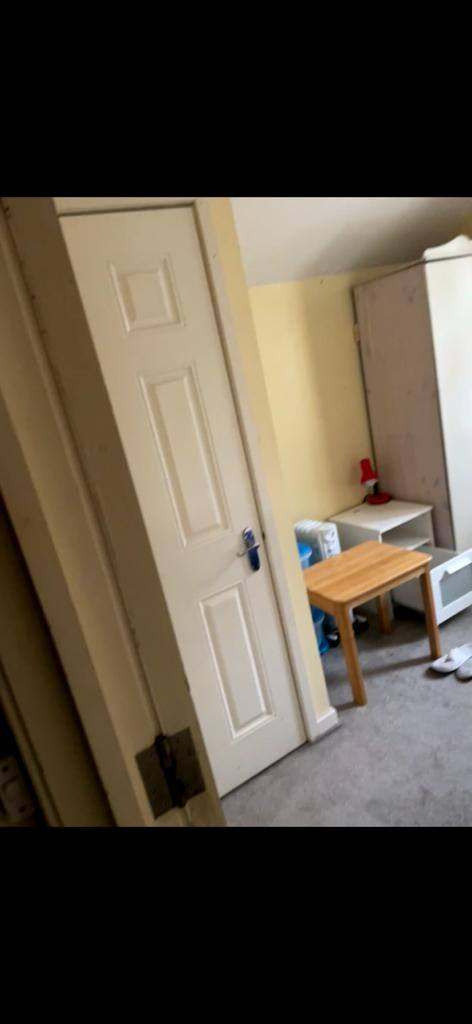
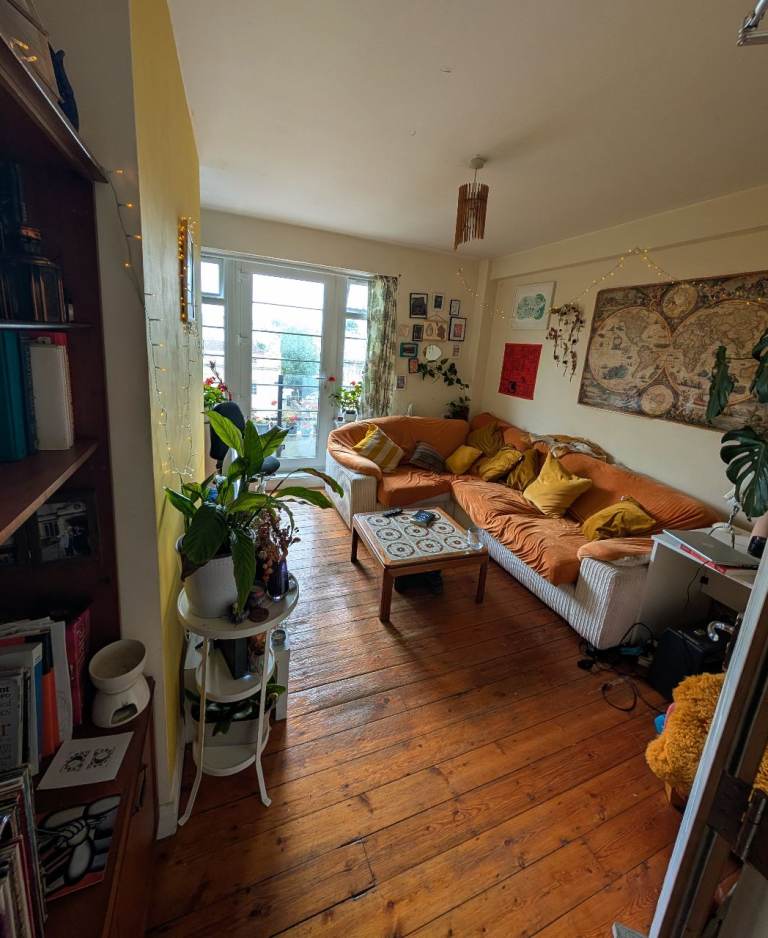
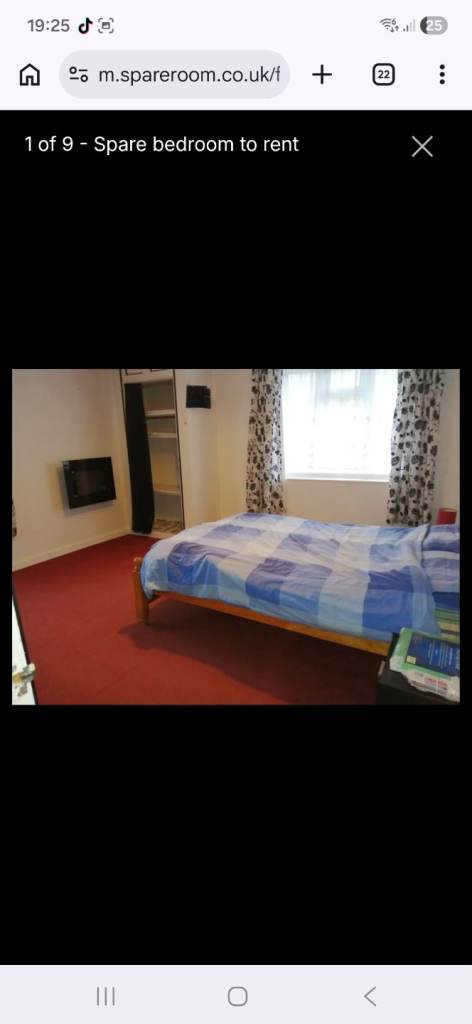
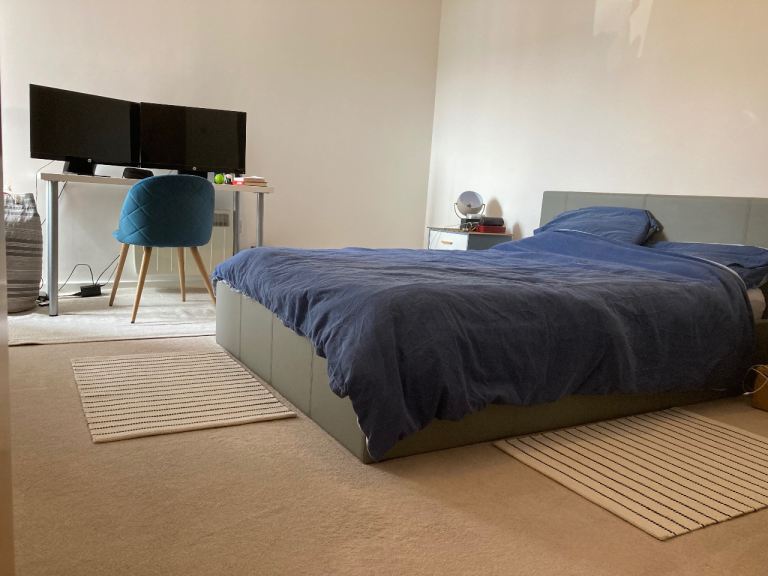
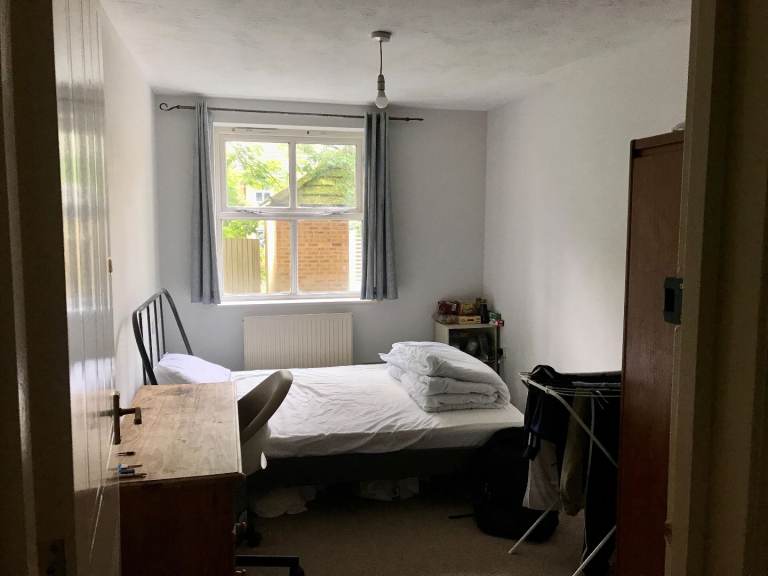
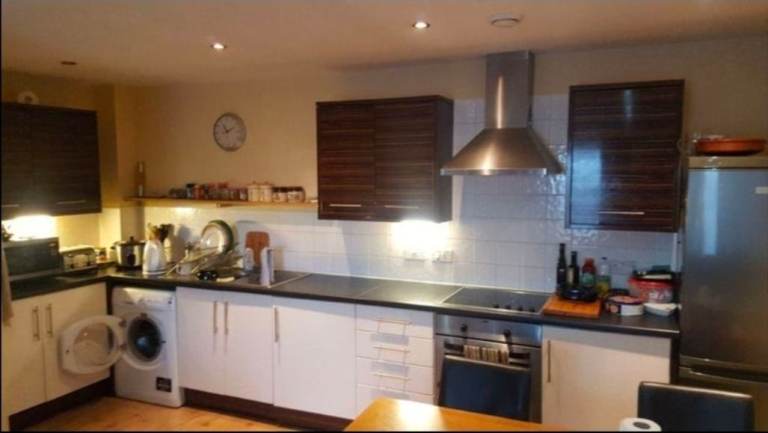
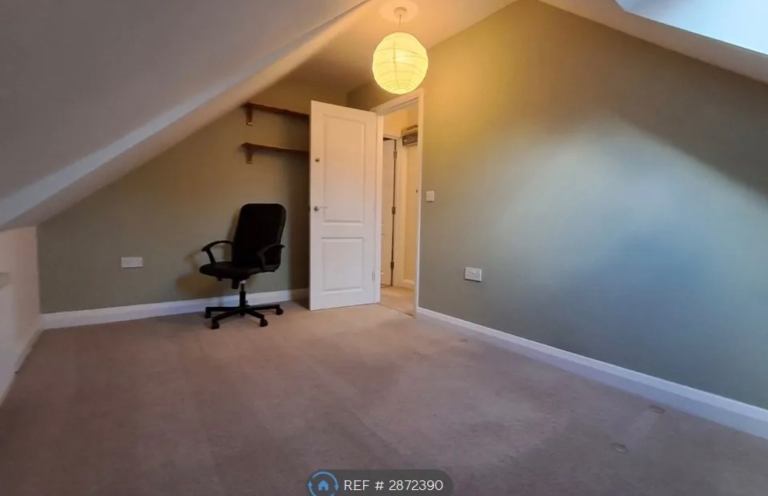
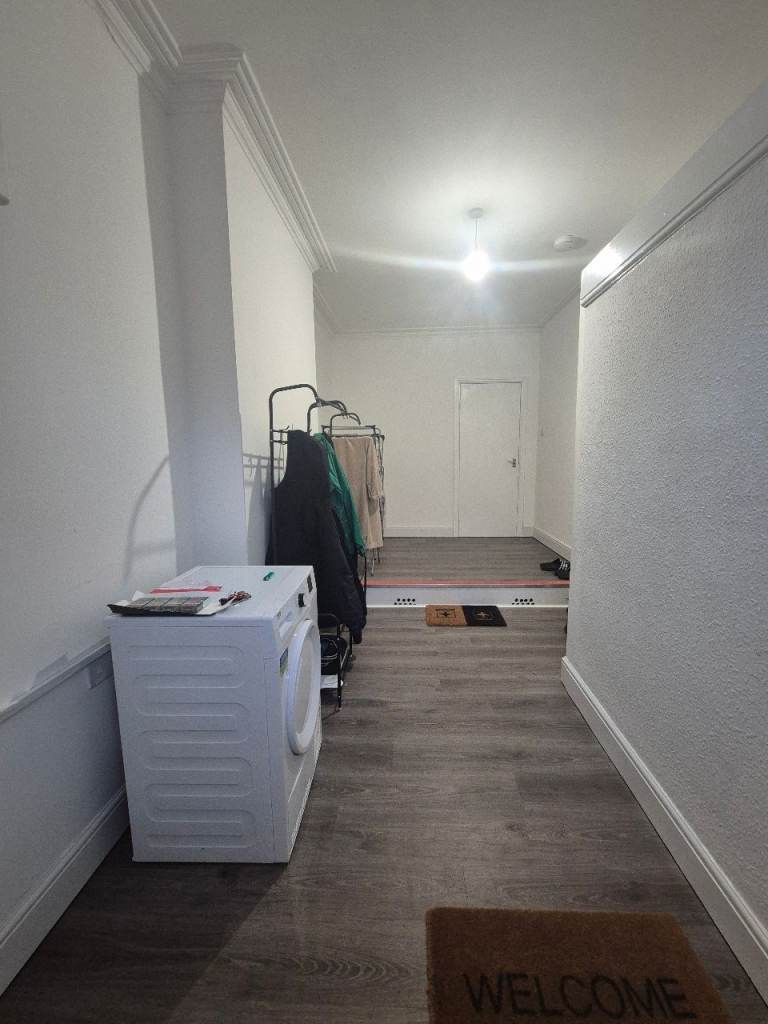
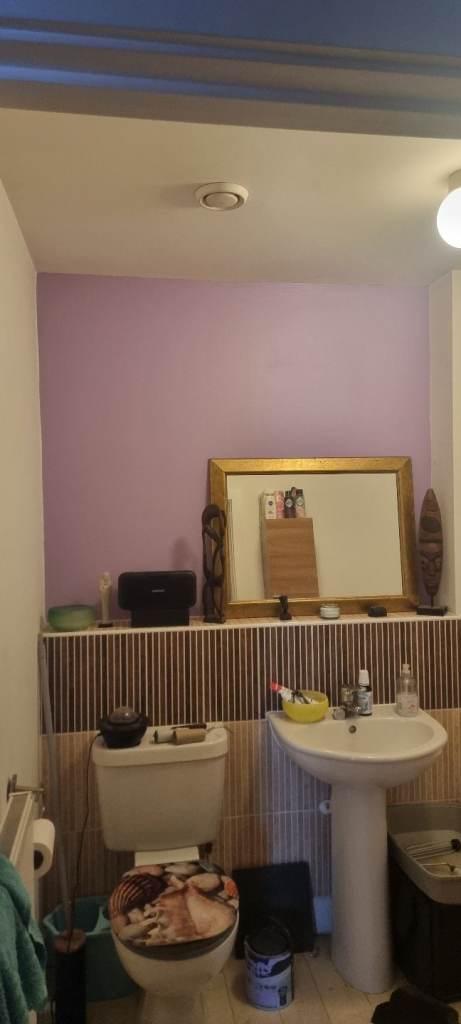
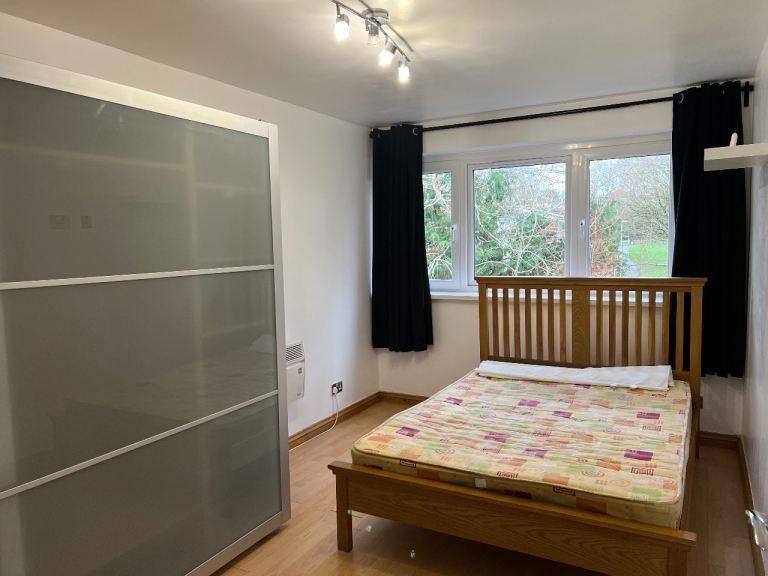
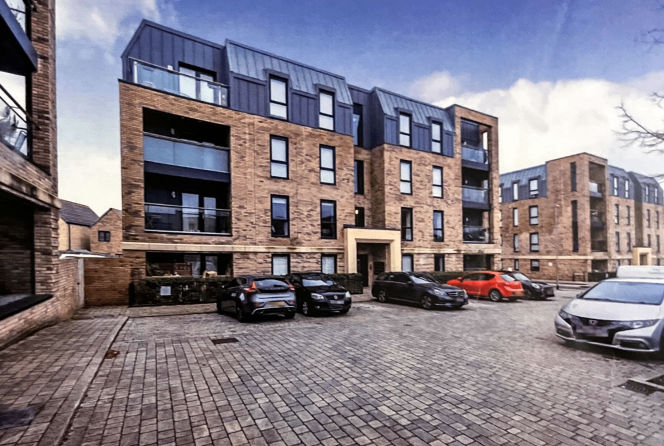
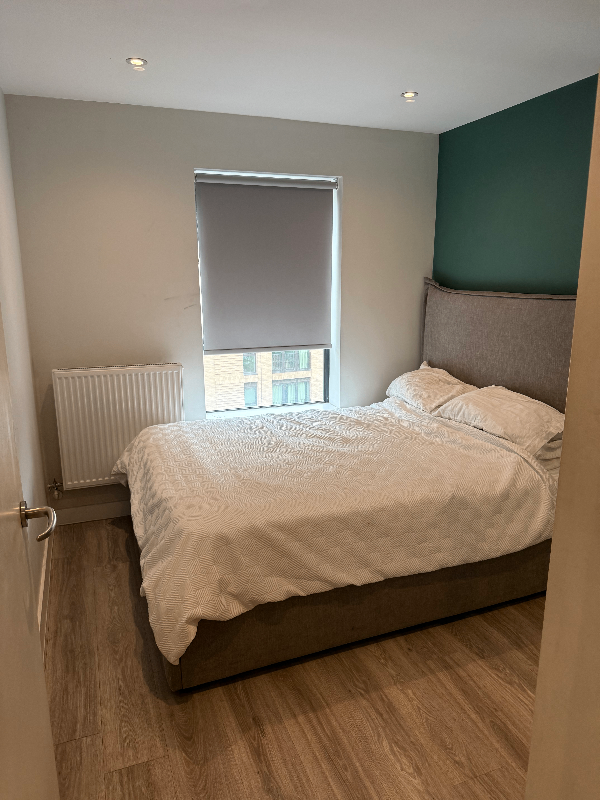
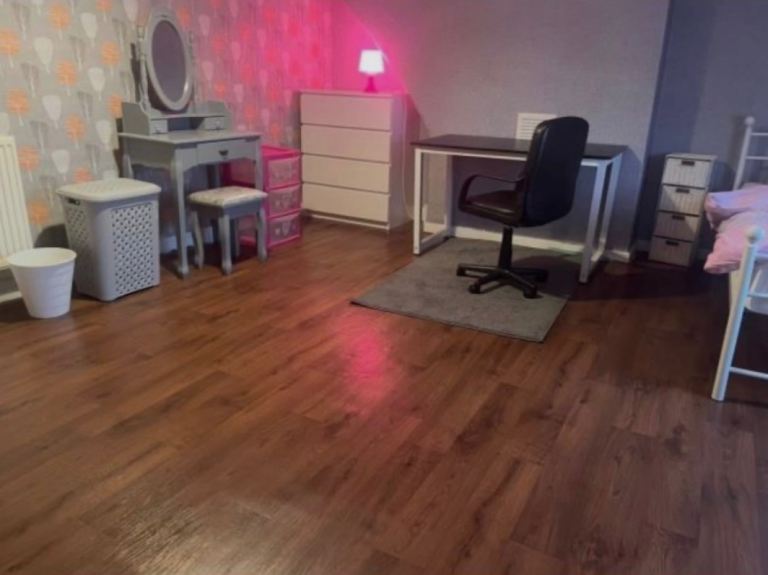
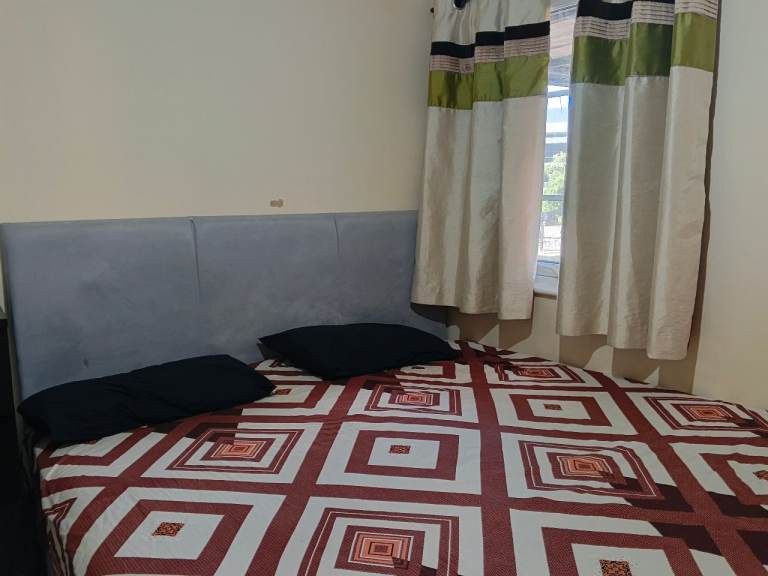
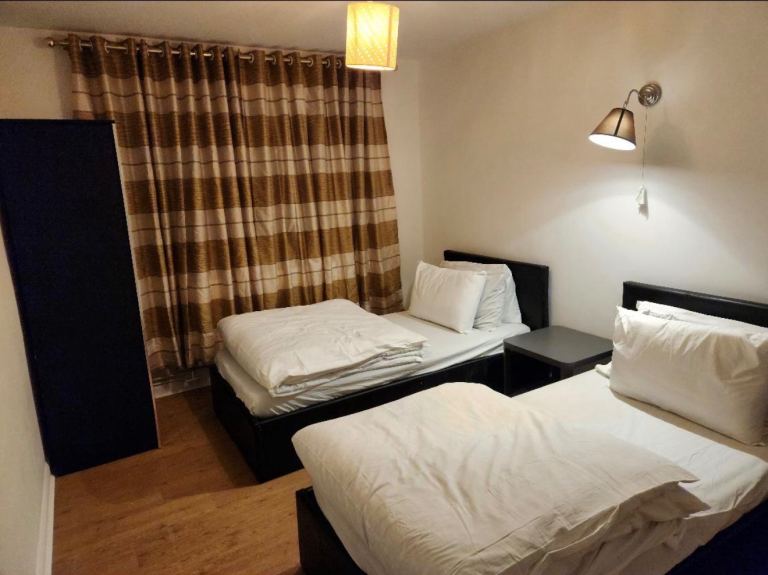
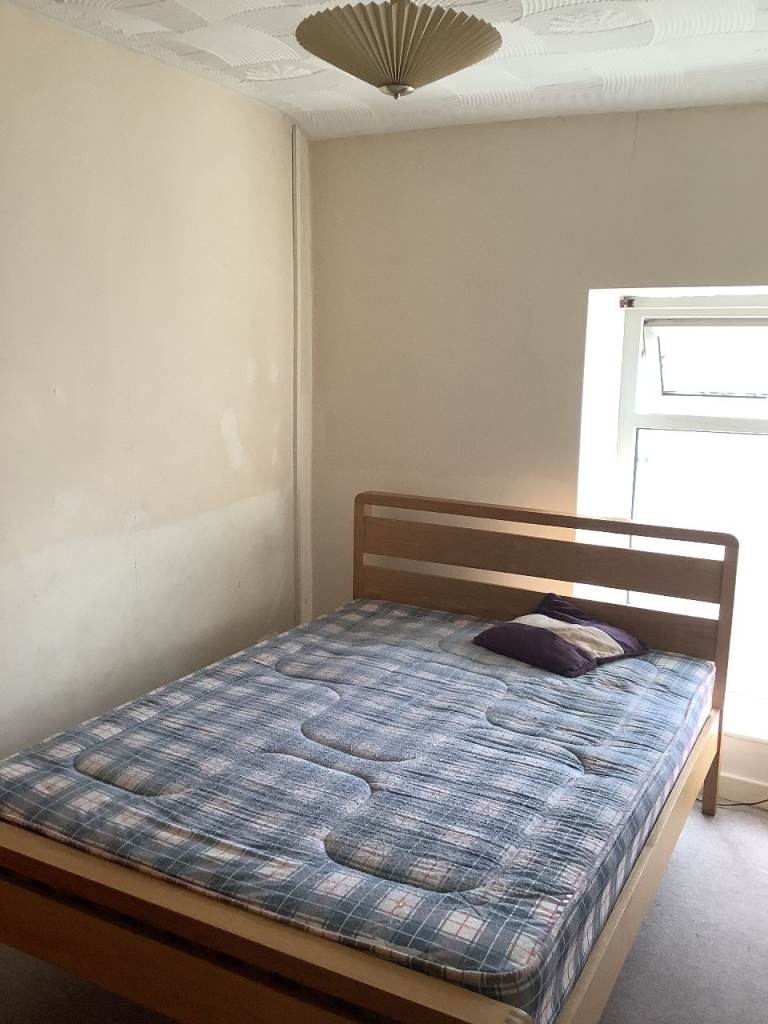
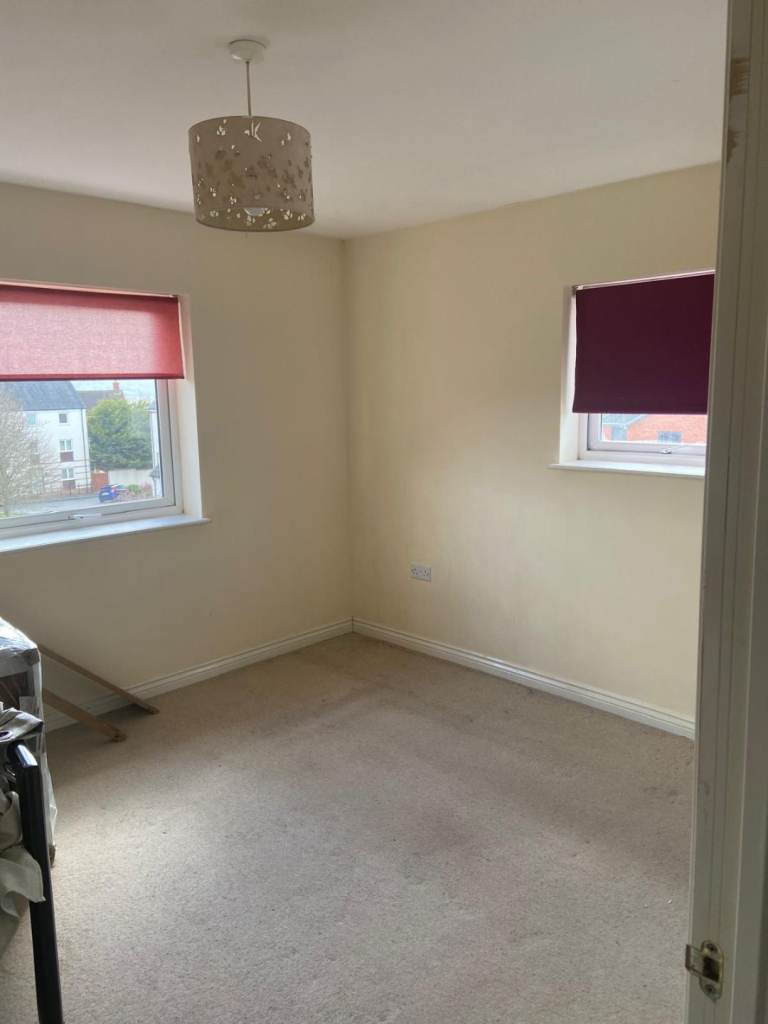
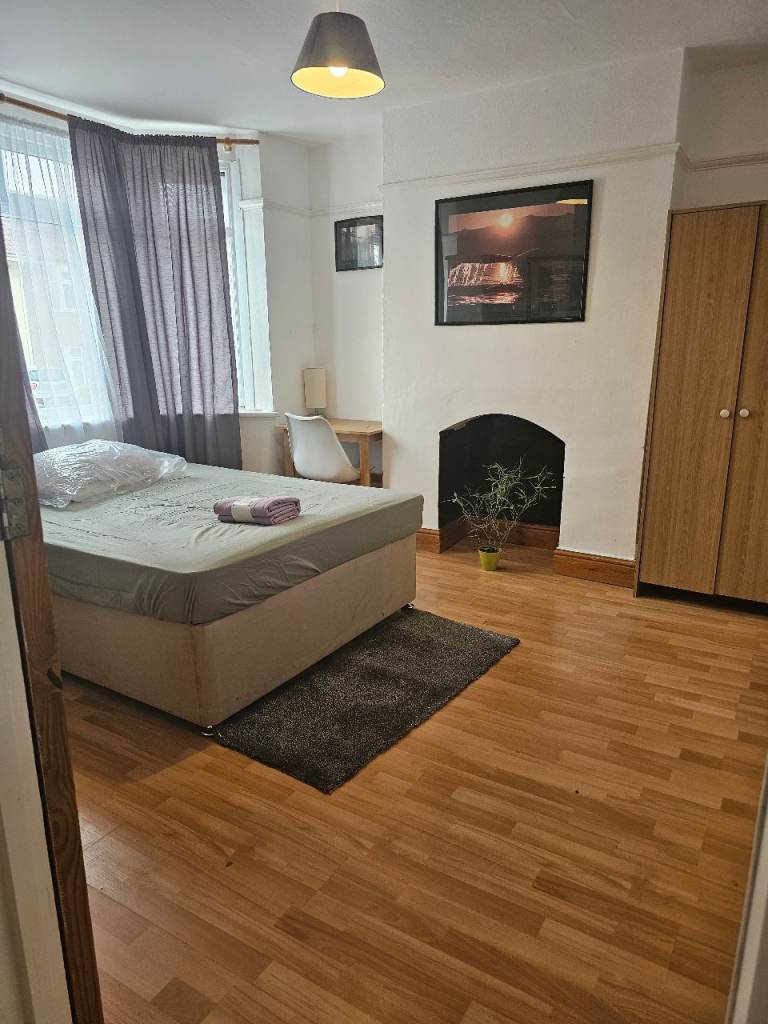
large room located in the Heart of Filton
PrivateDate available: 26 Jun 2026Flat
Filton, Bristol
£190pw
When viewing a property to share, carefully inspect the condition of the room and the shared areas (kitchen, bathroom, living room). Look for signs of damp, mould, or pests. Check that all appliances are in working order. Enquire about the cleaning rota and how disputes are resolved. Also, ensure there are adequate safety measures, such as working smoke alarms and carbon monoxide detectors.
Landlords in the UK have legal obligations regarding the safety and condition of the property. They must ensure the property is fit for habitation, and that gas and electrical equipment are safe. Landlords also need to protect your deposit in a government-approved scheme. It's advisable to get a written tenancy agreement that outlines your rights and responsibilities.
Before committing to a property share, ask your potential flatmates about their lifestyles, working hours, and social habits. Discuss expectations regarding noise levels, guests, and cleanliness. It's important to ensure you are compatible and can live together harmoniously. Also, clarify who is responsible for what bills and how they are split.
When arranging viewings, meet the landlord or agent at the property. Avoid meeting at a different location first. If possible, take a friend or family member with you. Trust your instincts – if something feels wrong, leave. Be wary of landlords or agents who pressure you to pay a deposit or sign a contract immediately.
A holding deposit is a payment made to reserve a property while references and paperwork are completed. In England, a holding deposit is capped at no more than one week's rent. The landlord must return the holding deposit if they decide not to rent to you, unless you provided false or misleading information, failed a 'right to rent' check, withdrew from the agreement, or failed to take all reasonable steps to enter into a tenancy agreement. If the tenancy proceeds, the holding deposit should be put towards the first month's rent or the security deposit.