Featured
1/14
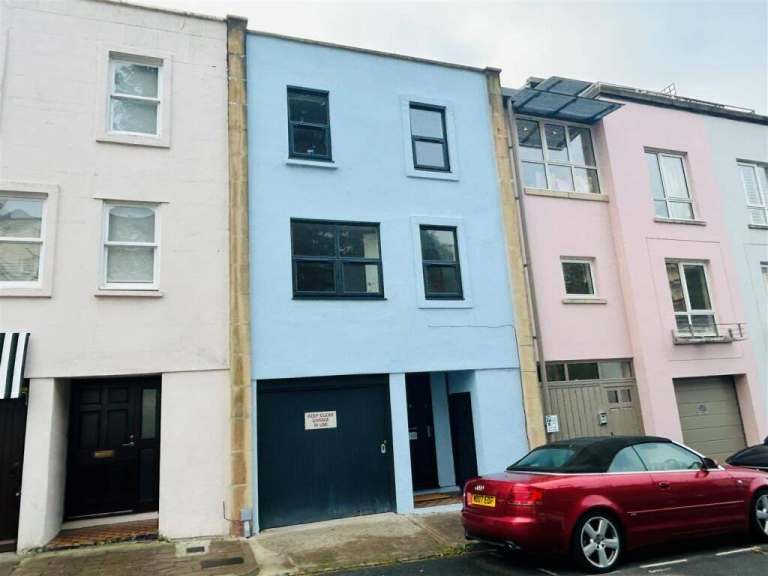
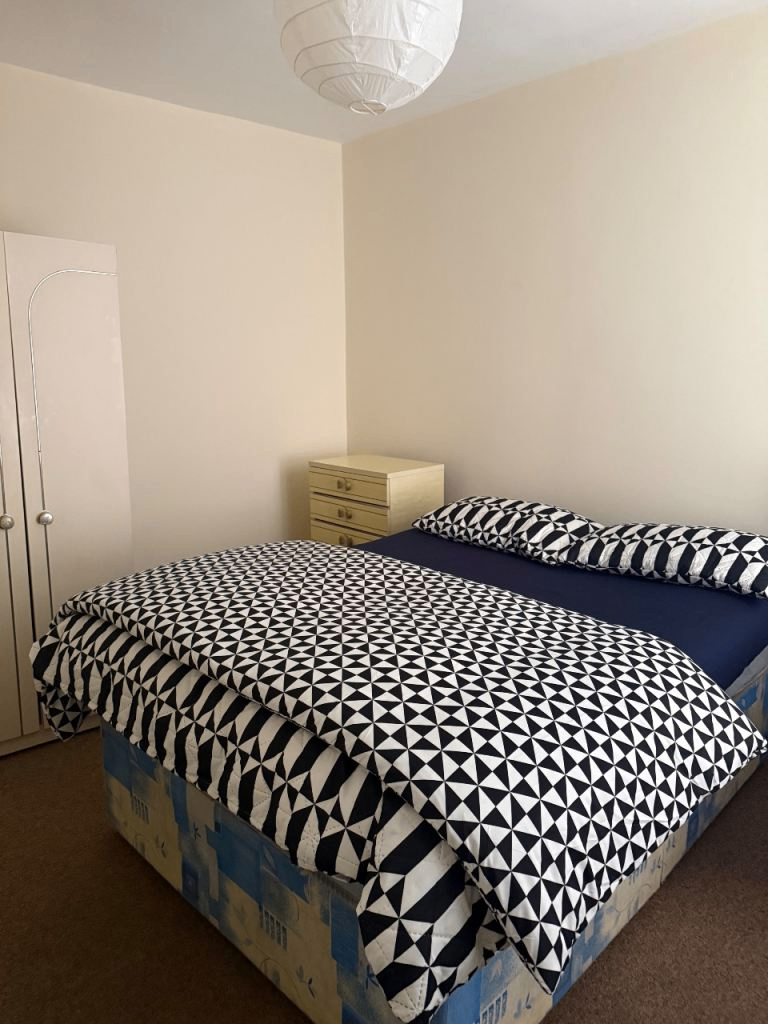
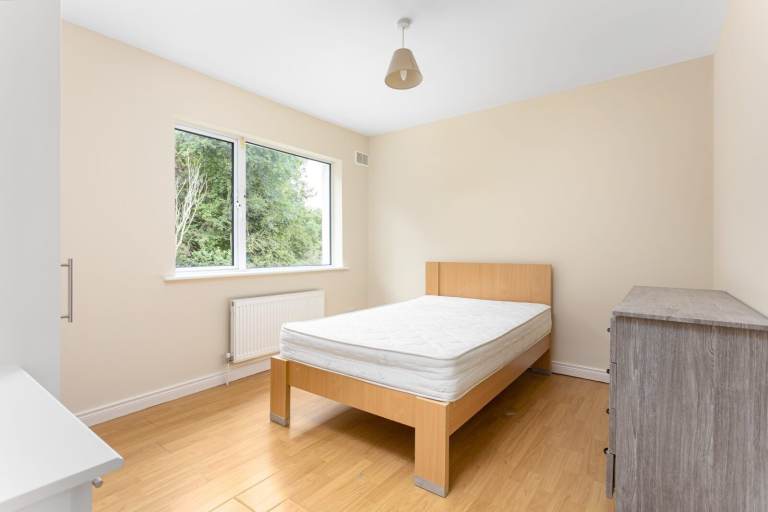
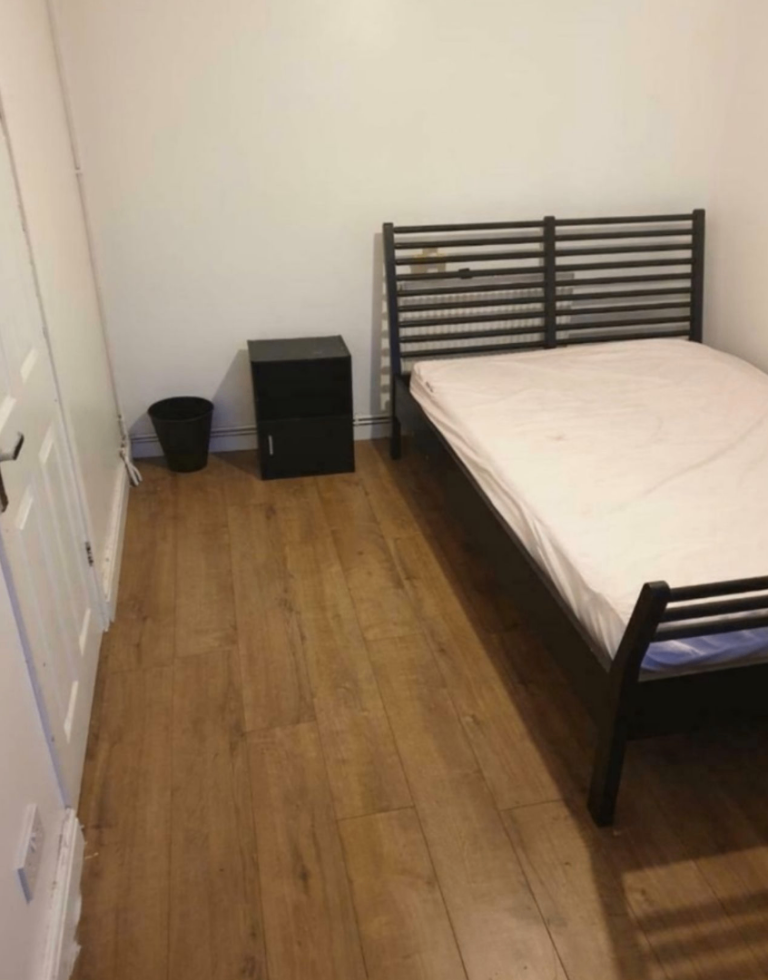
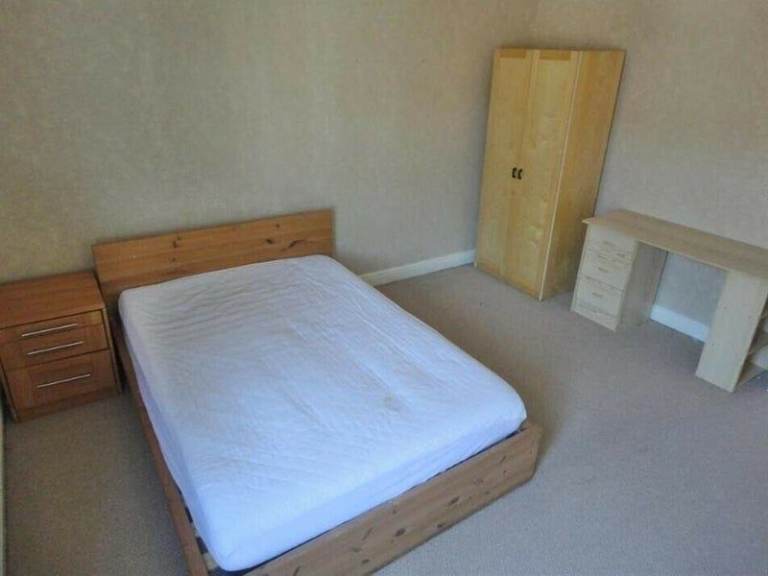
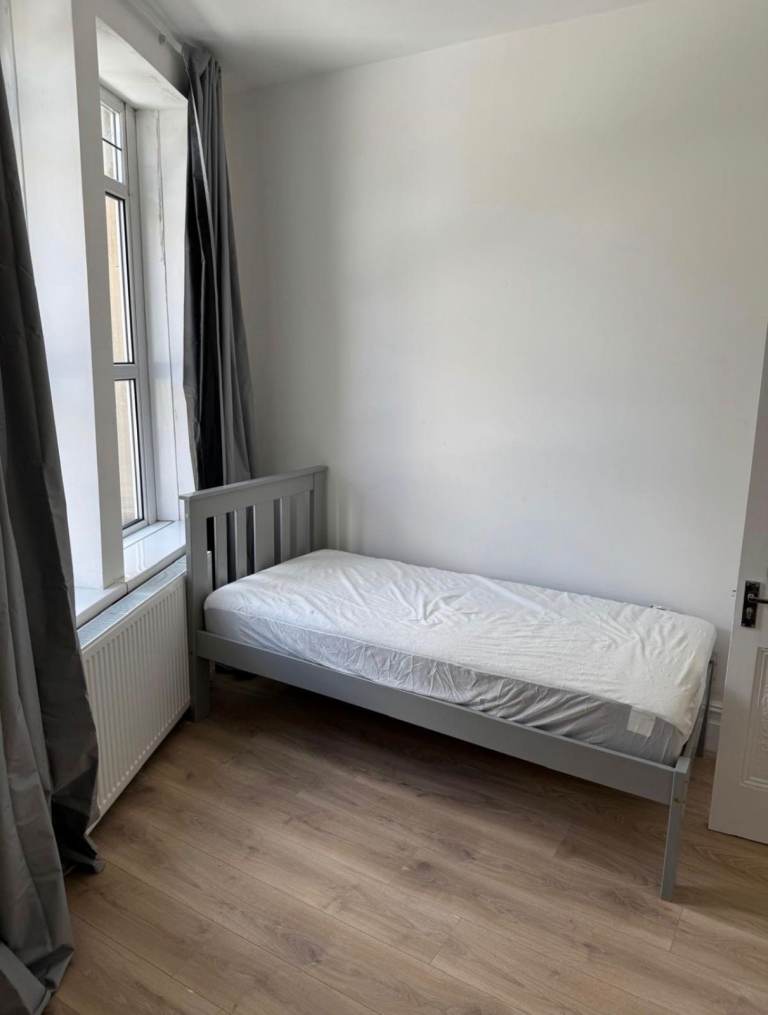
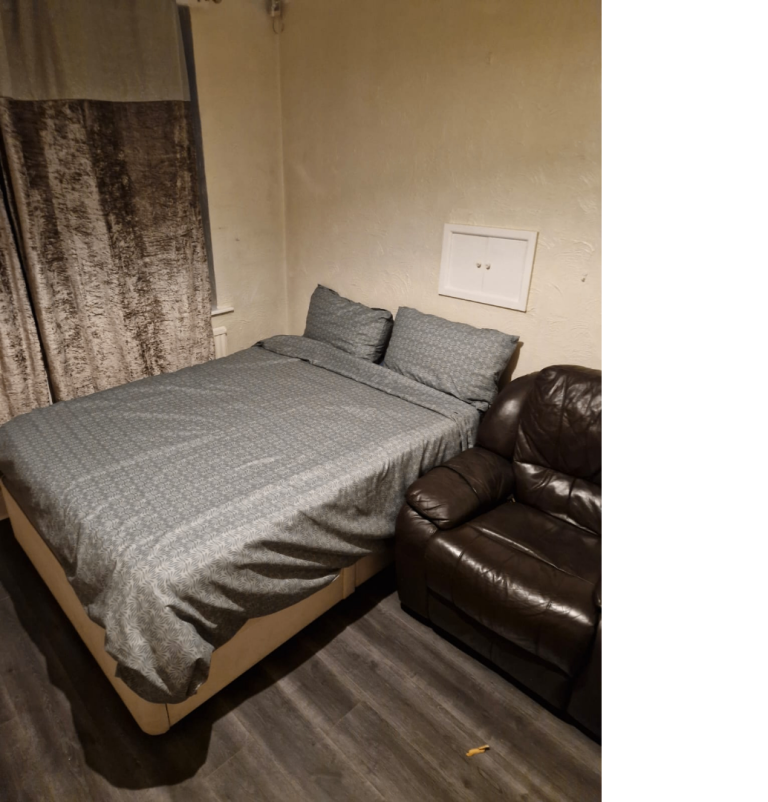
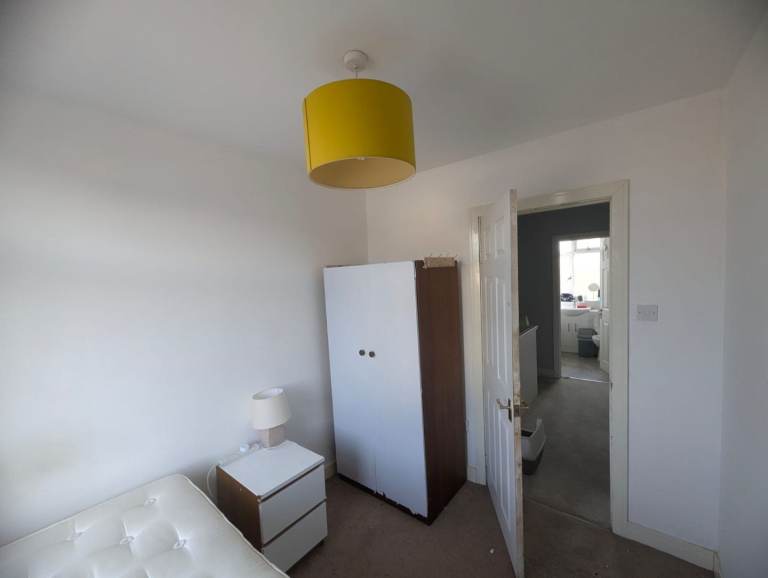
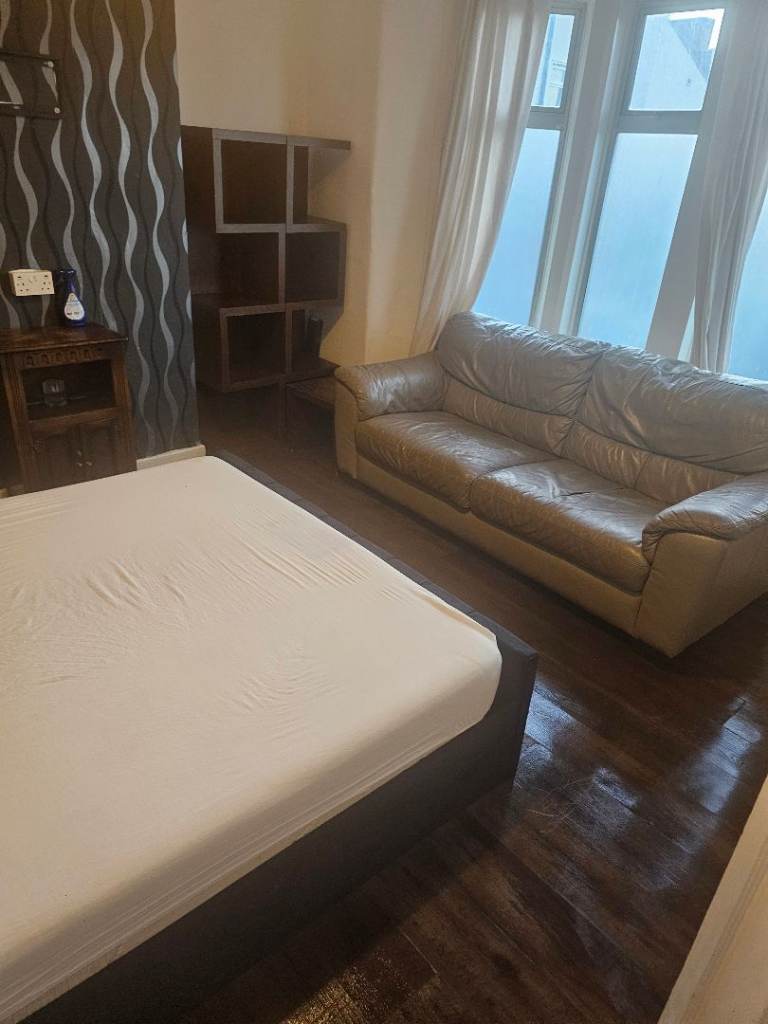
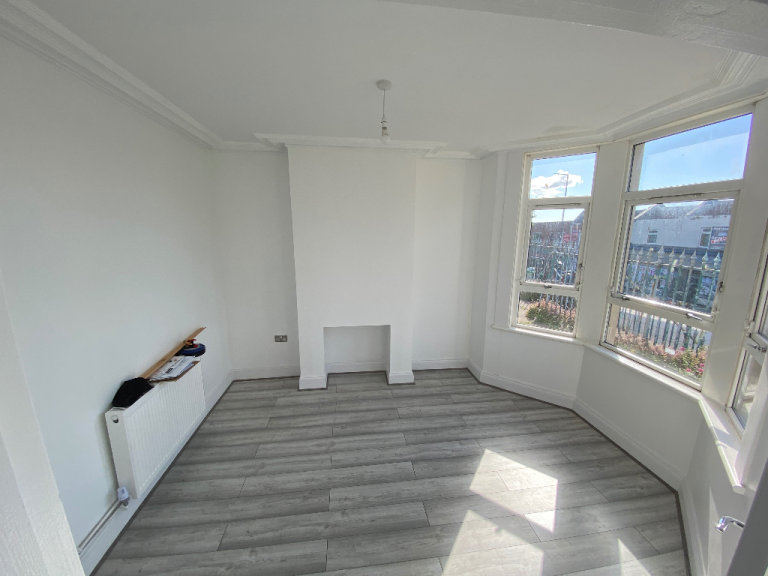
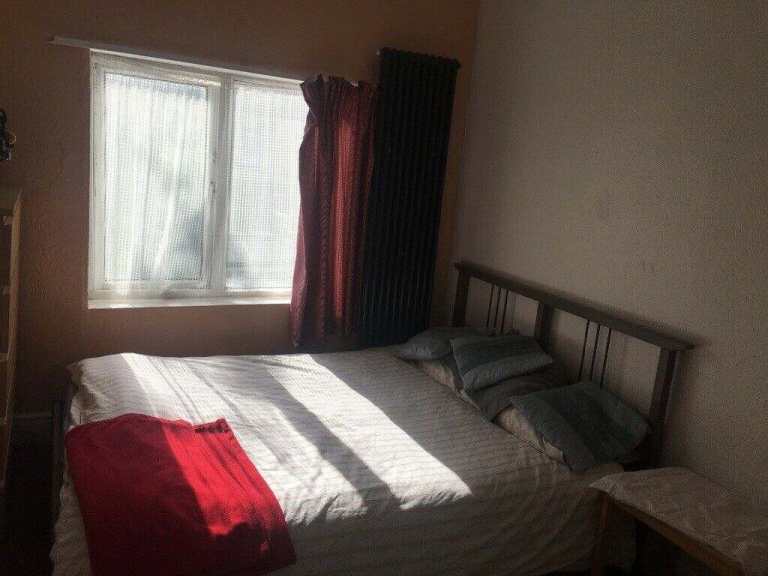
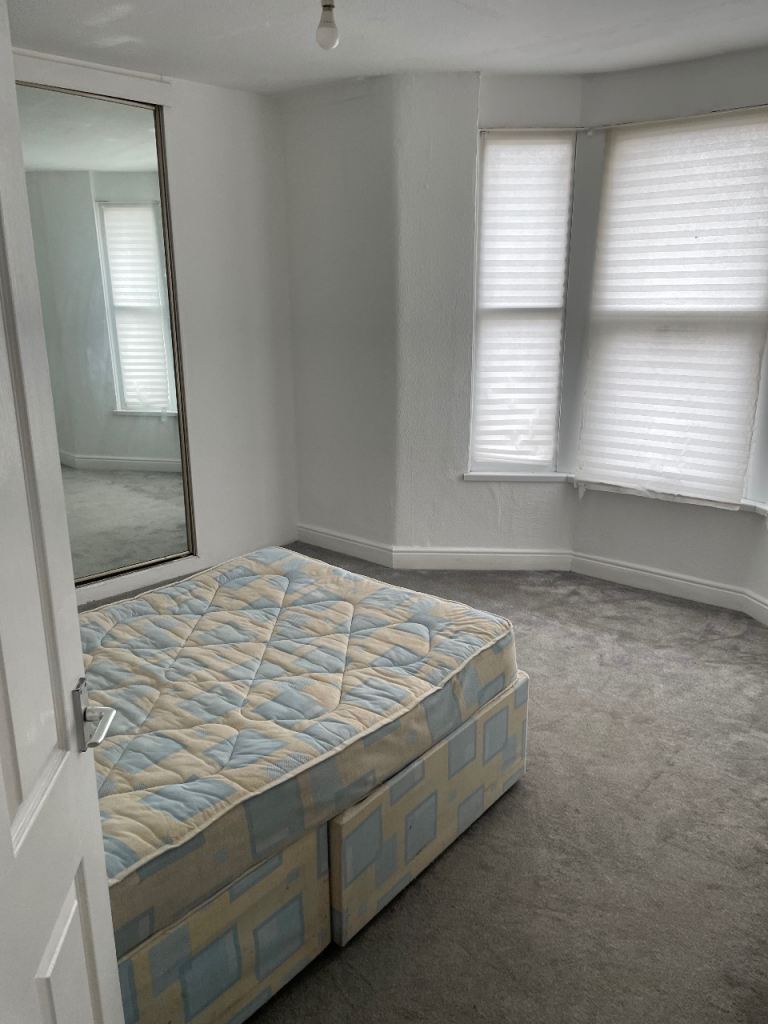
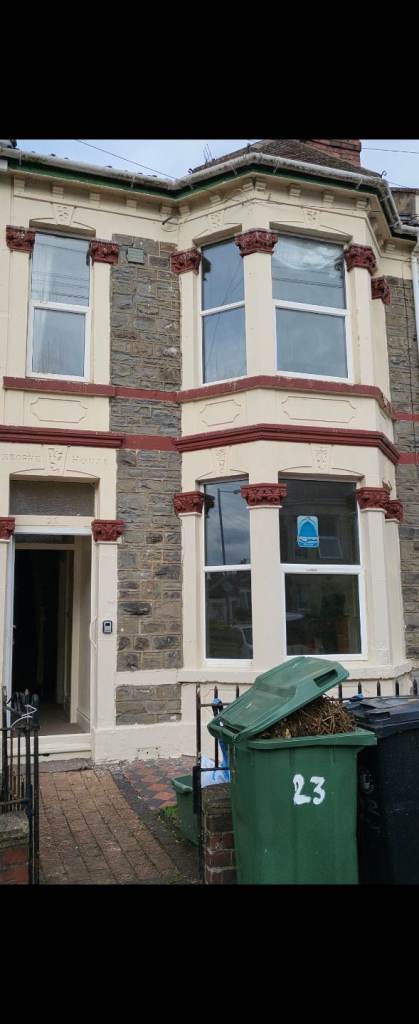
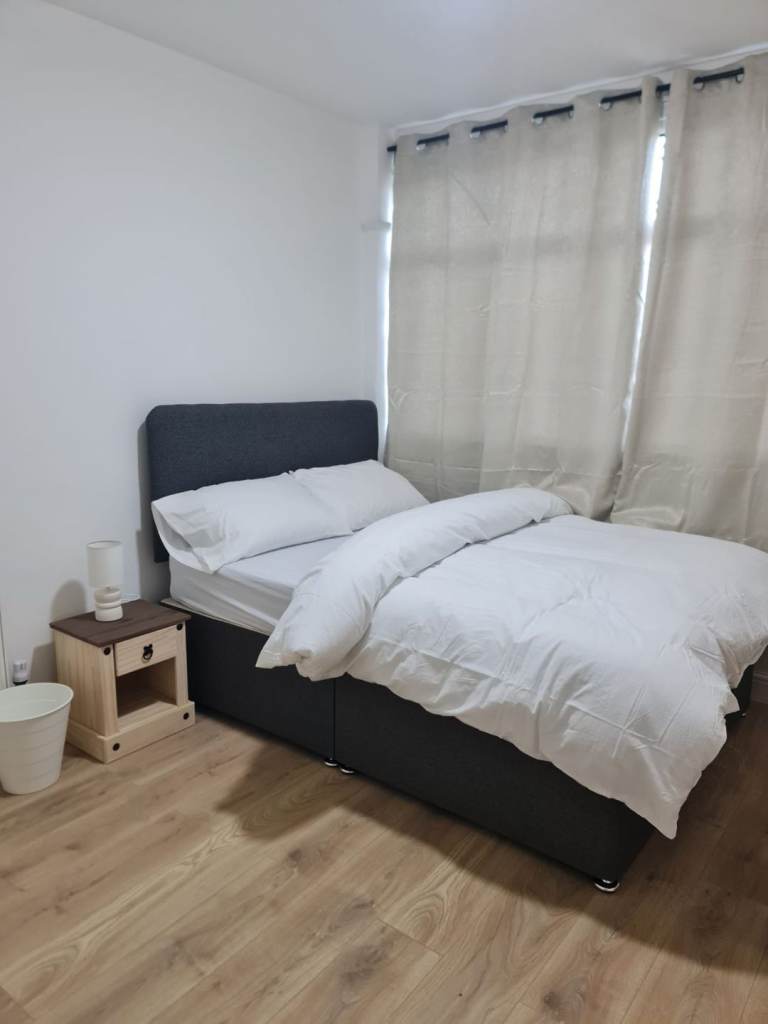
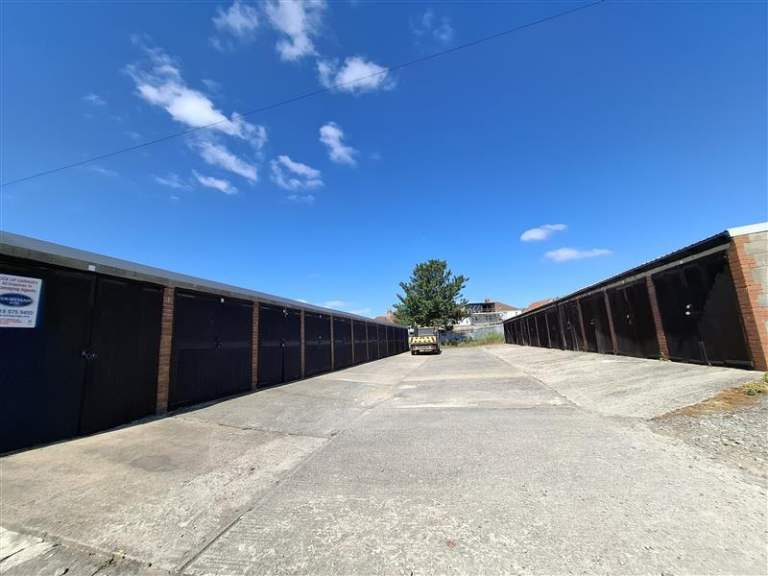
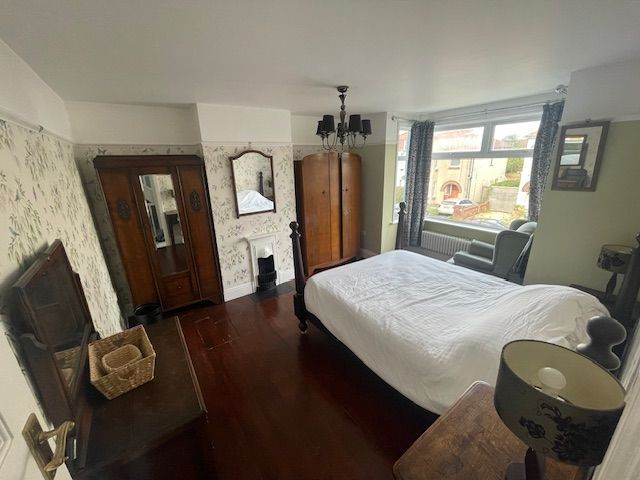
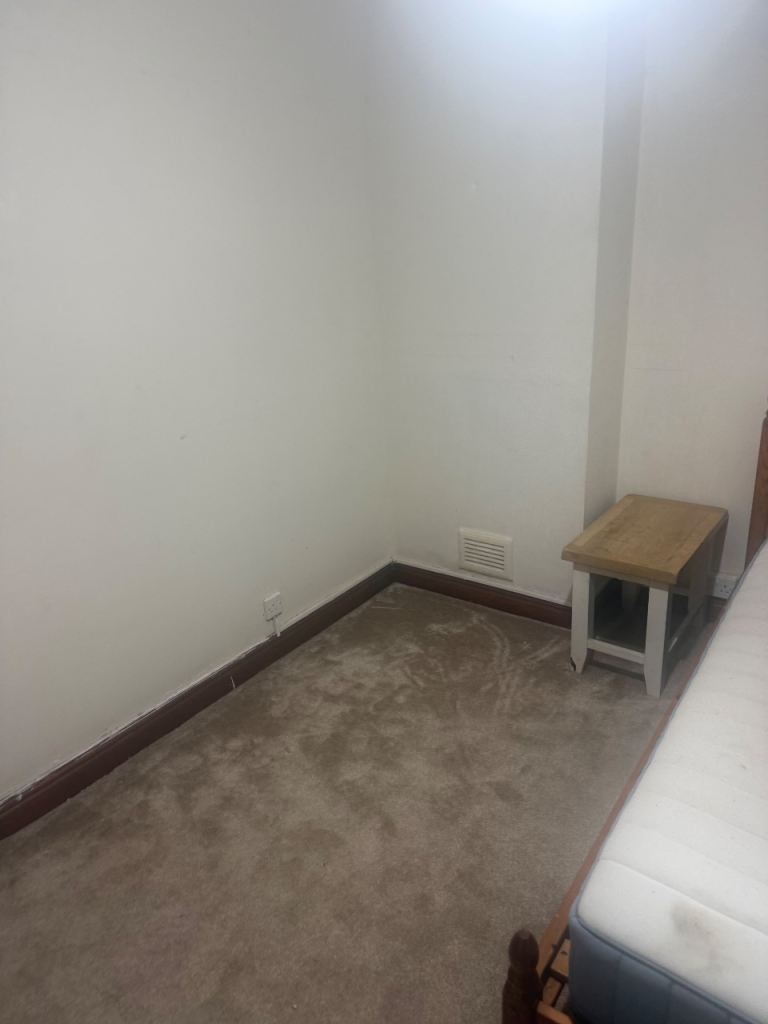
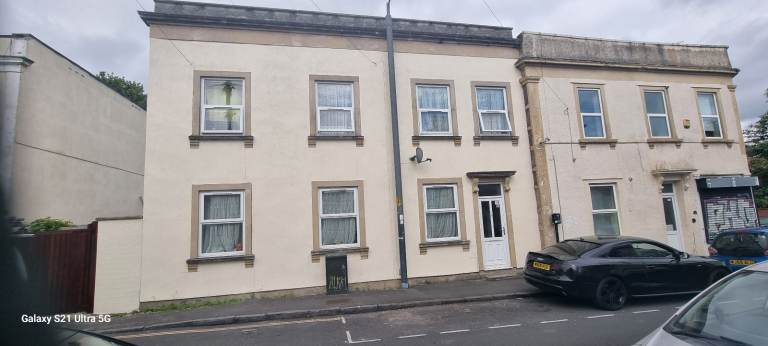
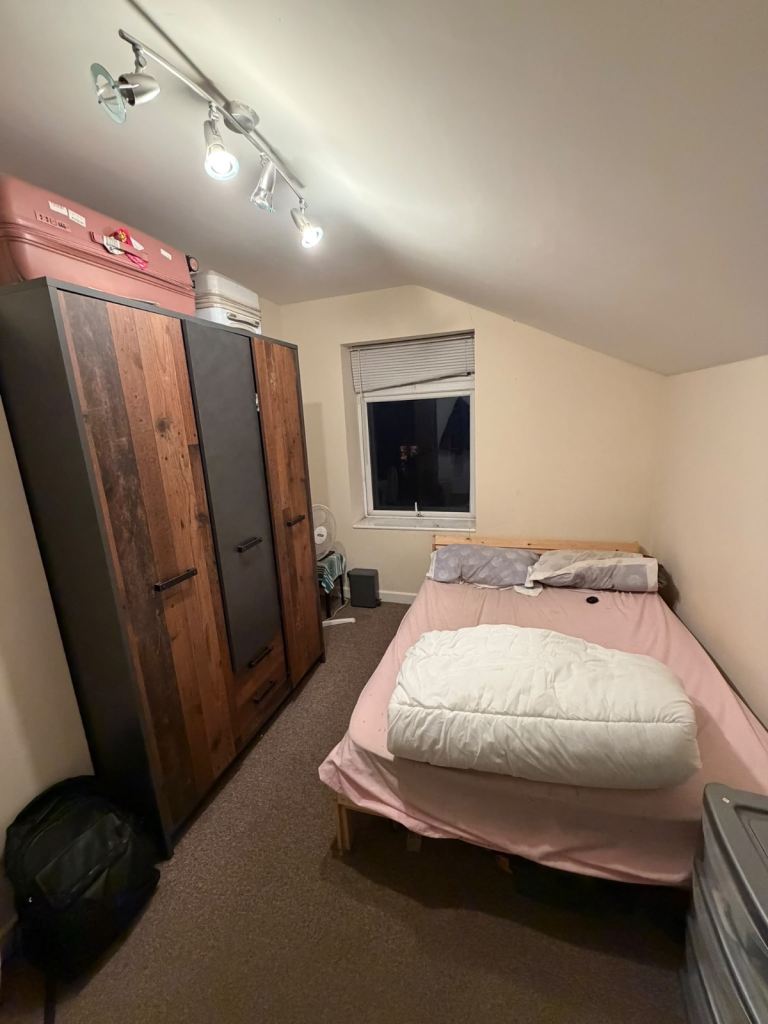
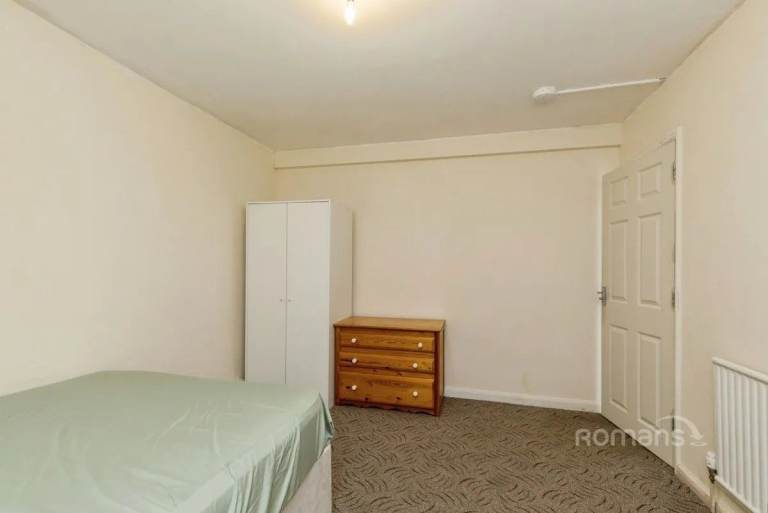
Stunning 3 bedroom house
PrivateHouse3 Beds
Fishponds, Bristol
£1,995pm
When viewing a property, check for signs of damp, mould, or leaks. Inspect the condition of the windows, doors, and heating system. Ensure all appliances included in the rental agreement are in good working order. Also, verify the property's Energy Performance Certificate (EPC) rating, as this affects your energy bills.
Private landlords in the UK, including Bristol, must adhere to several legal requirements. These include ensuring the property is safe and fit for habitation, protecting your deposit in a government-approved scheme, and providing you with an Energy Performance Certificate (EPC), a gas safety certificate (if applicable), and a 'How to Rent' guide at the start of your tenancy. They must also have the right to rent checks completed.
Before signing, ask about the deposit amount and the deposit protection scheme used. Clarify what bills are included in the rent and what you are responsible for. Enquire about the landlord's policy on repairs and maintenance, and how to report issues. Also, ask about the length of the tenancy agreement and any break clauses.
As a tenant, you have the right to live in a safe and habitable property. Your landlord must carry out necessary repairs within a reasonable timeframe. You also have the right to quiet enjoyment of the property, meaning the landlord cannot enter without giving you proper notice (usually 24 hours) unless it's an emergency. You also have the right to have your deposit protected in a government-approved scheme.
If your landlord fails to protect your deposit in a government-approved scheme within 30 days of receiving it, they are in breach of the law. You can take them to court, and the court can order them to pay you up to three times the deposit amount as compensation. You can also report them to the local council.