Featured
6
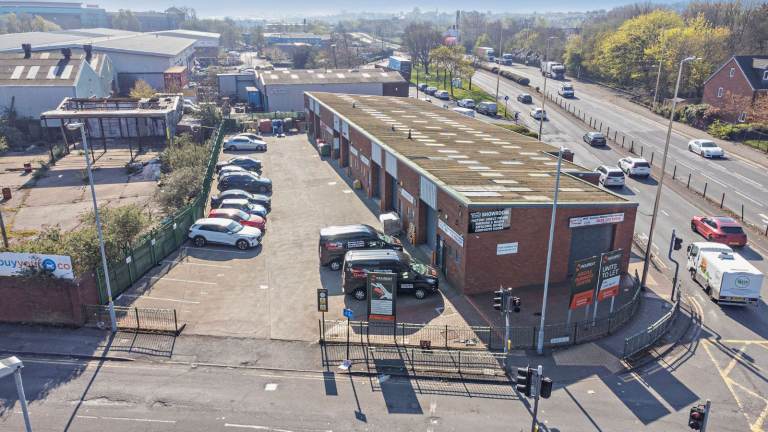
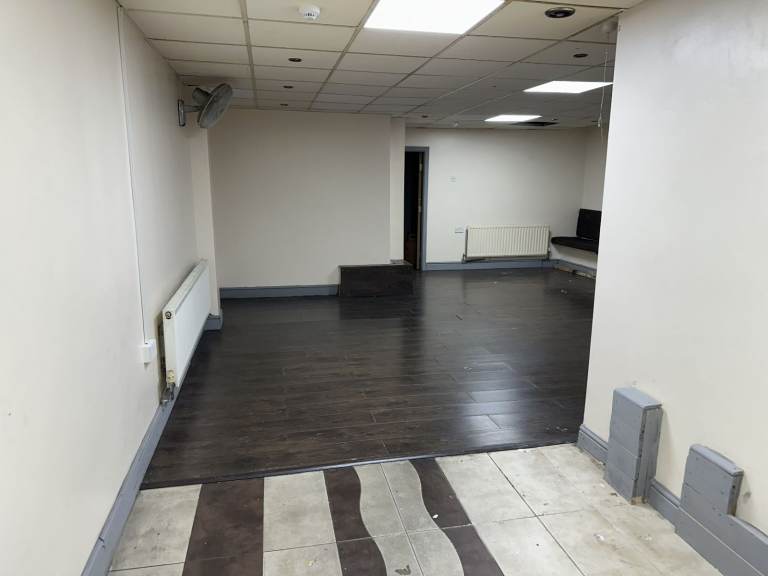
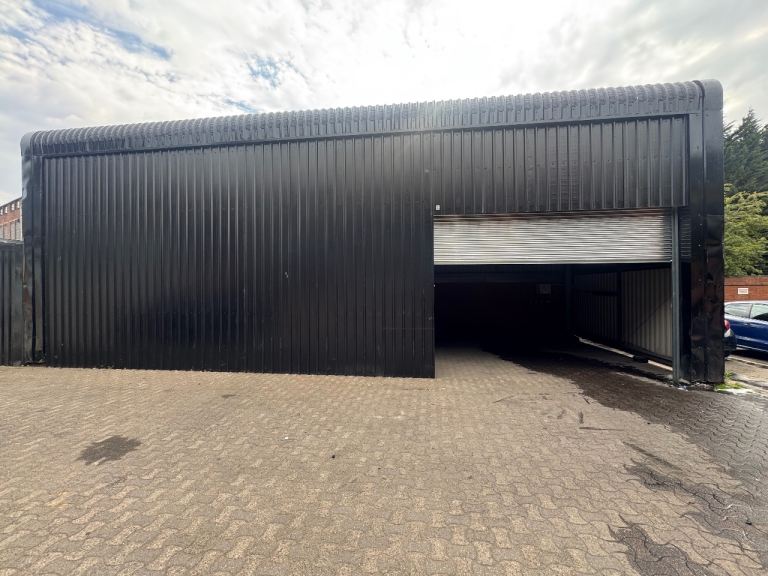
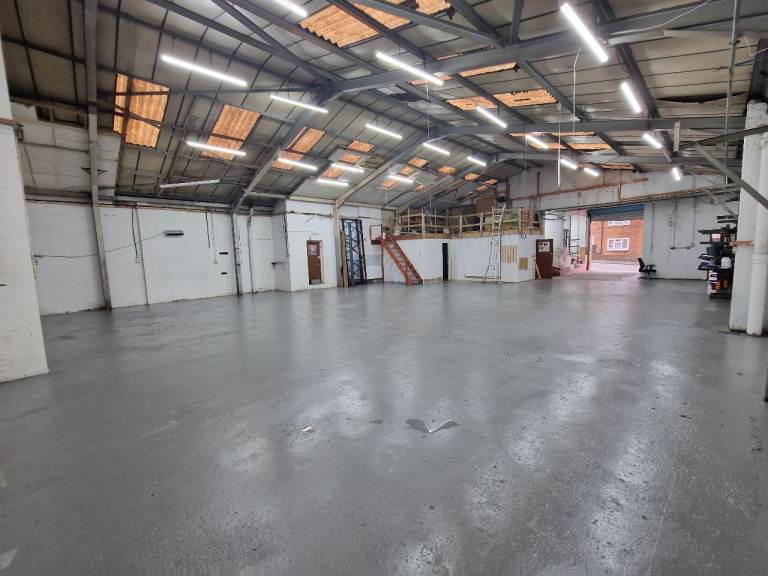
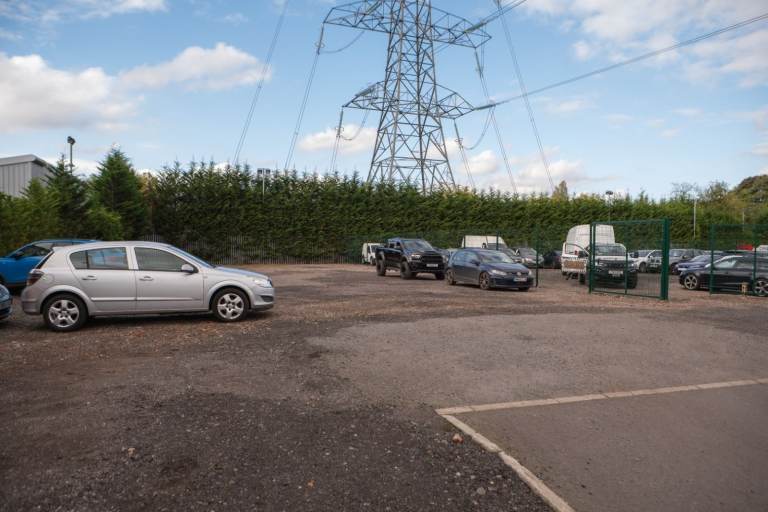
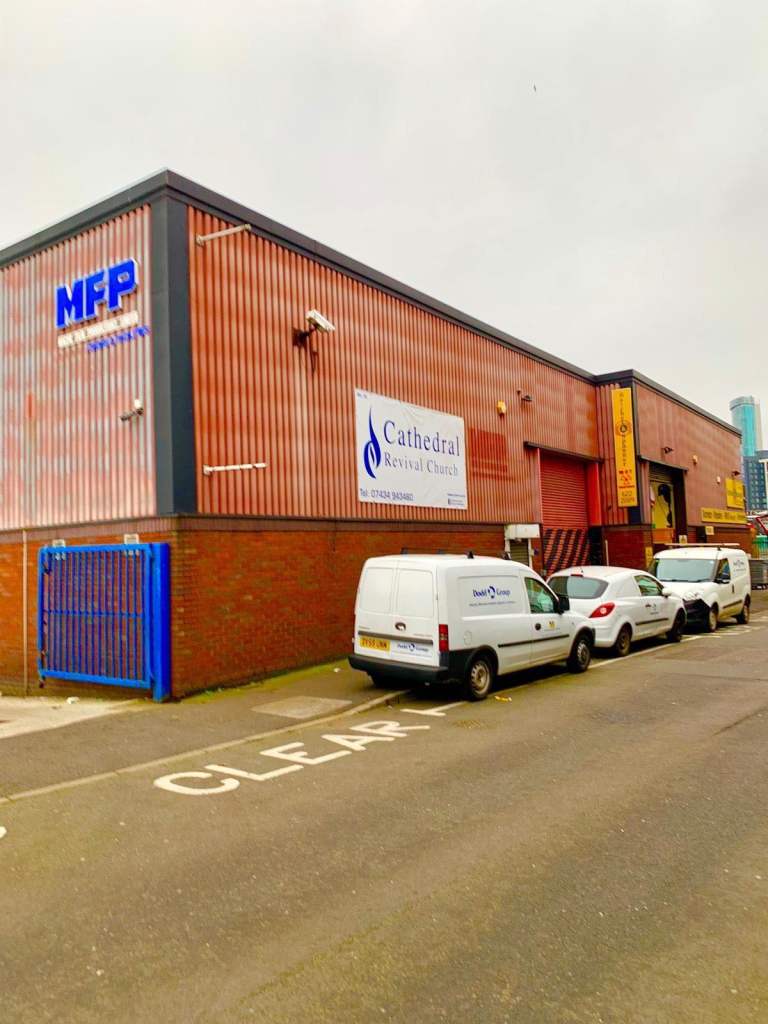
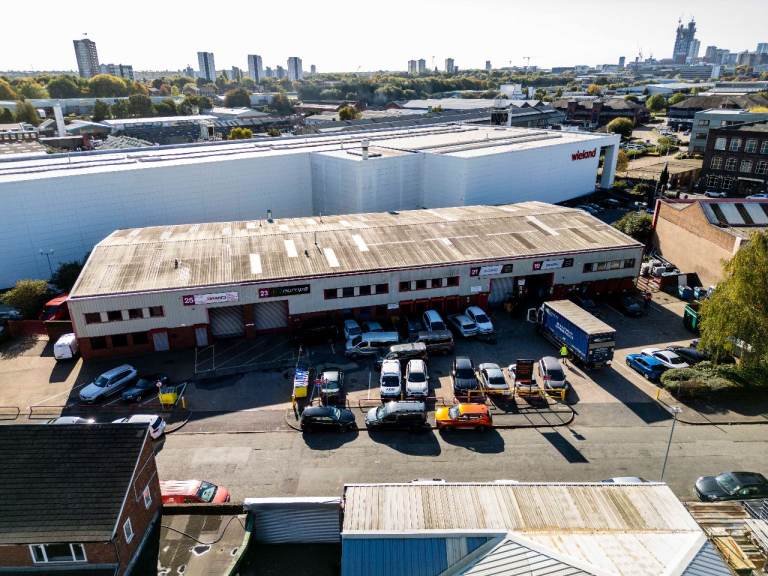
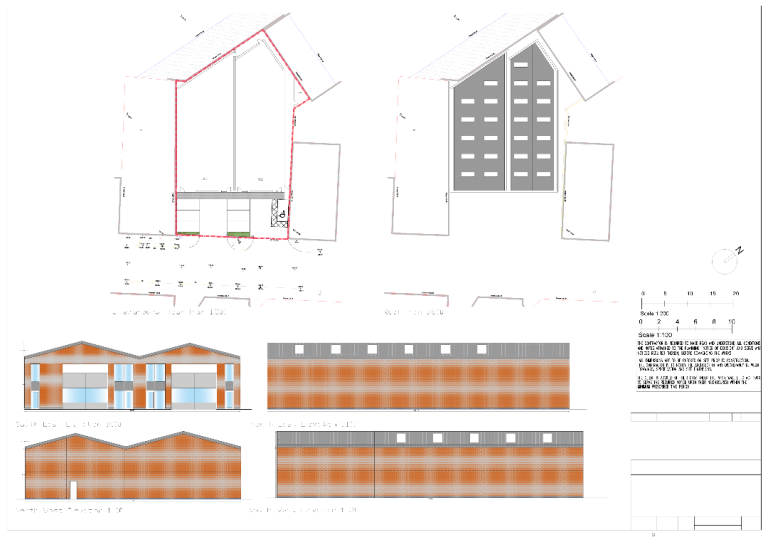
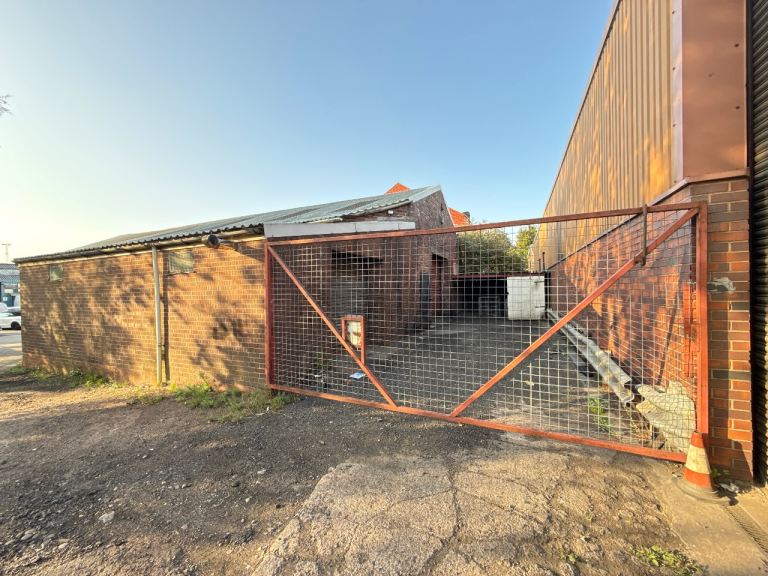
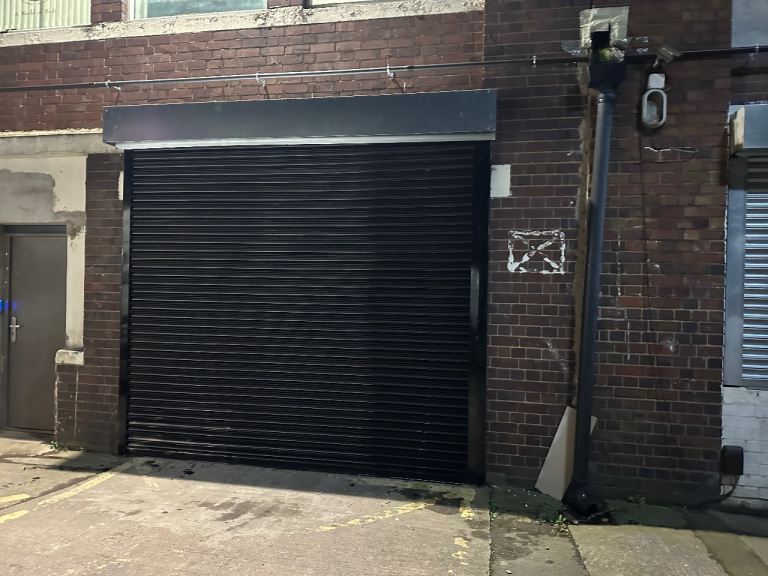
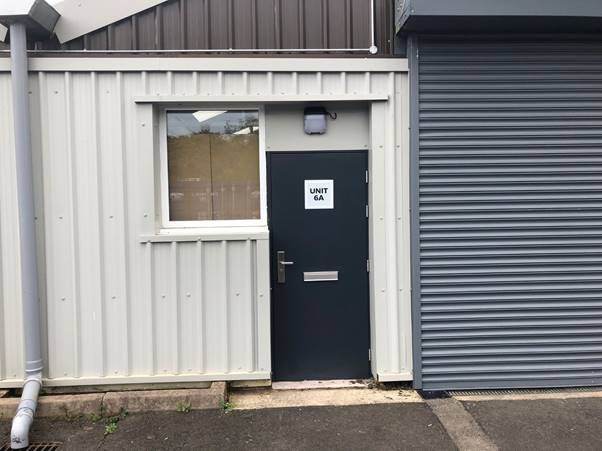
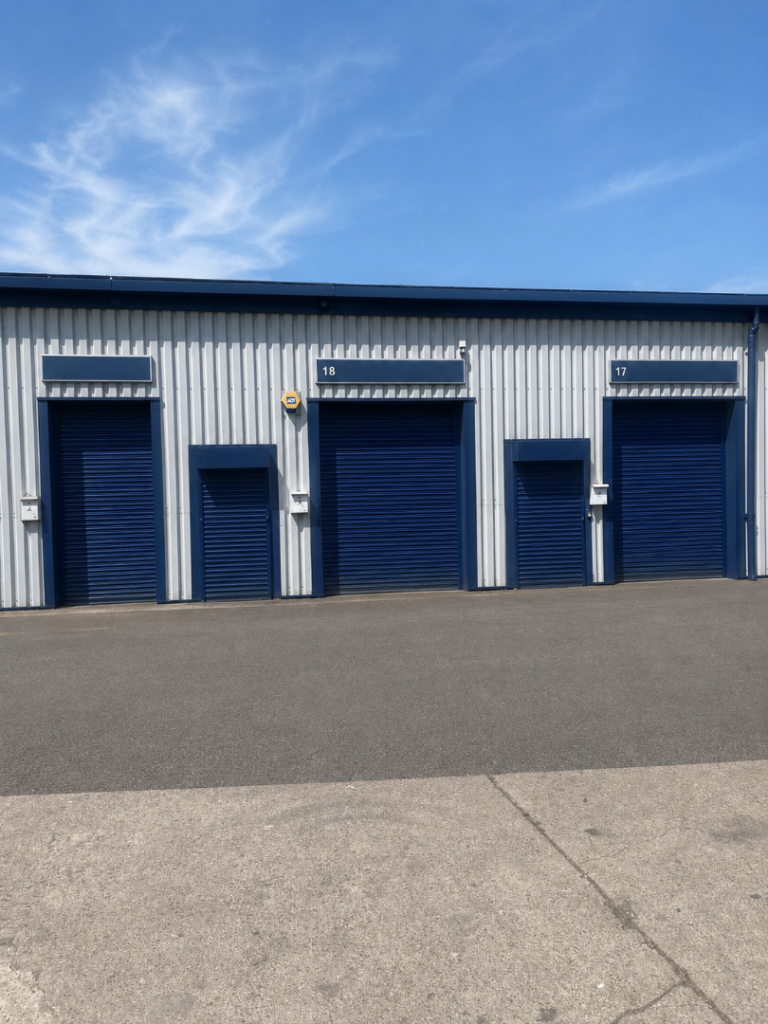
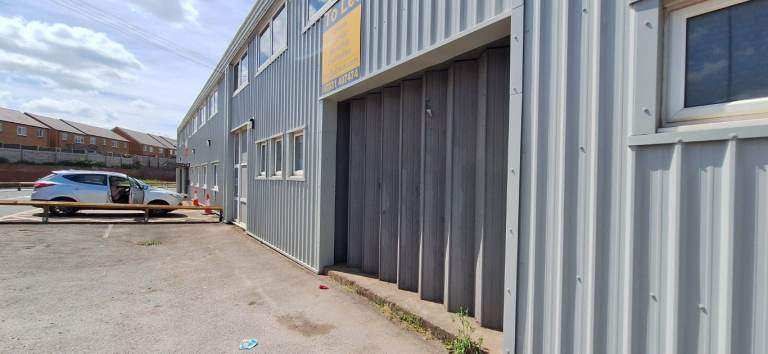
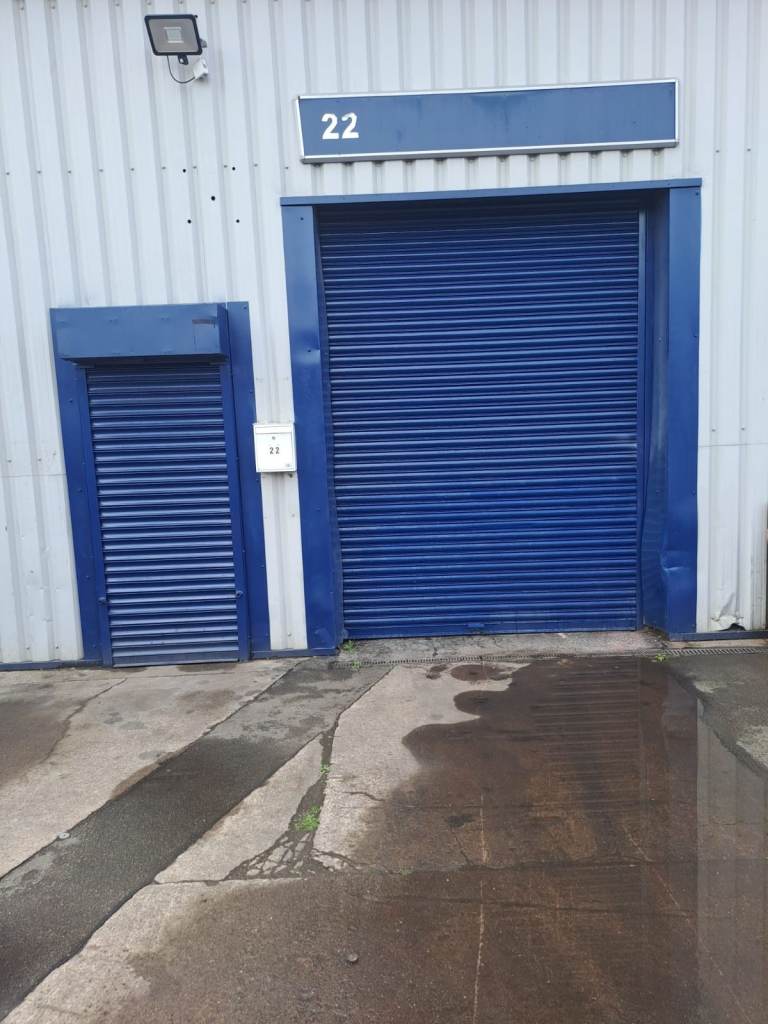
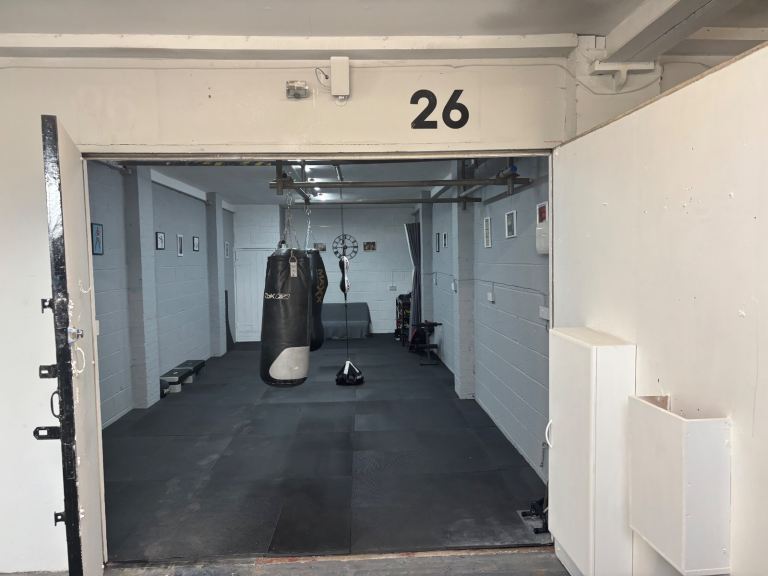
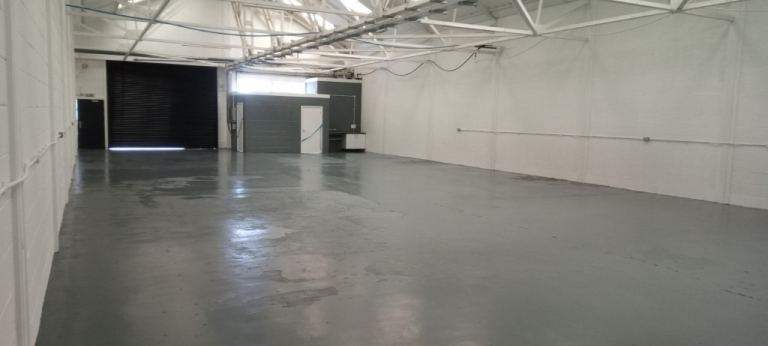
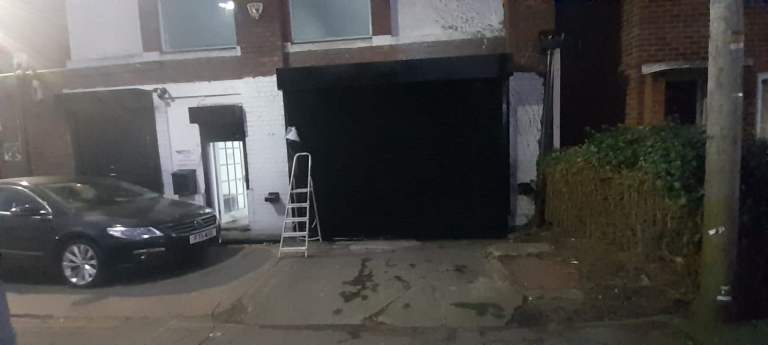
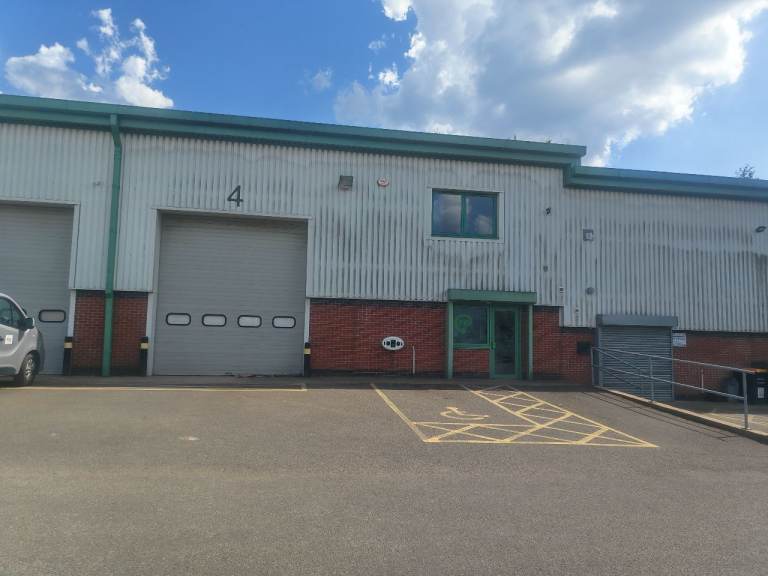
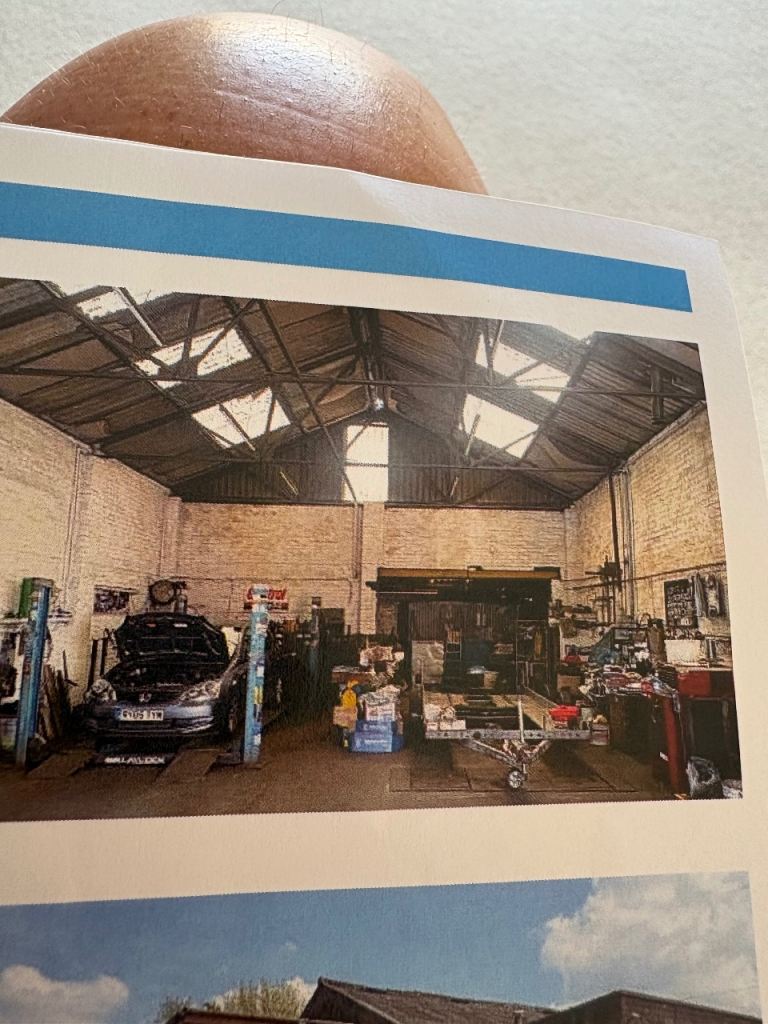
Coventry Storage Yards for Lease – Available Now!
PrivateDate available: 07 Feb 2026Industrial
Coventry, West Midlands
£4pm
Consider the size and layout of the unit, its accessibility for vehicles and deliveries, the proximity to major transport links, the availability of utilities (power, water, internet), and the zoning regulations for your intended use. Also, check the condition of the roof, walls, and flooring, and ensure there's adequate security.
Typical lease terms range from 3 to 25 years, often with break clauses allowing either party to terminate the lease after a specified period. Pay close attention to rent review clauses (usually upwards only), repair obligations (full repairing and insuring leases are common), and permitted use clauses. Seek legal advice to understand your rights and responsibilities.
Verify that your intended business activities are permitted under the property's existing planning permission. Contact the local planning authority (usually the local council) to confirm the use class and whether any additional permissions are required for your specific operations. Operating without proper planning permission can lead to enforcement action.
Industrial properties must comply with health and safety regulations, including fire safety standards, electrical safety, and waste management. Ensure the property has up-to-date fire risk assessments, adequate fire extinguishers and alarms, and proper ventilation. You may also need to comply with specific regulations related to your industry, such as COSHH (Control of Substances Hazardous to Health) if you handle hazardous materials.
Beyond the monthly rent, budget for business rates (a local property tax), service charges (covering maintenance of communal areas), insurance (building and contents), utility bills, and potential costs for dilapidations (repairs needed at the end of the lease to return the property to its original condition). Obtain detailed estimates for these costs before signing the lease.