Featured
22
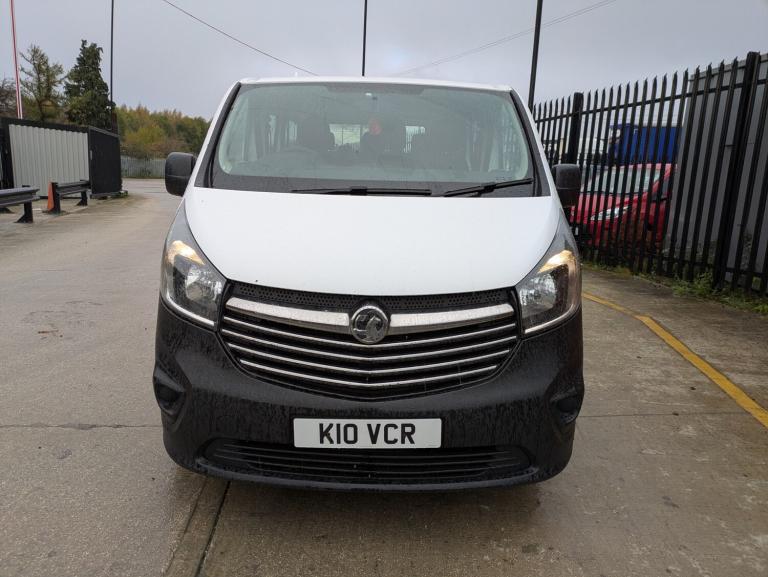
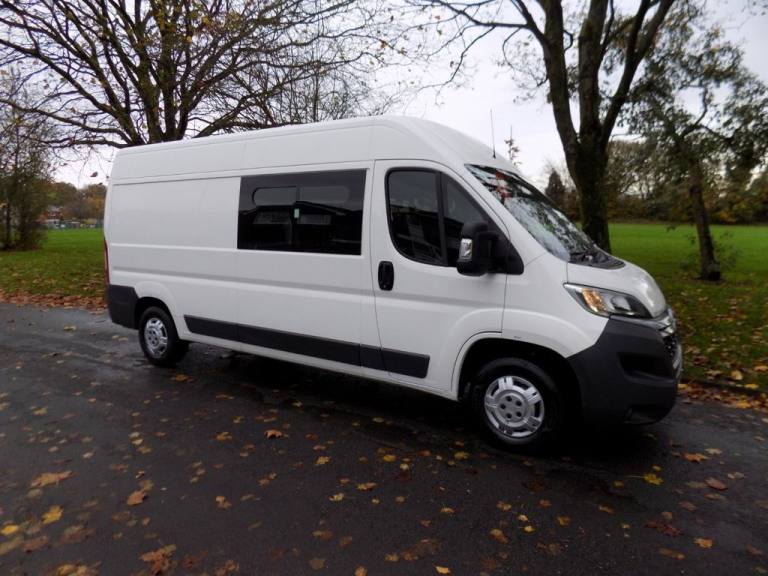
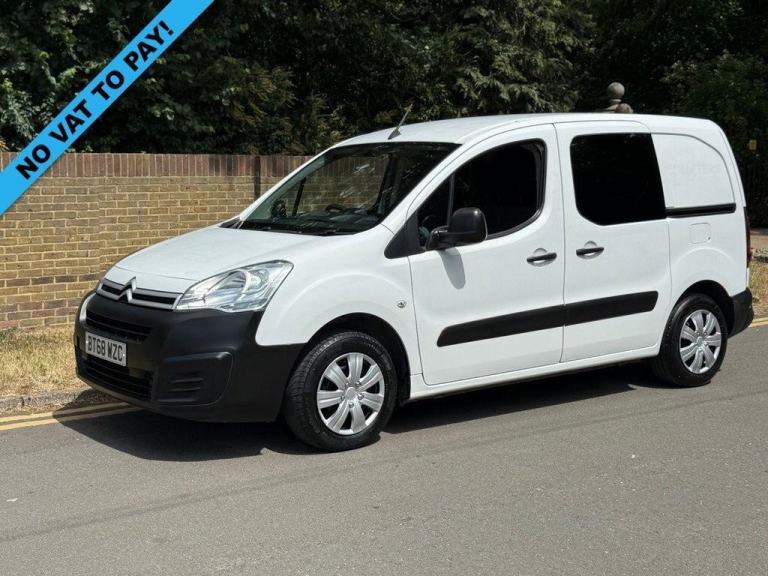
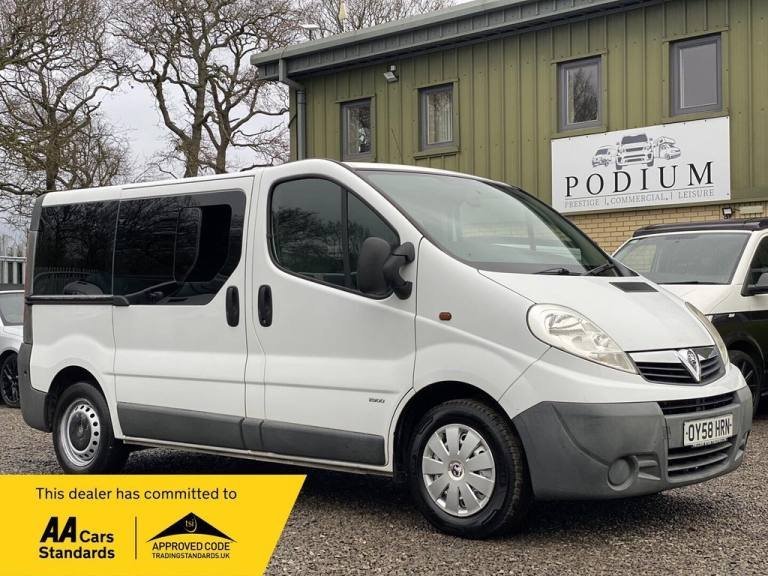
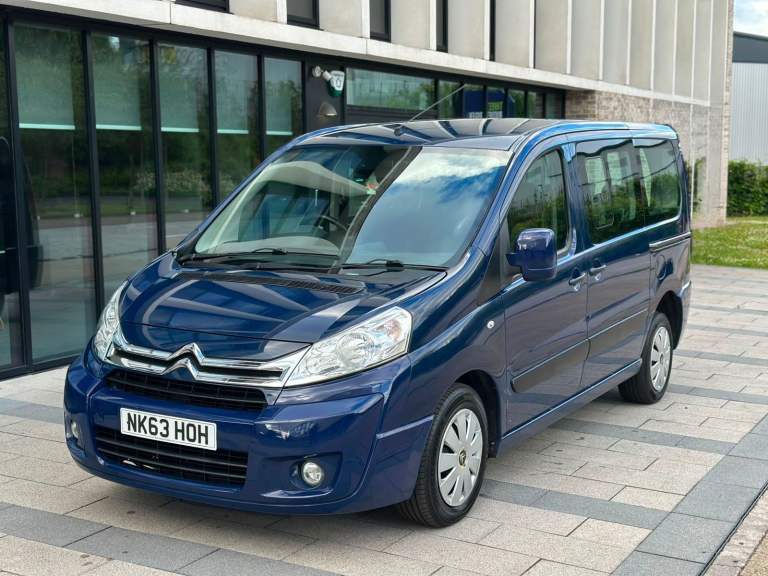
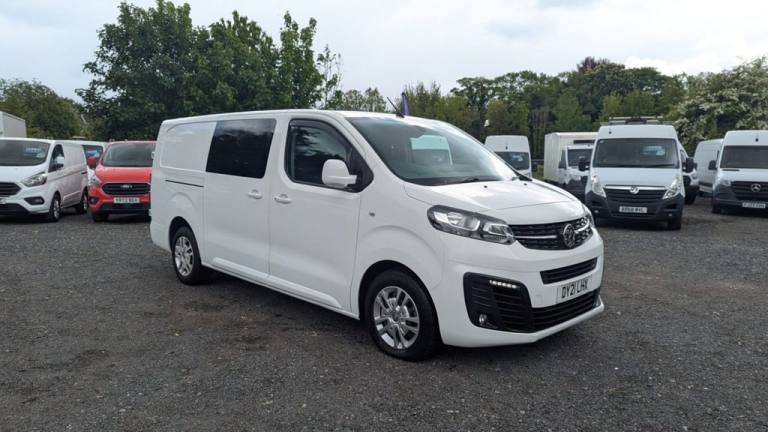
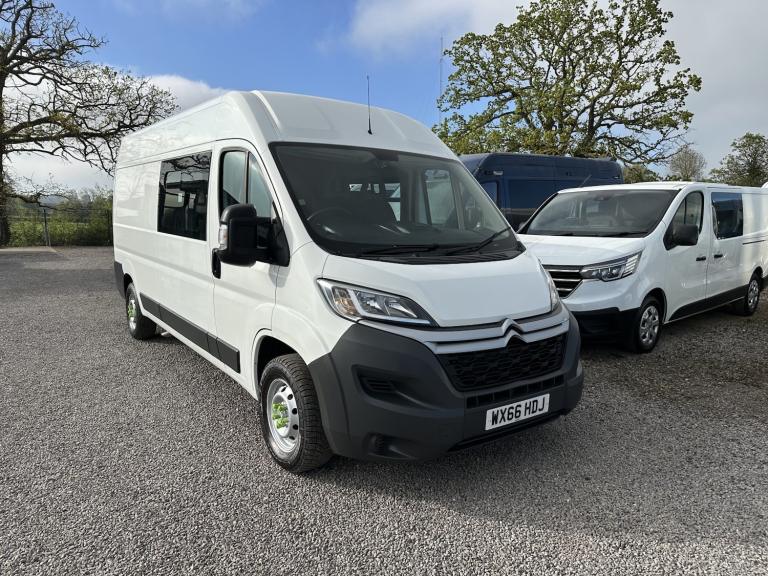
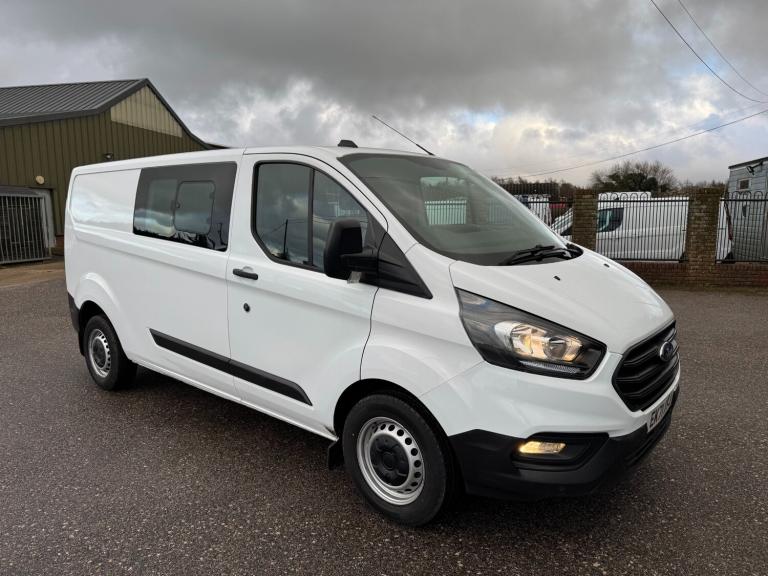
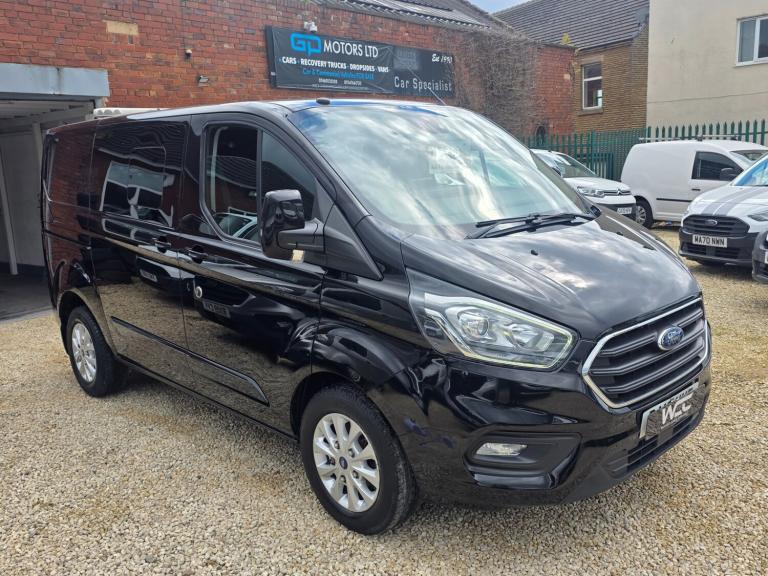
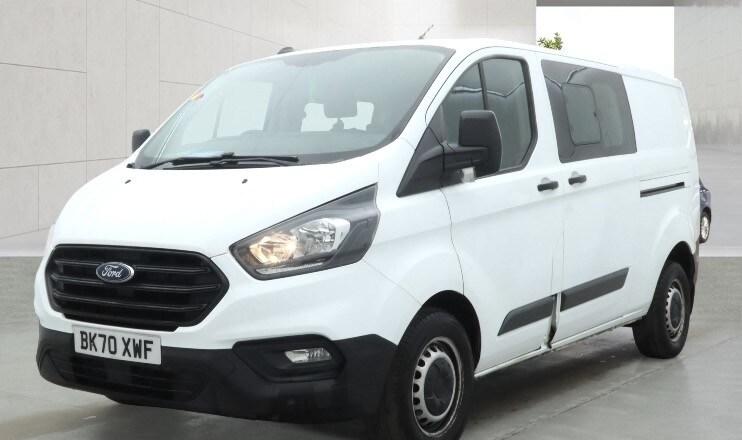
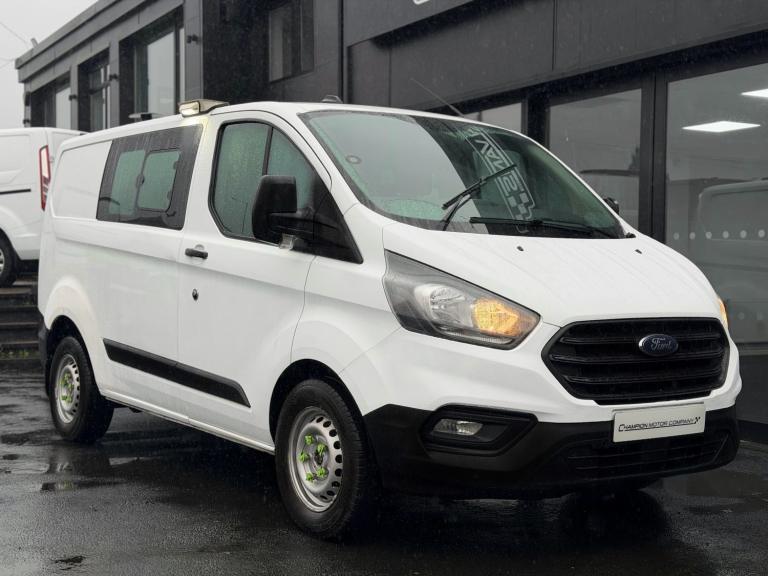
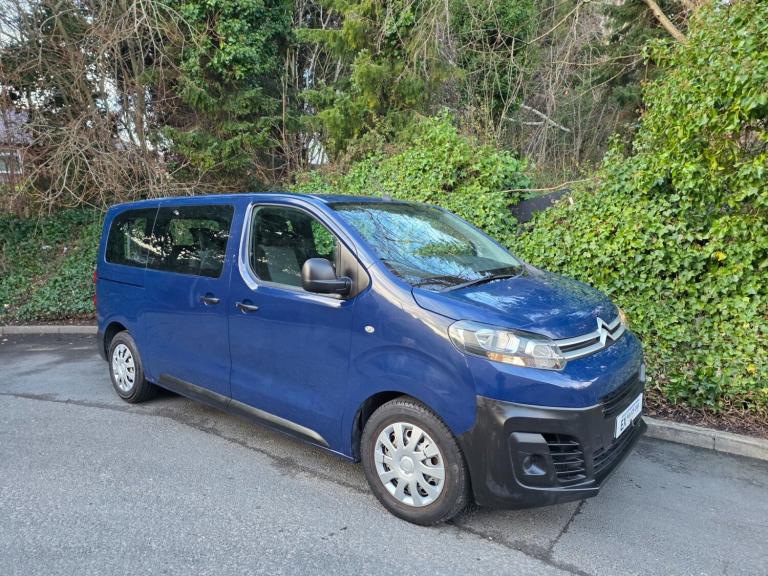
2017 CITROEN DISPATCH COMBI 1.6 BLUEHDI 115 EURO 6 MWB MPV 8 SEATS MINIBUS VAN
2017149,000 milesTradeDiesel1,560 cc
Droylsden, Manchester
£10,995 (No VAT)
Finance from £231 pm
Thoroughly inspect the engine for any leaks or unusual noises. Check the bodywork for rust, dents, and signs of previous repairs. Examine the tyres for wear and tear, and ensure the tread depth meets legal requirements. Test all the electrics, including lights, indicators, and the radio. Check the condition of the seats and interior, and ensure all seatbelts are functioning correctly. Finally, verify the service history and MOT certificate.
You must have a valid driving licence that covers the weight and type of van you're driving. The van must have a valid MOT certificate and be properly taxed. You'll also need appropriate insurance coverage. If you're using the van for commercial purposes, you may need a goods vehicle operator's licence. Ensure the van's load is safely secured and within the legal weight limits.
Common issues include worn suspension components, clutch problems, turbocharger failures (especially in diesel models), and electrical faults. Check for signs of water leaks in the cabin and cargo area. Pay close attention to the condition of the exhaust system, as repairs can be costly. A thorough test drive is essential to identify any potential problems.
Consider the number of passengers you need to carry regularly. Think about the amount of cargo space you require. Evaluate the fuel economy and running costs. Consider the van's intended use (e.g., commuting, work, leisure) and choose a model that suits your needs. Pay attention to the van's safety features, such as airbags and electronic stability control. Also, consider the availability of spare parts and servicing in your area.
Always ensure that all passengers are wearing seatbelts. Secure any cargo properly to prevent it from shifting during transit. Be aware of the van's increased size and weight, and adjust your driving accordingly. Allow for longer braking distances and be cautious when cornering. Regularly check tyre pressures and fluid levels. If carrying heavy loads, consider upgrading the suspension for improved stability. Familiarise yourself with the van's load capacity and never exceed it.