Featured
1/2
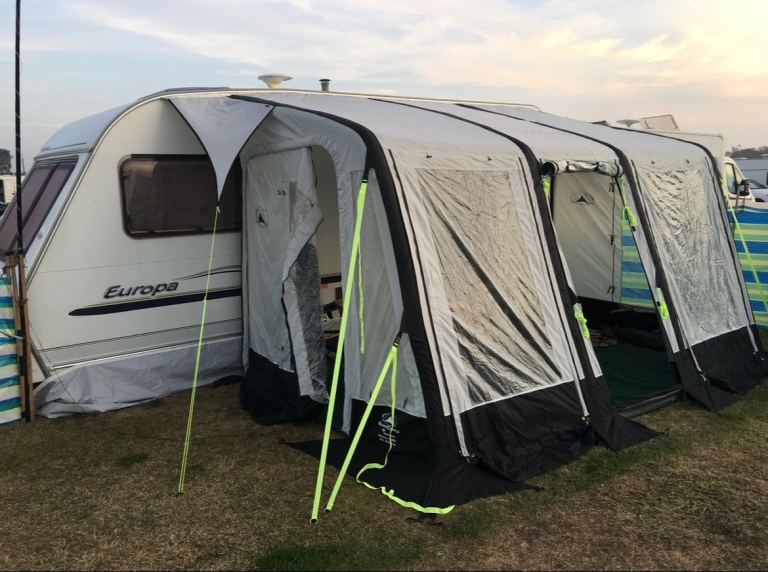
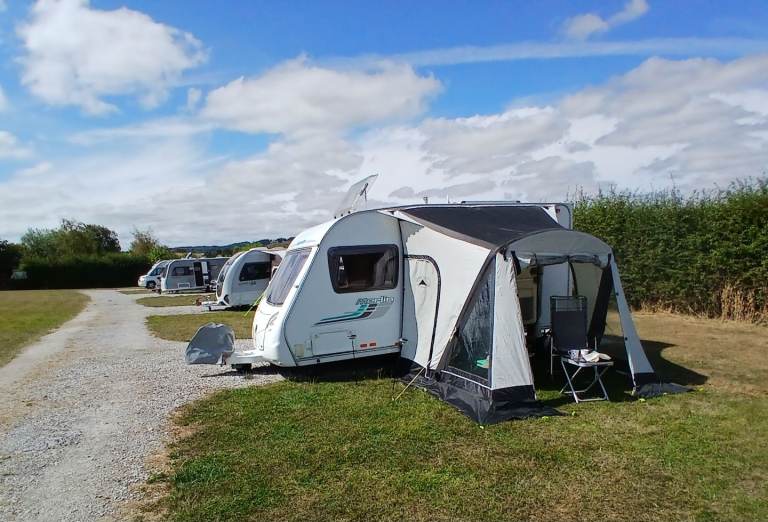
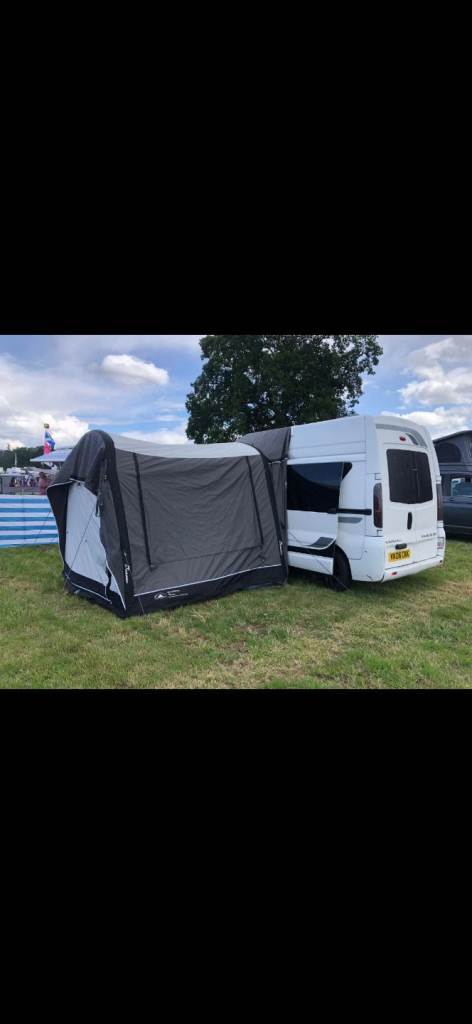
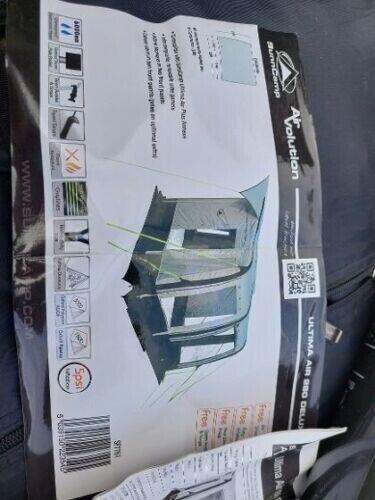
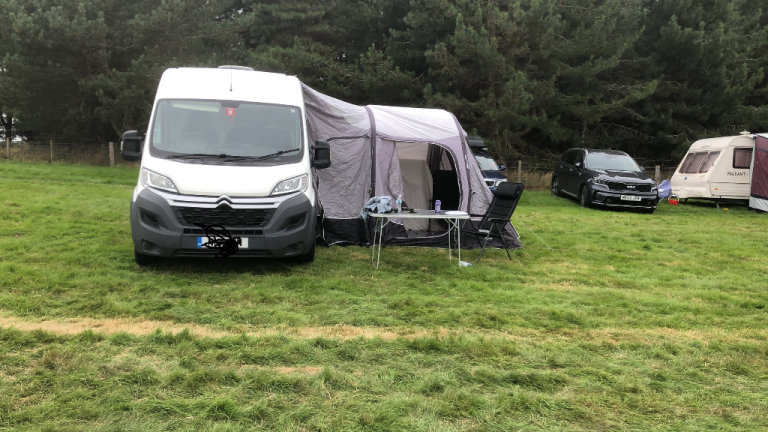
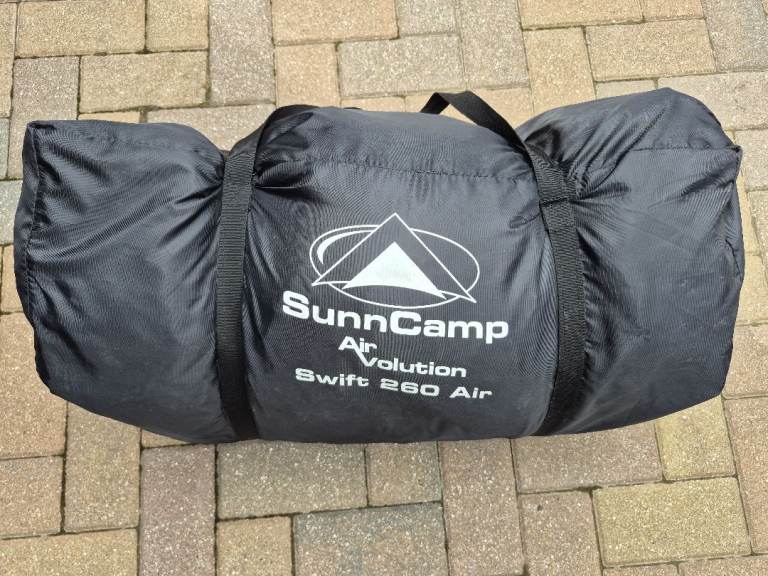
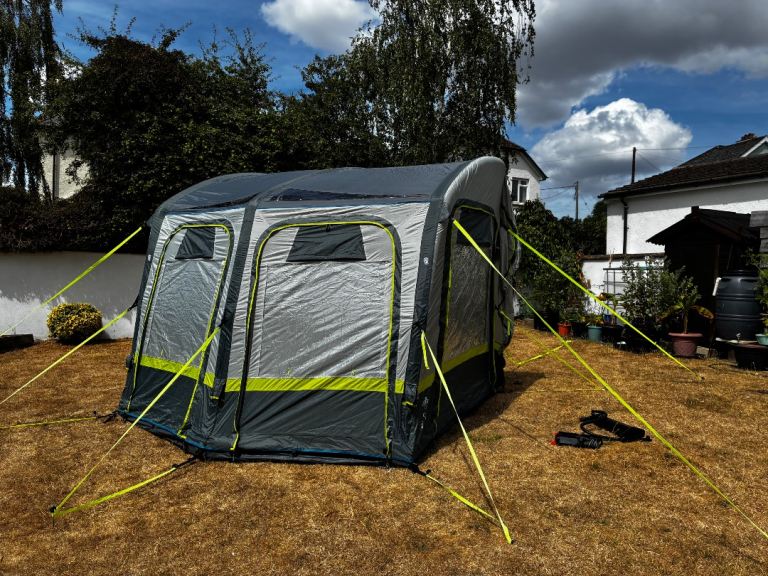
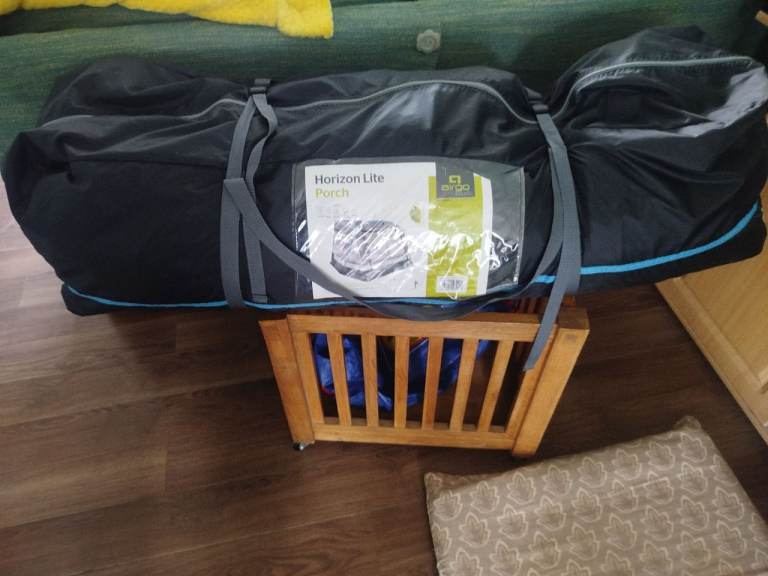
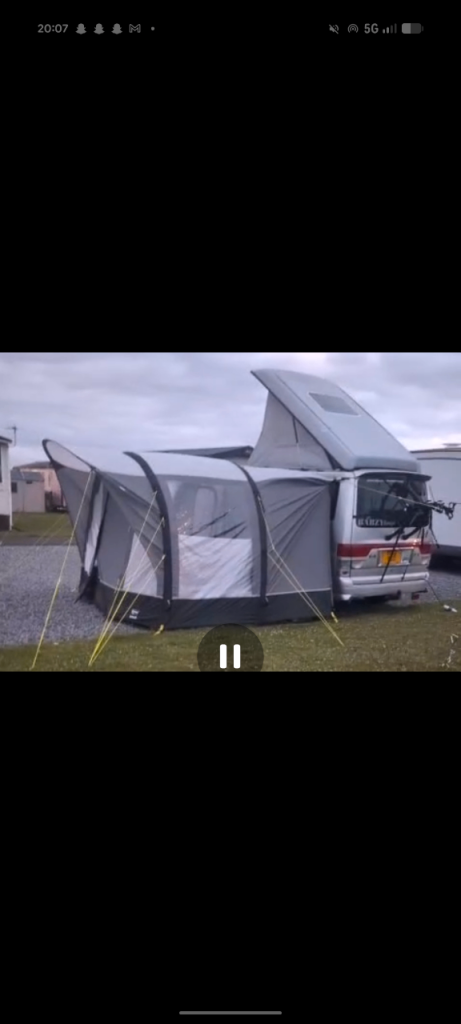
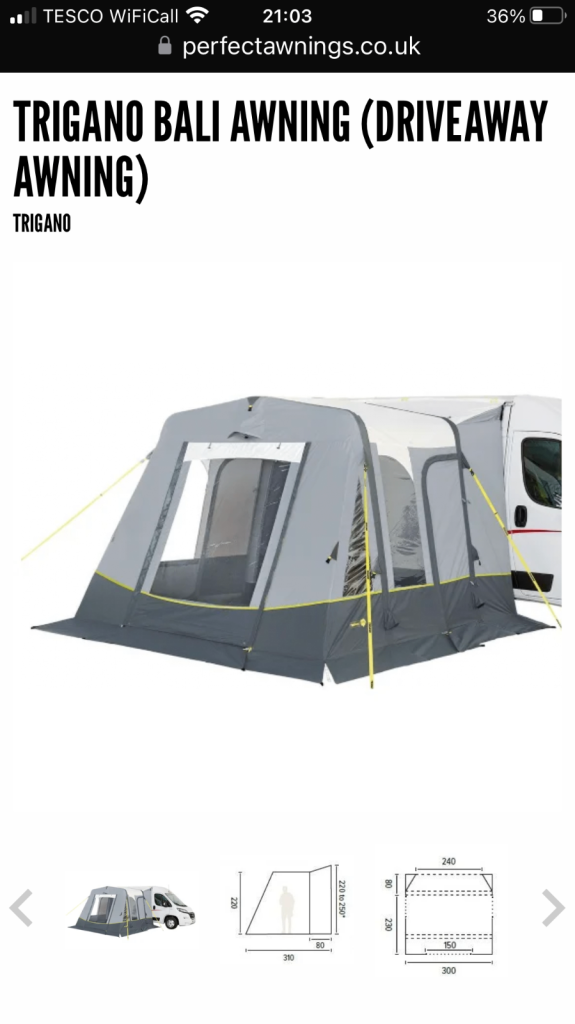
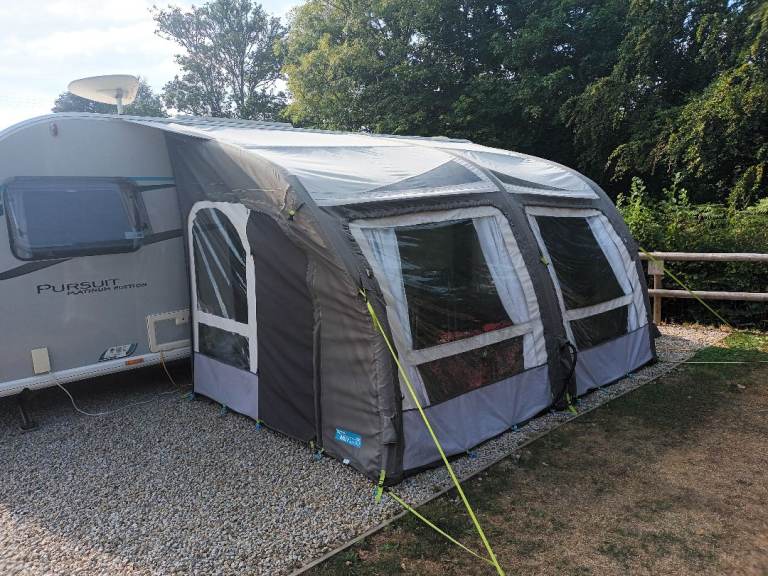
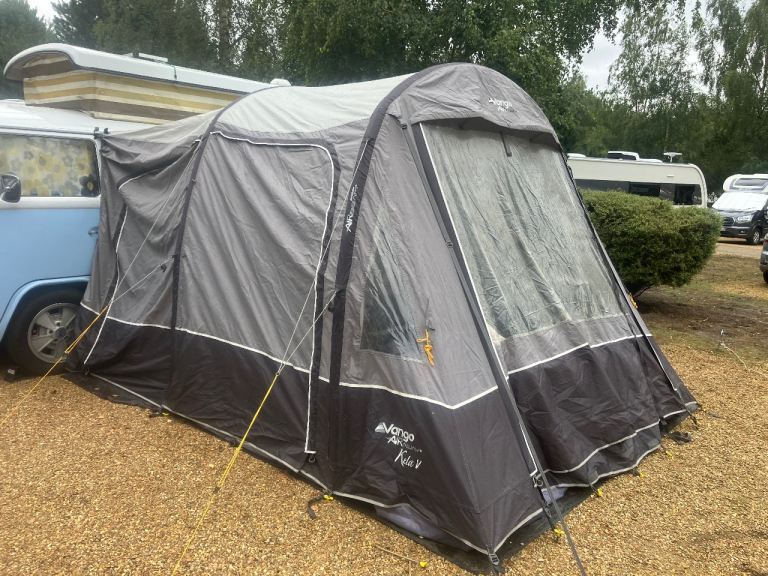
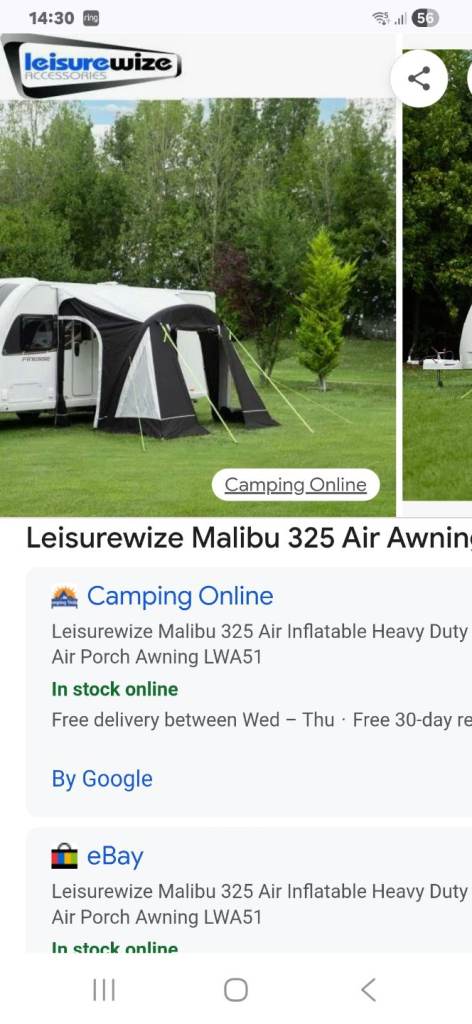
Liezure wise 325 air awning
Marske-by-the-Sea, North Yorkshire
£220
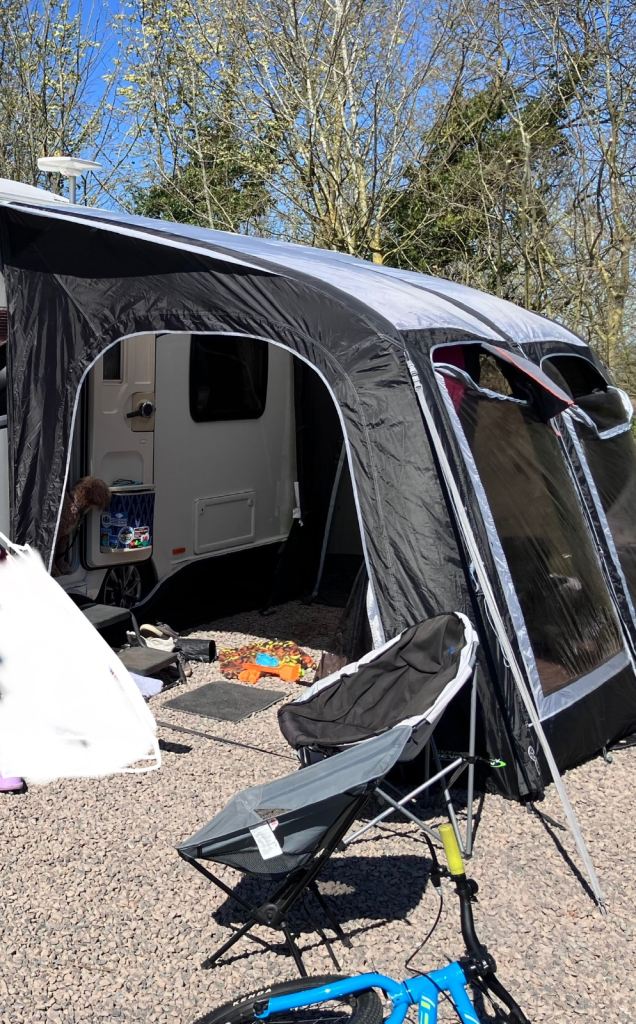
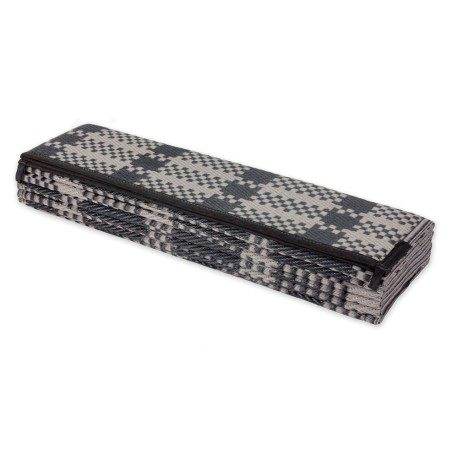
Carefully inspect the inflatable tubes for any signs of wear, damage, or leaks. Check all seams and zips for integrity. Inflate the awning fully to ensure it holds air pressure evenly and there are no bulges or weak spots. Look for any repairs or patches, and assess their quality. Also, check the condition of the groundsheet and any included accessories like pumps or pegs.
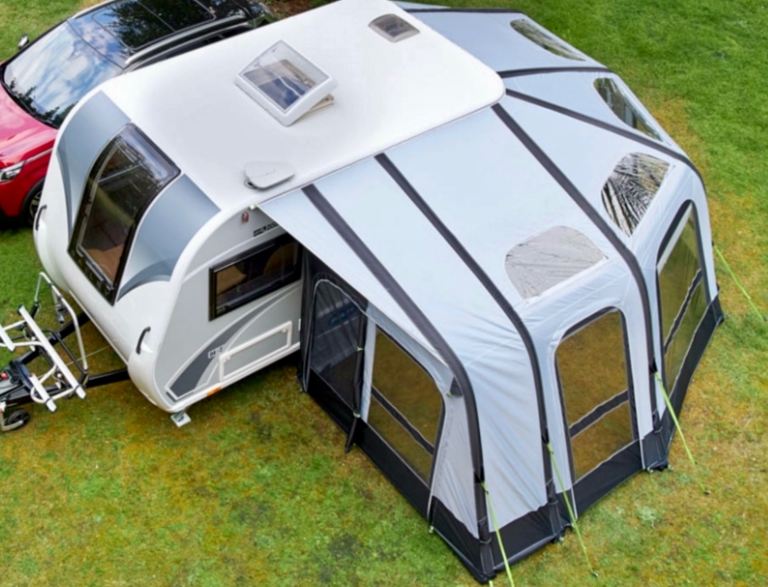
Air awnings are generally quicker and easier to erect than traditional pole awnings, as they inflate rather than requiring individual poles to be assembled. They can also be lighter and more compact for storage. However, they may be more susceptible to puncture damage and require a pump for inflation.
The correct size awning will depend on the height of your caravan or campervan's awning rail and the desired width and depth of the awning. Measure the awning rail height accurately and consult the awning manufacturer's specifications to ensure compatibility. Consider the available space on your pitch and the number of people you need to accommodate within the awning when choosing the width and depth.
Always use the correct pump and pressure settings recommended by the manufacturer to avoid over-inflation and potential damage. Ensure the awning is securely pegged down, especially in windy conditions. Regularly inspect the awning for any signs of wear or damage. Never use open flames or heat sources near the awning fabric. Be mindful of the awning's proximity to overhead power lines.
Look for awnings made from durable, waterproof, and UV-resistant materials. Consider the denier (thickness) of the fabric, as higher denier fabrics are generally more robust. Check the quality of the stitching and seams. Awnings with reinforced stress points will be more resistant to tearing. Also, consider the type of inflation valve and its ease of use.