What should I check when buying a used Vespa scooter?
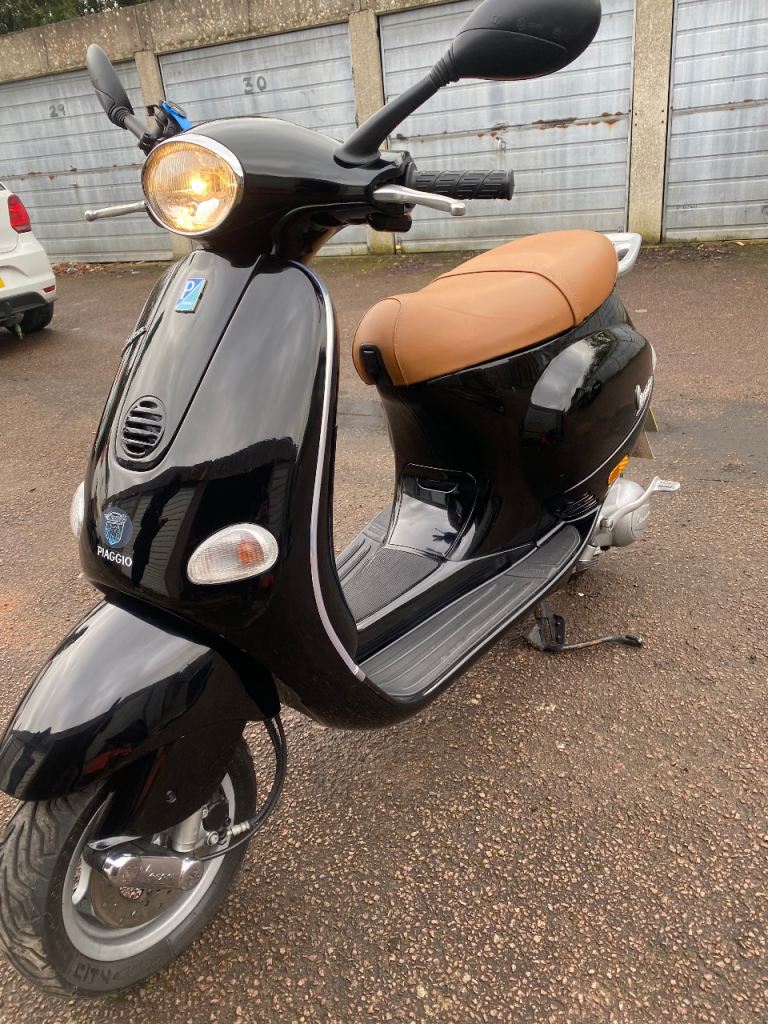
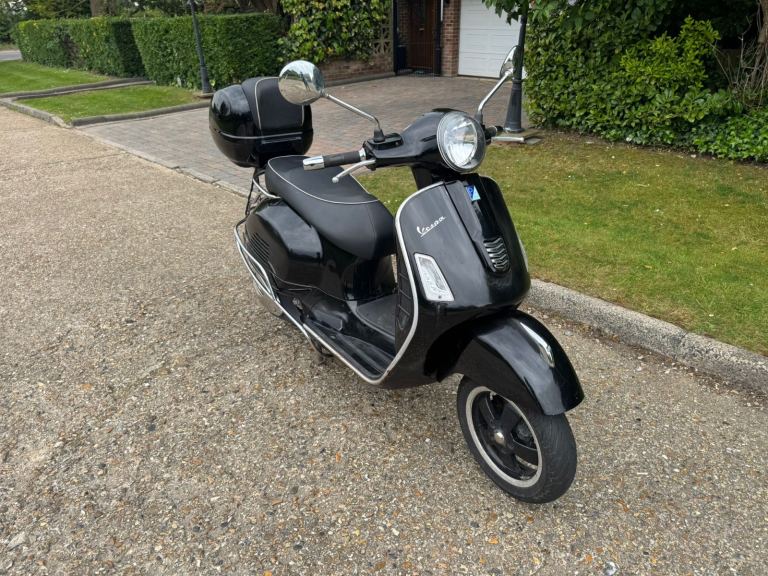
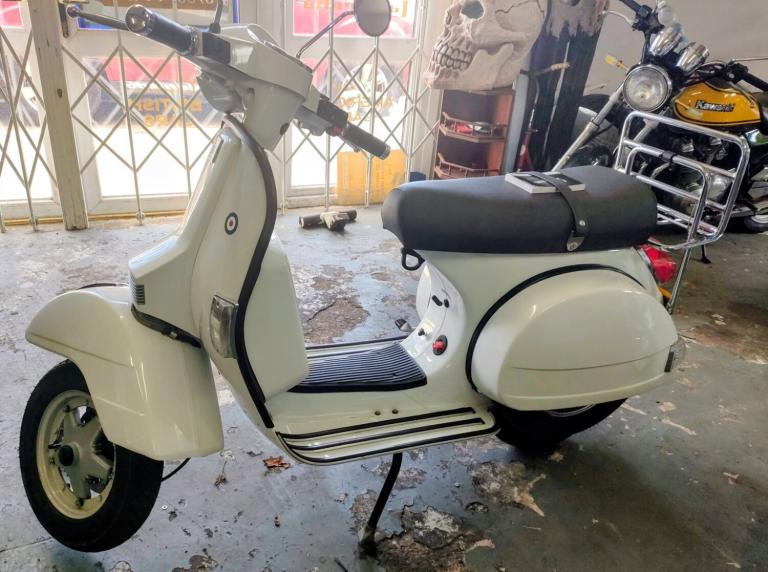
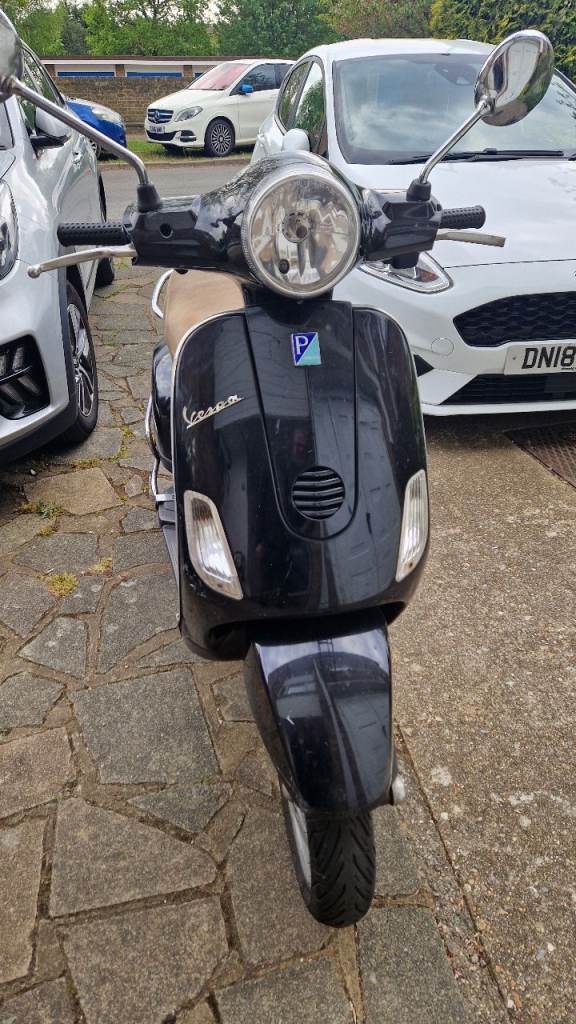
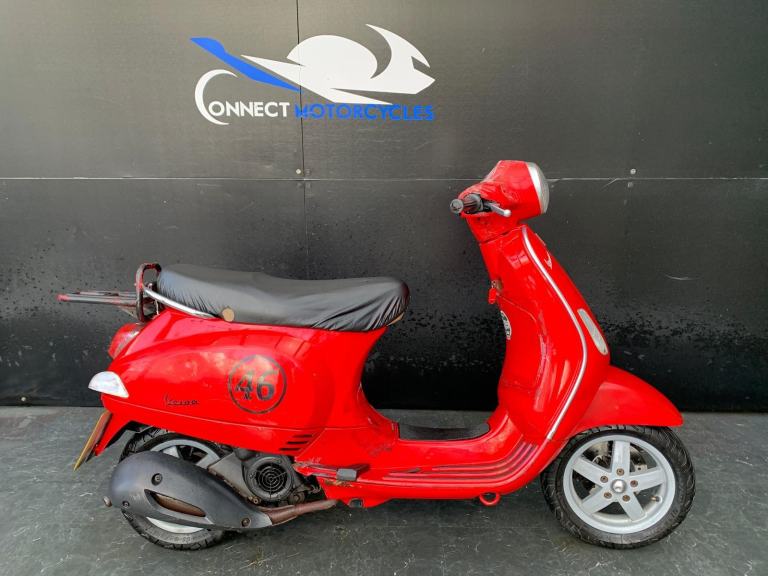
When buying a used Vespa scooter, thoroughly inspect the bodywork for rust, dents, and scratches. Check the engine for any unusual noises or leaks. Ensure all lights, indicators, and the horn are working correctly. Test the brakes and suspension for proper function. Examine the tyres for wear and tear, and check the scooter's documentation to verify its history and mileage.
What documentation should I expect to receive when buying a used Vespa scooter?
You should receive the scooter's V5C registration document (log book), which proves ownership. Also, ask for any service history, MOT certificates (if applicable), and receipts for previous work carried out. Verify that the VIN (Vehicle Identification Number) on the scooter matches the VIN on the V5C document.
What are the legal requirements for riding a Vespa scooter in the UK?
In the UK, you must have a valid driving licence (category AM, A1, A2 or A depending on the scooter's engine size), appropriate insurance, and a valid MOT certificate (if the scooter is over 3 years old). You must also wear a helmet that meets British safety standards. Ensure the scooter is registered and taxed.
What are some common problems to look for in older Vespa scooters?
Common issues in older Vespa scooters include rust, especially in the floorboards and around the leg shields. Check for problems with the engine, such as difficulty starting, poor performance, or excessive smoke. The electrical system can also be prone to faults. Inspect the condition of the suspension and brakes, as these can deteriorate over time.
What safety precautions should I take when riding a Vespa scooter?
Always wear a helmet that meets British safety standards. Wear appropriate protective clothing, including gloves, sturdy footwear, and a jacket. Be visible to other road users by wearing bright or reflective clothing. Take a motorcycle safety course to improve your riding skills. Regularly maintain your scooter to ensure it is in safe working order. Be aware of road conditions and other traffic, and ride defensively.