1/13
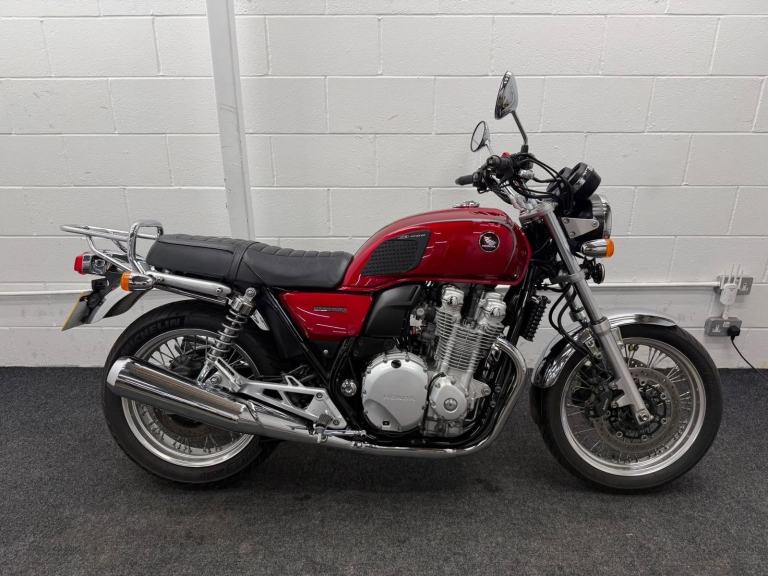
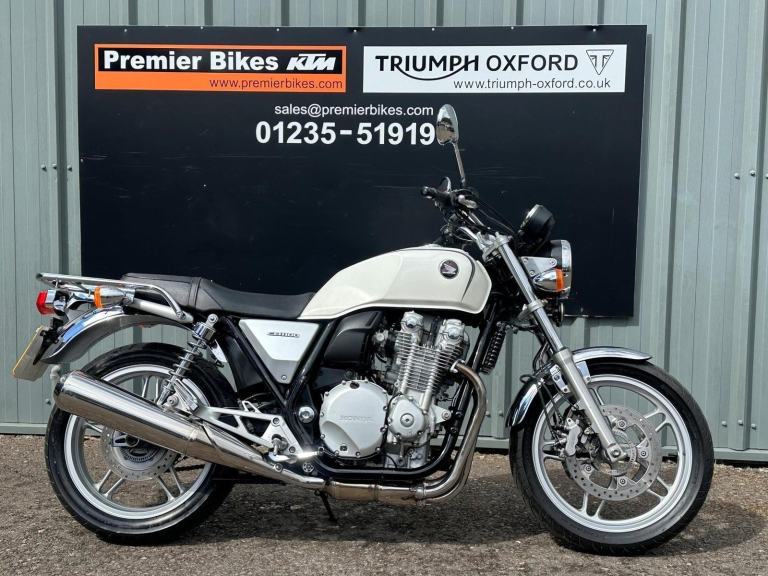
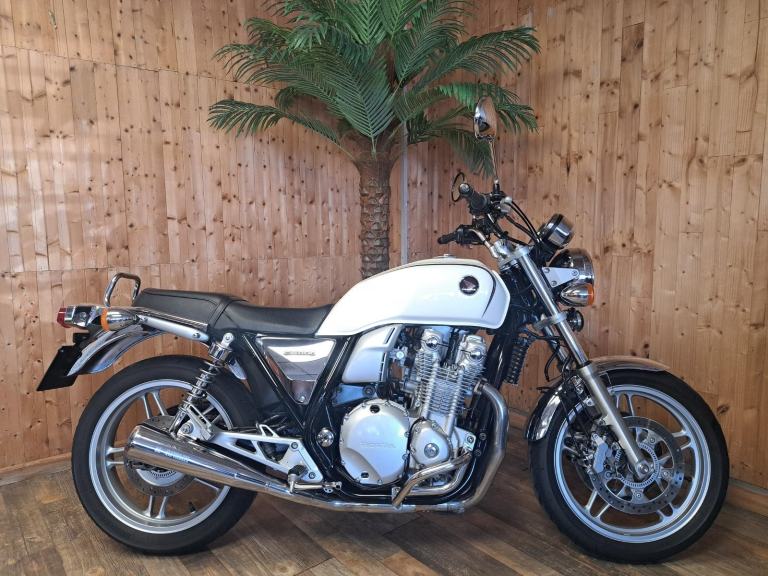
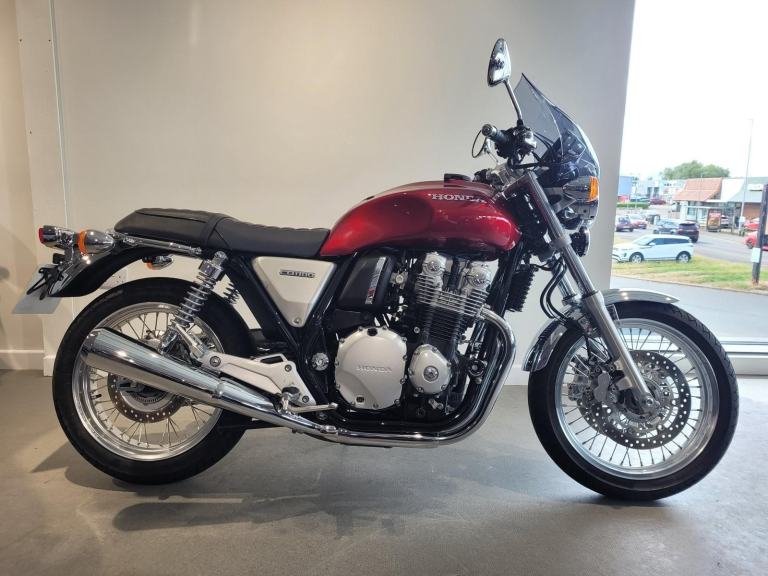
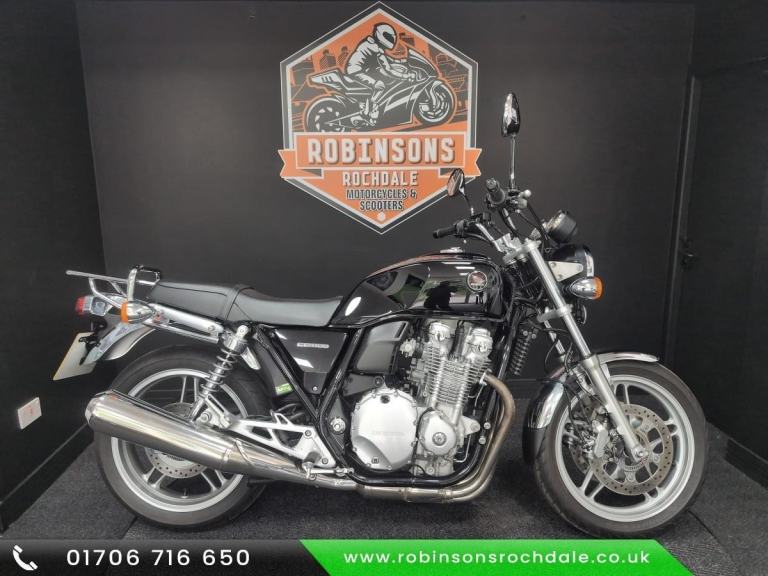
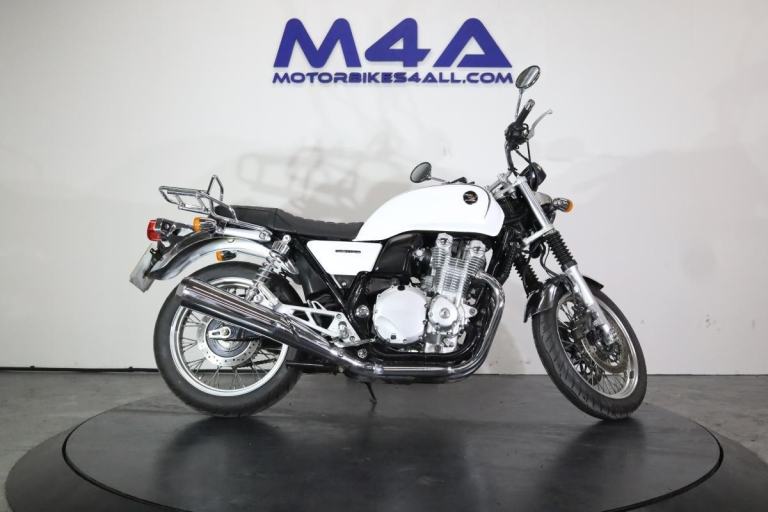
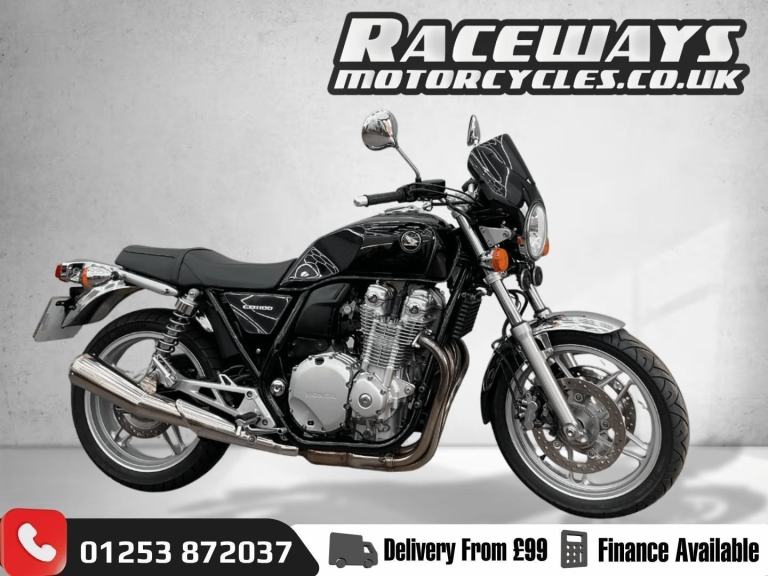
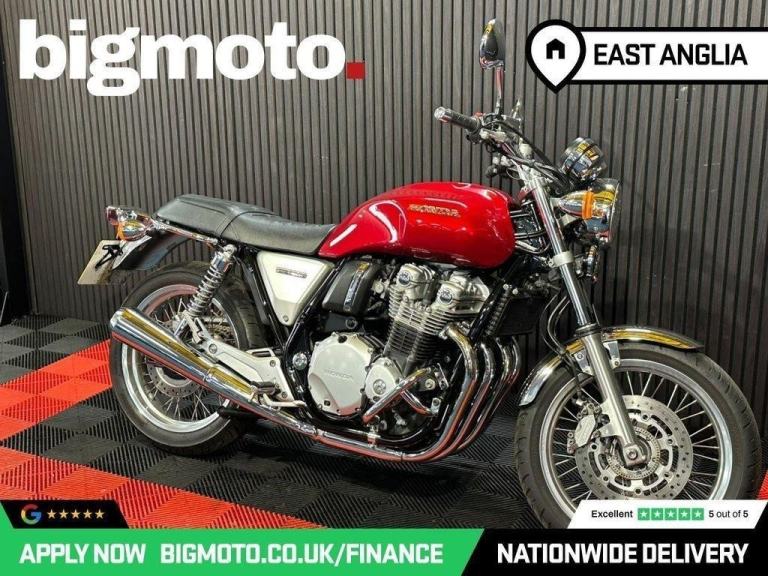
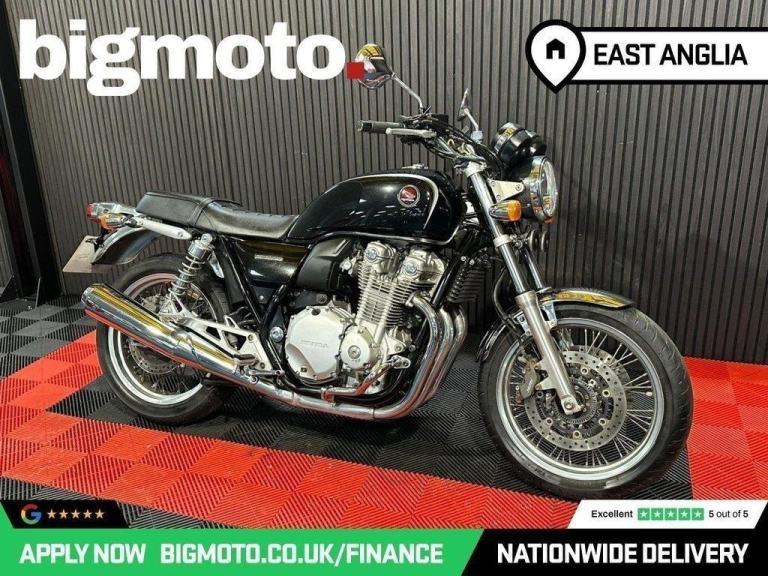
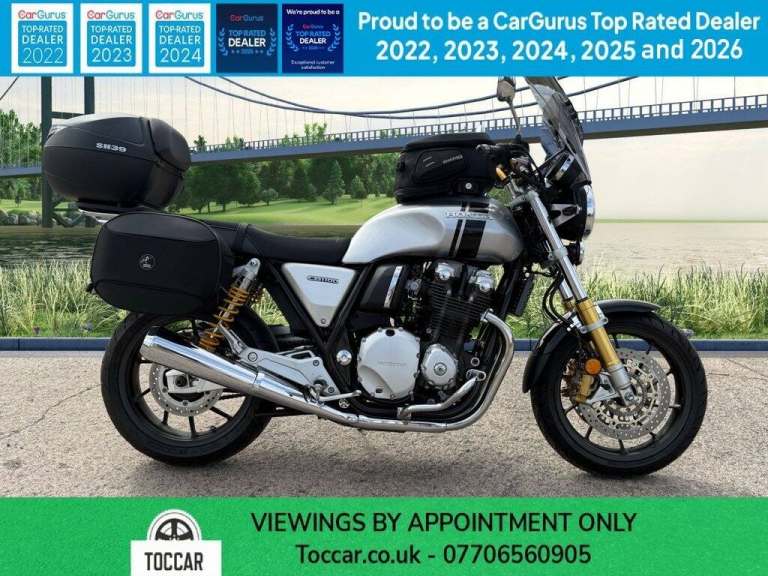
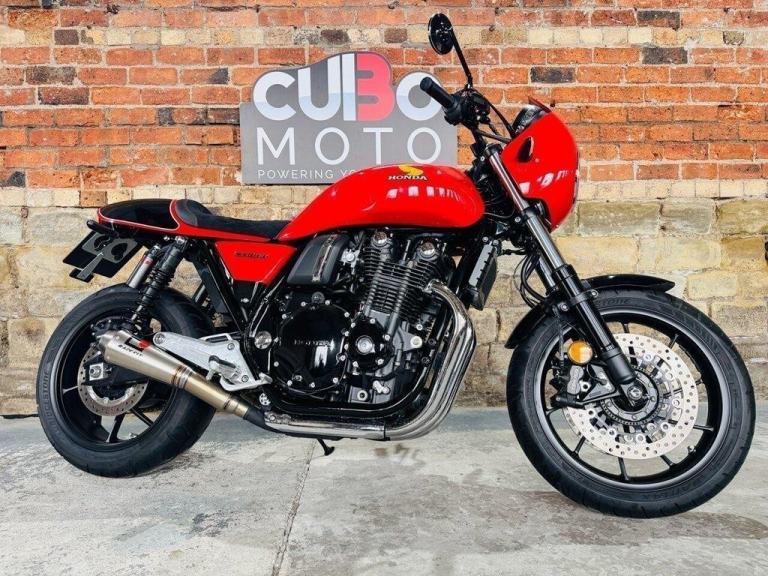
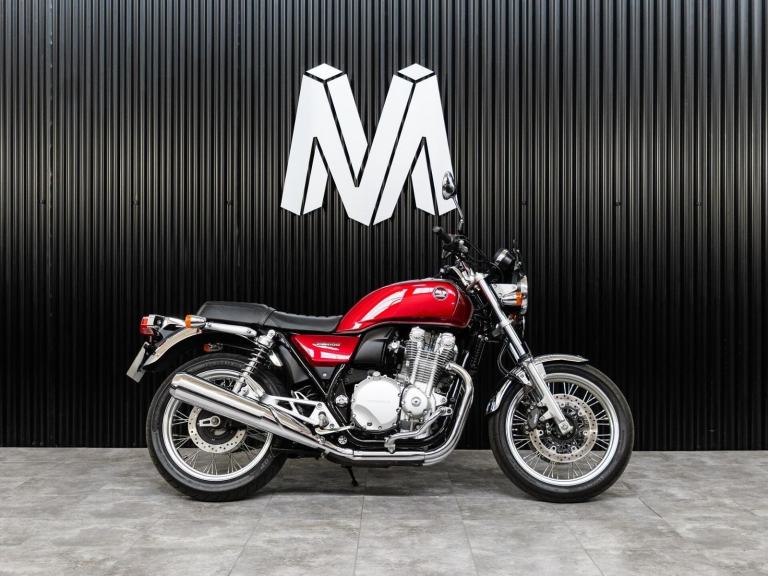
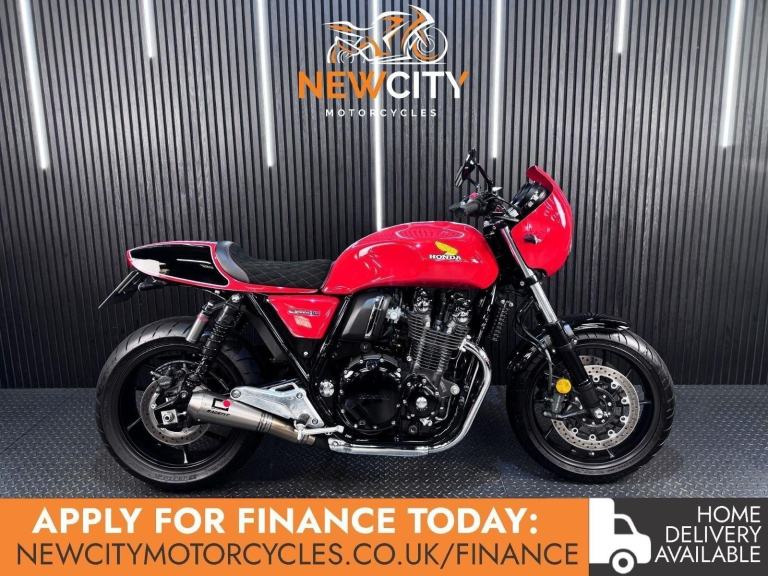
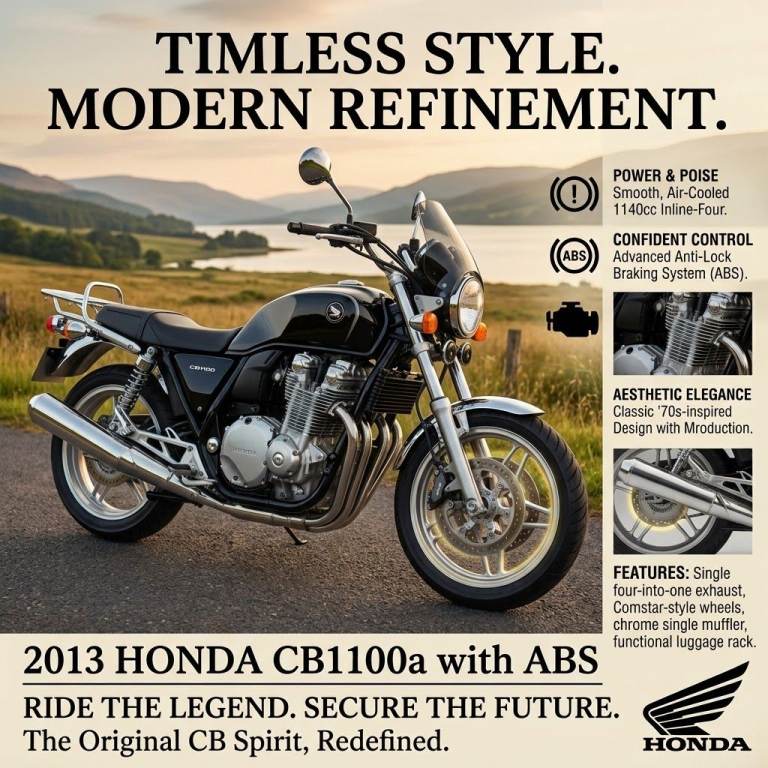
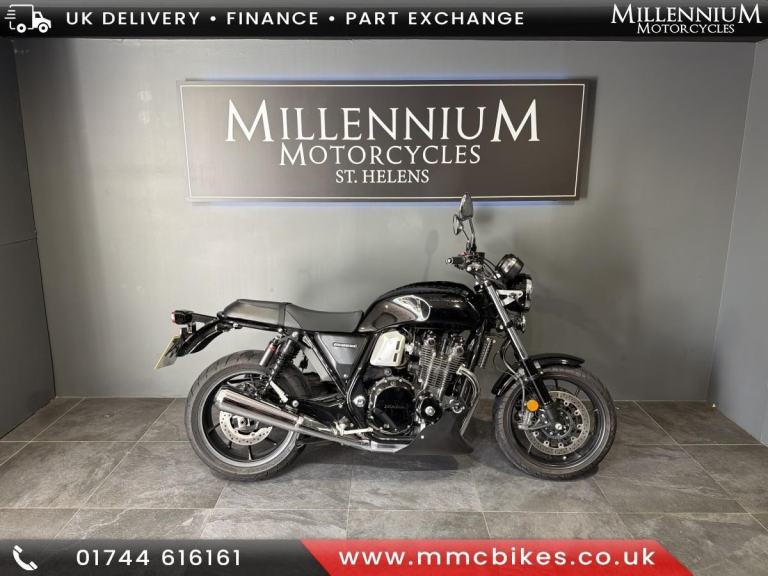
2020 HONDA CB1100 RETRO NAKED MOTORCYCLE
20208,105 milesTrade1,140 cc
St Helens, Merseyside
£6,995
Finance from £147 pm
When buying a used Honda CB1100, thoroughly inspect the engine for any signs of leaks or damage. Check the condition of the tyres, brakes (pads and discs), and chain/sprocket. Examine the frame for any signs of rust or previous accidents. Also, ensure all lights and electrical components are functioning correctly. It's beneficial to get a mechanic to inspect the bike before purchase.
You should always ask for the Vehicle Registration Document (V5C), also known as the logbook, to verify ownership. Check the VIN (Vehicle Identification Number) on the bike matches the V5C. Also, request any service history, MOT certificates, and receipts for work done. A valid MOT certificate is legally required for motorbikes over three years old in the UK.
While generally reliable, some CB1100 owners have reported issues with the fuel injection system, particularly rough idling. Check for any unusual noises from the engine, especially at idle. Also, inspect the chrome components for signs of pitting or corrosion, as this can be a common issue on older models.
Before test riding any motorbike, ensure you have a valid motorcycle licence and appropriate insurance coverage. Wear suitable protective gear, including a helmet, gloves, jacket, and boots. Familiarise yourself with the bike's controls before setting off, and start with a slow, controlled ride to assess its handling and braking. Be aware of traffic conditions and ride defensively.
Motorbike insurance is legally required in the UK. Compare quotes from multiple insurers to find the best deal. Factors affecting insurance costs include your age, riding experience, the bike's make and model, your postcode, and your no-claims bonus. Consider the level of cover you require (third party, third party fire and theft, or comprehensive) and any optional extras, such as breakdown cover.