12
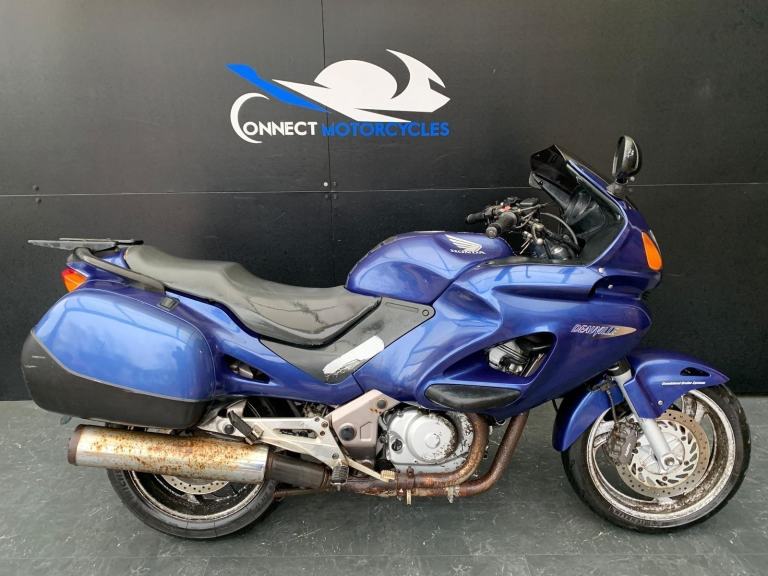
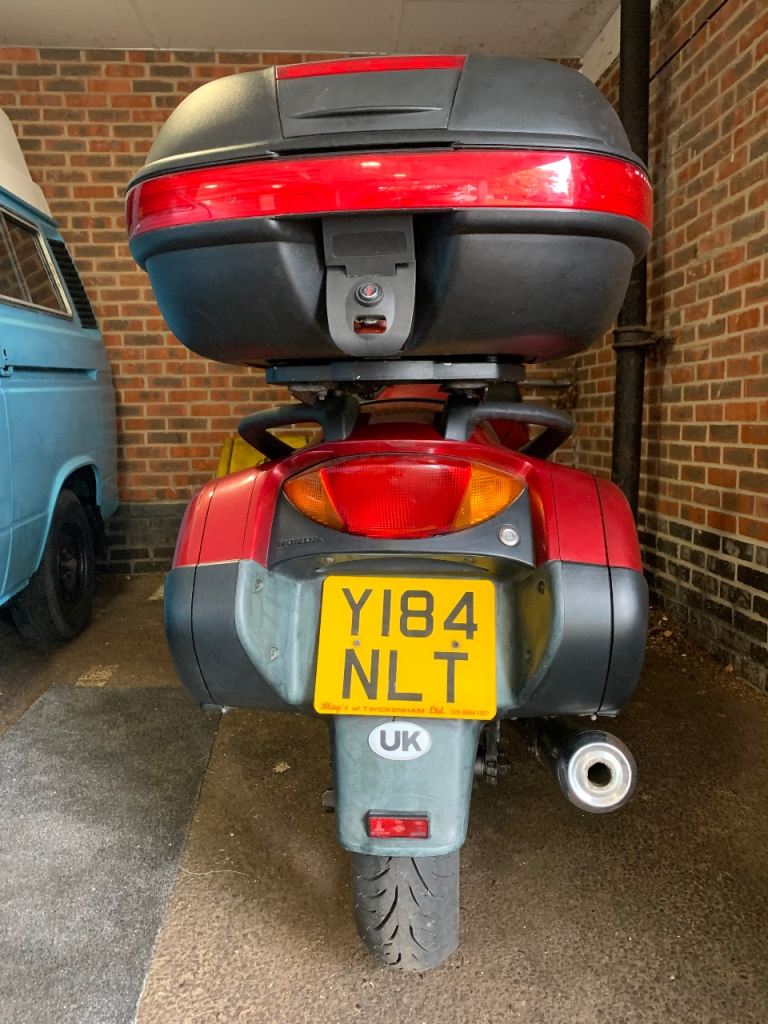
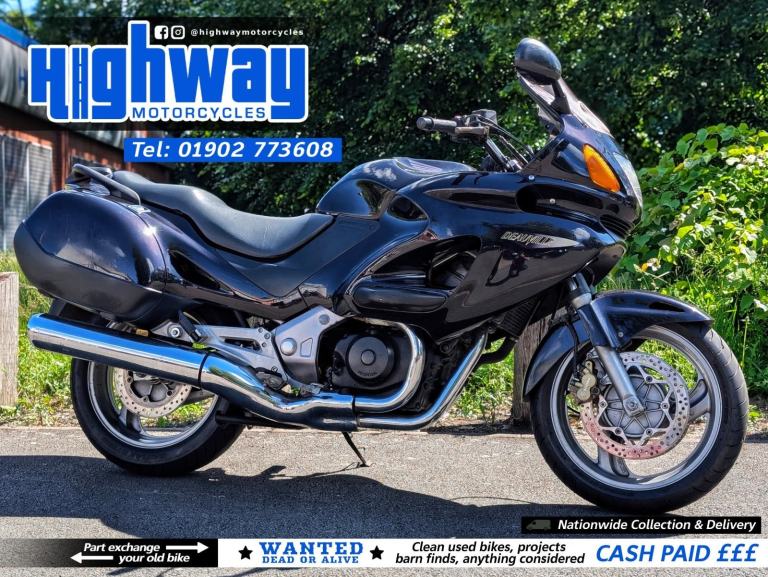
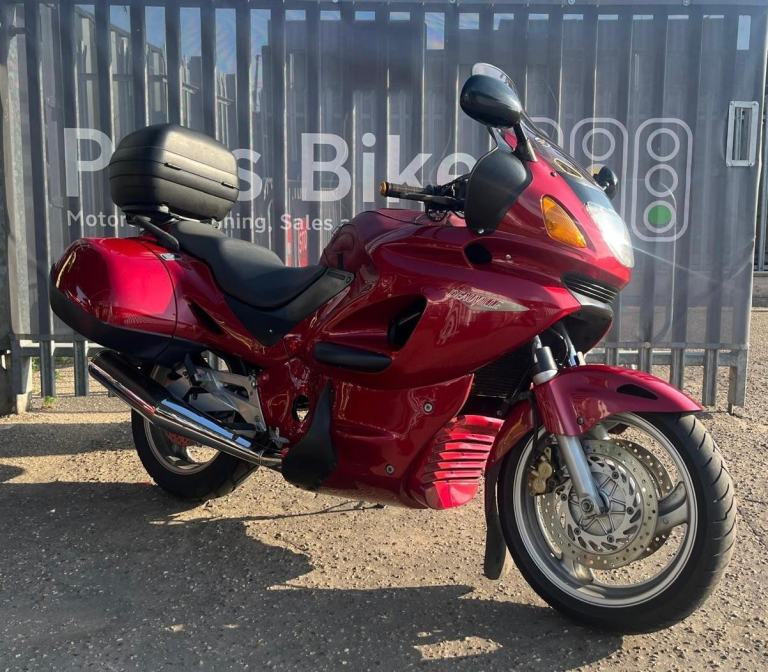
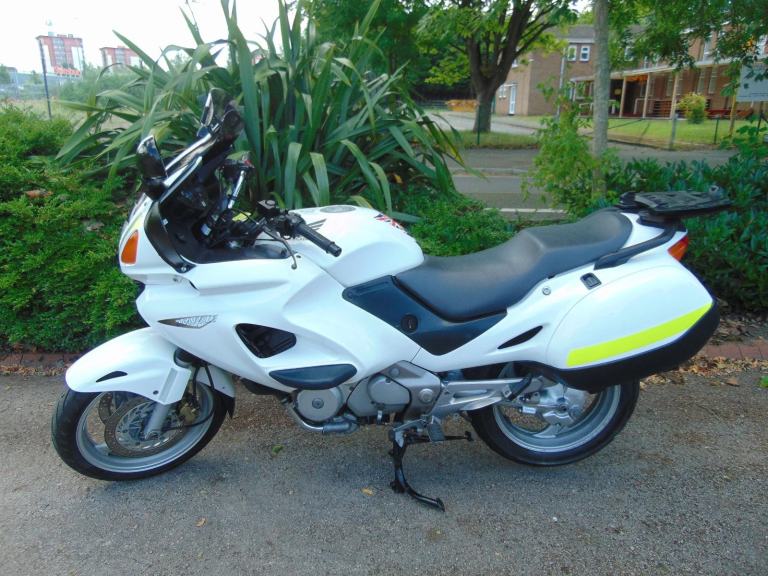
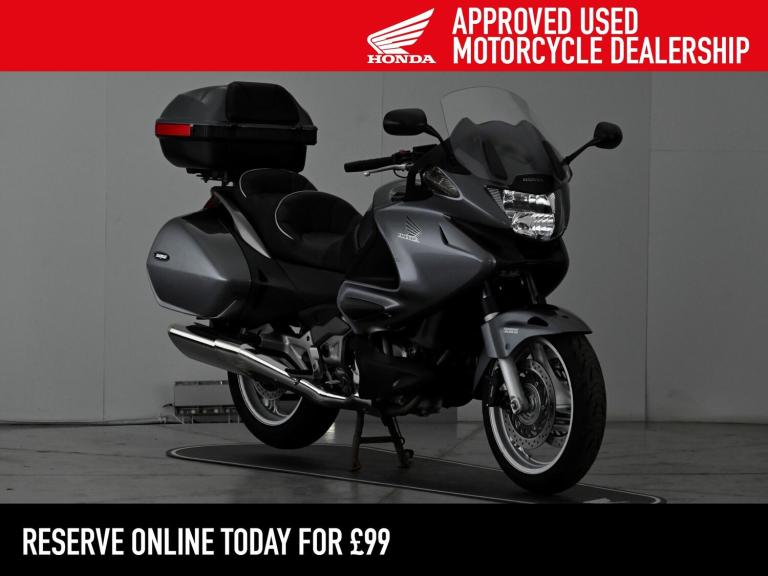
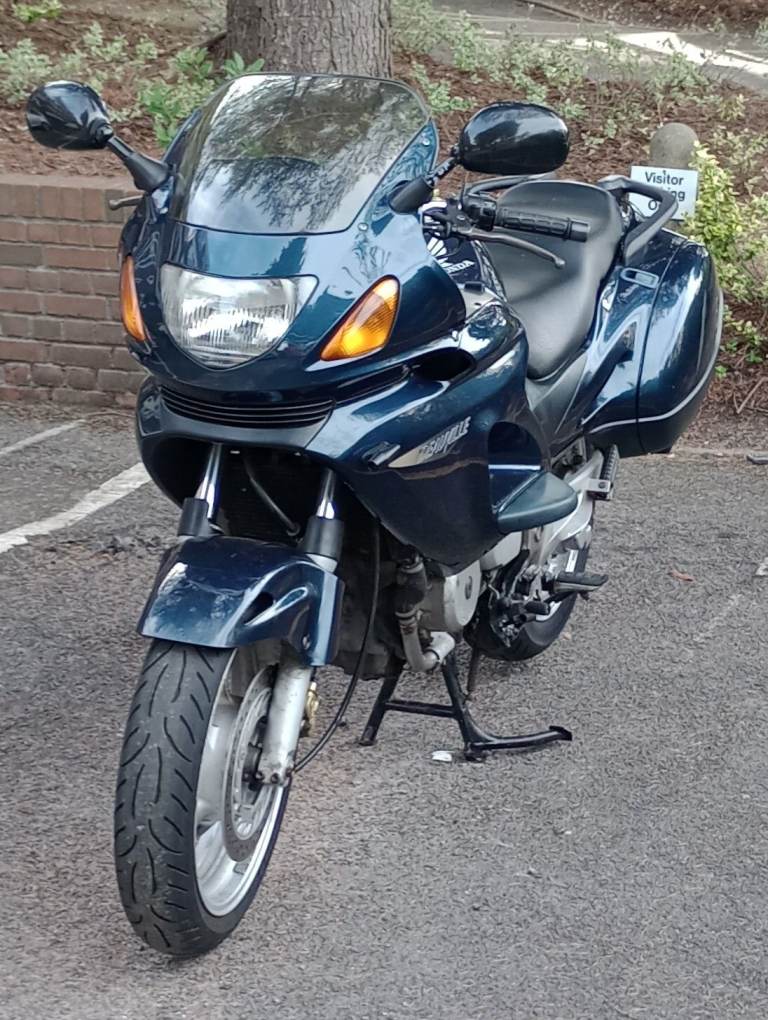
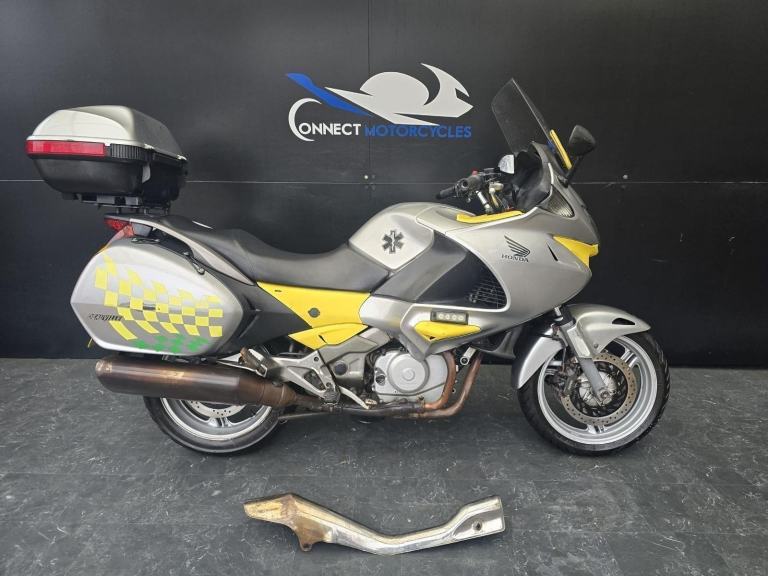
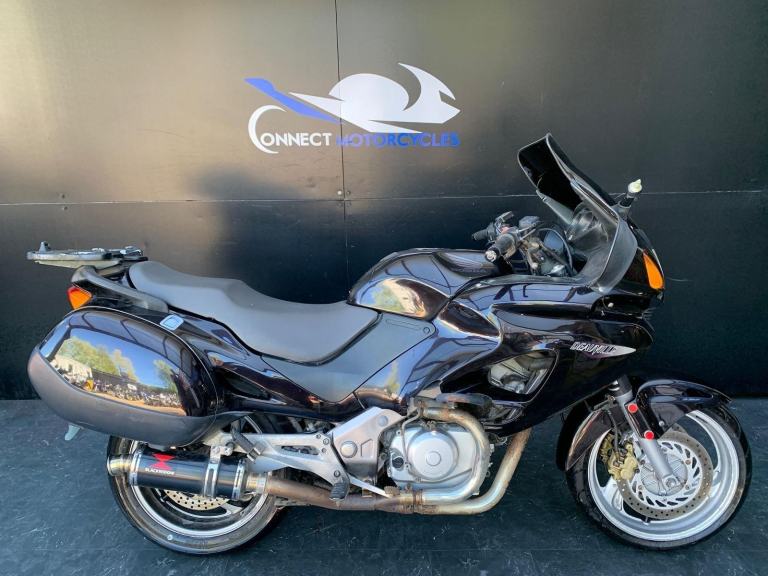
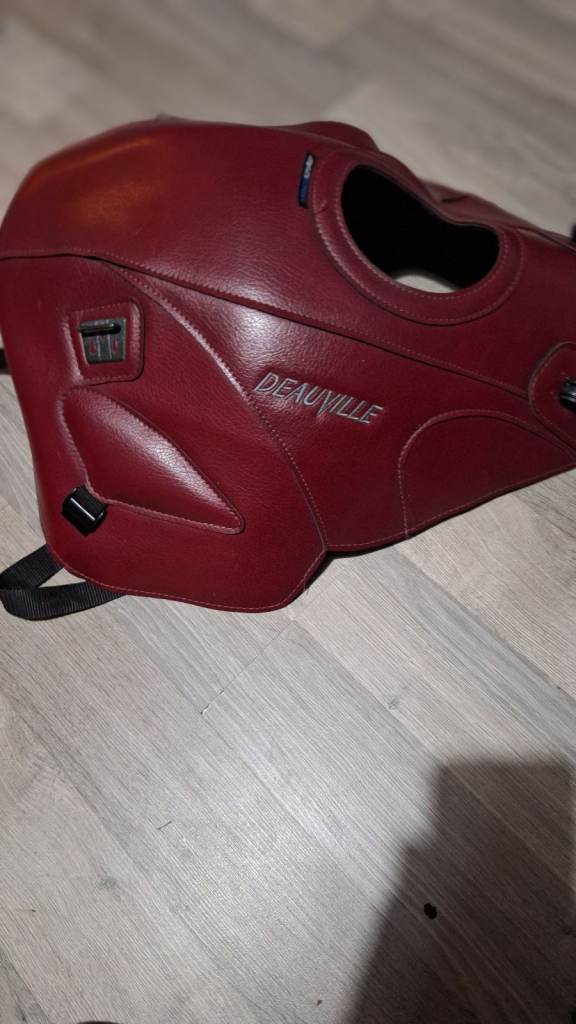
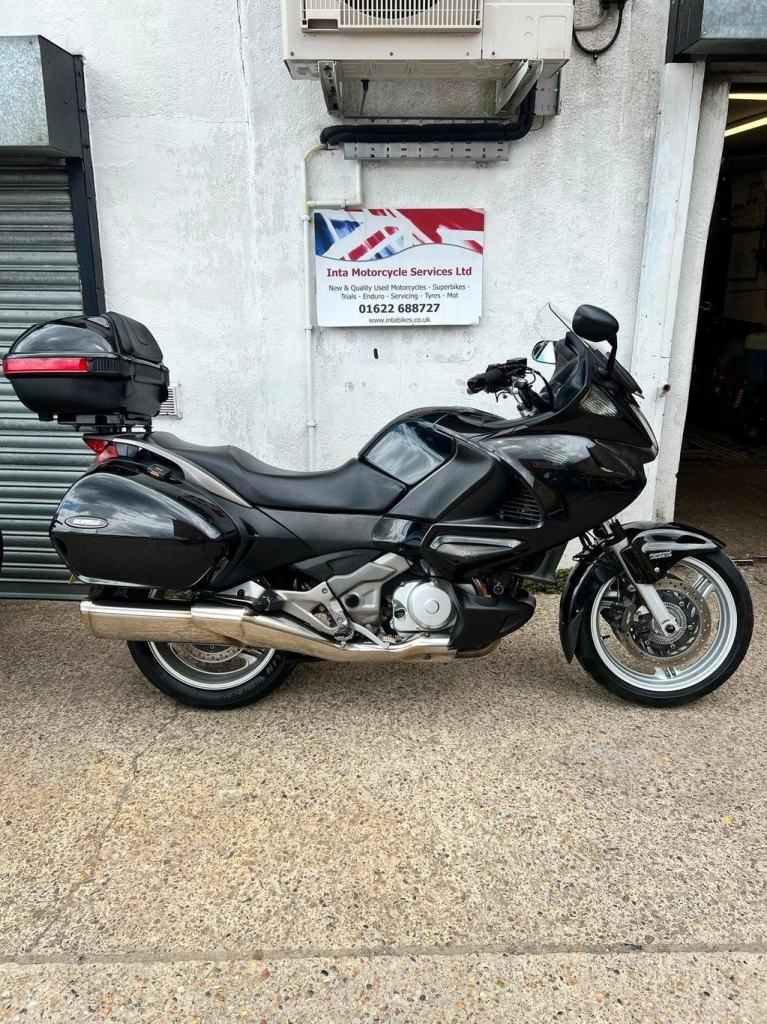
2008 HONDA NT700VA DEAUVILLE CABS
200844,768 milesTrade680 cc
Maidstone, Kent
£2,895
Finance from £61 pm
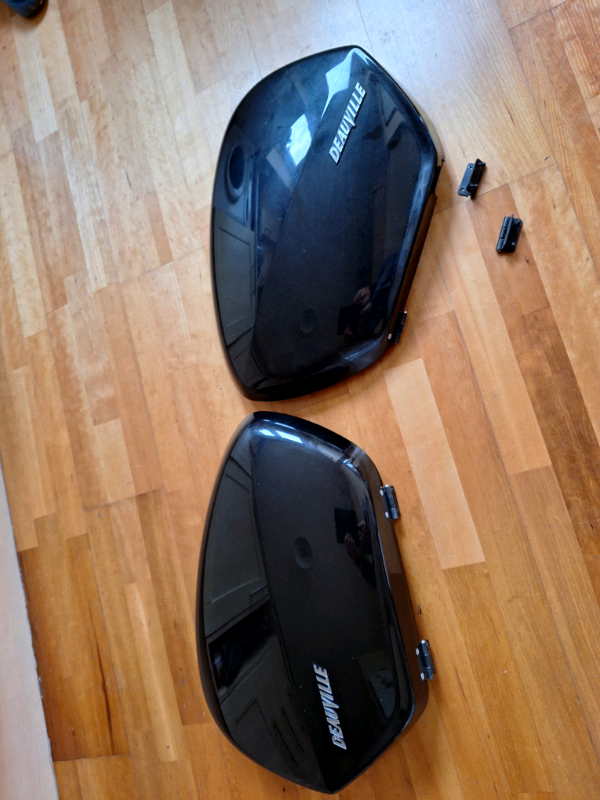
When inspecting a used Honda Deauville, pay close attention to the condition of the shaft drive, as this is a key feature of the bike. Check for any signs of leaks or damage. Also, examine the panniers and mounting points for wear and tear, as these are often heavily used. Ensure the engine starts easily and runs smoothly, listening for any unusual noises. Finally, check the service history to verify regular maintenance.
Common issues in used Honda Deauvilles can include wear on the shaft drive, corrosion on the exhaust system, and potential problems with the charging system. Check the condition of the battery and alternator. It's also worth inspecting the brakes and tyres for wear, as replacement can be costly.
When buying a used Honda Deauville, request the Vehicle Registration Document (V5C) to verify ownership. Also, ask for the service history to confirm regular maintenance. An MOT certificate is legally required for motorbikes over 3 years old in the UK, so ensure the bike has a valid one. It's also useful to see any receipts for previous repairs or parts replacements.
In the UK, motorbikes must be road legal, which means they must have a valid MOT certificate (if over 3 years old), be registered with the DVLA, and have appropriate number plates. You must also have a valid driving licence and insurance to ride the motorbike legally. Ensure the seller provides you with all necessary documentation to transfer ownership.
Before test riding a used Honda Deauville, ensure you have the seller's permission and that you are properly insured. Wear appropriate safety gear, including a helmet, gloves, and protective clothing. Familiarise yourself with the bike's controls and handling characteristics before setting off. Start with a slow, controlled ride in a safe area to assess the bike's condition and handling.