Featured
1/8
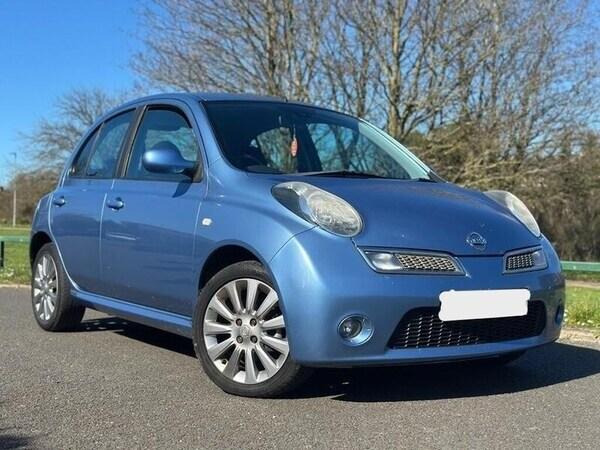
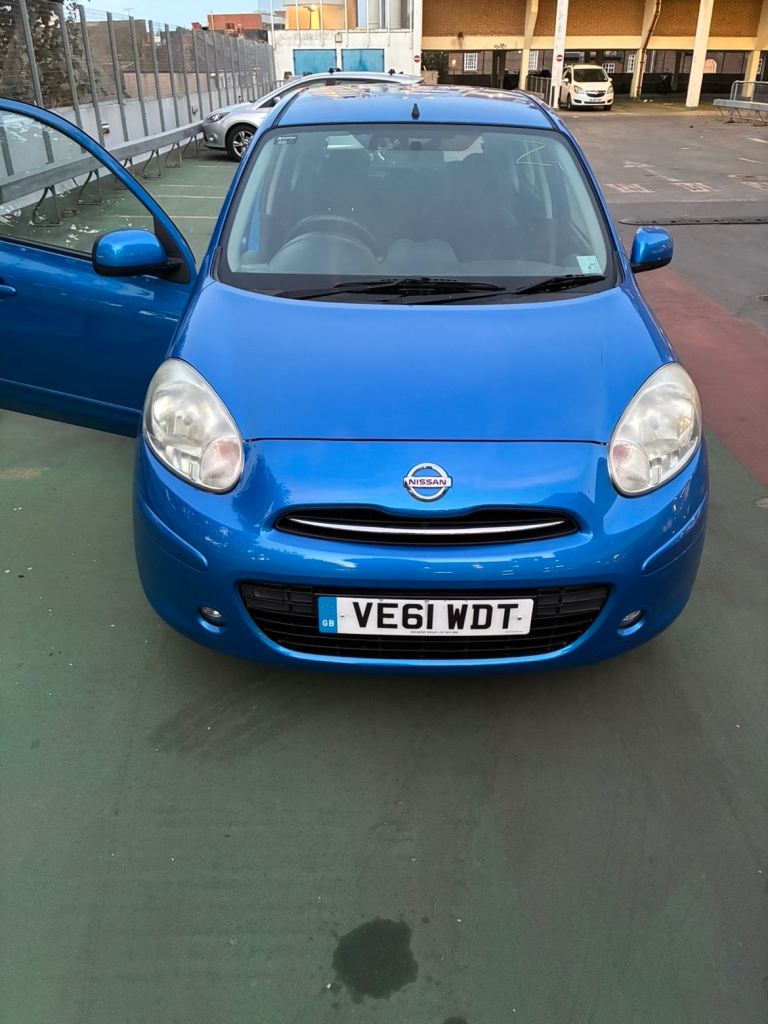
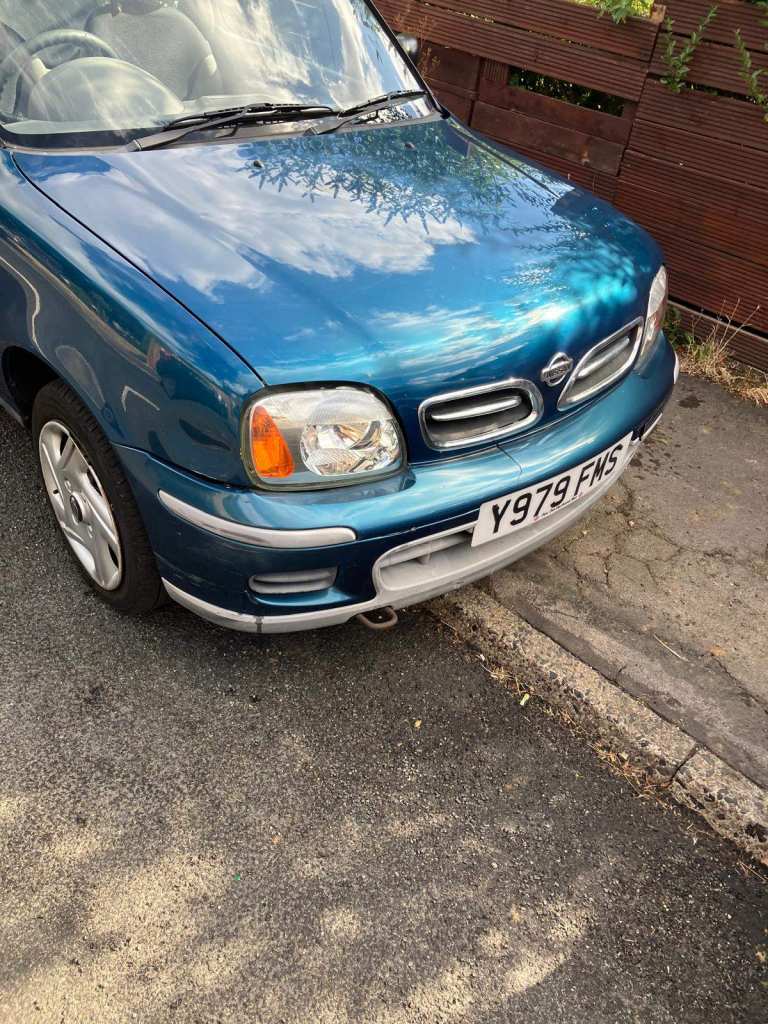
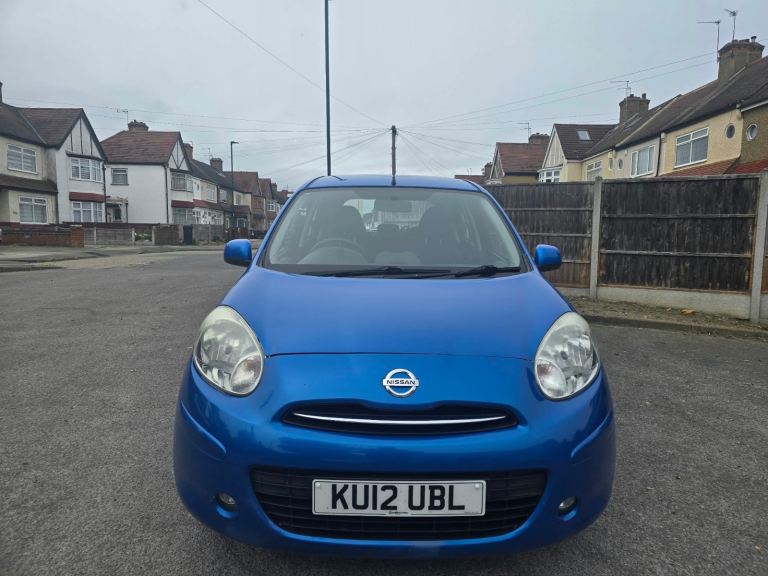
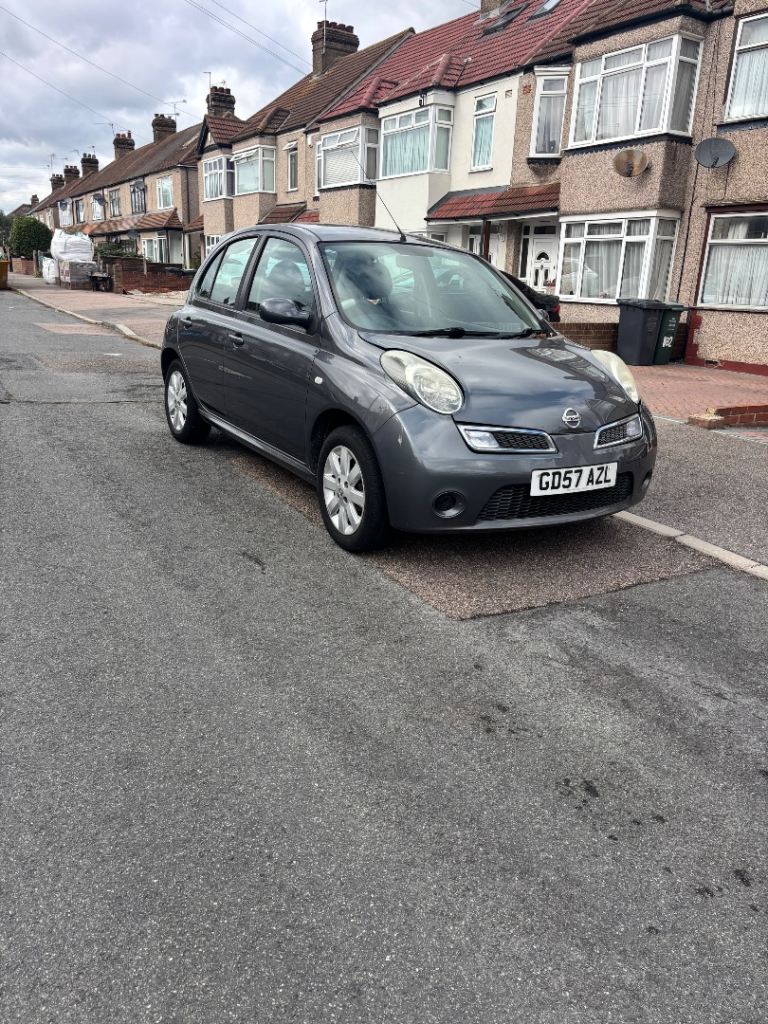
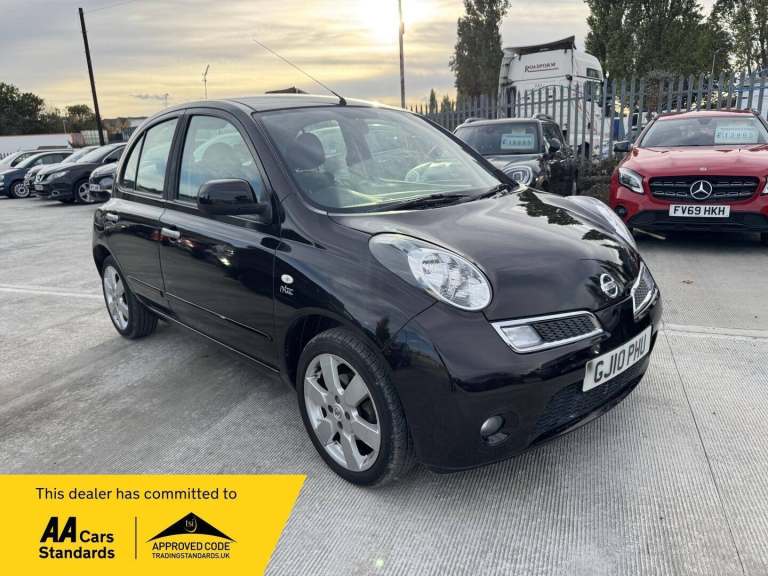
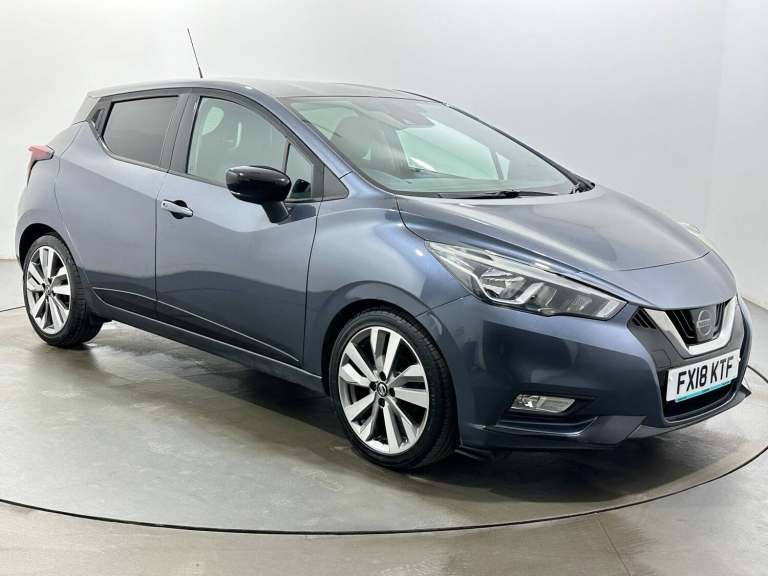
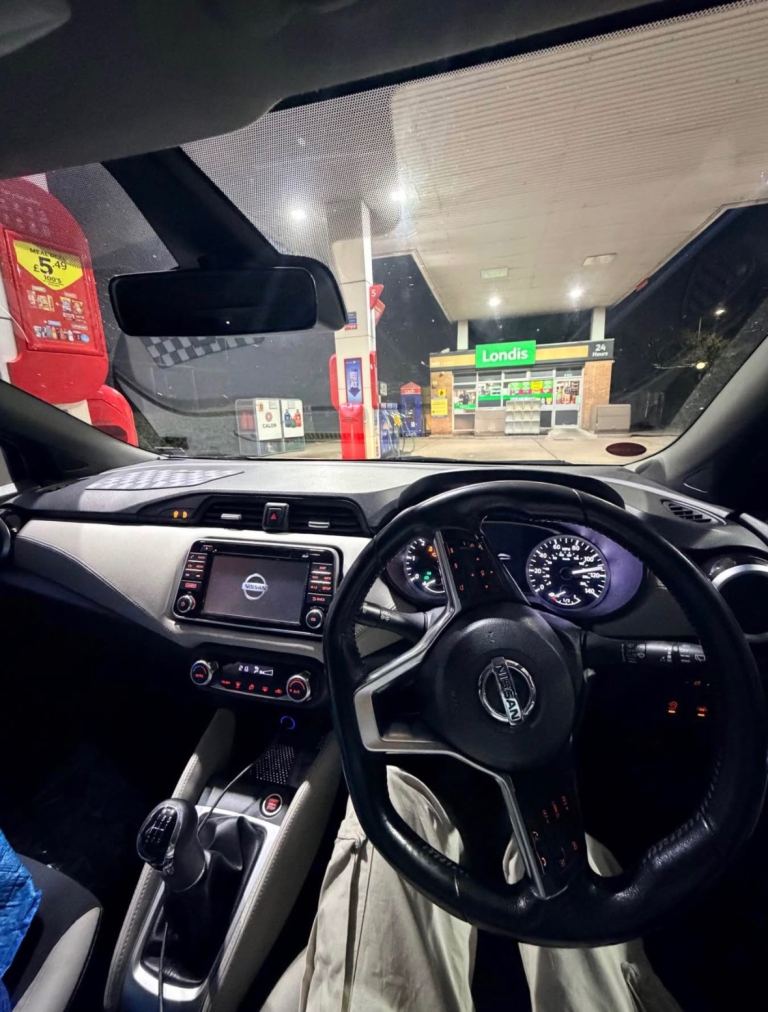
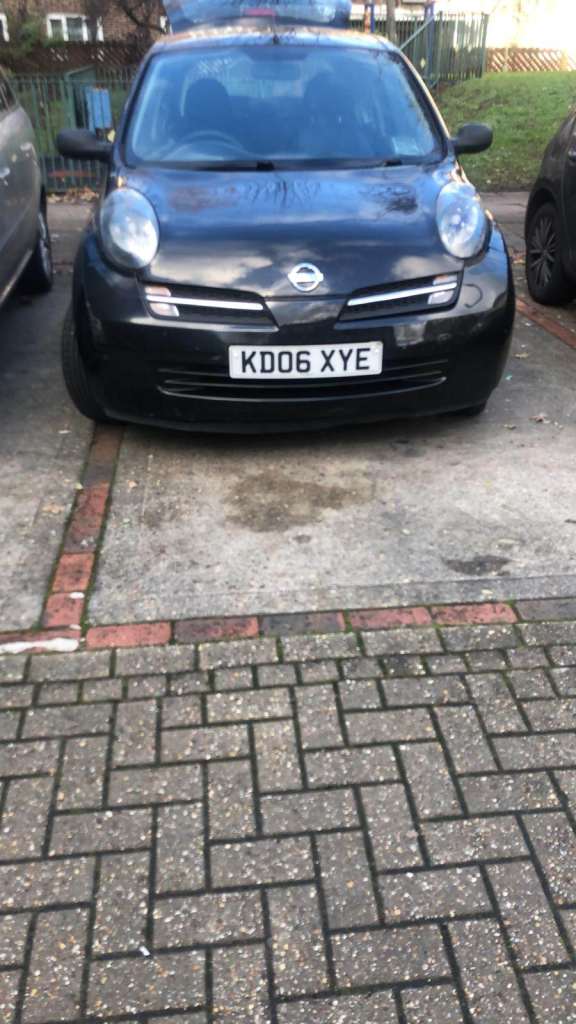
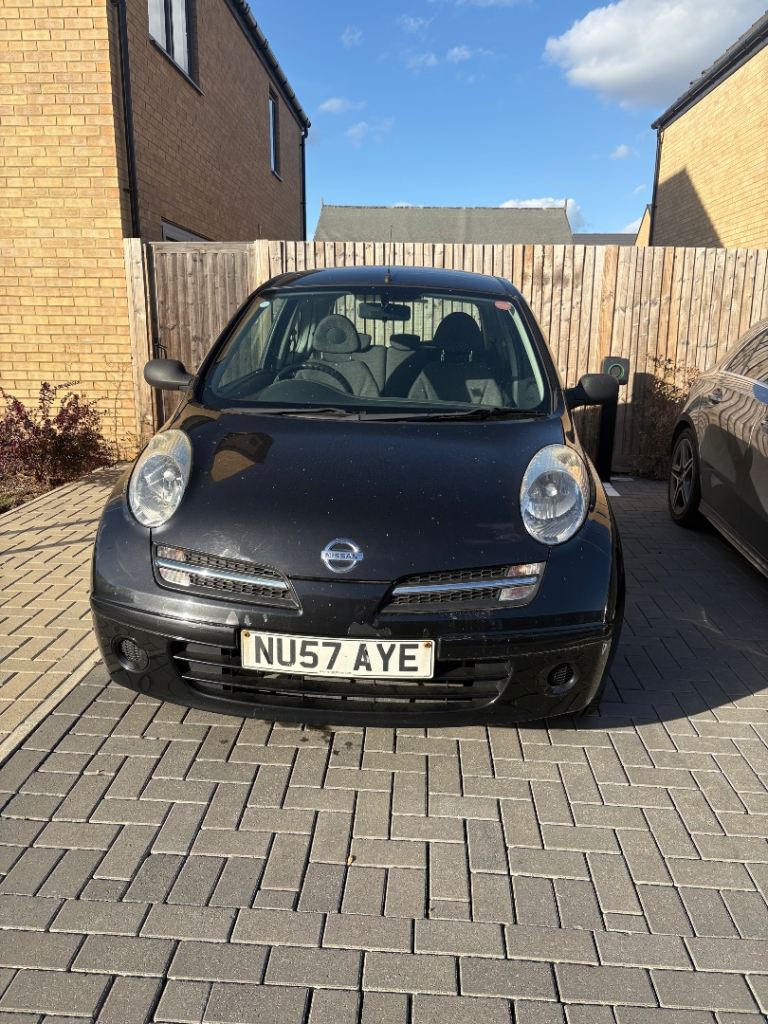
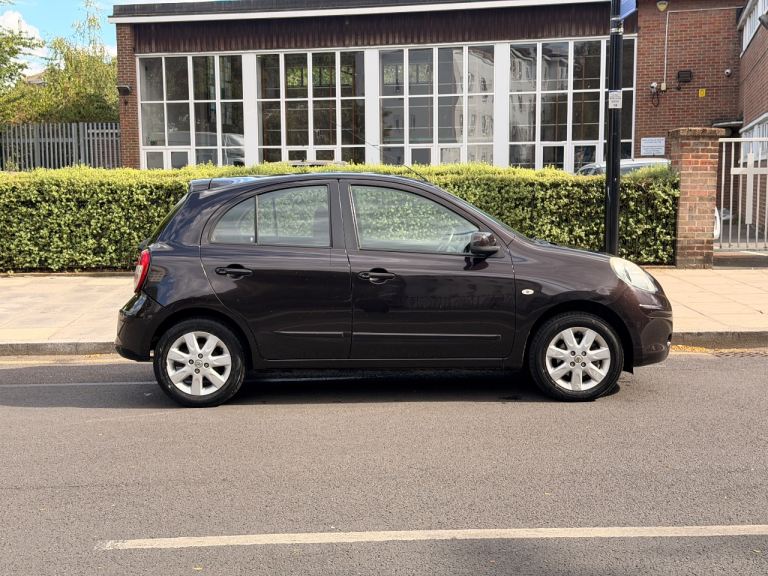
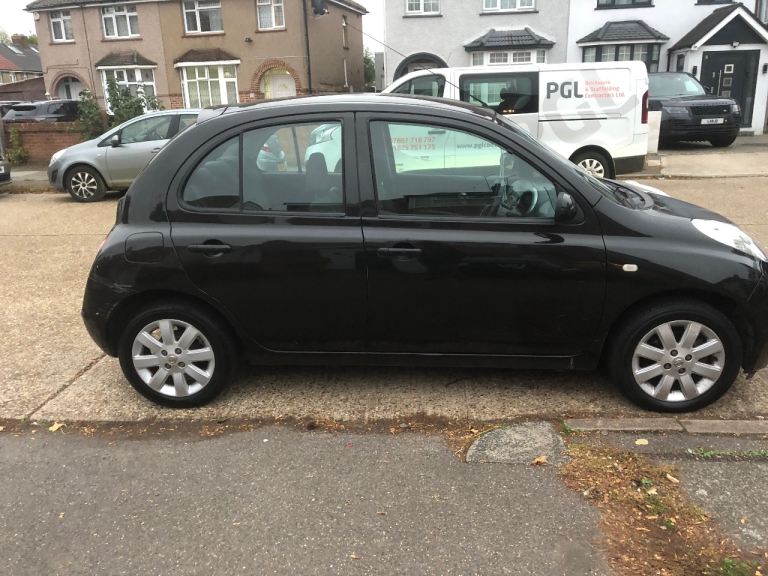
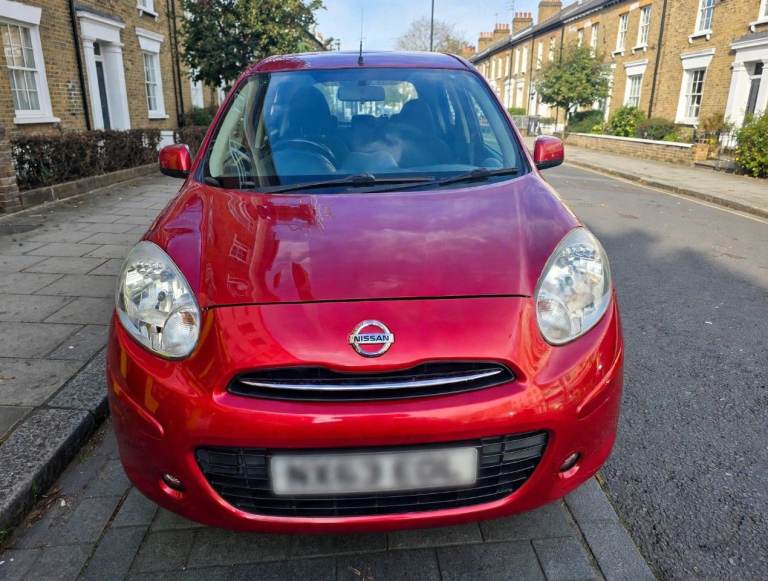
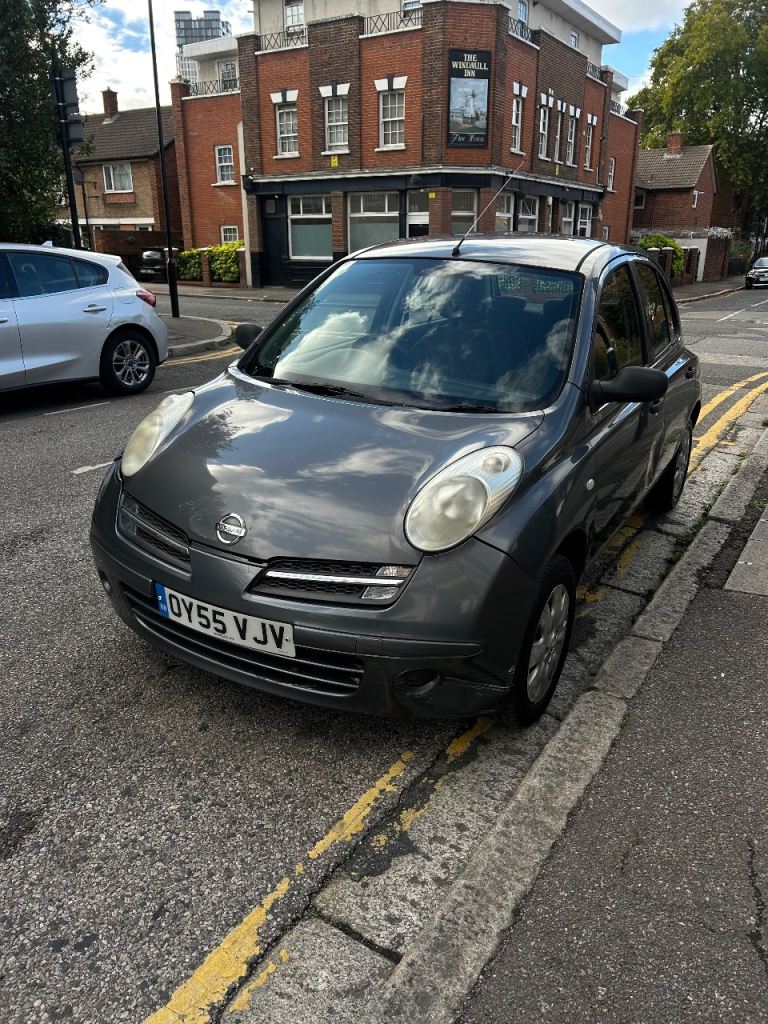
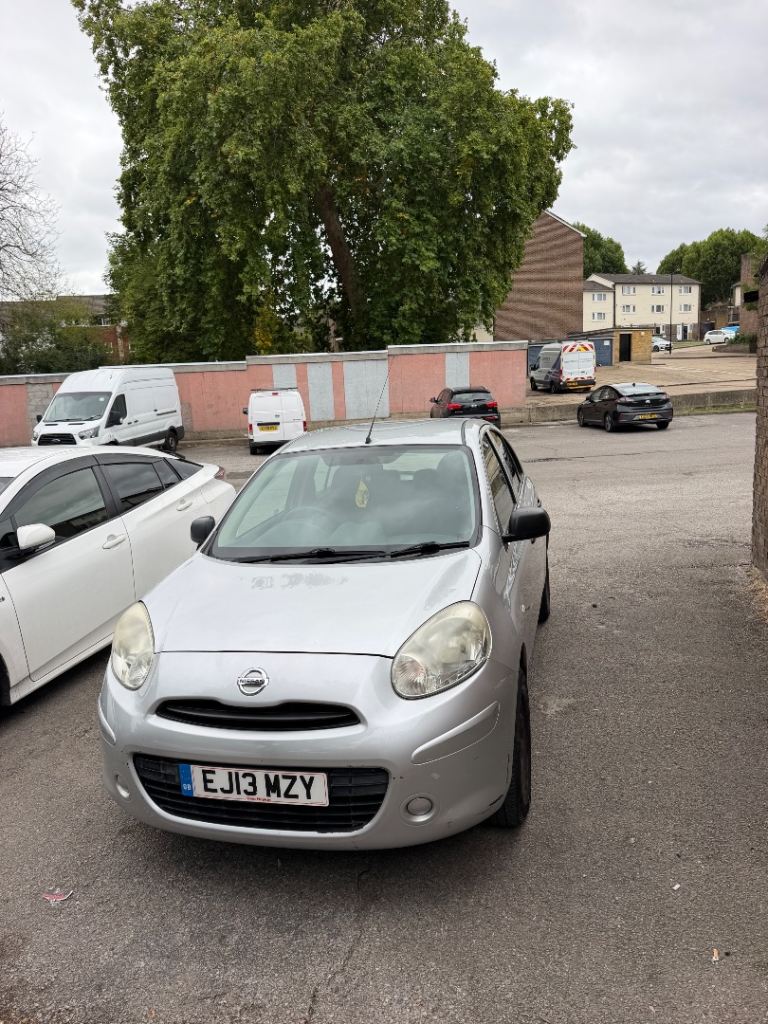
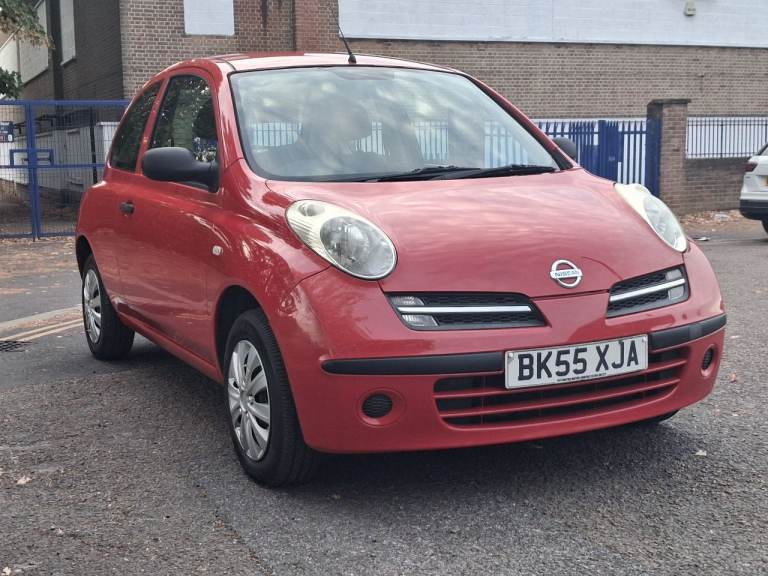
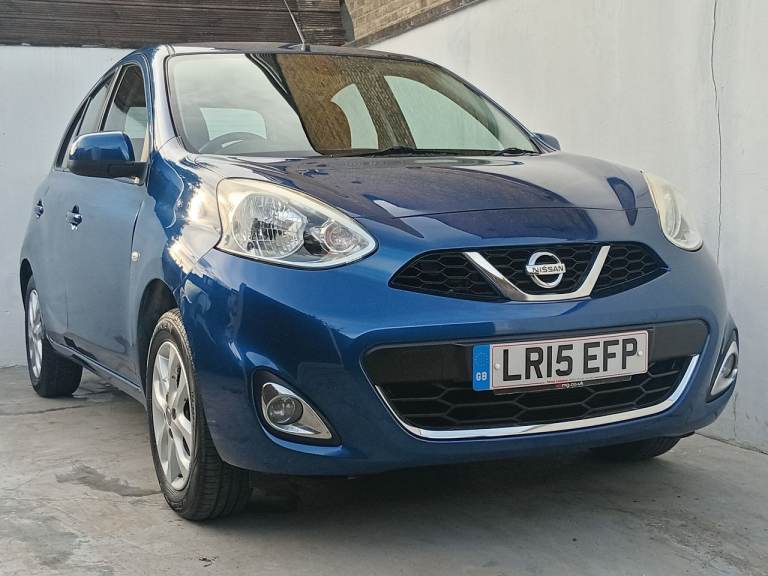
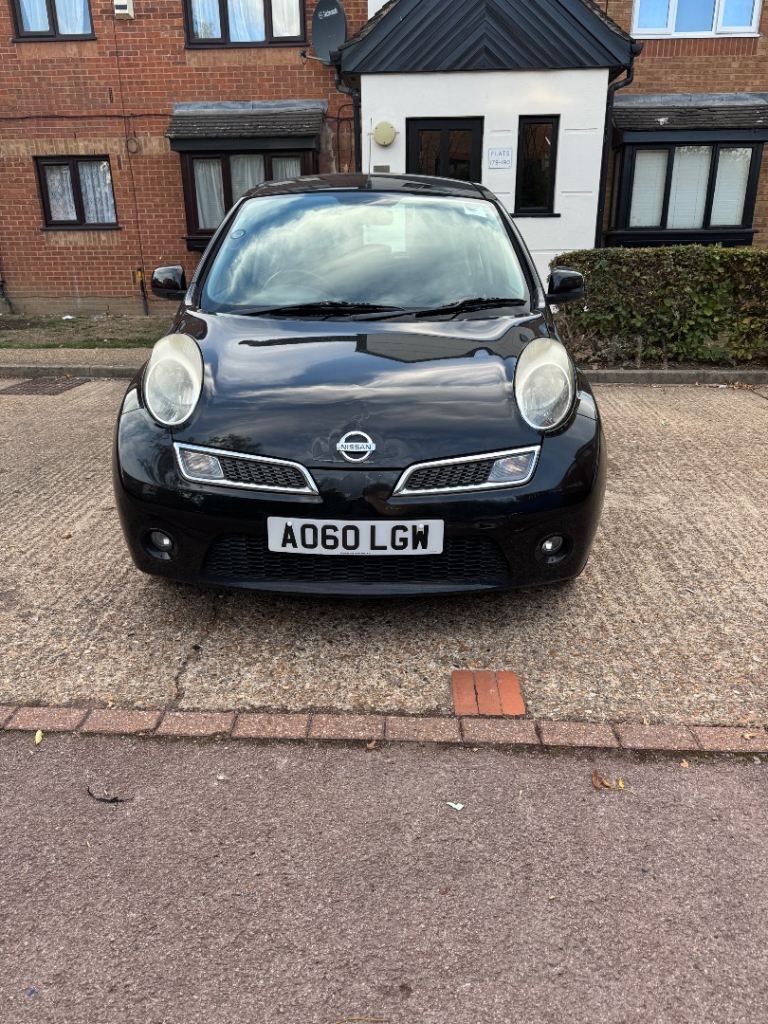
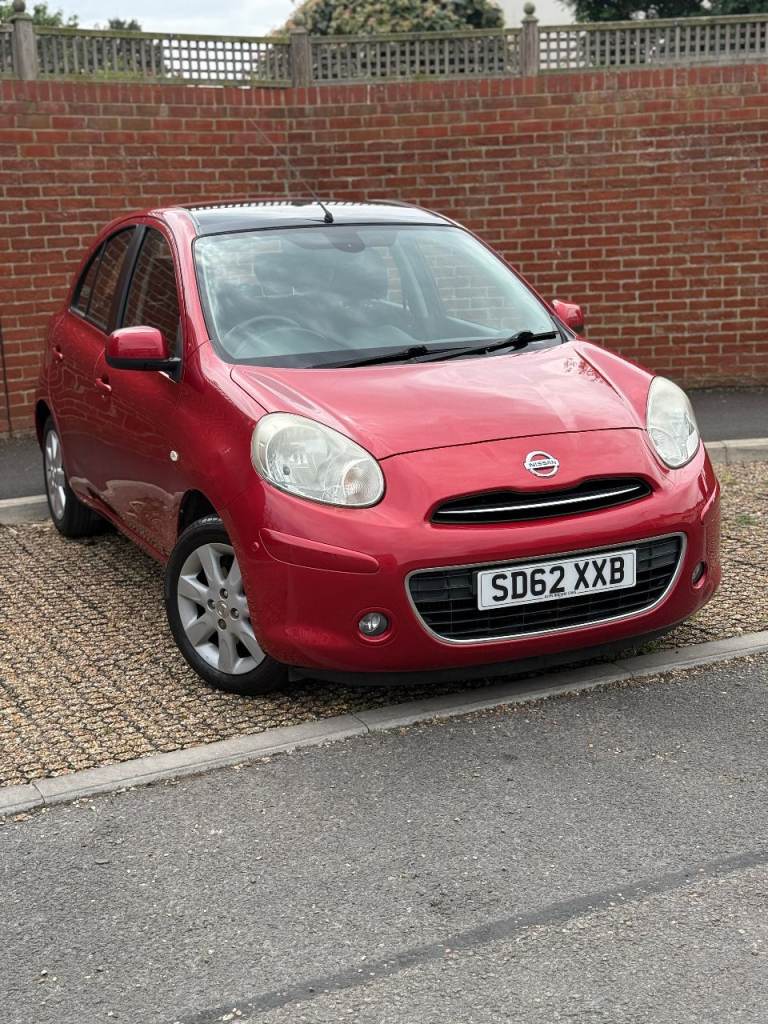
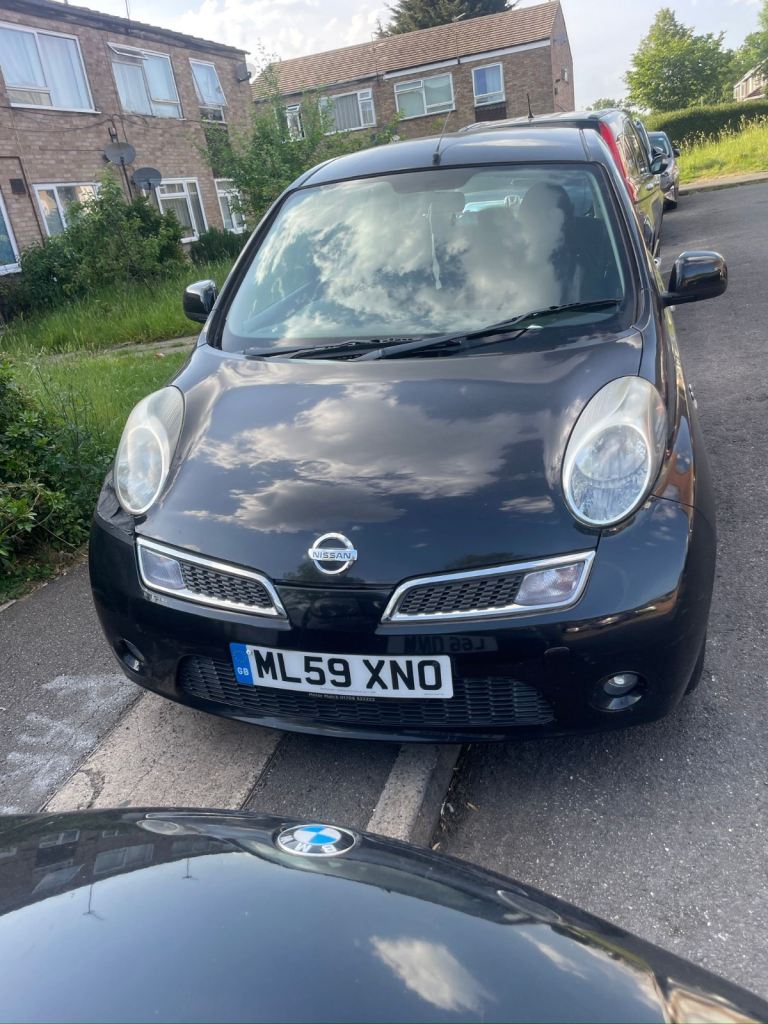
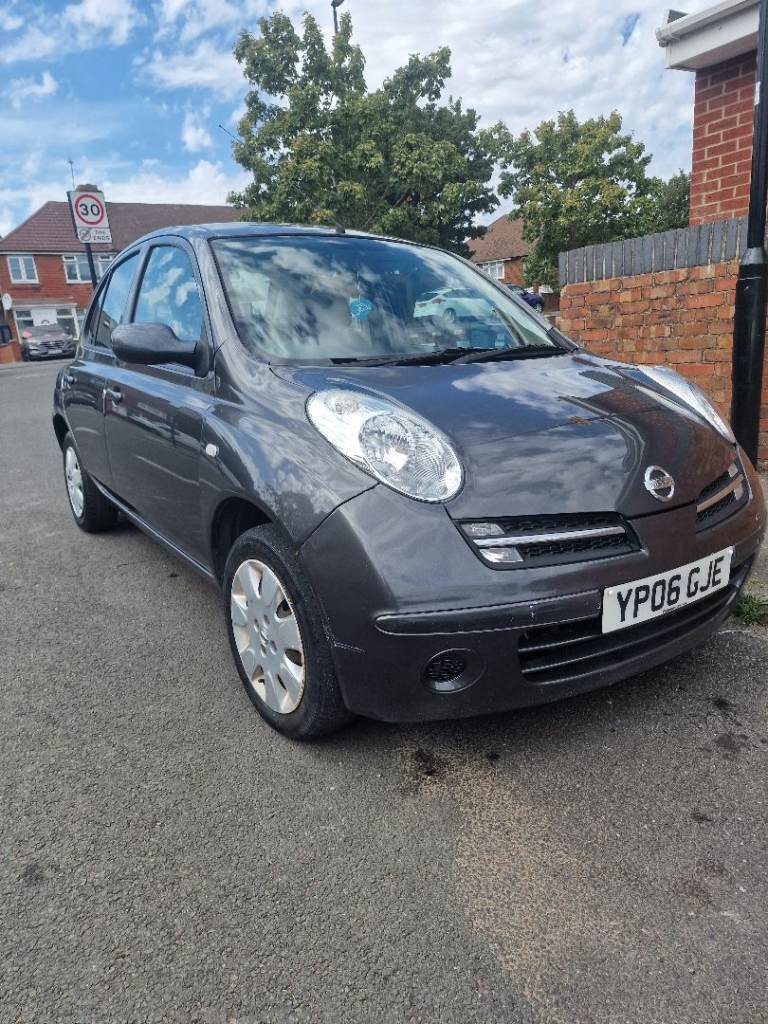
Nissan, MICRA, automatic, 2006, 1.4, 5 doors
200692,208 milesPrivatePetrol1,386 cc
Heathrow, London
£1,795
When inspecting a used Nissan Micra, thoroughly check for rust, especially around the wheel arches, sills, and under the bonnet. Examine the service history for evidence of regular maintenance, including oil changes and timing belt replacements (if applicable). Test all electrical components, such as lights, indicators, and the radio. Pay close attention to the condition of the tyres and brakes, as these can be costly to replace.
Some common issues reported with Nissan Micras include problems with the power steering, catalytic converter failure, and issues with the timing chain (particularly in older models). It's advisable to research the specific year and model you're considering to identify potential problems and what to look for during inspection. A diagnostic check can help reveal underlying issues.
The seller should provide the vehicle's V5C registration document (log book), MOT certificate (if the car is over 3 years old), and any service history or maintenance records. Ensure the VIN (Vehicle Identification Number) on the V5C matches the VIN on the car. You can also perform a vehicle history check to uncover any outstanding finance, previous write-offs, or mileage discrepancies.
When buying a used car in the UK, ensure the seller is the legal owner of the vehicle. Once you purchase the car, you must inform the DVLA (Driver and Vehicle Licensing Agency) of the change of ownership. You will also need to tax the vehicle and ensure it is insured before driving it on public roads. It is the buyer's responsibility to ensure the vehicle is roadworthy.
When buying a Nissan Micra, check for safety features such as ABS (Anti-lock Braking System), airbags, and electronic stability control (ESC). Ensure the airbags haven't been deployed previously. Test the brakes to ensure they are responsive and that the ABS engages correctly under heavy braking (in a safe and controlled environment). Check the tyre pressure and tread depth to ensure they meet legal requirements for safe driving.