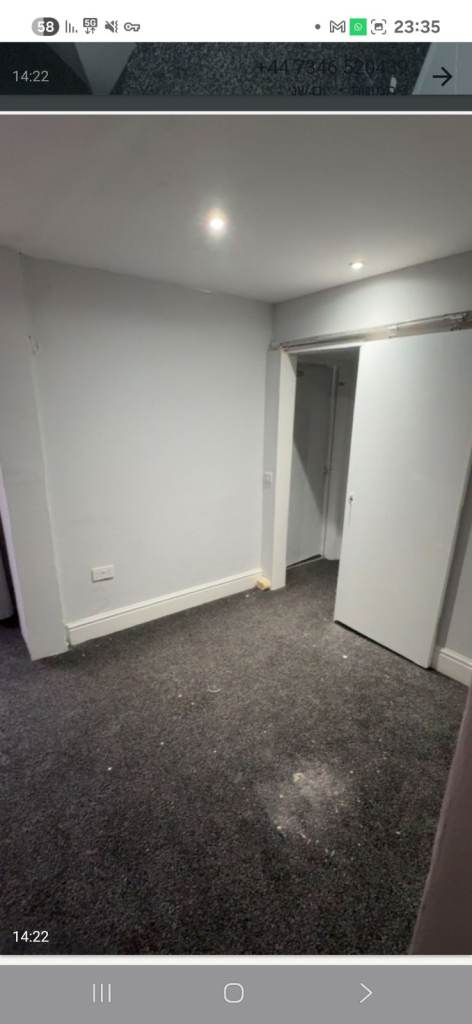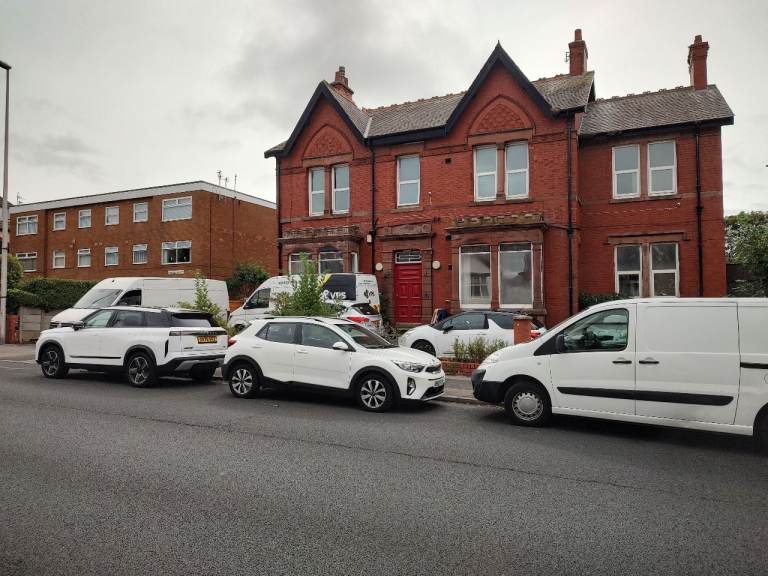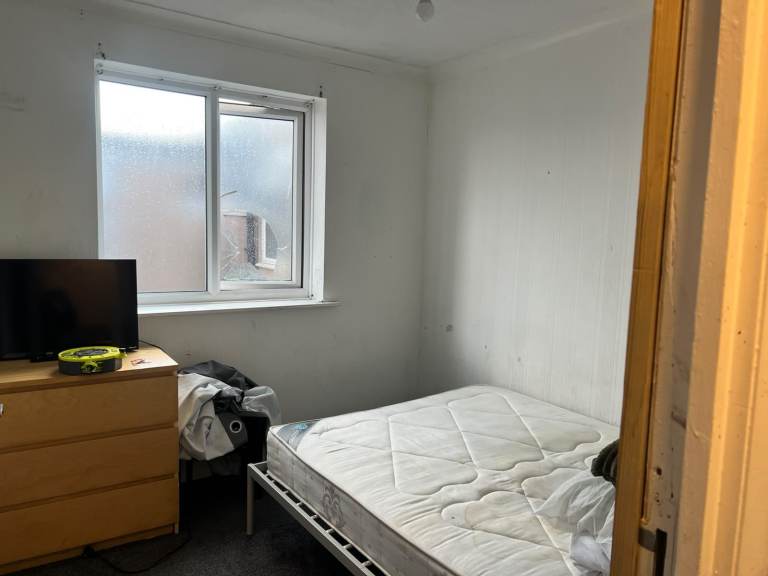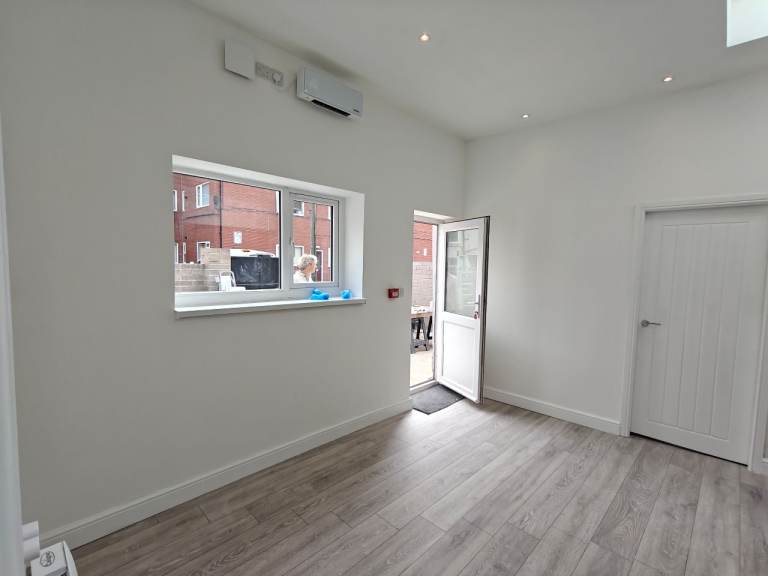
1/7
FLAT - NO DEPOSIT - SOME BILLS INCLUDED
PrivateFlat1 Bed
Blackpool, Lancashire
£650pm
When viewing a property, carefully inspect for any signs of damp, mould, or structural issues. Check that all appliances are in good working order, and that windows and doors seal properly. Ask about the energy performance certificate (EPC) rating, as this will affect your energy bills. Also, confirm the council tax band for the property with Blackpool Council.
Landlords in the UK, including Blackpool, must protect your deposit in a government-approved scheme. They must also provide you with a 'How to Rent' guide, and ensure the property is safe and fit to live in. This includes having a valid gas safety certificate (if applicable) and an electrical installation condition report (EICR). Tenancy agreements should be clear and compliant with UK law.
Ask about the length of the tenancy, the amount of the deposit and how it will be protected, what bills are included (if any), and the process for reporting repairs. Clarify the landlord's policy on pets, decorating, and subletting. It's also wise to ask about the notice period required to end the tenancy.
As a tenant, you have the right to live in a safe and habitable property. Your landlord must carry out necessary repairs within a reasonable timeframe. You also have the right to quiet enjoyment of the property, meaning the landlord cannot enter without giving you proper notice (usually 24 hours) unless it's an emergency. You are protected from unfair eviction.
The typical process involves viewing the property, completing an application form, providing references (e.g., from previous landlords or employers), and undergoing a credit check. If your application is successful, you'll be asked to pay a deposit and sign a tenancy agreement. Be wary of any upfront fees beyond a holding deposit (capped at one week's rent) and the deposit itself, as many letting fees are now illegal in the UK.