Featured
1/17
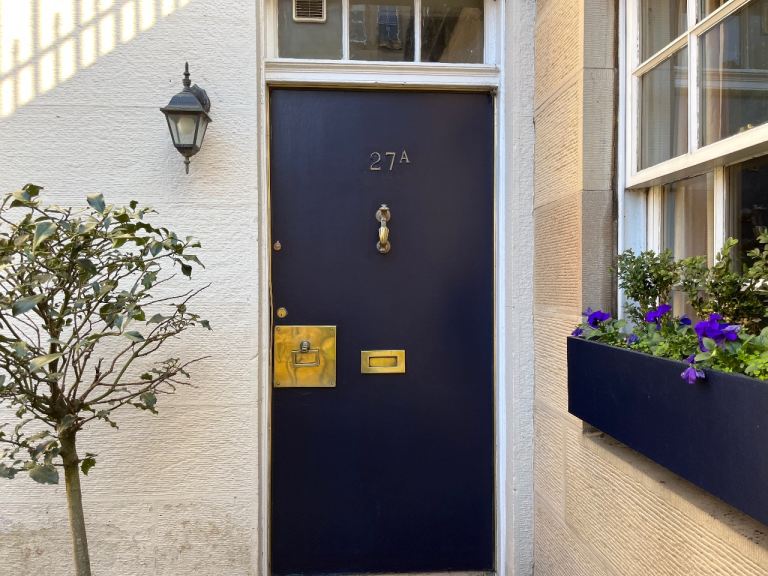
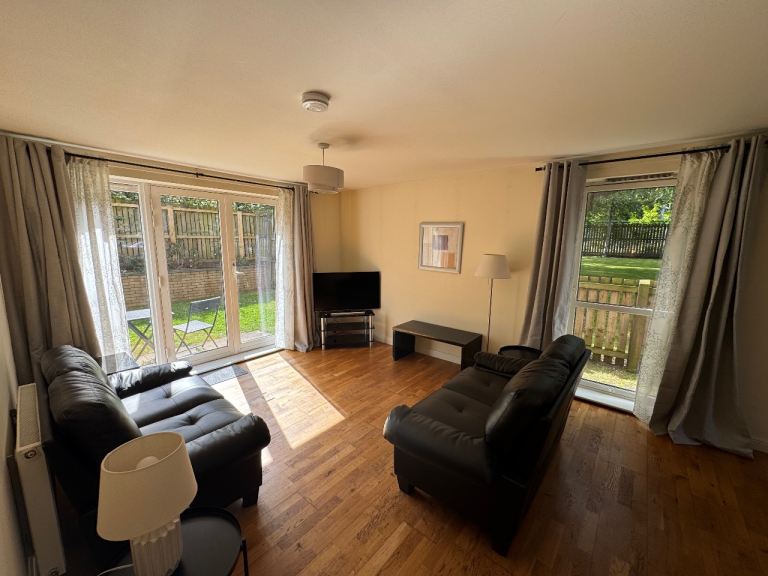
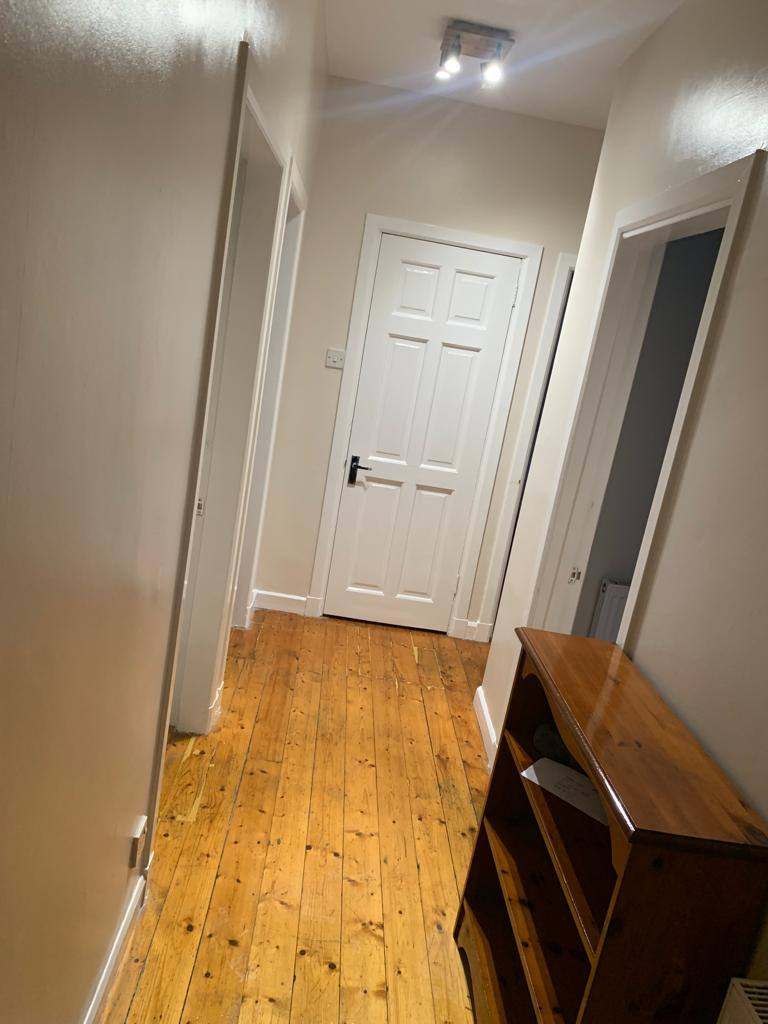
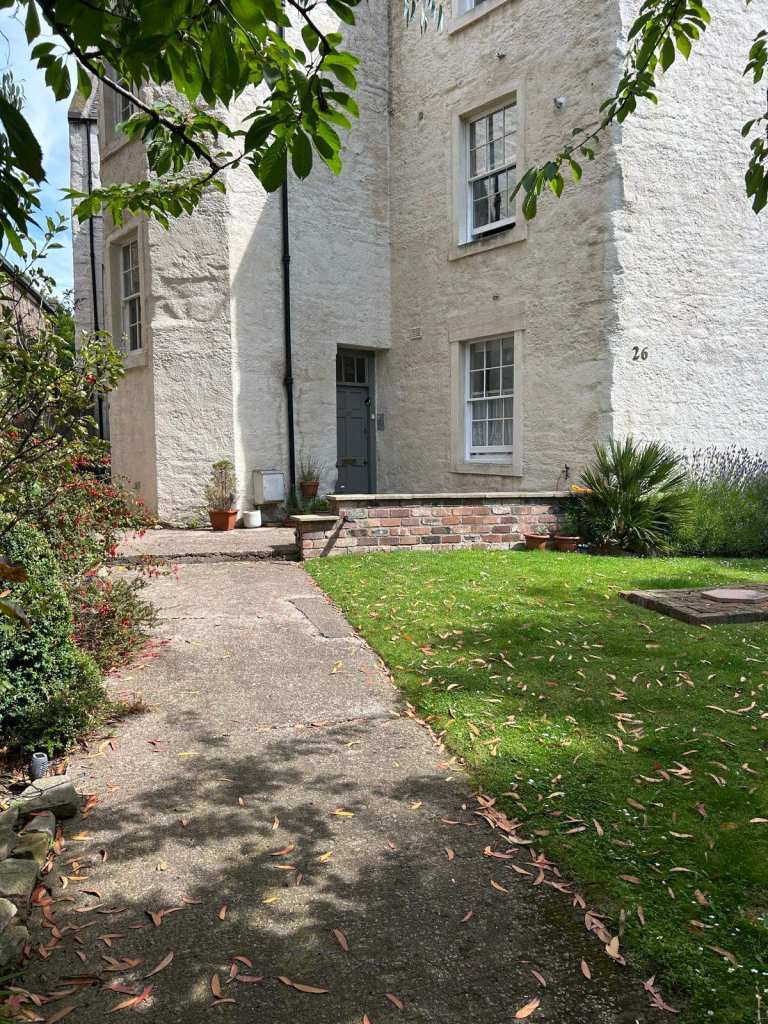
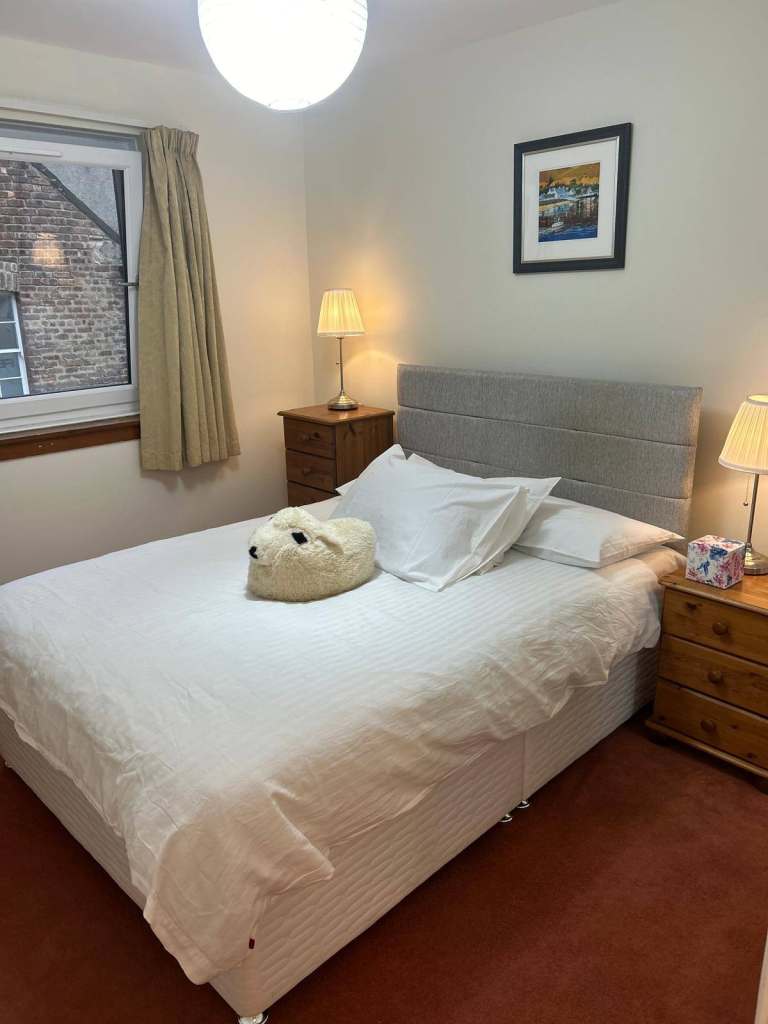
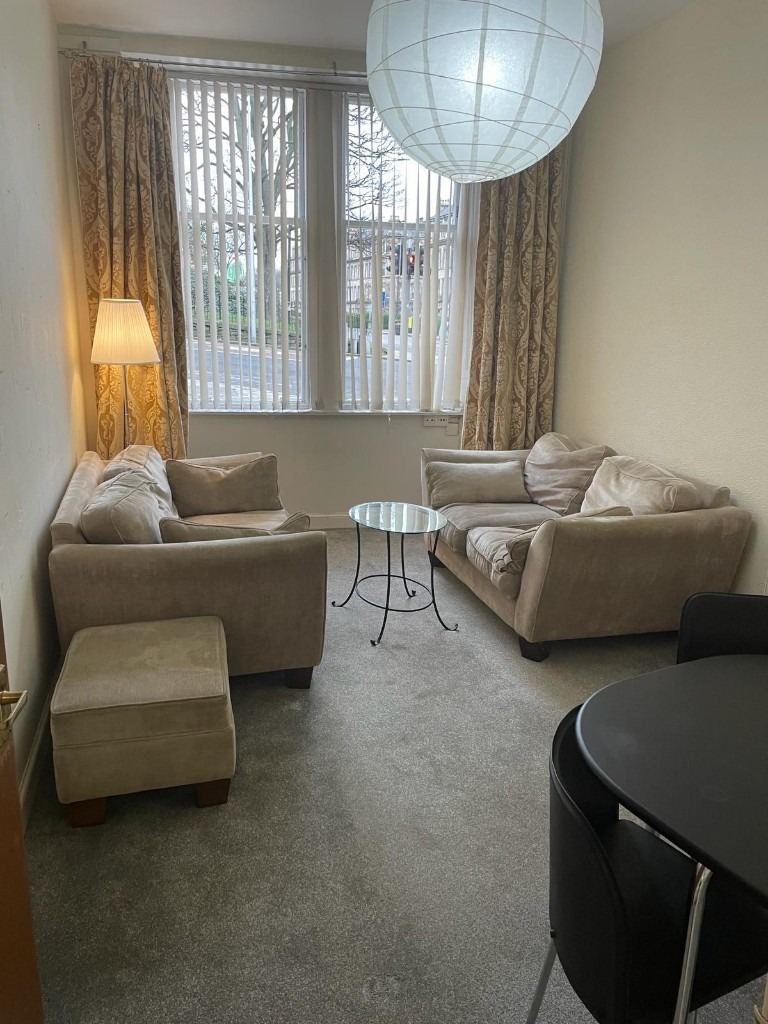
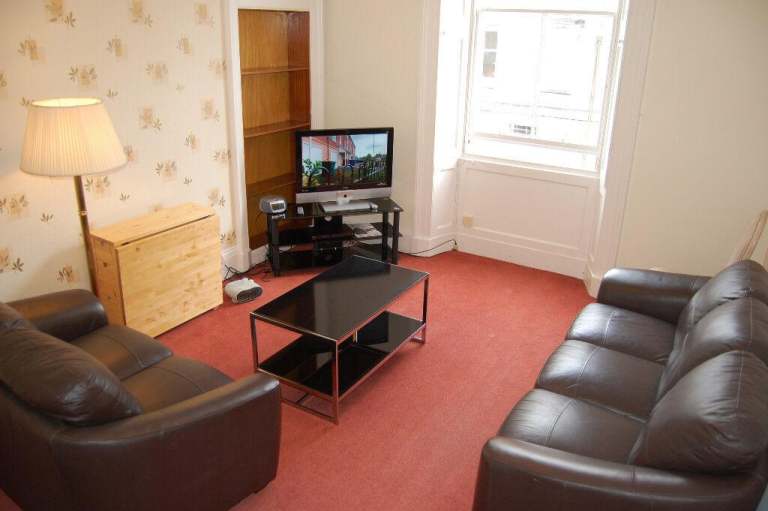
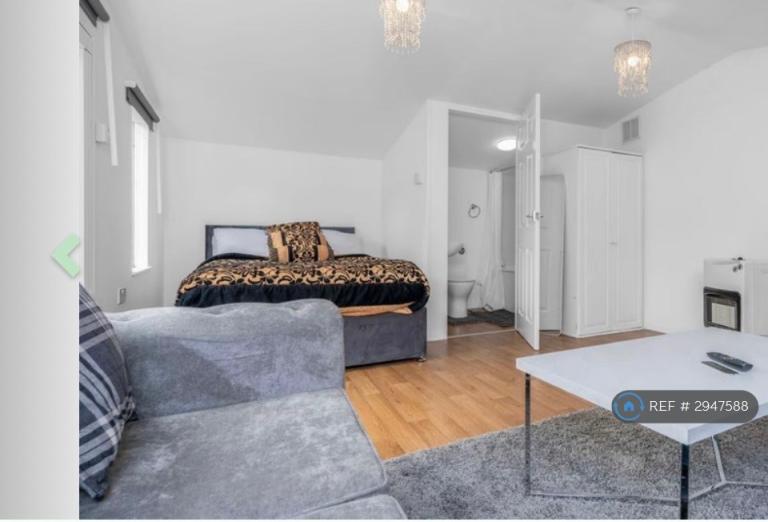
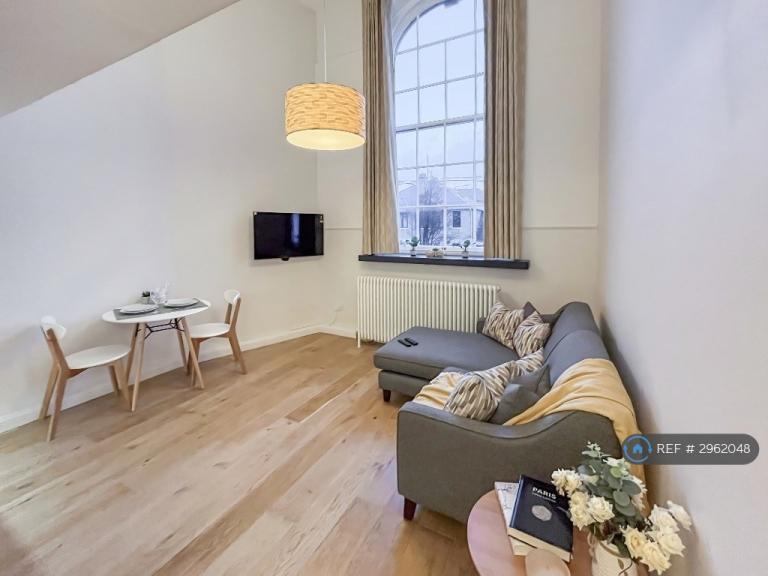
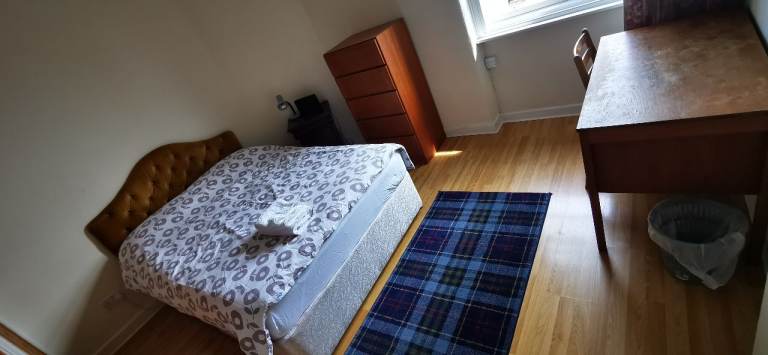
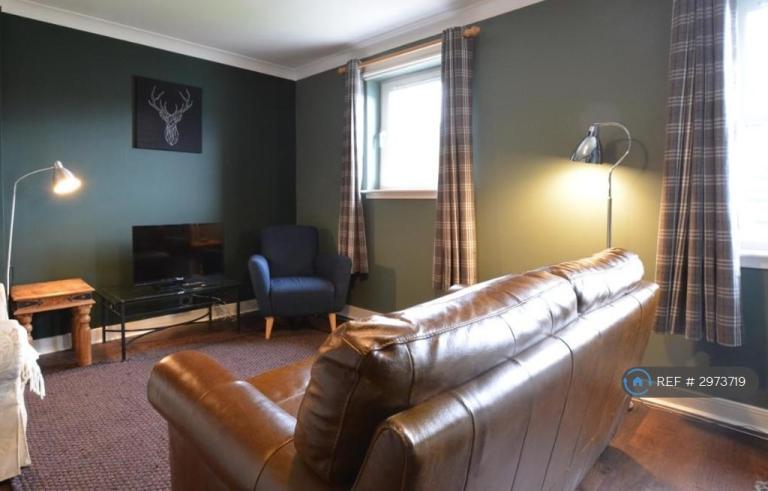
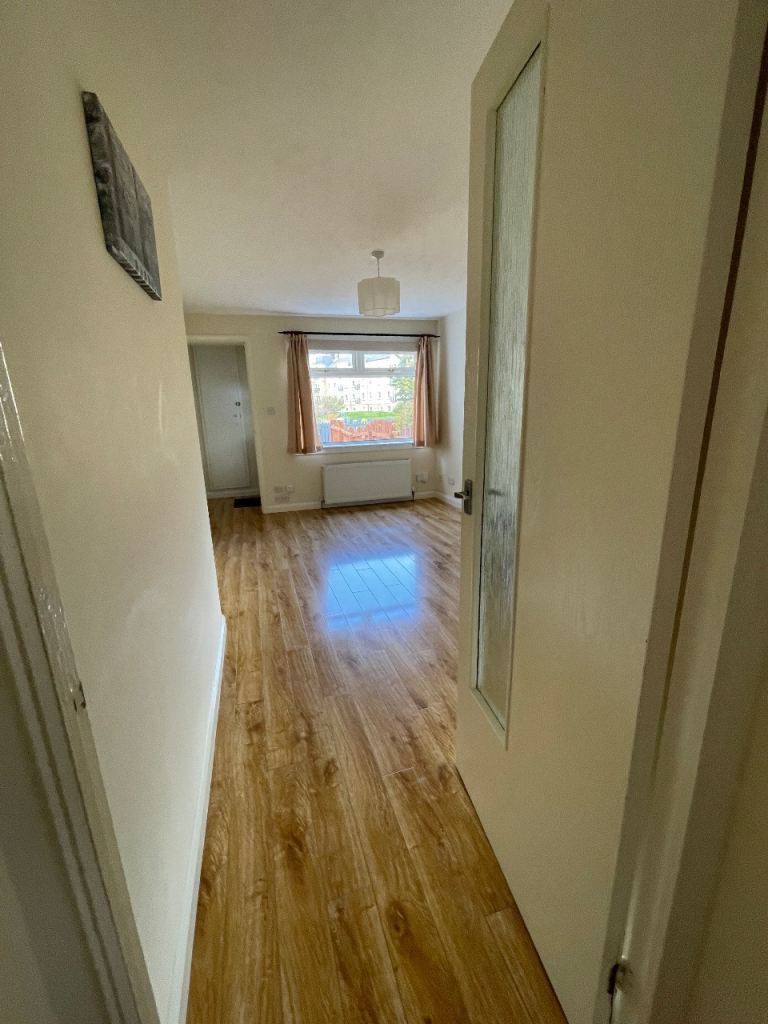
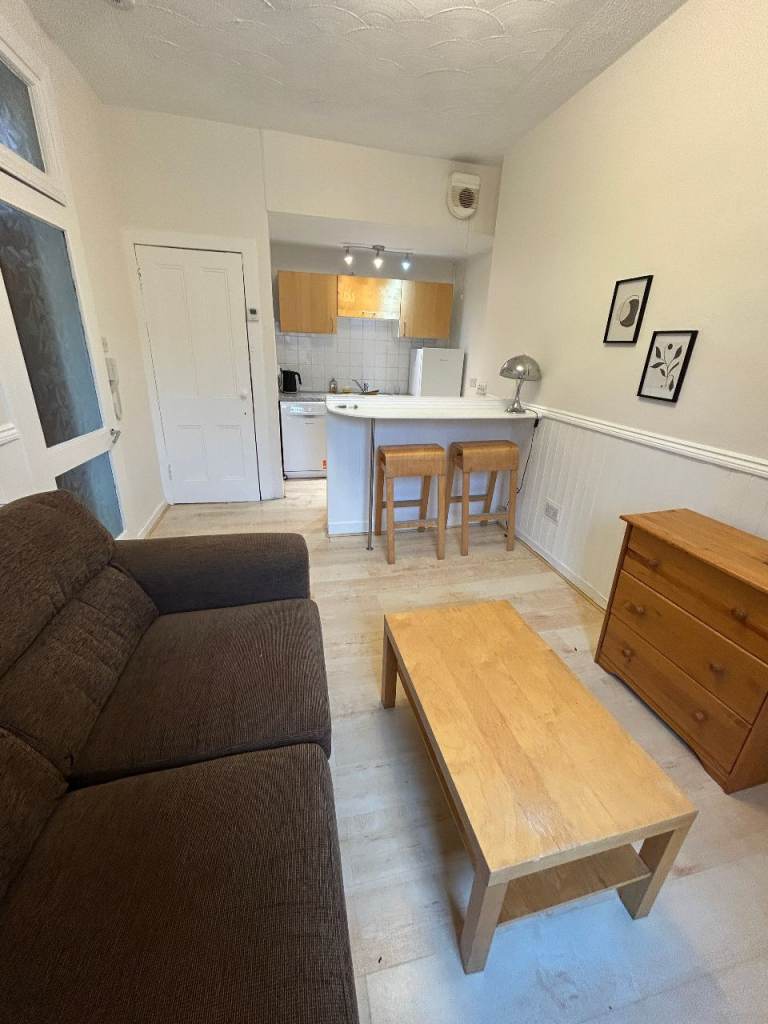
Fully furnished one bedroom flat in amazing location available to rent from 6/9/26
PrivateFlat1 Bed
Holyrood, Edinburgh
£1,200pm
When viewing a property, thoroughly inspect for any existing damage, such as cracks in walls, water stains, or broken fixtures. Check that all appliances are in working order. Pay attention to the overall cleanliness and condition of the property, including the garden if applicable. Note any concerns and raise them with the landlord or letting agent before signing a lease. Also, check the Energy Performance Certificate (EPC) rating, which indicates the property's energy efficiency.
In Scotland, landlords must be registered and properties must meet certain safety standards. Landlords must provide a 'Tenant Information Pack' which includes details about the tenancy agreement, deposit protection scheme, and repairs. A written tenancy agreement is essential. Landlords are also legally required to ensure the property is fit for human habitation and meets the Repairing Standard. Deposits must be lodged with a government-approved tenancy deposit scheme within 30 working days.
Enquire about the length of the tenancy agreement and the process for renewing or ending it. Clarify who is responsible for repairs and maintenance, and how to report issues. Ask about the council tax band and average utility costs. Confirm the deposit amount and the process for its return at the end of the tenancy. Also, ask about any restrictions, such as pet policies or smoking rules.
Landlords in Scotland are legally required to protect your deposit in a government-approved tenancy deposit scheme. This ensures that your deposit is protected and returned to you at the end of the tenancy, provided you have met the terms of the tenancy agreement (e.g., no damage beyond fair wear and tear). You should receive details of the scheme within 30 working days of paying the deposit. At the end of the tenancy, the landlord must agree to the deposit return, or the scheme will provide a dispute resolution service.
Landlords in Scotland have a legal obligation to ensure that the property meets the Repairing Standard. This means they must keep the property in a reasonable state of repair, including ensuring the structure and exterior are sound, and that the installations for water, gas, electricity, sanitation, space heating, and water heating are in a reasonable state of repair and in proper working order. If repairs are needed, you should inform the landlord in writing and allow them a reasonable time to carry them out. If the landlord fails to do so, you may have recourse to legal action.