14
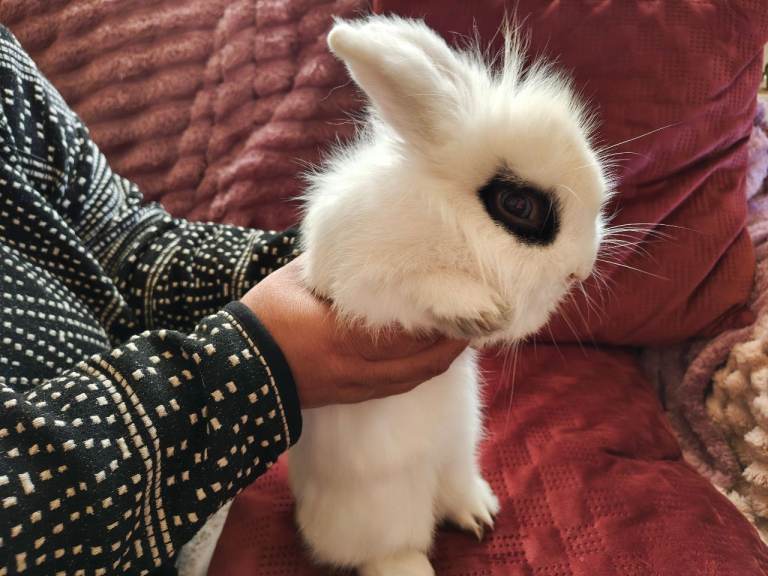
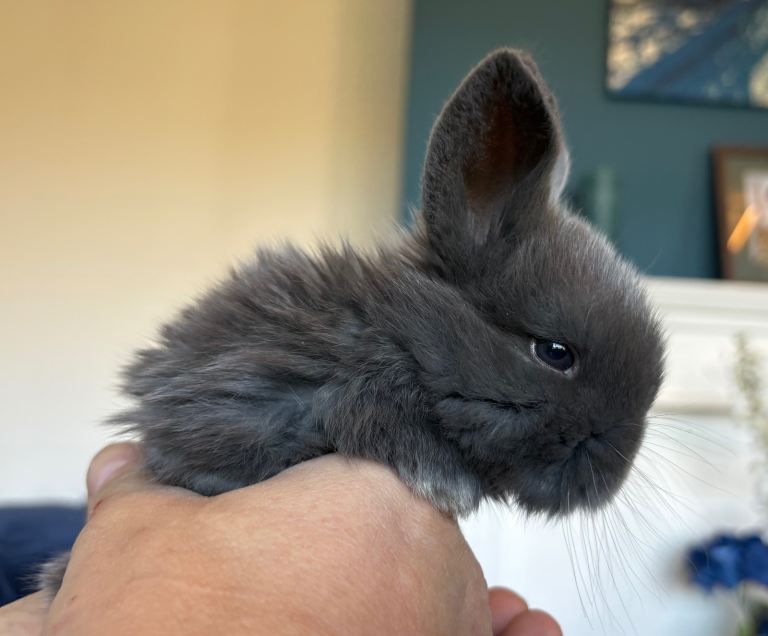
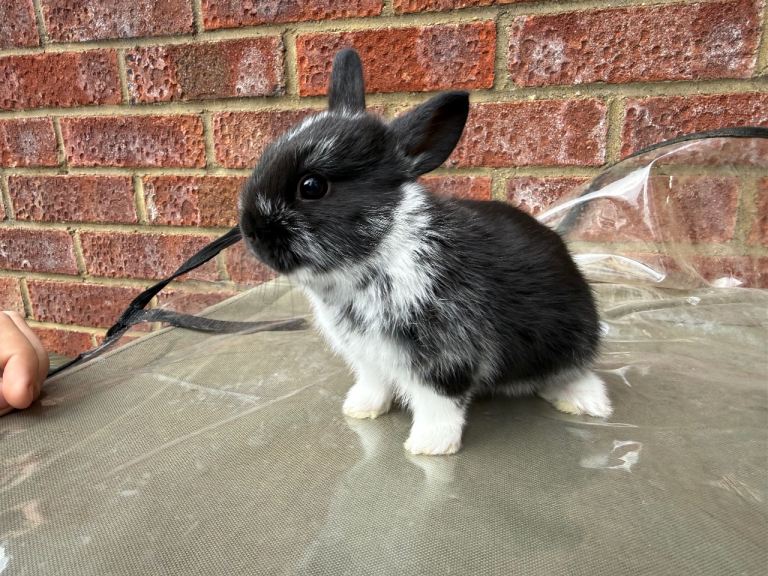
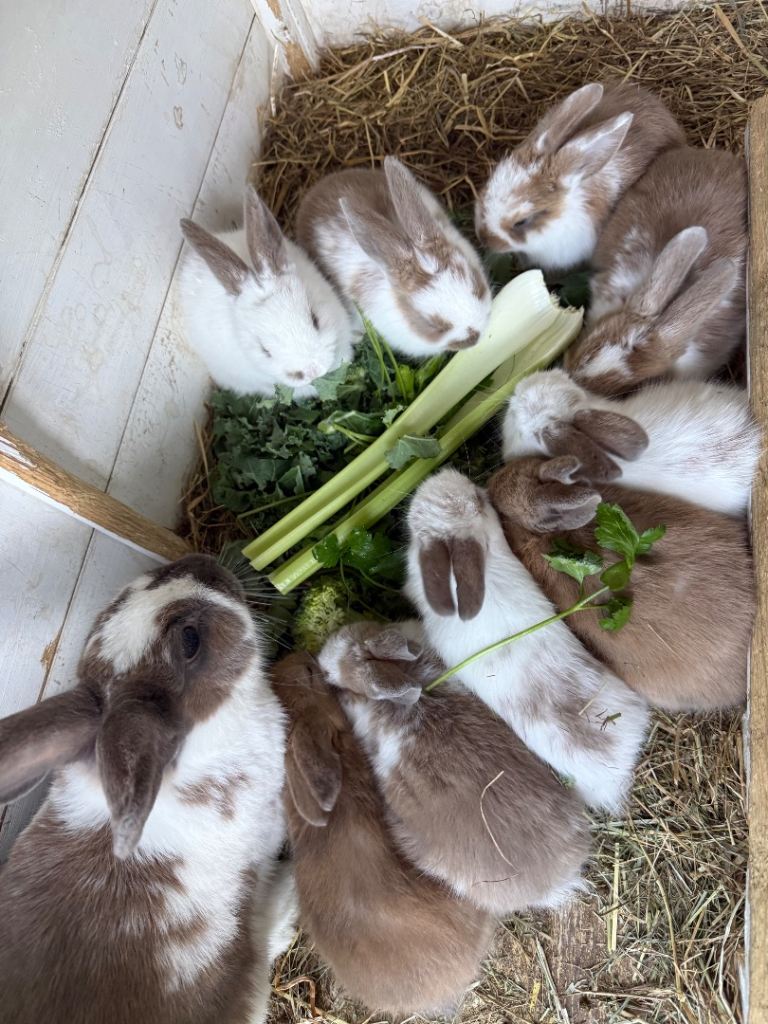
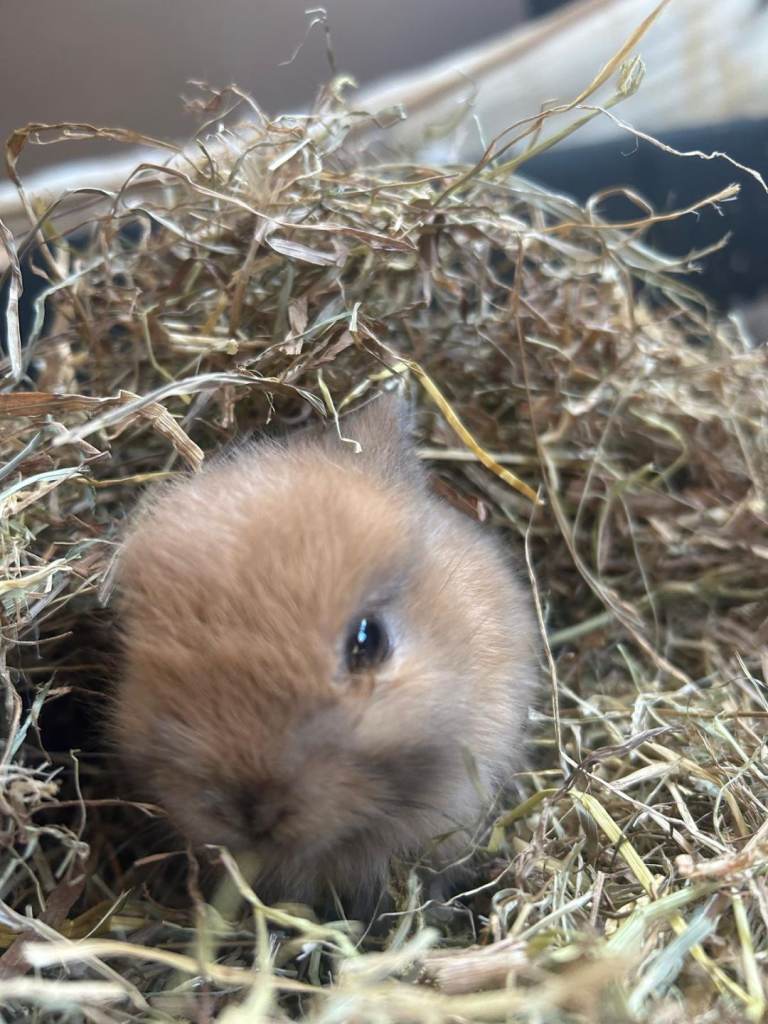
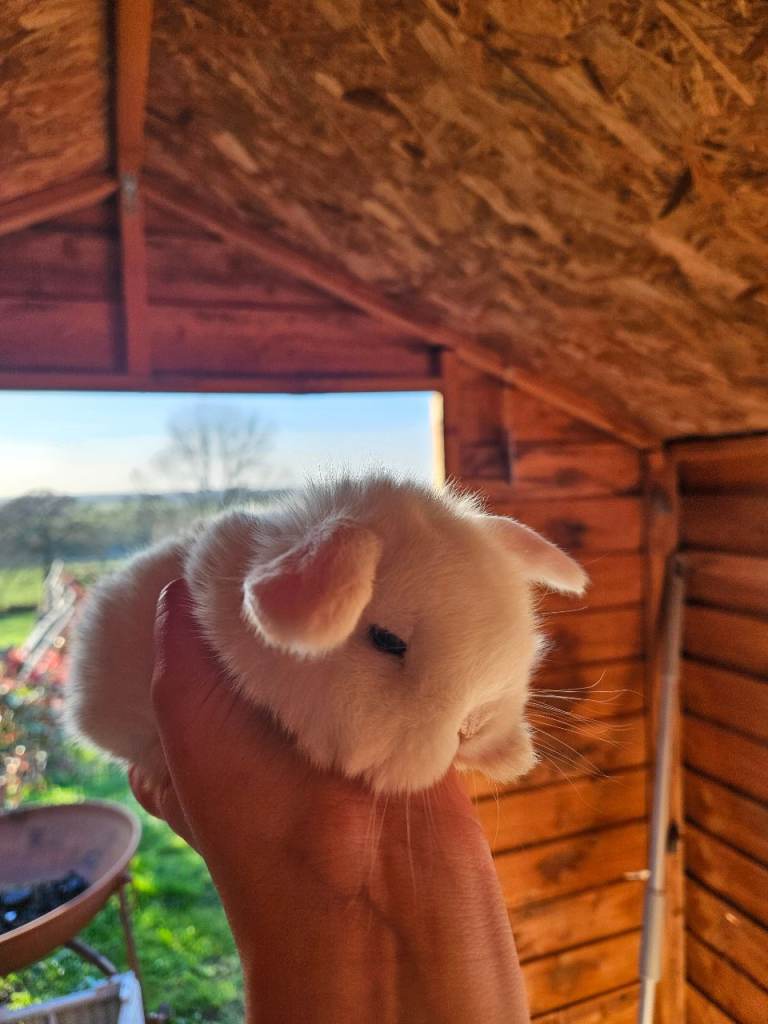
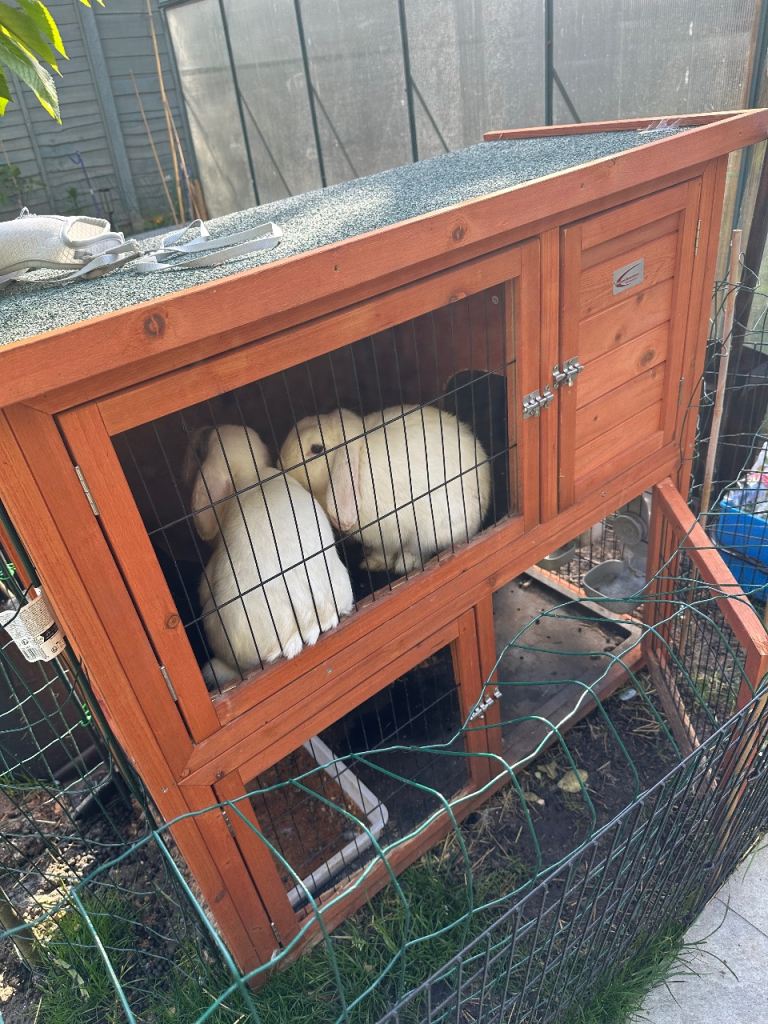
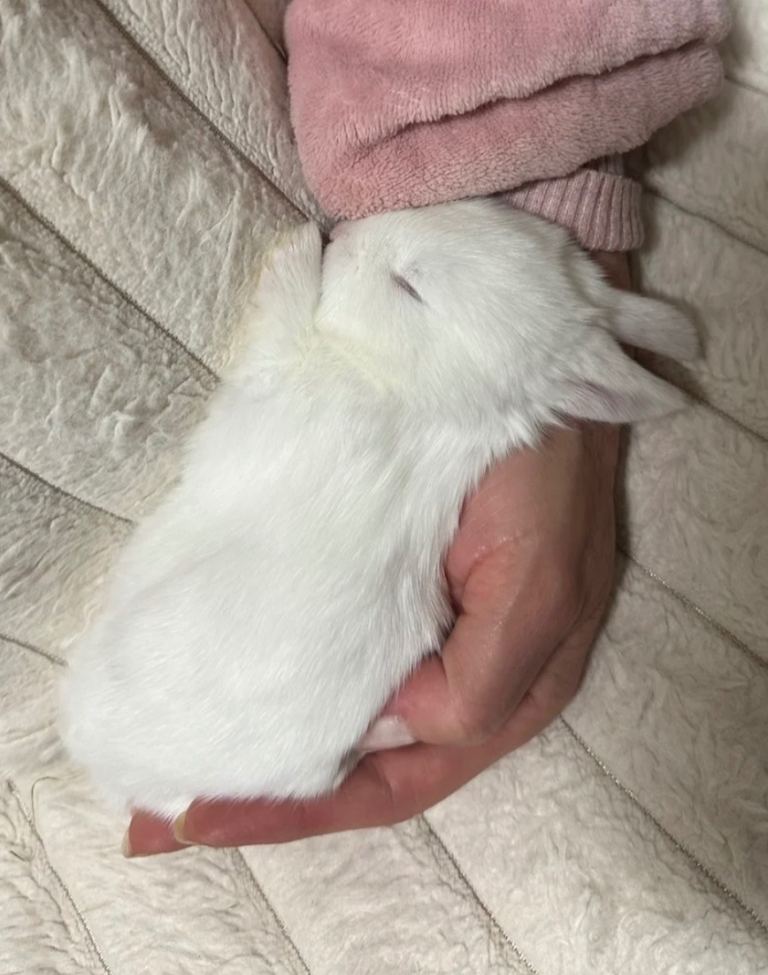
Mixture of baby Bunnies- Mini Lops
Age: 10 months
Ready to leave: Now
Haywards Heath, West Sussex
£120
Consider the rabbit's breed, size, and temperament to ensure it suits your lifestyle and living space. Research the specific needs of the breed you're interested in. Observe the rabbit's behaviour – it should be alert, active, and curious, not lethargic or withdrawn. Check for any signs of illness, such as discharge from the eyes or nose, or matted fur.
In the UK, you are legally responsible for ensuring your rabbit's welfare needs are met. This includes providing a suitable environment, a healthy diet, the ability to exhibit normal behaviour, appropriate company (rabbits are social animals and should ideally be kept in pairs), and protection from pain, suffering, injury, and disease. You should familiarise yourself with the Animal Welfare Act 2006.
Rabbits need a hutch that is large enough for them to stand up, stretch out, and hop comfortably. The hutch should be weatherproof and provide shelter from the elements. It should also have a separate sleeping area. The hutch should be cleaned regularly to prevent the build-up of bacteria and parasites. Rabbits also need access to a larger run for exercise.
A rabbit's diet should consist primarily of hay (around 80-90%), which is essential for their dental health and digestion. Supplement this with a small amount of high-quality rabbit pellets (around 5% of their diet) and a handful of fresh leafy greens daily. Avoid sugary treats and excessive amounts of fruit, as these can cause digestive problems. Always provide fresh water.
Before bringing a rabbit home, check its overall condition. Look for signs of healthy fur, bright eyes, and a clean bottom. Once home, regularly check for signs of illness, such as changes in appetite or droppings, lethargy, or discharge. Rabbits should be vaccinated against myxomatosis and rabbit haemorrhagic disease (RHD1 and RHD2). Register your rabbit with a vet and schedule a check-up soon after bringing it home to ensure it is healthy and to discuss preventative care.