1/2
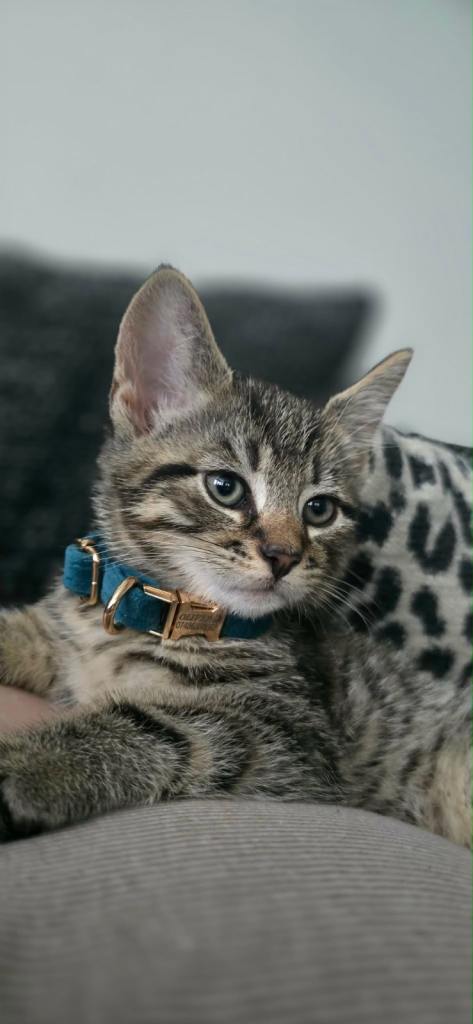
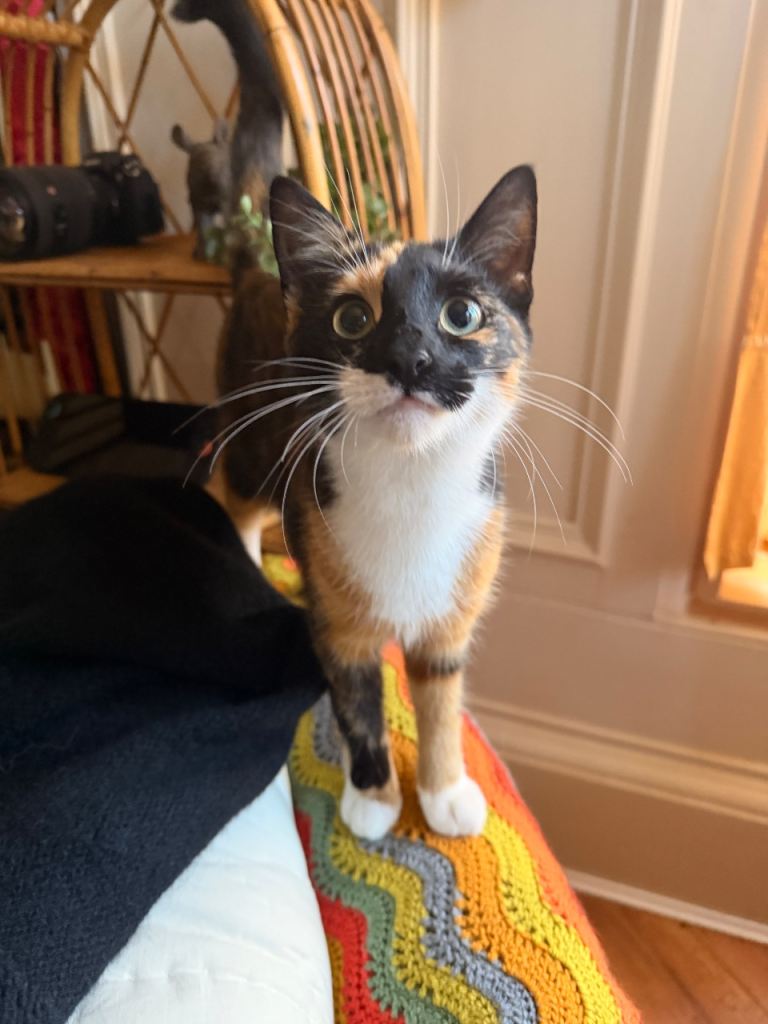
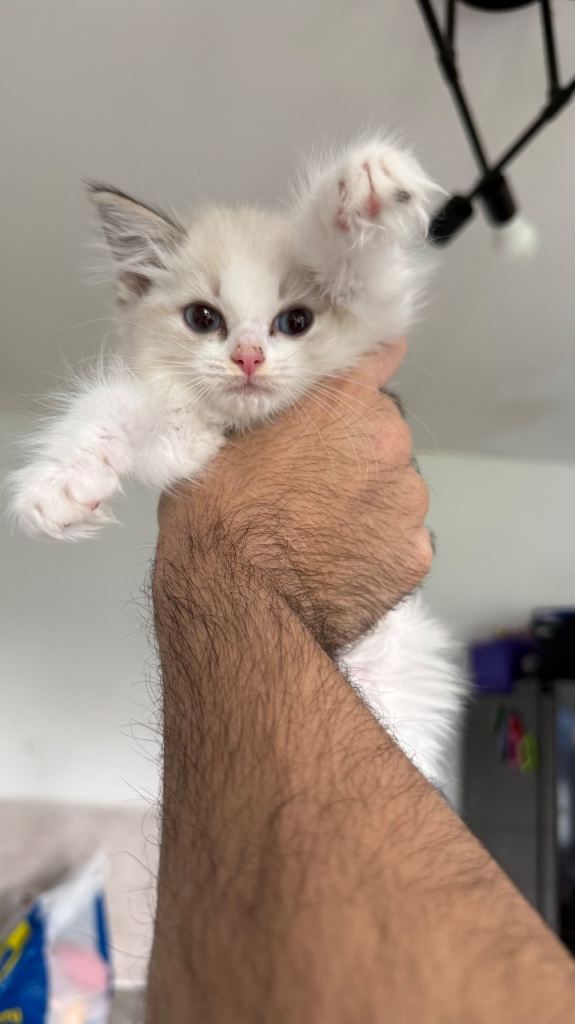
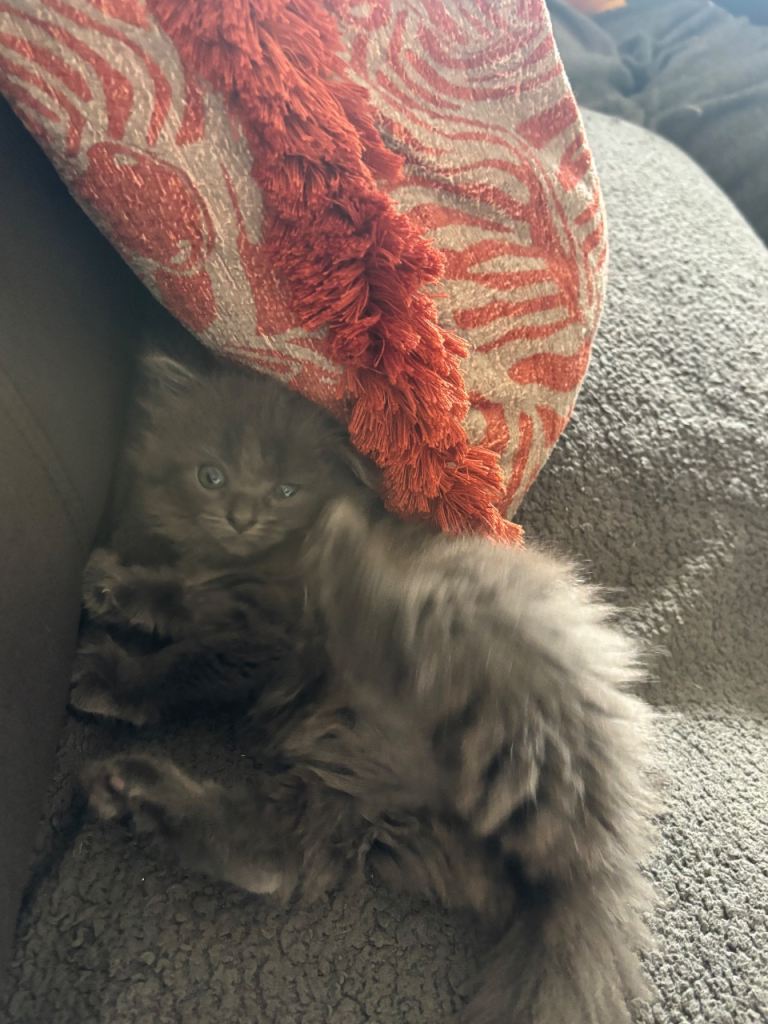
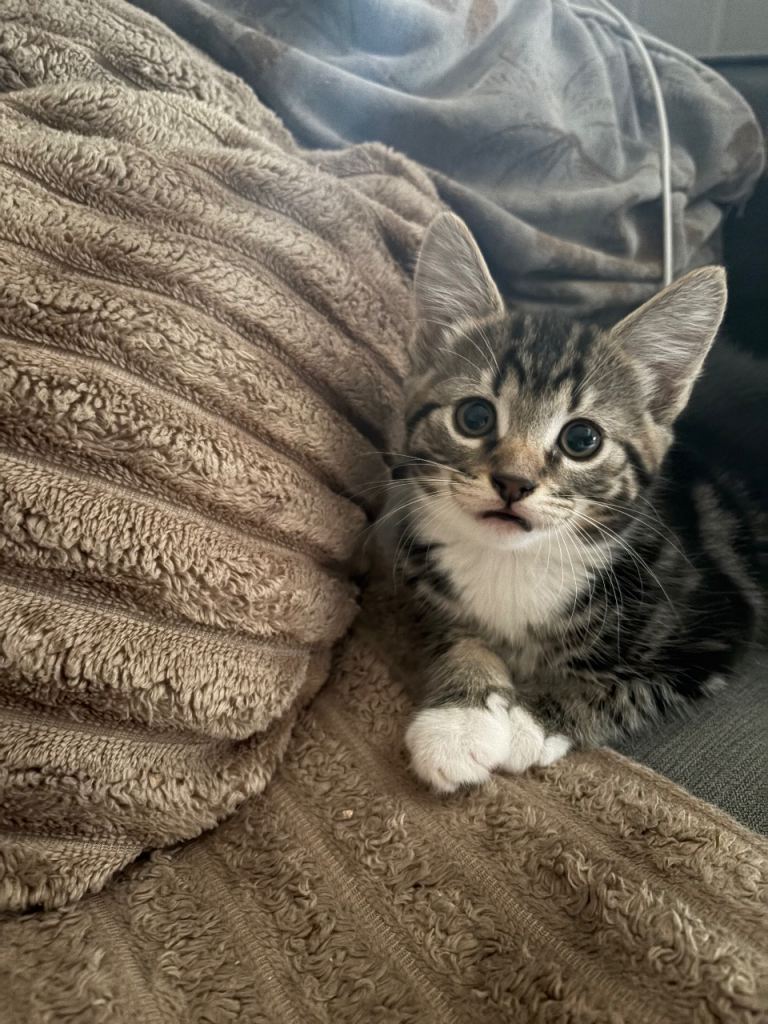
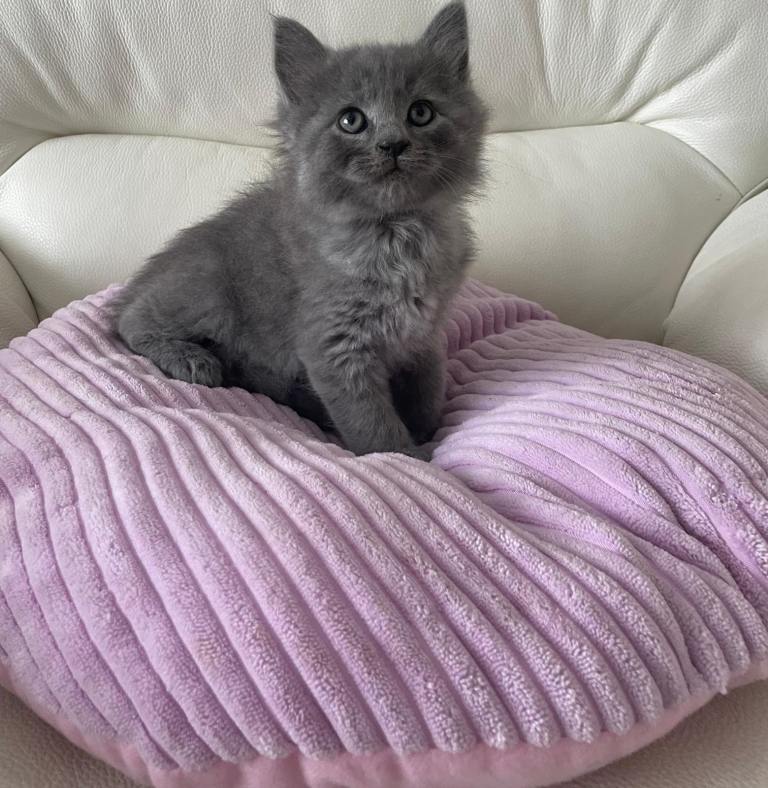
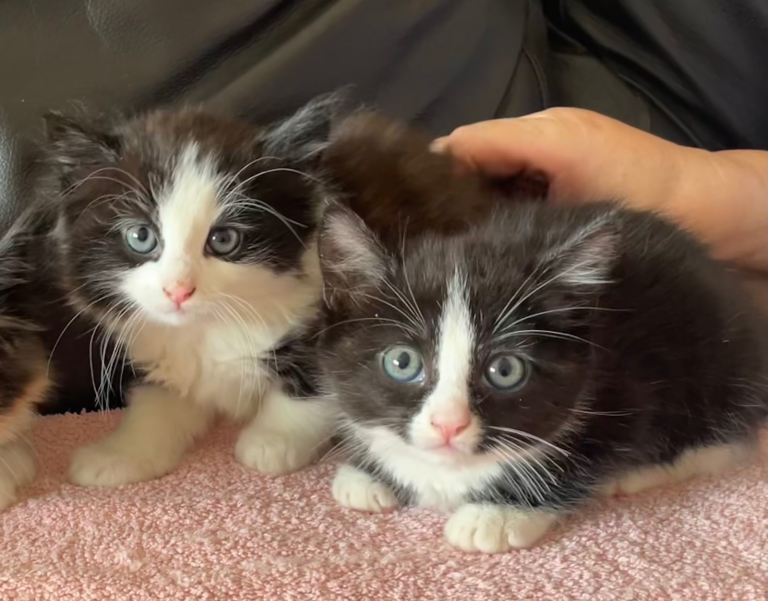
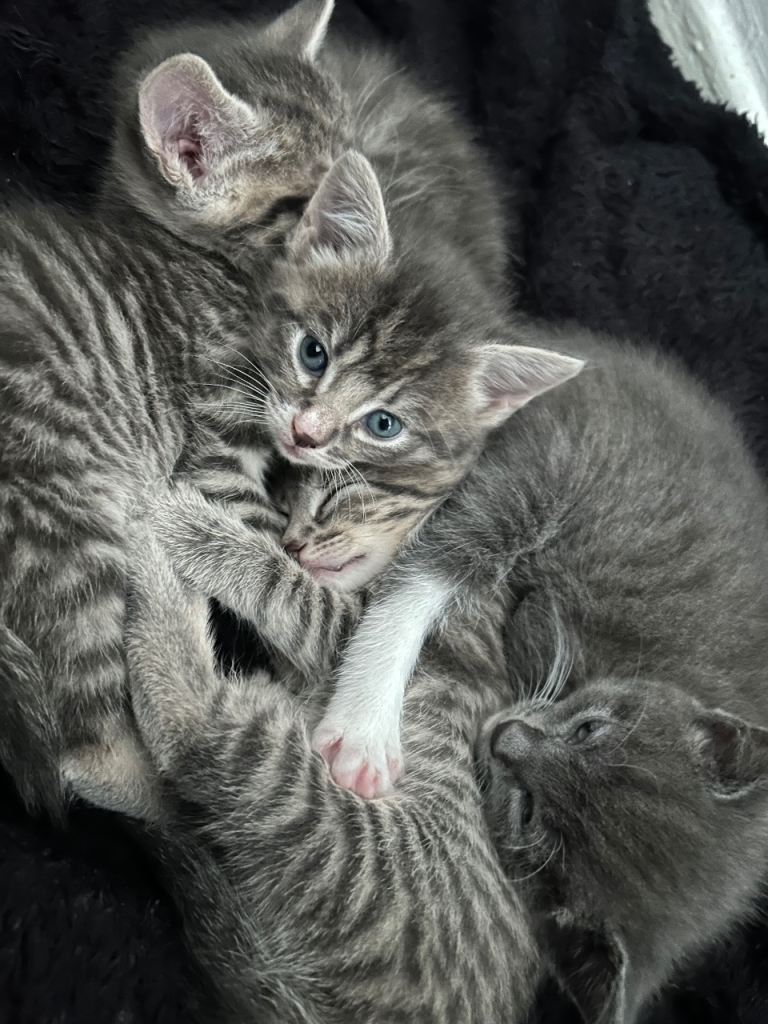
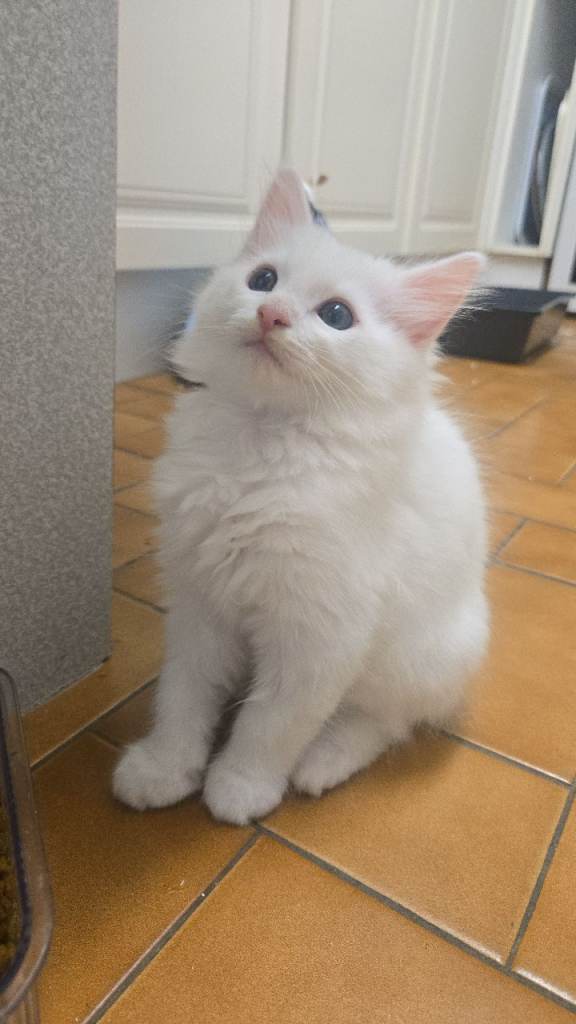
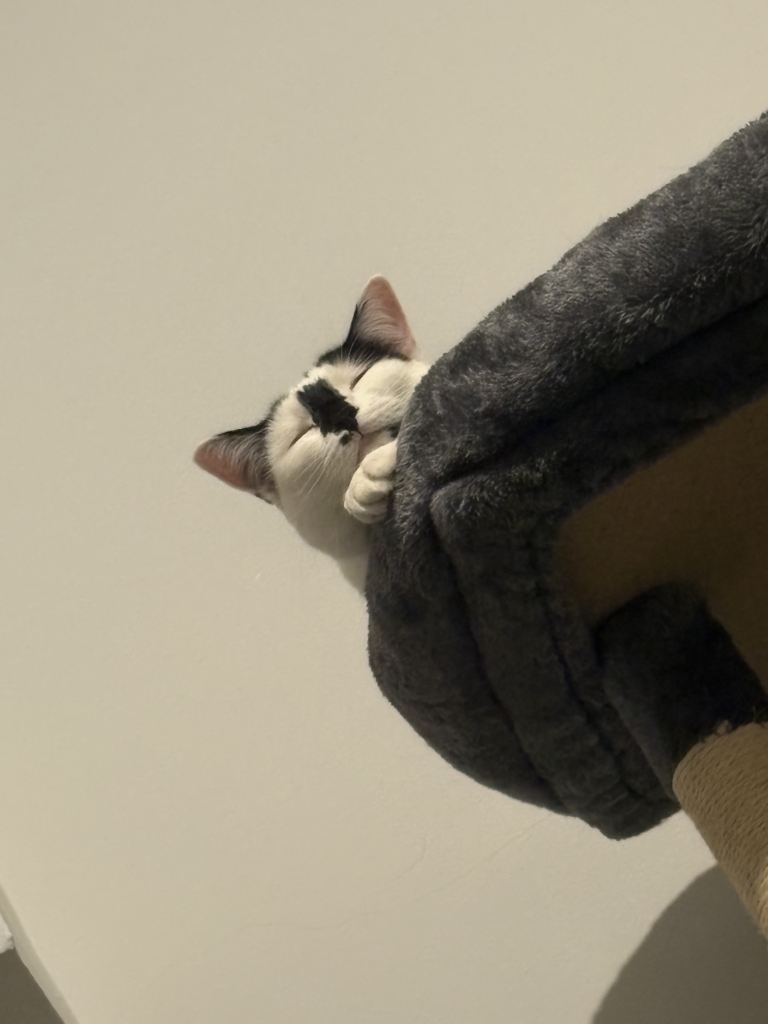
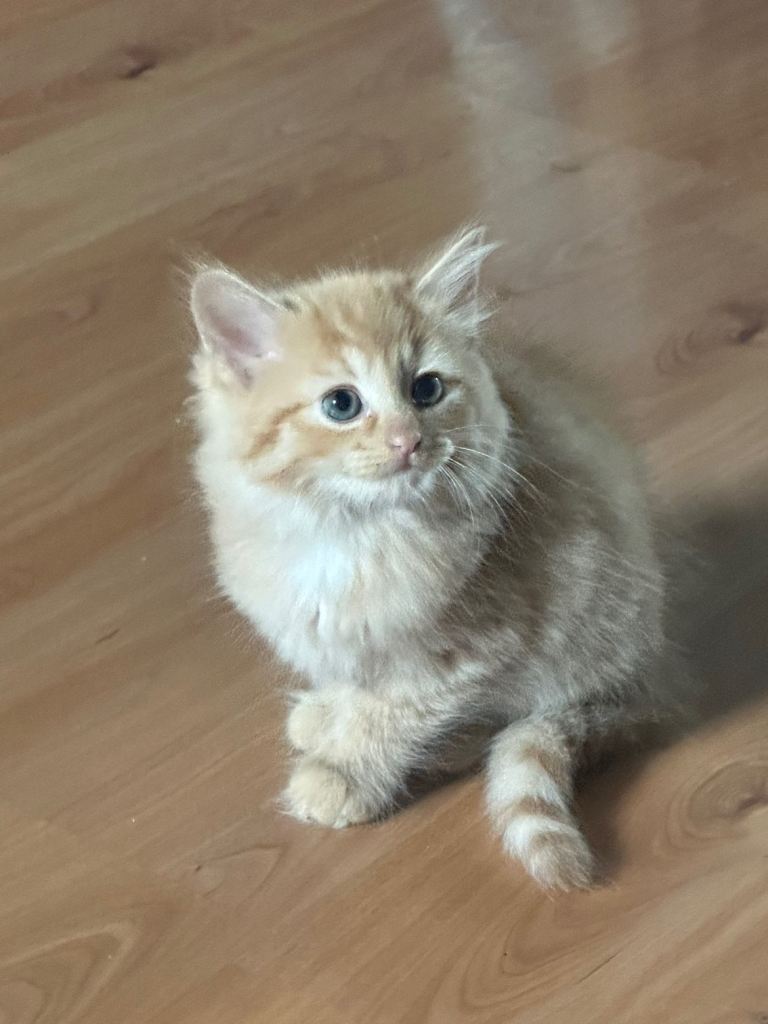
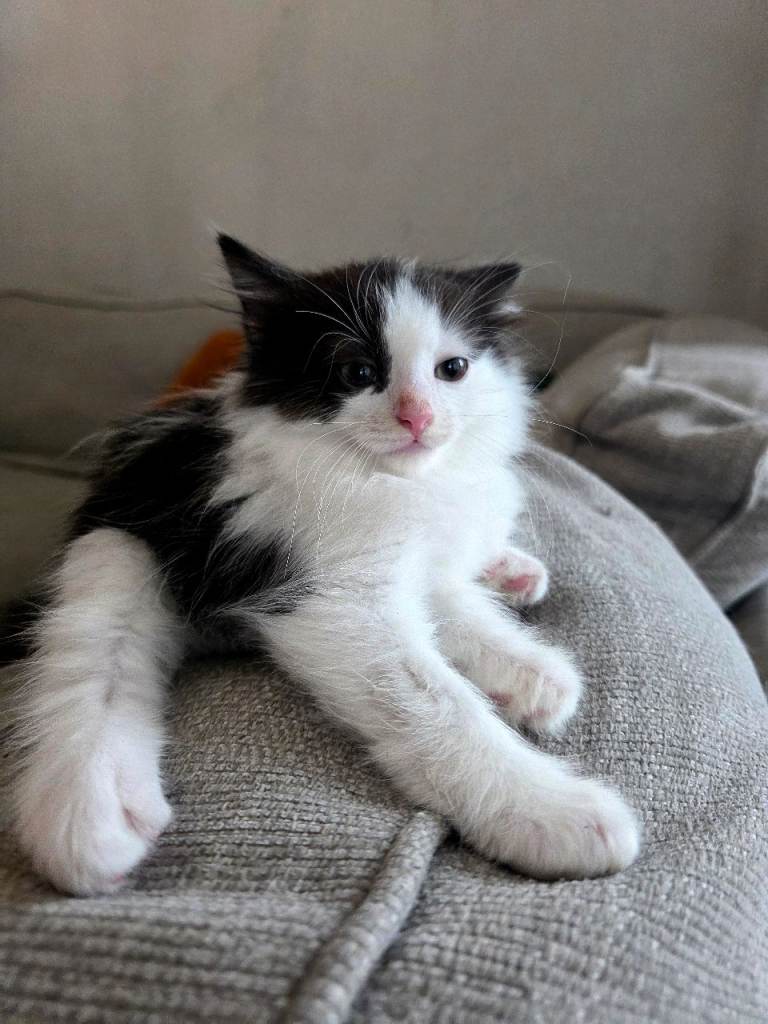
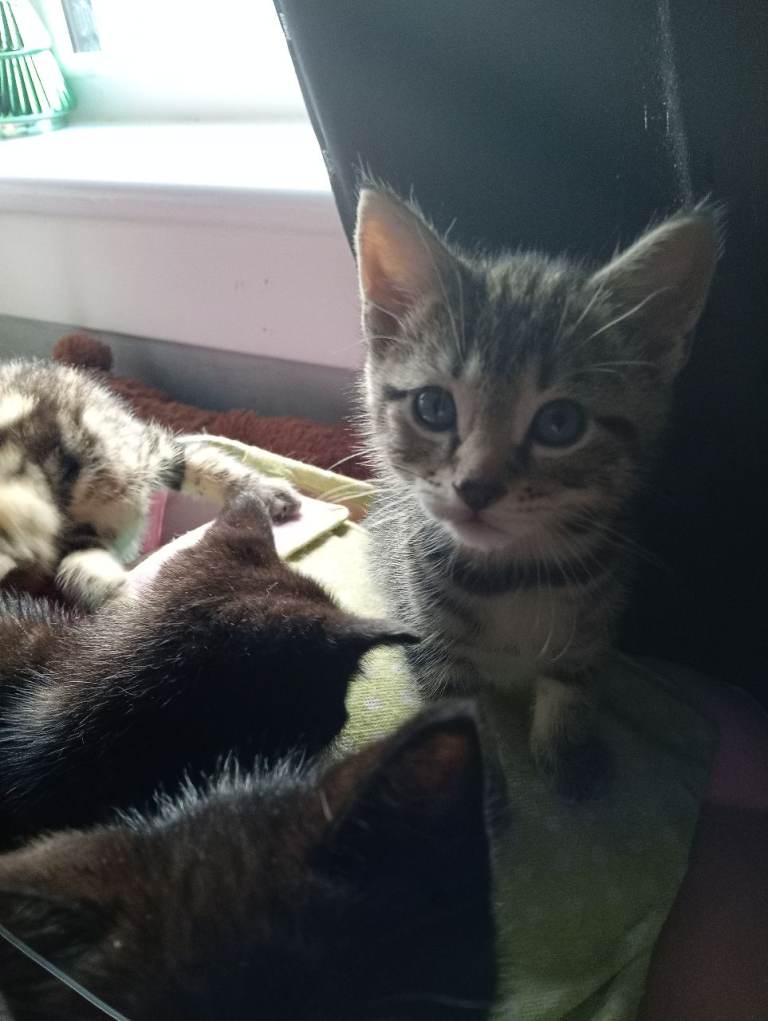
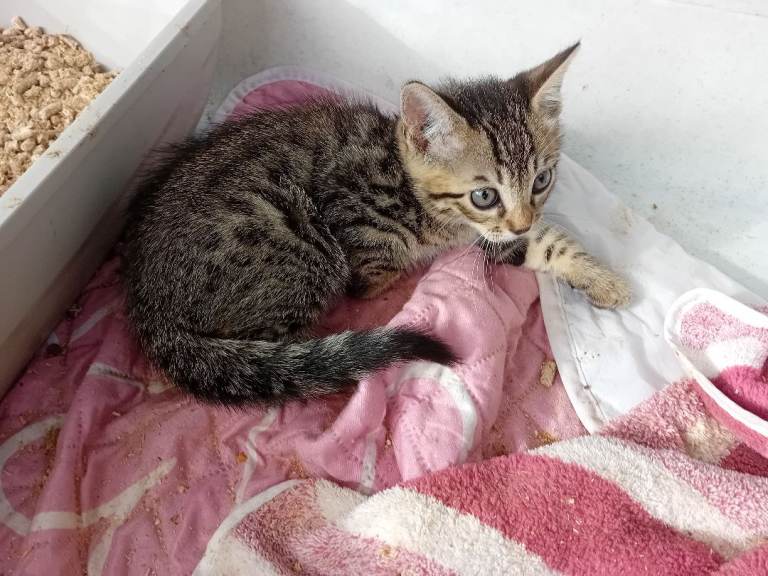
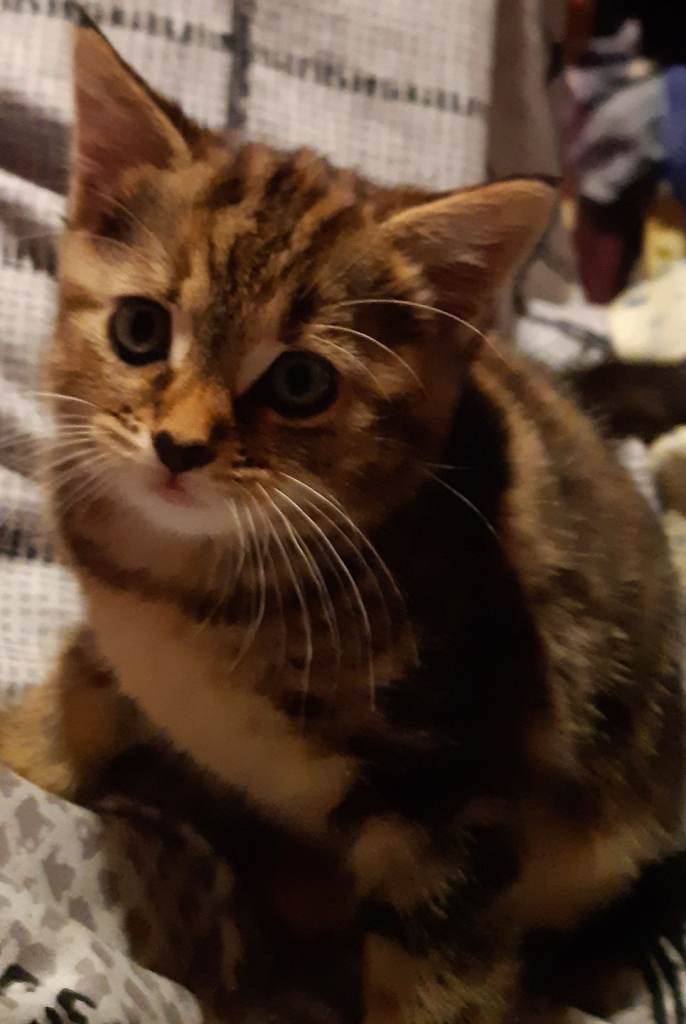
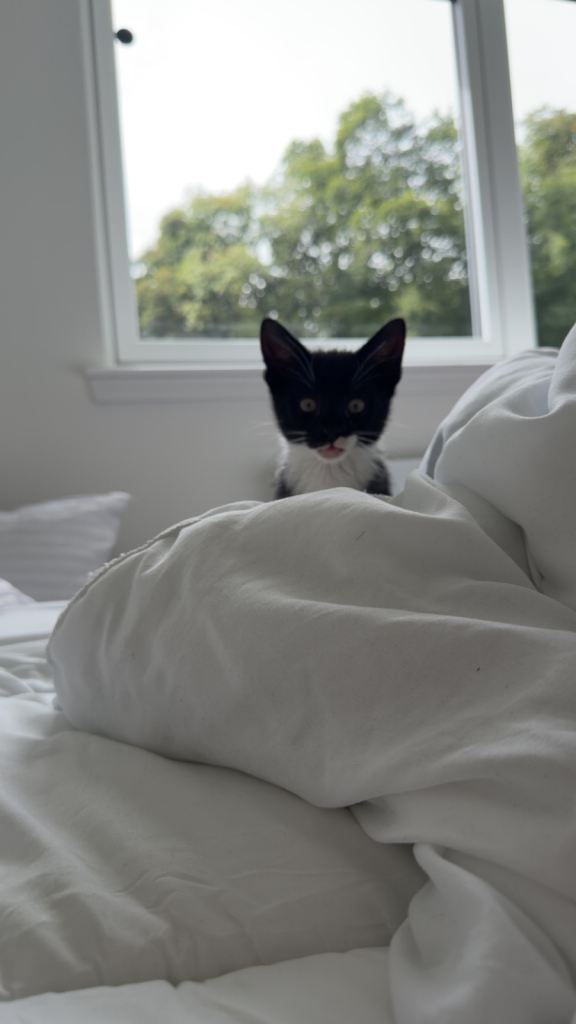
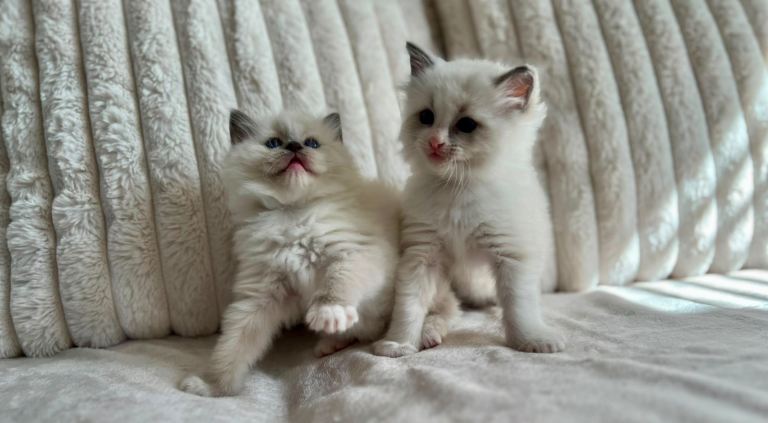
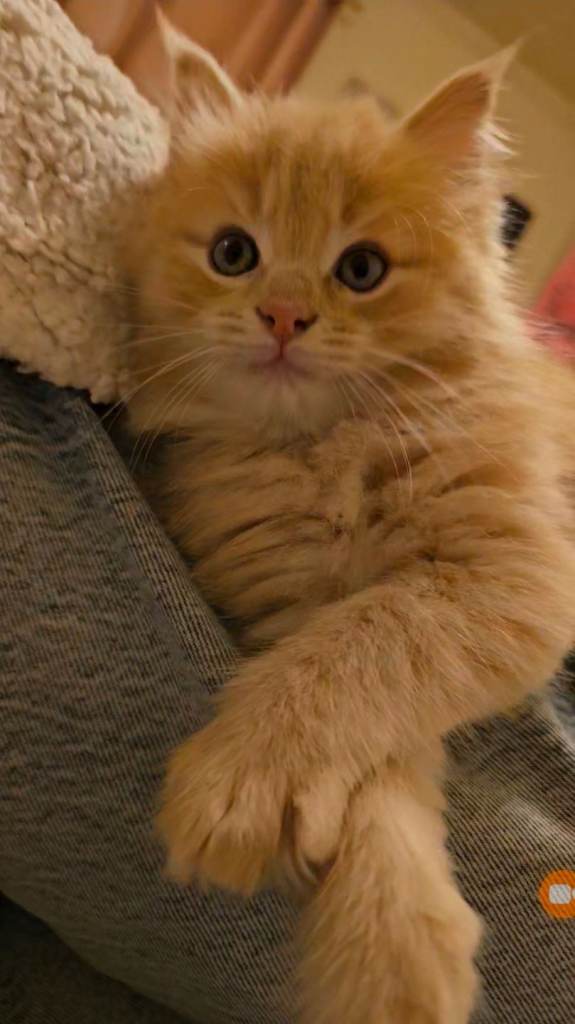
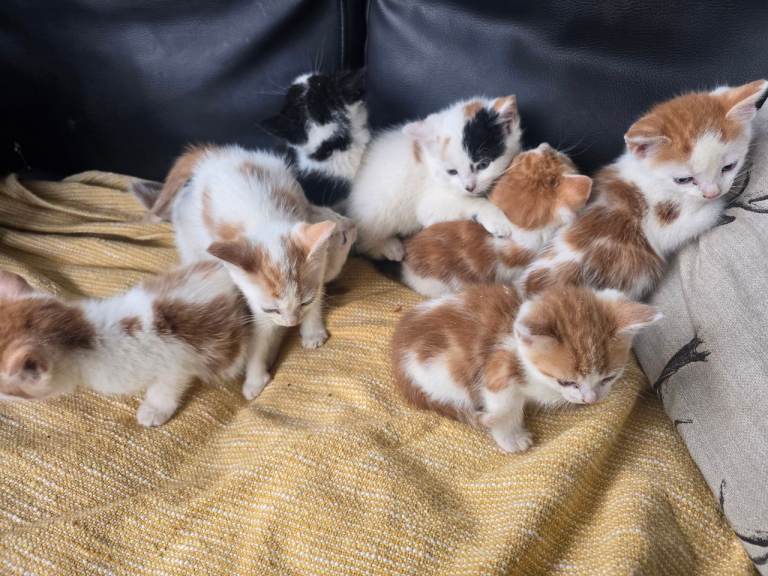
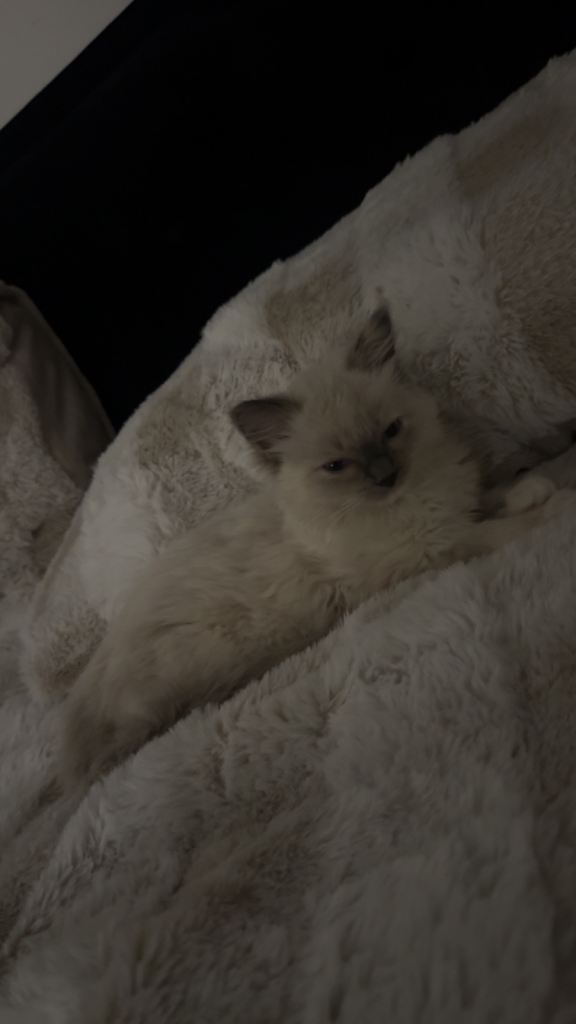
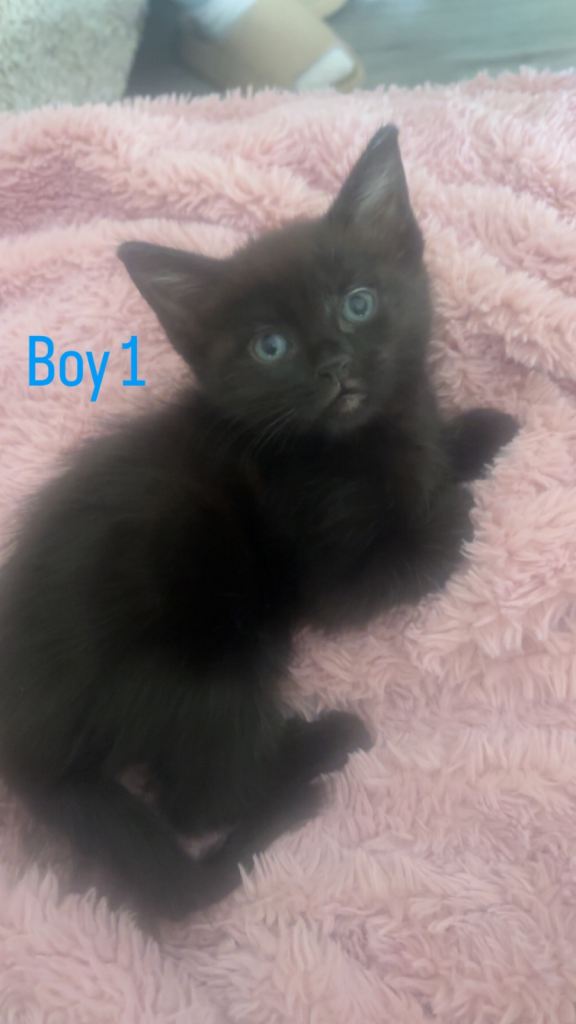
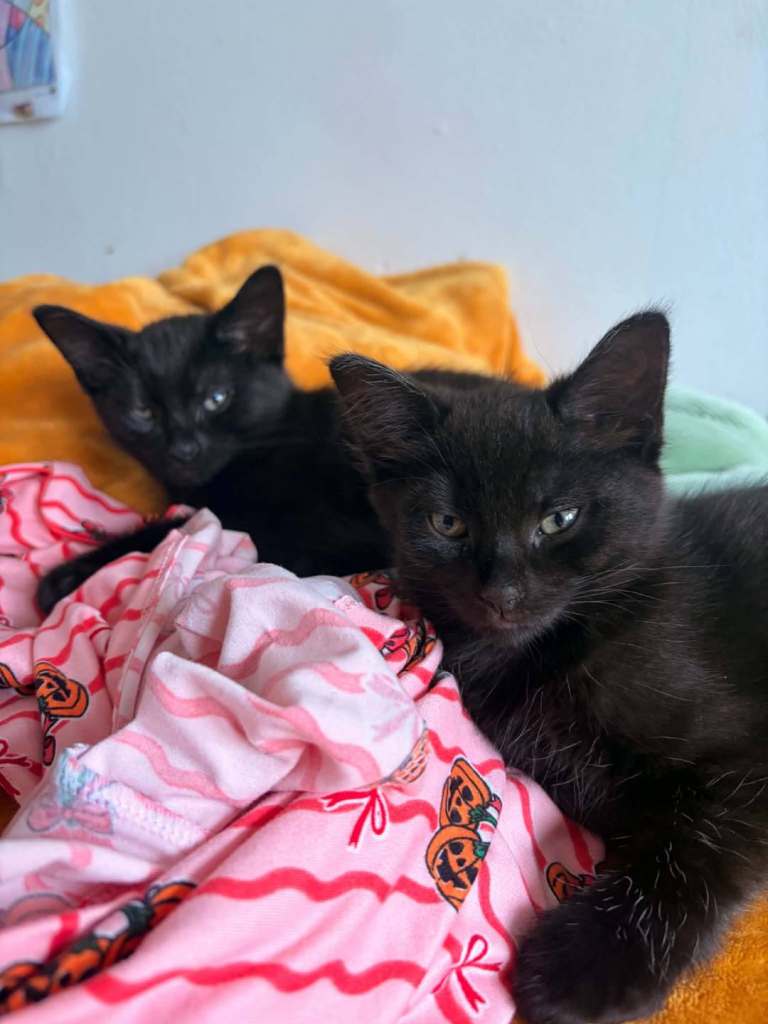
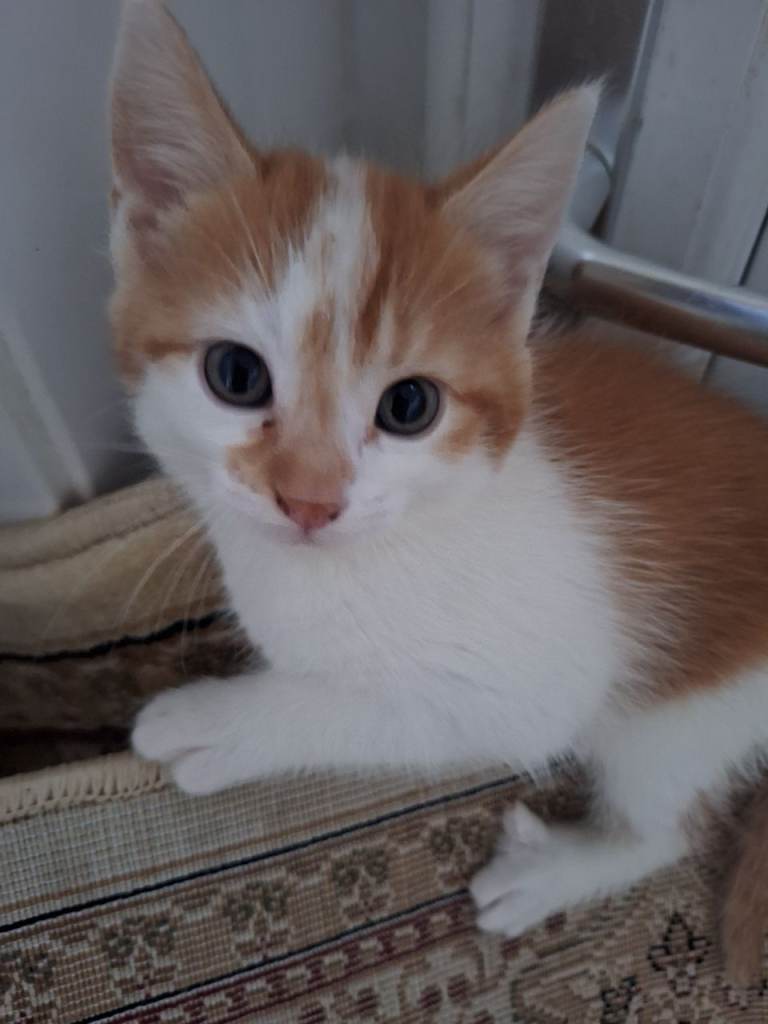
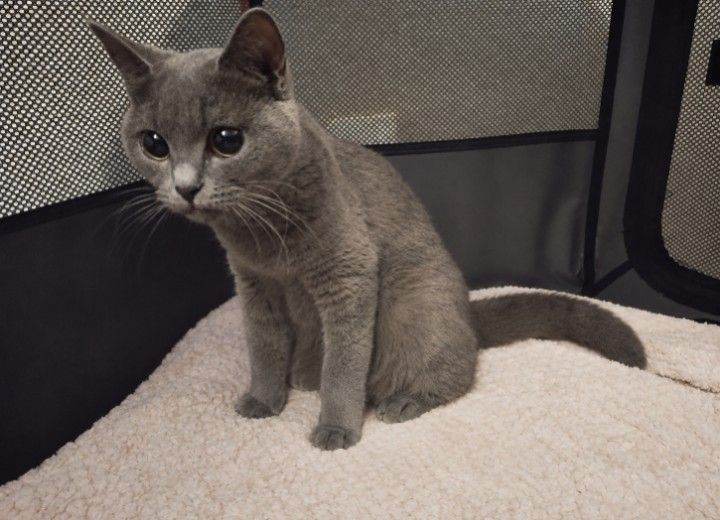
British Shorthair/Turkish Angora Kittens
Age:3 days
Ready to leave:in 8 weeks
Gourock, Inverclyde
£350
Before buying a kitten or cat, ask the seller for details of any vaccinations, worming, and flea treatments the animal has received. Request to see veterinary records if available. It's also wise to enquire about any known health issues or genetic predispositions in the cat's lineage. A healthy cat should have bright eyes, a clean coat, and be of a healthy weight.
Observe the kitten or cat's behaviour with the seller and other people present. A well-socialised cat should be friendly and approachable, not overly fearful or aggressive. Watch how it interacts with its littermates (if applicable) and its surroundings. A good temperament is crucial for a happy and harmonious home environment.
While microchipping isn't currently legally required for cats in the UK (though this is changing and will become compulsory), it is strongly recommended to microchip your cat and register it with your contact details. This greatly increases the chances of being reunited if your cat gets lost. Consider insurance to cover vet bills.
Enquire about the cat's age, breed (if known), and previous living environment. Ask about its diet, litter habits, and any behavioural quirks. Understanding the cat's history can help you provide the best possible care and adjust to its individual needs. If possible, see the mother cat to assess her temperament and condition.
Provide a safe and quiet space for the new cat to adjust, with access to food, water, a litter tray, and a comfortable bed. Keep other pets separate initially and introduce them gradually under supervision. Cat-proof your home by removing any potential hazards such as toxic plants, loose wires, and small objects that could be swallowed. Ensure windows and balconies are secure to prevent falls.