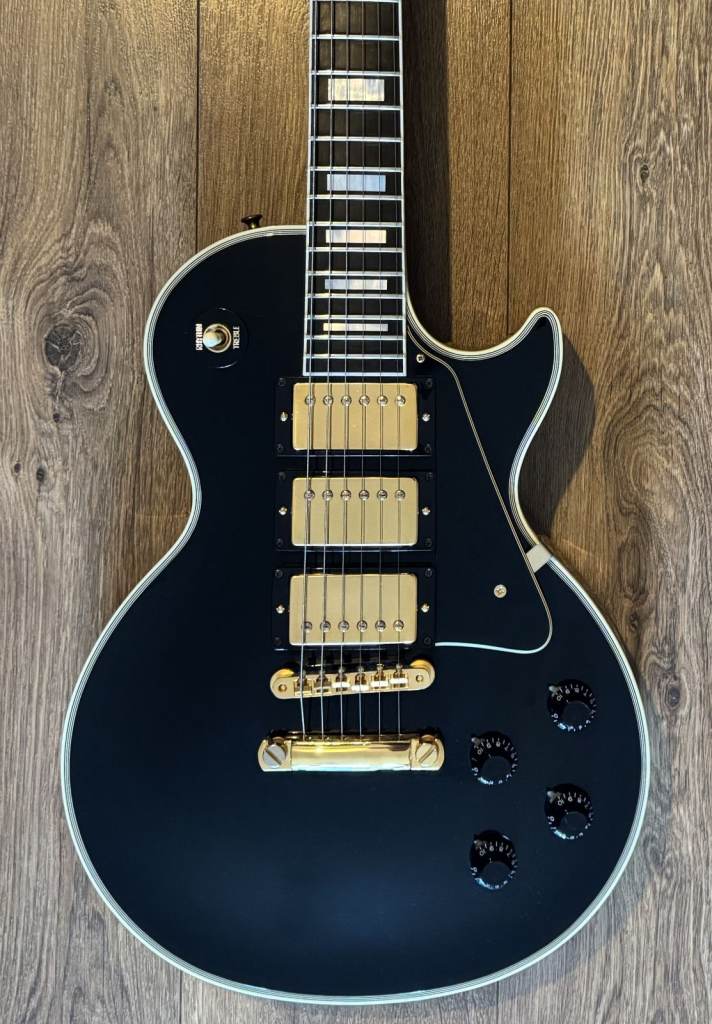
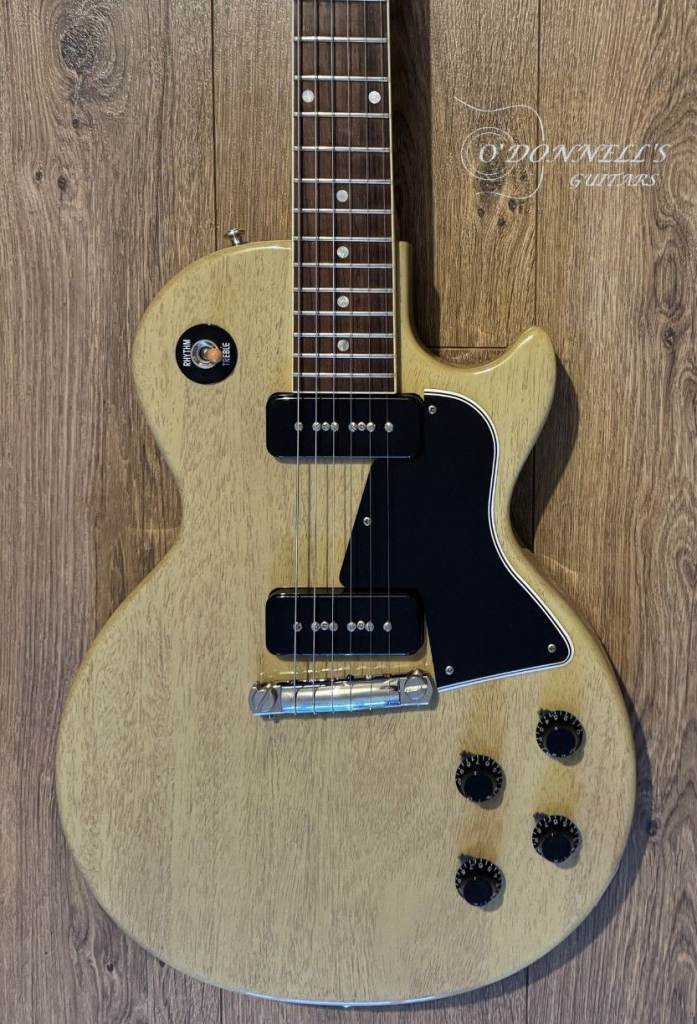
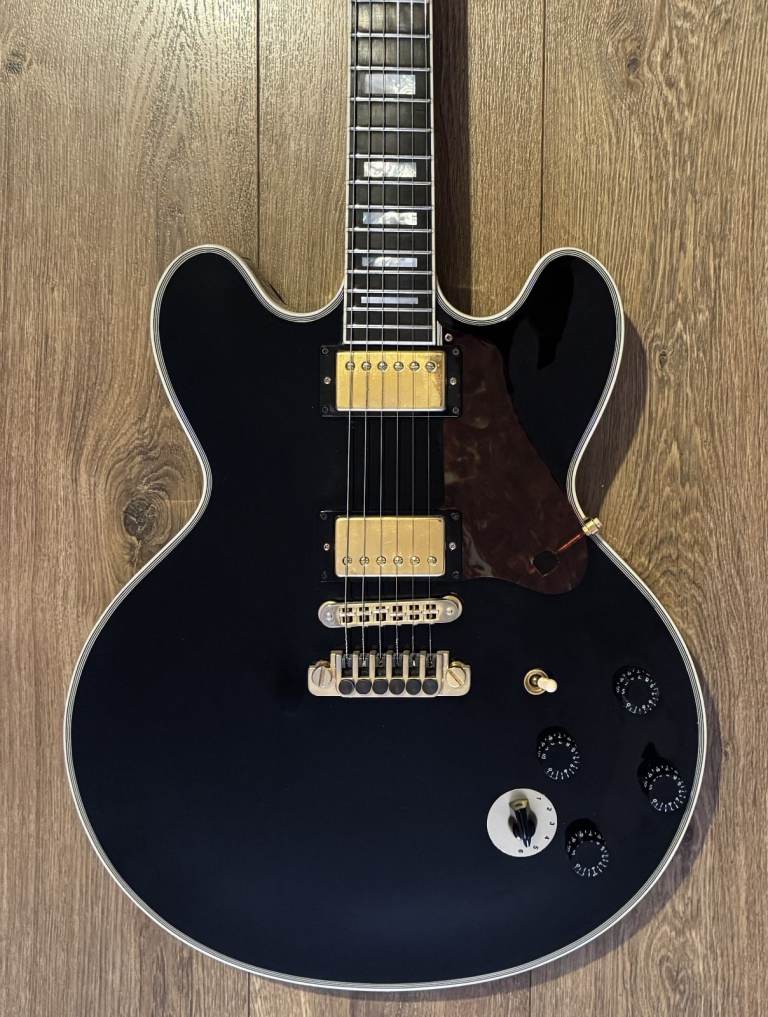
What should I check when buying a used guitar?
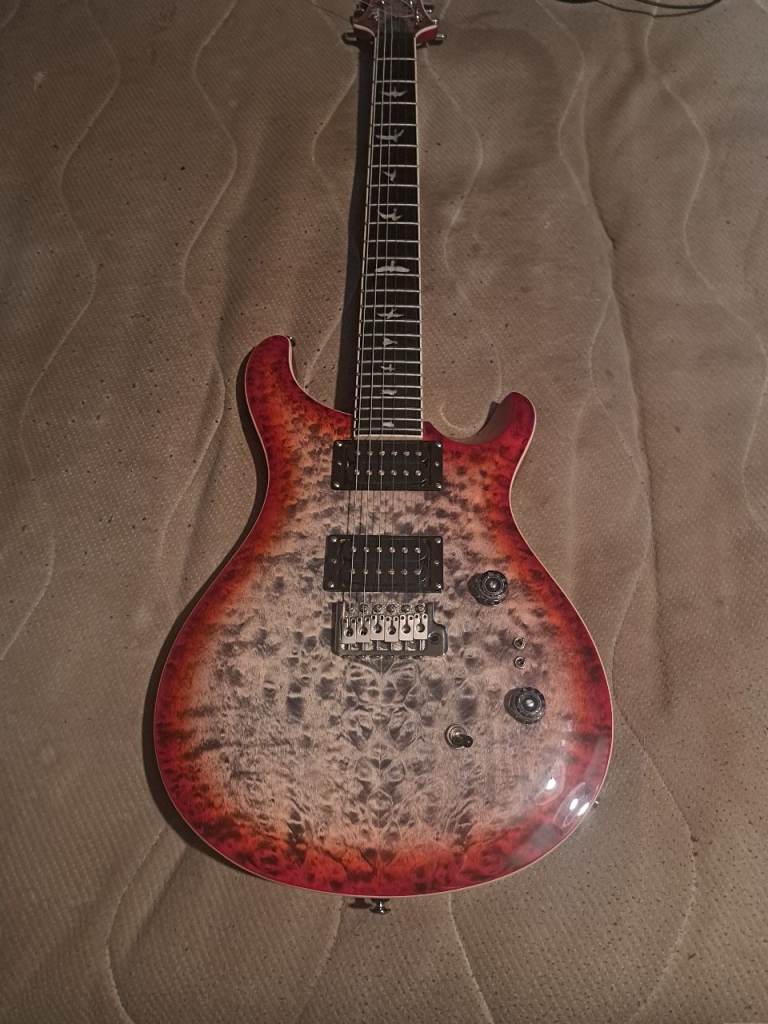
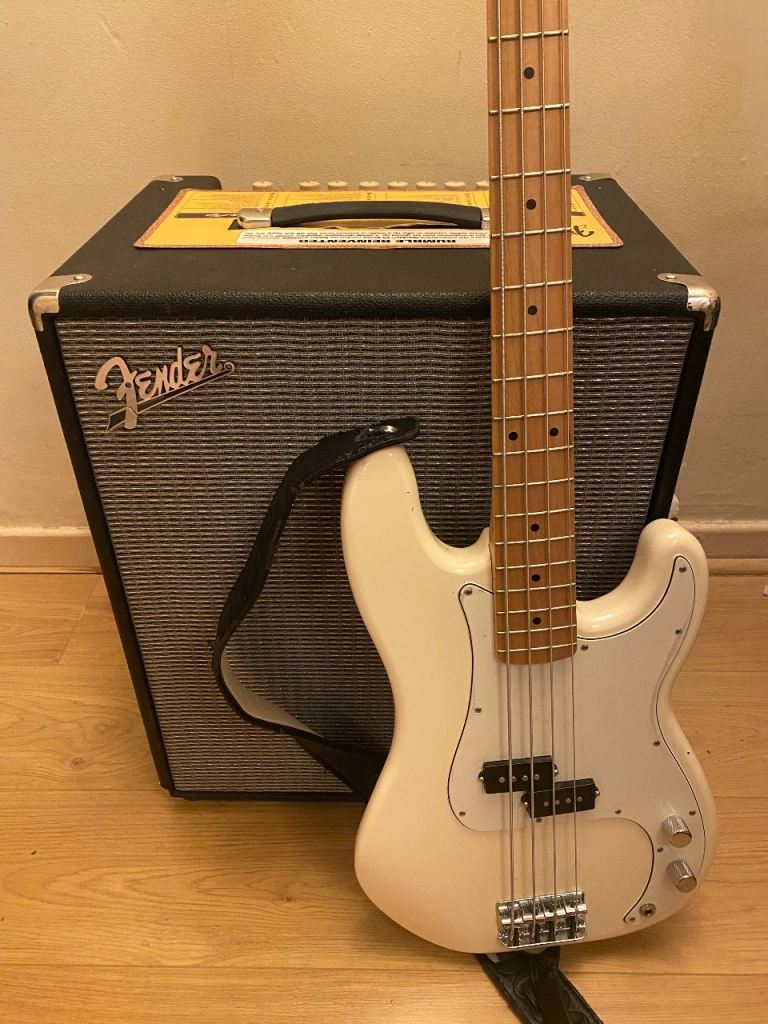
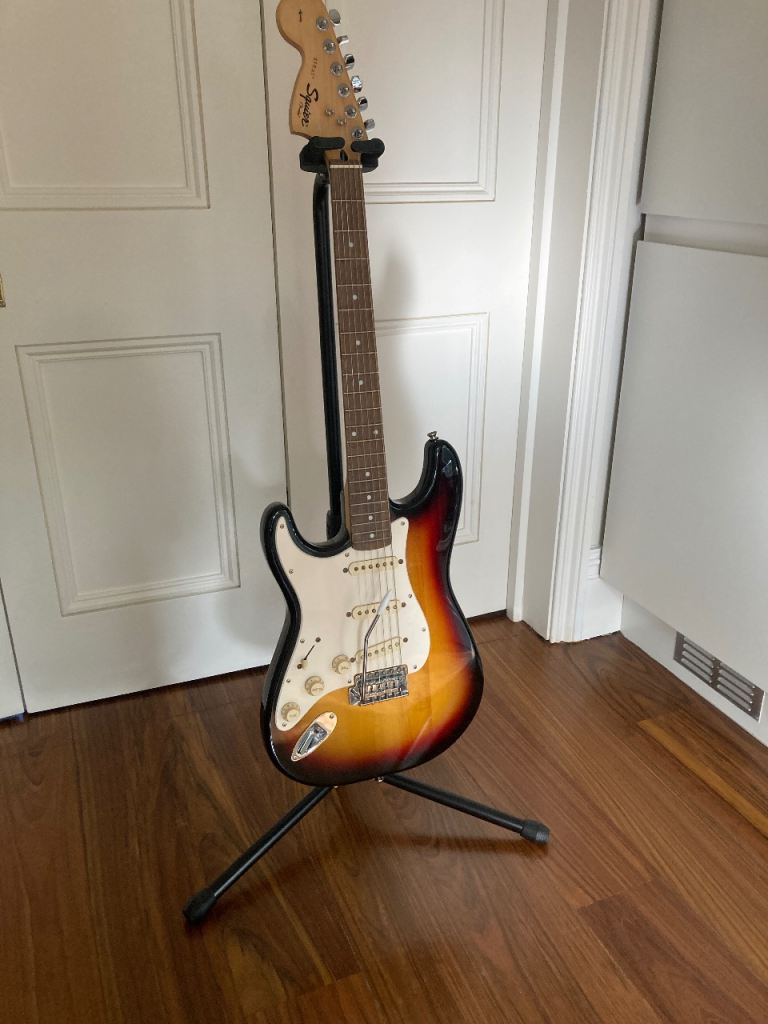
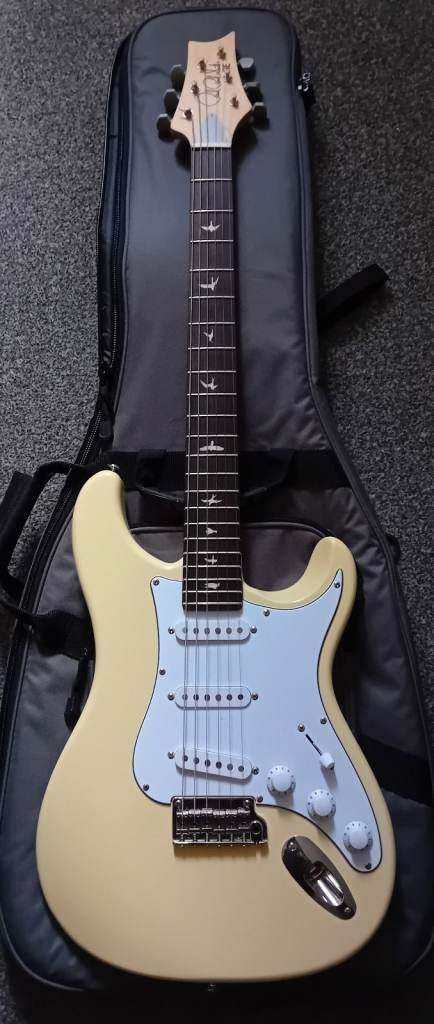
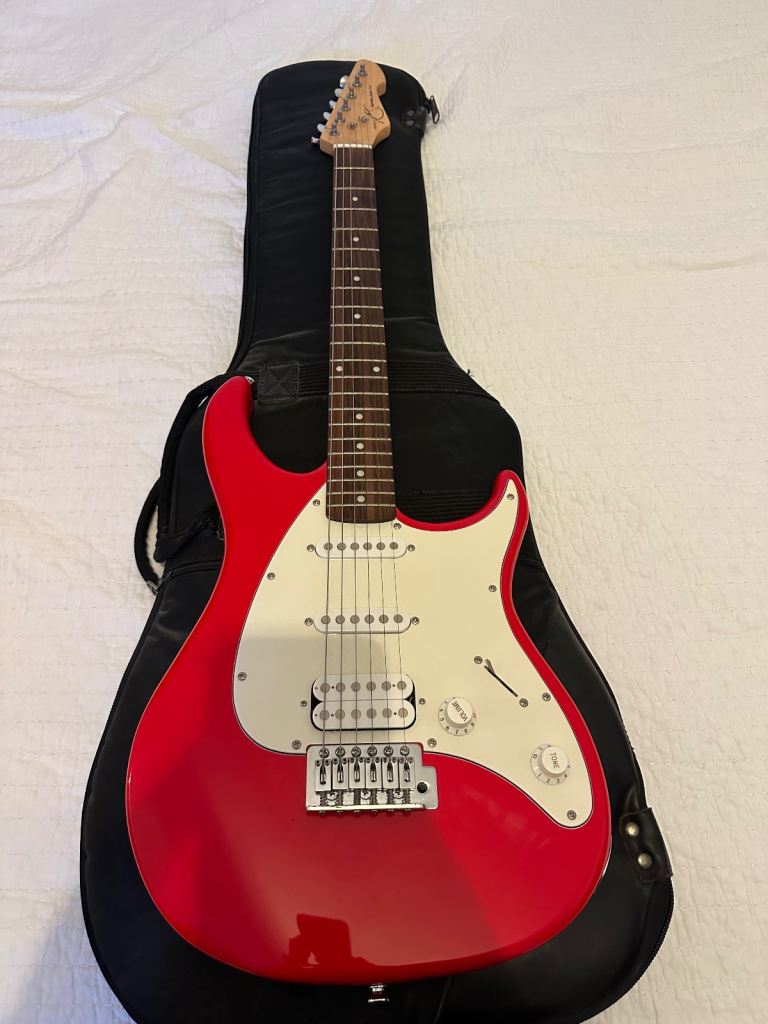
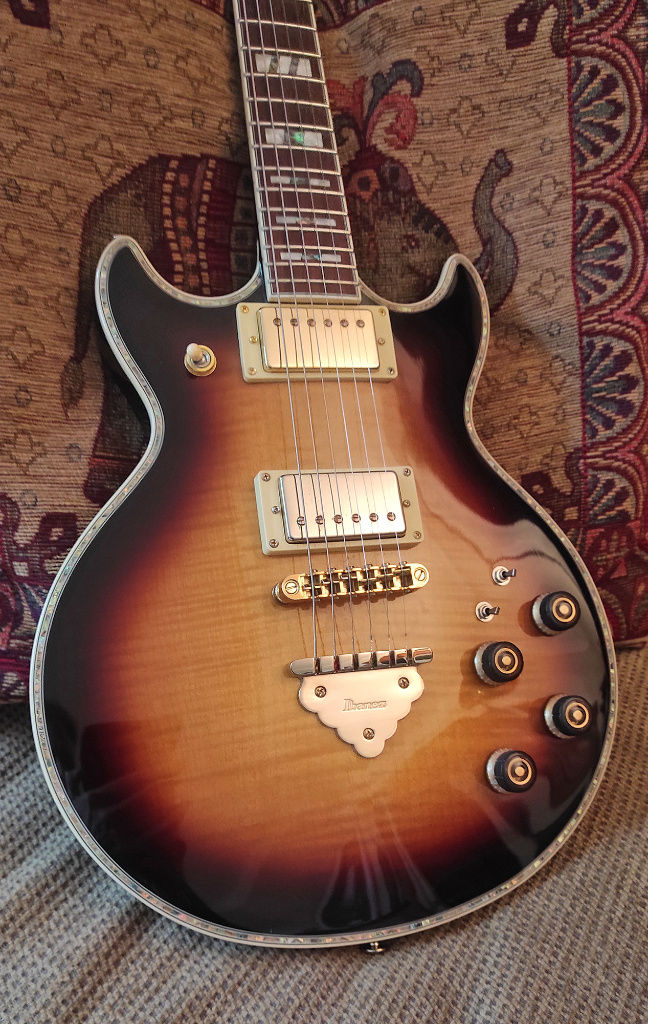
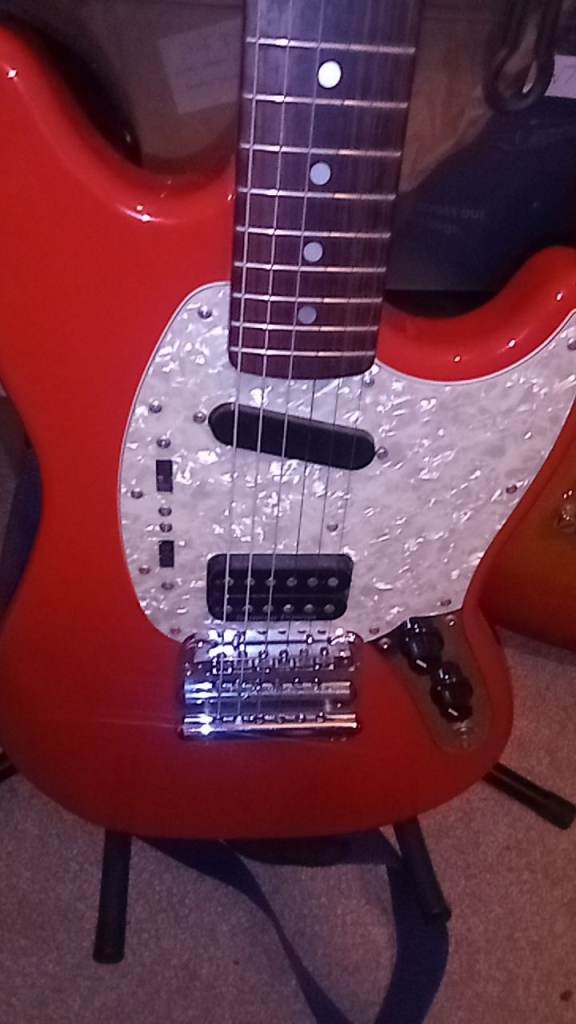
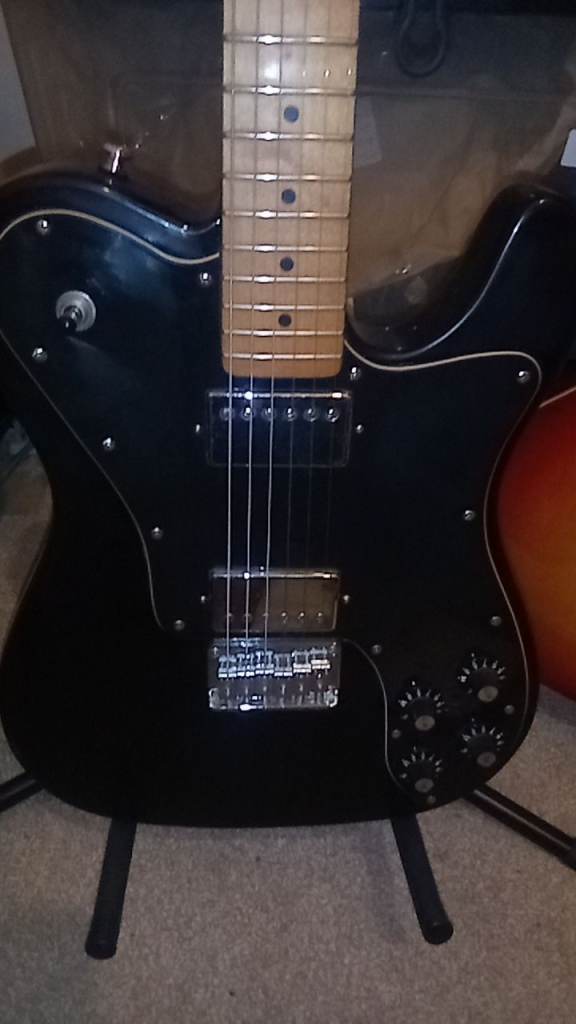
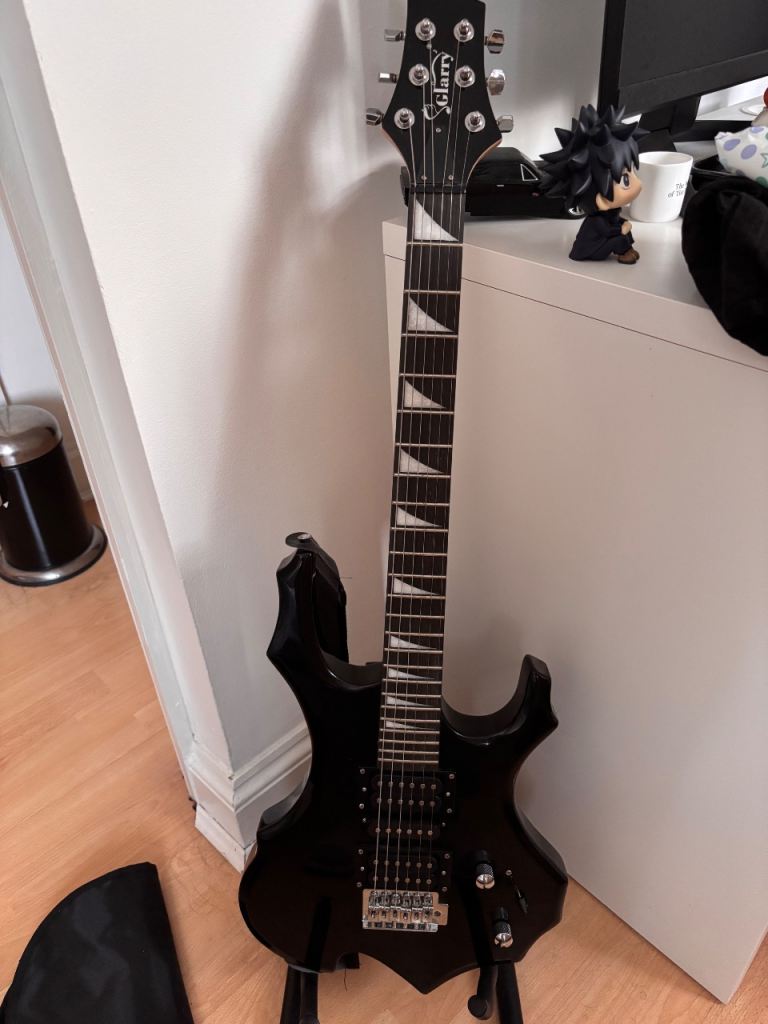
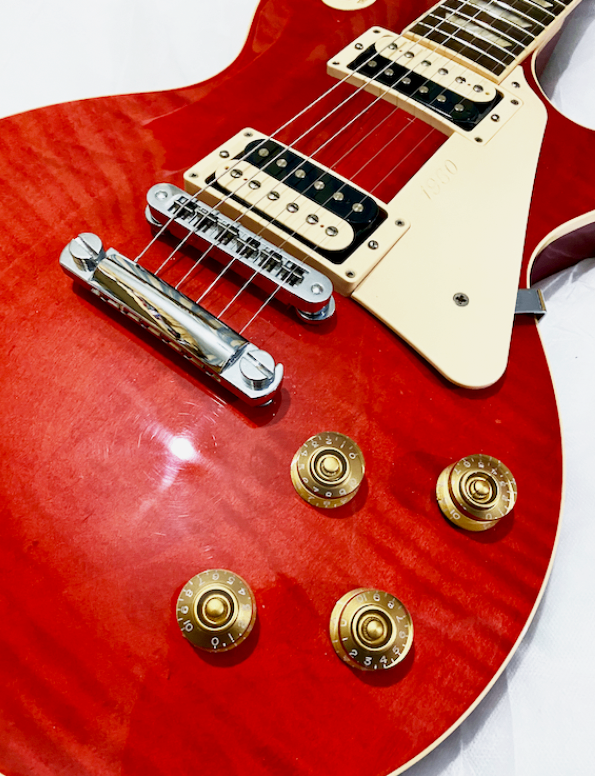
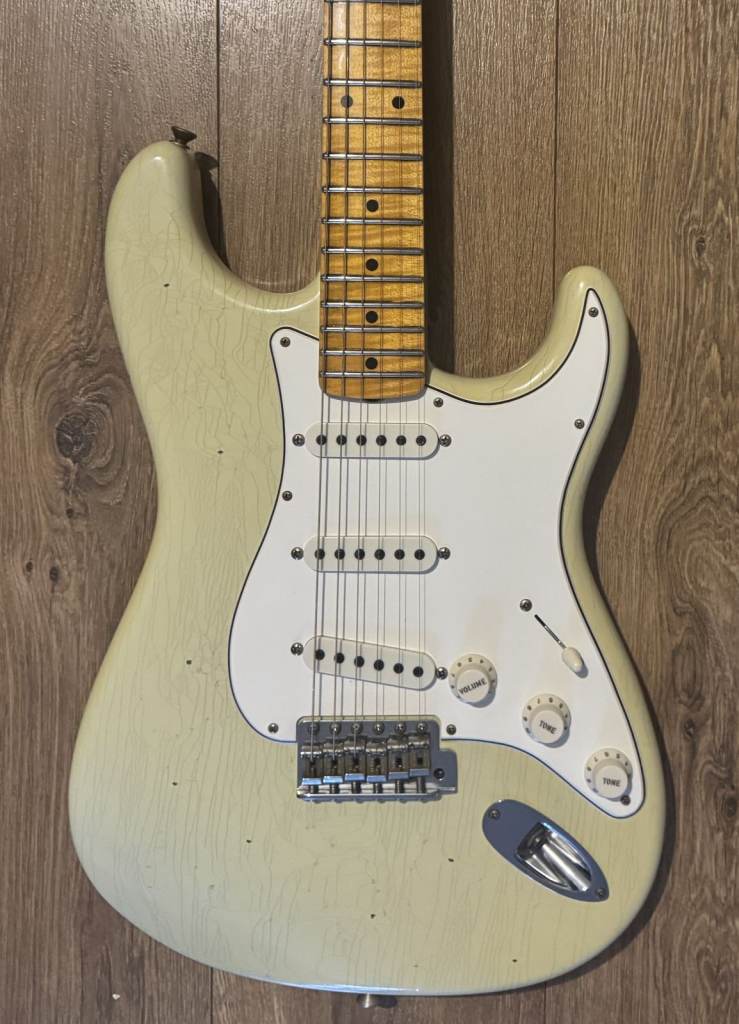
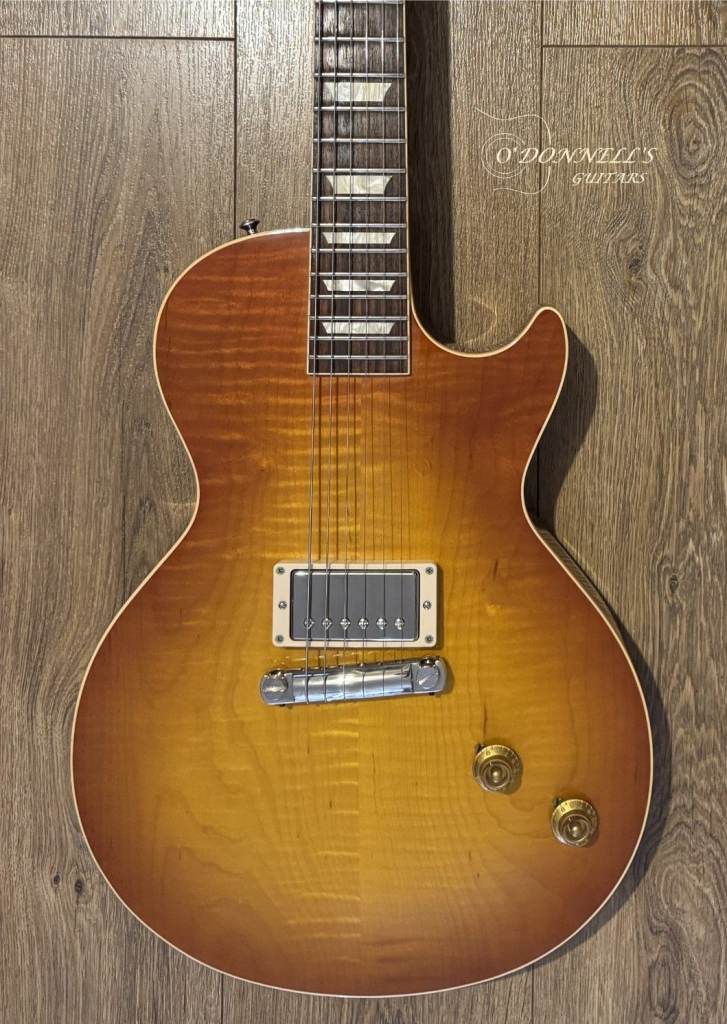
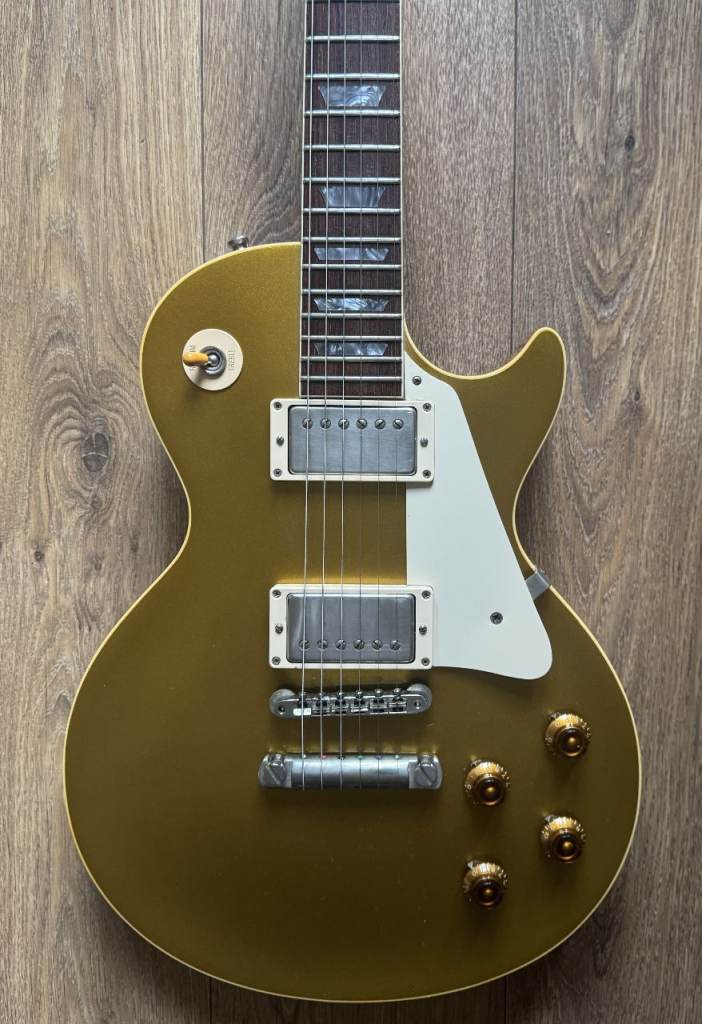
Inspect the neck for straightness and any signs of warping. Check the action (string height) and ensure it's comfortable to play. Examine the frets for wear and buzzing. Test all electronics, including pickups, knobs, and switches. Look for any cracks, dents, or other damage to the body.
How can I tell if a guitar is genuine and not a counterfeit?
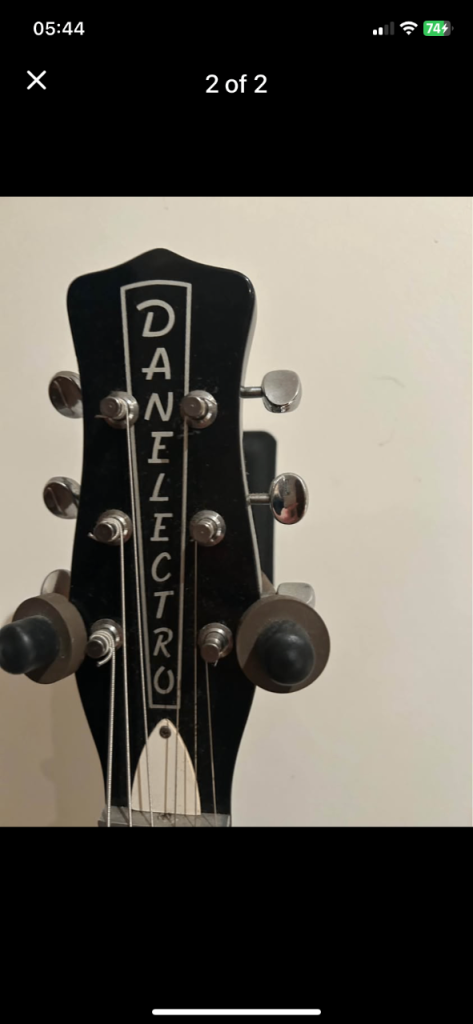
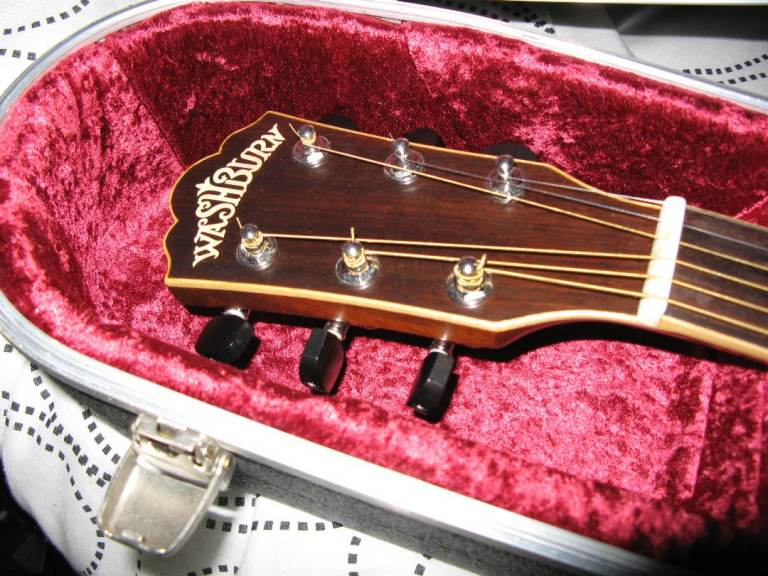
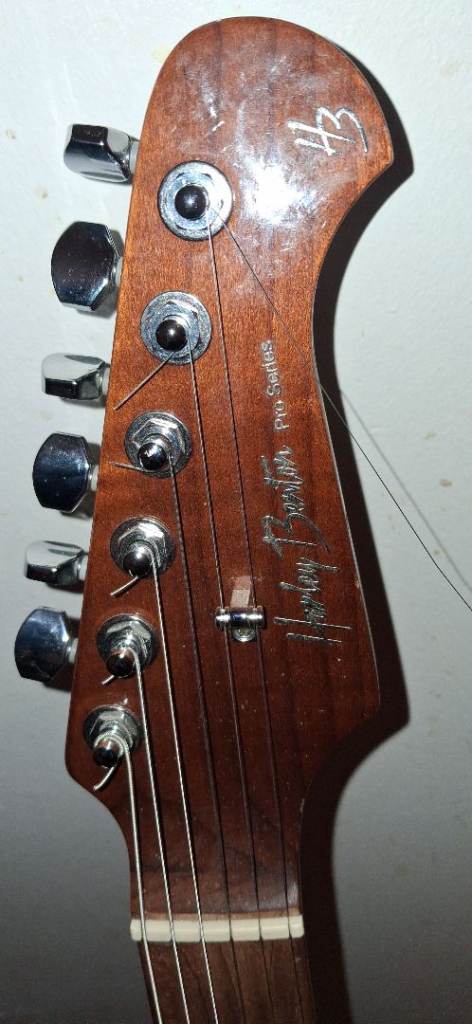
Research the specific model you're interested in and compare the details to the guitar you're inspecting. Look for inconsistencies in the headstock logo, serial number, hardware, and overall build quality. If the price seems too good to be true, it likely is. Consider having a professional luthier inspect the guitar.
What are some common issues to be aware of when buying a second-hand acoustic guitar?
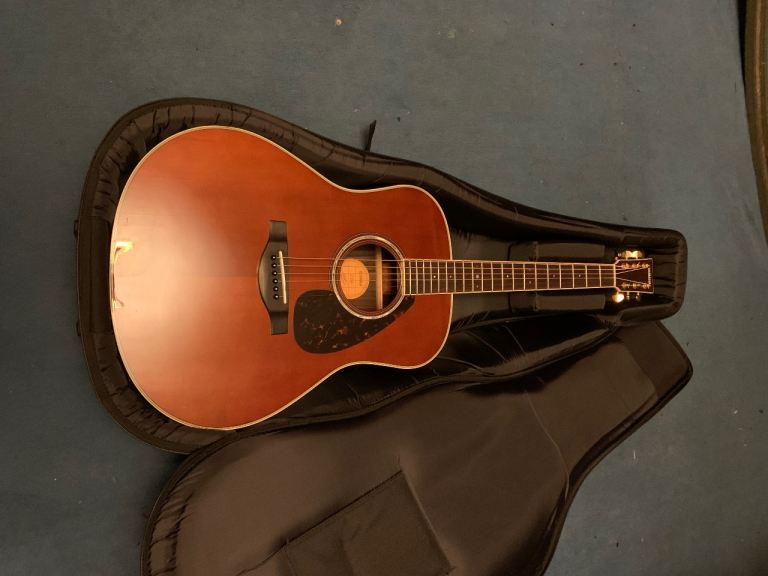
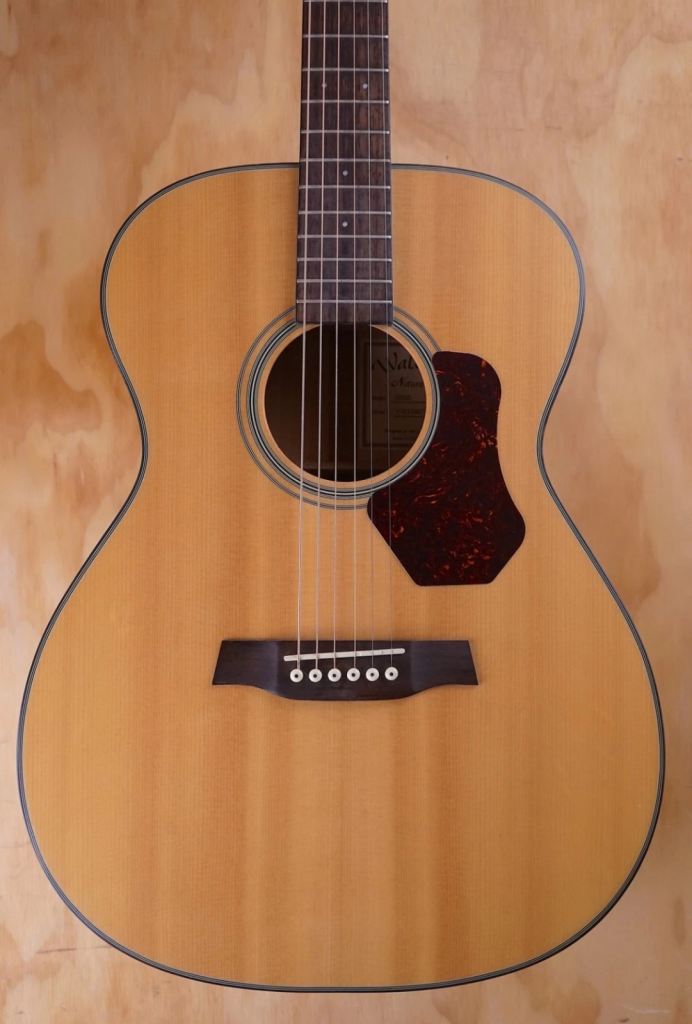
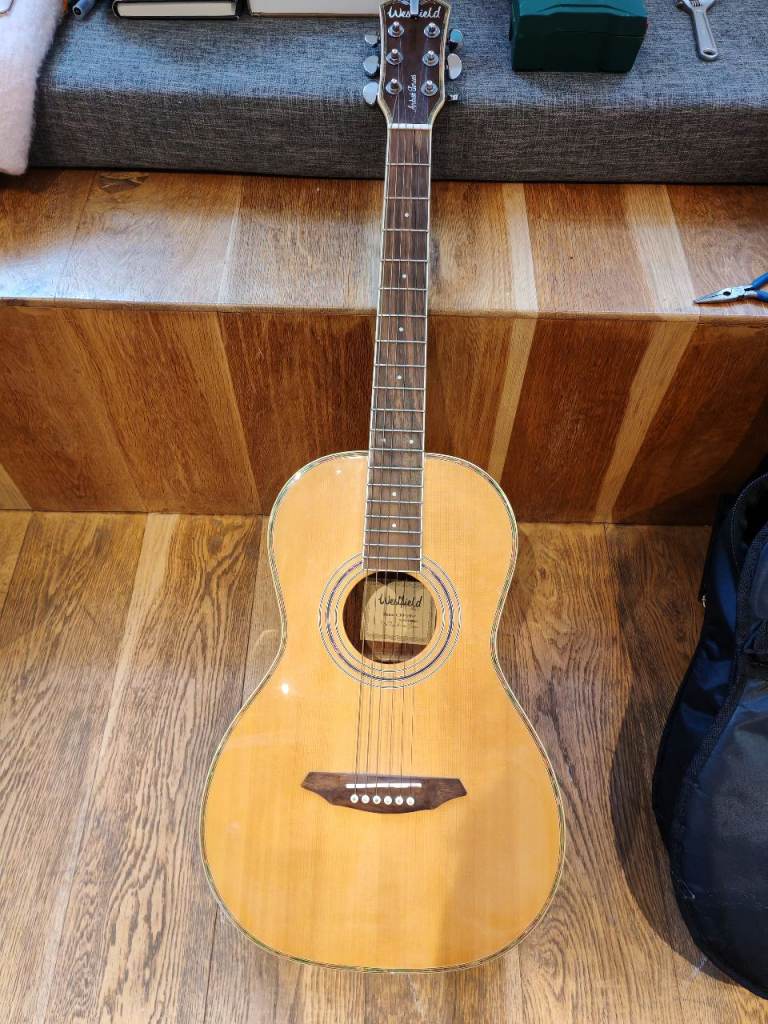
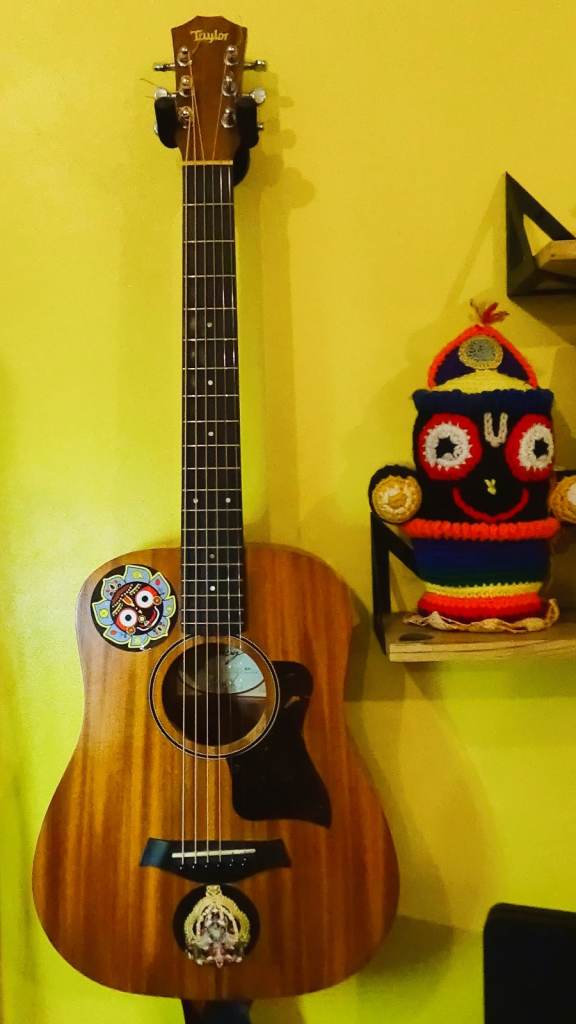
Check for cracks in the top, back, and sides of the body, especially around the bridge and neck joint. Inspect the bracing inside the guitar for any loose or damaged pieces. Ensure the neck is straight and the action is comfortable. Look for signs of excessive humidity or dryness, which can cause damage to the wood.
What questions should I ask the seller about the guitar's history?
Ask about the guitar's age, how often it was played, and whether it has been kept in a case. Inquire about any repairs or modifications that have been made. Find out why the seller is selling the guitar. Understanding the guitar's history can help you assess its condition and value.
What are some things to consider regarding transporting a guitar safely after purchase?
Ideally, transport the guitar in a hard case. If a hard case isn't available, use a padded gig bag. Loosen the strings slightly to reduce tension on the neck. Avoid exposing the guitar to extreme temperatures or humidity during transport. Secure the guitar in your vehicle to prevent it from shifting or falling.