What experience and qualifications should I look for in a private cleaner in London?
When hiring a private cleaner, consider their experience, especially cleaning similar-sized properties. Check if they have any relevant qualifications or certifications, such as COSHH (Control of Substances Hazardous to Health) training, which ensures they understand how to handle cleaning products safely. References from previous employers are invaluable for verifying their reliability and quality of work.
What insurance should a private cleaner have, and why is it important?
It's crucial that a private cleaner has public liability insurance. This insurance protects you if the cleaner accidentally damages your property or injures themselves while working in your home. Always ask for proof of insurance before hiring someone.
What tasks should be included in a private cleaner's job description?
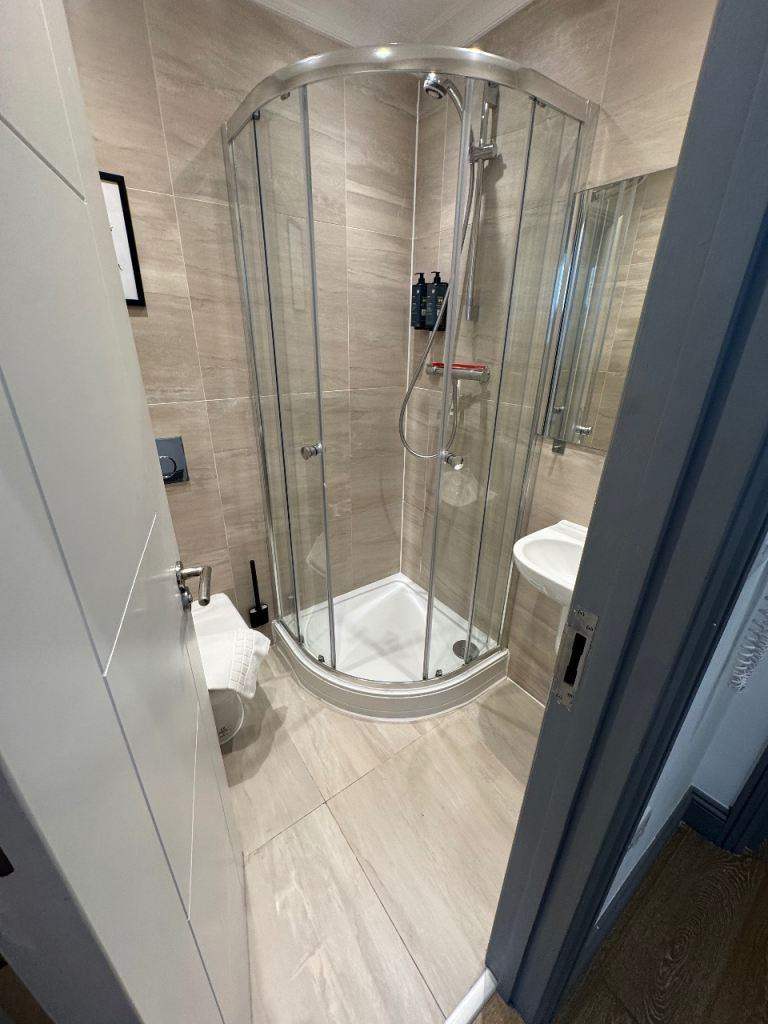
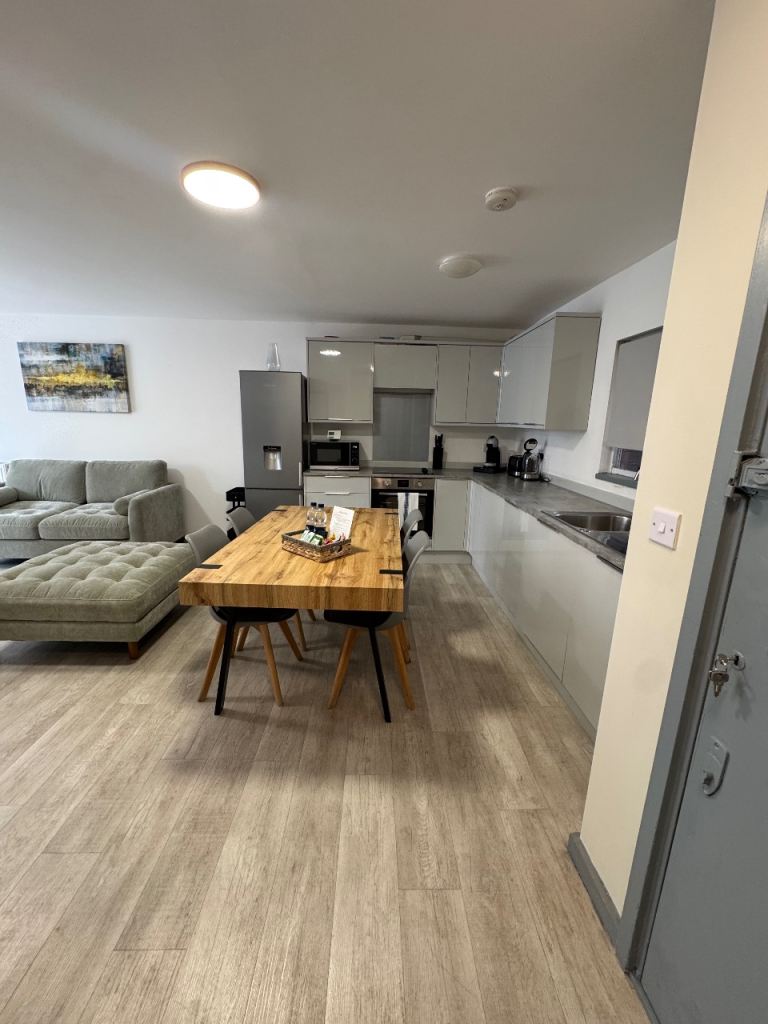
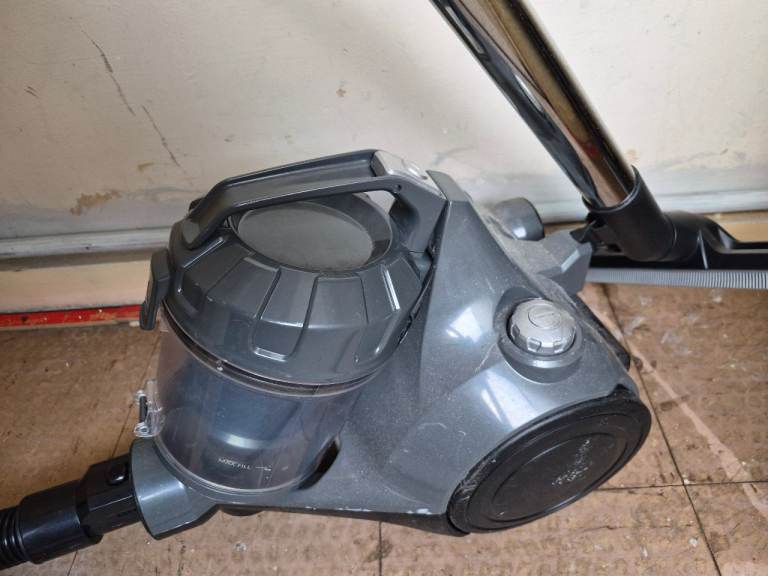
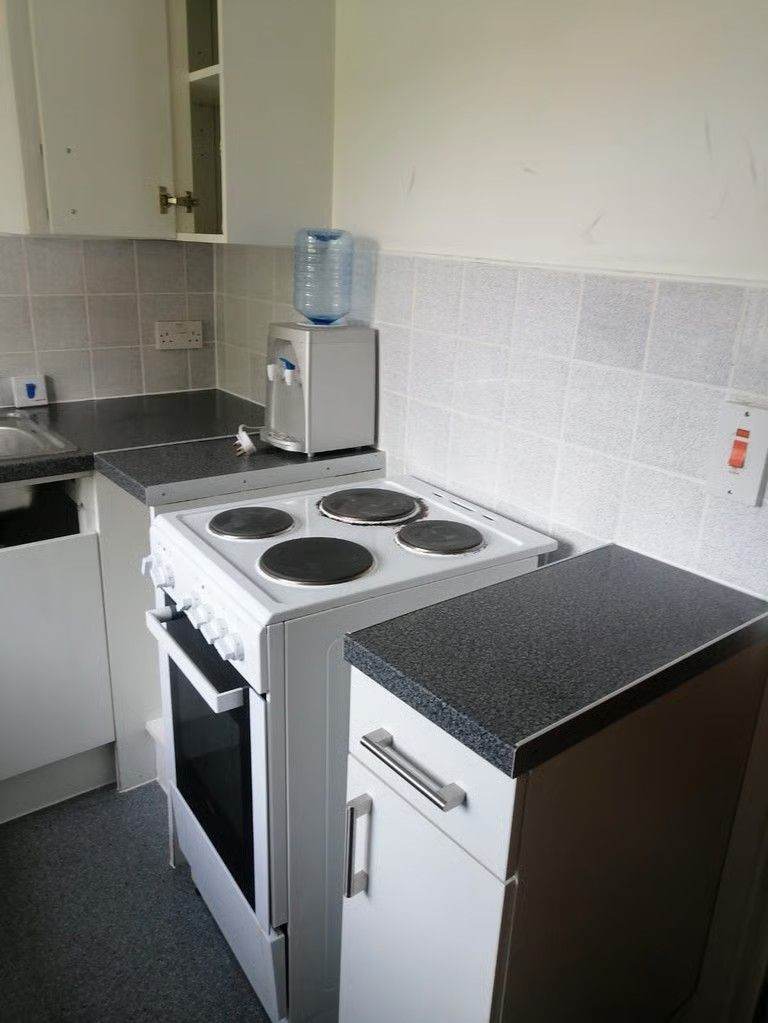
Clearly define the tasks you expect the cleaner to perform, such as dusting, vacuuming, mopping, cleaning bathrooms and kitchens, laundry, and ironing. Be specific about the areas to be cleaned and the frequency of each task. A written agreement helps prevent misunderstandings.
How should I agree on payment terms and working hours with a private cleaner?
Discuss and agree on an hourly rate or a fixed price for the job before the work begins. Clarify the payment schedule (e.g., weekly, monthly) and the method of payment (e.g., cash, bank transfer). Also, agree on the working hours and any flexibility required.
What are my responsibilities as an employer of a private cleaner in the UK?
If you employ a private cleaner regularly, you may be considered an employer and have legal responsibilities, including paying National Insurance contributions and income tax if their earnings exceed the threshold. You should also check their right to work in the UK. It's advisable to seek advice from HMRC (Her Majesty's Revenue and Customs) or a professional payroll service to ensure you comply with employment law.