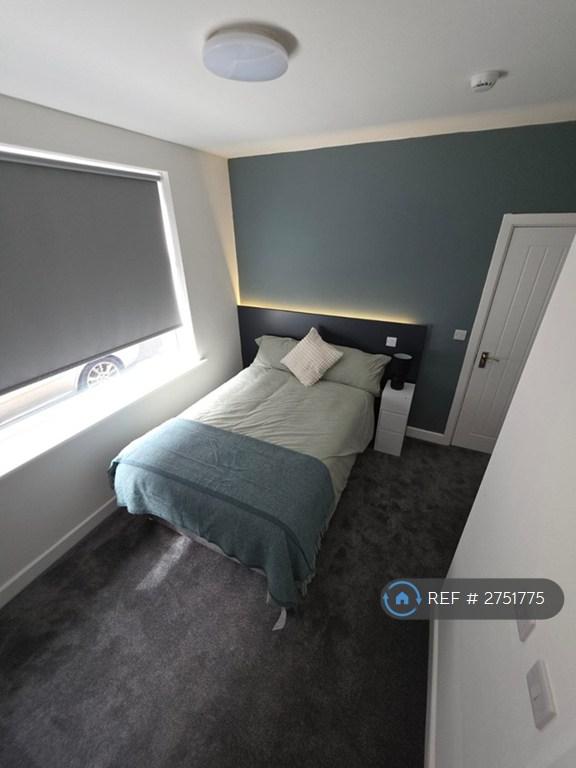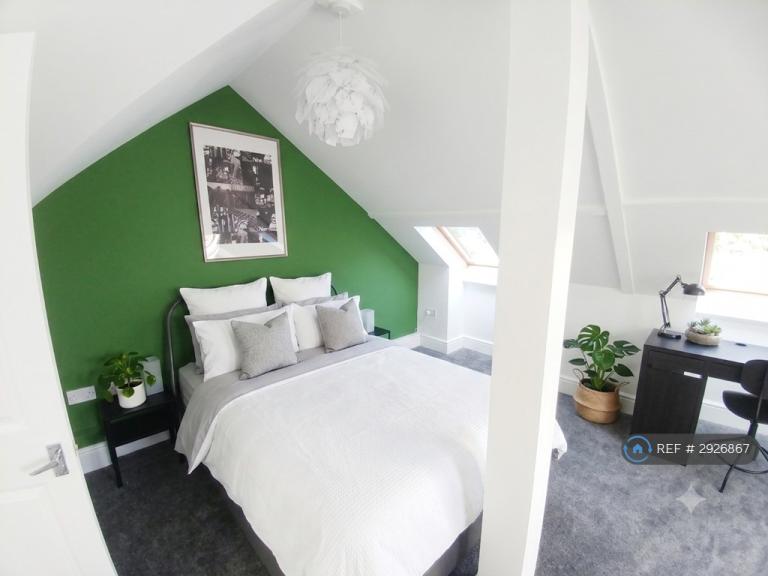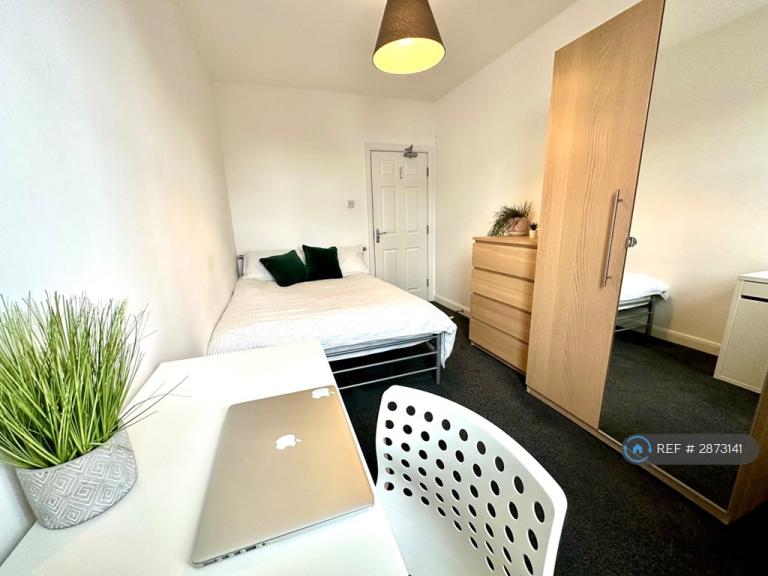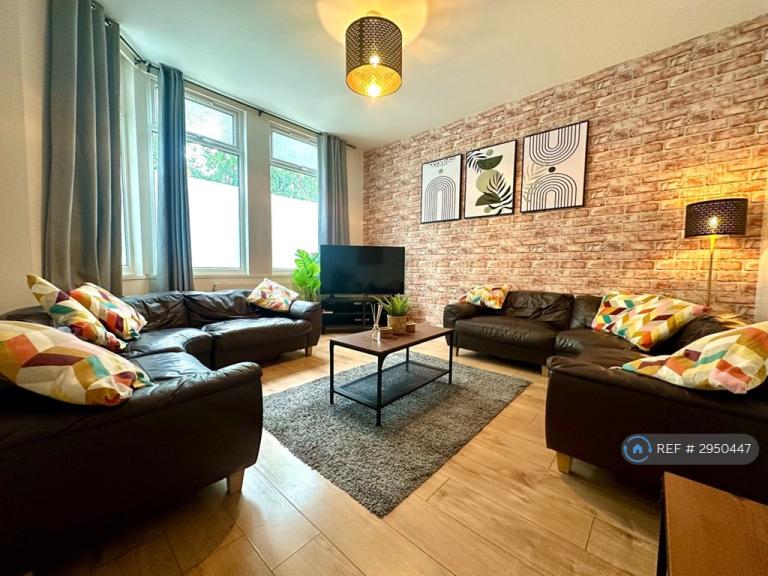
12
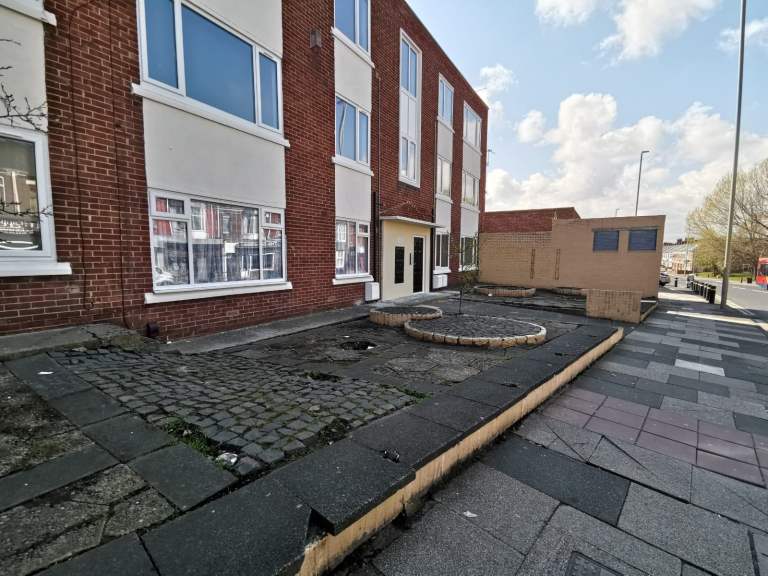
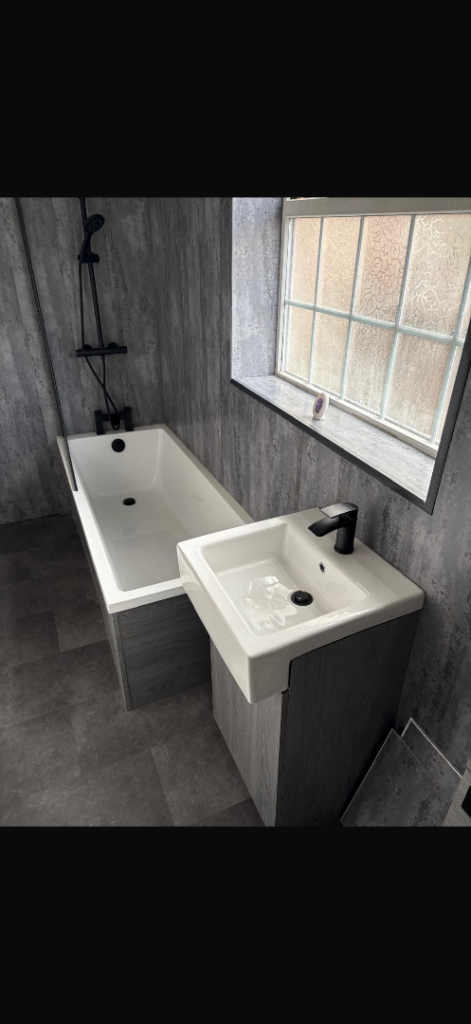
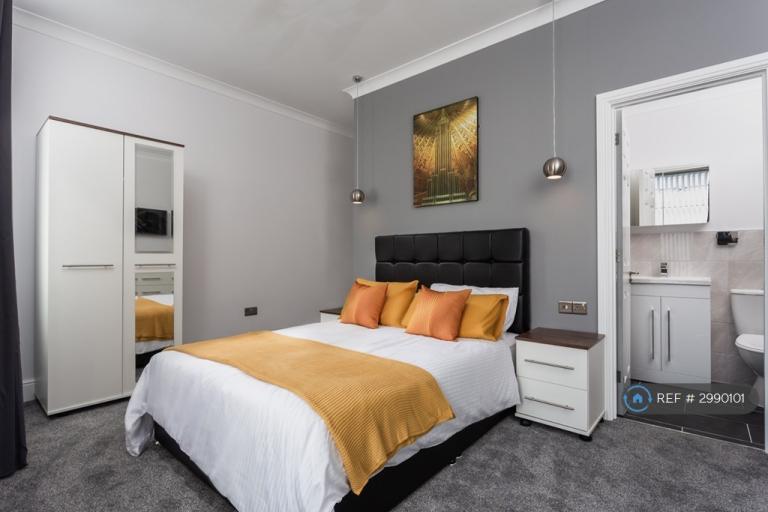
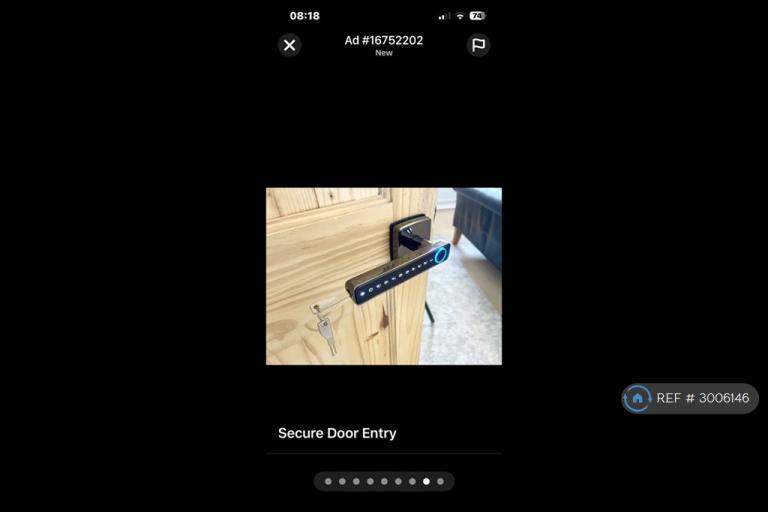
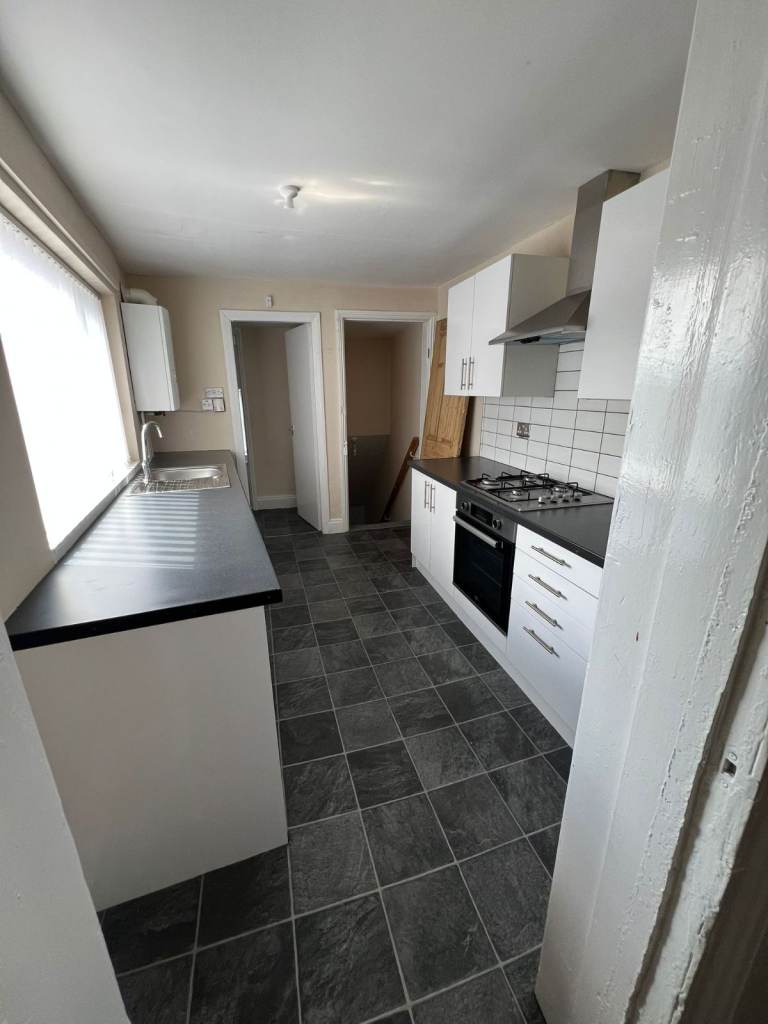
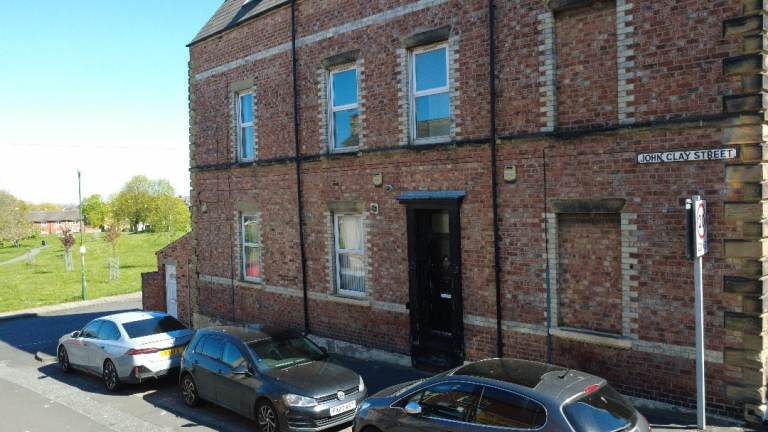
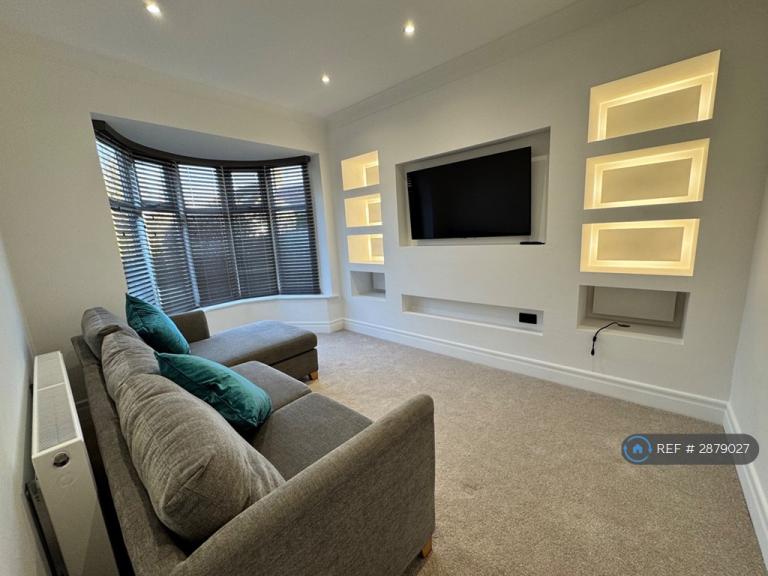
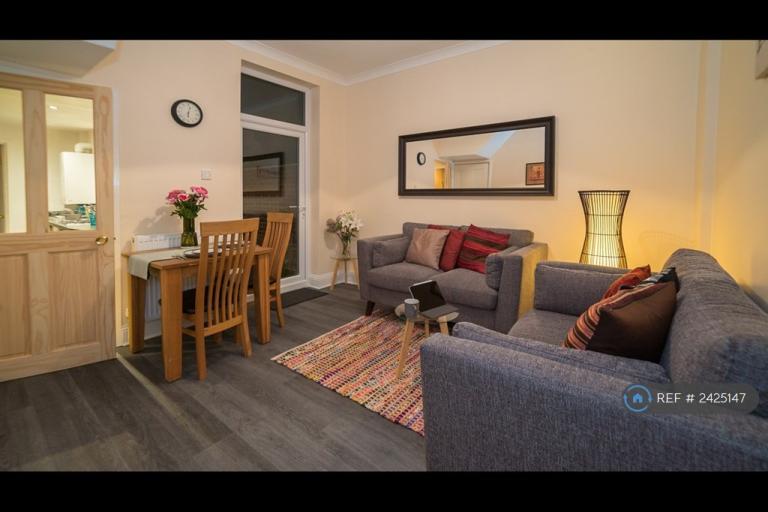
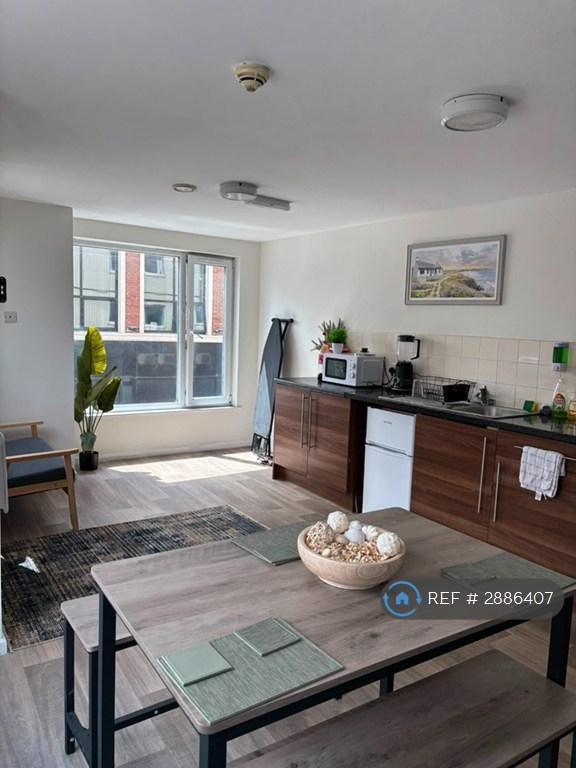
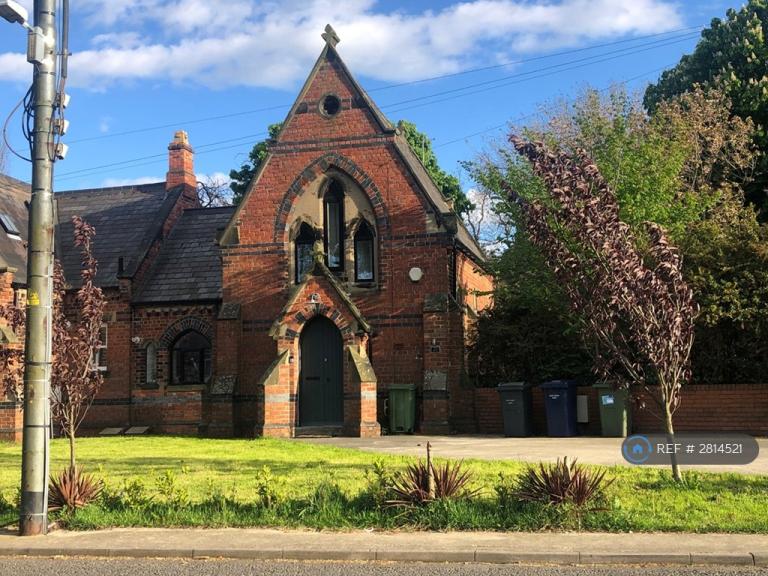
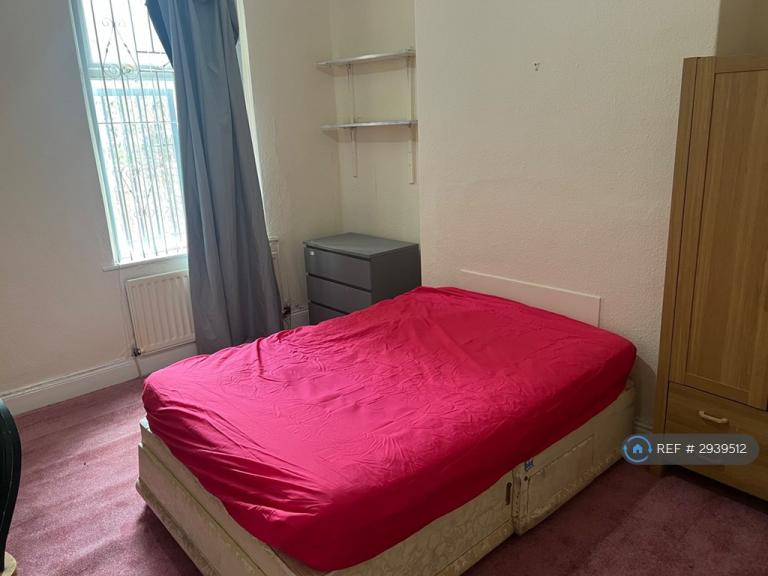
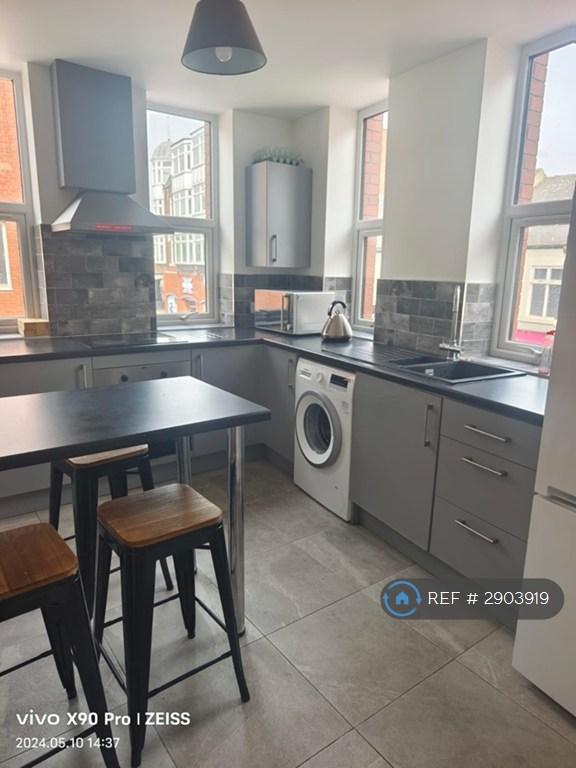
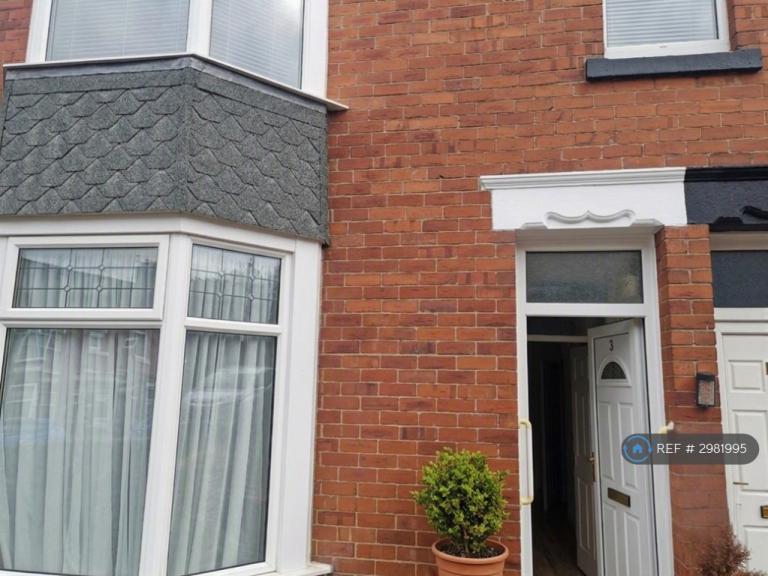
2 bedroom flat in Pembroke Terrace, South Shields, NE33 (2 bed) (#2981995)
AgencyDate available: 19 Aug 2026Flat2 Beds
South Shields, Tyne and Wear
£696pm
When viewing a property, carefully inspect for any signs of damp, mould, or structural issues. Check that all appliances listed in the advert are present and in working order. Ensure there are adequate safety features such as smoke alarms and carbon monoxide detectors. Note the overall condition of the property and garden (if applicable) and document any existing damage before signing a lease.
Landlords in the UK have several legal obligations, including ensuring the property is safe and fit to live in, protecting your deposit in a government-approved scheme, and having a valid Energy Performance Certificate (EPC). They must also conduct regular gas safety checks if the property has gas appliances and provide you with a copy of the 'How to Rent' guide.
Before signing, clarify who is responsible for repairs and maintenance, what the policy is on pets (if applicable), and what the notice period is for ending the tenancy. Ask about council tax responsibilities, utility bill arrangements, and whether there are any restrictions on decorating or making changes to the property.
A deposit protection scheme is a government-approved scheme that safeguards your deposit during your tenancy. Landlords are legally required to register your deposit within 30 days of receiving it. This ensures that your deposit is protected and that you can dispute any unfair deductions at the end of your tenancy. You should receive details of which scheme your deposit is protected by.
If you encounter problems, such as necessary repairs, notify your landlord or letting agent in writing as soon as possible. Keep records of all communication. If the landlord fails to address the issues within a reasonable timeframe, you may have grounds to take further action, such as contacting the local council's housing department or seeking legal advice. It is important to continue paying rent while the issue is resolved unless otherwise advised by a legal professional.