Featured
13
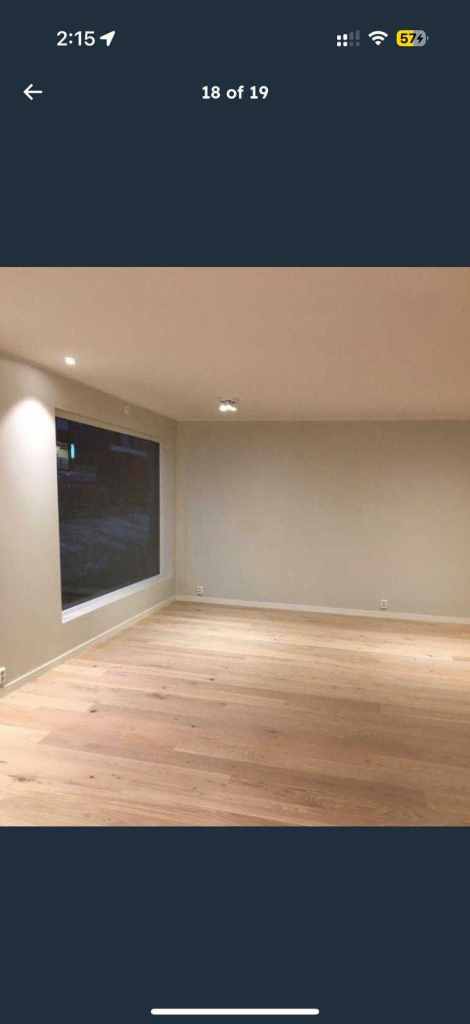
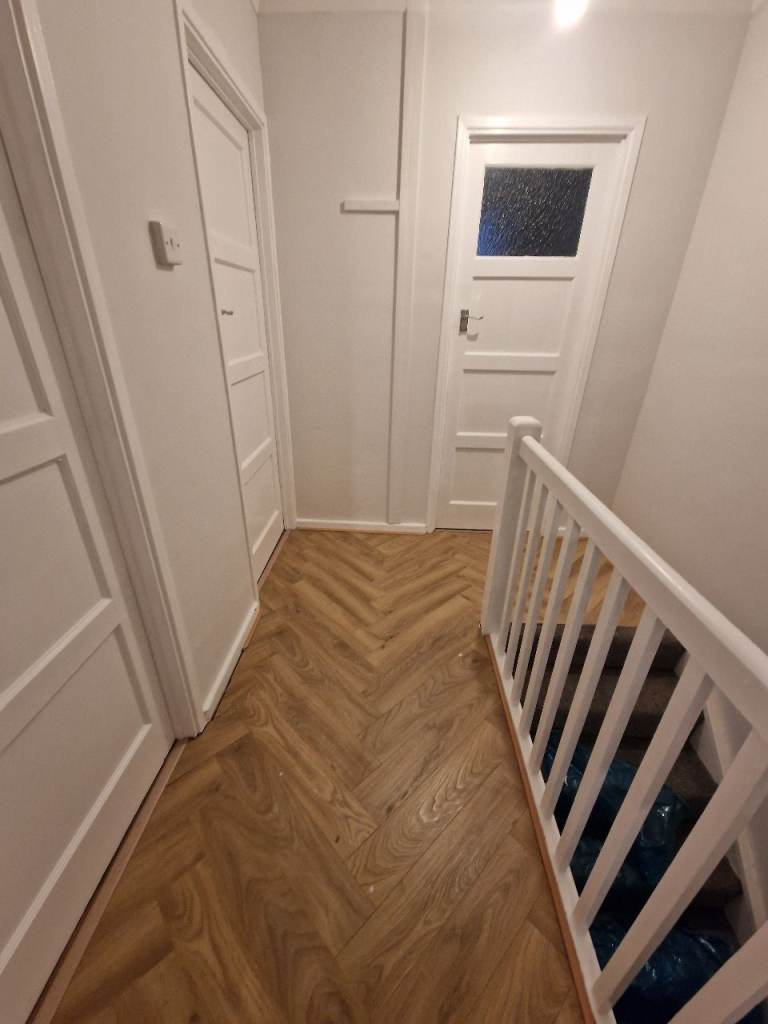
Creative / Studio / Artist / Workshop space to rent - Park Royal West London
PrivateDate available: 11 Jun 2026Other
Acton, London
£400pm
When viewing a commercial property, carefully inspect the condition of the building, including the roof, walls, and floors. Check for any signs of damp, leaks, or structural issues. Ensure the property meets your business's specific requirements in terms of size, layout, and accessibility. Also, verify the availability and condition of essential services like electricity, water, and drainage.
Before signing a lease, understand your obligations under the Landlord and Tenant Act 1954. Ensure the lease clearly outlines responsibilities for repairs, insurance, and service charges. You will also need to comply with relevant planning permissions and building regulations for your intended use of the property. Consult with a solicitor to review the lease agreement and ensure compliance with all legal requirements.
A 'use class' defines the permitted use of a commercial property. It's crucial to ensure the property's use class aligns with your business activities. Using a property for a purpose outside its designated use class can lead to enforcement action from the local council. Check with the local planning authority to confirm the property's use class and whether your intended use is permitted.
Business rates are a tax on non-domestic properties, and you'll typically be responsible for paying them as a tenant. The amount you pay depends on the property's rateable value, which is assessed by the Valuation Office Agency (VOA). You can check the rateable value online and potentially appeal it if you believe it's incorrect. Factor business rates into your overall budget when considering a commercial property.
Common types of commercial leases include Full Repairing and Insuring (FRI) leases, where the tenant is responsible for all repairs and insurance, and internal repairing leases, where the landlord covers structural repairs. Shorter-term leases may have different repair obligations. Understand the specific terms of the lease regarding repairs, insurance, and rent review clauses before committing to a property. Seek legal advice to fully understand your responsibilities.